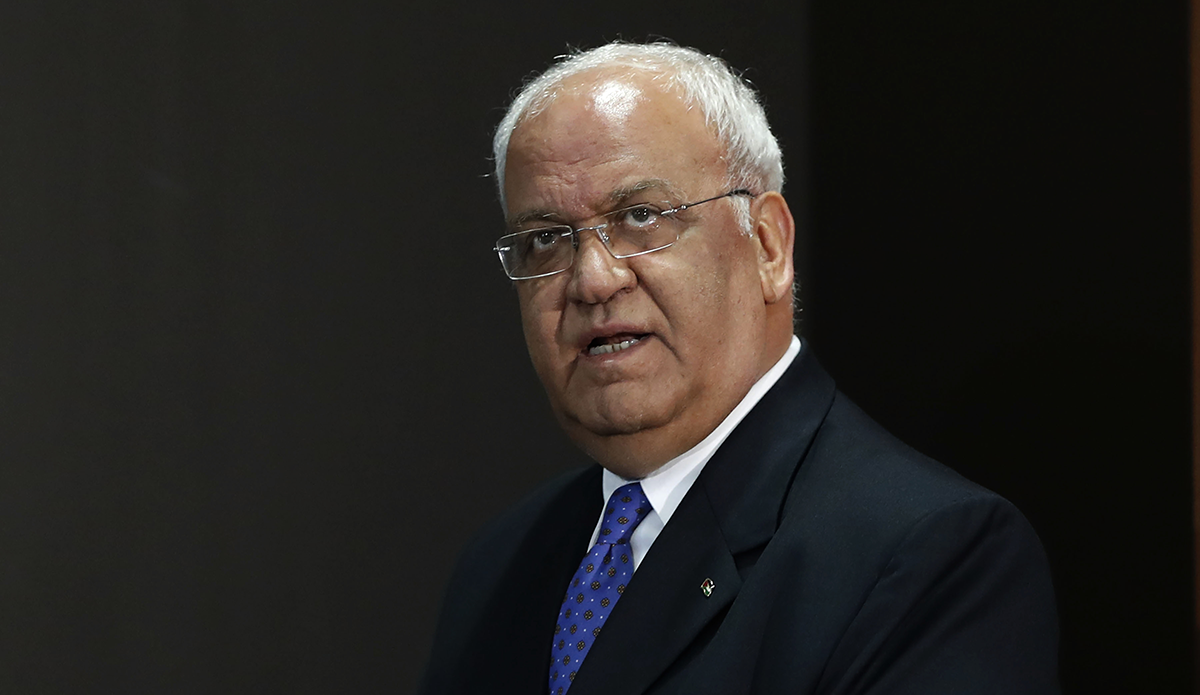
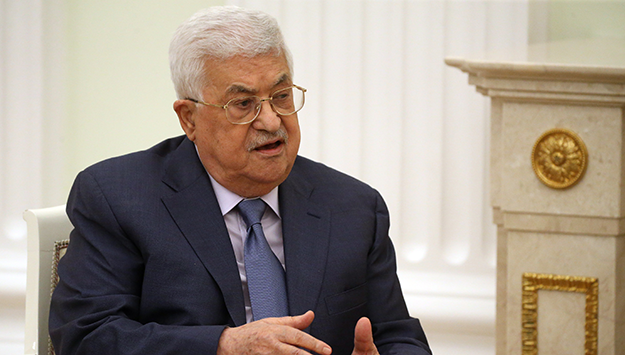
The passing of Palestinian chief negotiator Saeb Erakat is a tremendous loss, not only for his family but for the Palestinian people and all those who knew and worked with him as well. He was a tireless advocate for his people who dedicated his life to the goal of Palestinian freedom and the dream of Israeli-Palestinian peace.
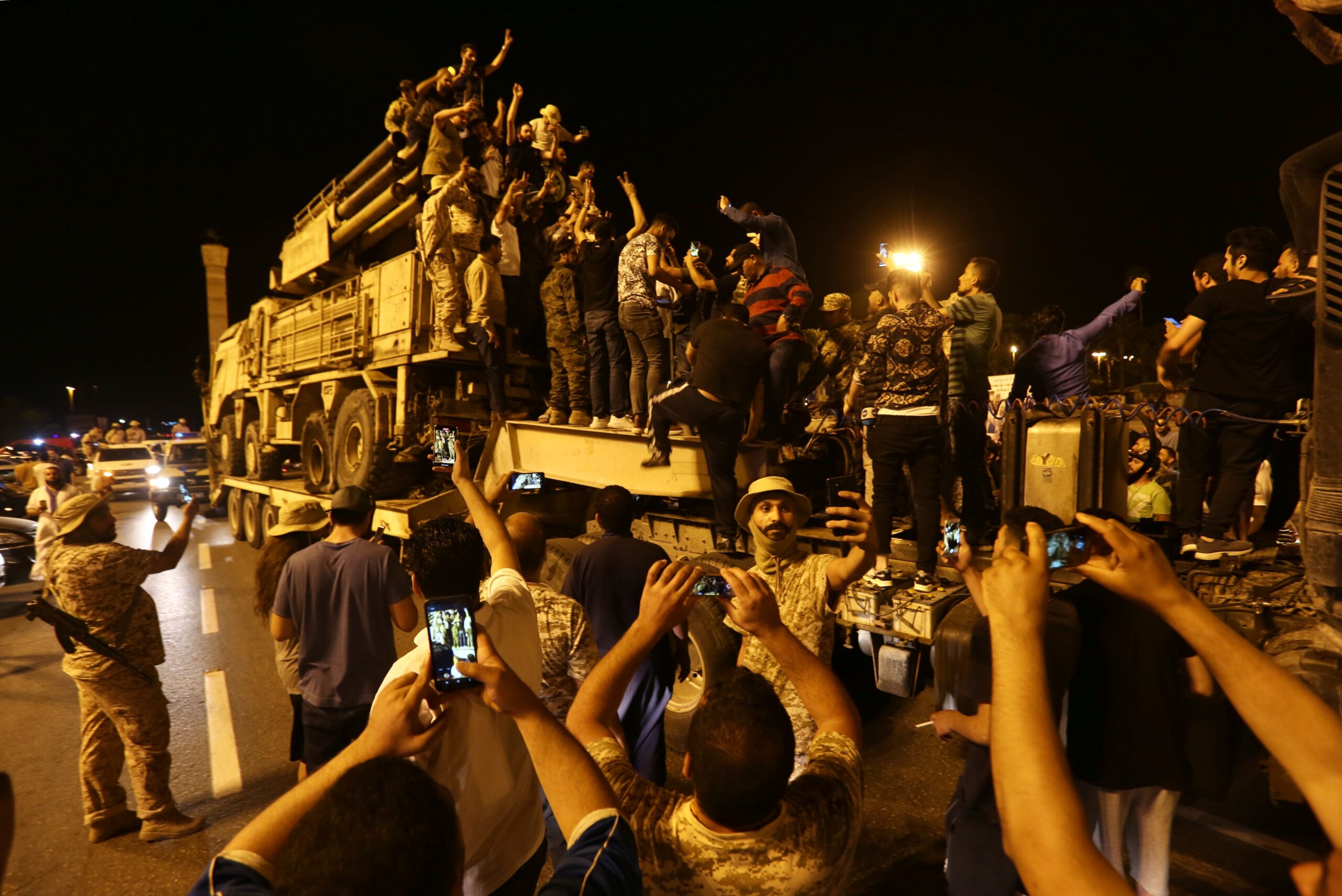
Turning the Tide: How Turkey Won the War for Tripoli
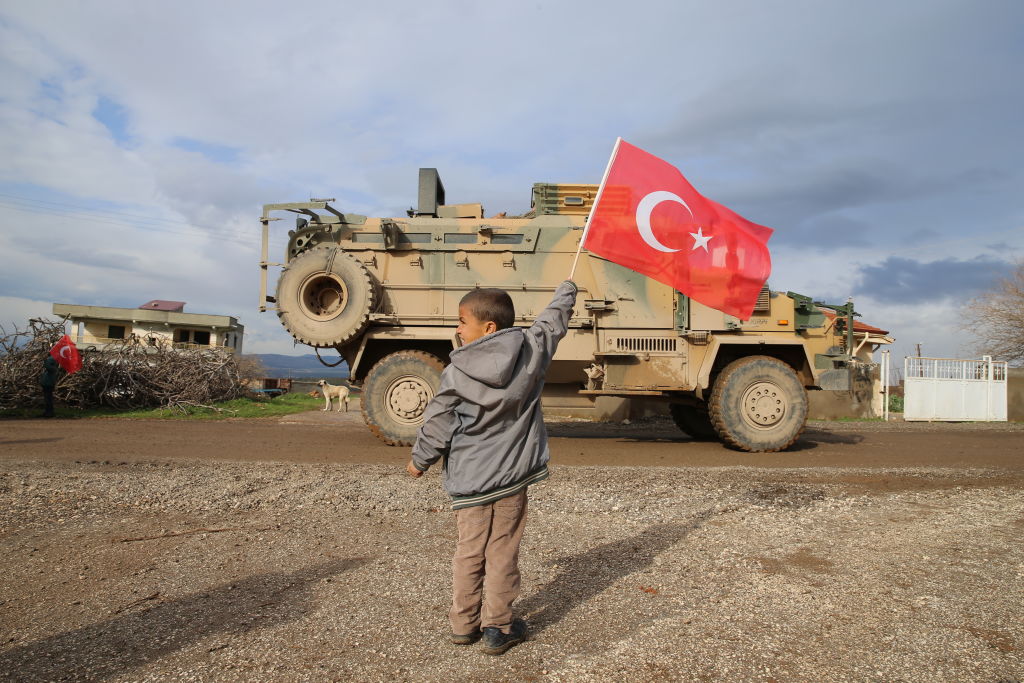
The War for Tripoli, launched by Gen. Khalifa Hifter in April 2019, came to an abrupt end in June 2020 after extensive Turkish military capabilities were introduced to the theater at the beginning of the year. This research paper seeks to drill down into the military, logistical, and technological aspects of the war, highlighting the unique role of drones, soft-kill and hard-kill air defense technologies, private military contractors, and extraterritorial military professionals in determining its final outcome.
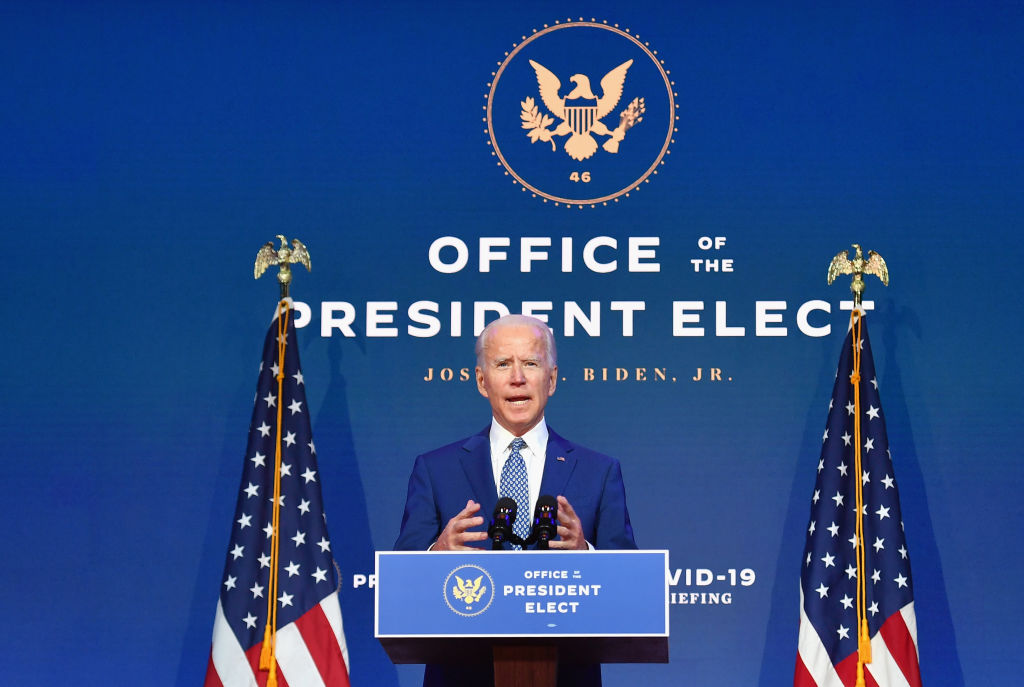
Monday Briefing: The reverberations of the US election in the Middle East
This week’s briefing on recent news and upcoming events in the region featuring Paul Salem, Alex Vatanka, Gonul Tol, Gerald Feierstein, Randa Slim, Khaled Elgindy, Charles Lister, Mirette F. Mabrouk, and Marvin G. Weinbaum.
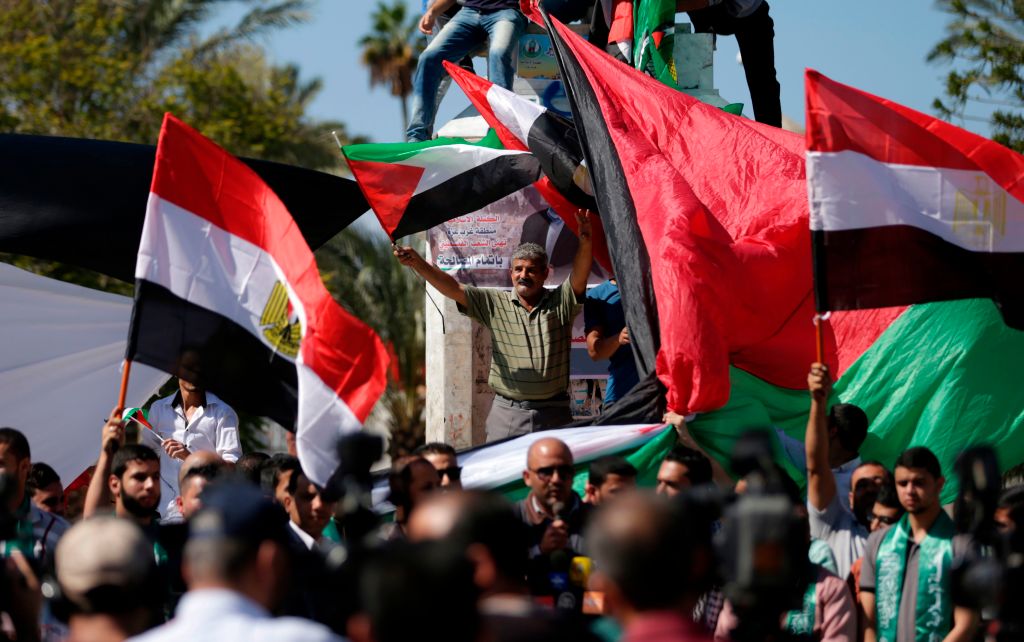
Forget the US elections, the Palestinians need to choose their own way forward
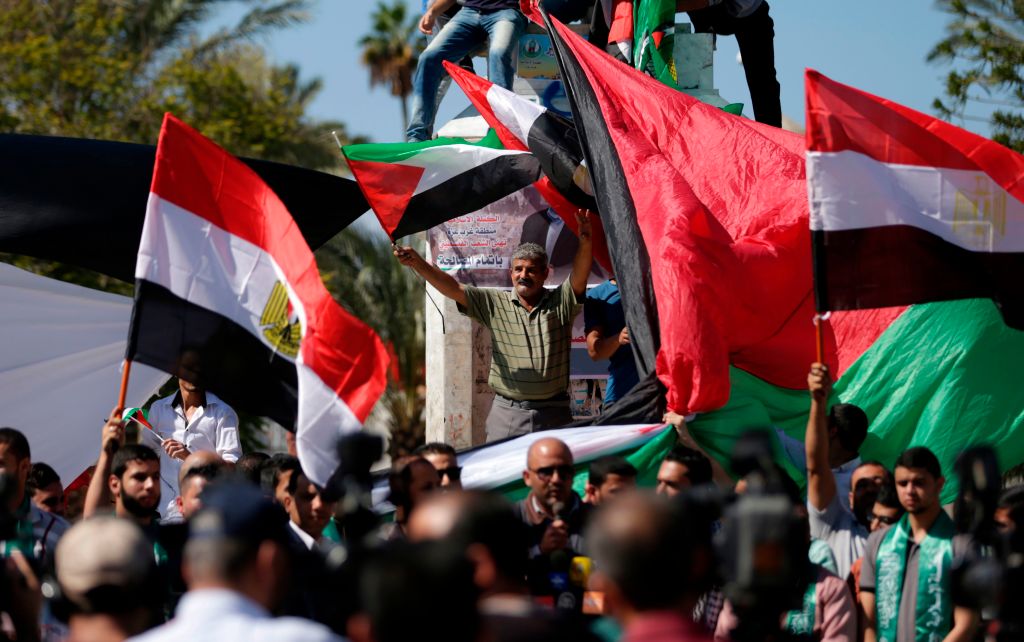
Since Fatah and Hamas reached a reconciliation agreement in September, Palestinian scholars, activists, and journalists have speculated over when, how, and if this latest reconciliation might actually go forward. Many observers, both inside and outside of Palestine, view the move as a response to the recent rapprochement of Arab countries with Israel, as well as to uncertainty over this week’s U.S. presidential elections.
Left to fend for themselves, Israel’s Bedouin are struggling with COVID-19
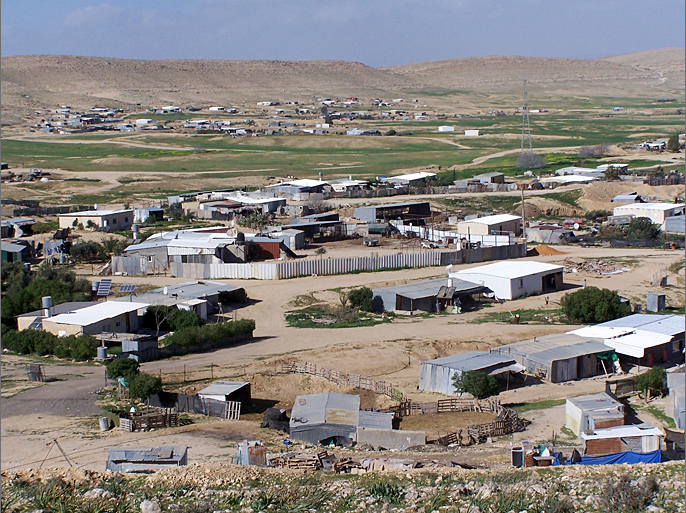
The COVID-19 pandemic is impacting all communities in Israel, but it has hit some of them much harder than others. The plight of the Haredim (ultra-Orthodox Jews) has been widely publicized, but the Bedouin of the Negev Desert are also being devastated by the pandemic and no one seems to care.
Monday Briefing: Regional reverberations of the Sudan-Israel announcement
This week’s briefing on recent news and upcoming events in the region featuring Paul Salem, Jonathan M. Winer, Gonul Tol, Mohammed Soliman, Marvin G. Weinbaum, Elizabeth Dent, Mirette F. Mabrouk, and Robert S. Ford.
Are the treaties with the UAE and Bahrain in any way comparable to previous genuine milestones, like the agreements with Egypt and Jordan? Can we realistically see them as helping to lead the way to a brighter future, at least as far as Israel’s conflicts with its neighbors are concerned? The answer is almost certainly “not really.”
Fourteen years after the Palestinian pro-Islamist group Hamas won a majority of seats in the Palestinian Legislative Council (PLC) in 2006, Palestinians may finally be returning to elections as a mechanism to resolve their differences and to present a unified legitimate national leadership. In a sign of progress toward reconciliation, Palestinian leaders met in person and over teleconference on September 3 and vowed to address threats to the Palestinian national movement. Most recently, President Abbas, addressing the U.N. General Assembly on September 25, declared that presidential elections would take place soon.The question now will be whether a unified Palestinian policy, means of accomplishing it, and a new leadership can be born in the coming six months.
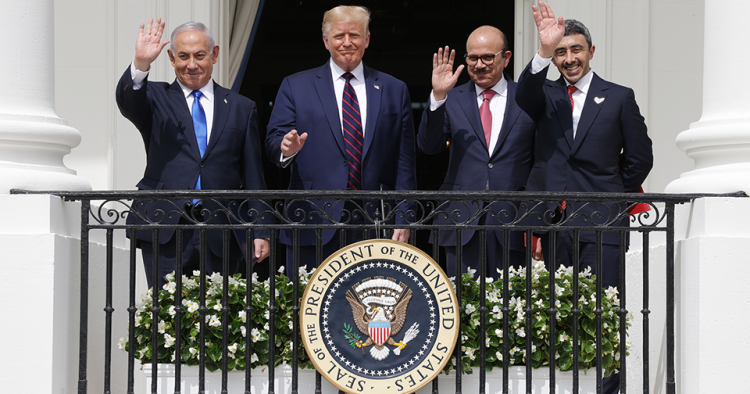
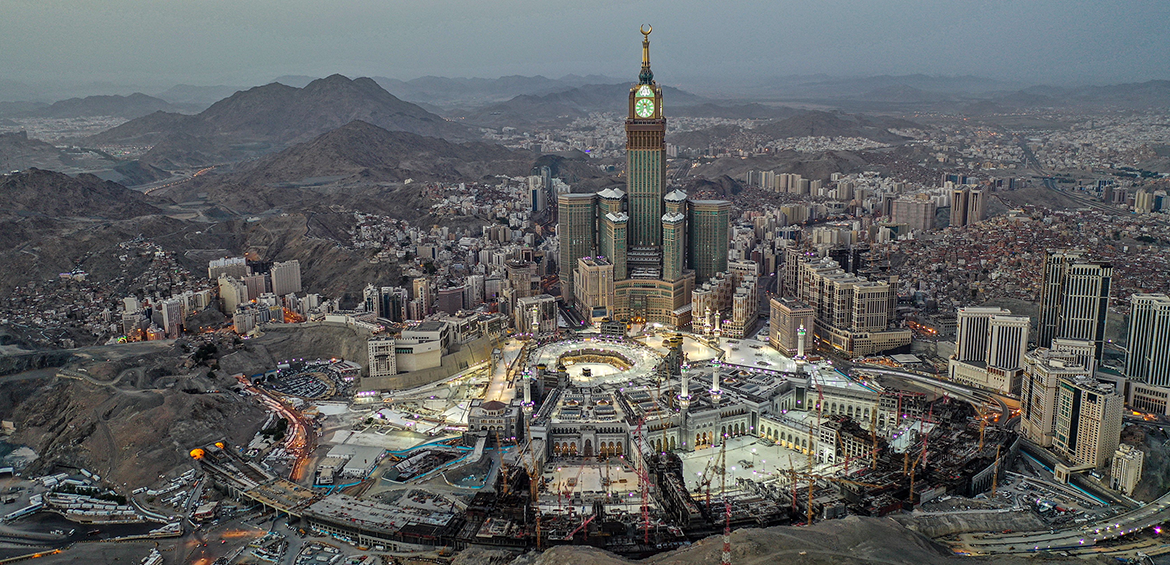
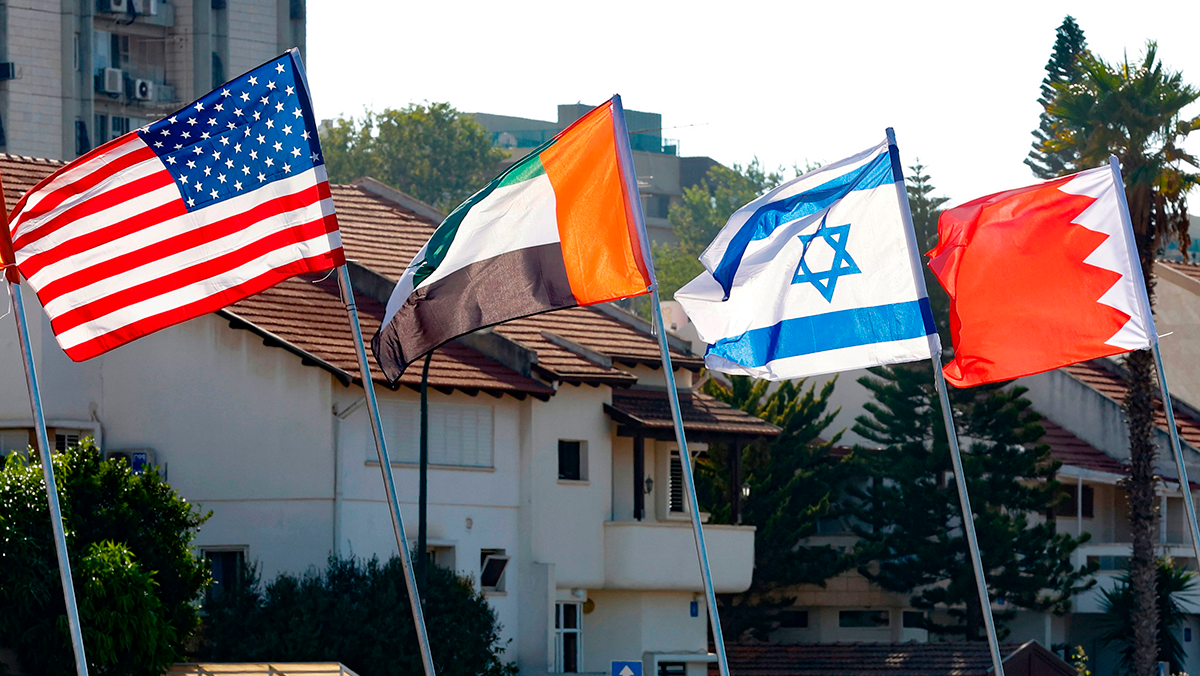
As the United Arab Emirates (UAE) and Bahrain move forward with their separate processes to normalize relations with Israel, the question that seems to be on the mind of many, both in Washington and in the region, is whether or when the Saudis will follow.
The benefits and challenges of UAE-Israel normalization
Israel and the United Arab Emirates (UAE) have initiated a process that, if it comes to fruition, will bring about the normalization of relations between the two countries. The broader geostrategic challenges that the agreement could pose for Israel and the UAE have not been part of the public discourse, however, and any balanced treatment requires a discussion of those aspects as well.
Is the Israel-UAE agreement a game changer for Israel?
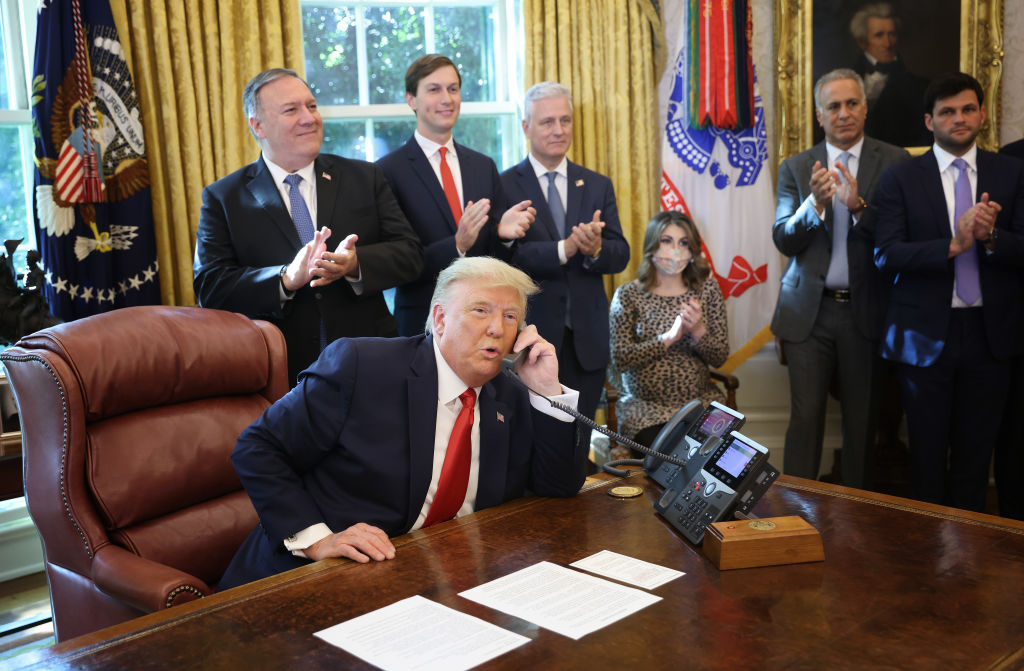
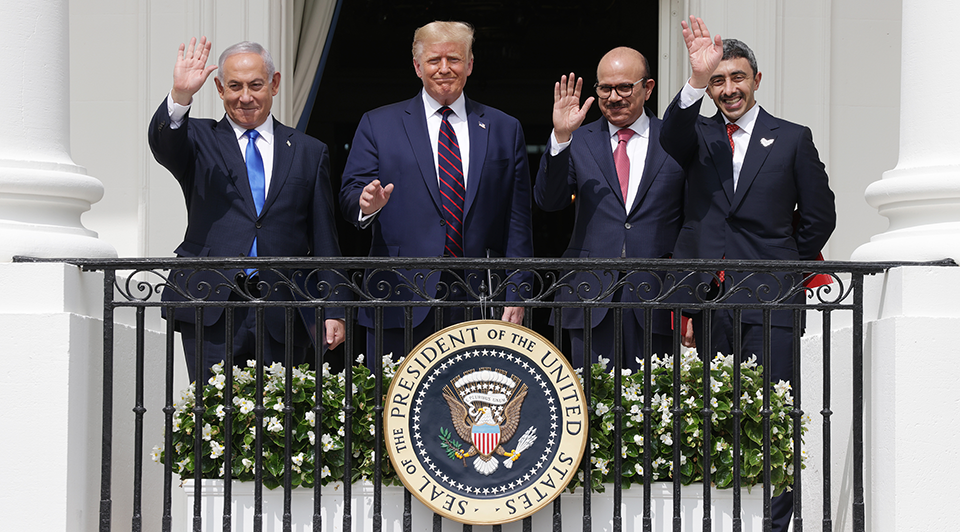
In an Aug. 13 tweet, U.S. President Donald Trump celebrated the Israeli-Emirati accord to normalize relations as a “HUGE breakthrough.” Israel’s integration into the region has been a goal of U.S. and Israeli foreign policy for decades, and the mid-August announcement was the first major official step in that direction in over 25 years. But is this really a game changer for Israel’s strategy in the Middle East?
An International Financial Commission is Libya’s Last Hope
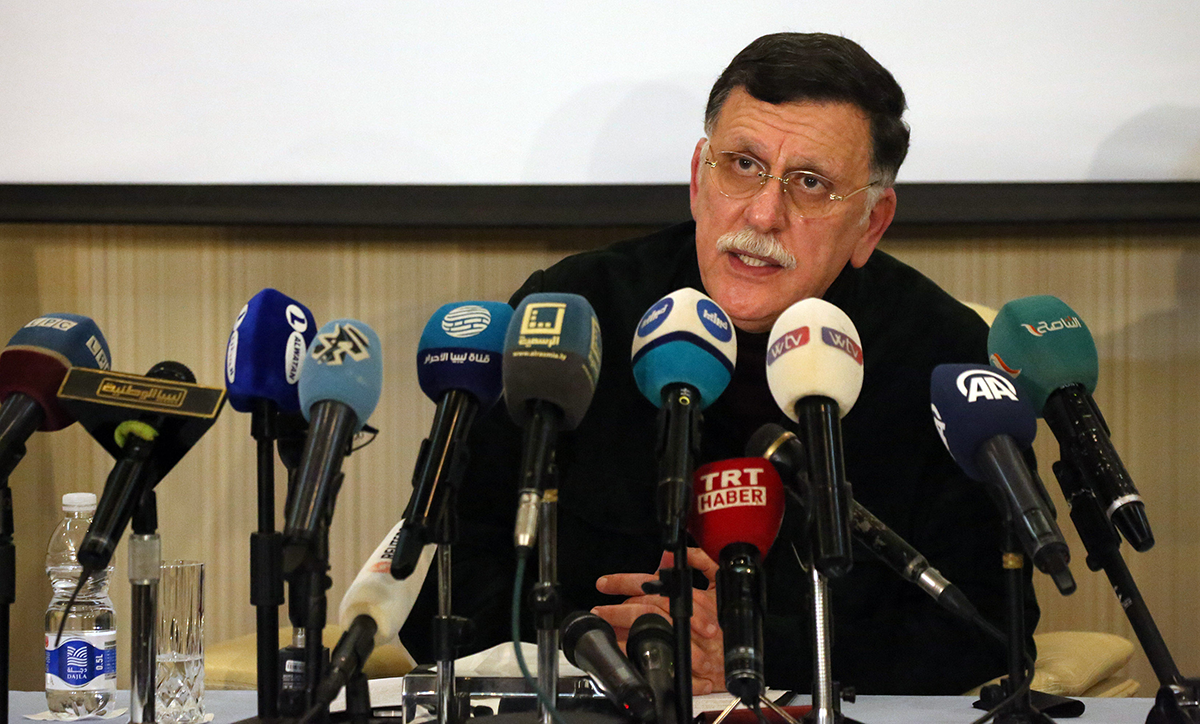
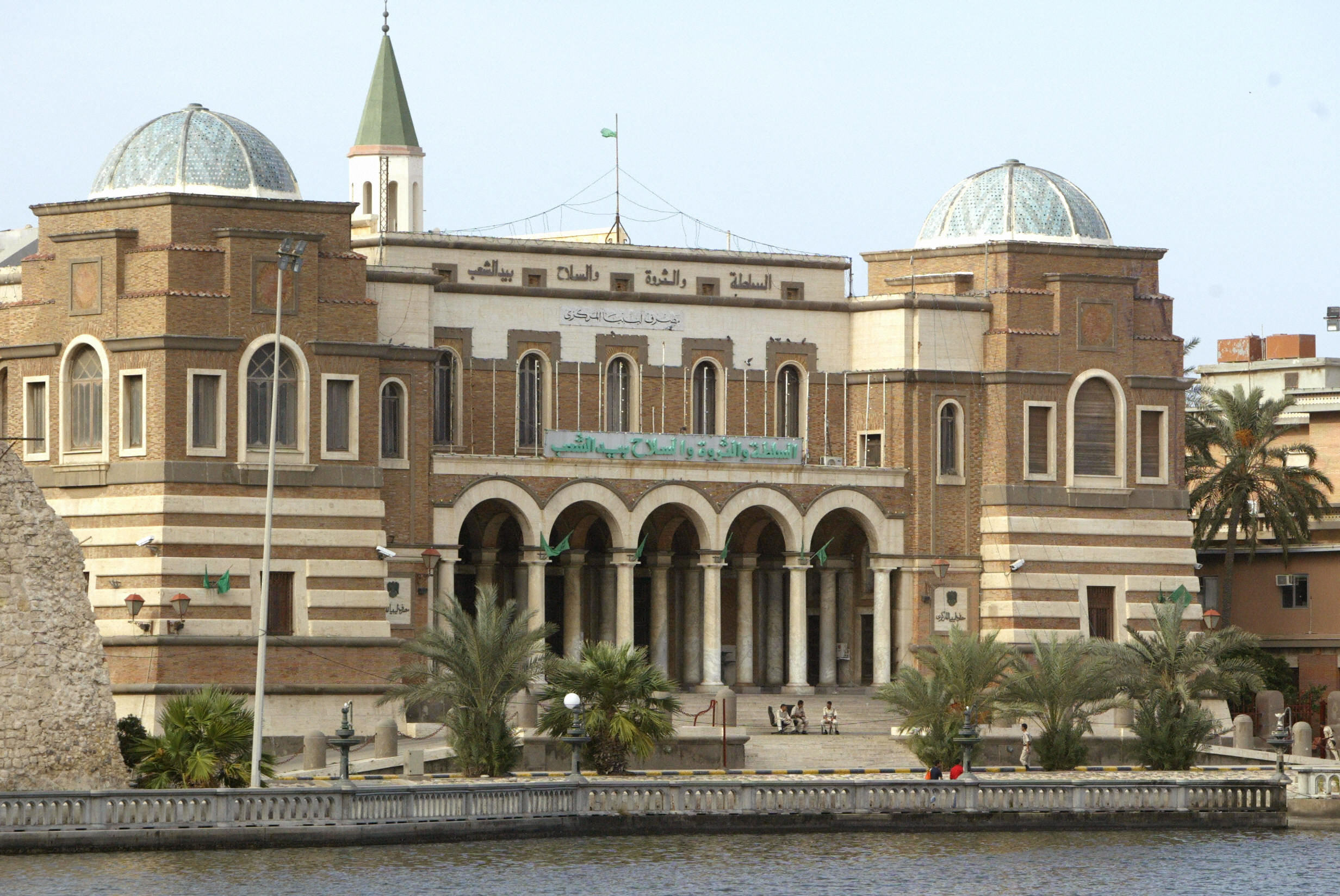
For the last five years, the international community has tried a range of different approaches to mediating the Libyan civil war. All have failed. Most nations not actively fueling the war with weapons, money, training, and mercenaries now see that halting these destructive flows is critical to bringing the rival militias to the negotiating table. However, this will not be enough to solve the conflict. Once militias are cut off from external sources of support, the core economic issues that gave rise to the conflict will still remain. Only a new approach empowering Libyan economic reformers and reworking the economic system can fix the dysfunction. To achieve this, international actors need to facilitate the establishment of a Libyan-led International Financial Commission with the authority to restructure the economy.