Egypt and the Libyan conflict
Jonathan Winer and Mirette Mabrouk join host Alistair Taylor to discuss the latest developments in Libya and the regional dynamics in play, including the role of Egypt.
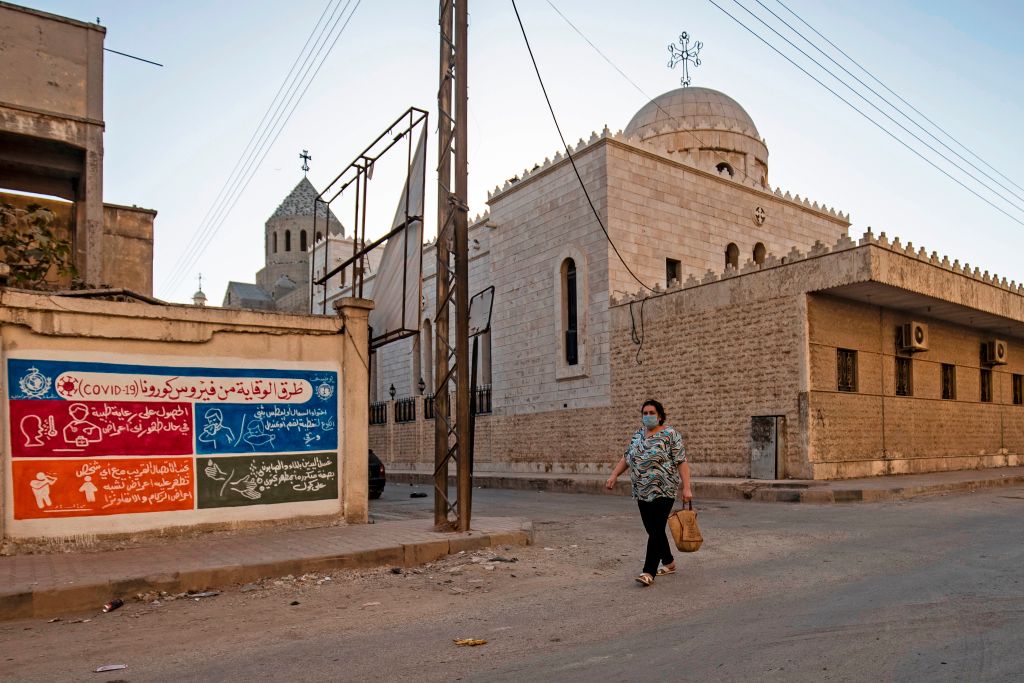
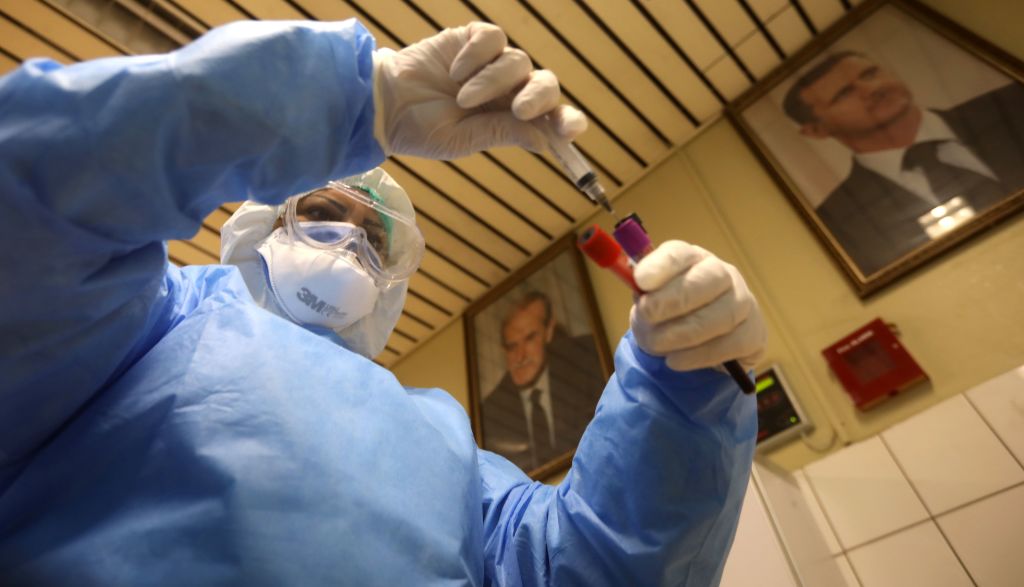
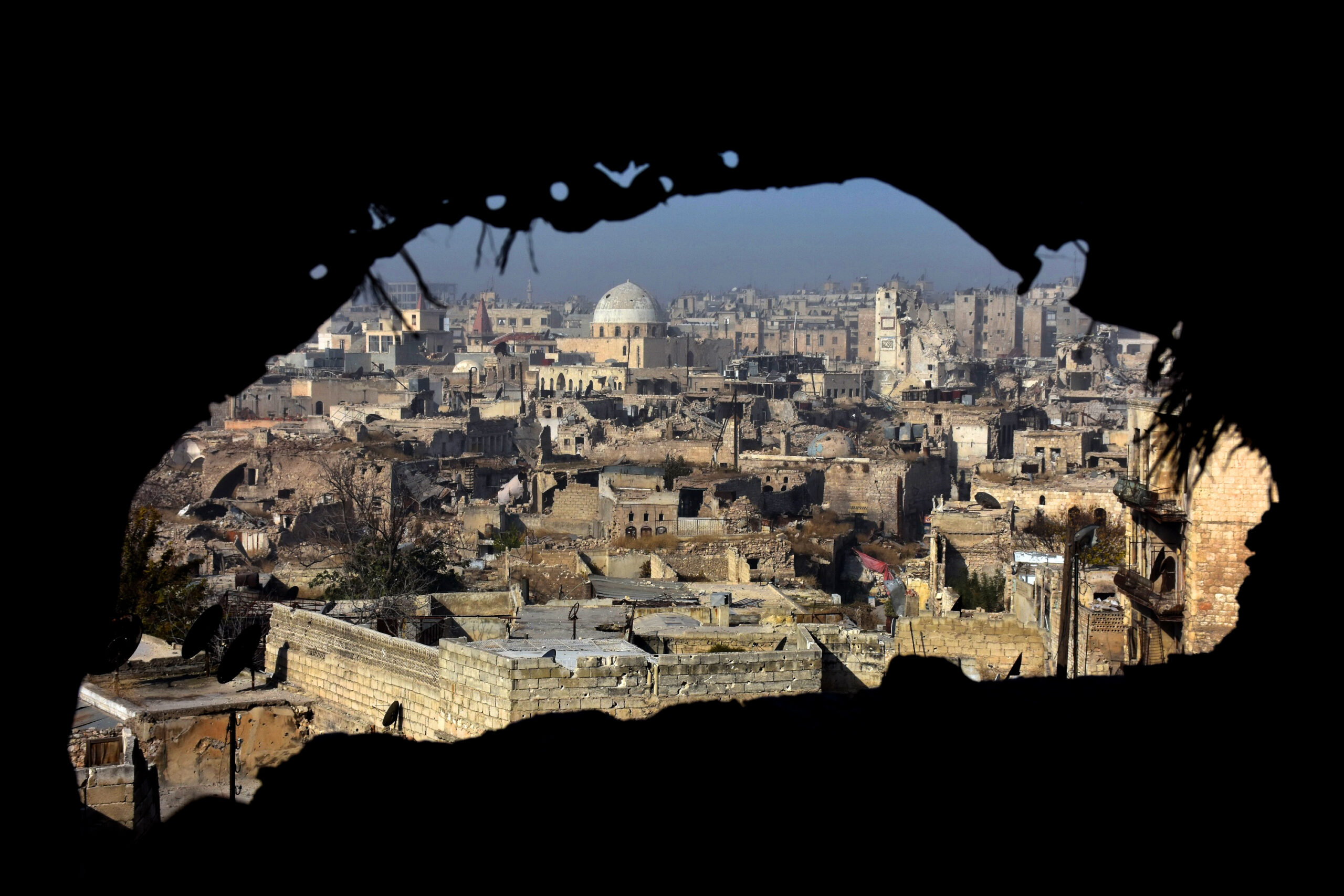
After months of under-reported cases and relaxed lockdown measures, the rapidly spreading COVID-19 pandemic has gripped government-held areas. A worrying rise in daily deaths and infections, especially in Damascus, has left Syria facing what could be its biggest challenge yet.
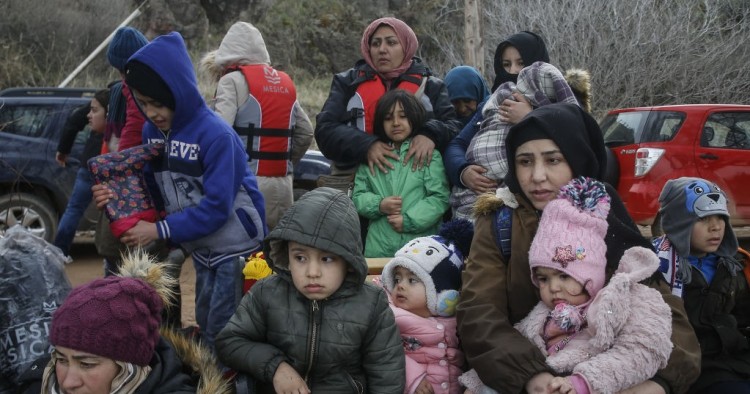
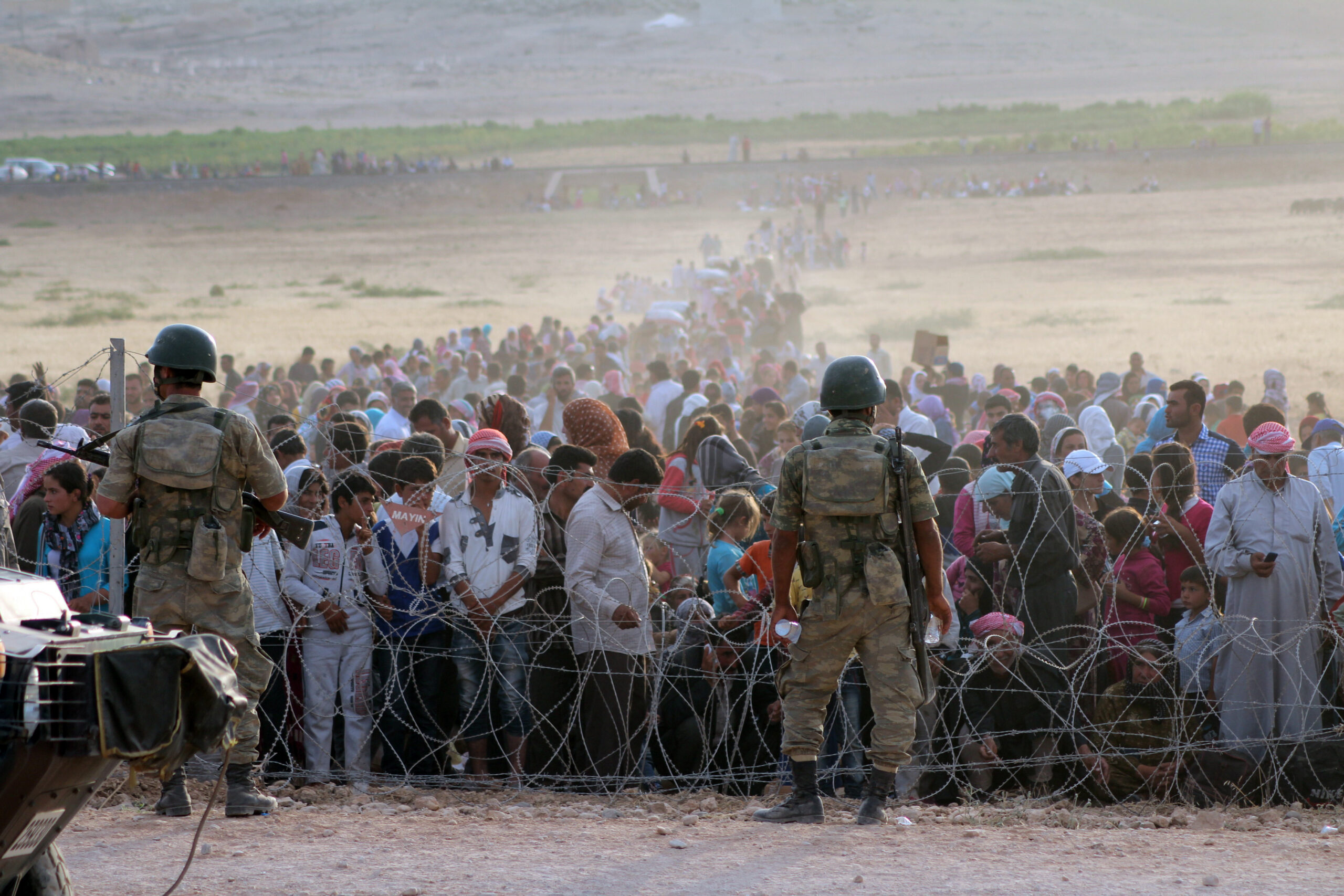
The circumstances seem to be right for a genuine rethink of the Syrian political process, but there are few answers to the question that can be heard often in Geneva, Washington, and Brussels these days: “What now?” The Syrian Association for Citizens’ Dignity has just released a major report, titled “We Are Syria,” that could help to provide the answer to that question: reorient the political process to make the rights of the displaced its foundation, and make the regime and its allies understand that this is the way toward the easing of sanctions and ultimately a sustainable political solution.
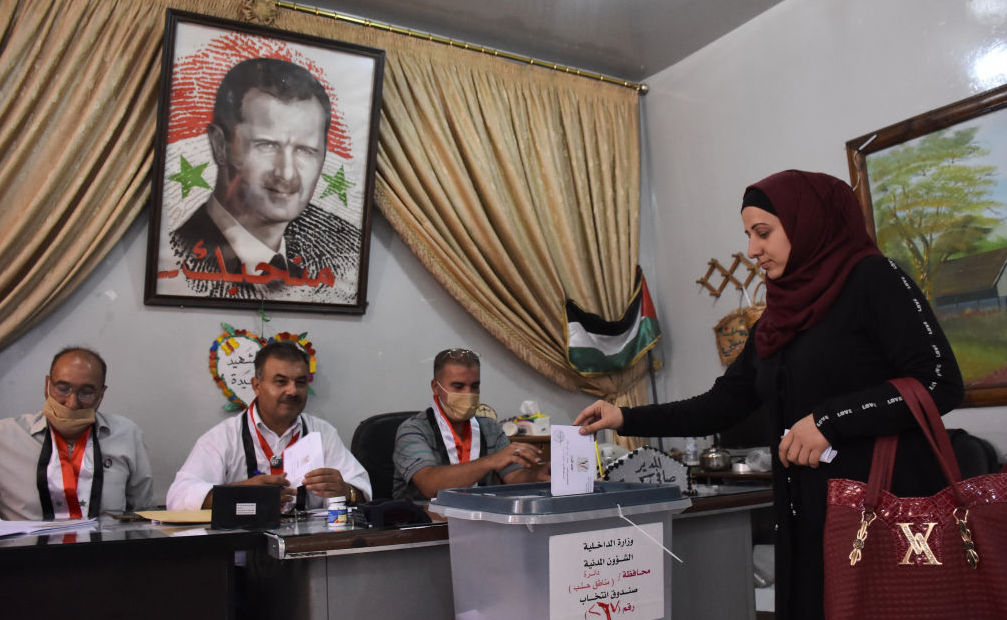
Syria’s recent parliamentary elections, held on July 19, set a new precedent for the Assad regime, and there were 10 key differences from the previous elections that have been held since they were first introduced by Hafez al-Assad in 1973.
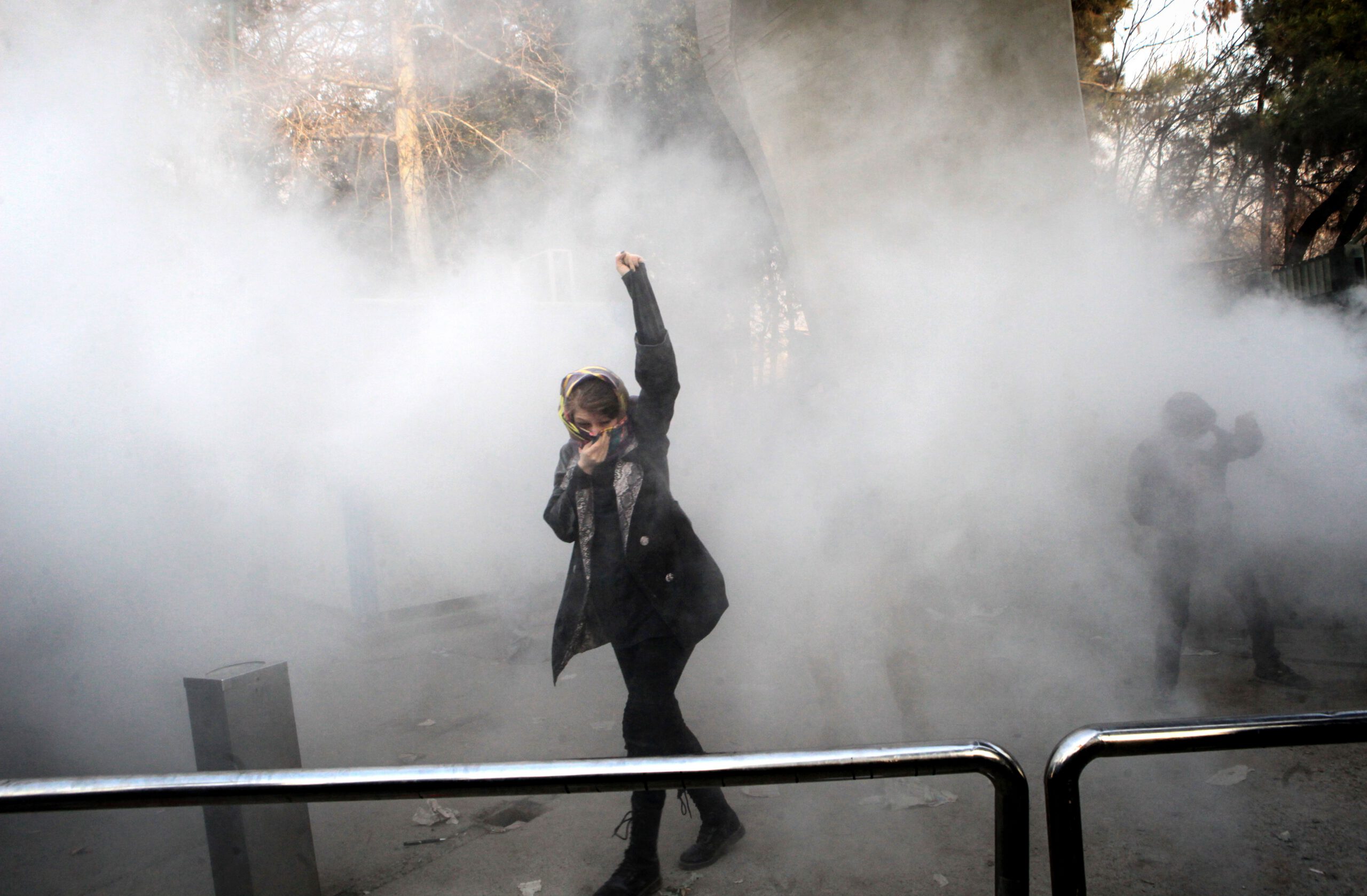
In this week’s Monday Briefing, MEI experts Mirette F. Mabrouk, Robert S. Ford, Nazila Fathi, and Marvin G. Weinbaum provide analysis on recent and upcoming events including rising tensions in Libya, economic turmoil and anti-regime protests in Iran, and the Jordanian high court’s decision to dissolve the Muslim Brotherhood.
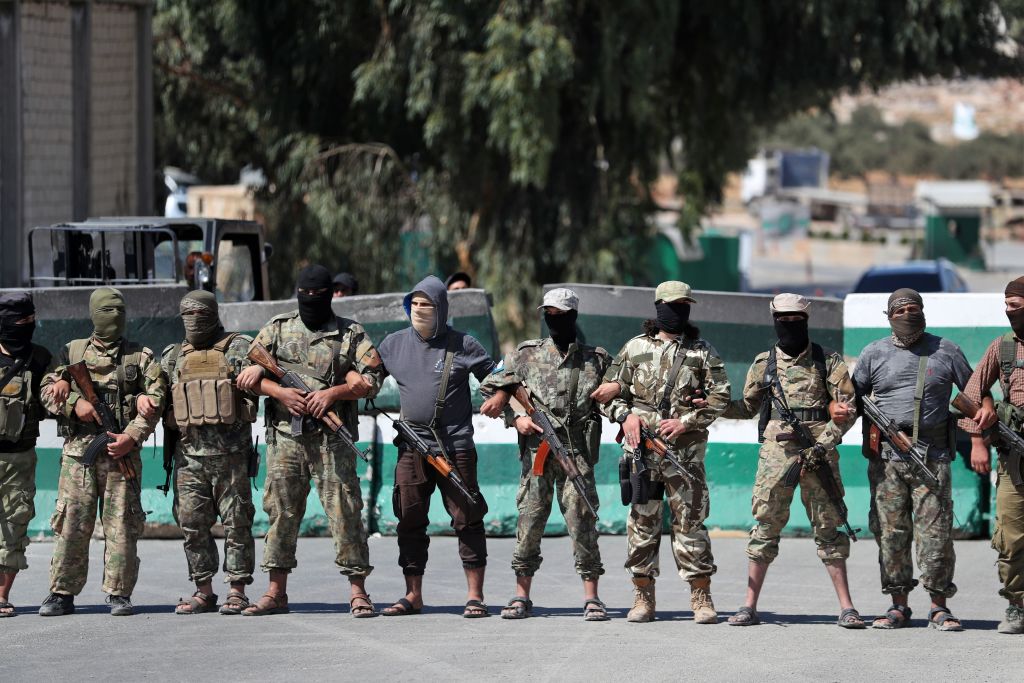
HTS launched multiple raids on SBS, forcing its factions to close their military bases and banning the formation of any new factions or operations rooms. In doing so, it has killed two birds with one stone: demarcating new redlines for its rivals and demonstrating its usefulness to its Turkish “partner” and the international community in their war on terrorism.
Throughout Donald Trump’s presidency, the U.S. has largely retreated from a leadership role in the MENA region, resulting in Washington mostly outsourcing its Libya foreign policy to Egypt, Russia, and Washington’s partners in NATO and the GCC. Yet the U.S. diplomatic establishment is growing frustrated with the beleaguered North African country’s ongoing turmoil, as Washington increasingly sees Egypt and the UAE as undermining American interests in Libya.
The road to accountability in Syria will undoubtedly be long, difficult, and imperfect. However, in recent years and even months, there have been tangible steps taken toward criminal accountability, particularly in Europe.
Where most of the international community sees R2P as a mechanism for protecting human rights when a state cannot or will not ensure them, Russia’s take on the same concept focuses on the protection of national sovereignty at any cost. However, Moscow’s commitment to the notion of sovereignty has been selectively applied to the states of the Middle East and the Black Sea.
Not too long ago, the Mediterranean was described as “NATO’s lake” — a sleepy backwater in a world dominated by conflict. Today, Israel’s quarrels with Lebanon, Palestine, and Syria are viewed — and minimized — as legacy conflicts, overshadowed by a new and unstable strategic environment centered upon competing visions of offshore energy and security in the eastern Mediterranean.
This week’s briefing on recent news and upcoming events in the region featuring Seren Selvin Korkmaz, Marvin G. Weinbaum, Mirette F. Mabrouk, Robert S. Ford, and Nilsu Goren.
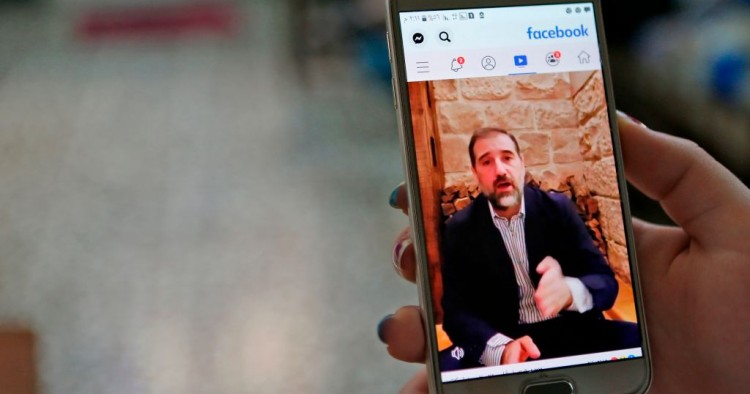
As in other countries, not all announced investments come to fruition. But the ratio in Syria is particularly staggering. Of the 118 projects approved by the Syrian Investment Agency in 2018, only 46 percent have taken any serious steps toward implementation as of early 2020.
After the fall of ISIS in 2019, many relatives of fighters who were detained or killed, including 10,000 families of foreign fighters, were housed in camps like Roj and al-Hol in territory controlled by the Syrian Democratic Forces. Like any closed society, the foreigners’ annex in al-Hol has its own dynamic and life there is much more complicated than is often portrayed.
The fourth Brussels Conference on Supporting the Future of Syria and the Region concluded last week with a drop in donations for 2020 for those affected by the decade-long war, a result which is disappointing but not surprising.