Baghdad, Beirut, and the politics of Lebanon’s power crisis
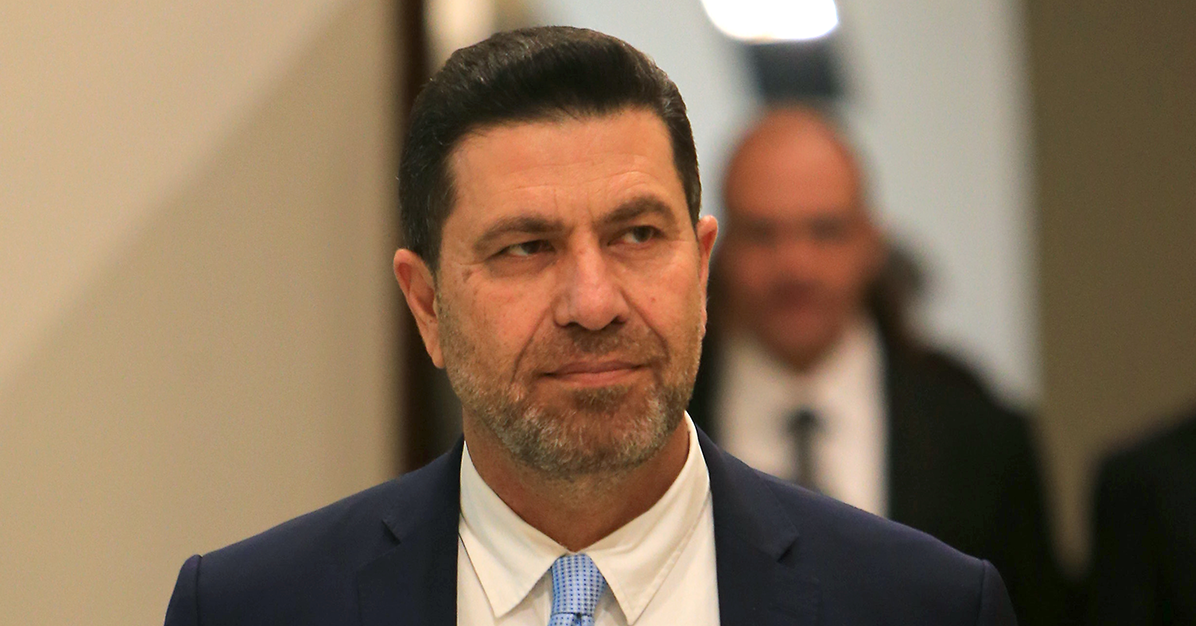
On July 24, Beirut and Baghdad signed a governmental framework agreement under which Iraq pledged 1 million tons of heavy fuel oil to Lebanon over a full year.
Expert regional analysis by MEI scholars and contributors.
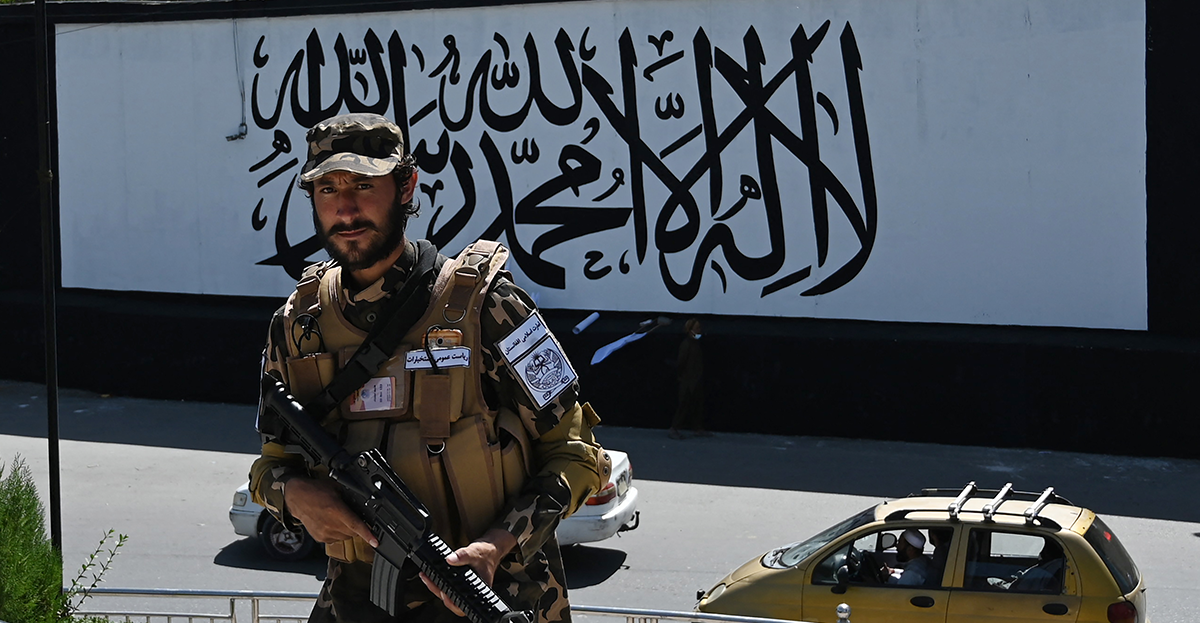
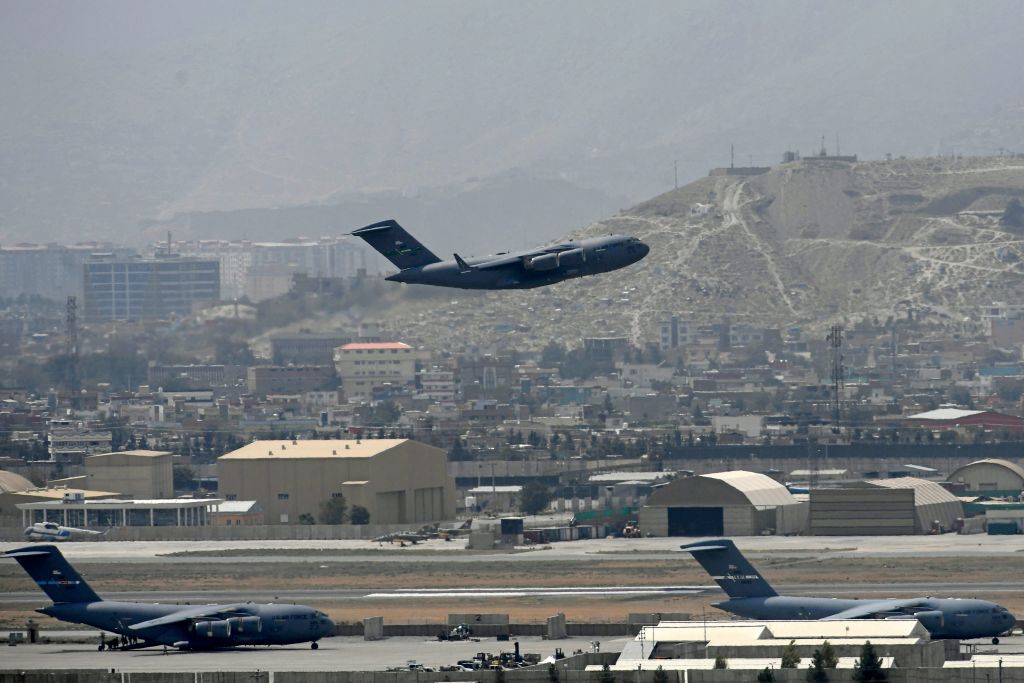
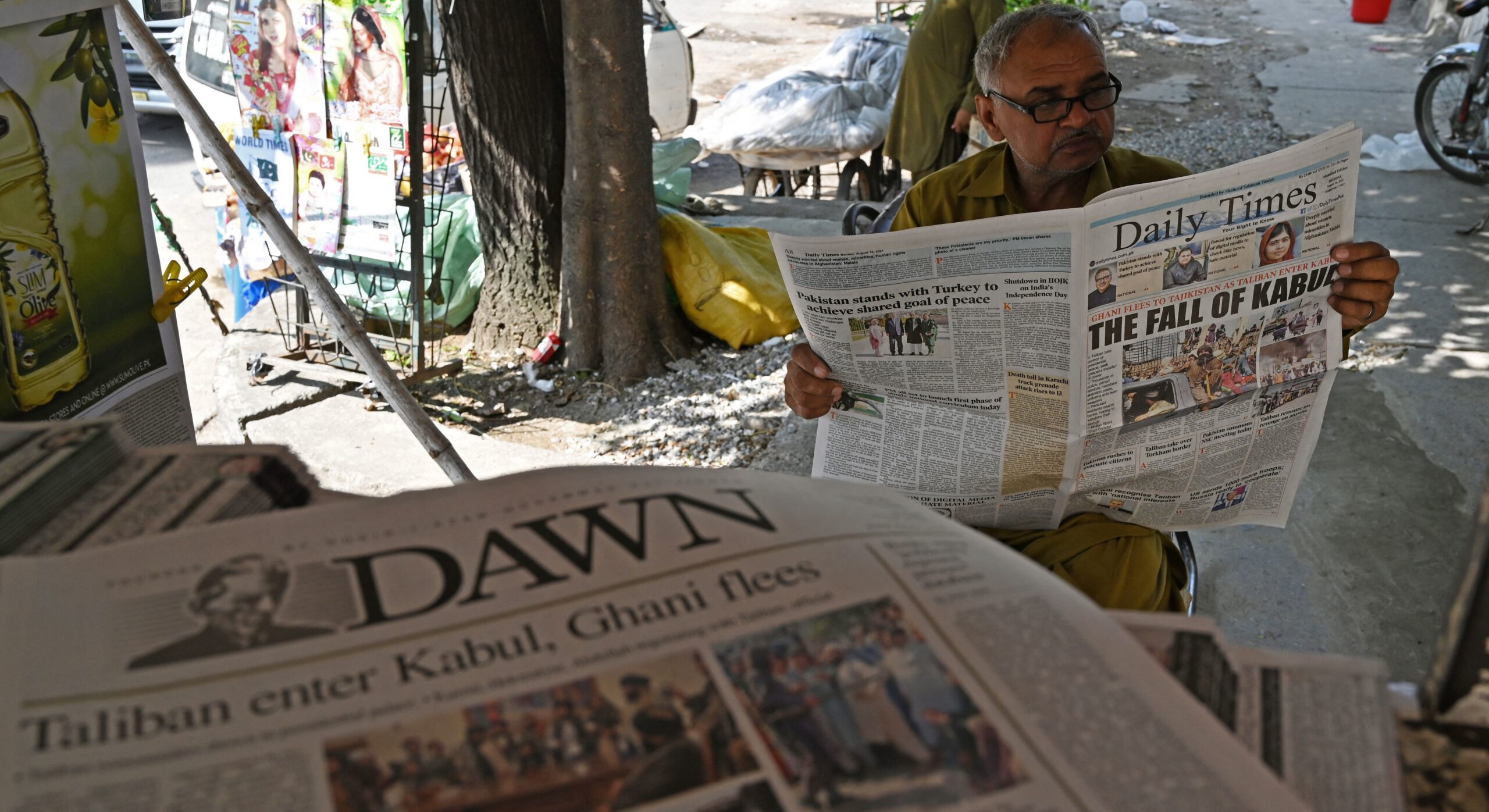
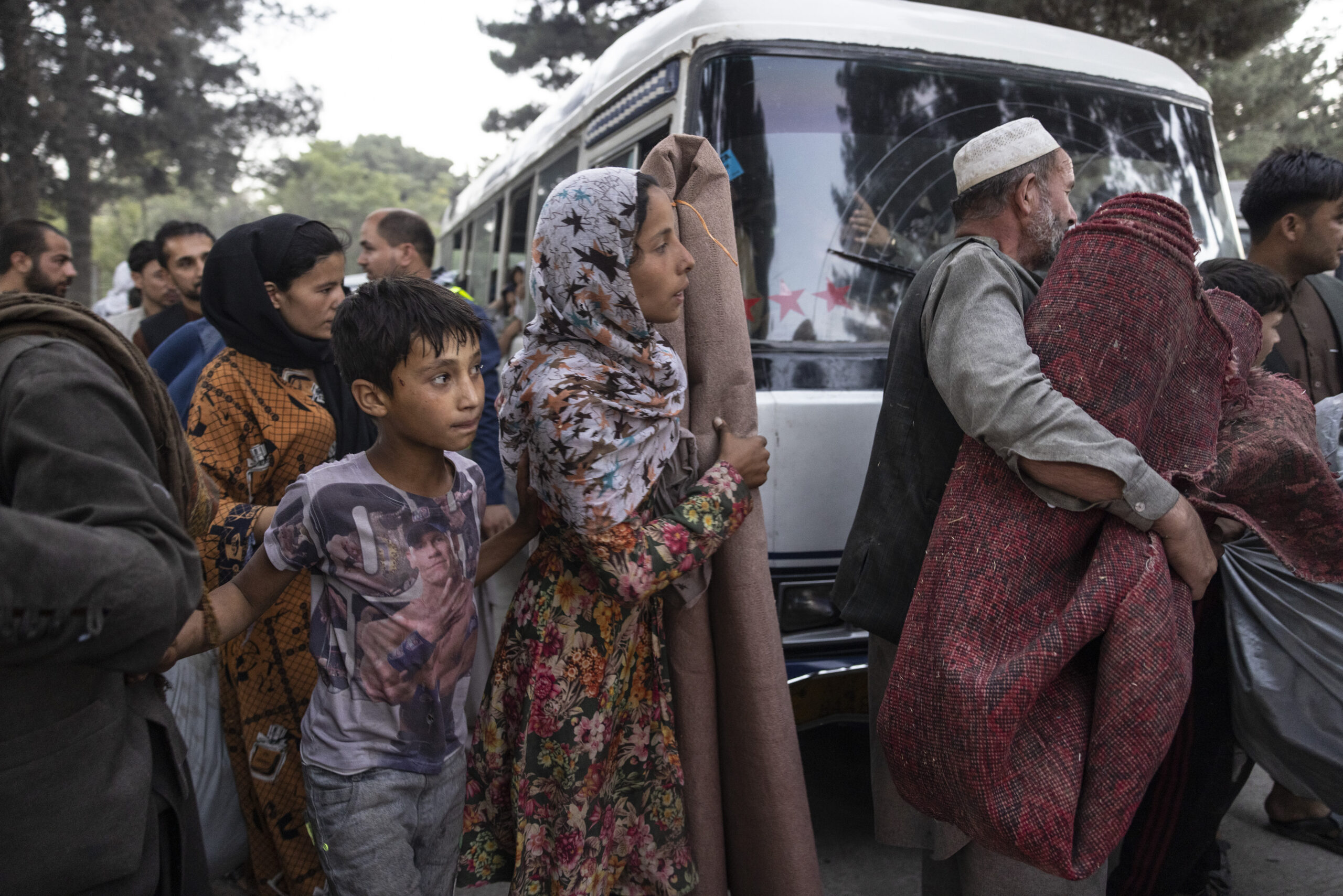
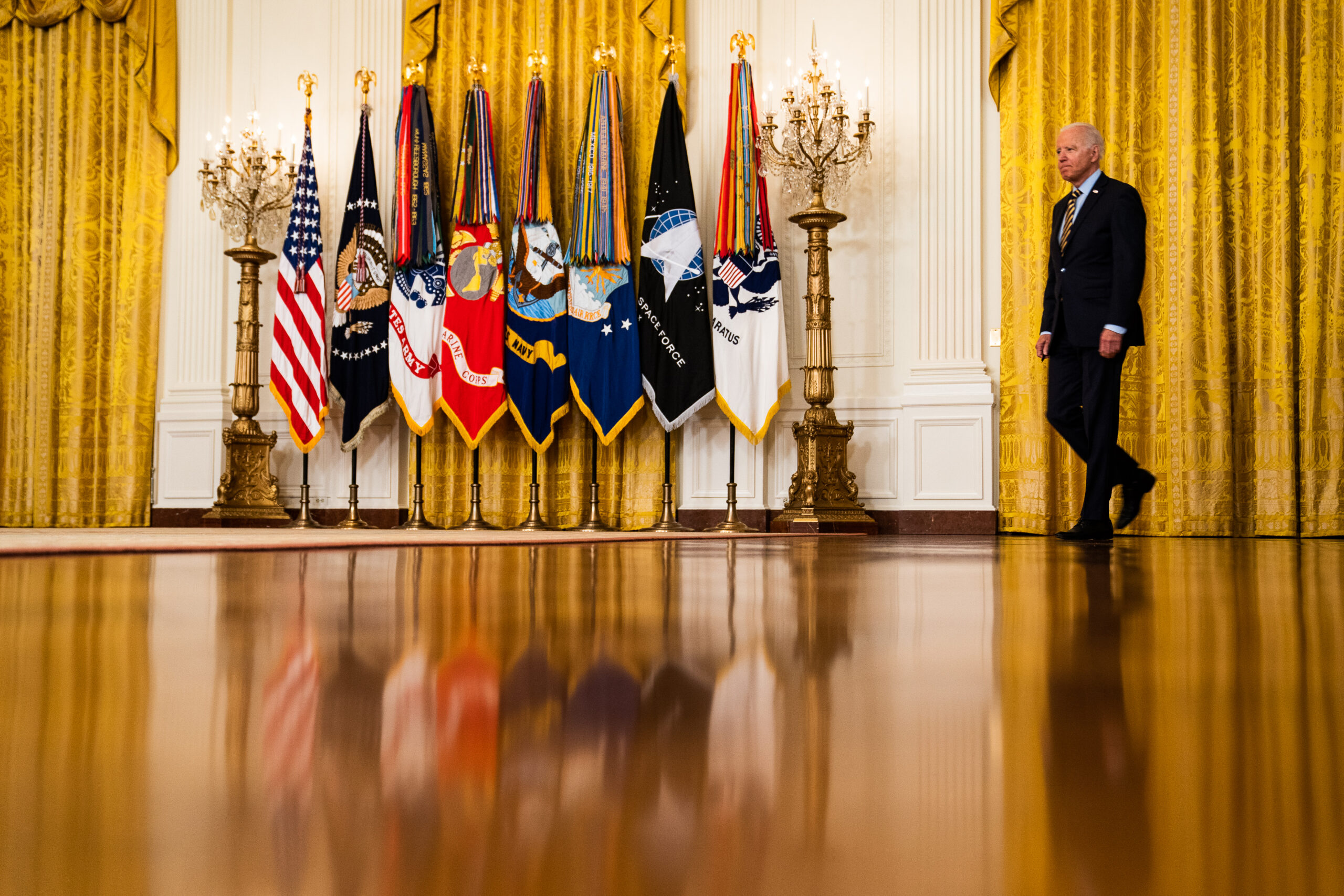
The evacuation crisis precipitated by the Taliban’s swift takeover of Afghanistan following the rapid withdrawal of American troops may further widen the divide between Pakistan and the United States. The Aug. 26 terror attack at Kabul airport claimed by Islamic State-Khorasan Province (ISKP), ISIS’s local affiliate, is a clear manifestation of Washington’s epic defeat in the two-decade-long “war on terror” and a sign that President Joe Biden is losing his grip on the Afghan narrative.
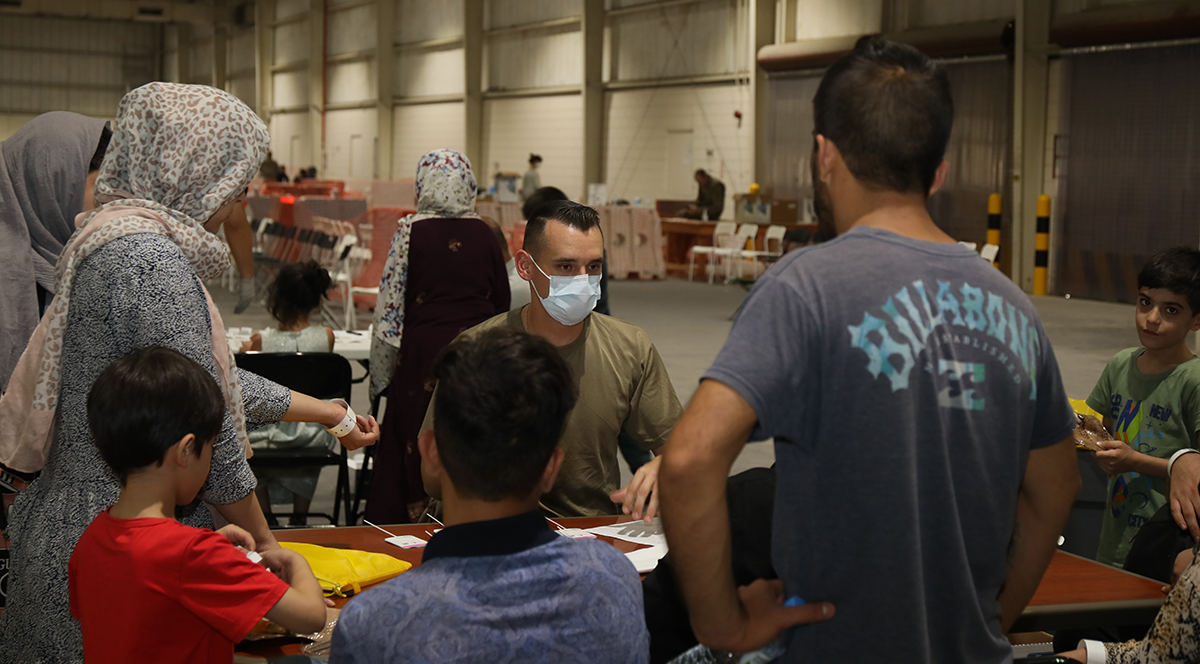
We rarely miss an opportunity to criticize our Gulf Arab partners — sometimes rightly so — for not doing enough to safeguard collective interests. But one must acknowledge that on Afghanistan, and especially our just-completed exit from the country, most of our Gulf Arab partners absolutely shined. They deserve a ton of credit for the role they played in our large, challenging, and deadly evacuation — a role which was nothing short of indispensable.
Mick Mulroy and Ken Tovo join host Alistair Taylor to discuss their recent paper on how US intelligence and military operatives effectively collaborated with local Kurdish partners in Northern Iraq in the early 2000s, why it was a successful partnership, and what lessons it may provide for future operations. The paper, “Irregular Warfare: A Case Study in CIA and US Army Special Forces Operations in Northern Iraq, 2002-03,” is available now on MEI’s website.
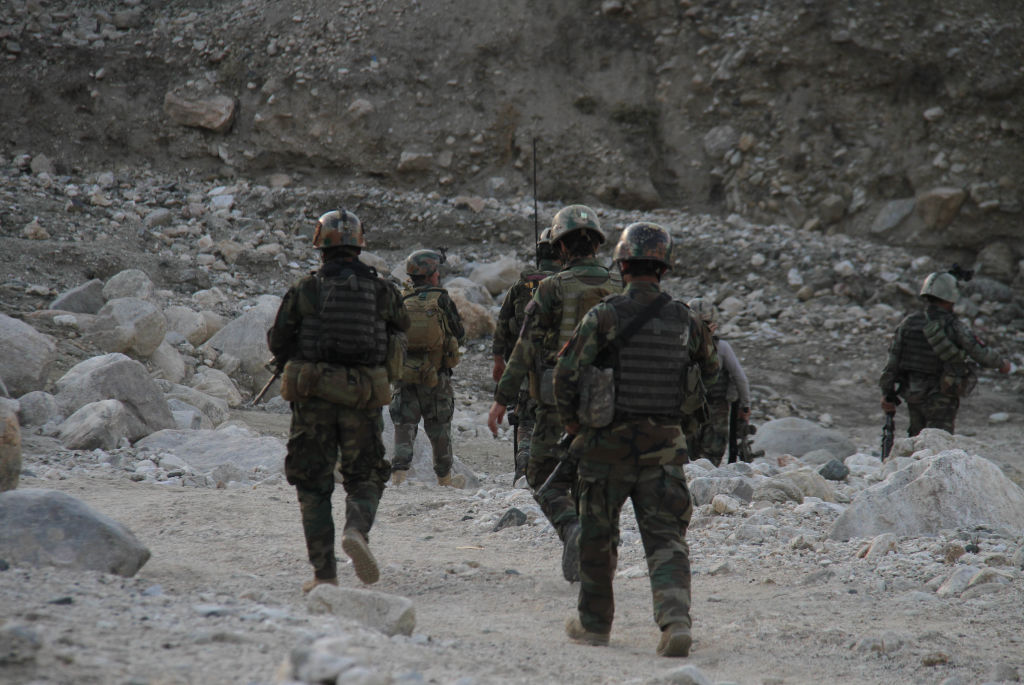
The failure of the Afghan army is a reminder that Pentagon-led security cooperation programs are more expensive and less effective than those led by spies.
من المهم الاعتراف بالجهود الجبارة التي بذلها ضباطنا في الجيش والخدمة الخارجية والمخابرات لإخراج أكثر من 100 ألف من الأمريكيين ومن الأفغان حاملي تأشيرة الهجرة الخاصة من أفغانستان بالتنسيق مع مئات المتطوعين الذين ساعدوهم في كل من الولايات المتحدة وأفغانستان. والأهم من ذلك هو الاعتراف بالجنود من الرجال والنساء الأمريكيين الذين قدموا أقصى التضحيات لبلدهم من أجل حماية الأمريكيين.
Read MEI’s weekly briefing featuring expert analysis of key regional developments for the week ahead.
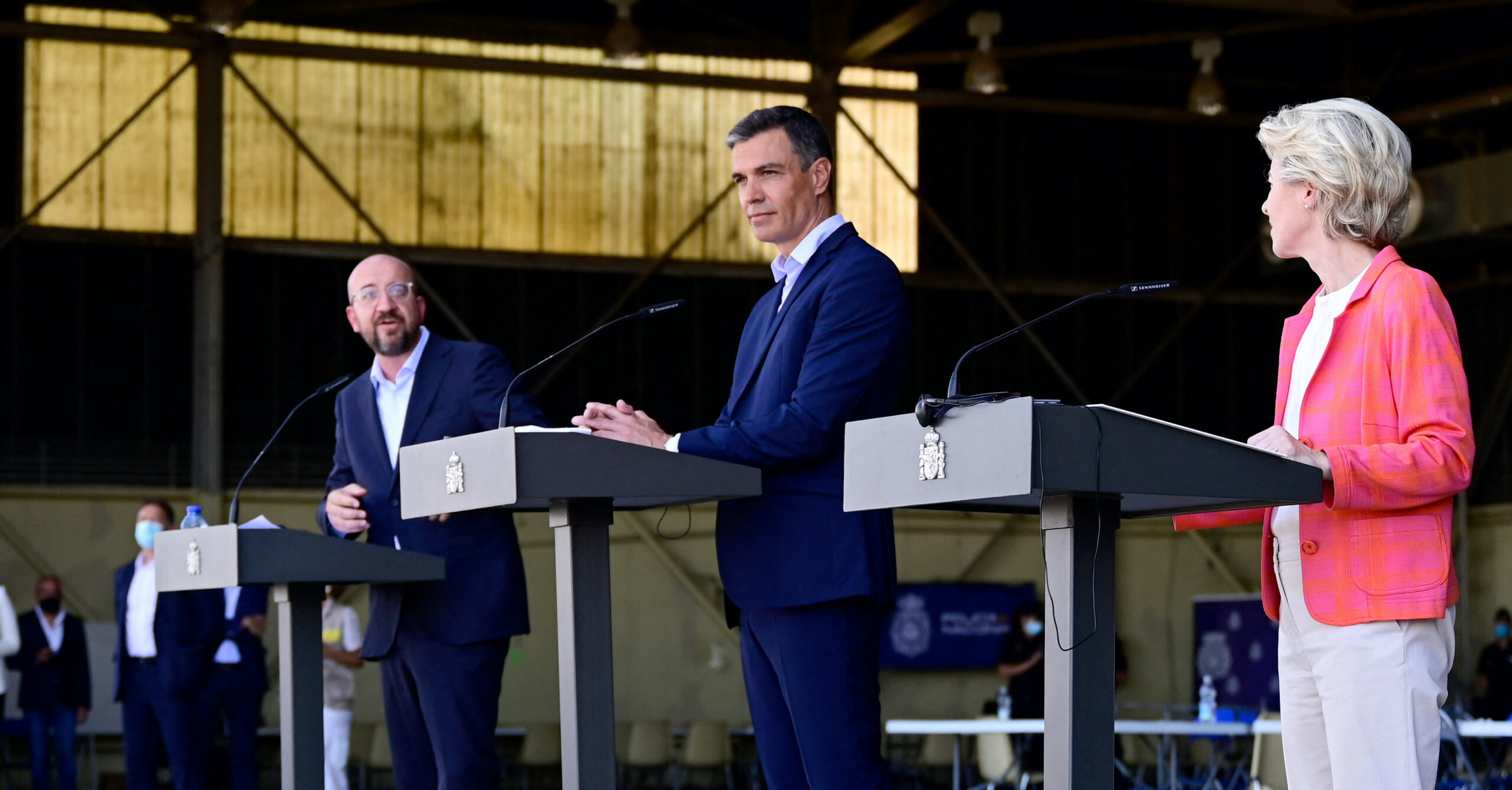
That the Taliban ended up taking over Afghanistan was not surprising, given the details of the agreement between the U.S. administration and the group’s leadership that have been known for many months. What was surprising for the international community, however, was the speed and manner of their takeover. The Taliban offensive and its consequences came as a particular shock to the institutions of the European Union (EU) and the member states that took part in the International Security Assistance Force (ISAF) mission and various aid programs in the country. When it comes to assessing the consequences of the Taliban’s takeover, there is no doubt that, first and foremost, it is the Afghan people that are most badly affected. Among the members of the international community, it is the Americans that have suffered the greatest reputational and financial losses so far, but from here on out the EU may well be the party that will face the greatest consequences.
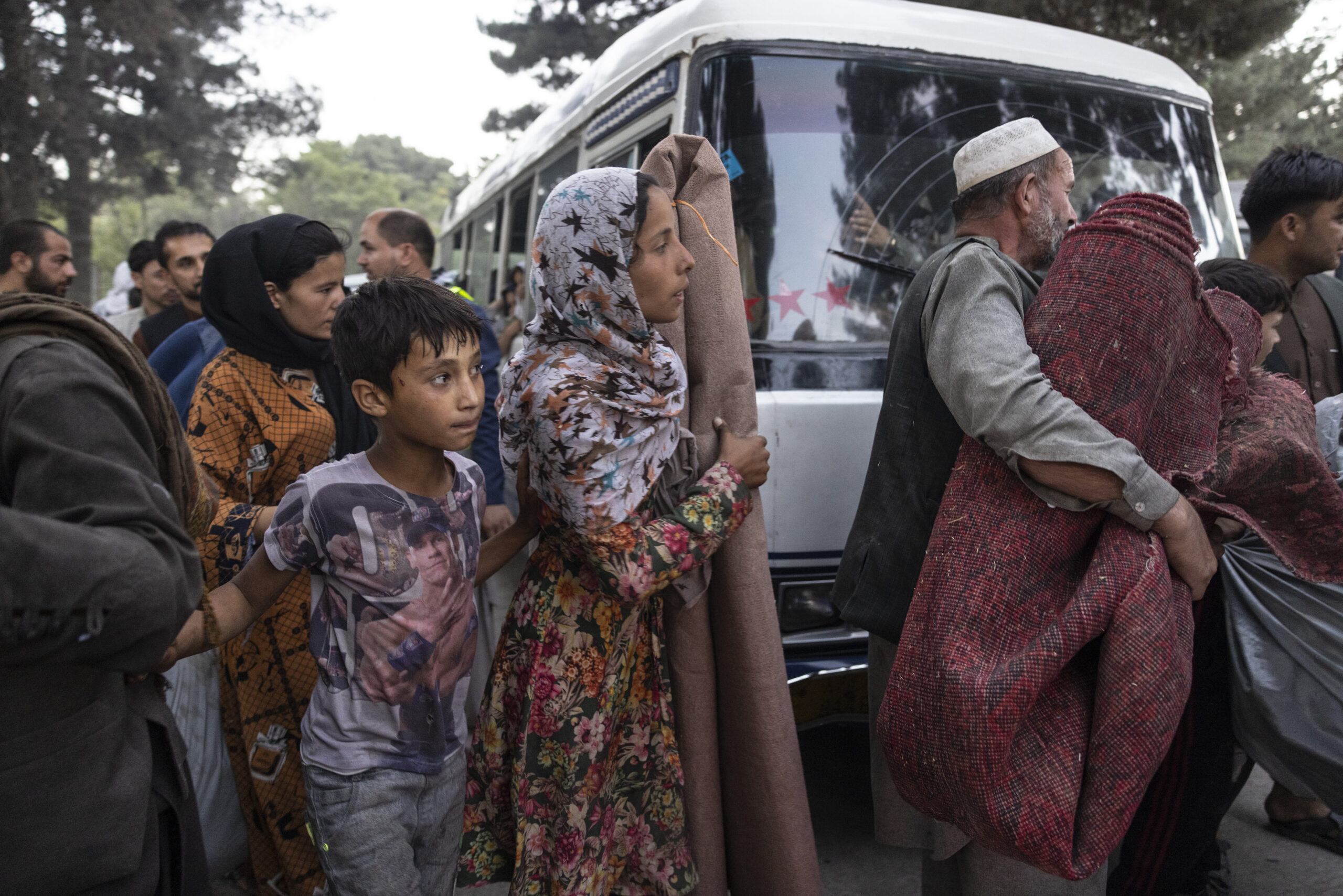
The U.N. Security Council could authorize the U.S. and allies to enforce a safe zone for evacuations.
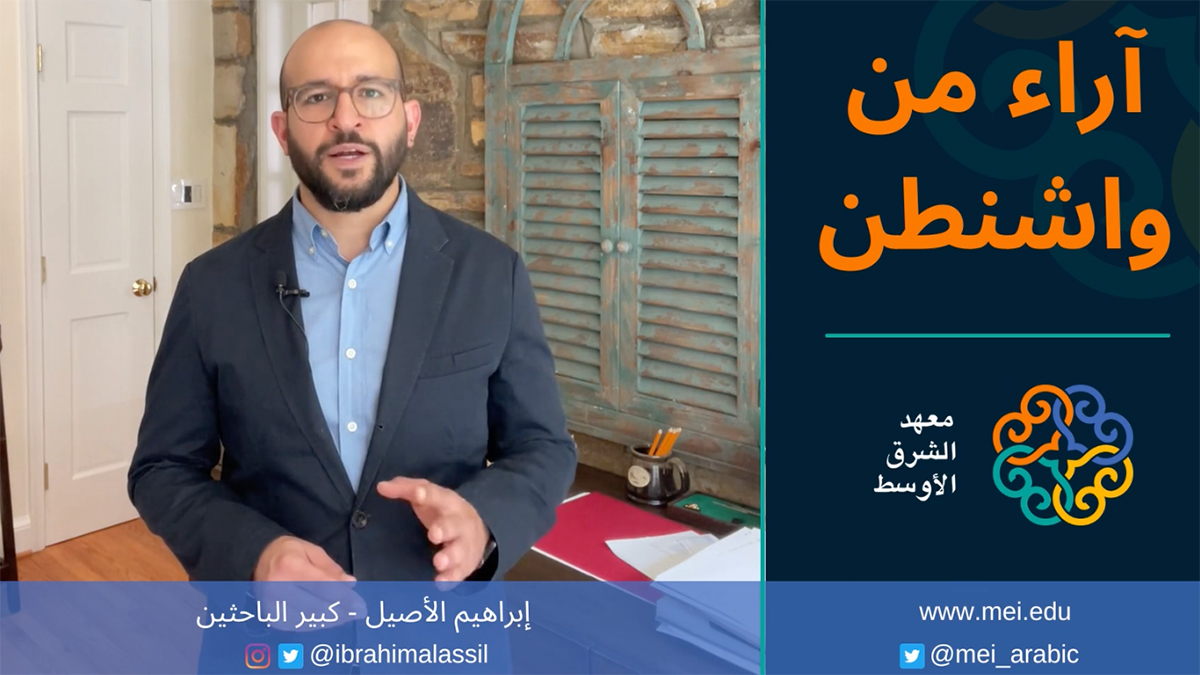
ما هي تبعات الانسحاب الأميريكي من أفغانستان على مكافحة الإرهاب وعلى الاستراتيجية الأميريكية وصورتها في الشرق الأوسط؟ يستعرض إبراهيم الأصيل رأياً لبول سالم، رئيس معهد الشرق الأوسط.
Peter Bergen and Colin Clarke join guest host Charles Lister to discuss Bergen’s new book, The Rise and Fall of Osama Bin Laden, as well as the Biden administration’s handling of the US withdrawal from Afghanistan and concerns about the country once again becoming a safe haven for Al Qaeda under the Taliban.
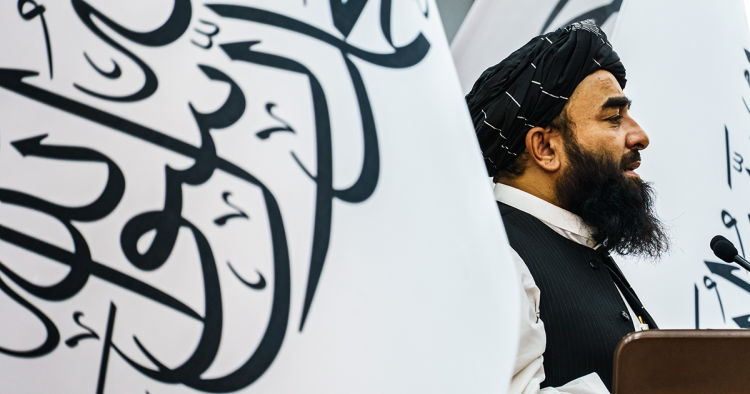
A week and a half after the fall of Kabul, the world has yet to fully recover from the shock of how quickly the Ghani regime collapsed. As U.S. and international forces continue their evacuations and many Afghans struggle to leave for Western countries, the formation of a new government in Kabul has picked up pace. The Taliban have been consulting all stakeholders to form a government that has broad support from a variety of Afghan populations — one they say will be “inclusive” and “Islamic” — but what that will actually mean or look like in practice is as yet unclear.
As the Great Game between the United States and China unfolds on a global scale, American and Chinese leaders have to make a choice — will they clash more openly in a struggle to dominate Afghanistan and its neighboring regions or will they rein in their ambitions and jealousies to accomplish goals that benefit themselves and many others?
Now as we watch this debacle unfold in our exit from Afghanistan, what lessons learned from Iraq should we apply today and is there still time? There are lessons learned from Iraq that are applicable in Afghanistan because although history does not repeat itself, it certainly rhymes a lot and yes, there is always time.