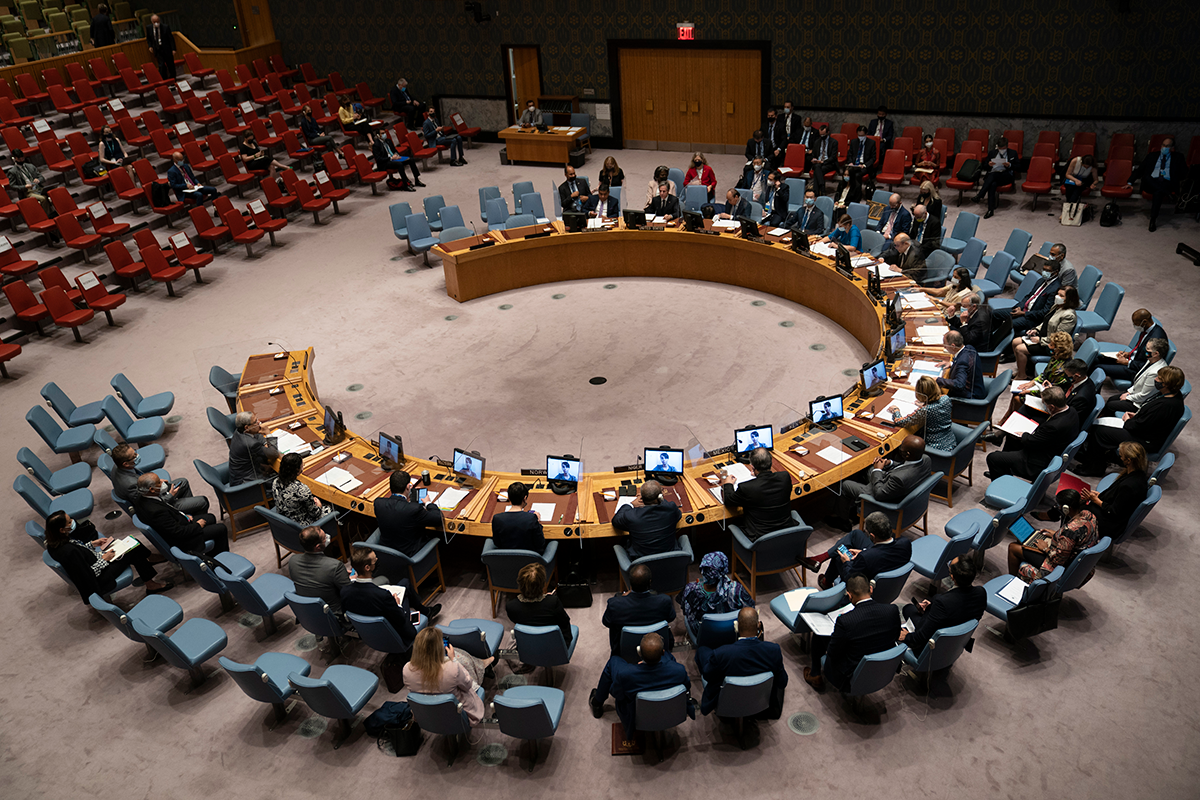
On Dec. 13, 2021, at a United Nations Security Council (UNSC) meeting, a draft resolution that would have recognized climate change as a security threat was rejected. The resolution, co-sponsored by Niger and Ireland, would have incorporated climate change as a security risk within the U.N. framework of conflict prevention strategies. What are the potential implications of this and what comes next? We asked seven experts to weigh in with their thoughts.
Iran to remain a key partner for Ethiopia in the Tigray conflict
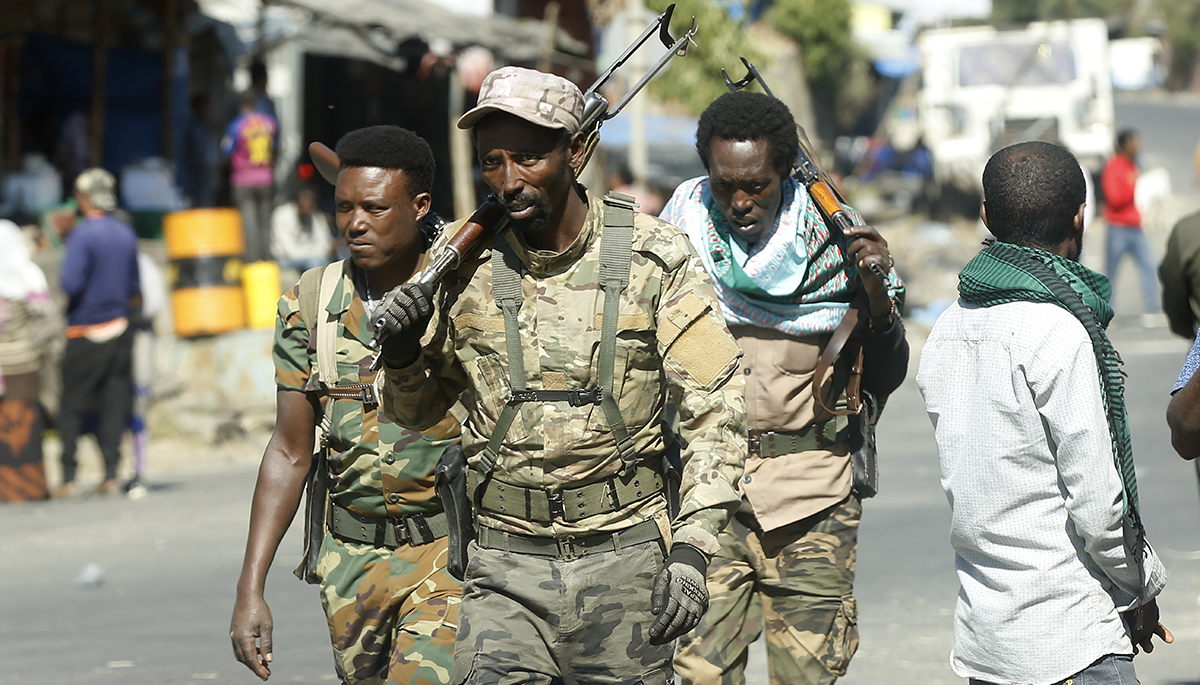
Ethiopia is Iran’s gateway to the Horn of Africa and the broader East Africa region. By helping Ethiopia in its ongoing conflict with the rebel Tigray Defense Forces, which represent the Tigray ethnic minority, Iran is preserving its so-called strategic depth in the region to bolster its influence.
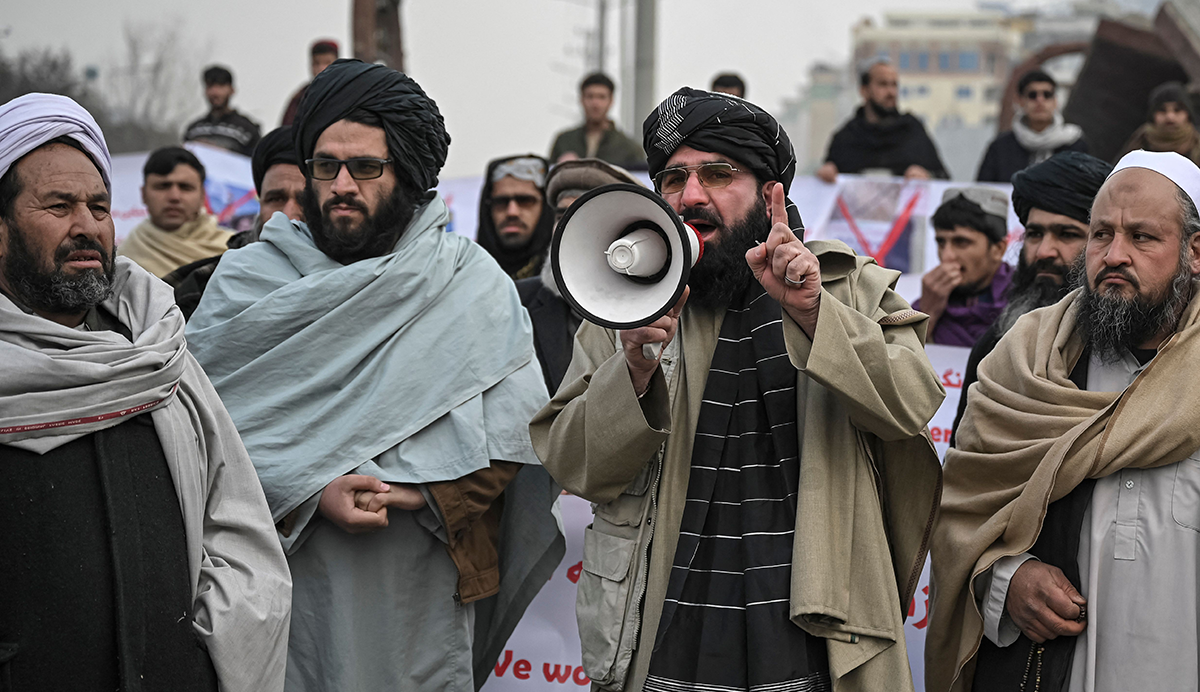
After a grueling 20-year campaign, America concluded its war in Afghanistan where it started: with the Taliban in charge. But this isn’t your father’s Taliban. In recognition of their need for a firmer ideological base and their desire to establish a purely Islamic system, the Taliban rulers are gradually putting together the framework for their new ideological state. They are enacting three closely intertwined ideological initiatives in order to solidify their rule: fleshing out a state religious ideology, burnishing their “originalist” religious credentials, and channeling Afghan nationalism into religious nationalism. These ongoing efforts, which revolve around the Taliban’s Islamism, provide a preview of how the new rulers intend to interact with temporal political realities by provoking religious reform in order to rule Afghanistan.
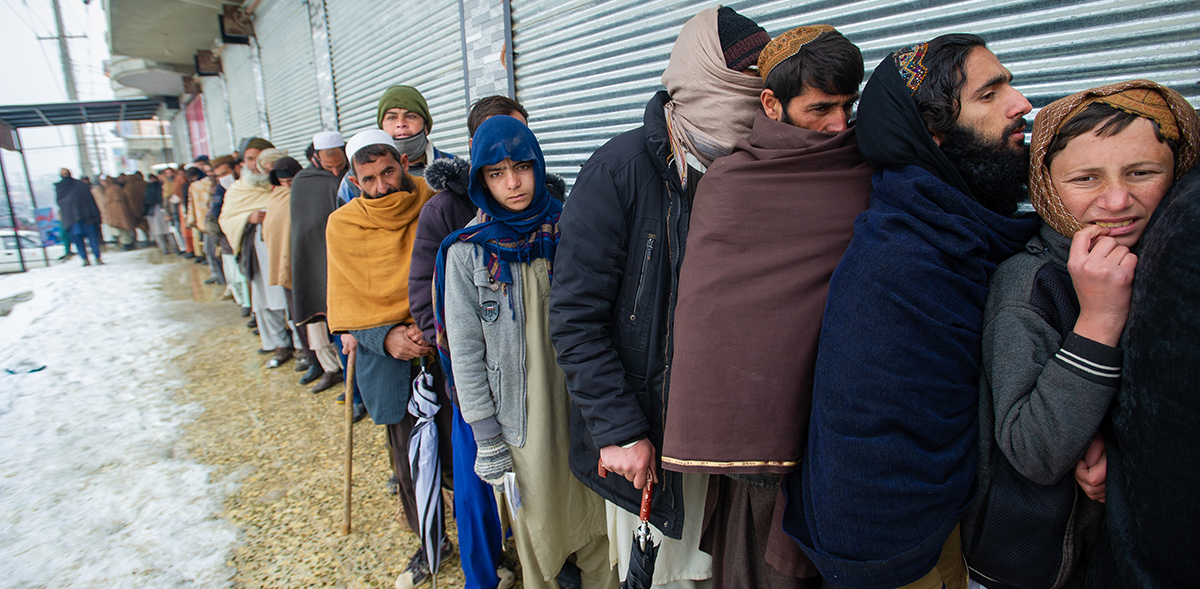
On Jan. 13, U.N. Secretary-General Antonio Guterres expressed alarm that millions of Afghans are on the “verge of death” thanks to a lethal brew of “freezing temperatures and frozen assets.” This was no idle warning. Notwithstanding the decline in fighting following the Taliban’s victory in August 2021, Afghanistan’s economy is in a deepening spiral of impoverishment and destitution.
President Saied’s campaign of arrests raises troubling questions about Tunisia’s trajectory
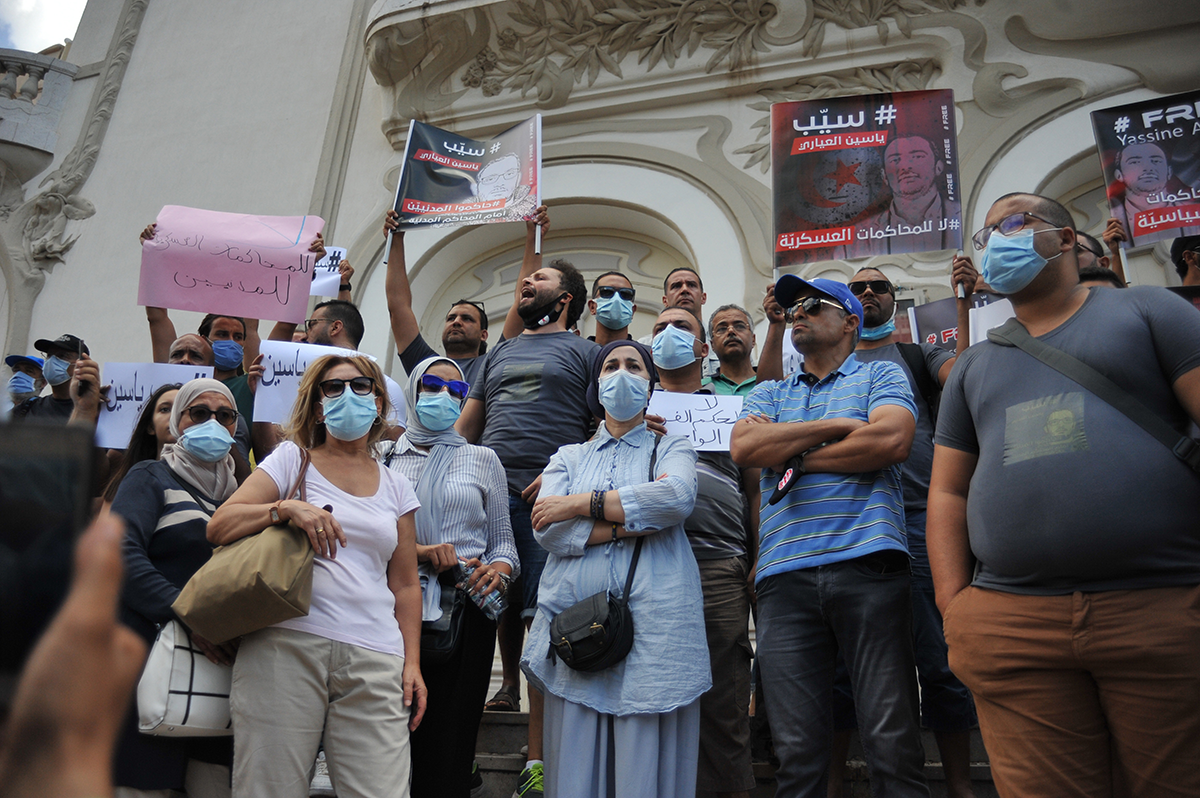
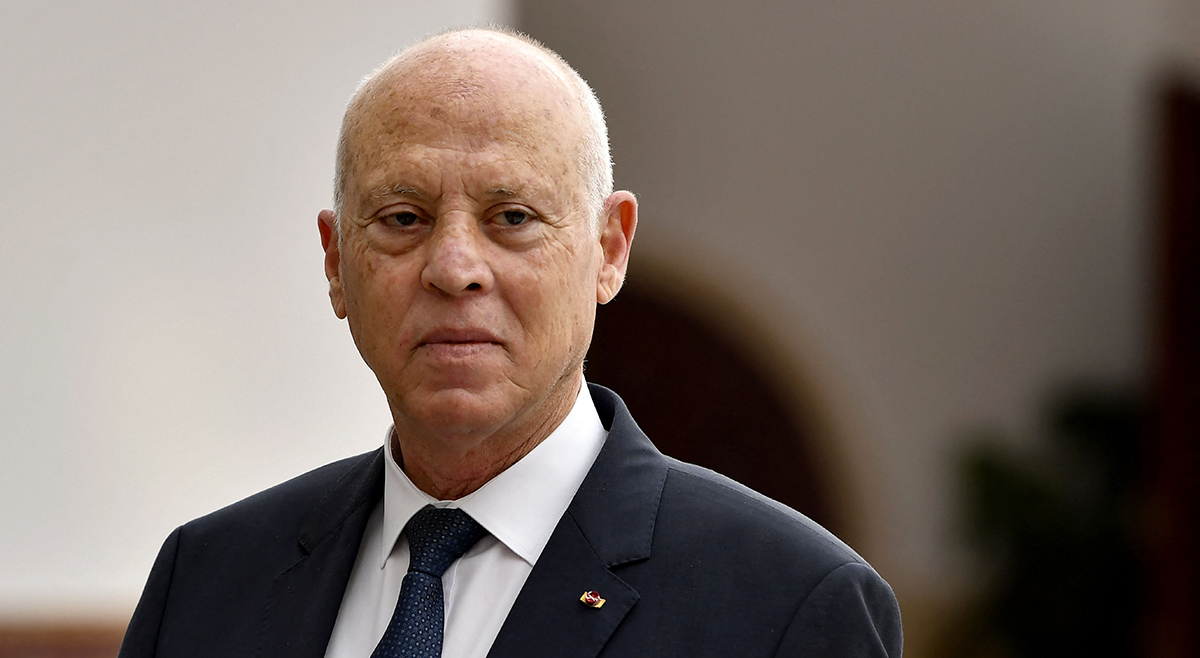
Tunisian President Kais Saied’s campaign of arrests evolves from high-profile house arrests of leading figures to convictions of ordinary people on defamation charges.
Morocco’s New Challenges as a Gatekeeper of the World’s Food Supply: The Geopolitics, Economics, and Sustainability of OCP’s Global Fertilizer Exports
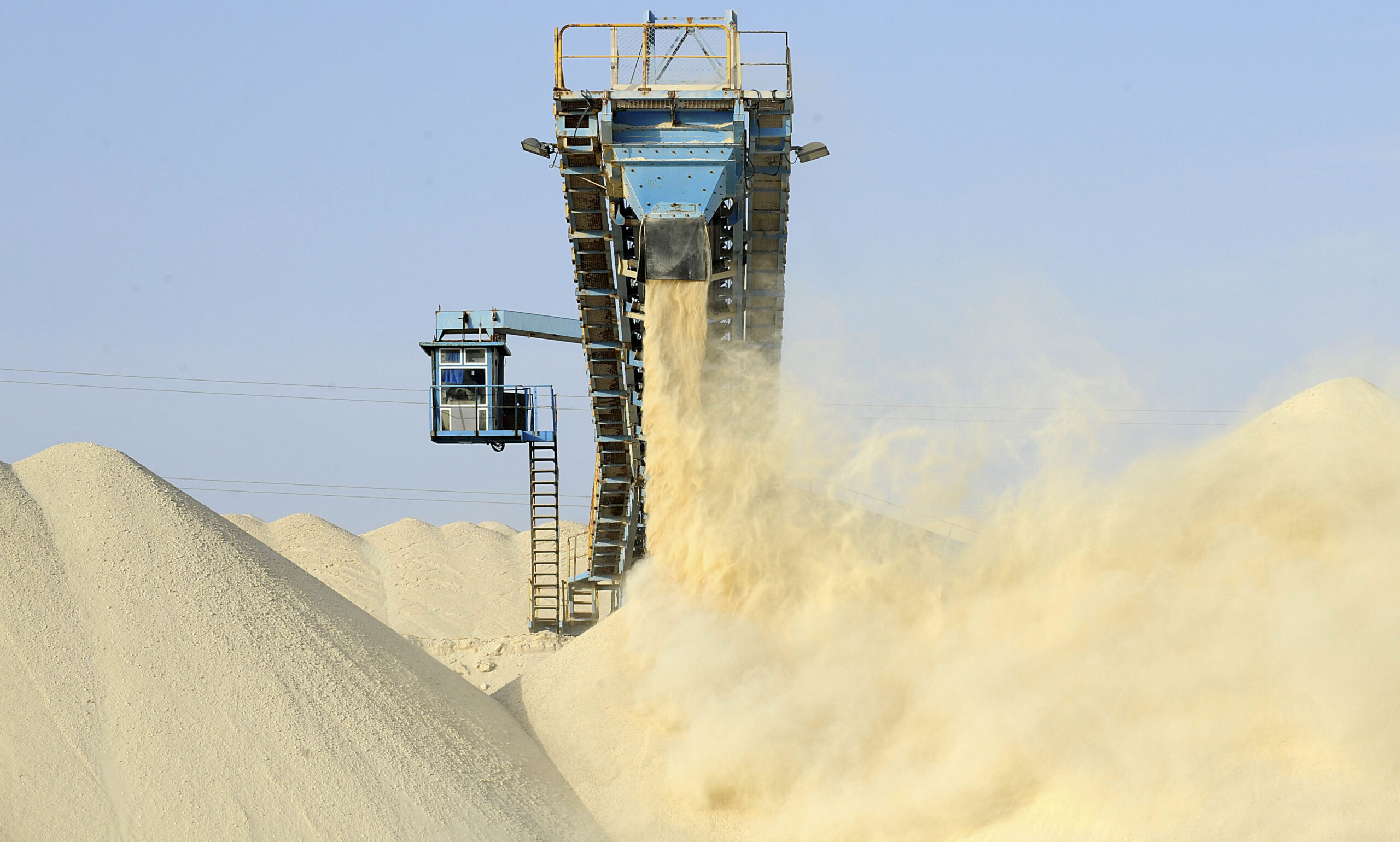
Morocco’s phosphorus fertilizer industry, with its massive production capacity and international reach, has transformed the kingdom into a gatekeeper of global food supply chains. Morocco’s centrality to global food security rests with the fact that all food crops, indeed all plant life, require the element phosphorus to grow and Morocco possesses over 70% of the world’s phosphate rock reserves, from which the phosphorus used in fertilizers is derived. By becoming one of the world’s leading fertilizer exporters, instead of continuing to just export the raw material, Morocco has enriched its economy and elevated its international standing. In Sub-Saharan Africa in particular, the kingdom’s combination of joint venture partnerships in local fertilizer production and deft direct outreach to farmers has resulted in a remarkable boost in African agricultural yields and the notable expansion of Morocco’s soft power influence across the continent.
Tunisia’s Kais Saied becomes an ordinary politician
While some of Saied’s rhetoric as well as his symbolic and legislative decisions may appear to some as revolutionary, the post-July 25 political system has thus far maintained continuity from both the pre- and post-revolutionary way in which the state governs: a top-down, policing approach with deference to — and reinforcement of — existing socio-economic hierarchies. In presiding over and perpetuating this system, whether with verve or reluctantly, Saied has become an ordinary politician, following in the footsteps of many others who have held positions of power.
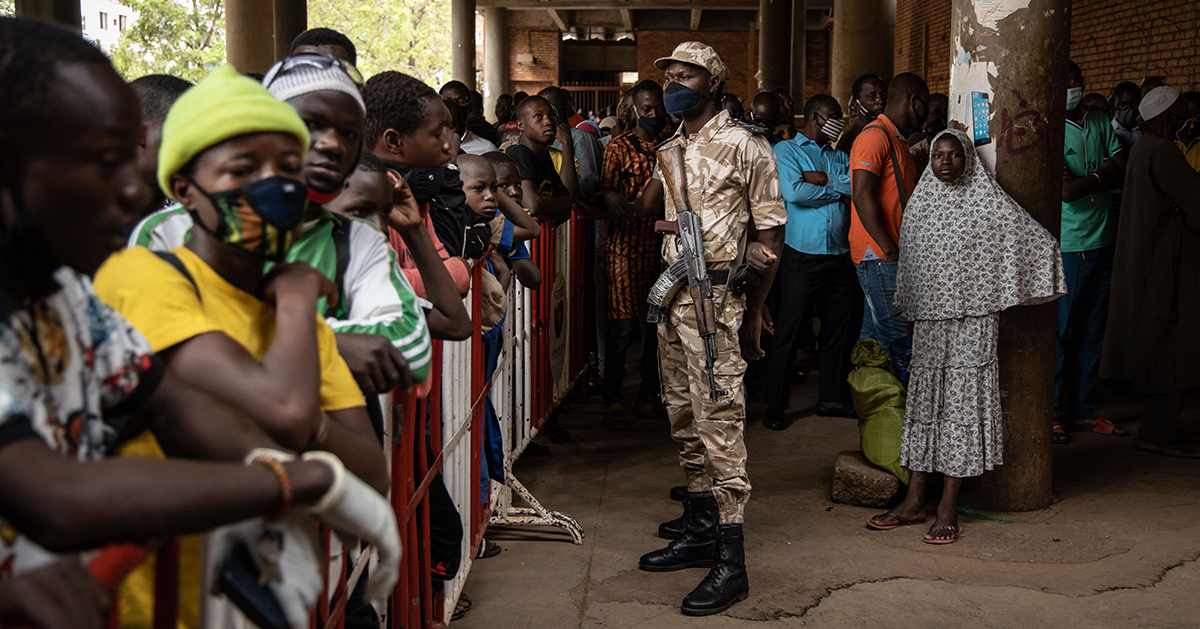
In a volatile international environment, unpredictability reigns. Perhaps nowhere is this more true than in the Sahel, where myriad existing security challenges have only been exacerbated by the devastating impact of COVID-19. Despite significant stabilization efforts, the situation is growing increasingly complex and various interrelated vulnerabilities weigh heavily on the region’s security agenda, including the pandemic, terrorist threats, chronic economic instability, climate change, skyrocketing demographics, and weak governance systems, as well as unprecedented food insecurity and extreme poverty.
وضعت الحكومة المغربية الجديدة أولويات الميزانية، لكن هل يمكنها توفير مواردها؟
بعد شهرين في السلطة، أعطت الحكومة المغربية الجديدة إشارات إلى أنها تريد إعطاء الأولوية للتنمية الاجتماعية والتعافي من الآثار المطولة لكوفيد 19 على البلاد. ومع ذلك، فإن استقرار الاقتصاد الكلي، والموارد المالية المحدودة، وزيادة الإنفاق الدفاعي تحد من مدى قدرة الدولة على متابعة وتمويل خطط التنمية الاجتماعية التي تشتد الحاجة إليها.
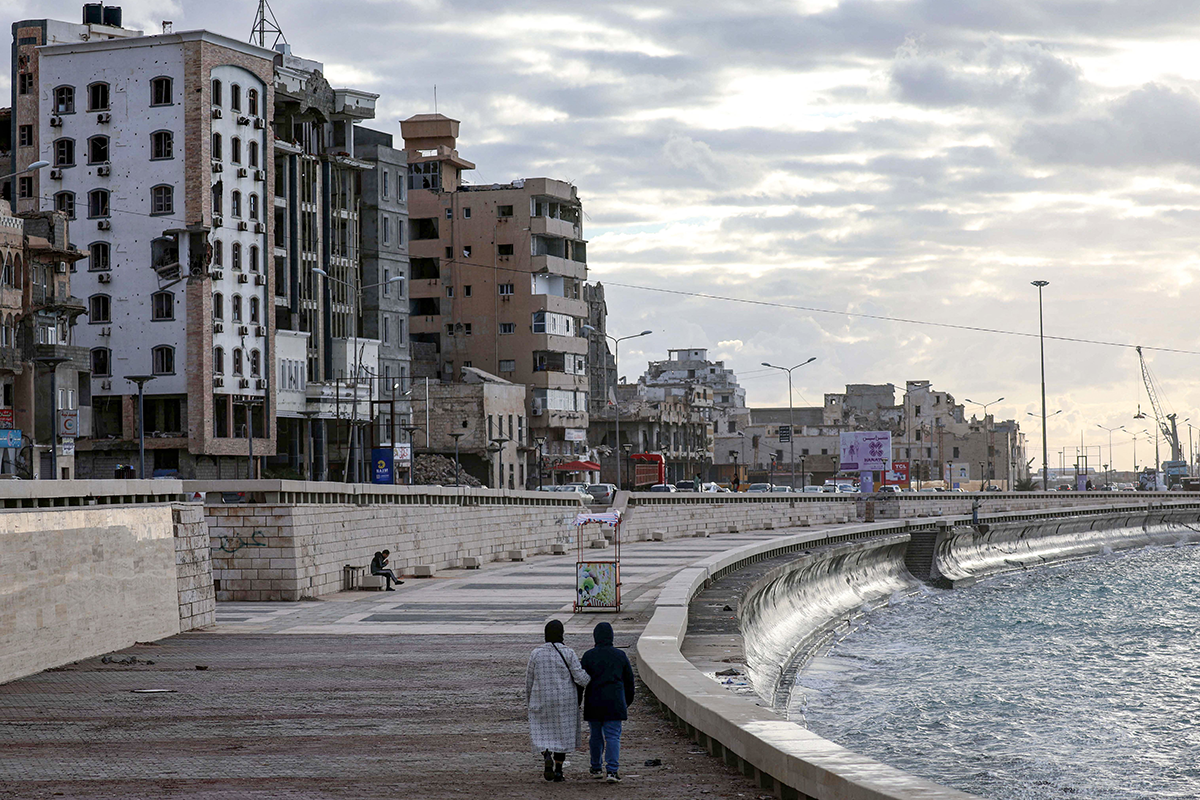
Desalination in Libya: Challenges and opportunities
For the MENA region, groundwater is a hidden but significant problem, as many countries extract more than is being recharged and most lack solid legal frameworks and national water policy regulations to determine use. As a result, there are questions and concerns about the current status of groundwater aquifers, especially with the increasing impact of climate change, as well as the type of sustainable alternative solutions that could assist in conserving them. Libya is no exception to this broader regional trend, and the country suffers from growing water scarcity.
Sudan-Russia relations after the October coup: The view from Moscow
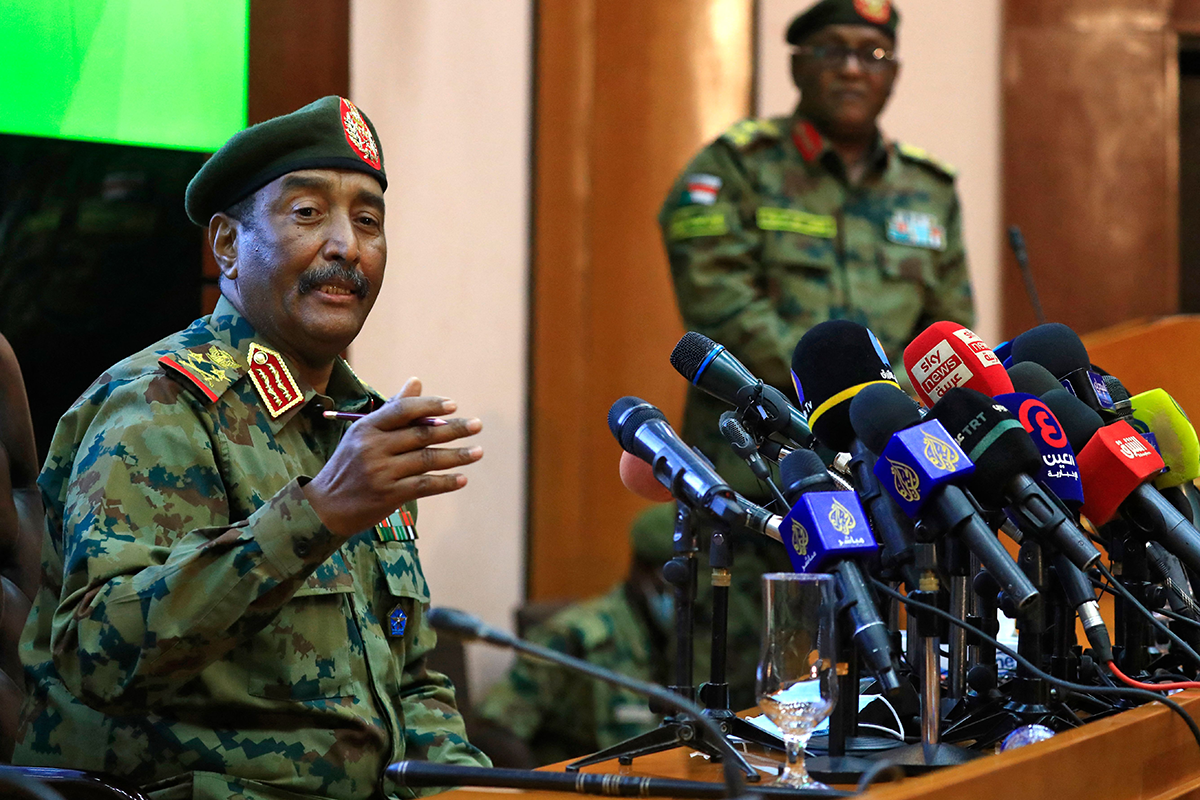
Since late October, Sudan has been mired in a state of intense political turmoil. On Oct. 25, Gen. Abdel Fattah al-Burhan seized power in a coup d’état, placed civilian Prime Minister Abdalla Hamdok under house arrest, and declared a state of emergency. In response to intense international pressure, Burhan and Hamdok signed a 14-point deal on Nov. 21, which reinstated Hamdok as prime minister and resulted in the release of political prisoners. While this agreement thwarted Sudan’s descent into a military dictatorship, mass protests persist and the opposition Forces of Freedom and Change (FFC) have rejected the deal.
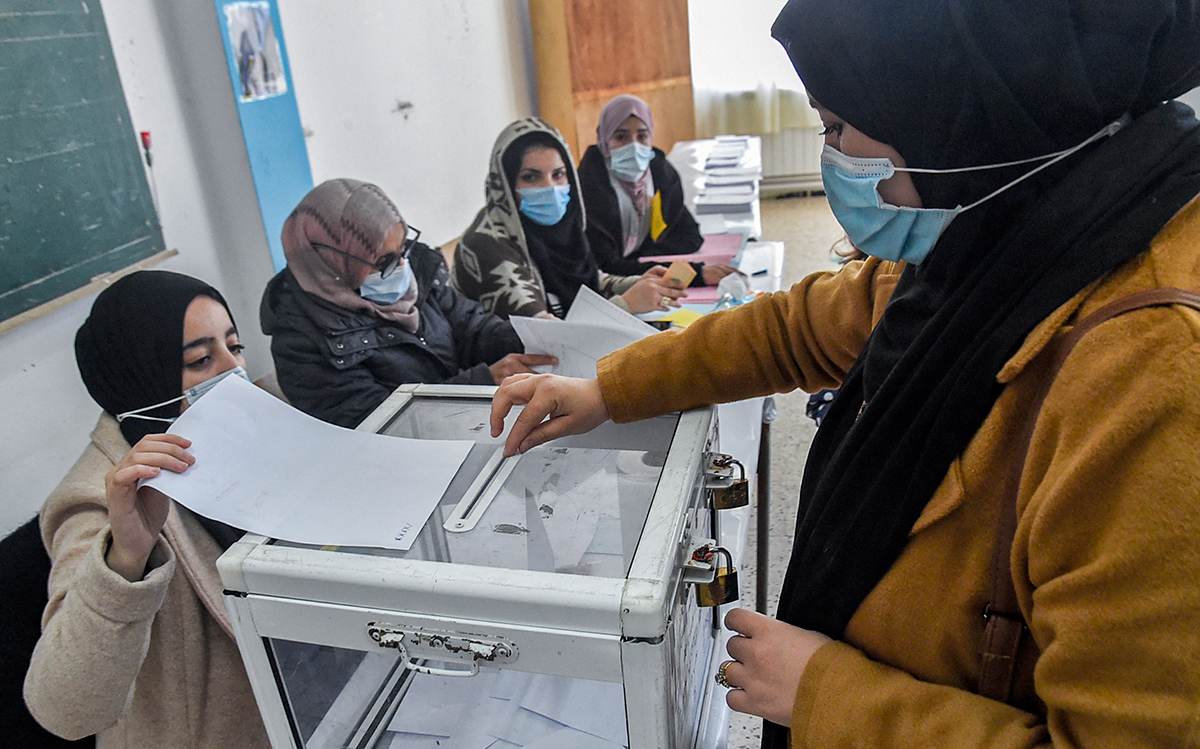
The local and regional elections that took place in Algeria on Nov. 27 are the last in a series after the fall of President Abdelaziz Bouteflika in April 2019. They were preceded by a presidential election that elevated Abdelmadjid Tebboune in December 2019, a referendum on the revision of the constitution in November 2020, and legislative elections in June 2021. Once again, Algerian observers can’t help but ask about the meaning of these repetitive flawed elections. Analyzing elections held in an authoritarian context for what they should be, namely a bridge toward a democratic transition, is indeed fruitless. By analyzing the purpose they serve for the actors themselves, however, we can understand why they still occur despite their lack of credibility and how their illegitimacy shapes current Algerian politics.
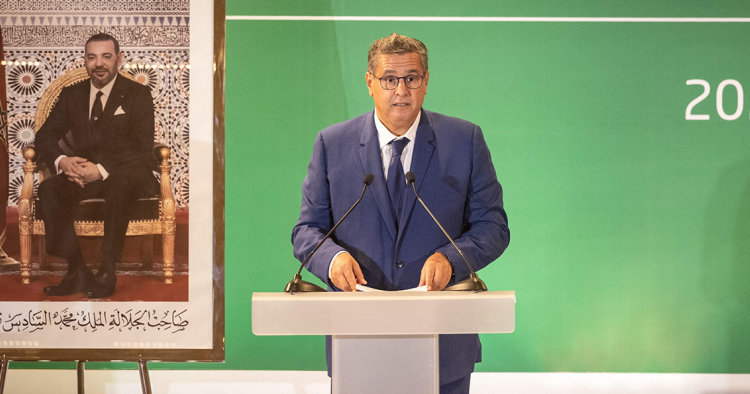
Morocco’s new government lays out budget priorities, but can it pay for them?
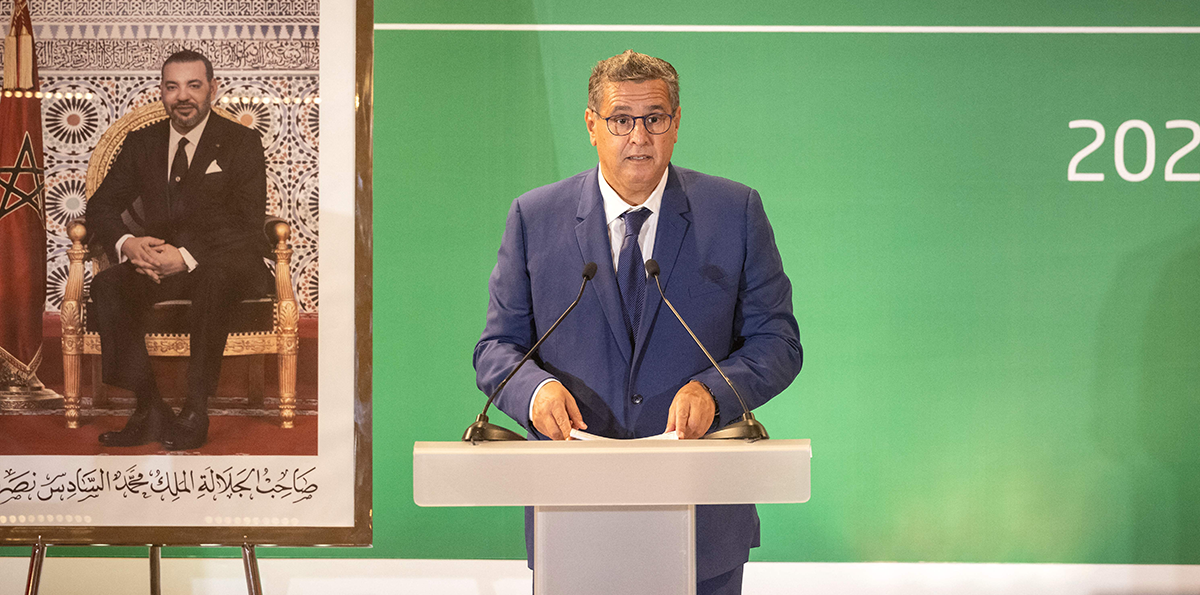
After two months in power, Morocco’s new government has indicated that it wants to prioritize social development and post-pandemic recovery as the country reels from the prolonged impact of COVID-19. However, macro-economic stabilization, constrained financial resources, and increasing defense spending are limiting the extent to which the state can effectively pursue and finance much-needed social development plans.