EU-Iran relations: Toward a diplomatic confrontation?
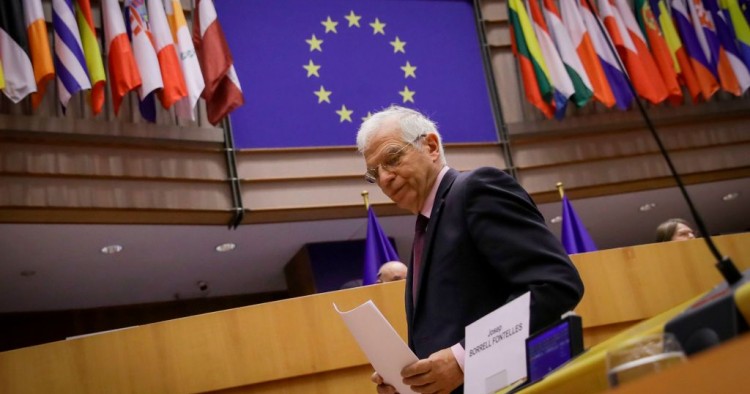
When the EU’s high representative for foreign affairs and security policy, Josep Borrell Fontelles, took office in December 2019, he emphasized the need to preserve the 2015 Joint Comprehensive Plan of Action (JCPOA) and cooperate with Iran. At the same time, he criticized then-U.S. President Donald Trump for maintaining extended sanctions — which in practice prevented leading European firms from concluding large contracts with partners in Iran — and for the U.S.’s withdrawal from the provisions of the treaty.
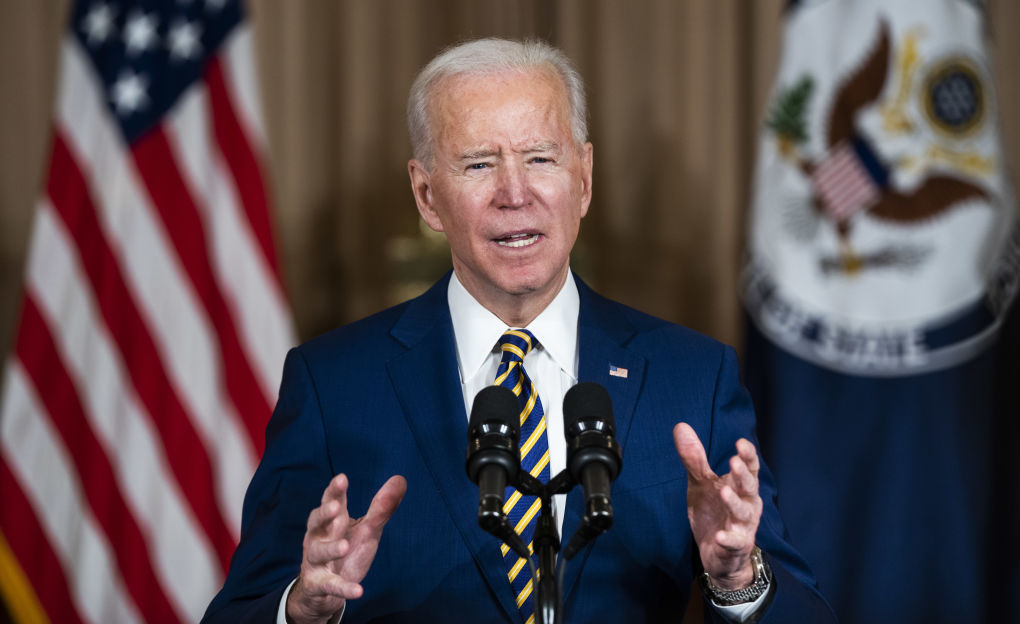
Expert Views: The Biden administration and the Middle East: Reflecting on the first 100 days
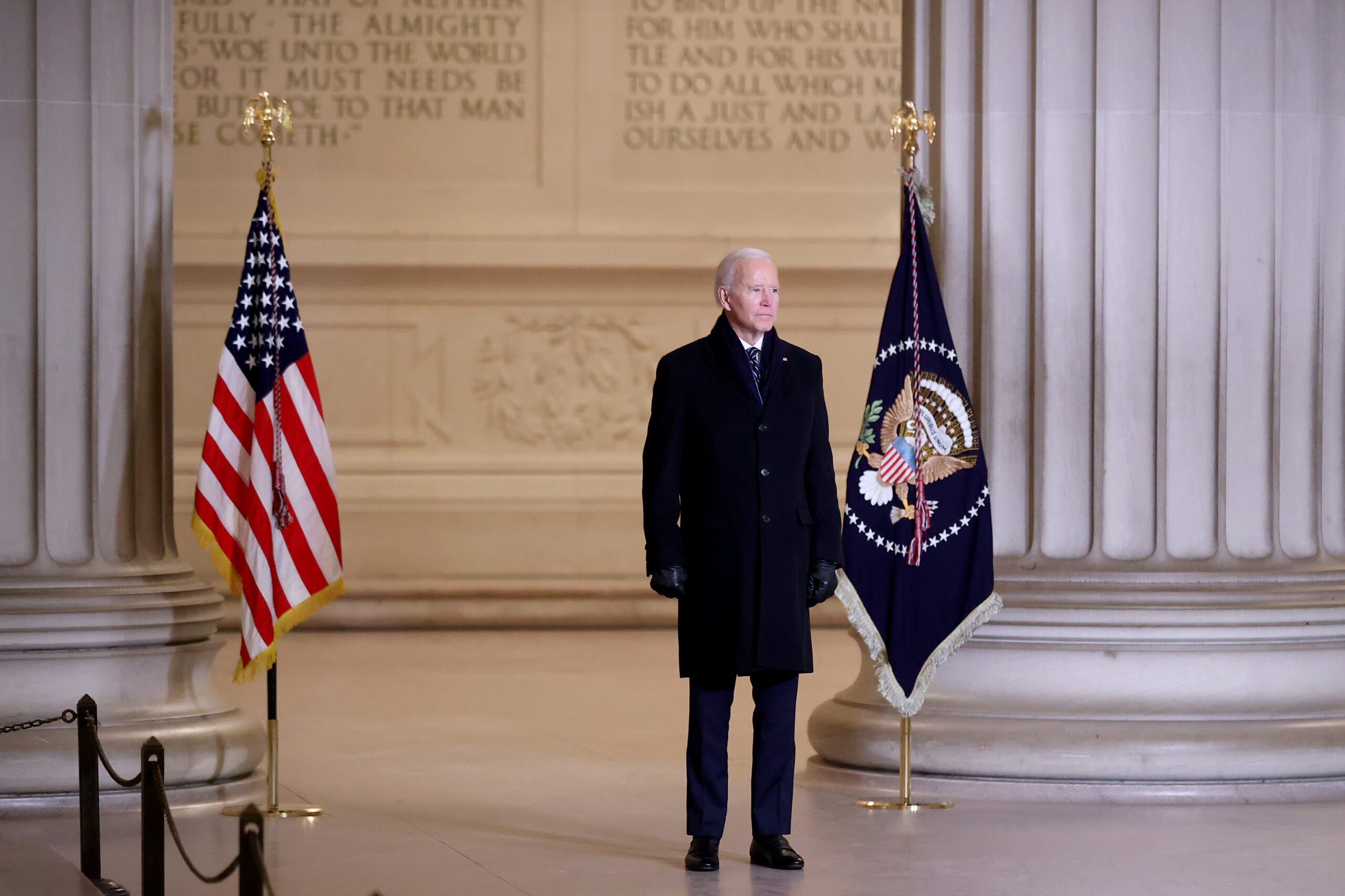
At the end of Joe Biden’s first 100 days as president of the United States, where do things stand when it comes to U.S. policy toward the Middle East and North Africa? We asked experts and scholars from across MEI to weigh in with their thoughts on the changes we’ve seen so far, the new challenges that have emerged, and what we know about the administration’s key priorities for the region.
Key environmental challenges facing the Middle East
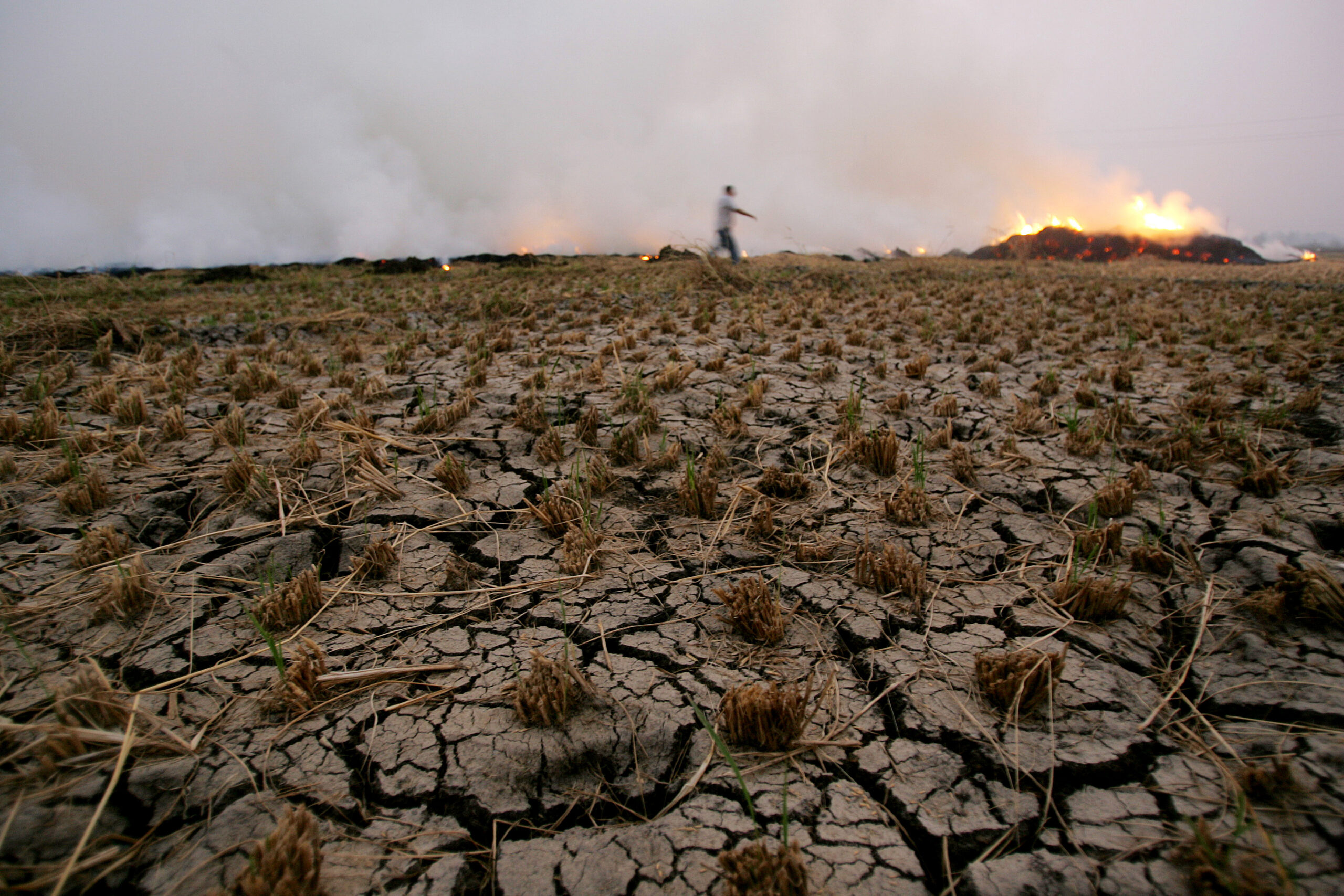
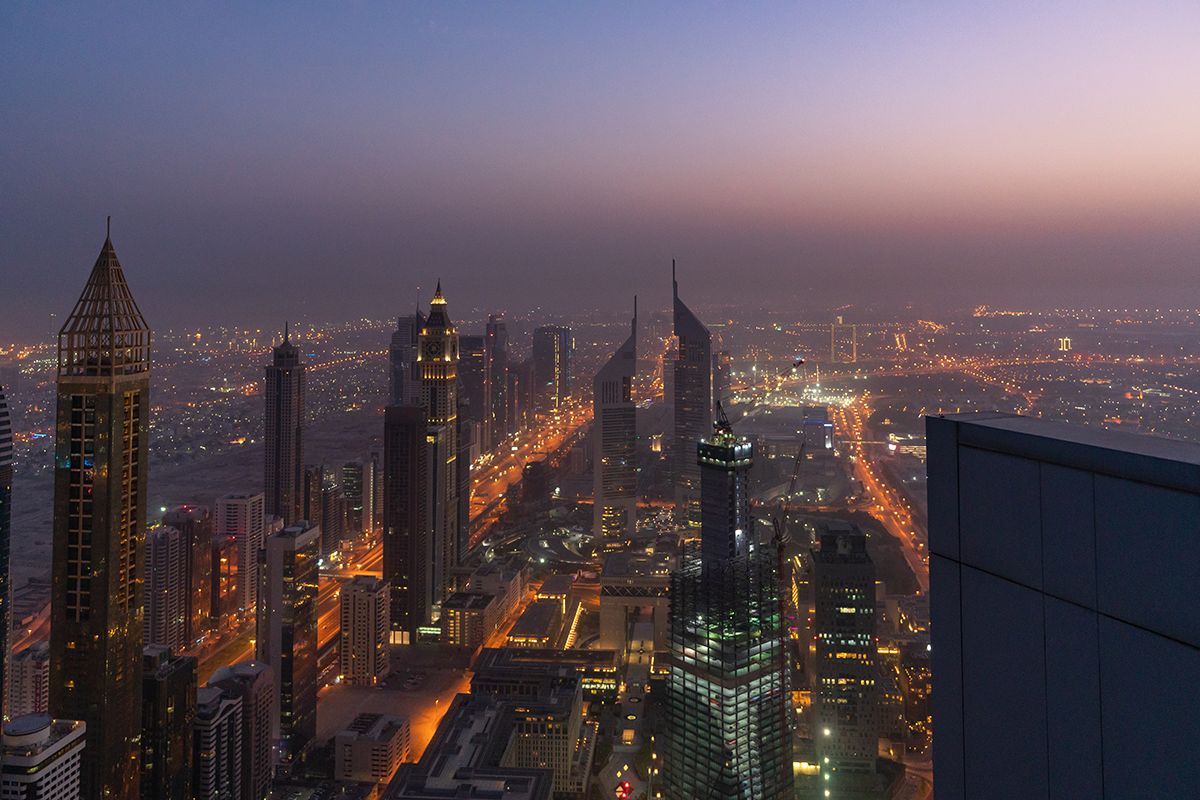
The Middle East and North Africa faces a host of major environmental challenges, from water scarcity and food insecurity to climate change adaptation. In recognition of Earth Day on April 22 and in conjunction with MEI’s Climate Week 2021 events, we asked experts and scholars to weigh in with their thoughts on the most pressing environmental issues facing the region.
Terrorism Laws in Malaysia: The Continuing Case for SOSMA and POTA
Calls for the abolishment of terrorism laws have resurfaced in Malaysia recently. The Malaysian Bar and human rights advocates have referred to current terrorism laws as “unjust,” “regressive,” violations of basic human rights and laws that need to be abolished immediately. Yet, despite the physical loss of the Islamic State (IS) caliphate, the terrorism threat still looms in the region owing to IS’ ideology. This article discusses Malaysia’s two terrorism-related laws — correcting misconceptions about them, arguing for their retention, and suggesting ways that valid concerns about them might be addressed.
Historically, Iran has used Iraqi militias to implement both its short-term plans and long-term strategies. At this stage Iran seems to have included its Iraqi proxies in plans to lift U.S. sanctions. Going forward, the Islamic Republic may use escalation against the United States in Iraq to exercise leverage in its dealings with Washington on the JCPOA.
Egypt should go green by putting a price on carbon
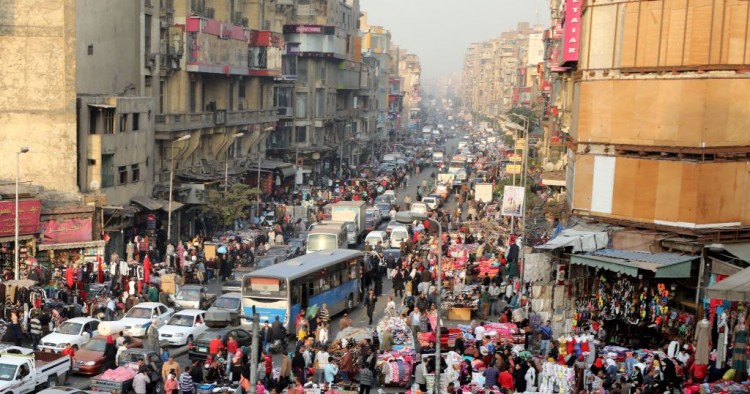
It is time for Egypt to put a price on carbon. While Cairo has taken small steps toward developing a sustainability plan, it needs a bold idea to stop rising carbon emissions. Establishing a carbon exchange — or putting a price on carbon — would be good for the country and help make Egypt an environmental leader in the region.
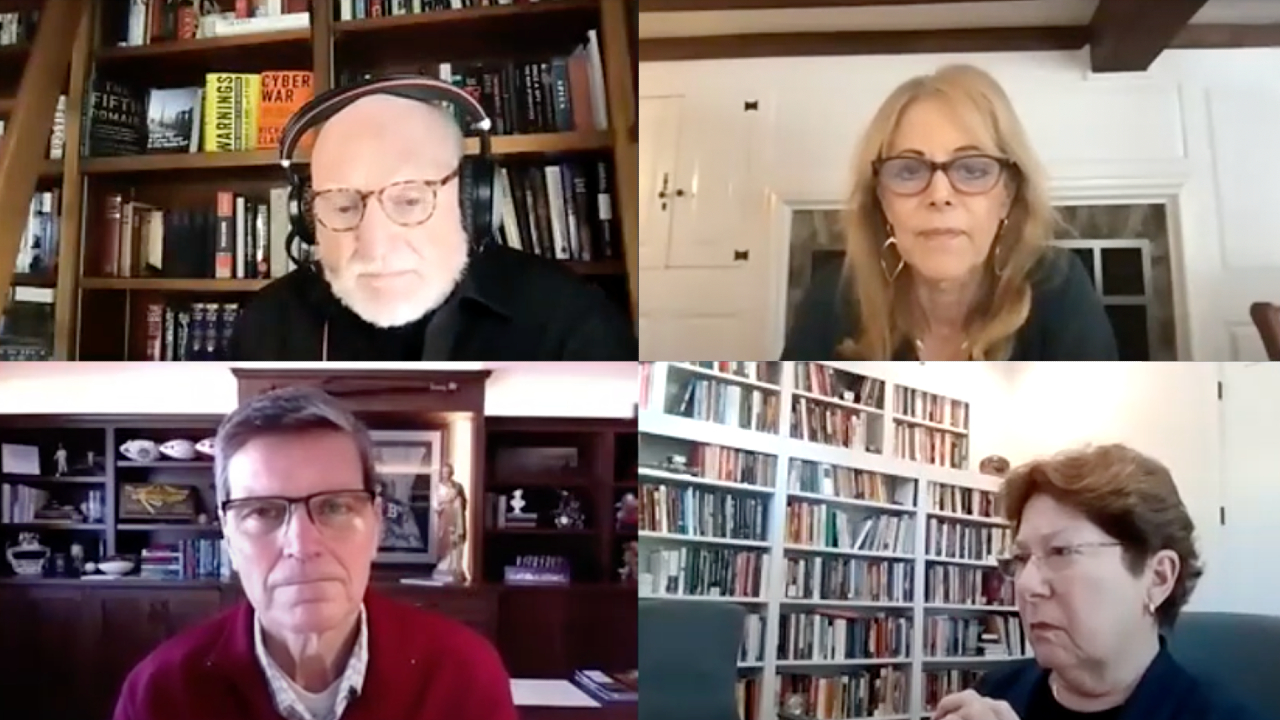
Matthew Levitt and Douglas London join host Alistair Taylor to discuss the new and evolving threats of terrorism at home and abroad and what the US needs to do to adapt and innovate to address them.
A decade on, the Syrian crisis is far from over and the US must step up
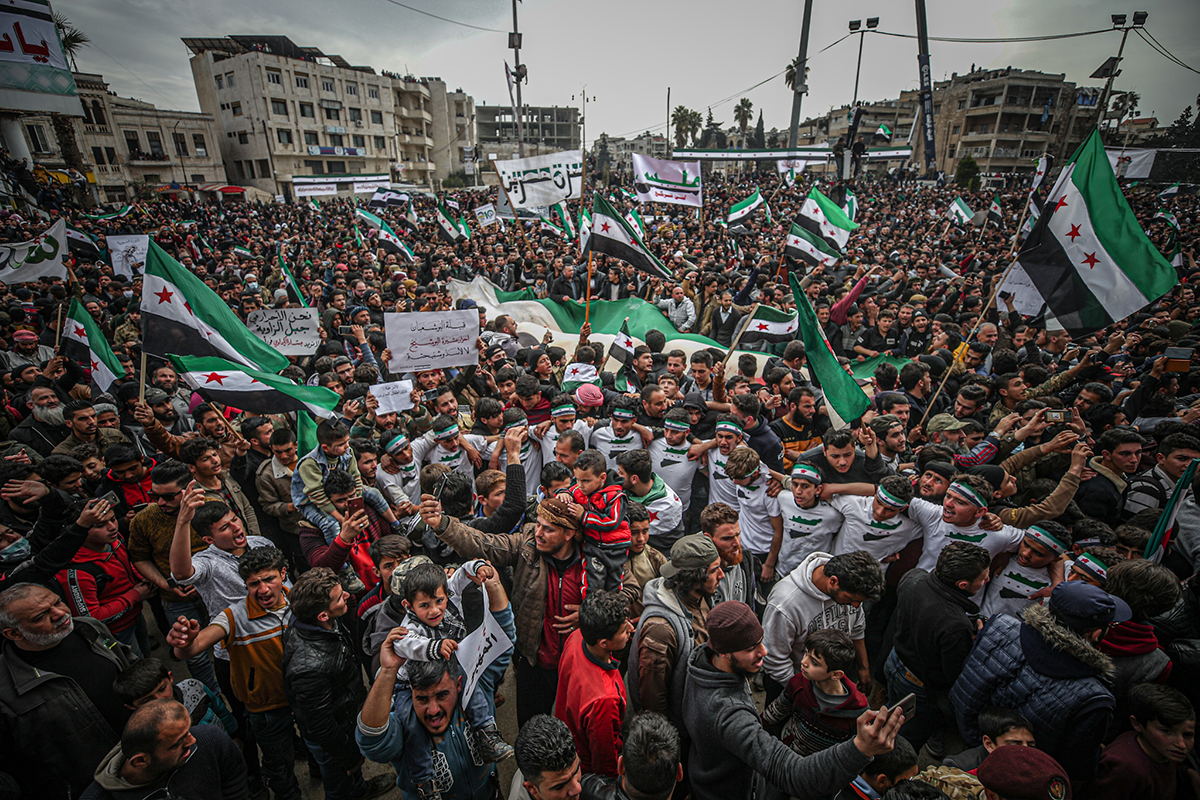
As Syrians mark the 10-year anniversary of the 2011 uprising this week, it remains inescapably true that the country’s debilitating crisis is far from over. After a decade of conflict that was initiated and driven by an utterly ruthless regime and reinforced and diplomatically protected by its Russian and Iranian allies, Syria is broken.
ISIS and the Assad regime: Strategy and counter-strategy in Syria’s Badia
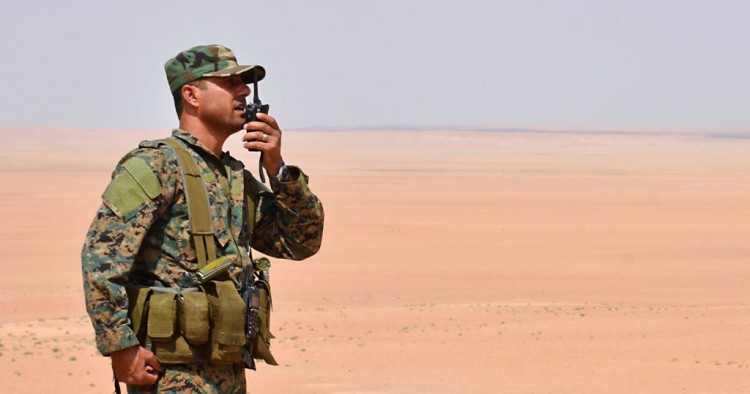
It has been more than a month since the launch of military operations by Syrian regime forces and their allies, with air support from the Russian air force, in the Syrian Badia — the country’s expansive central desert region — in an attempt to eliminate ISIS cells deployed there. To date, however, these operations have not yielded any tangible results.
"داعش" والنظام الاستراتيجية والاستراتيجية المضادة في البادية
مضى قرابة الشهر على العمليات العسكرية التي تشنها قوات النظام السوري وحلفائها، بدعم جوي من الطيران الروسي في البادية السورية، في محاولة للقضاء على خلايا تنظيم “داعش” المنتشرة في تلك المناطق، لكن تلك الهجمات لم تُثمر عن نتائج تذكر حتى اللحظة.
الهجمات العسكرية للقوات المعادية للتنظيم لم تتغير على الصعيدين العملياتي والاستراتيجي، فقد اقتصرت على عمليات توغل لقوات برية بأسلحة خفيفة ومتوسطة، بغطاء جوي من طائرات حربية روسية تُمهد بعمليات قصف جوي، وطائرات مروحية مرافقة للقوات المتقدمة برياً تحسباً لهجمات التنظيم الدفاعية.
The Biden Administration and the Middle East: Policy Recommendations for a Sustainable Way Forward
In a new policy briefing book, entitled The Biden Administration and the Middle East: Policy Recommendations for a Sustainable Way Forward, MEI scholars tackle a large number of country-specific and region-wide issue areas, laying out both the abiding U.S. interests and specific recommendations for Biden administration policies that can further U.S. interests amid a region in turmoil.
What will the Middle East look like in 2030? An Israeli Perspective
The following article addresses the question of how the Middle East might develop in the coming decade. Long-term and detailed strategic predictions are a thankless task and are often doomed to failure. Therefore, this article refrains from attempts at prophecy but deals instead with “thinking about the future.” It opens with an analytical framework for scenario development, supplemented by “trends impact” and “horizon scanning.” The second section studies “the futures of the past,” in terms of what we might learn about the pitfalls of future projection and scenario-building from those outlining possible futures for 2020 from years past. Then, on the basis of the first two sections, four scenarios elaborate some distinctly different pathways that the Middle East might take to 2030. Finally, the article concludes with several key takeaways for Israeli decision makers.
An integral partner: The growing ties between Amman and Moscow
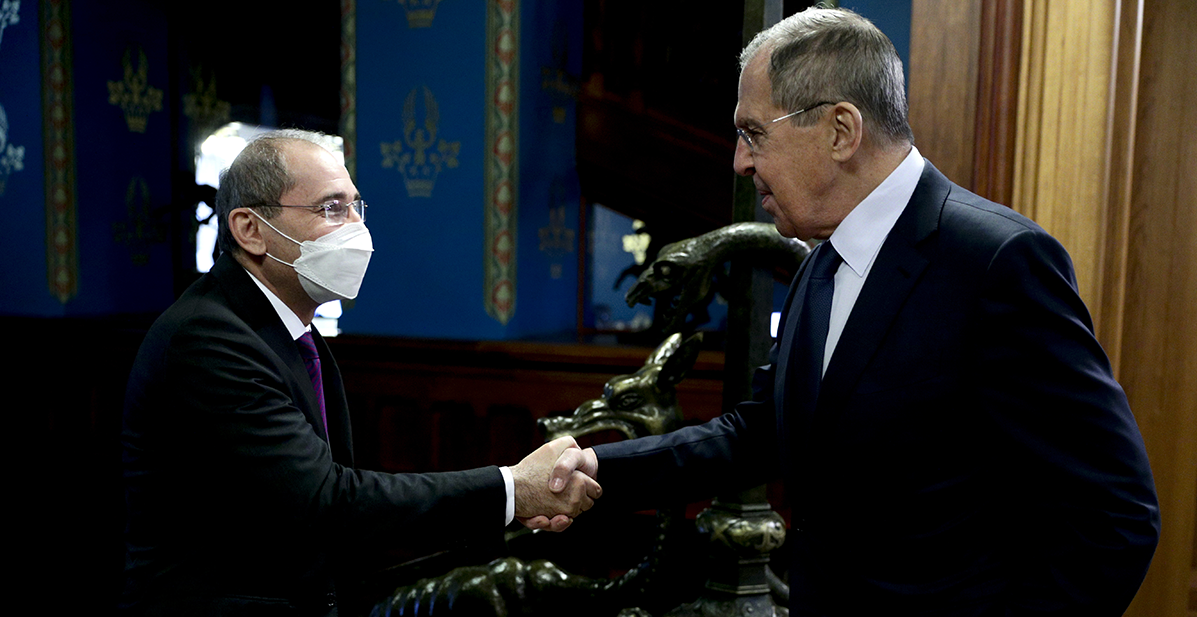
On Feb. 3, Russian Foreign Minister Sergey Lavrov hosted his Jordanian counterpart Ayman Safadi in Moscow. After their meeting, Lavrov emphasized Russia and Jordan’s shared positions on Syria, Gulf security, and Israel-Palestine.