Blinken’s visit to Kiev showed solidarity, but a strategic approach is still desperately needed
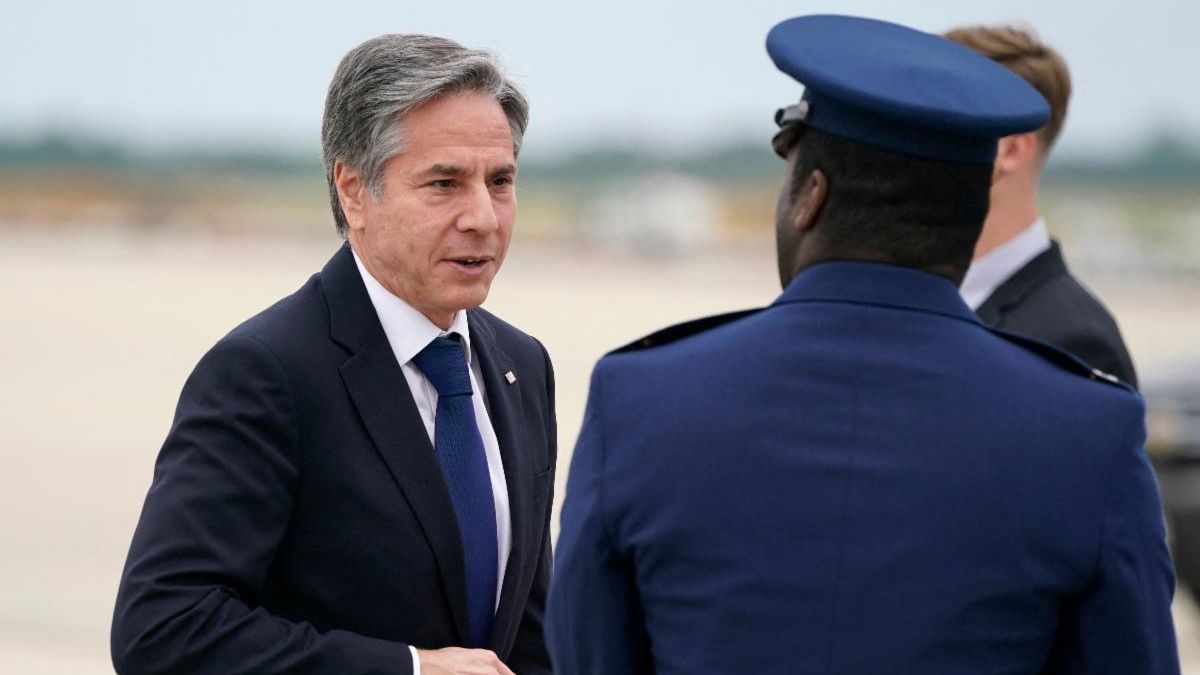
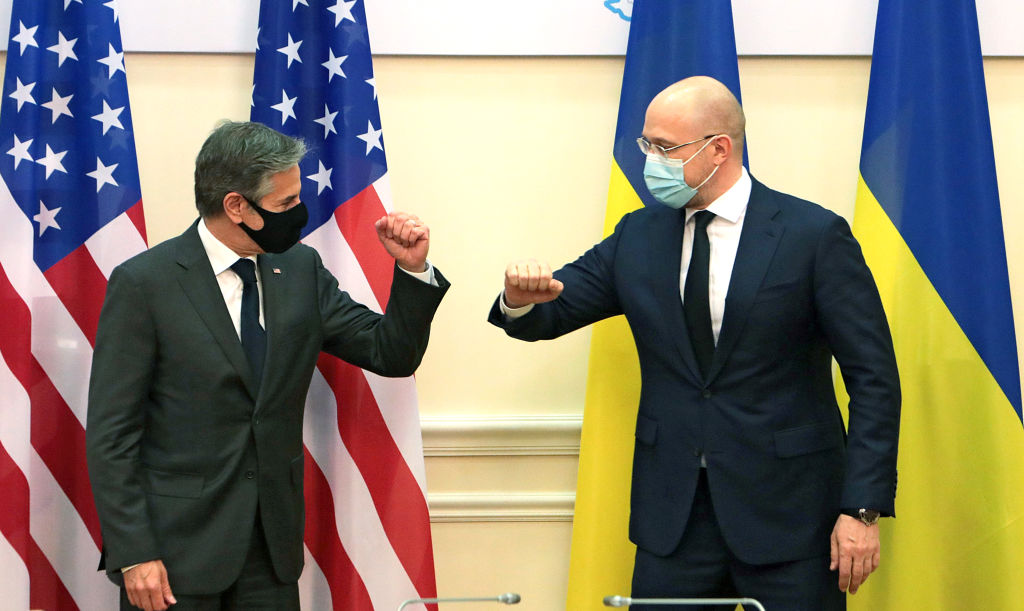
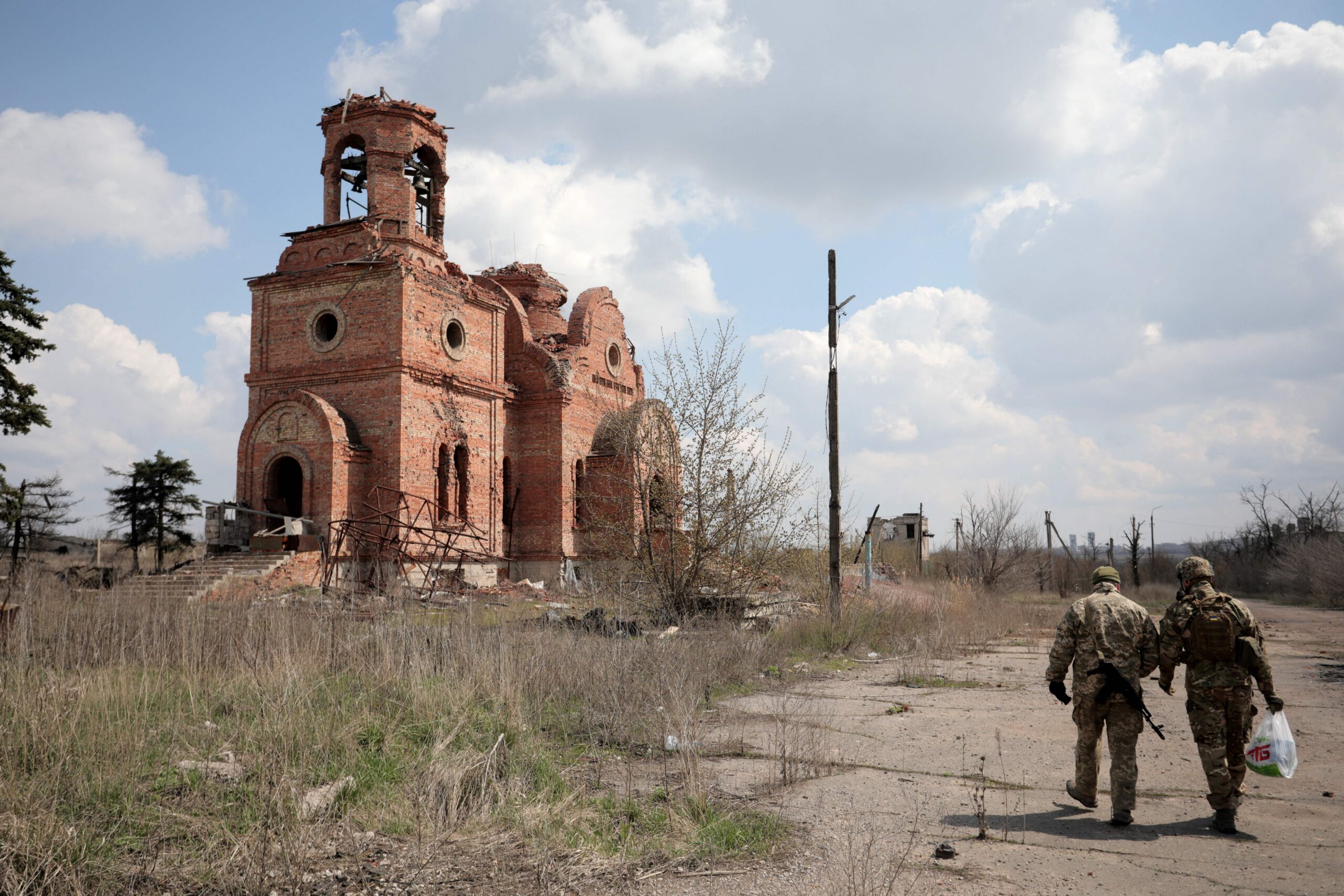
The recent visit of Secretary Anthony Blinken and Under Secretary Victoria Nuland to Kiev demonstrated the urgency of Ukrainian security and Russian aggression. The visit, however, occurred on shaky grounds, with three main obstacles preventing Ukraine from making significant progress in its partnership with the U.S. First, Ukrainian President Volodymyr Zelensky’s limited progress on democratic reforms. Second, Western Europe’s lukewarm support for Ukraine and against Russian aggression. And third, Russia’s diversionary policy.
The Autonomous Territorial Unit of Gagauzia: A new focal point for Russo-Turkish competition?
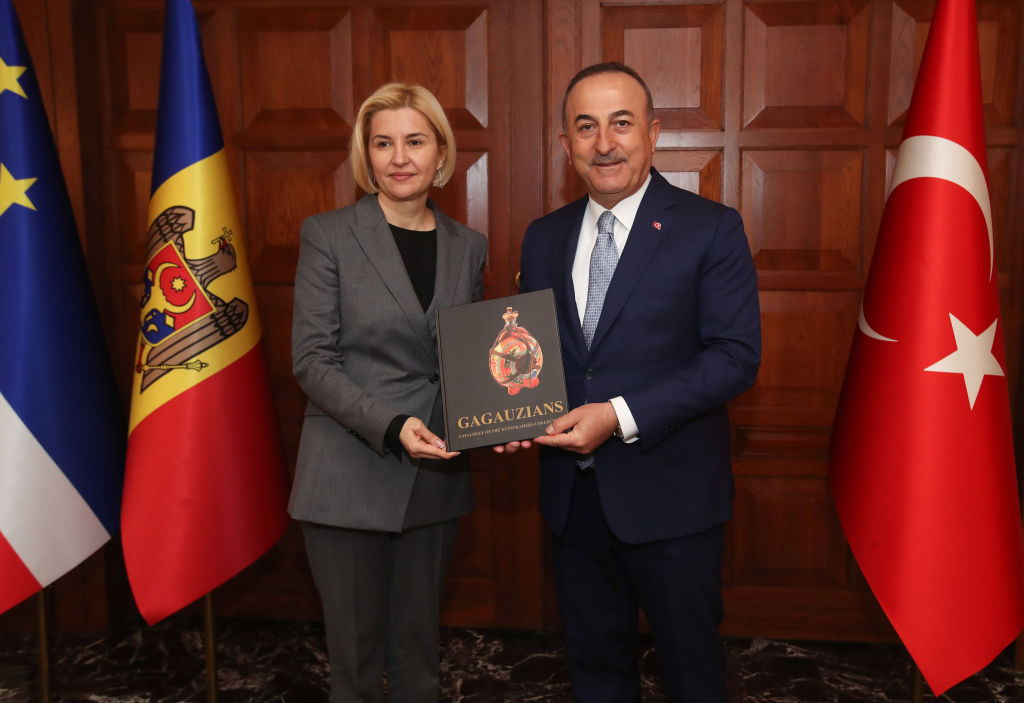
Although many policymakers and commentators in the West tend to see Turkish President Recep Tayyip Erdoğan and Russian President Vladimir Putin as often working together, history shows us that the natural state of affairs between Russia and Turkey is one of competition, confrontation, and even conflict.
Recent geopolitical events remind us of this. However, there is another area to keep an eye on that serves as a historical and cultural fault line of Turkish and Russian geopolitical rivalry: the Autonomous Territorial Unit of Gagauzia located in southern Moldova.
United States partnerships with Georgia and Ukraine: Prospects for advancing military cooperation
A spotlight has been cast over the Black Sea region for the past two decades. Located at the geopolitical junction of Western Europe, Russia, and the Middle East, the Black Sea littoral states have partnered with Western powers on global counterinsurgency and anti-terrorism efforts. Simultaneously, the Black Sea region continues to face insecurities triggered by enduring great power competition. The importance of stability in the Black Sea region has long been recognized by the West.
Ukraine is an intractable problem, made worse by a lack of strategy
There are three clear steps the Biden administration must take if it hopes to de-escalate the crisis with Russia in Eastern Europe without being drawn into conflict. First, recognize that the Normandy Format has failed. Second, take the lead on peace negotiations with Russia. And third, shape a strategy for the Black Sea region.
It looks like 1939 in Kyiv. Is Ukraine this century’s Poland?
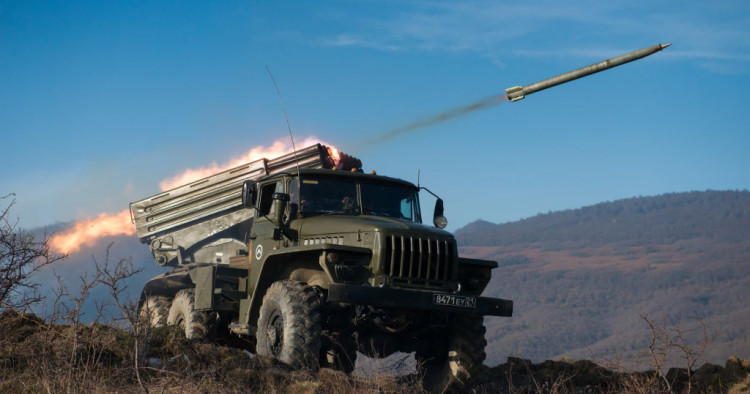
Up until late on Tuesday, April 13, Russia seemed poised to invade Ukraine. An eleventh hour phone call between U.S. President Joe Biden and Russia’s President Vladimir Putin – and a non-specific agreement between the two to hold a bilateral summit – seems to have halted Moscow’s military for now. But an expanding presence of Russian troops on the border with Ukraine in the Eastern Donbas region and Crimea continues. Concurrently, the Black Sea is turning into a Russian lake due to a buildup of Russian naval power. This has more than one observer asking just how soon a full-scale invasion of Ukraine could become reality – and what follows next from such a conflict.
Bulgaria in the Black Sea: Defending against Russian hybrid warfare
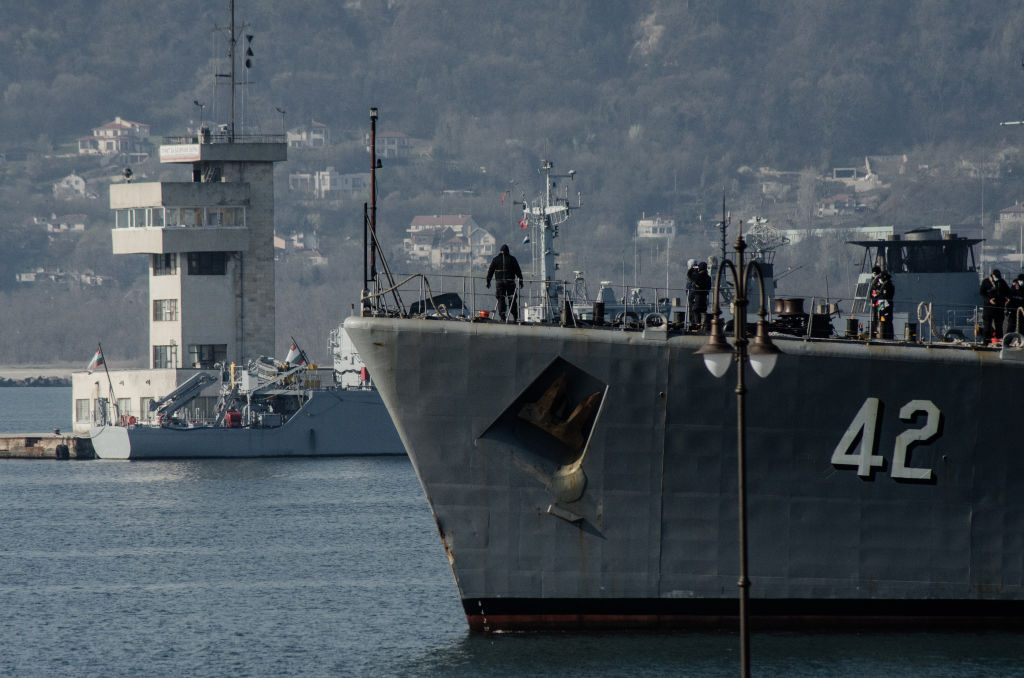
As a NATO and EU member, Bulgaria has consistently been a target of the Kremlin’s hybrid warfare. Moscow is pursuing a calculated and well-planned policy aimed at influencing domestic politics in Bulgaria, with a view of preventing the country from becoming a robust NATO regional security provider. This is especially important for the build-up of the Alliance’s presence in the Black Sea.
As tensions grow, a strong Georgia-Ukraine partnership is essential for Black Sea security
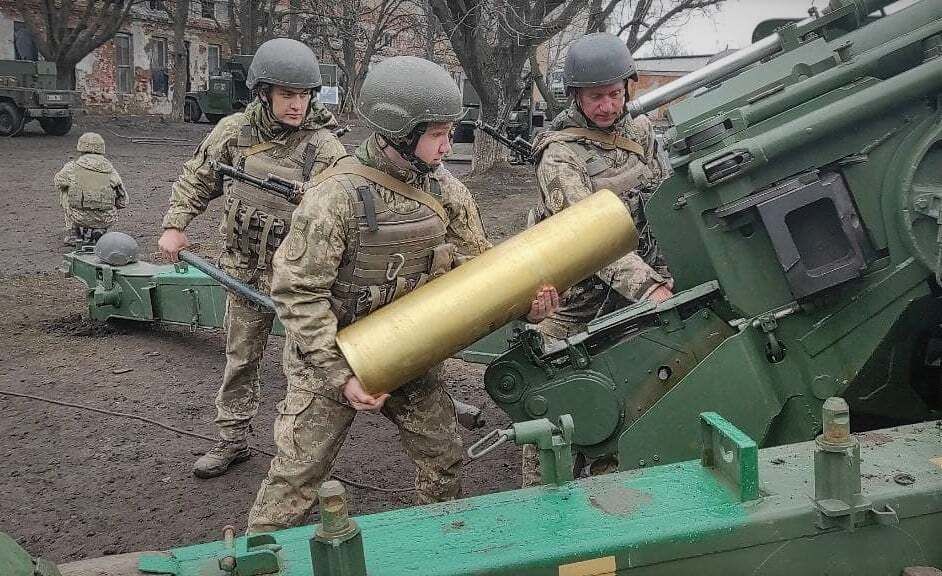
New strategic alliances are being forged across the Black Sea in an attempt to counterbalance Russian influence in the region. The Georgia-Ukraine strategic partnership is complex and multifaceted. Despite diplomatic obstacles and how relatively new it is, the relationship is already making a difference to Black Sea security. On trade, security, or Euro-Atlantic integration, Georgia and Ukraine have realized they are louder when they speak with one voice. However, Russia’s military buildup on Ukraine’s border and in the Black Sea demonstrates that regional peace cannot be achieved without the support of the United States. Greater support is needed as Ukraine and Georgia continue to fight Russian hybrid warfare across the spectrum.
Energy transition and climate change efforts in the Black Sea
The aim of COP21 in Paris was to establish global consensus and a binding agreement for climate change mitigation. And it did so, setting a goal to limit global warming to “well below 2 degrees Celsius” compared to preindustrial levels while pursuing efforts to stay even within the 1.5 degrees Celsius threshold.
Opportunities for a stronger NATO in the Black Sea under Biden
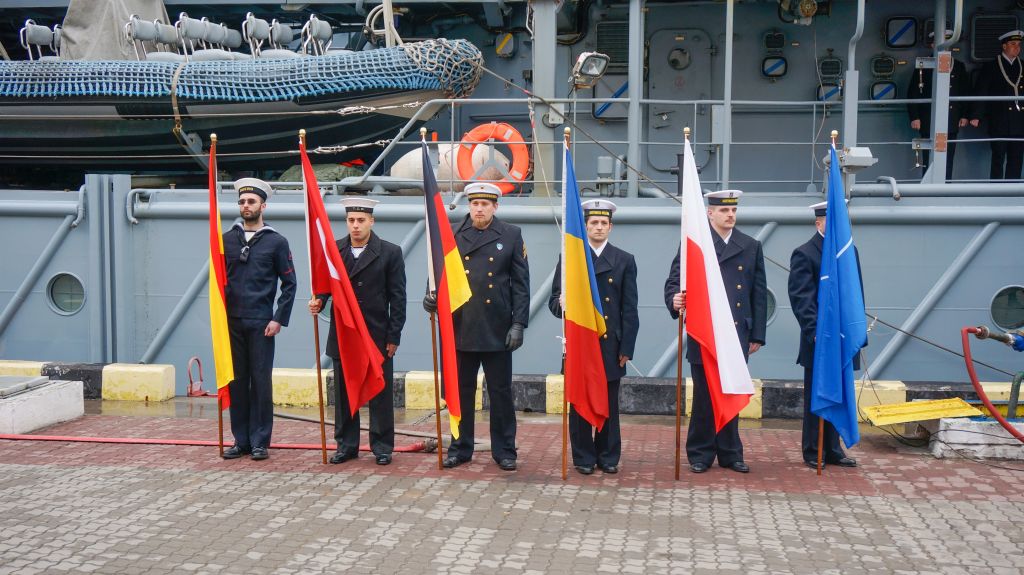
The foreign policy priorities of President Joe Biden suggest greater commitment to NATO Allies and decisive steps to counter Russian subversion in Europe.
Black Sea Connectivity in the South Caucasus is the latest report from MEI’s Frontier Europe Initiative. Dr. Mamuka Tsereteli, explores the potential for greater trade connectivity between Europe and wider Central Asia via the Black Sea and the South Caucasus.
Turkey’s energy relations with Russia: How should the West respond?
While the security relationship between Russia and Turkey has seen ups and downs throughout the years, energy ties have remained stable. But Turkey has made strides toward reducing its dependence. Changes in global energy markets have tipped the power away from producers toward consumers like Turkey, which have greater room for maneuver. Turkish interests remain largely aligned with those of the West, even if Ankara sees itself as an independent player which has links to both Russia and the EU and the US.
The Biden Administration and the Middle East: Policy Recommendations for a Sustainable Way Forward
In a new policy briefing book, entitled The Biden Administration and the Middle East: Policy Recommendations for a Sustainable Way Forward, MEI scholars tackle a large number of country-specific and region-wide issue areas, laying out both the abiding U.S. interests and specific recommendations for Biden administration policies that can further U.S. interests amid a region in turmoil.
America’s Black Sea strategy in 2021 and beyond: The case of Ukraine
Today, there are five conflicts that share similar features in the Black Sea. That is, they are protracted, separatist Russia-supported frozen and active conflicts in the former Soviet space. Deeply rooted in the history of Soviet territorial reorganization and ethnic mixing, conflicts in Transnistria (Moldova), Crimea and Donbas (Ukraine), and Abkhazia and South Ossetia (Georgia) are the result of violations to state borders that were integrated into the Soviet system.
Relations between the U.S. and Black Sea countries are complex. The Western-oriented Georgia and Romania have shown unconditional support for greater U.S. involvement. Others, like Turkey and Russia, will continue to challenge Western involvement. And while relations between Black Sea countries reflect similarly complex cooperation and conflict patterns, common among them is a hope that the Biden Administration will bring a shift in U.S. policy in the region.
Frontier Europe Initiative’s new report, Alternative Futures for the Black Sea Region, is designed to inform the development of a U.S. strategy for the Black Sea region by considering a range of alternative future scenarios.