Ambassador Friedman: Palestinians already have autonomy
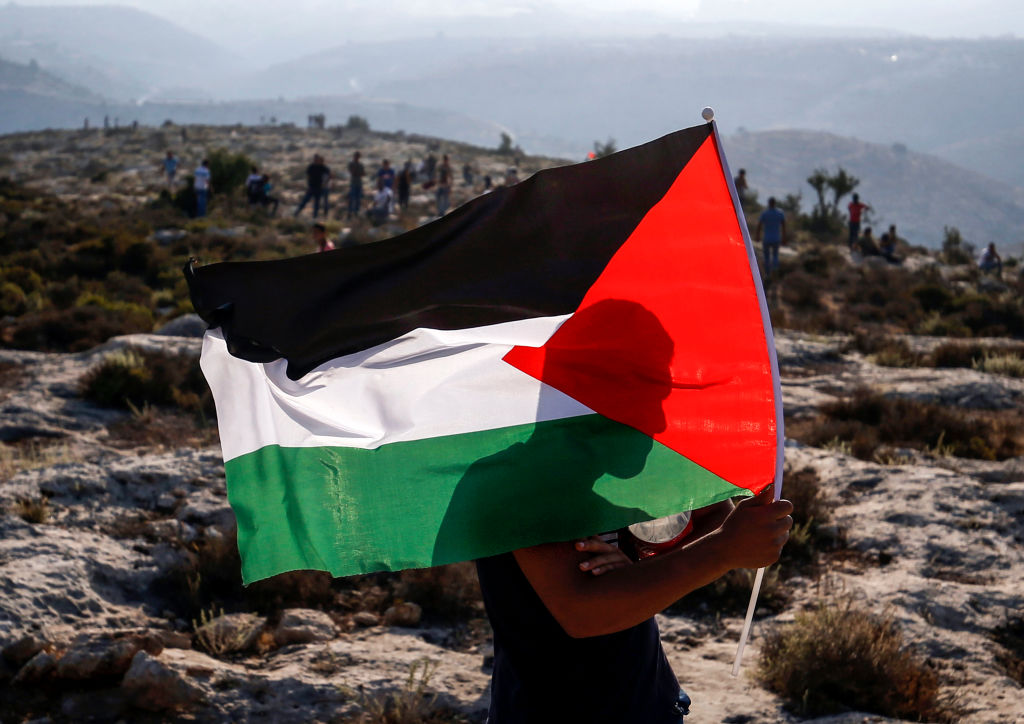
Autonomy is normally given to a specific cultural or national group as part of a political agreement. For Palestinians, the idea that autonomy is the goal of talks is unhelpful because they already have autonomy.
Can Russia play a role in ending the Yemeni civil war?
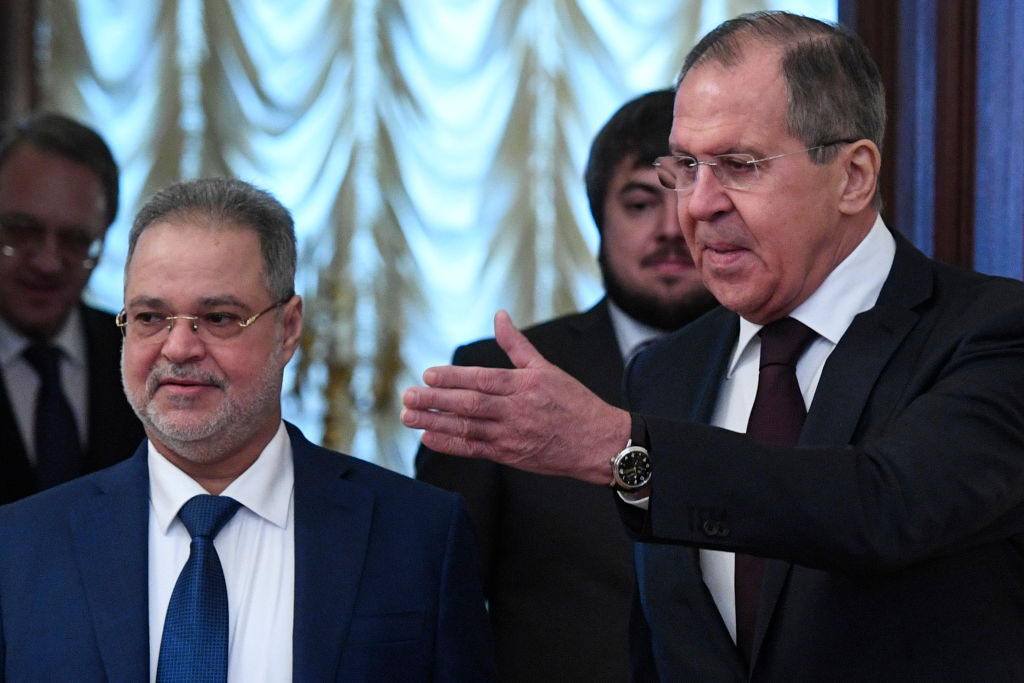
In late July, Russian officials met with Yemen’s Prime Minister Maeen Abdulmalik and representatives of the Houthi Supreme Political Council to discuss the resolution of the Yemeni civil war. These meetings underscored Russia’s ability to balance favorable relations with Yemen’s internationally recognized government and the Houthis: Moscow supported Abdulmalik’s vision for a political solution to the Yemeni civil war and concurred five days later with Houthi criticisms of U.S. military deployments to the Persian Gulf.
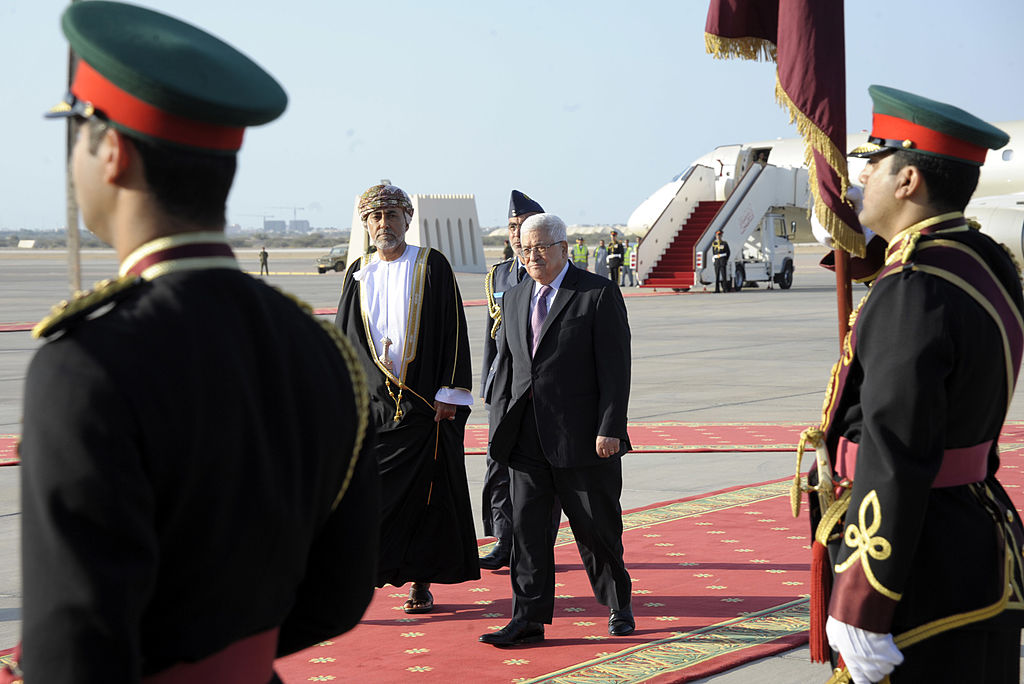
The news came eight months after Israeli Prime Minister Benjamin Netanyahu paid a visit to the Omani capital for surprise talks with Sultan Qaboos in October 2018, and four months after Minister Responsible for Foreign Affairs Yusuf bin Alawi bin Abdullah met with Netanyahu in Poland during the Trump administration’s “Peace and Security in the Middle East” summit.
A not so progressive case for withdrawing from Syria
Elizabeth Tsurkov has courageously put forward what she calls a progressive case for staying in Syria. I would regard myself as progressive but I’m not convinced, even if I would have supported many of her arguments in the past. In arguing for an indefinite presence in Syria, Tsurkov relies on the notion that staying gives the U.S. influence over Ankara and Moscow, serves as a counter to Tehran, and pressures the Assad regime, possibly even creating “internal fissures in its senior ranks” and causing “the Assad regime to institute reforms that would benefit all Syrians.” Those fissures and reforms have been desired for the past eight years but have not yet appeared. It would be easier to argue that withdrawal is more likely to cause them, and to pressure Ankara and Moscow into countering Tehran.
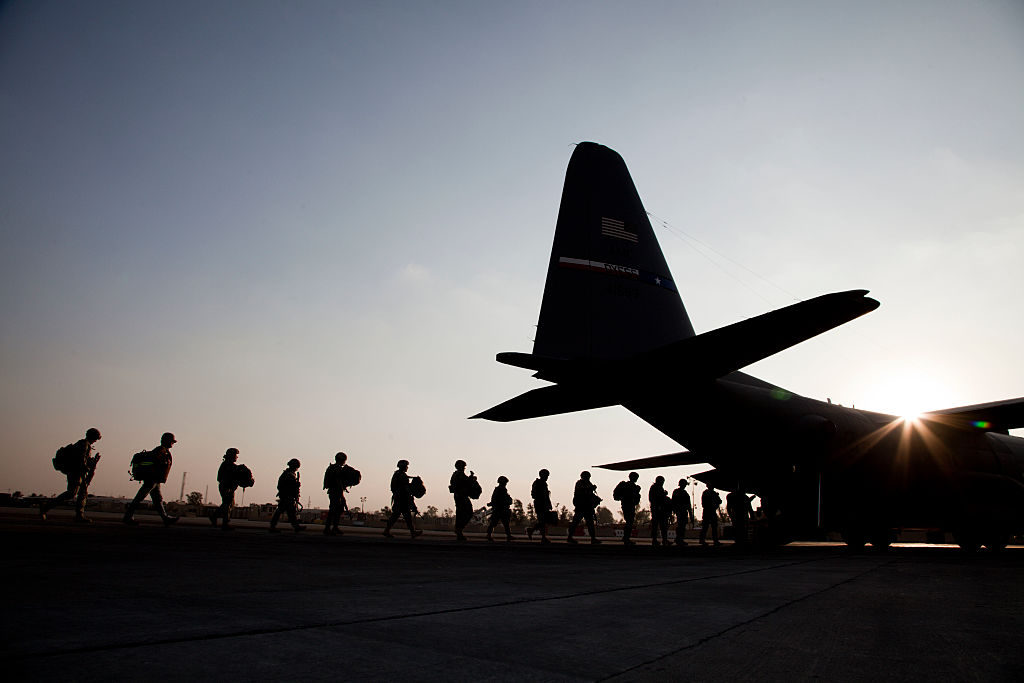
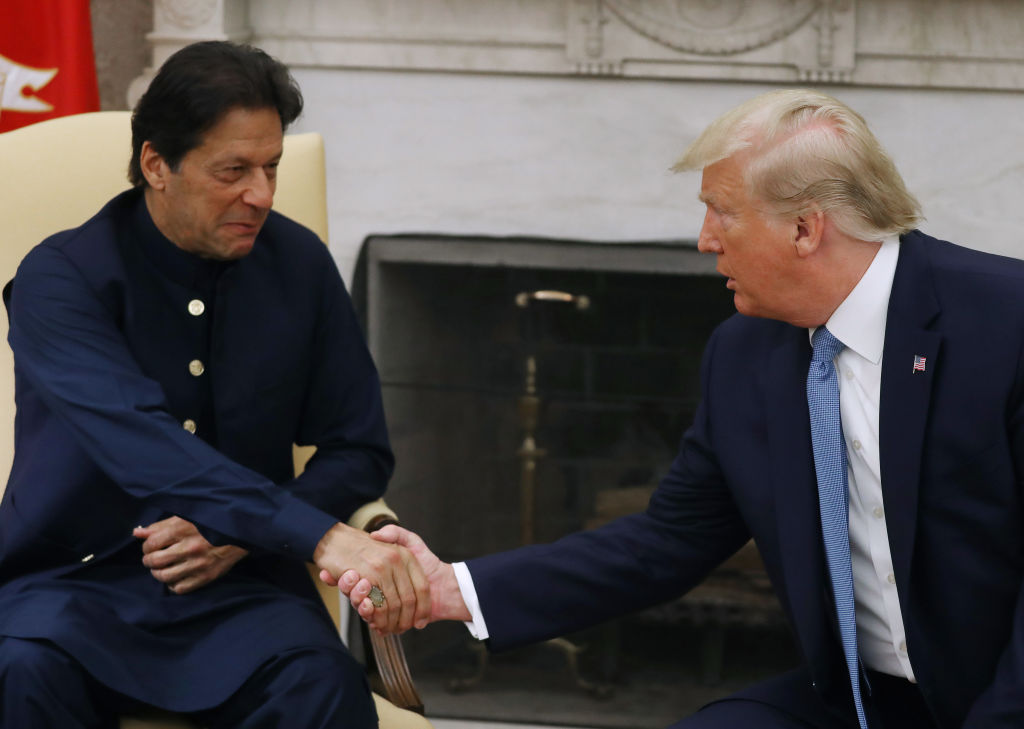
The long-awaited summit between U.S. President Donald Trump and Pakistani Prime Minister Imran Khan raised more questions than it answered. Nevertheless, the message emerging from the meeting has major implications for regional stability and the Afghan peace process.
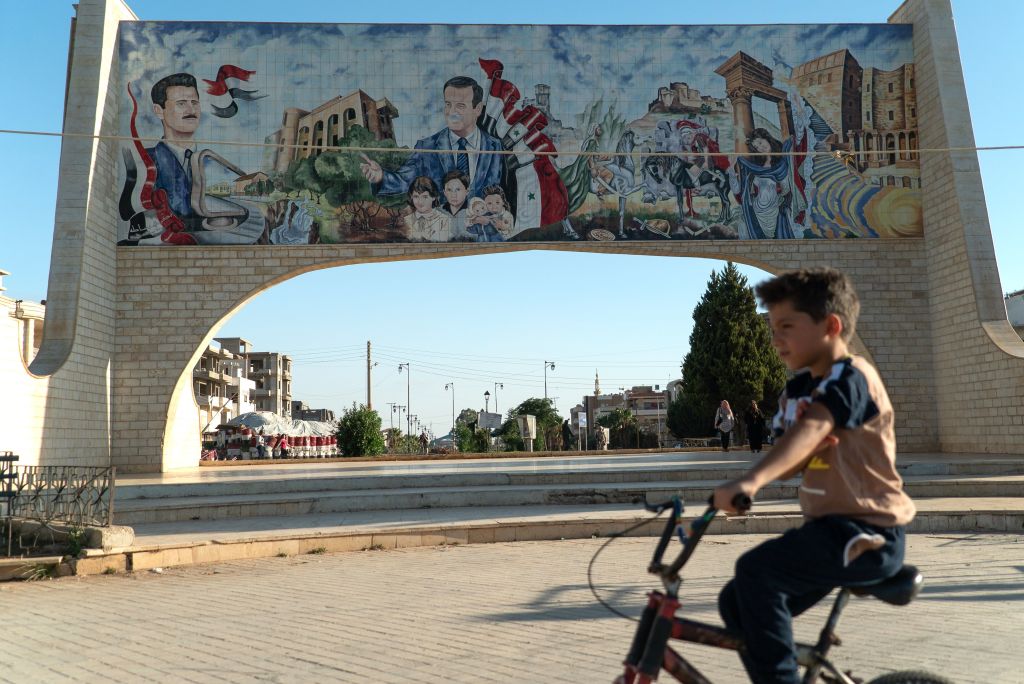
As violence flares up in Daraa, control can be an illusion
Violence has been flaring up at an alarming rate in the southern Syrian province of Daraa, amid dozens of unclaimed attacks by gunmen. Over the last three months, assassinations, checkpoint attacks, fires, and sporadic clashes have wreaked havoc in the area and signaled a potential return of conflict.
The Bahrain workshop and the dwindling prospects for Israeli-Palestinian peace under Trump
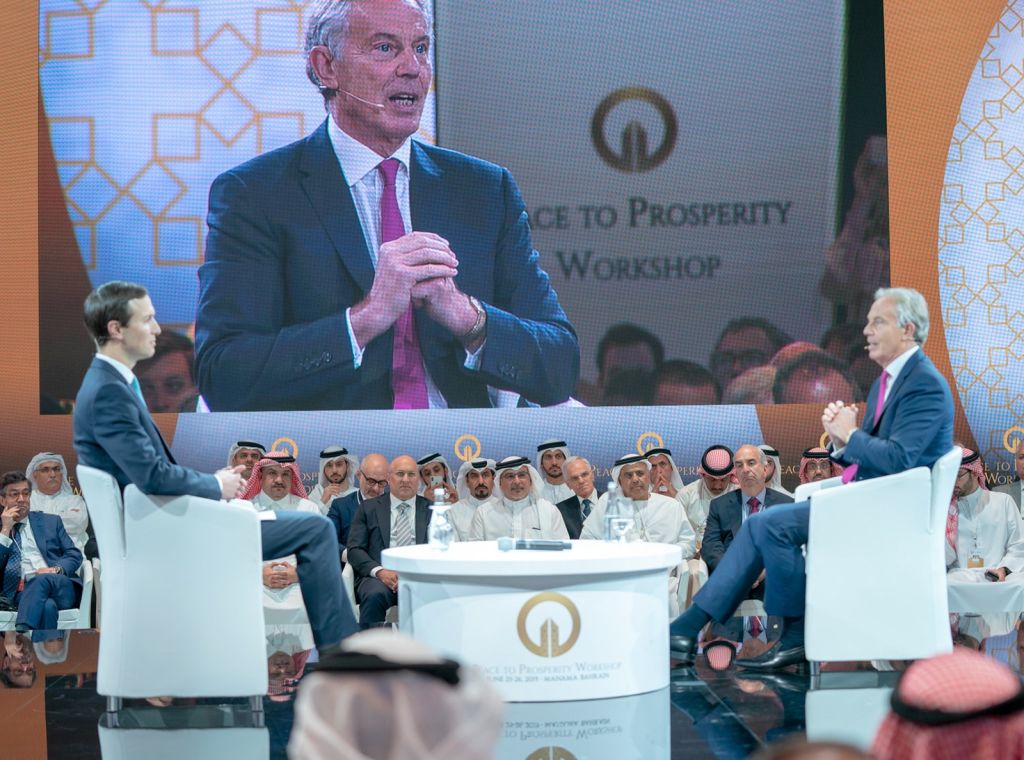
The Trump administration’s economic workshop in Bahrain produced some noteworthy moments that reflected recent changes in Israeli-Gulf relations, but it fell well short of its original declared intent. Neither Israeli nor Palestinian officials attended, and it did not conclude with any tangible steps to advance the peace process.
What does Trump’s Golan proclamation mean for UNDOF?
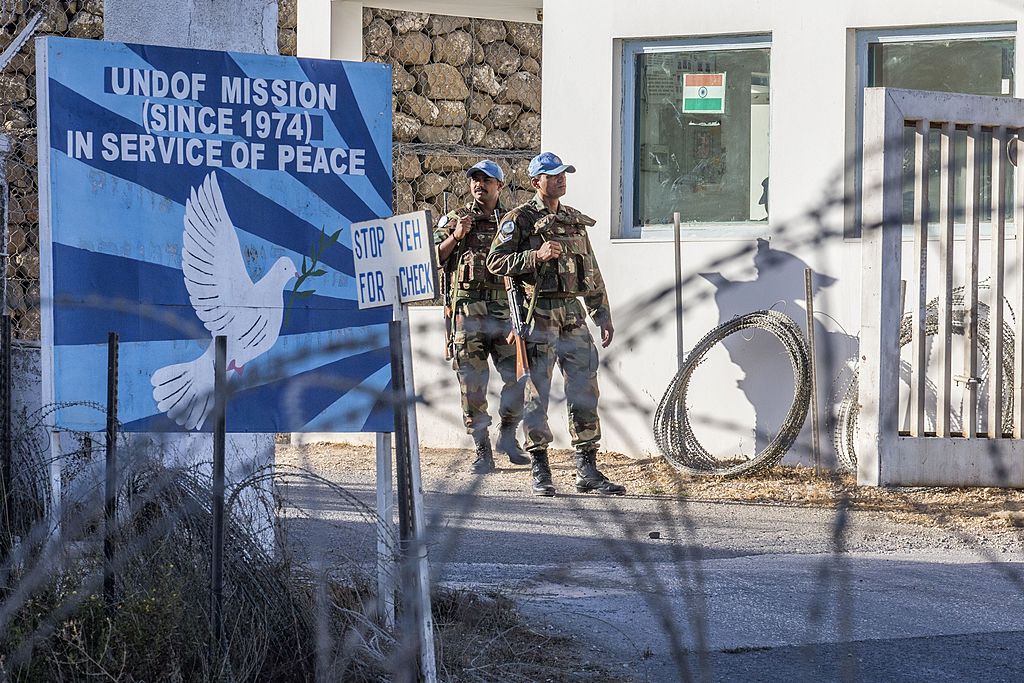
Sometime in June the UN Security Council will vote to approve another six-month renewal of the mandate of the 1000-strong UN Disengagement Observer Force (UNDOF) deployed in the Golan Heights. For more than four decades, the UN Security Council has unanimously renewed the mission’s mandate to maintain the ceasefire between Israel and Syria, but this will be the first time it has come up for a vote since President Donald Trump signed a proclamation recognizing Israeli sovereignty over the area of the Golan Heights on March 25th.
Transformative conflict resolution through Track II dialogue
MEI’s Randa Slim and Paul Salem join host Alistair Taylor to discuss the Institute’s conflict resolution program and how Track II diplomacy—or unofficial meetings between adversarial groups—has supplemented state-to-state diplomacy and become a transformative experience for many of its participants.
The growing economic and political role of Iraq’s PMF
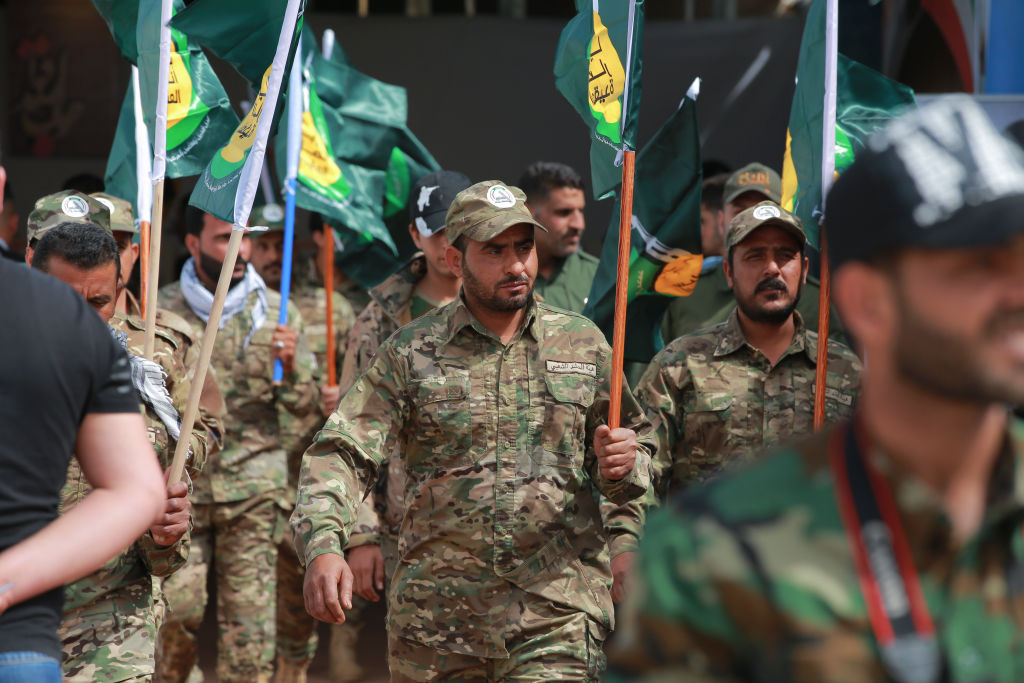
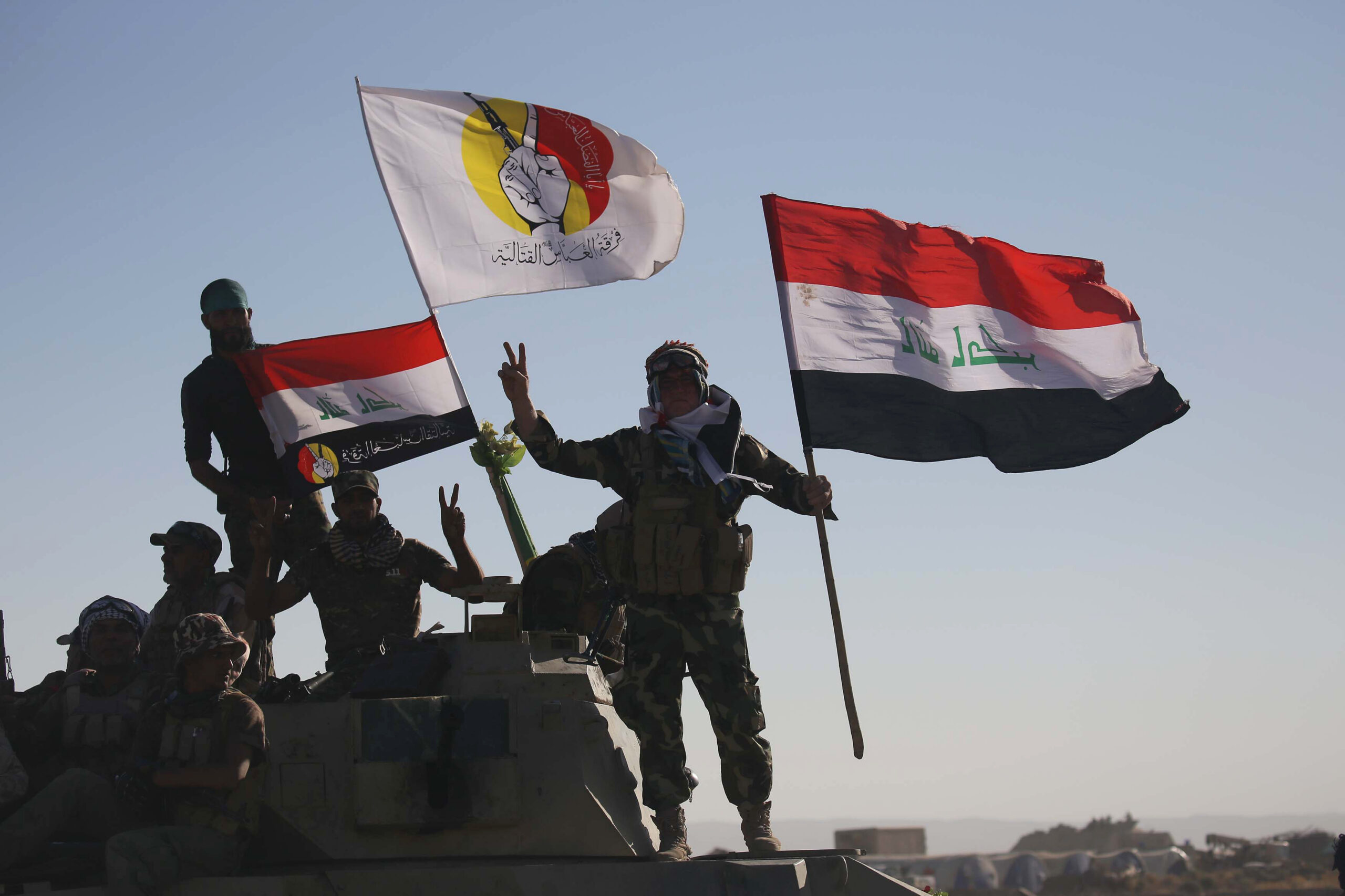
Conditions in Iraq since the defeat of ISIS’s territorial “caliphate” justify both optimism and concern at the same time. One issue where there has been much hand wringing but few practical suggestions for what to do is that of the popular mobilization forces (PMF). As the main campaign against ISIS drew to a close, many of the PMF’s leaders sought to translate their fighters’ battlefield sacrifices into political and economic gains.
Is Trump’s “Deal of the Century” really a peace plan?
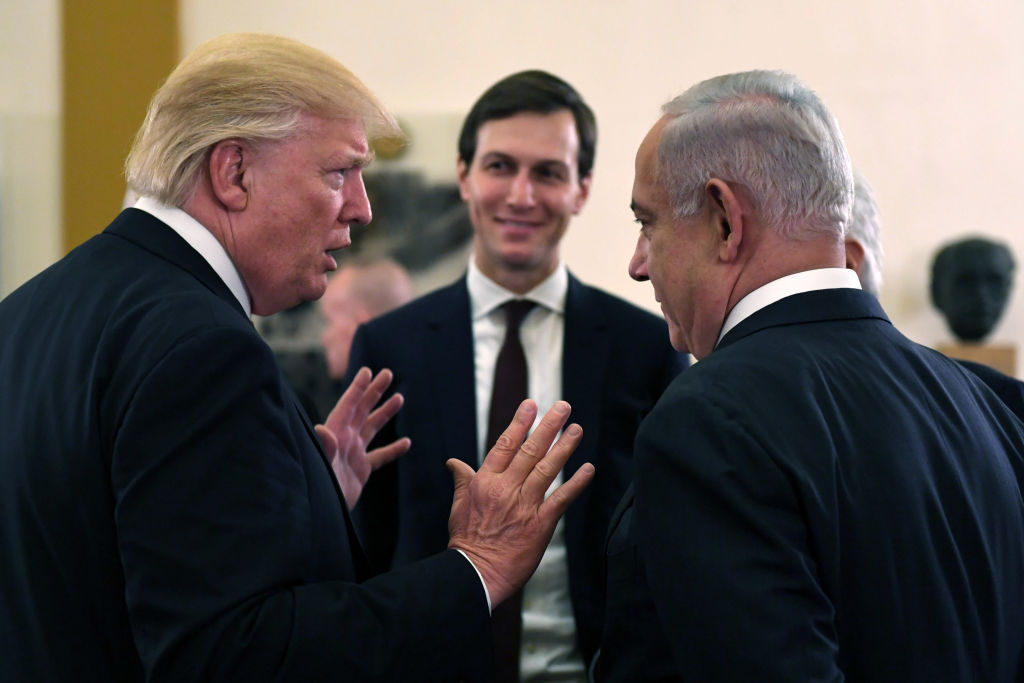
The Trump administration is preparing to present the “Deal of the Century,” proposing an outline for an Israeli-Palestinian agreement. Very little is known about the plan so far. However, it is important to discuss the context and the conditions under which it has been formulated, and to highlight some basic elements that are required for a third party to promote a peace plan — which are absent in this case.
Iraq: A Conflict Over State Identity and Ownership
At the heart of the conflict in Iraq has been a clash of visions over the identity and ownership of the Iraqi state. The post-2003 conflict was, in effect, a violent renegotiation of both the political compact in place since the 1960s and of the balance of power among regional and international players.
Monday Briefing: New Arab uprisings echo earlier revolts
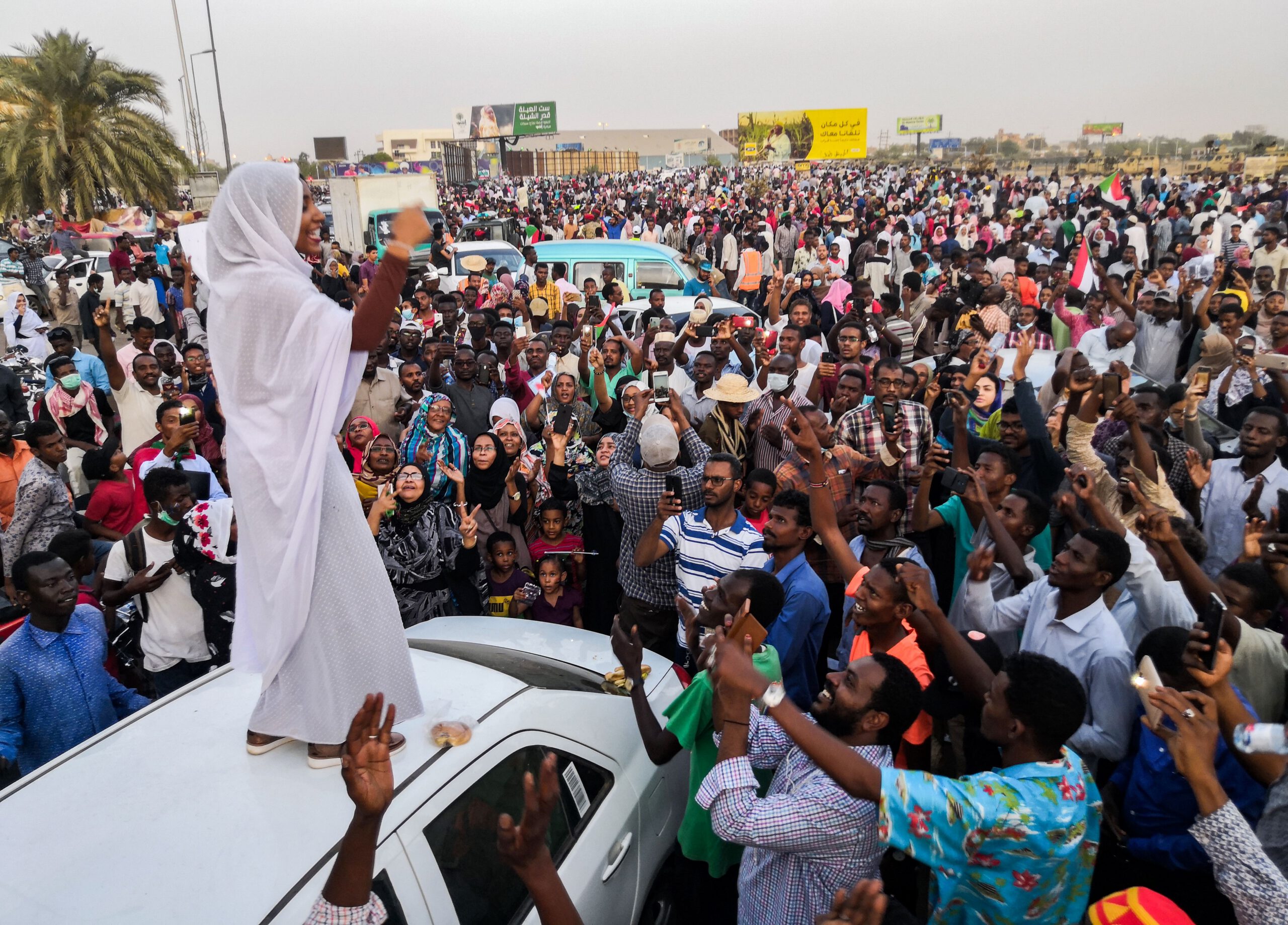
In this week’s Monday Briefing, MEI experts Paul Salem, Jonathan M. Winer, Robert S. Ford, Mirette F. Mabrouk, and Charles Schmitz provide analysis on recent and upcoming events including the current uprisings in Algeria and Sudan, General Hifter’s effort to take Tripoli, the hirak protest movement in Algeria, the strategic partnership between Egypt and the U.S., and cracks in the coalition of President Hadi in Yemen.
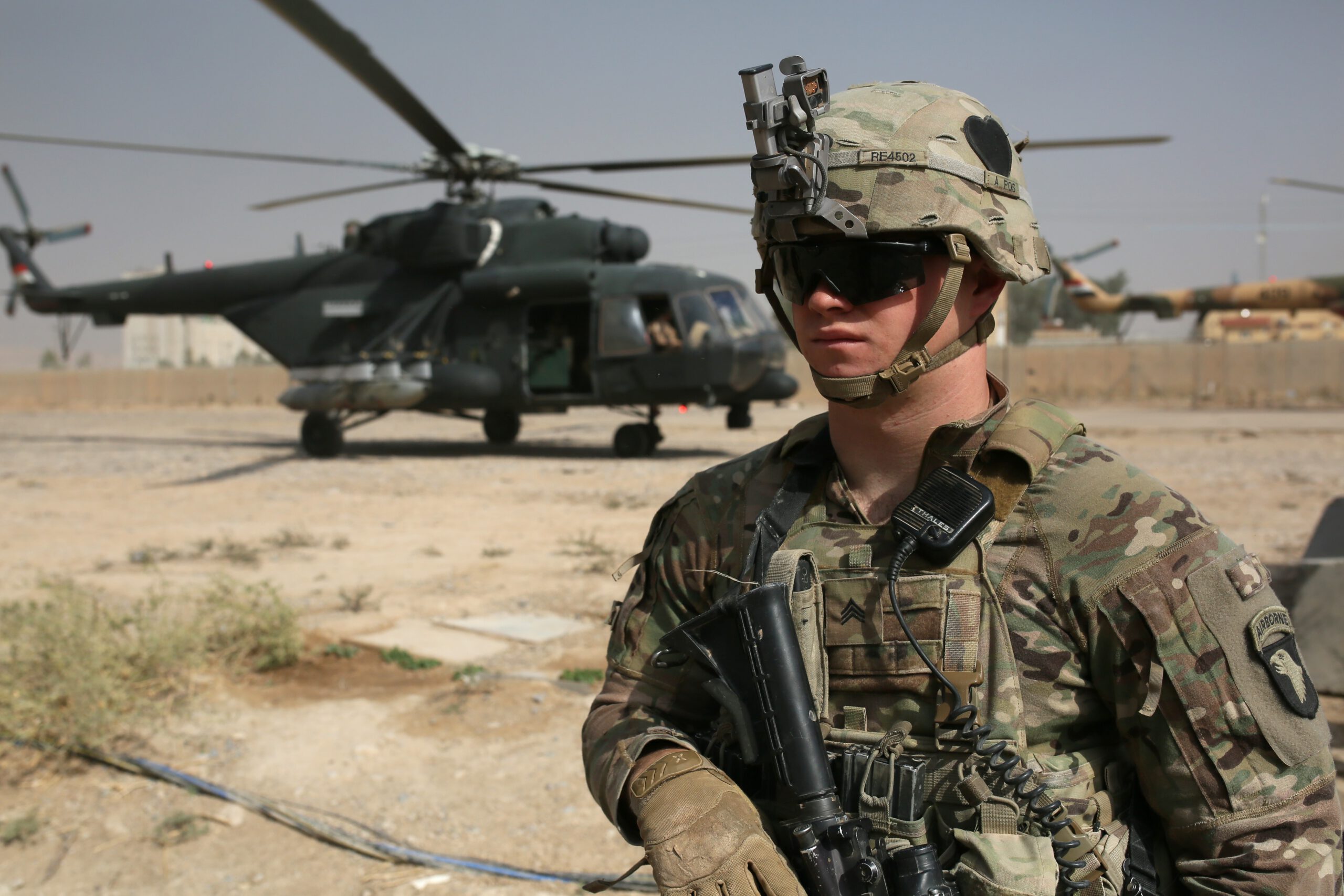
Despite the many obstacles, the U.S. and Iraq continue to work together to combat the threat of ISIS, and security elites in Baghdad and Washington understand the importance and value of the relationship. Yet, populists on both sides have repeatedly tested the others’ will in a dangerous game of chicken.
Monday Briefing: US IRGC terrorist designation and the view from Tehran
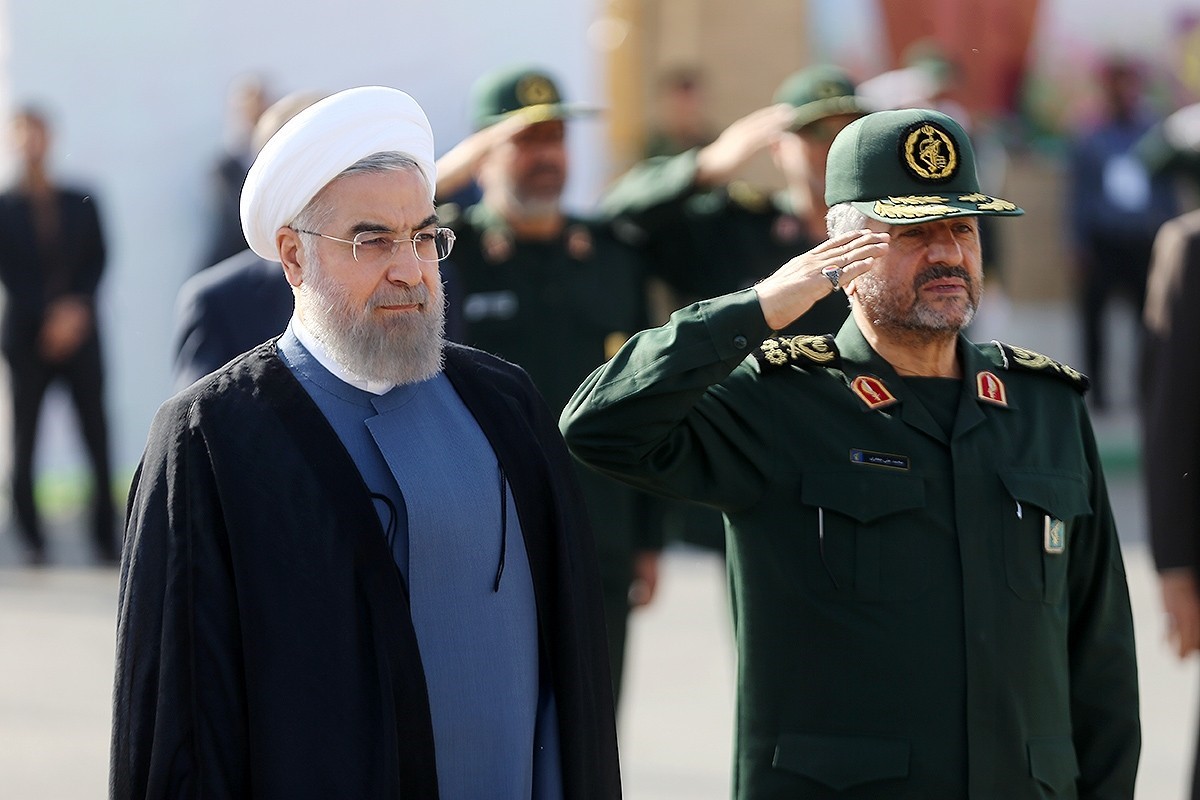
In this week’s Monday Briefing, MEI experts Alex Vatanka, Emadeddin Badi, Yousef Munayyer, Randa Slim, and Shahrokh Fardoust provide analysis on recent and upcoming events including the IRGC’s designation as a terrorist group, the battle for control of Tripoli in Libya, the impact of Israel’s elections on the Palestinian crisis, Iraqi PM Abdul-Mahdi’s first official visit to Iran, and the spring meetings of the World Bank and IMF in DC.