Skip to Content

Research & Commentary Results

Filter by
985 Results
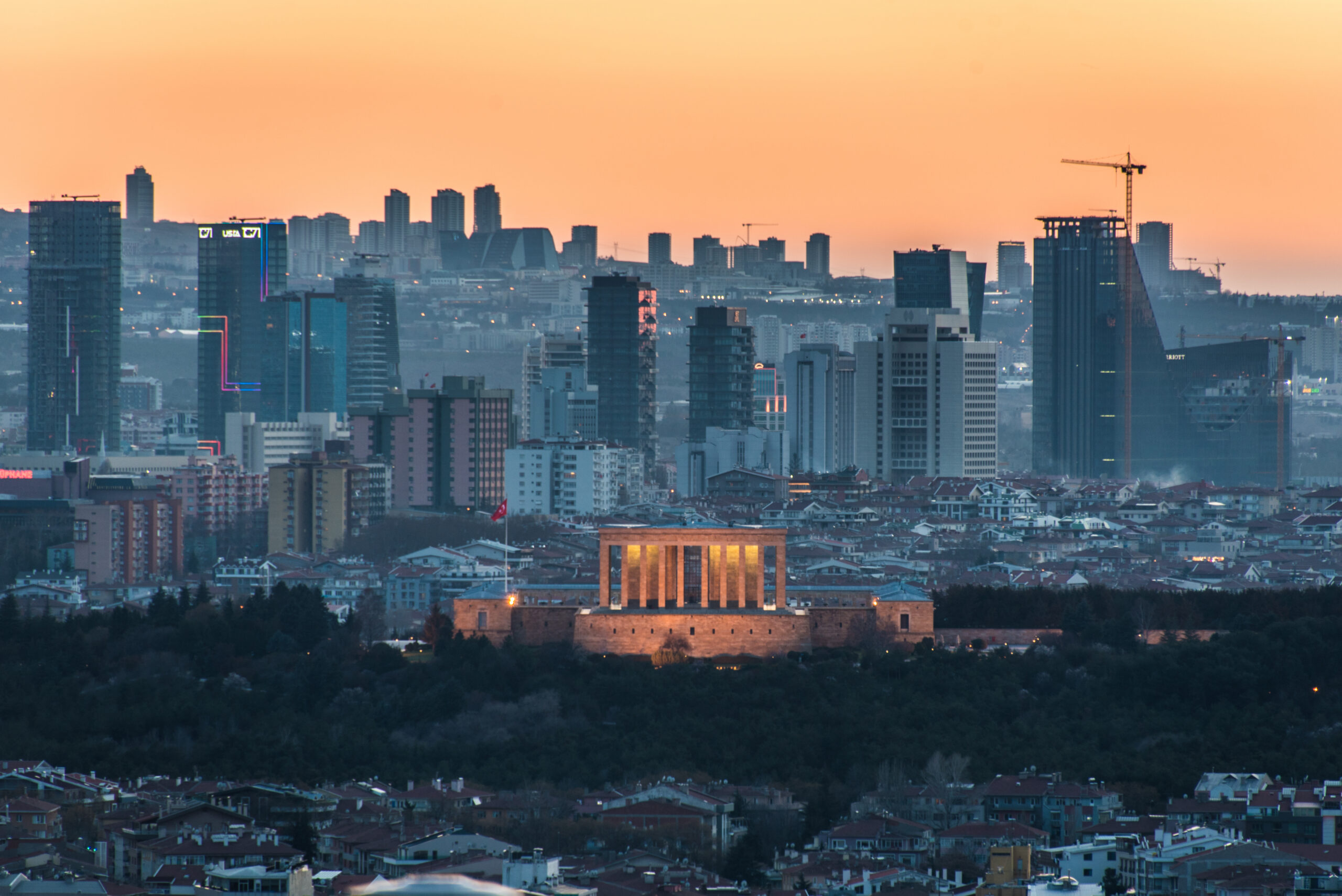
Storms on the horizon for Turkey in 2020
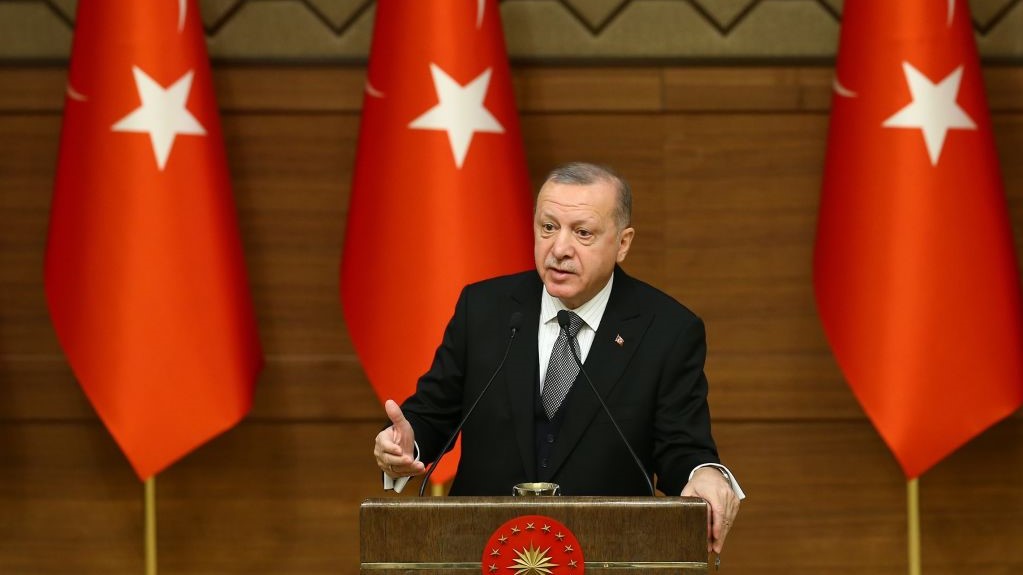
 Turkish President Recep Tayyip Erdogan makes a speech as he attends the Symposium on Urban Security at the Presidential Complex in Ankara, Turkey on January 02, 2020.
  • Commentary
  • Storms on the horizon for Turkey in 2020

    Erdogan may want to hold early elections in 2020 to mitigate the fallout of a worsening economy and deny the new parties enough time to organize.

    The Syrian refugee crisis brings Turkey and Hungary closer together
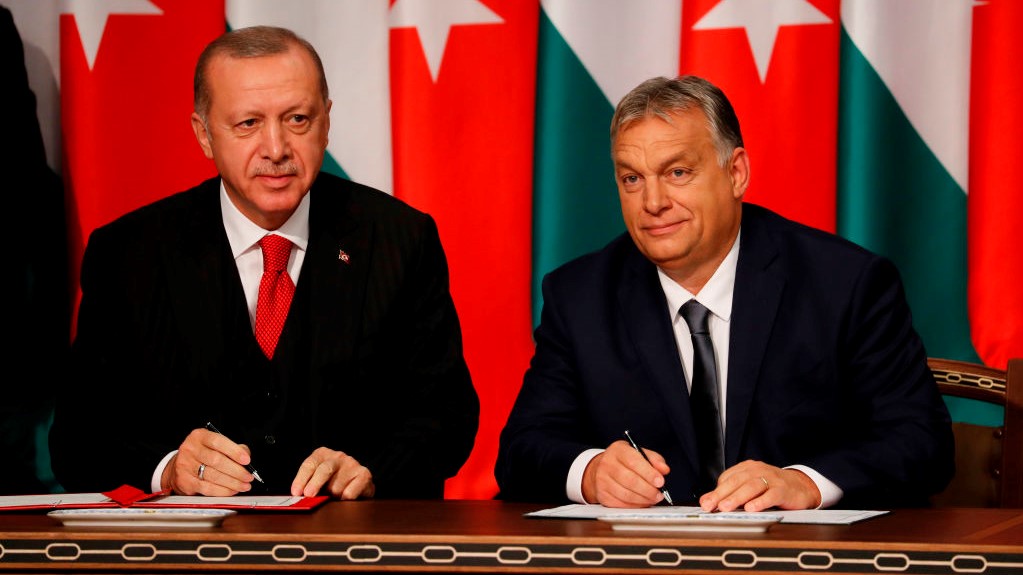
    Turkish President Recep Tayyip Erdogan (L) poses with Hungarian Prime minister Viktor Orbán after they met for discussions on Syria and migration on November 7, 2019 in Budapest, Hungary.
  • Analysis
  • The Syrian refugee crisis brings Turkey and Hungary closer together

    Having raised eyebrows among many European officials with rhetoric targeting Syrian and other Middle Eastern/North African refugees in Hungary, Hungarian Prime Minister Viktor Orbán sees the return of Syrian refugees to their home country as serving vital Hungarian and European interests. As Hungary continues to align closely with Russia while deepening its ties with Turkey and other non-Western governments, Budapest’s foreign policy is eroding an EU consensus.

    December 23, 2019

    Reviewing the Middle East in 2019
    Middle East Institute
  • Podcast
  • Reviewing the Middle East in 2019

    In our annual year in review episode, MEI experts Paul Salem, Gonul Tol, Charles Lister, Alex Vatanka, Marvin Weinbaum, and Mirette Mabrouk sit with host Alistair Taylor to discuss the key events across the region in 2019, what surprised them, and where things stand as we head into 2020.

    December 19, 2019

    Femicide in Turkey: What’s lacking is political will
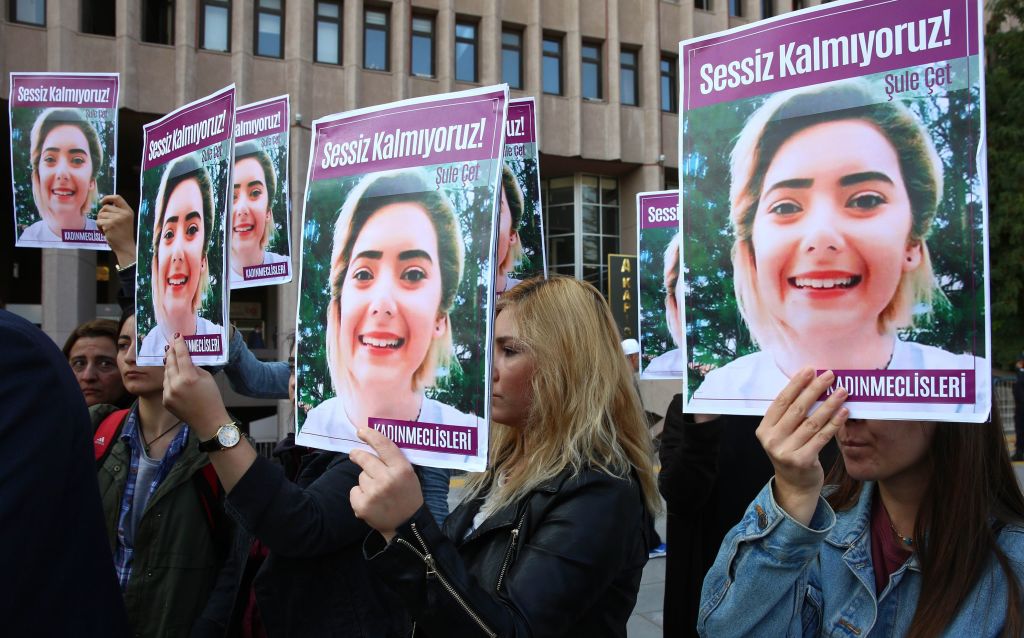
    Women protest femicide before the trial regarding the death of Sule Cet, who was allegedly killed by being thrown off the 20th floor of a luxury building in Ankara, on November 8, 2018.
  • Analysis
  • Femicide in Turkey: What’s lacking is political will

    Women in Turkey are subjected to violence regardless of socio-economic status. Unlike many countries around the world, laws are in place to prevent and combat violence against women. But sadly, when it comes to implementing these laws, failures leave women unprotected against male violence. The government’s patriarchal approach is one of the main barriers to the implementation of legislation already on the books.

    December 18, 2019

    The intra-GCC competition over the Palestinian heart
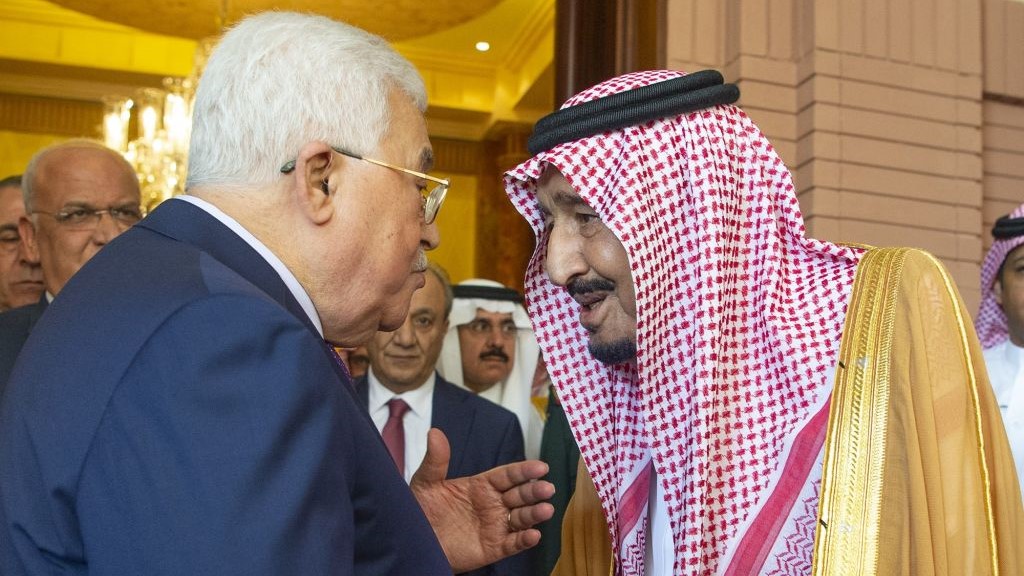
    Palestinian President Mahmoud Abbas (L) meets Saudi Arabian King Salman bin Abdulaziz al-Saud (R) in Riyadh, Saudi Arabia on October 15, 2019.
  • Analysis
  • The intra-GCC competition over the Palestinian heart

    Since 2017 three separate blocs have emerged within the Gulf. Driven by the region’s divisions, rival power centers, and conflicting interests, the Gulf states are playing an ever-greater role in Palestinian affairs.

    December 18, 2019

    The Gulf looks over the cliff and retreats
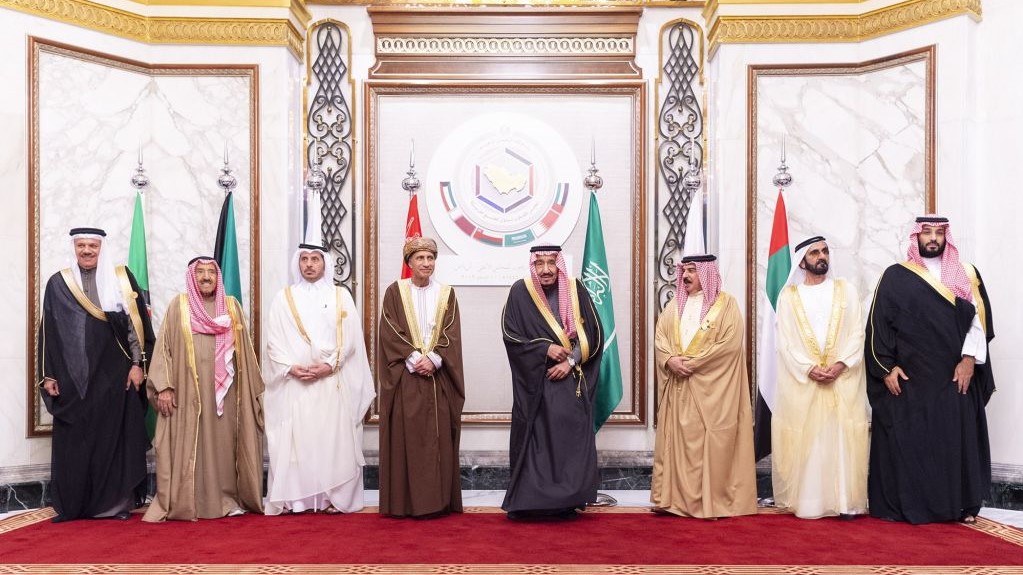
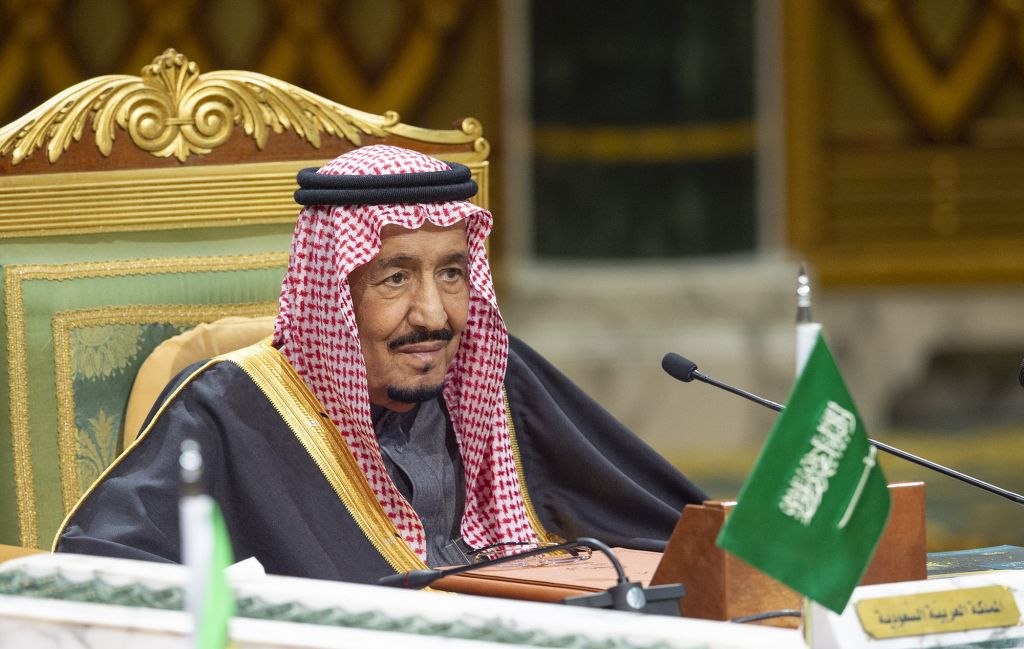
     Saudi Arabian King Salman bin Abdulaziz al-Saud chairs the 40th Gulf Cooperation Council (GCC) annual summit in Riyadh, Saudi Arabia on December 10, 2019.
  • Commentary
  • The Gulf looks over the cliff and retreats

    The steps the Saudis have taken in 2019 may help to ease international pressure on the kingdom’s leadership and restore its image as a constructive player in the world.

    December 16, 2019

    Georgia through a Middle East lens
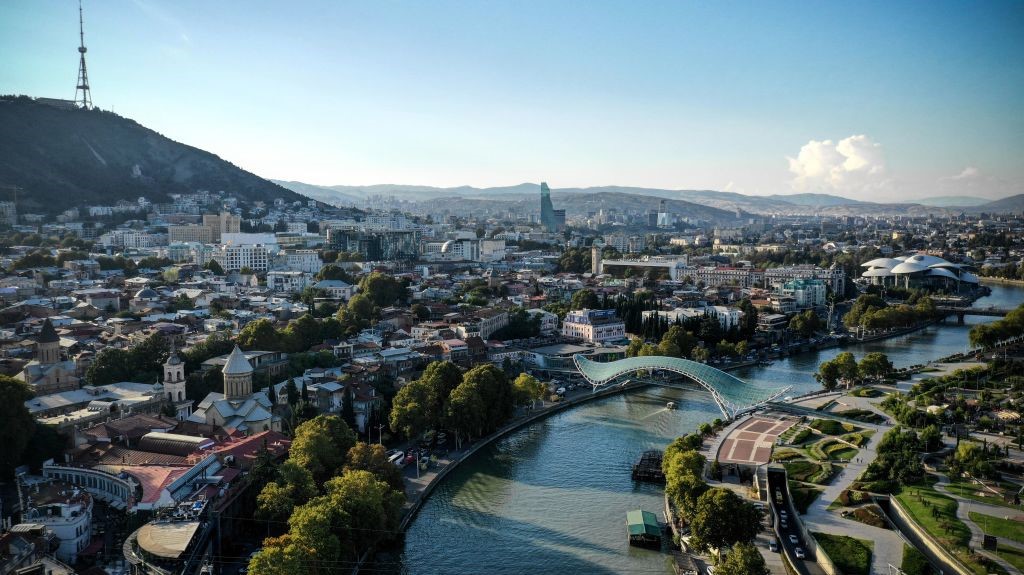
    This aerial photograph taken on September 22, 2018, shows The River Kura (Mtkvari) in the Georgian capital Tbilisi.
  • Analysis
  • Georgia through a Middle East lens

    Given their territorial proximity, the regional actors of the Middle East have always had an interest in Georgia and the South Caucasus as a window to Europe. The collapse of the Soviet Union brought an end to Georgia’s isolation, and in the years since the country has gradually started reclaiming its historical role as a cultural and economic crossroads between Asia, the Middle East, and Europe.
    December 16, 2019

    Azerbaijani gas is now ready to flow all the way to Europe
    Turkish President Recep Tayyip Erdogan (3rd L) and Azerbaijani President Ilham Aliyev (2nd L) attend the opening ceremony of the TANAP-Europe connection in Ipsala district of Edirne, Turkey on November 30, 2019.
  • Analysis
  • Azerbaijani gas is now ready to flow all the way to Europe

    Turkey has completed the next-to-last piece of the 2,000-mile Southern Gas Corridor, a three-pipeline network that will send gas from Azerbaijan’s huge Shah Deniz field via Georgia and Turkey to Western Europe.

    It was such a big deal that Turkish President Recep Tayyip Erdogan, Azerbaijani President Ilham Aliyev, and Georgian Prime Minister Giorgi Gakharia presided at the ribbon-cutting on Nov. 30. They were celebrating the completion of the pipeline that is the middle link in the Southern Gas Corridor: the Trans-Anatolian Natural Gas Pipeline (TANAP), which traverses Turkey.

    December 11, 2019

    Turkey doubles down on Libya
    President of Turkey, Recep Tayyip Erdogan (R) meets chairman of the Presidential Council of Libya, Fayez Al-Sarraj (L) at Dolmabahce Office in Istanbul, Turkey on November 27, 2019.
  • Analysis
  • Turkey doubles down on Libya

    On Nov. 27 the GNA signed an MoU with Turkey seeking to create a shared maritime boundary in the Mediterranean Sea between southwestern Turkey and northeastern Libya. In an overt quid pro quo, this maritime agreement was signed along with a separate MoU to expand security and military cooperation. Thus, it seems clear that Turkey was only able to persuade the GNA to agree to the maritime deal in exchange for increased security support for the GNA-aligned forces fighting the self-styled LNA in Tripoli.

    December 10, 2019

    Blockchain adoption in the Gulf states
  • Analysis
  • Blockchain adoption in the Gulf states

    The subject of extensive international interest and attention over the past few years, blockchain technology is regarded as a key component of the fourth industrial revolution. This article seeks to shed light on the use of blockchain technology in the Gulf states by analyzing current trends of blockchain adoption in the region compared to those internationally. In so doing, it will determine Gulf institutions’ capacity for keeping pace with the changes and developments blockchain adoption has introduced.

    December 10, 2019

    Turkey’s collision course with NATO
    President of Turkey, Recep Tayyip Erdogan (R) receives North Atlantic Treaty Organization (NATO) Secretary General, Jens Stoltenberg (L) in Istanbul, Turkey on October 11, 2019.
  • Commentary
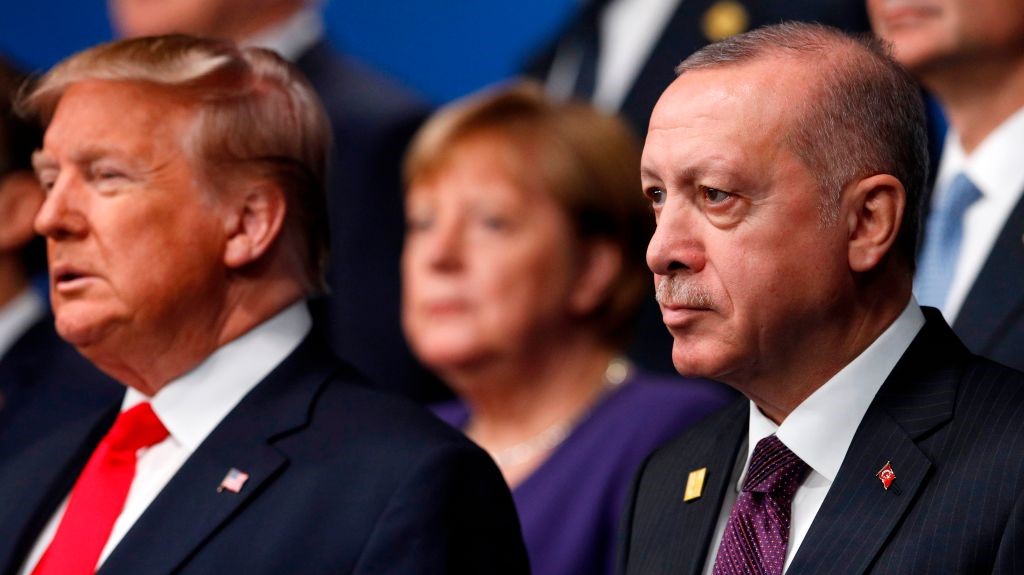
  • Turkey’s collision course with NATO

    NATO leaders will celebrate the 70th anniversary of their alliance in London on Dec. 3 and 4. Despite soft words from NATO Secretary-General Jens Stoltenberg, however, the alliance and Turkey are on a collision course.

    Setting the Middle Corridor on track
    China Railway Express crosses Istanbul's sub-sea tunnel, Marmaray (the railway system linking the eastern and western sides of Istanbul from under the Marmara Sea) in Istanbul, Turkey on November 7, 2019. The first freight train from China crossed to Europe using Marmaray.
  • Analysis
  • Setting the Middle Corridor on track

    China’s Belt and Road Initiative (BRI) has been a powerful driver of the development of existing and new Eurasian rail routes. A web of competing and complementary rail lines has begun to form across the Eurasian landmass. Railway cargo service between China and Europe has fast become a compelling “middle option” — cheaper than air and faster than sea.