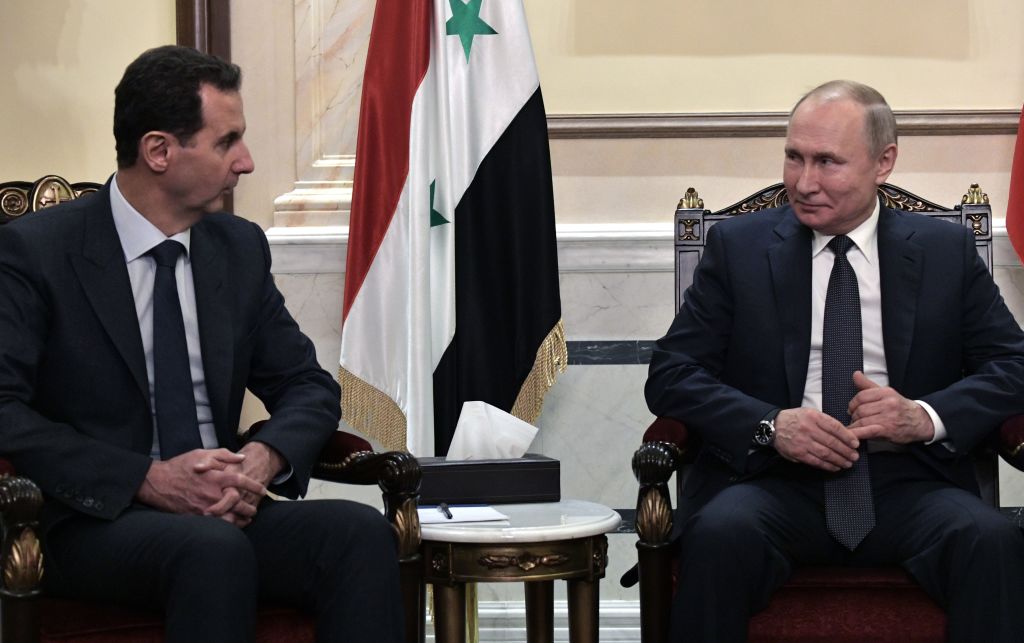
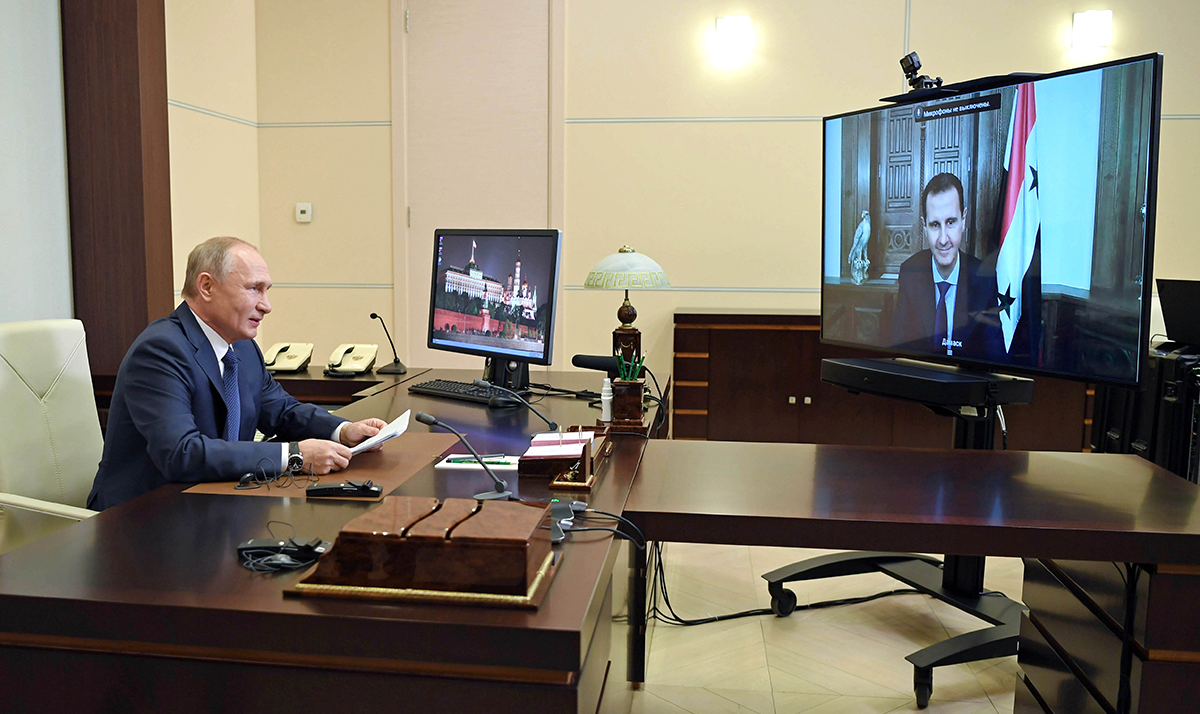
تضغط الدول الغربية وبعض دول الخليج وتركيا وبدرجة أقل حتى واحدة من مؤيديه الرئيسيين، روسيا، على رئيس الدولة السوري بشار الأسد ليكون أكثر مرونة بشأن قبول تسوية سياسية للصراع السوري. لكن الأسد رفض التزحزح شبرًا واحدًا.
في الوقت الحالي، تريد معظم الدول المعارضة للنظام السوري من الأسد قبول قرار الأمم المتحدة رقم 2254، الصادر في عام 2015، والذي يدعو، من بين أمور أخرى، إلى انتخابات نزيهة ودستور وحكم ذي مصداقية يتسم بالشمول واللاطائفية.
لفهم سبب عدم تراجع الأسد، عليك أن تفكر في الخيارات التي يواجهها.
Western countries, some Gulf states, Turkey, and to a far lesser extent even one of his own key backers, Russia, have been pressuring Syrian head of state Bashar al-Assad to be more flexible about accepting a political settlement to the Syrian conflict. But Assad has refused to budge an inch.
The policy consequences of Arab state normalization with the Assad regime
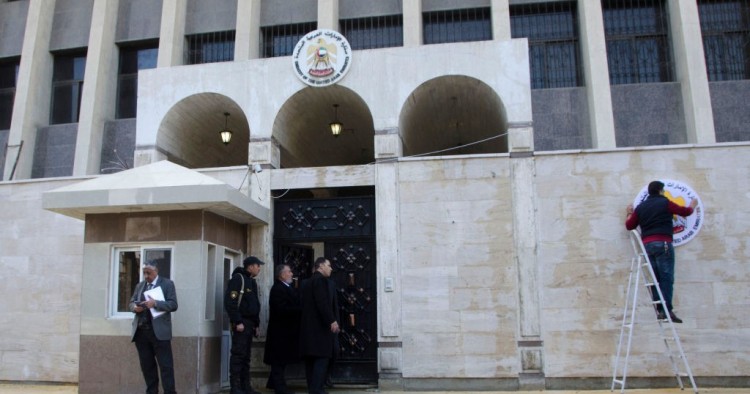
The recent push by a number of Arab states to normalize relations with the Assad regime is based on the false premise that the war is over and it is necessary to restore ties to lobby Damascus to change its relationship with Iran. Other regional dynamics are also a factor: The UAE, for example, sees it as a necessary balance against what it perceives as adversarial actions by Turkey with the Syrian jihadist group HTS in Idlib. Yet these rationales for rehabilitating the Assad regime are completely fallacious. The downsides and policy consequences will not only affect Arab states, but will also harm American interests, making it difficult for the U.S. to fully pivot to address the rising threat from China.
Jordan emerges from Gaza-Israel showdown with little political clout
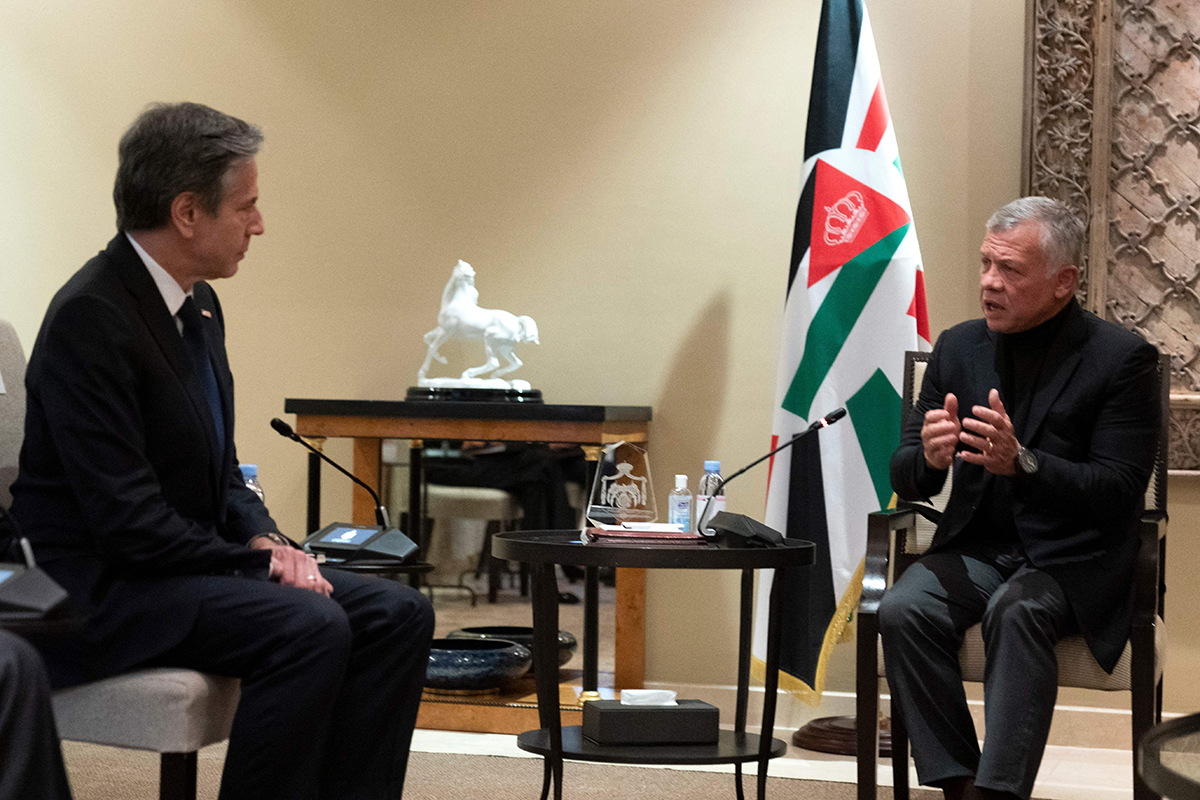
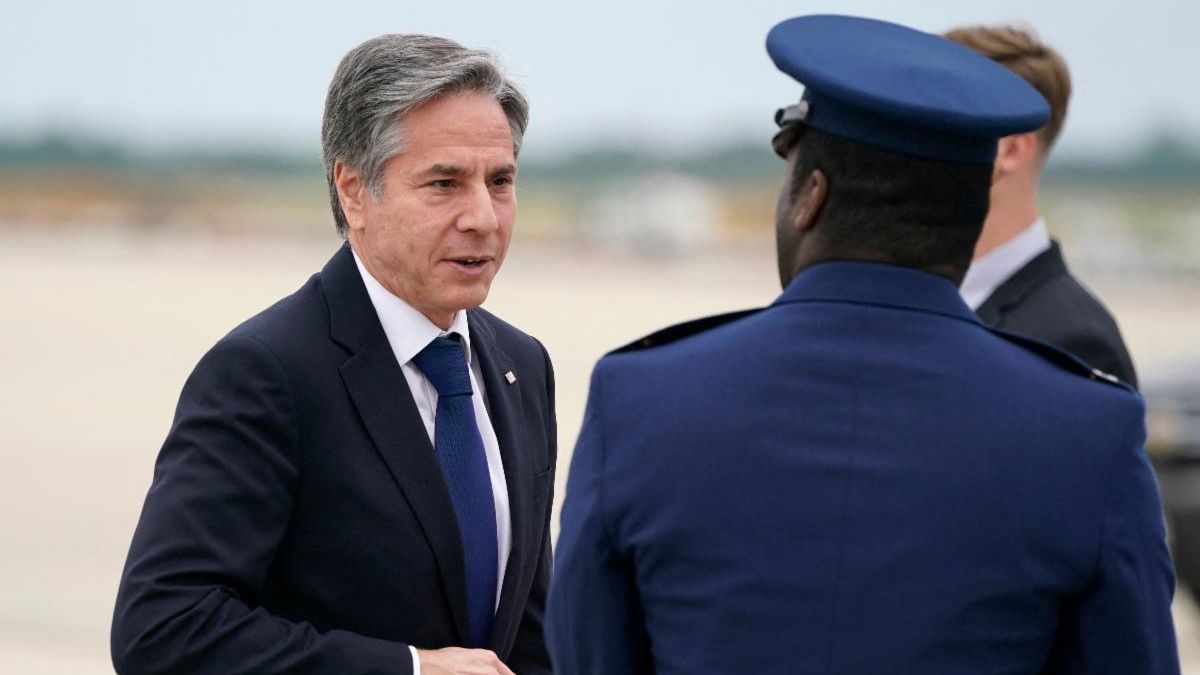
In the final leg of his recent Middle Eastern tour, U.S. Secretary of State Antony Blinken stopped in Amman for half a day to meet King Abdullah. Blinken’s main objective was to support the shaky cease-fire reached between Palestinian factions in Gaza and Israel after an 11-day military showdown. Speaking at a press conference on May 26, Blinken said that “the leadership of His Majesty King Abdullah was crucial, as it always has been in different issues, his role was essential in reaching a cease-fire in Gaza.” Jordanians were less confident of their government’s role in ending what most saw as “Israeli aggression against Gaza,” however. Even before the recent military clash Jordanian pundits, some known for their close ties to the government, were critical of the lukewarm official response to the Israeli provocations of Palestinians at Al-Aqsa Mosque and in the Sheikh Jarrah neighborhood in East Jerusalem.
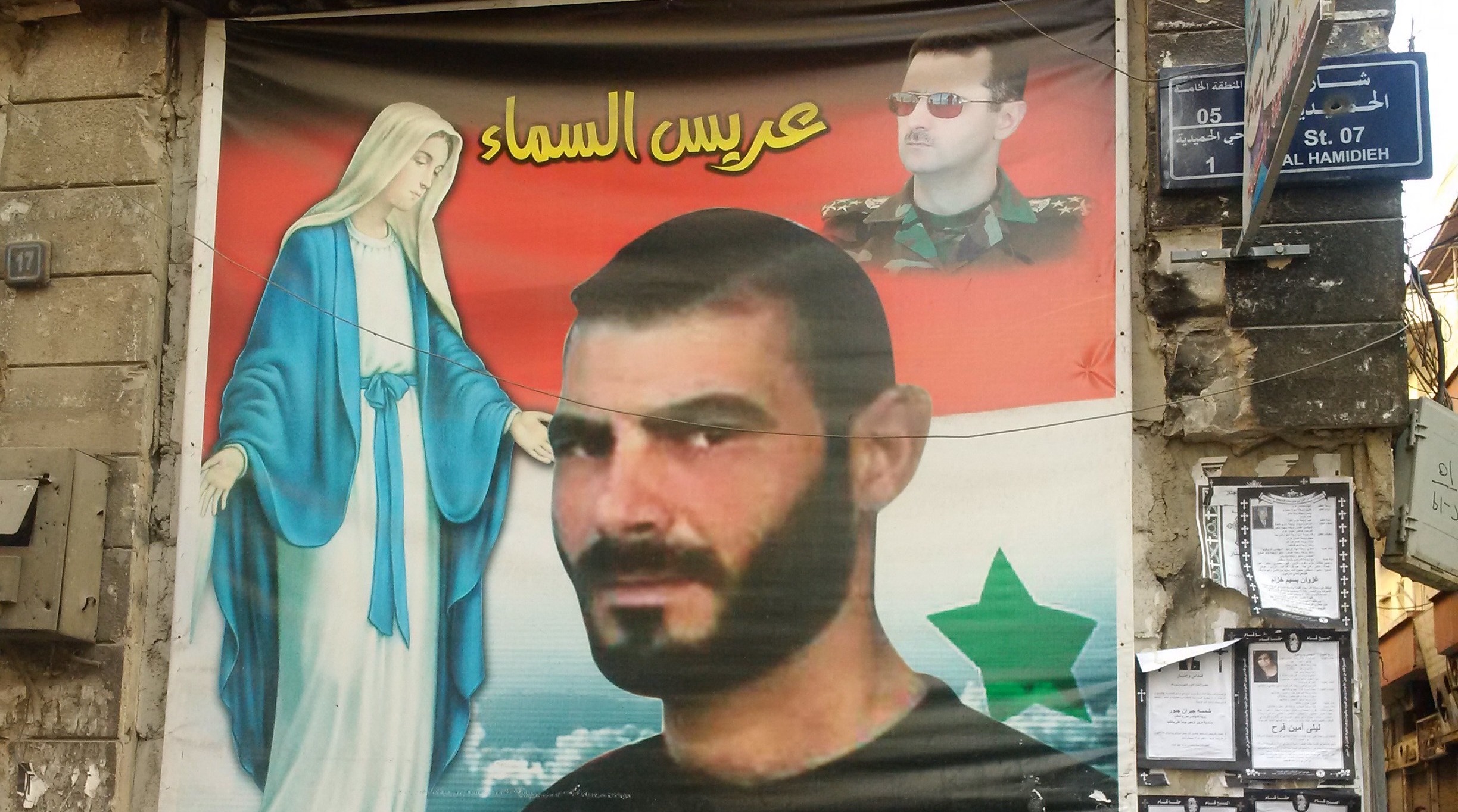
“اليوم… اللوحات الإعلانية الضخمة والمكلفة التي تحمل صورة الأسد والموزعة في جميع أنحاء المدن السورية، لا تستخدم كمصدر للدعاية الانتخابية، بل كمكان ظليل يحمي الأطفال المشردين من أشعة الشمس”.
A successful US strategy in Syria must focus on hearts and minds of Syrian youth
Assad’s current geopolitical challenges present the U.S. with an important opportunity to address a growing national security threat. By taking steps today to ensure that areas currently outside of Assad’s control remain protected from both the Syrian regime and other external actors seeking to further destabilize the country amid the chaos, the U.S can protect itself and the West from an uncertain tomorrow and stand up for Syrian refugees in the process.
Is Russia prepared for an open-ended conflict in Syria?
Russia’s key foreign policy dilemma is the tension between its aspirations of retaining its Soviet-era geopolitical clout and its lack of ideological and economic tools to achieve that goal. From a strategic standpoint, Russia’s campaign in Syria seems like an open-ended story that bears some resemblance to the situation in Ukraine. These similarities in Russia’s methods are not accidental. The Kremlin lacks the ability to impose its foreign policy blueprint on the West and can only leverage its power to stir up trouble in unstable regions.
How Facebook’s Oversight Board Can Do More for Syria
Around the world, there is ongoing debate over the extent to which speech should be regulated for the common good. Facebook has been a key battleground in this debate. Indeed, since nearly its founding day, the company has struggled with the degree to which it bears responsibility for the content that its users post on the platform, including but not limited to, the glorification of violence, incitement to terrorism, and false and misleading political content. In 2020, the company officially launched the Facebook Oversight Board, a trust-based body composed of 40 members and tasked with passing final, binding rulings upon Facebook’s content moderation decisions.
كيف ساهمت سياسات الإدارة الذاتية في عودة نشاط "داعش"؟
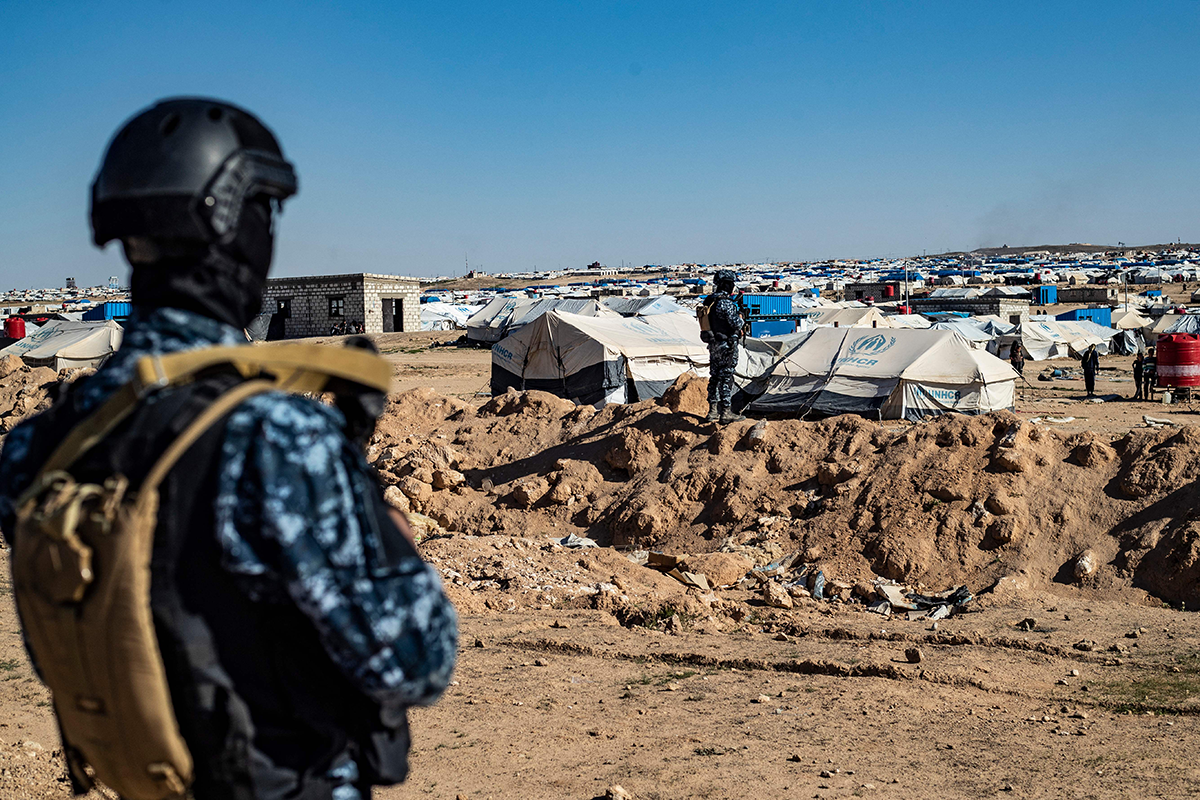
الرغم من مرور أكثر من عامين على تحرير مخيم الباغوز في محافظة ديرالزور، والذي كان آخر معاقل تنظيم “داعش” في سورية، ومحاولات التحالف الدولي وحليفته الإدارة الذاتية ارساء الاستقرار في مناطق شرق الفرات ومنع عودة التنظيم إلى واجهة الأحداث، إلا أن التنظيم لازال يمارس نشاطه وعملياته الأمنية في المنطقة، والتي تشهد تزايداً ملحوظاً مع مرور الزمن خاصة في العامين الأخيرين.
How have the AANES’s policies contributed to the resurgence of ISIS?
Over two years have passed since the liberation of Baghouz camp in Syria’s Deir ez-Zor Governorate, which was ISIS’s last stronghold in the country. The international coalition and its ally, the Autonomous Administration of North and East Syria (AANES), have been attempting to stabilize areas east of the Euphrates to prevent ISIS from making a comeback. The group, however, is still active and carrying out security operations in the region, a trend that has increased dramatically over time, especially in the last two years.
“Death by a thousand cuts”: Syrian refugees face dire conditions as Lebanon unravels
Syrian refugees in Lebanon are now in a state of legal limbo and have been pushed further to the margins of society and into the arms of smugglers and profiteers as they, along with most Lebanese, desperately try to survive in a country described by one of its own political leaders as a sinking ship.
Expert Views: The Biden administration and the Middle East: Reflecting on the first 100 days
At the end of Joe Biden’s first 100 days as president of the United States, where do things stand when it comes to U.S. policy toward the Middle East and North Africa? We asked experts and scholars from across MEI to weigh in with their thoughts on the changes we’ve seen so far, the new challenges that have emerged, and what we know about the administration’s key priorities for the region.
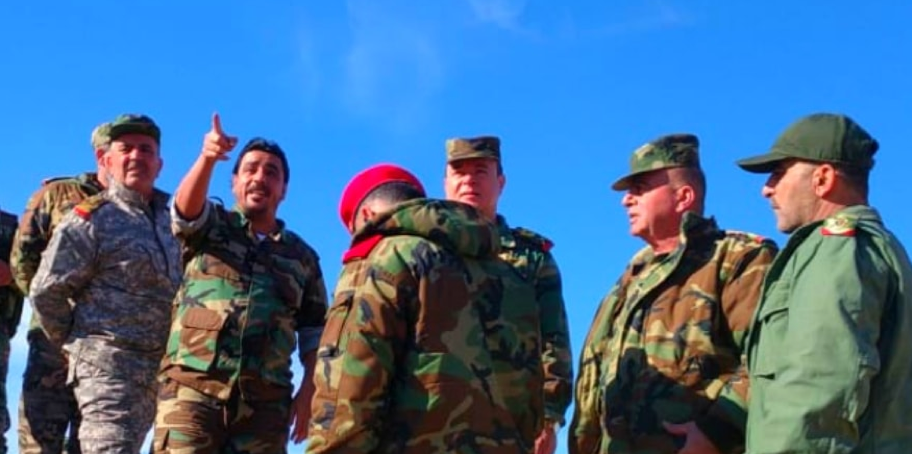
Five months into his job as commander of regime forces in Deir ez-Zor, Maj. Gen. Nizar Khader appears to have skillfully gained control over the diverse tapestry of loyalist forces in the region. Khader’s return to power in the east quickly put an end to the deadly disputes that had plagued the governorate’s security forces for years. He then launched a nearly three-month campaign, coordinated between Syrian, Iranian, and Russian forces, to push ISIS cells back into the province’s hinterlands, securing the crucial highway connecting Deir ez-Zor with Palmyra and Damascus to the west. His success, while impressive, will face its second major test soon as ISIS prepares for a potential Ramadan offensive.
Is Bashar al-Assad really the guardian angel of Syria’s minorities?
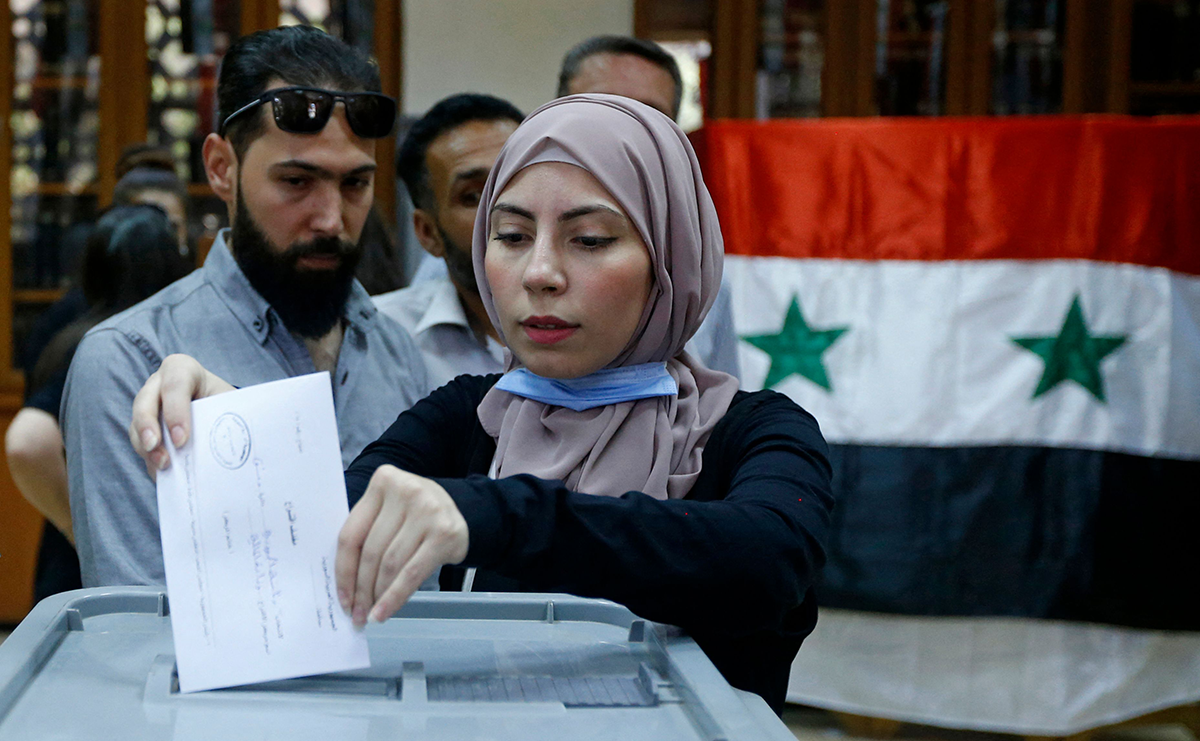
Since the start of the current war, Bashar al-Assad, in power since 2000, has consistently sought to promote himself as the protector of Syria’s minorities — be they Christian, Alawi, Shi’i or Druze —from Islamist extremists. Many Western audiences have been seduced by his smart casual look and by his increasingly prominent, beautifully turned-out British wife, Asma. With presidential elections due to take place, under Russian auspices, in the coming months, in which Assad is widely expected to run, his claim demands close scrutiny. What has happened to minorities over the last 10 years of war and how does that compare to their treatment historically inside Syria?