Pulling Libya Back from the Brink
Despite an encouraging communiqué by the UN Support Mission in Libya (UNSMIL) this week praising the commitment of the various Libyan parties to a dialogue, the continued postponement of the so-called Ghadames II peace talks does not bode well. Backed by external supporters, Libya’s warring factions appear to favor a military solution to the situation, rendering the crisis increasingly beyond repair.

Travails of Transition in Egypt, Tunisia, Libya, and Yemen
2014 Annual Conference: Banquet | Conference | Luncheon
A Middle East in Flux: Risk and Opportunities
2014 Annual Conference: Banquet | Conference | Luncheon
Democracy Promotion: Obama's Mixed Record
This paper is part of an MEI scholar series, titled “Obama’s Legacy in the Middle East: Passing the Baton in 2017.” Click here to view the full project, or navigate using the table of contents to the right.
Current Situation
Obama and the Maghreb in the Wake of the Arab Spring
This paper is part of an MEI scholar series, titled “Obama’s Legacy in the Middle East: Passing the Baton in 2017.” Click here to view the full project, or navigate using the table of contents to the right.
Libya's Spillover Effects
Excerpted from article first published on LobeLog.
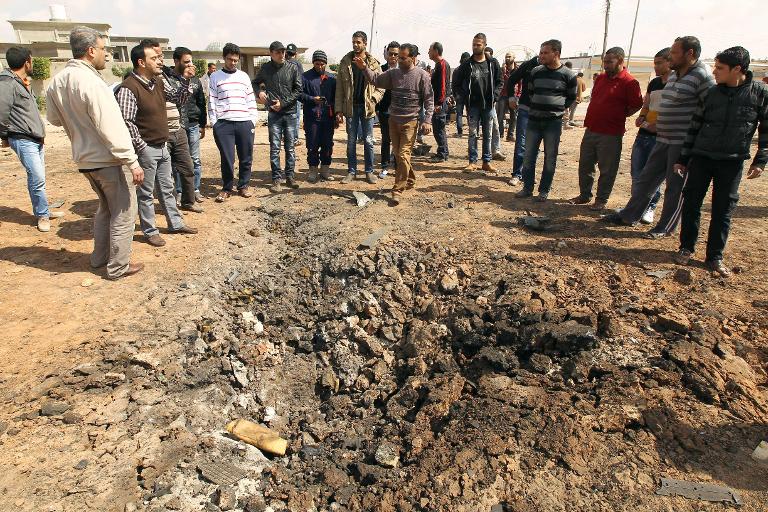
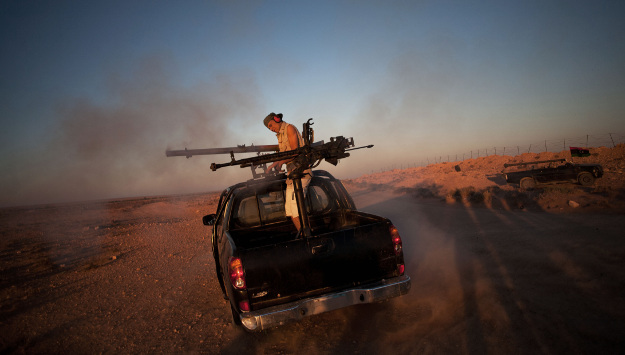
Libya remains broken and violent. Secular forces made gains against Muslim extremists in Benghazi recently, but the advantage has shifted from side to side since early this year. And two rival governments vying for power amidst a near lawless country with open borders is an ideal setting for the outflow of everything from heightened concerns to munitions and fighters. Yet Libya keeps boiling away on the global back burner.
Egypt's Emerging Libya Policy
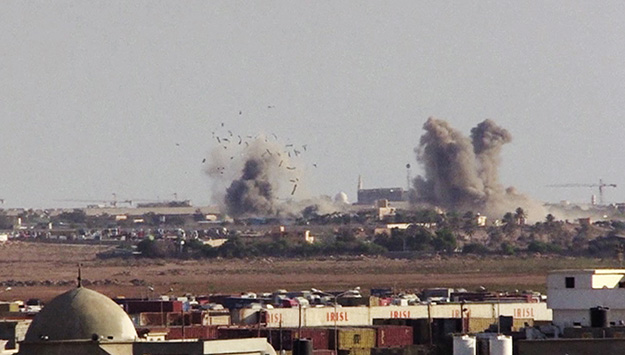
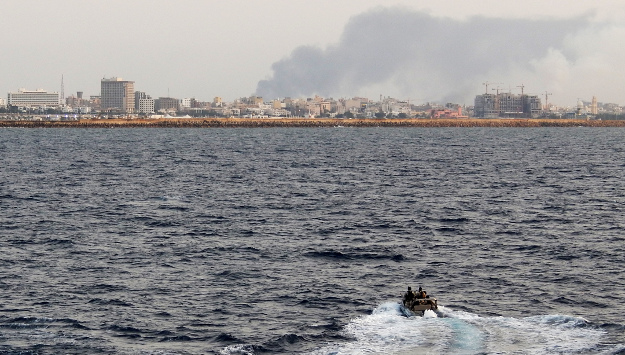
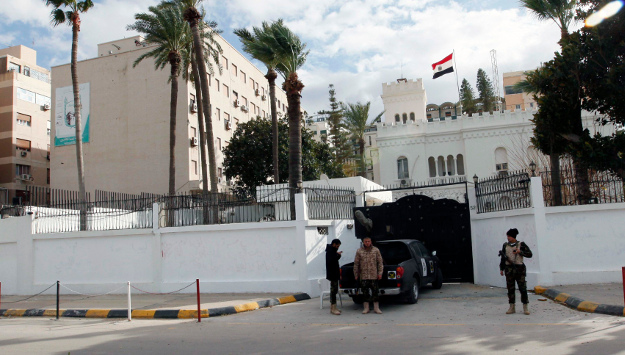
Several weeks ago an Islamist and jihadist alliance led by Ansar al-Sharia–a group with ties to Islamic State (formerly ISIS)–took control of Benghazi and declared an “Islamic Emirate.” A few days ago, an Islamist alliance took control of Tripoli’s main airport. These developments have come as a shock to the Egyptian government, which considers an Islamic state on Egypt’s 720-mile long western border an immediate threat to Egypt’s national security. This helps explain Egypt’s alleged role in recent airstrikes inside Libya coordinated with the United Arab Emirates.
The Political Process in Libya
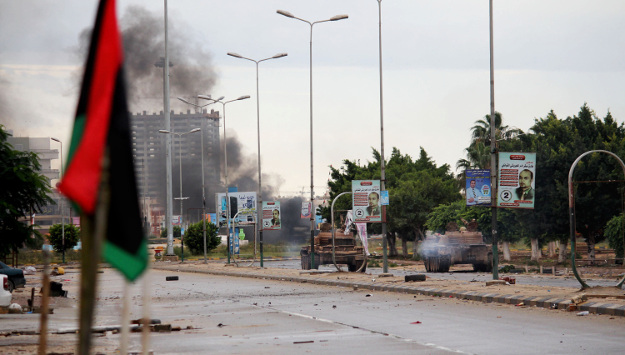
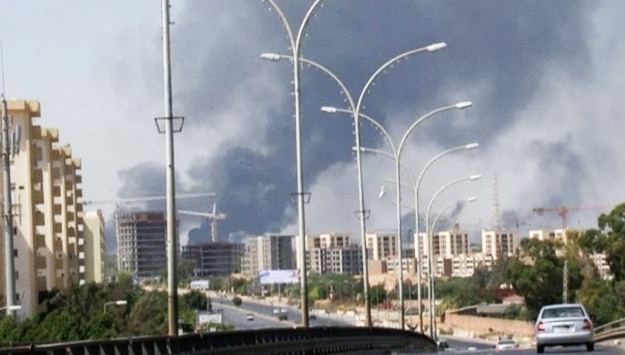
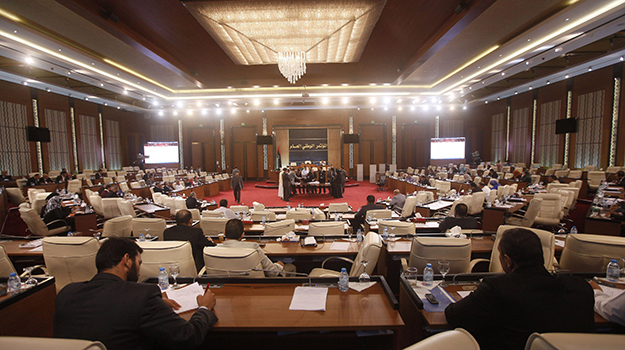
Libya’s road to democracy is shaky at best. Security is deteriorating, with targeted killings, criminal attacks, and bombings on the rise and clashes between rival armed groups—some apparently with government legitimacy and others not—growing more frequent. While these negative trends put tremendous pressure on the transition, Libya’s political process, albeit fickle, manages to keep moving. The efforts at institution building in Libya present a nuanced landscape: for every step forward in one aspect, there are steps backward in others.
Challenges to State Building after the Fall of Qaddafi
The fall of the Qaddafi regime and the loss of the state monopoly on violence gave way to a duopoly of power in Libya whereby rudimentary “national” forces—under the control of the National Transitional Council (NTC) from March 2011 to August 2012—were established in competition with the non-state “Revolutionary Brigades,” which had borne the brunt of the military struggle against Qaddafi’s forces. Since then, the Revolutionary Brigades have increasingly sought to assert themselves in the political arena.
Libya and U.S. Long-Term Engagement
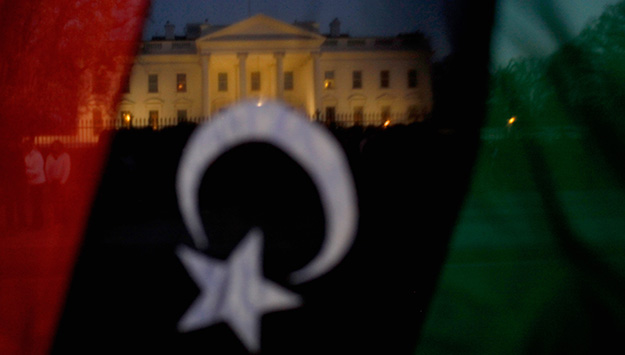
Libyan popular and political support for engaging the international community offers the United States and Western partners an opportunity to help stabilize a North African energy producer and encourage orderly political change. Conversely, a failure to act could have costly, long-term regional and international security consequences. Domestic political limitations to direct U.S. government engagement, along with other issues that compete for attention and resources, are constraints on a more active policy. Moreover, Libyans themselves would not tolerate a dominating U.S. role.
Bad Neighbor, Good Neighbor: Libya-Egypt Relations
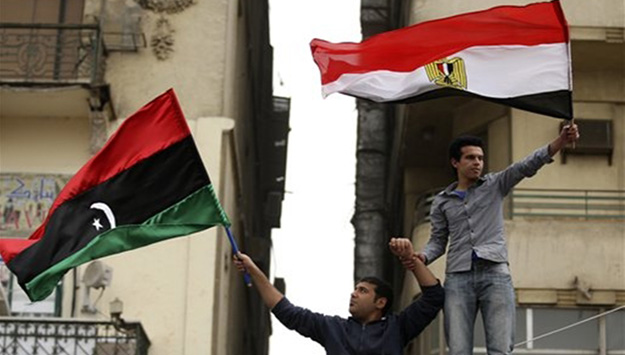
In 2011, many observers predicted that relations between Libya and Egypt would become closer after both countries underwent similar revolutions followed by attempts at democratic transition. But three years later, the realization of this prediction appears unlikely. Political realities and ideological differences have led to a relationship that is contentious at best.