Deciphering Iran’s UNGA agenda: Lessons learned from past CICA summits
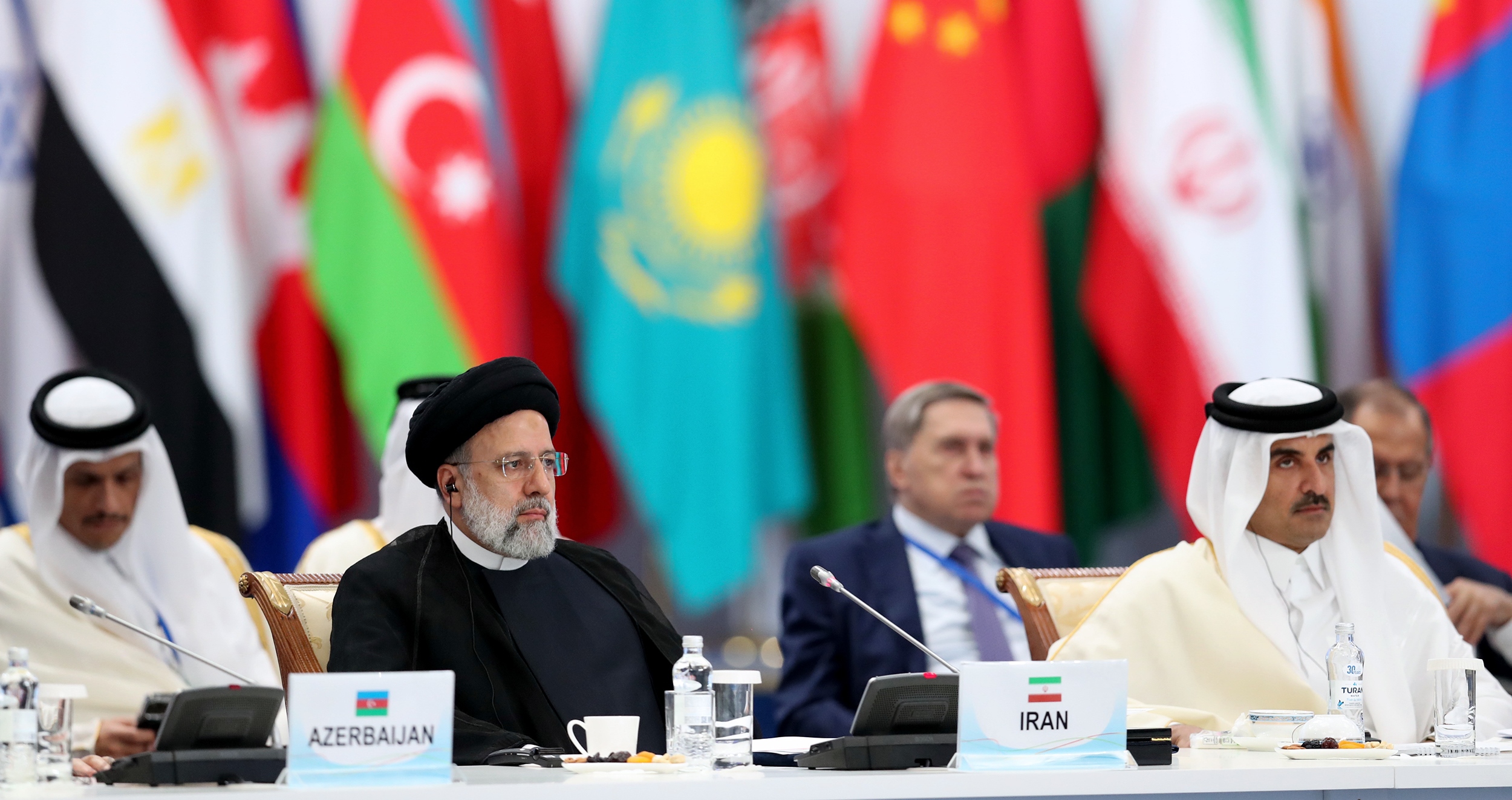
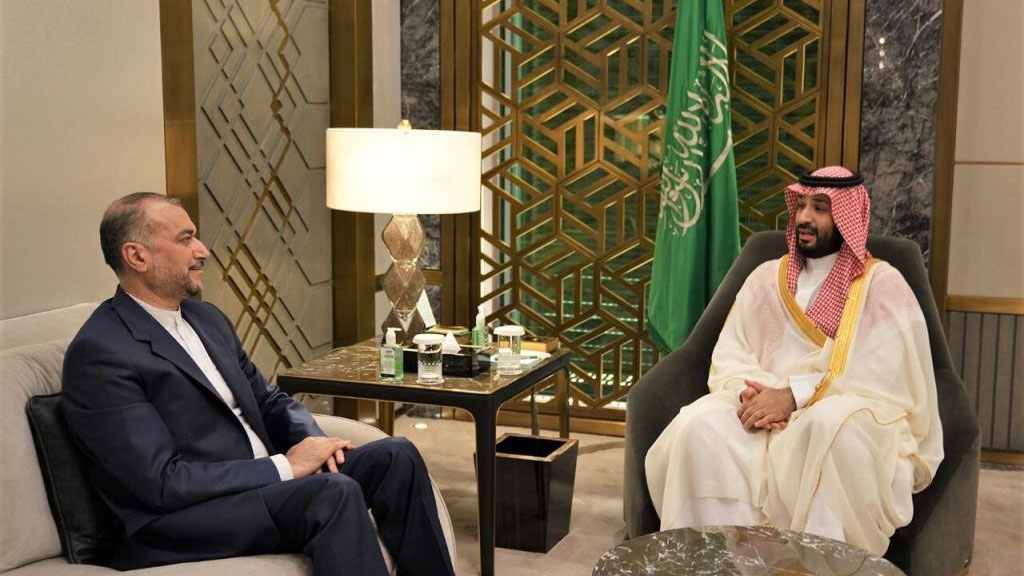
When the Iran’s President Ebrahim Raisi, visits New York for the opening of the UNGA this week, he will try to project a sense of confidence and argue that the Iranian regime is purportedly committed to building ties with its neighborhood by promoting and referring to its membership in various regional dialogue forums. Yet their existence has historically not moderated Iranian behavior.
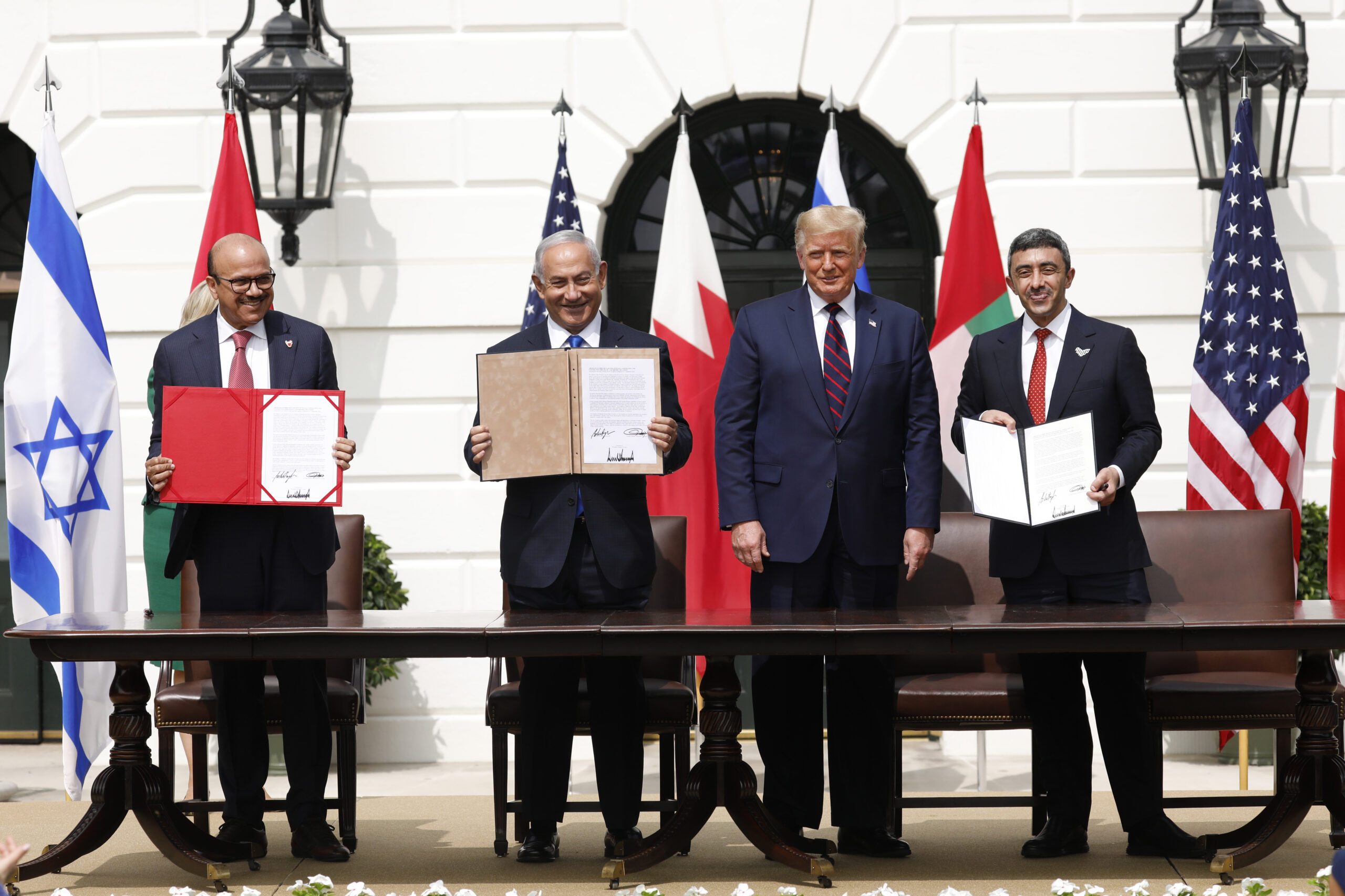
As the original Abraham Accords signatories — Israel, the United Arab Emirates, and Bahrain — observe the third anniversary of their September 2020 agreement, there is a sufficient basis to evaluate whether the Abraham Accords are real, hype, or something in-between. Much like the case a year ago, the results so far remain mixed.
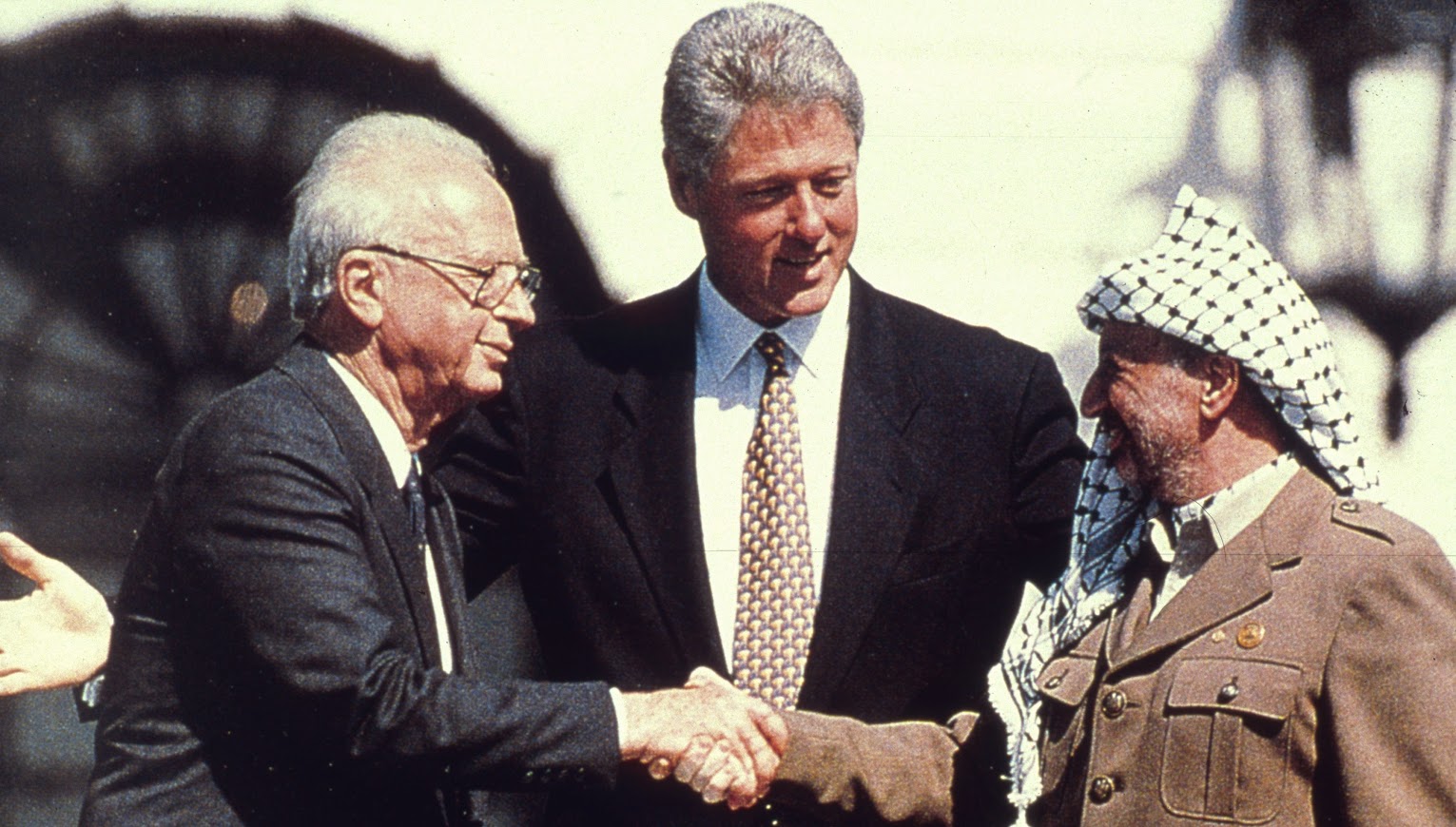
Thirty years on since its historic signing, the Oslo Accords framework continues to define virtually all aspects of Israeli-Palestinian relations as well as America’s and the broader international community’s approach to the peace process. Yet Oslo’s extraordinary longevity stands not as a testament to its utility but to its unmitigated and ongoing failure.
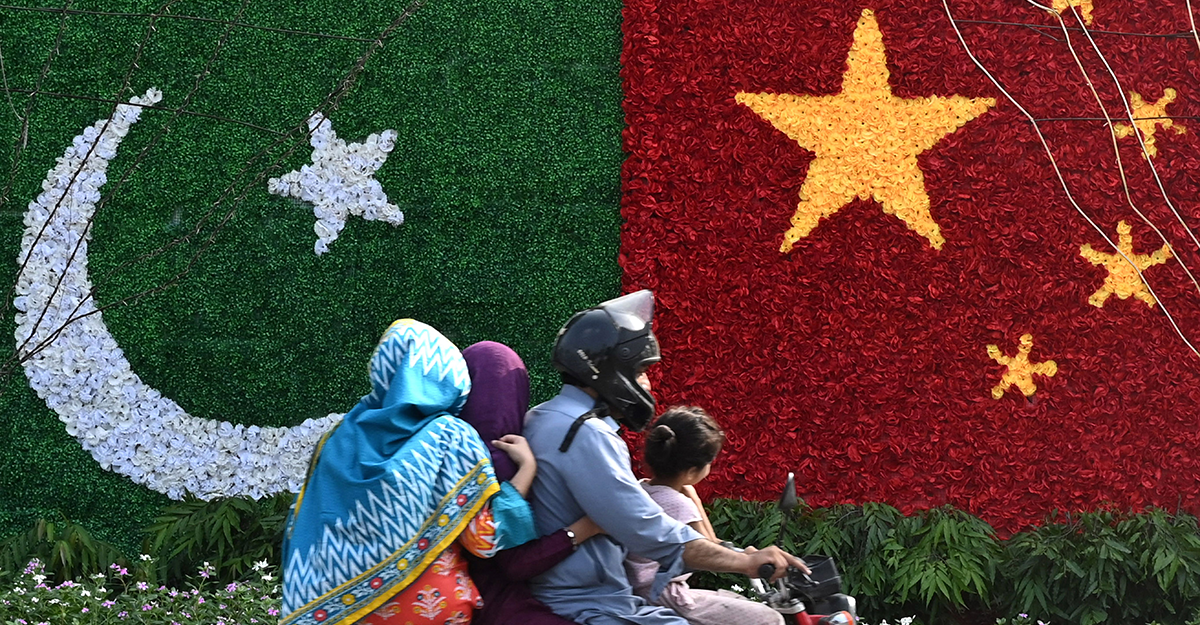
Beyond diplomacy: Charting China's multifaceted partnership with Pakistan
Pakistan’s intensifying economic, political, and security instability is not good news for China’s strategic investments. So, what are Beijing’s options?
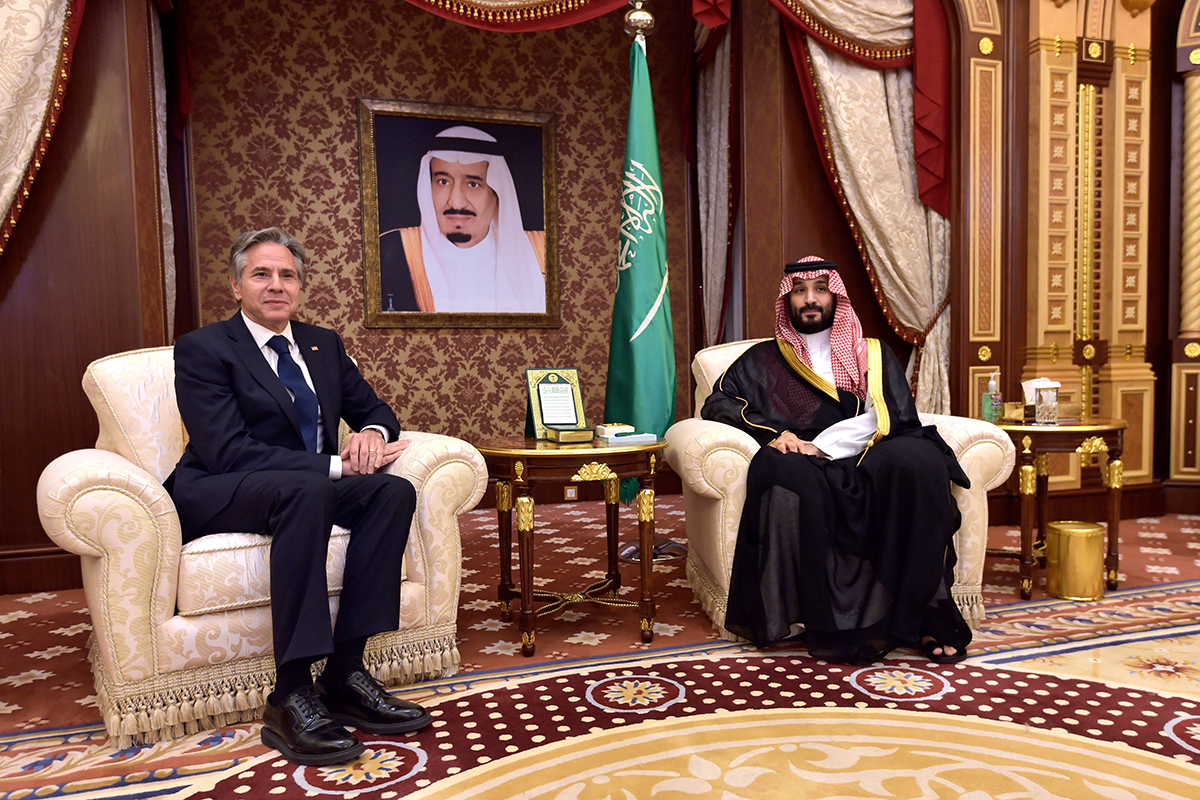
The oncoming Saudi-Israeli normalization: Obstacles, opportunities, and the US role
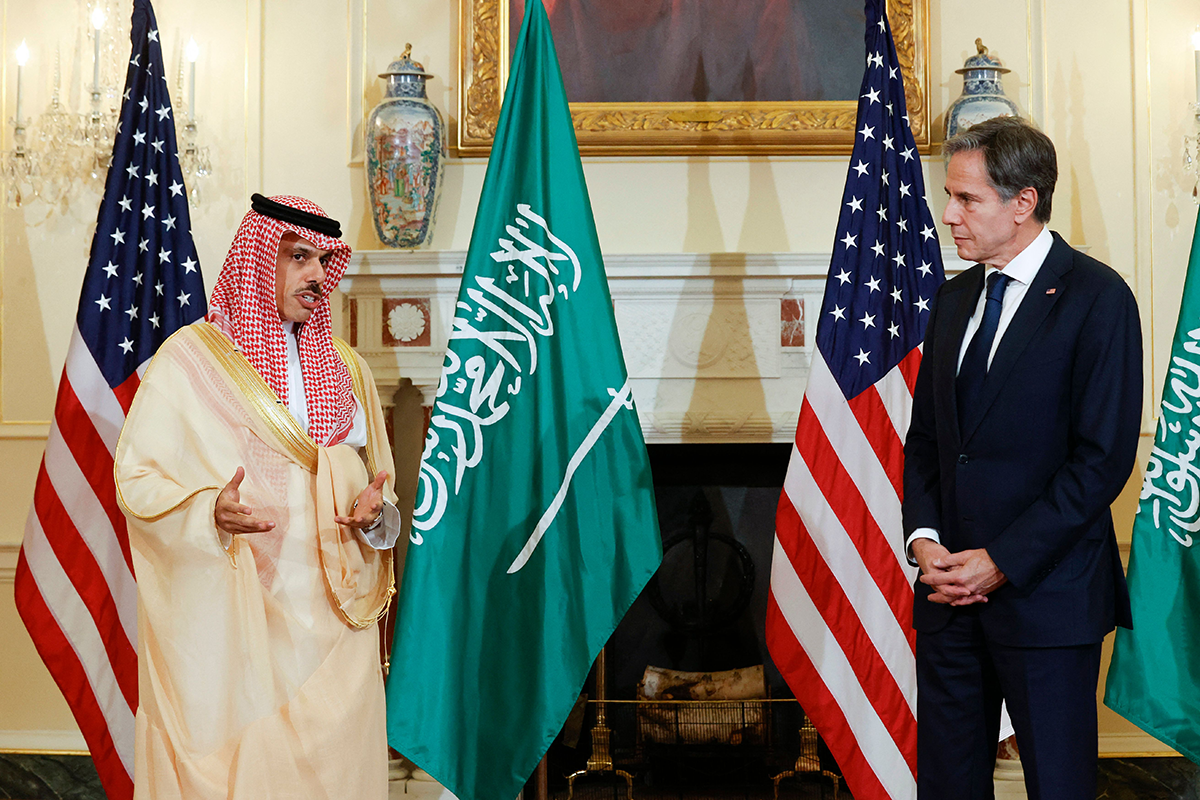
The normalization of relations between Saudi Arabia and Israel is looking increasingly likely, even if it does not take place in the immediate future. For Israel, normalizing relations with as many Arab states as possible — especially if it does not have to give up much in exchange — has always been a strategic goal. For the new Saudi Arabia, those ambitious goals strongly suggest opening up to the Israeli economy.
Pakistan’s interim government: A challenging road ahead
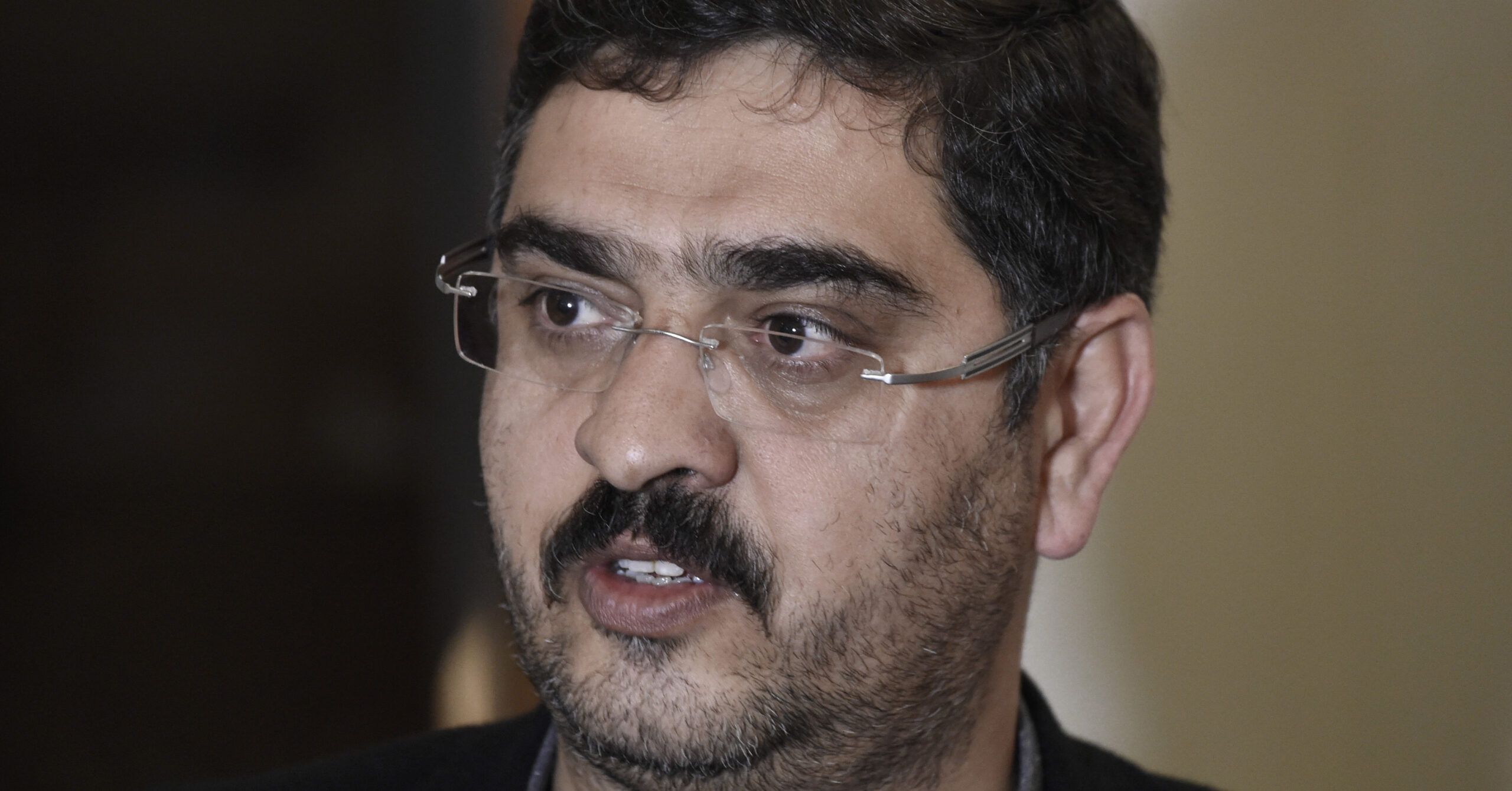
After the conclusion of the 16-month rule of the Pakistan Democratic Movement (PDM), the appointment of a new caretaker government has created uncertainty. This raises doubts about whether Pakistan will smoothly transition to another democratic government or if the caretaker setup will exceed its constitutional mandate.
A US security guarantee to Israel should help to advance Israeli-Palestinian peace, not avoid it
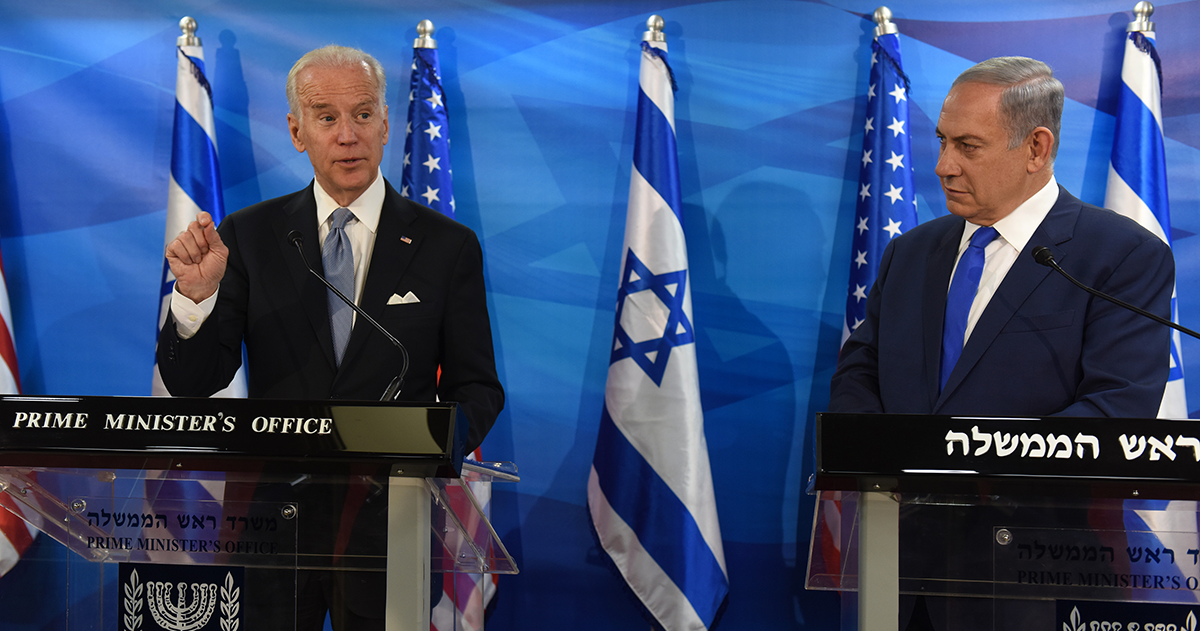
It has been nearly 70 years since Israel first asked the U.S. to sign a bilateral defense treaty. Ever since then, the idea of a formal security agreement has resurfaced from time to time, only to be struck down, due to an understanding that it does not serve the two sides’ actual needs. Prime Minister Netanyahu is currently floating the idea once again, but the U.S. can make use of his interest in a security upgrade to revive a different idea instead: the decade-old security plan for the two-state solution, known as the Allen Plan.
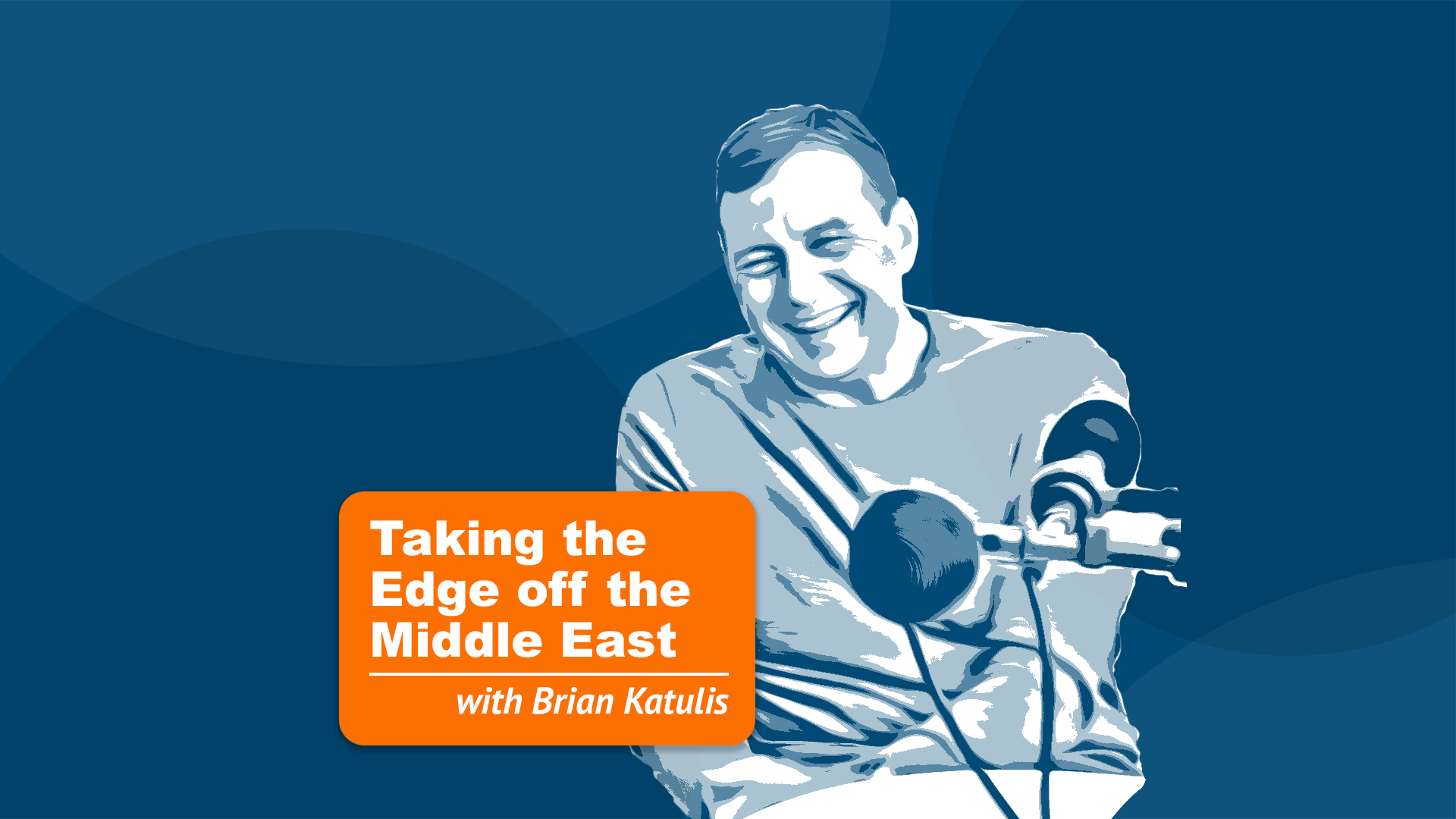
Ben Samuels | 'Taking the Edge Off the Middle East' Ep. 3
Middle East Focus Presents: ‘Taking the Edge Off the Middle East’ with Brian Katulis
A series of casual conversations with leading policy professionals on the most important happenings in the Middle East today – hosted by MEI VP for Policy Brian Katulis.
Ben Samuels – U.S. correspondent for Haaretz – sits down with Brian to discuss how he got into journalism, the state of politics in Israel, and the country’s ongoing judicial overhaul.
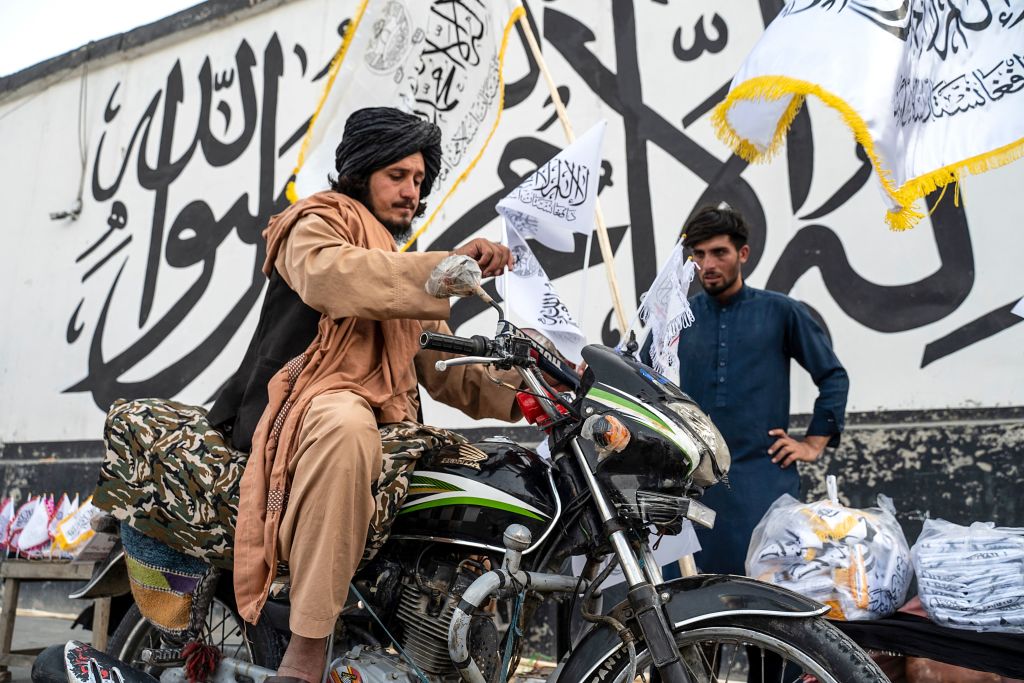
Making sense of the Taliban’s counterterrorism assurances
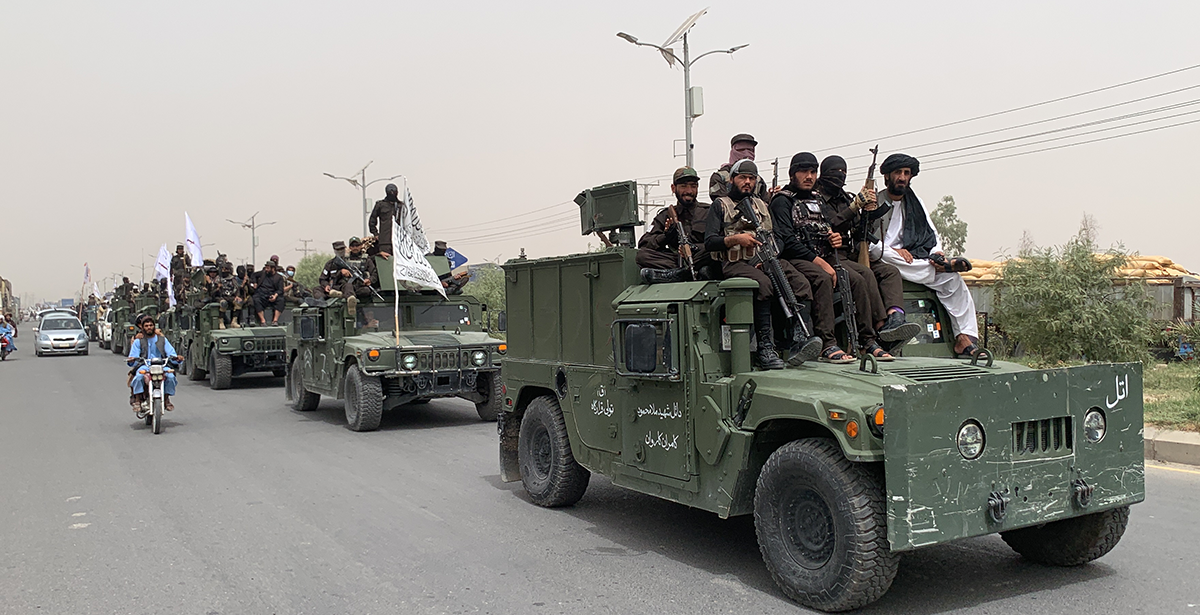
Two years on from the Taliban’s takeover of Kabul, Afghanistan’s neighbors are increasingly concerned that their return to power has emboldened terrorist groups and networks, which are using the hospitable environment to regroup, rearm, and recruit substantially. The main question now for Afghanistan’s neighbors in the region, and the international community more broadly, is just how reliable the Taliban’s counterterrorism assurances to other states really are.
A Saudi-Israel Deal Could Pay Dividends for the Global Economy
The Biden administration is working on a deal between Israel and Saudi Arabia that could be a game changer for the Middle East. Such an opening would show just how much the tectonic plates in the region are shifting away from regional tensions, civil wars, and threats from terrorism toward a new, more promising phase of greater stability and prosperity.
Five factors to watch in US diplomatic efforts on a possible Israel-Saudi deal
Forging a deal establishing open, normal bilateral ties between Saudi Arabia and Israel would be a major feat with plenty of potential perils along the way — the diplomatic equivalent of climbing Mount Everest. If done right, the result would be historic and transformative for the Middle East with positive geopolitical repercussions. Here are five factors to watch as the Biden administration continues its efforts to produce a major diplomatic breakthrough in the region.