Israel and Azerbaijan: Trusted friends and reliable partners
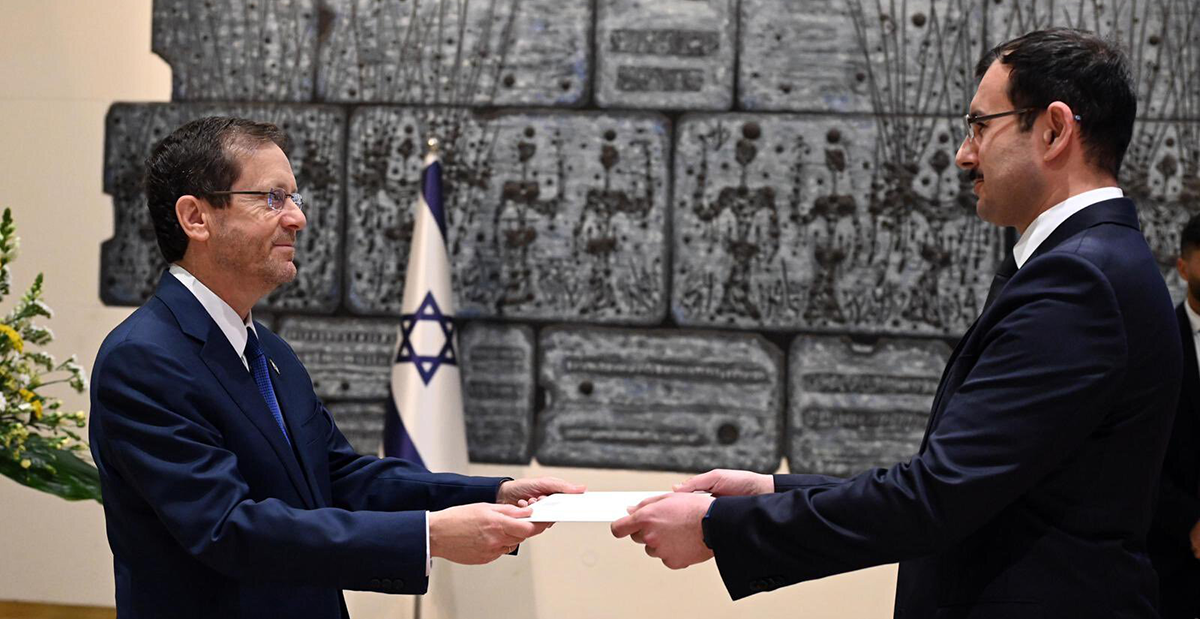
Israeli-Azerbaijani relations are based on two main pillars: patient and cordial political relations as well as defense cooperation and arms sales. While the former reached a more intensive level this year, with the opening of an Azerbaijani embassy in Tel Aviv in late March, the latter pillar of the relationship was well developed long before, as Israel became Azerbaijan’s largest weapons supplier.
Assessing US Assistance to the Lebanese Armed Forces
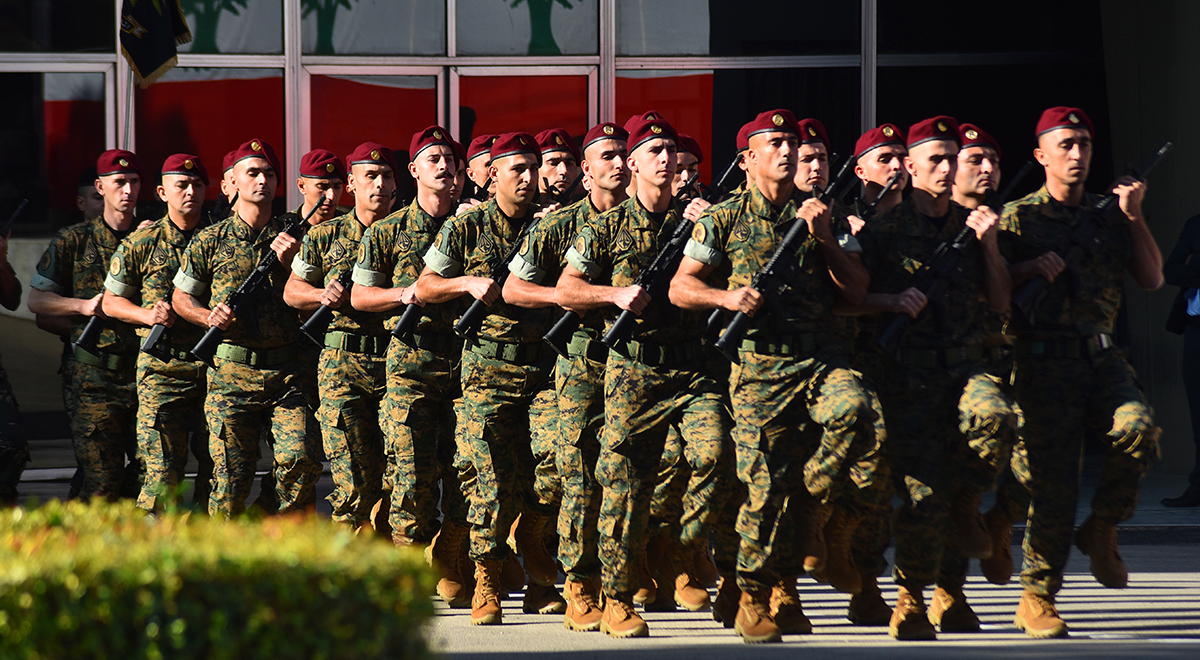
In January 2023, the United States began to reroute $72 million of assistance to Lebanon to support the salaries of Lebanese soldiers and police officers, most of whom could barely make ends meet due to the disastrous economic situation in the country. It took Washington more than two years to make that decision, partly because US laws regarding this type of aid were slightly unclear. But more importantly, the voices inside and outside the US government who argued against further support to the Lebanese Armed Forces (LAF), let alone direct cash assistance, succeeded in delaying the process. This was yet another example of how, despite continued US commitment to the LAF through successive administrations, the US military assistance program remains vulnerable to US domestic politics.https://apnews.com/article/politics-united-states-government-lebanon-bu…
Unexpected beneficiary: The implications of the China-brokered Saudi-Iran deal for Pakistan
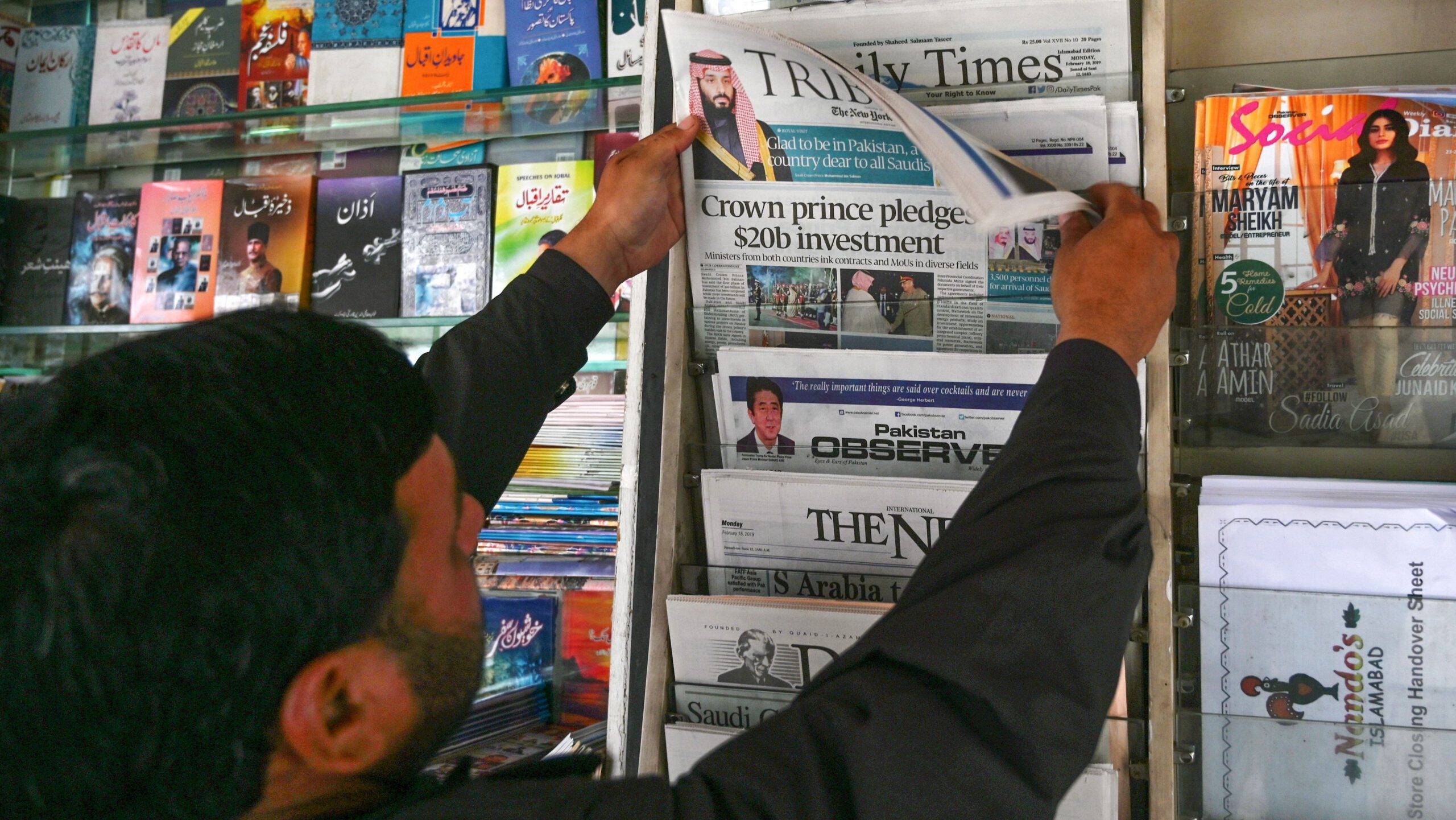
The implications of the apparent rapprochement between Saudi Arabia and Iran are likely to have significant consequences for vital neighboring regions like South Asia and other populous Muslim countries, including, notably, Pakistan.
Arab women break boundaries and stereotypes in Middle Eastern militaries
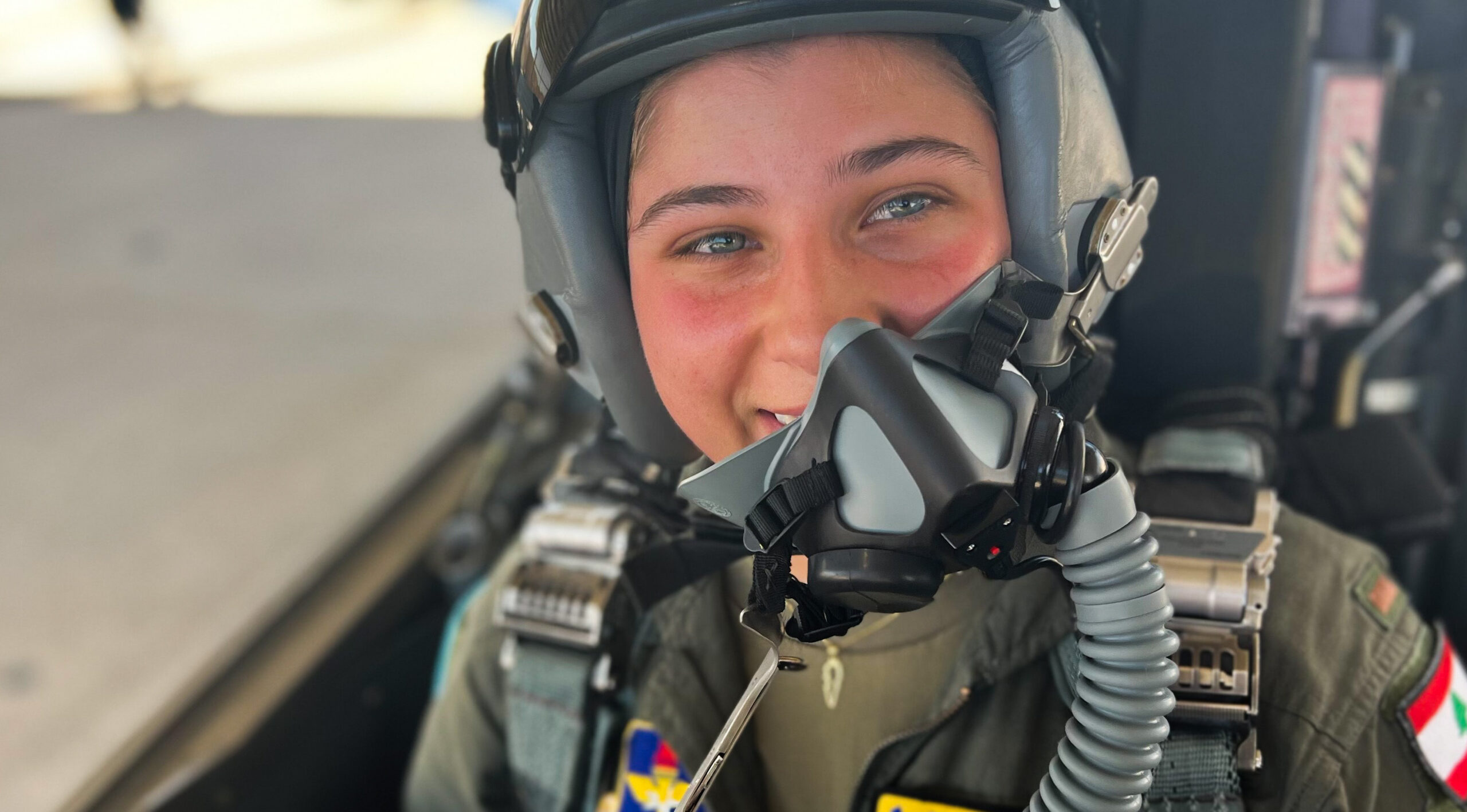
As Women’s History Month in the U.S. draws to a close, women in the armed forces of several Middle Eastern countries continue to achieve historic milestones, with many now serving as pilots, engineers, peacekeepers, and in special forces units. The role of women is steadily increasing as the result of new initiatives, policies, and gradually changing mindsets in the Middle East.
Missed opportunities: The billions sacrificed annually to generate electricity in the GCC
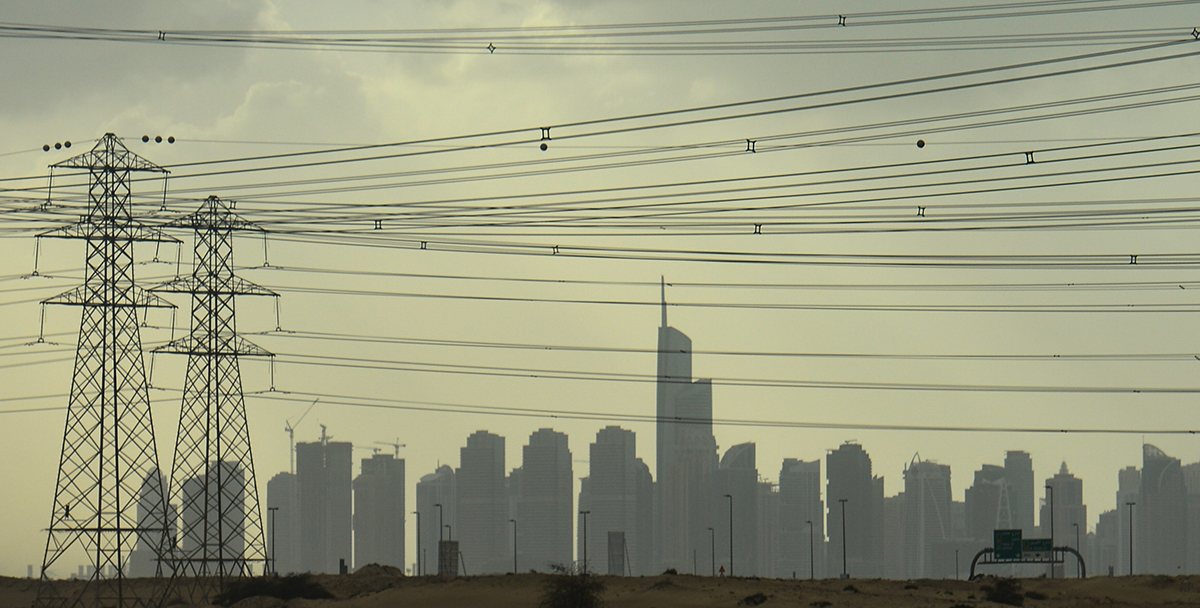
The GCC governments still cover over 40% of the cost of domestic electricity production. Yet, electricity subsidy bills alone do not reflect the full extent of their economic losses. Once the forgone revenues from the export of natural gas and oil used to meet rising domestic energy demand are added in, the total economic cost of the GCC’s electricity is too great to ignore.
A Saudi-Houthi deal won’t bring lasting peace in Yemen
The recent agreement to restore diplomatic relations between Saudi Arabia and Iran raised hope among Western leaders and some Yemen watchers that it could help bring an end to the war in Yemen. The international community, however, can do more harm than good if its actions are driven by hope and desperation rather than a careful reading of the reality on the ground. Yemen must not be a sacrificial lamb for improving relations between Iran and Saudi Arabia.
Russia’s occupation strategy — the biggest long-term threat to Ukraine’s stability
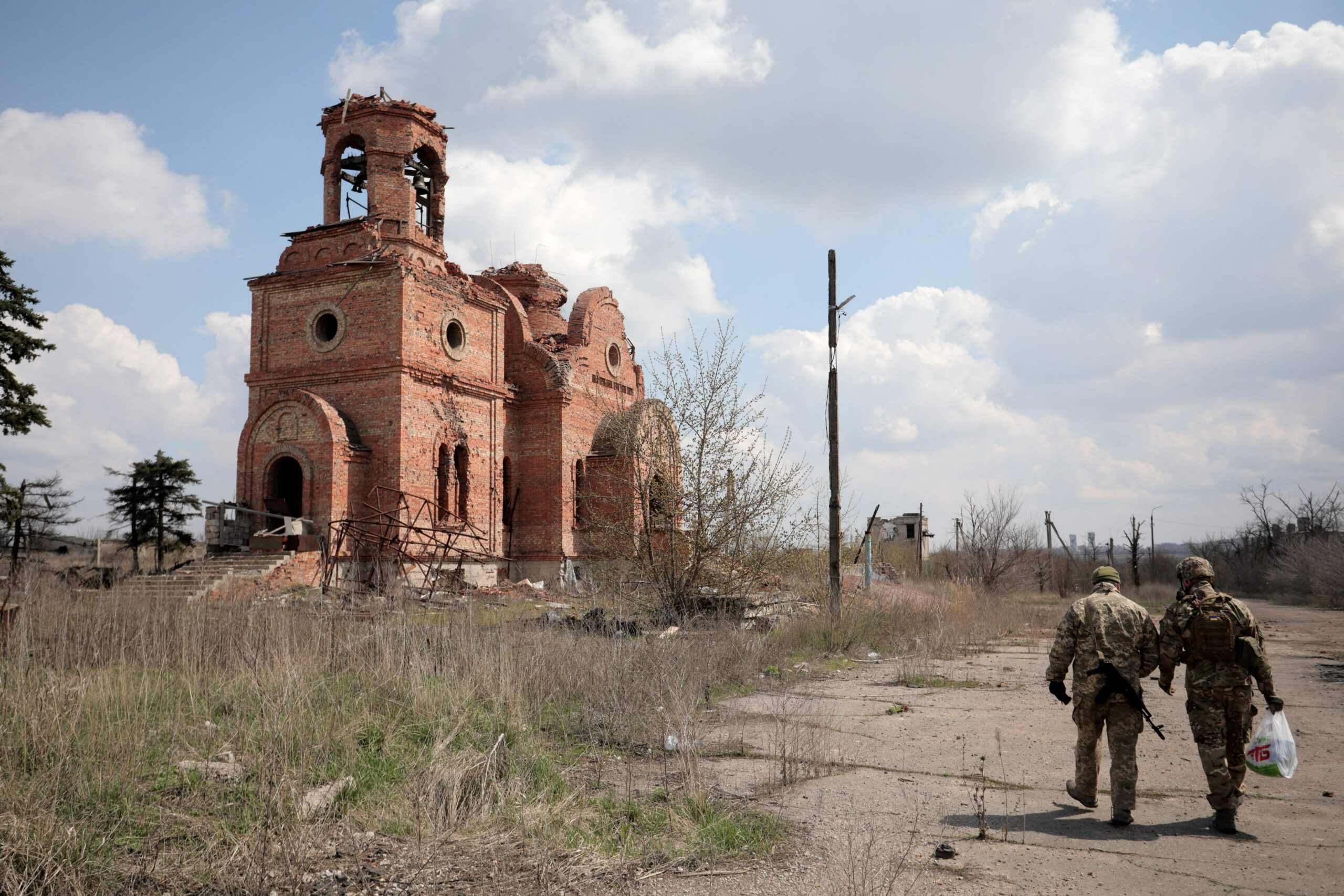
Repeatedly throughout Russia’s history, its authorities have employed unlawful occupations, annexations, deportations, filtration, and ethnic dilution through an influx of Russian settlers to control and reshape the Eurasian map in favor of Russian expansionism. The de-occupation and reintegration of the Russian-controlled territories of Ukraine can be the only guarantee of durable peace in the heart of Europe.
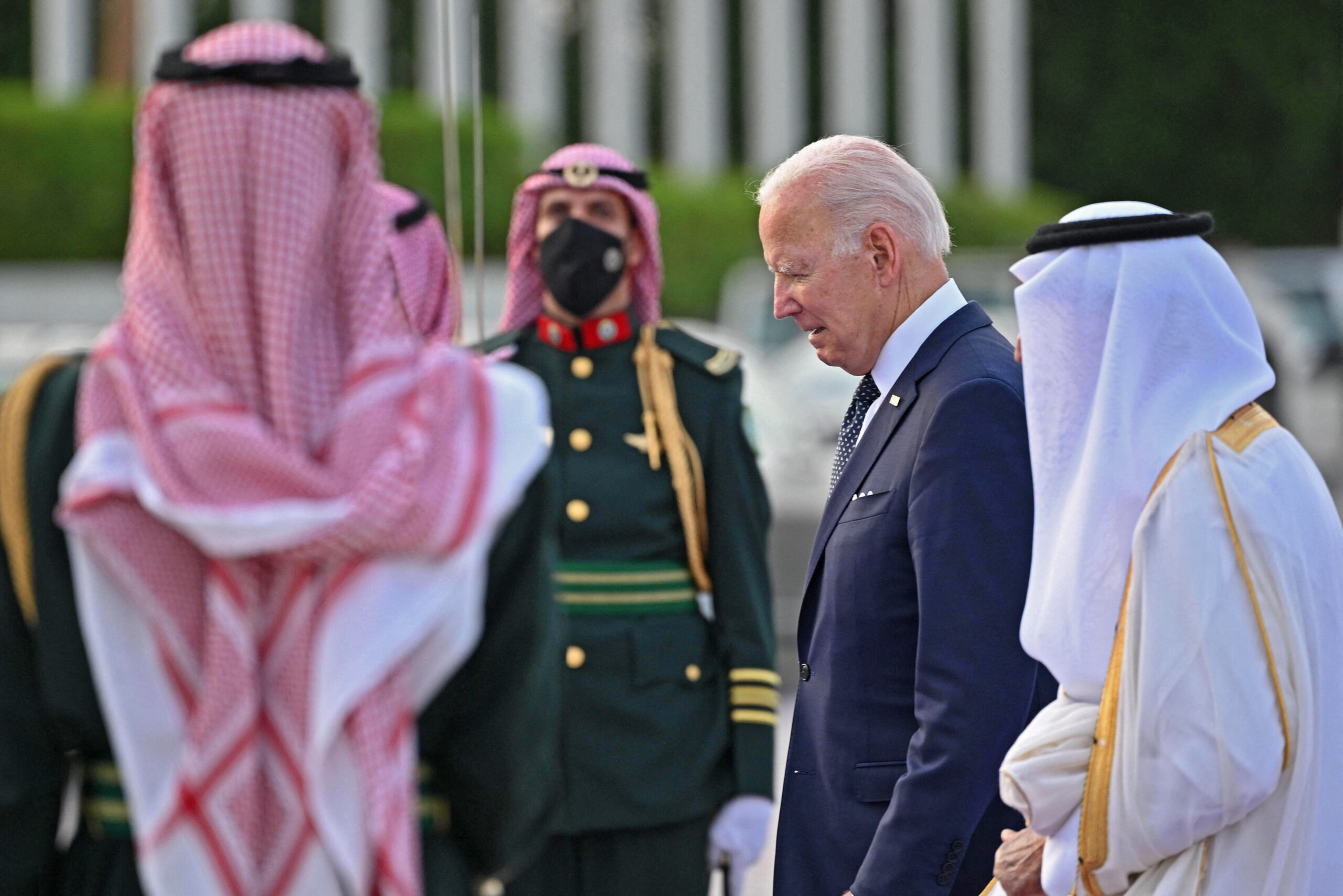
Now that Saudi Crown Prince Mohammed bin Salman has clarified what he expects from Washington in return for normalizing ties with Israel—mainly U.S. security guarantees—the question is: Should U.S. decision-makers accept his price?
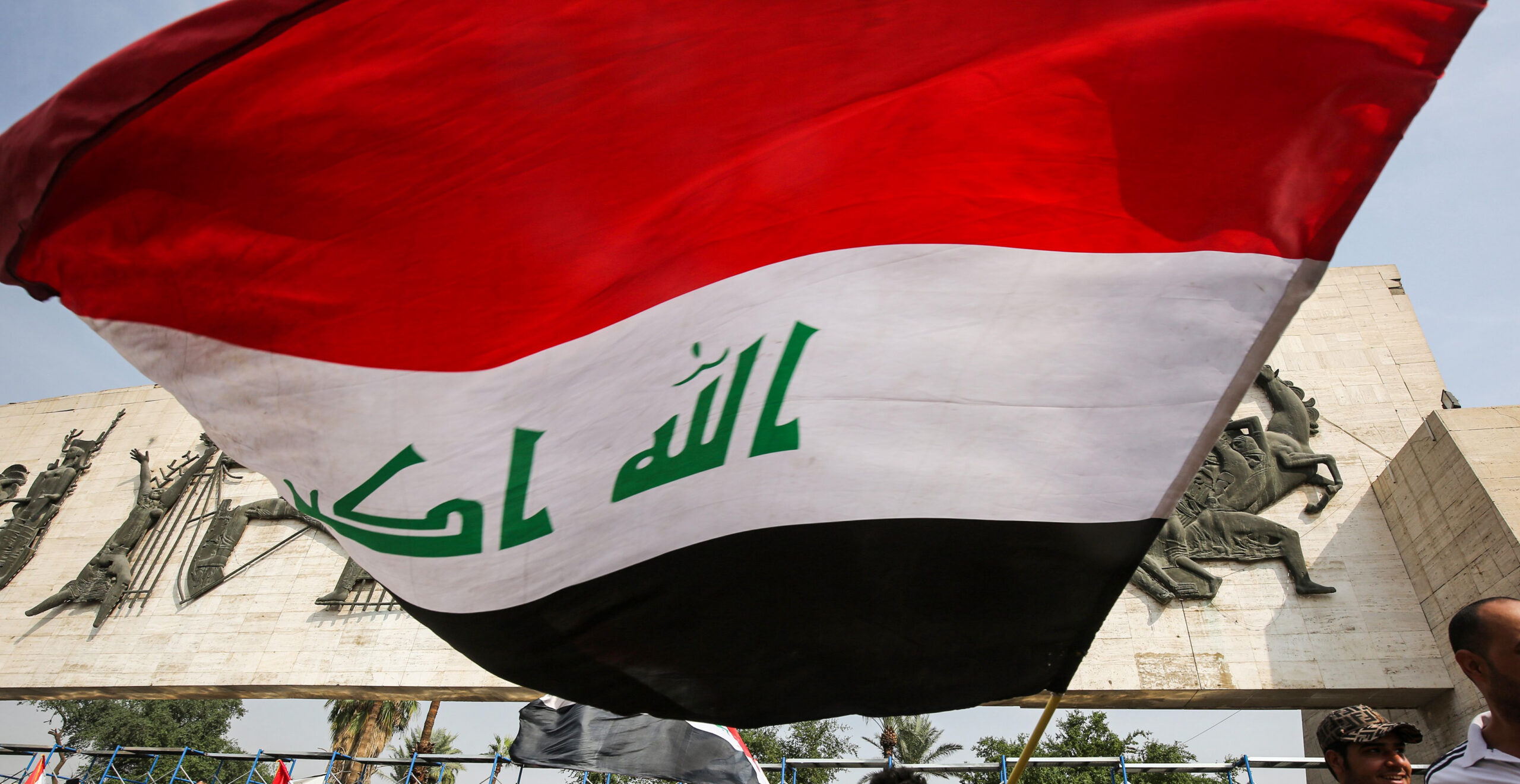
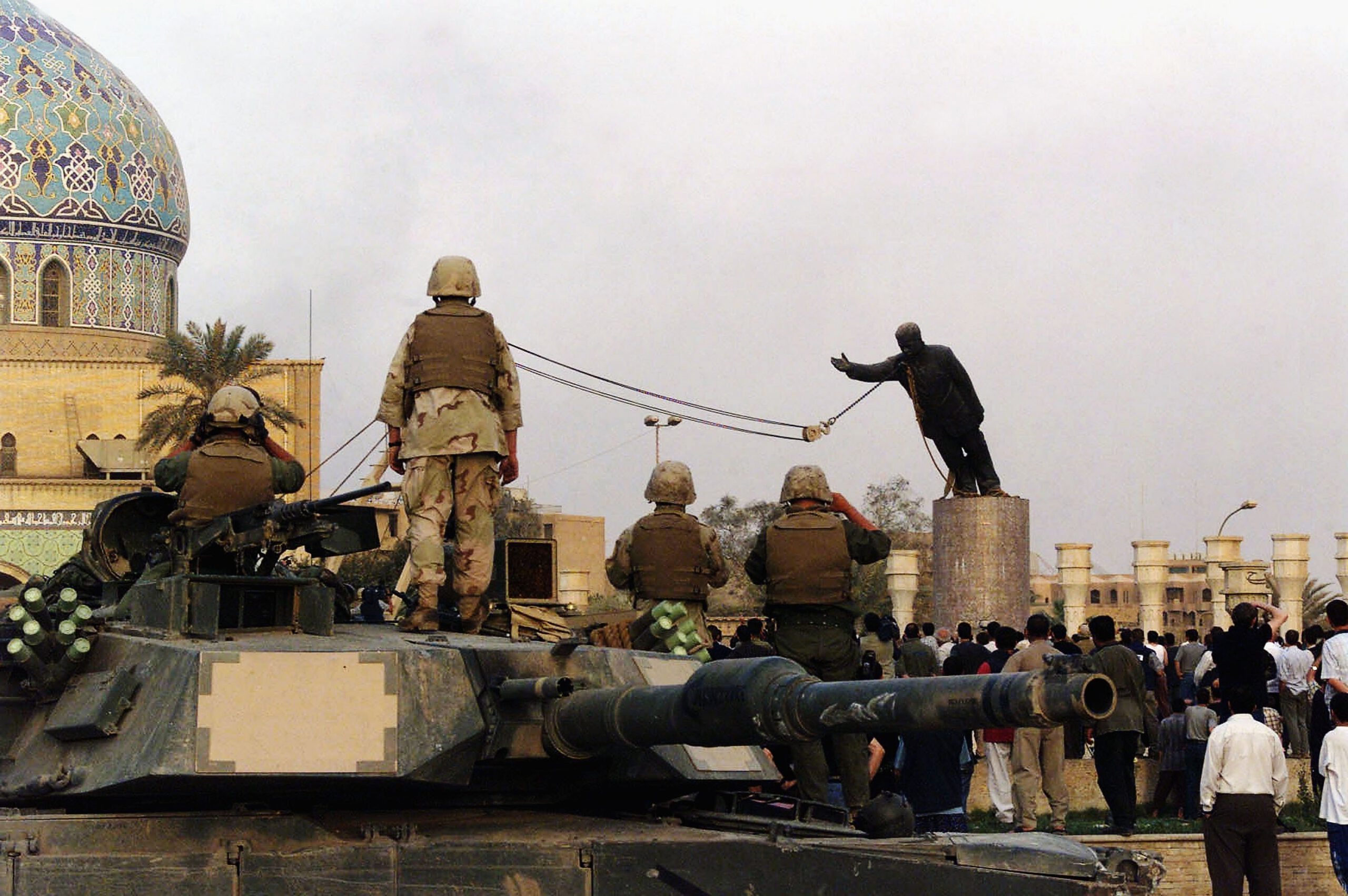
The painful reality is that Washington’s hastily cobbled together ethno-sectarian political system for post-2003 Iraq ended up doing the opposite of what it intended. The regional domino effect was also the opposite of what the U.S. had hoped for, as Iraq became a cautionary tale that regimes could use to undermine the democratic desires of their own populations.
Economic Diversification, Energy Transition, and the Labor Market in Iraq and the Gulf
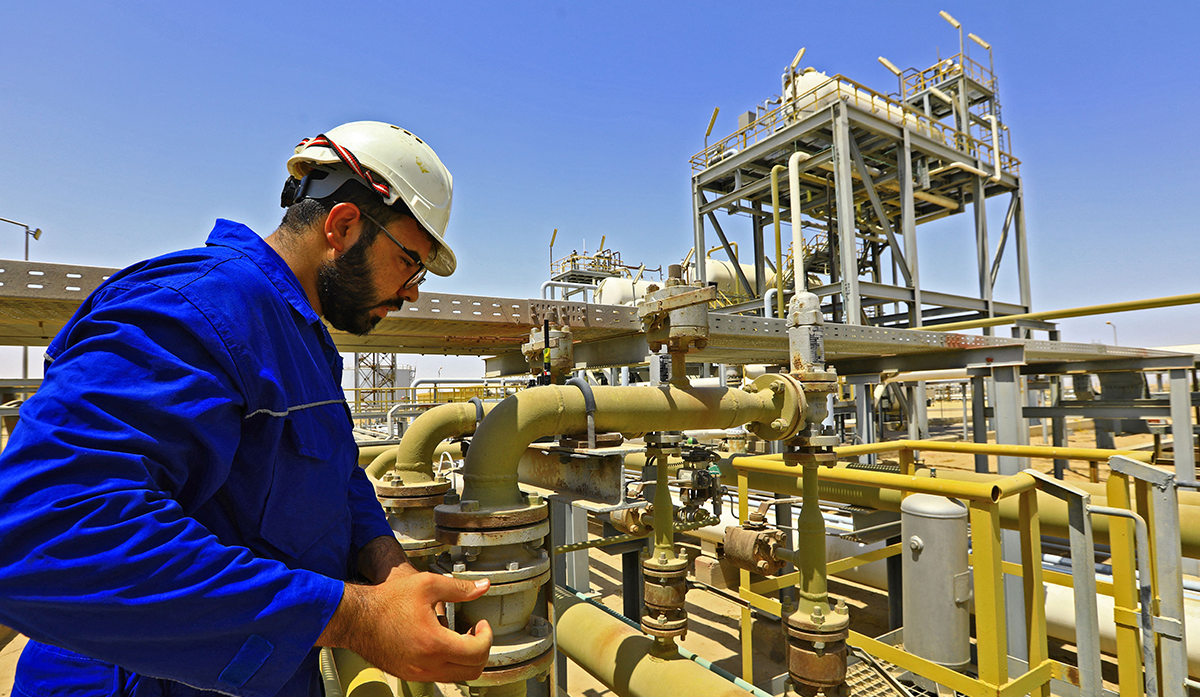
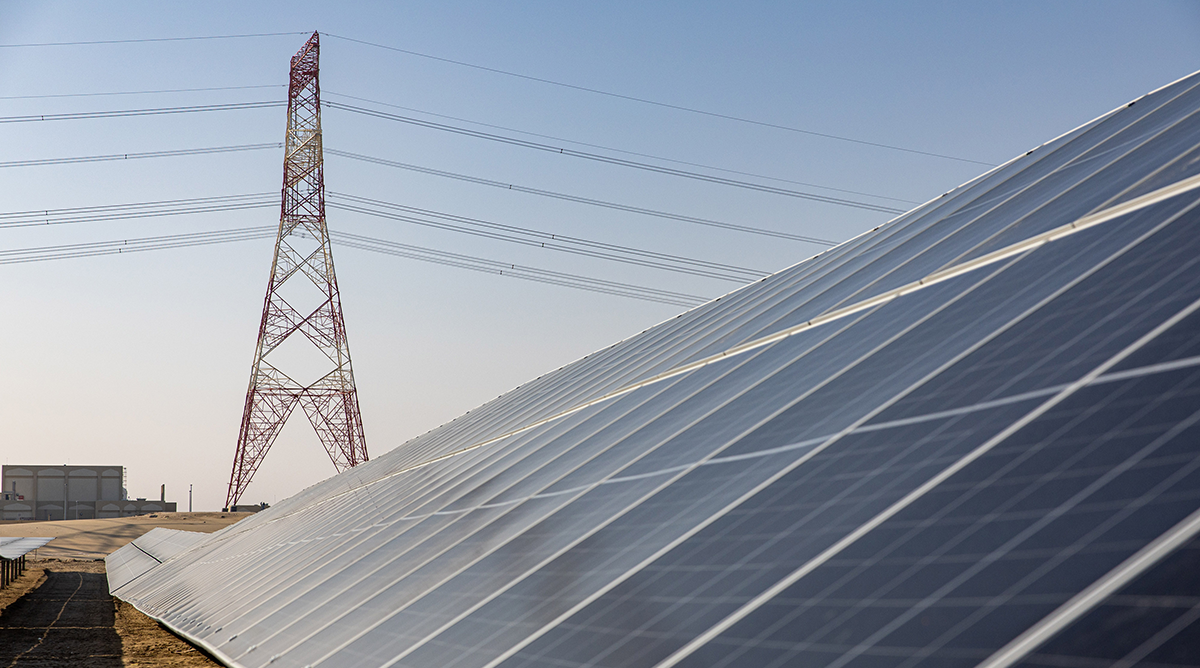
As part of a continued collaboration with the Middle East Peace and Security Forum held in Iraqi Kurdistan at the American University of Kurdistan, the Middle East Institute and the Iraq Policy Group held a workshop on Nov.15, 2022 focusing on challenges of economic diversification, energy transition, and impacts on labor markets in Iraq and the Gulf region. This report provides the insights and analyses of a select group of participants from the workshop.
The challenge of defending NATO’s Black Sea borderland: The view from Bucharest
While the U.S. and its NATO allies work on developing a Black Sea strategy, Washington should continue to cooperation with the Romanian Armed Forces, encourage the Romanians to build up their capabilities, and support the Romanian military’s officer corps development. In a multipolar world, solutions will need to be first and foremost regional — and in the Black Sea region, the Romanian Naval and Special Forces are a solid anchor for European stability.
We can’t tackle climate change in the Middle East without ESG investing
As a major center for fossil-based energy production, the Middle East is key to global ESG developments. The region is currently at an early stage of ESG adoption, although holding COP27 and COP28 has provided some initial movement towards mainstreaming climate finance regulations.
The Food-Energy Nexus and Italy–Morocco Cooperation
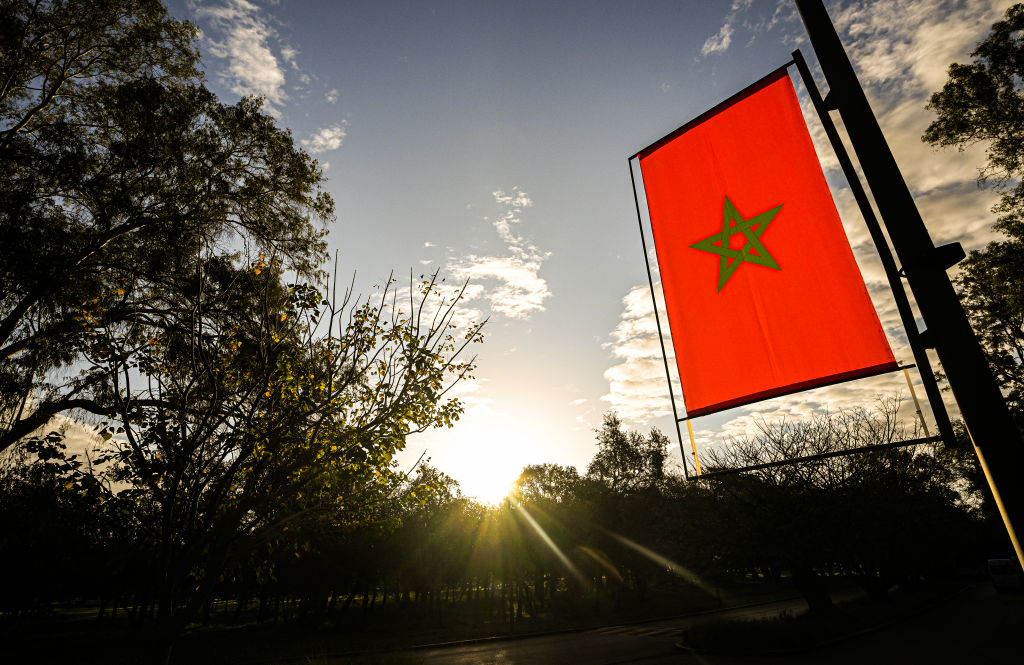
The unwinding of global food production chains due to the combined shocks of Covid-19 and the war on Ukraine, made worse by the impact of climate change on the food-water-energy nexus, will require the six nations of the western Mediterranean – Morocco, Algeria, Tunisia, Spain, France and Italy – to develop new forms of economic cooperation. An Italy–Morocco partnership on green energy food production can be a model for resilient food production chains.