Israel-Hamas war: Conflict scenarios, US diplomacy, and shoring up regional stability
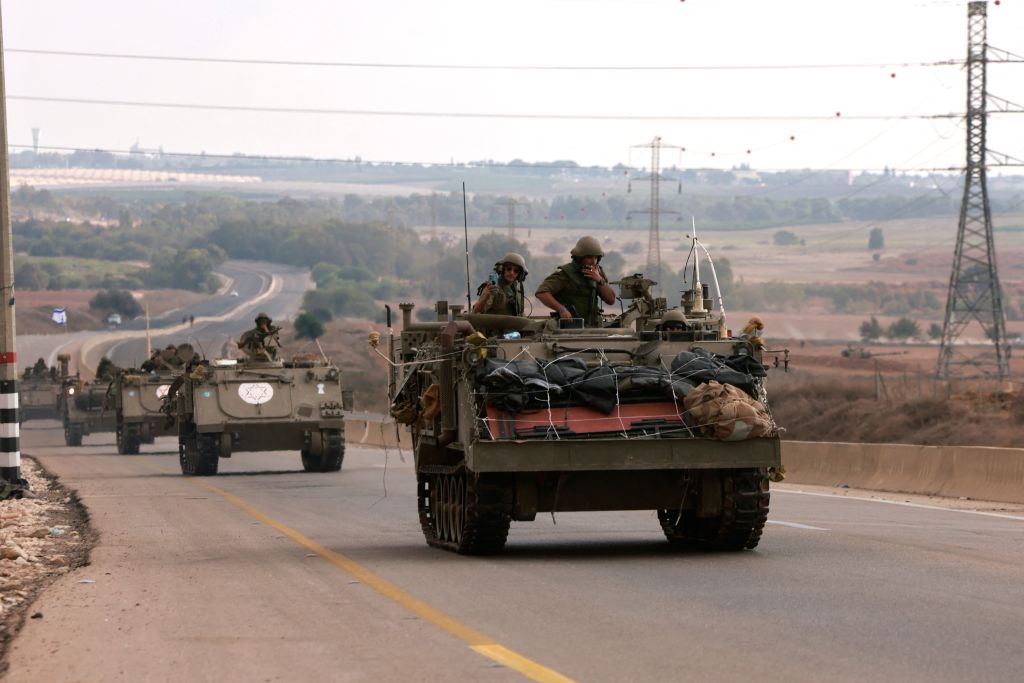
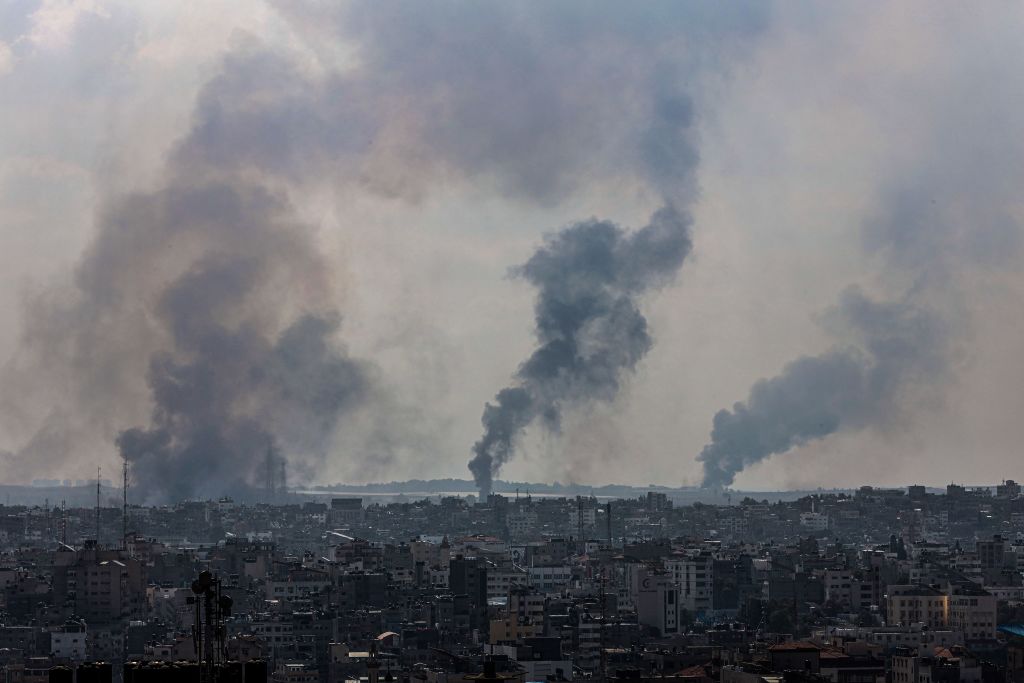
Nine days after the Hamas attack inside Israel, the Israel Defense Forces (IDF) is massing troops for a large-scale ground incursion into Gaza. For now, the outlines and endgame of Israel’s military action are not entirely clear. Meanwhile, escalation is rising along the Israel-Lebanon border and U.S. Secretary of State Antony Blinken is crisscrossing the Middle East communicating both deterrence and diplomacy.
Dehumanization, lack of empathy for Palestinians is alarming—and dangerous
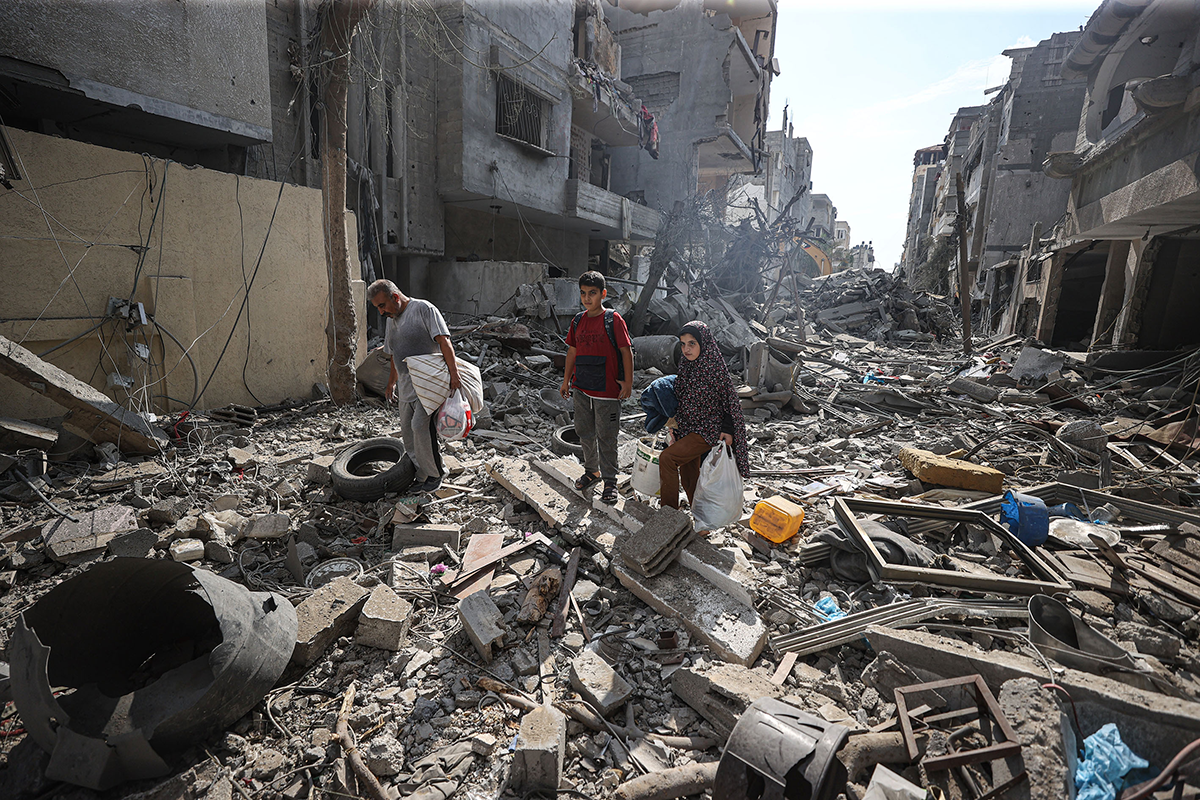
The scale and brutality of Hamas’s grisly attack on Israel last Saturday has understandably triggered a massive outpouring of sympathy and solidarity with Israel. And yet, there has been no similar outpouring of sympathy for Palestinians, who are now also dying in disturbingly large numbers.
As Israel-Hamas war begins, it’s not too late to shape this historic inflection point
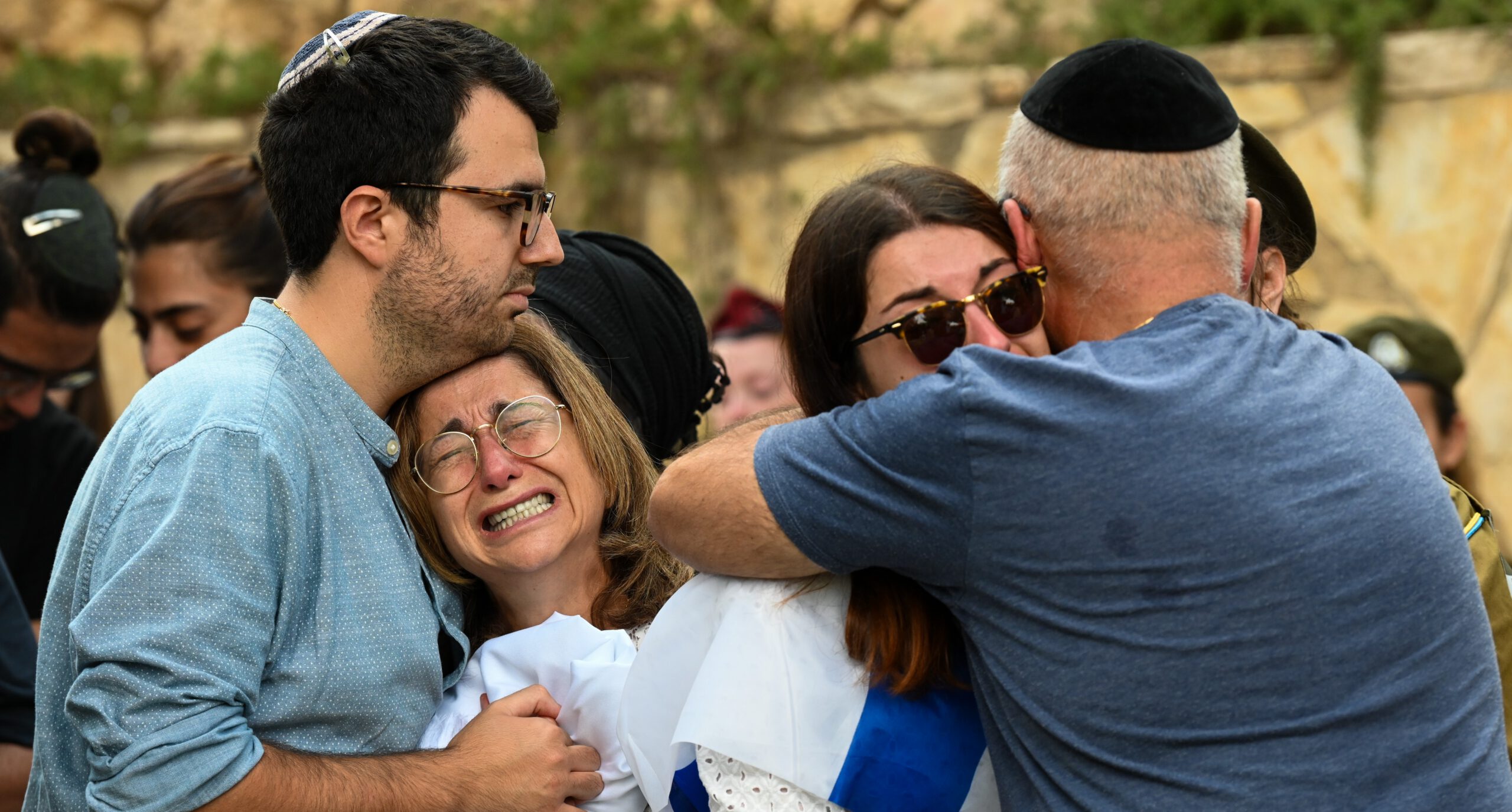
Hamas’ murderous raid on Oct. 7, resulting in the deaths of more than 1,300 Israelis, mostly civilians, may well turn out to be a consequential inflection point, having unleashed political and popular forces that could lead in a positive or, just as likely, extremely negative direction.
Hamas Has Already Lost. Now, Who Will Win the Peace?
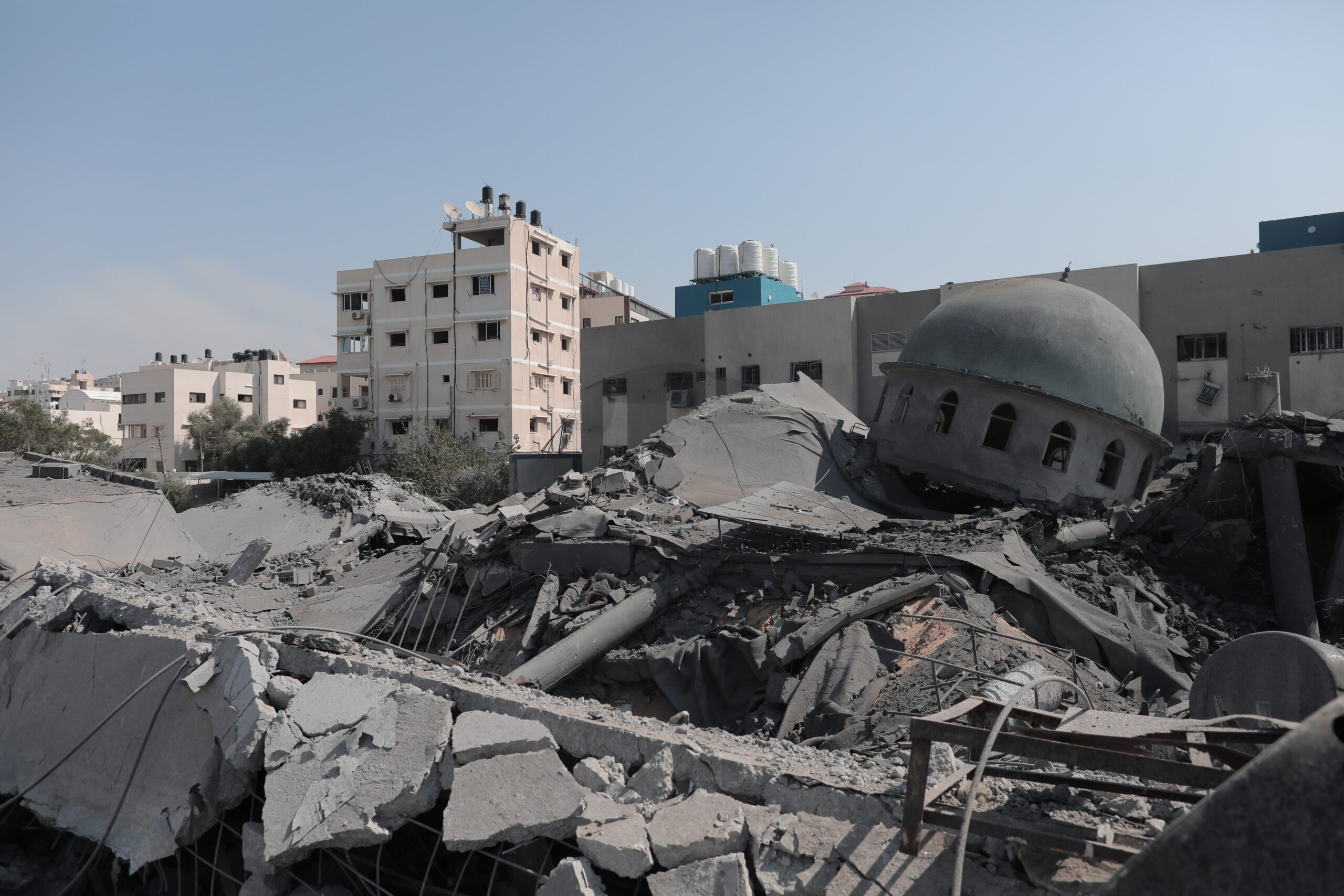
The events that began in Israel on Oct. 7 are a historical hinge. Like 9/11, as has been said, 10/7 will be remembered by most observers as a bright dividing line between “before” and “after.” What’s at stake for Israel—a fight for its survival—has echoes in other battles taking place around the world like Russia’s war against Ukraine and the Iranian regime’s continued repression of its own people. The world keeps moving toward the future, but the past and those retrograde elements that want to move the world backward still want to have a say.
Understanding the legal drama in Israel: Will the Supreme Court prevent a constitutional crisis?
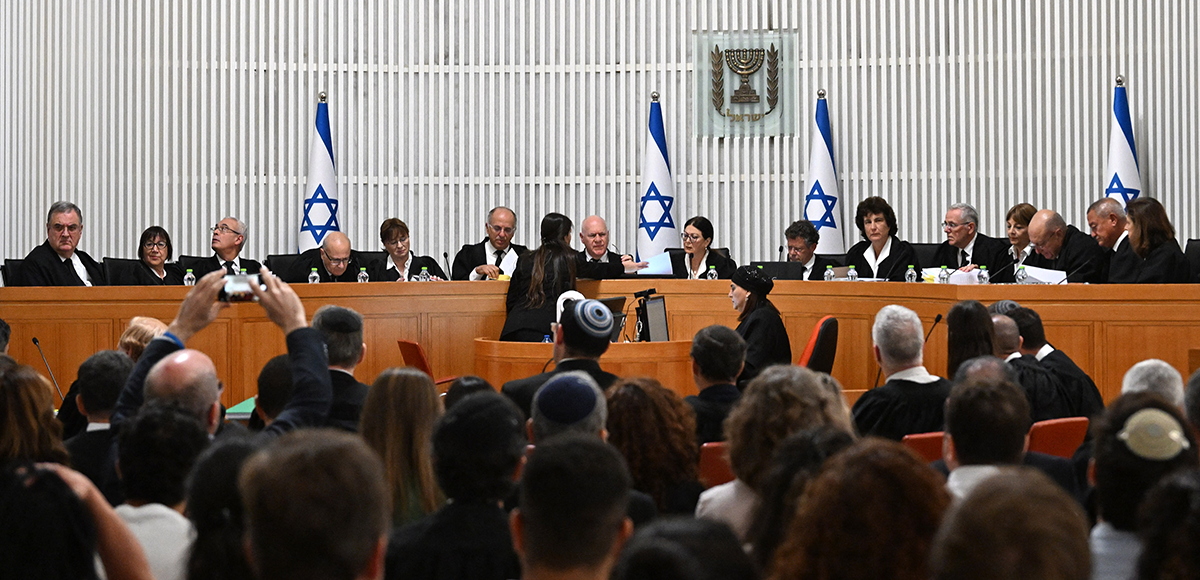
After a year of unprecedented events, Israel’s political and constitutional turmoil came to a head on Sept. 12, when the Supreme Court heard oral arguments in a critical case that will determine the future of the Netanyahu government’s judicial overhaul. The arguments concern the so-called Reasonableness Amendment, passed by Israel’s parliament in late July; this amendment to the country’s Basic Laws would partially strip the Supreme Court of its authority to review governmental acts.
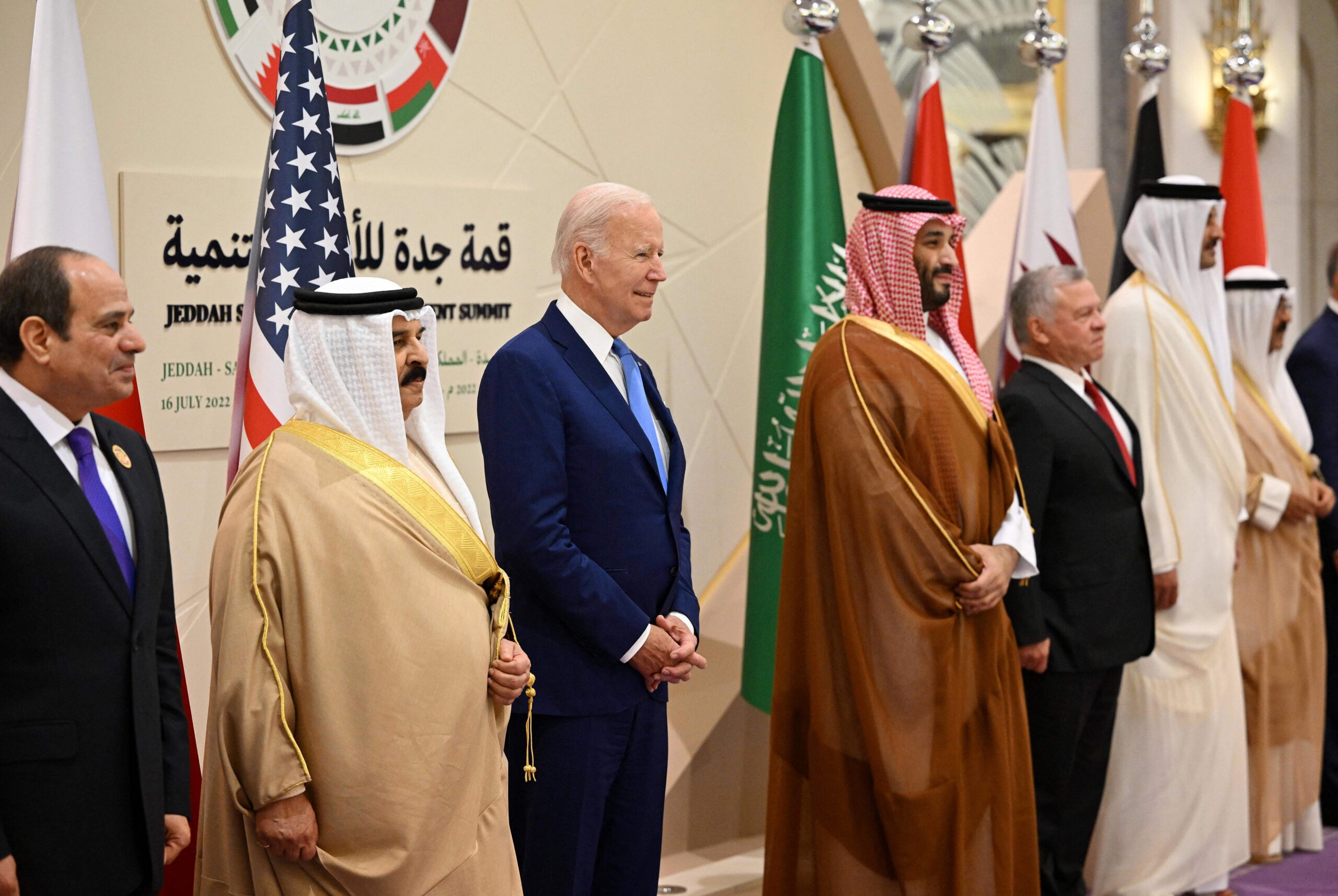
Treading Cautiously on Shifting Sands: An Assessment of Biden’s Middle East Policy Approach, 2021-2023
This report provides an interim assessment of the Biden administration’s overall Middle East strategy and examines the strategic opportunities and risks for U.S. policy in the broader region.
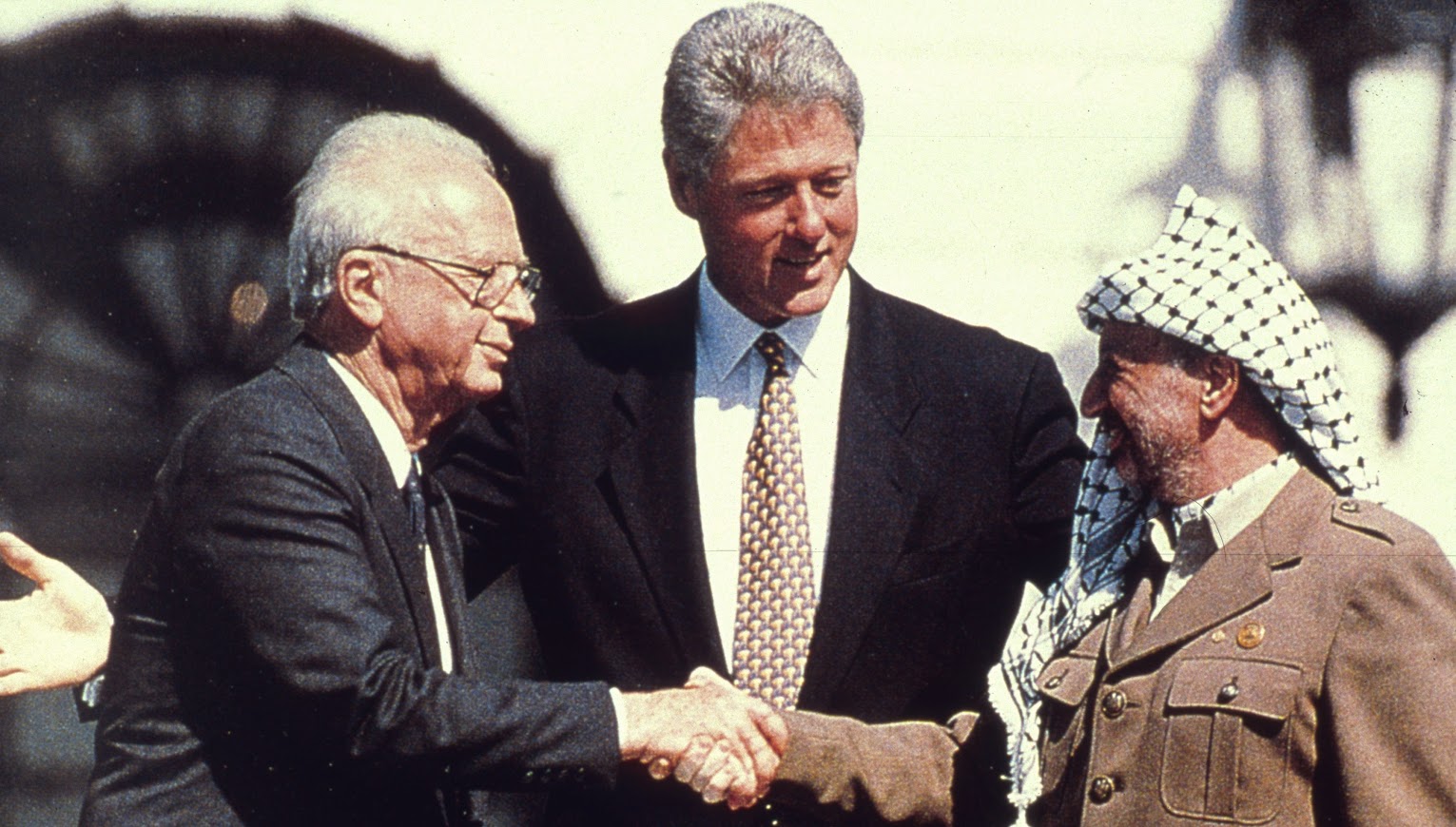
Thirty years on since its historic signing, the Oslo Accords framework continues to define virtually all aspects of Israeli-Palestinian relations as well as America’s and the broader international community’s approach to the peace process. Yet Oslo’s extraordinary longevity stands not as a testament to its utility but to its unmitigated and ongoing failure.
The oncoming Saudi-Israeli normalization: Obstacles, opportunities, and the US role
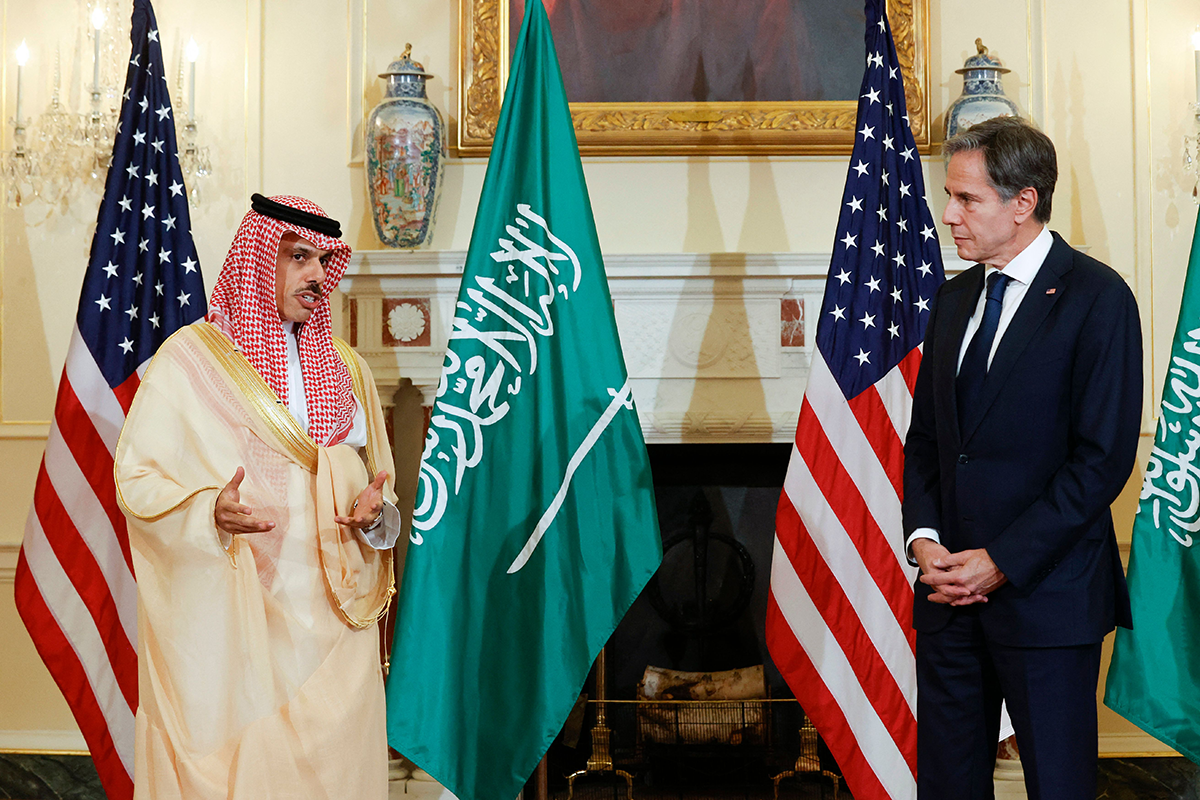
The normalization of relations between Saudi Arabia and Israel is looking increasingly likely, even if it does not take place in the immediate future. For Israel, normalizing relations with as many Arab states as possible — especially if it does not have to give up much in exchange — has always been a strategic goal. For the new Saudi Arabia, those ambitious goals strongly suggest opening up to the Israeli economy.