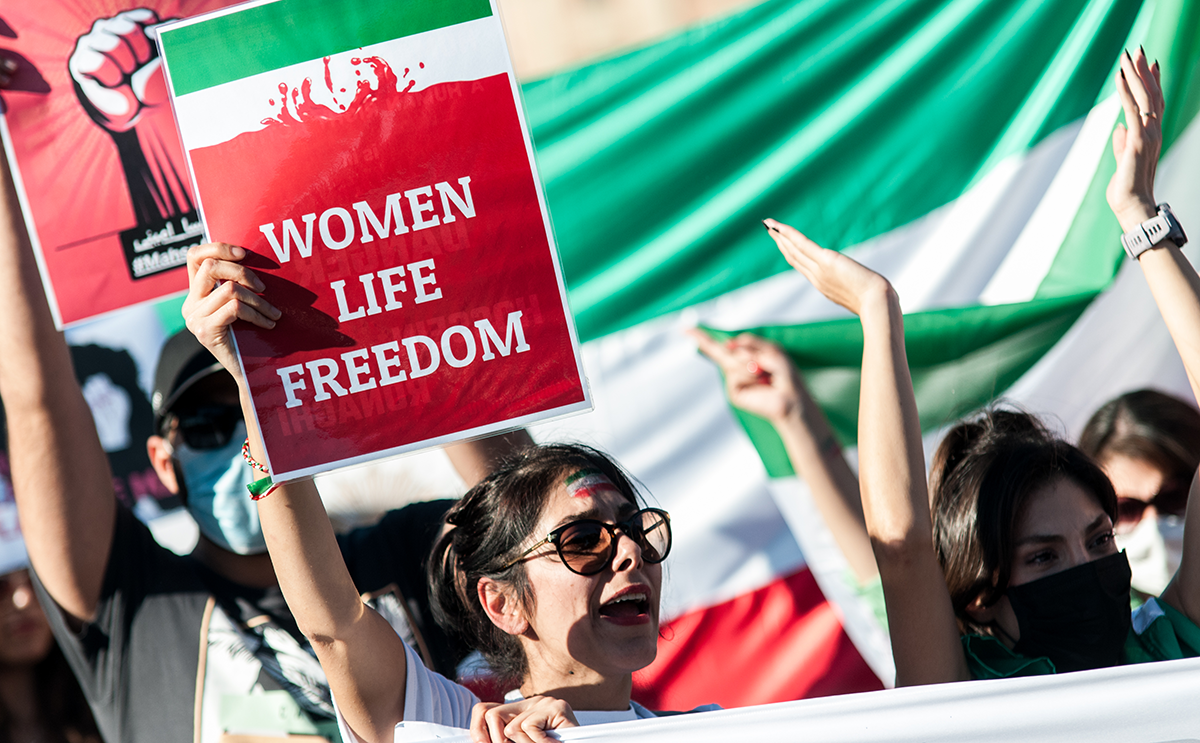
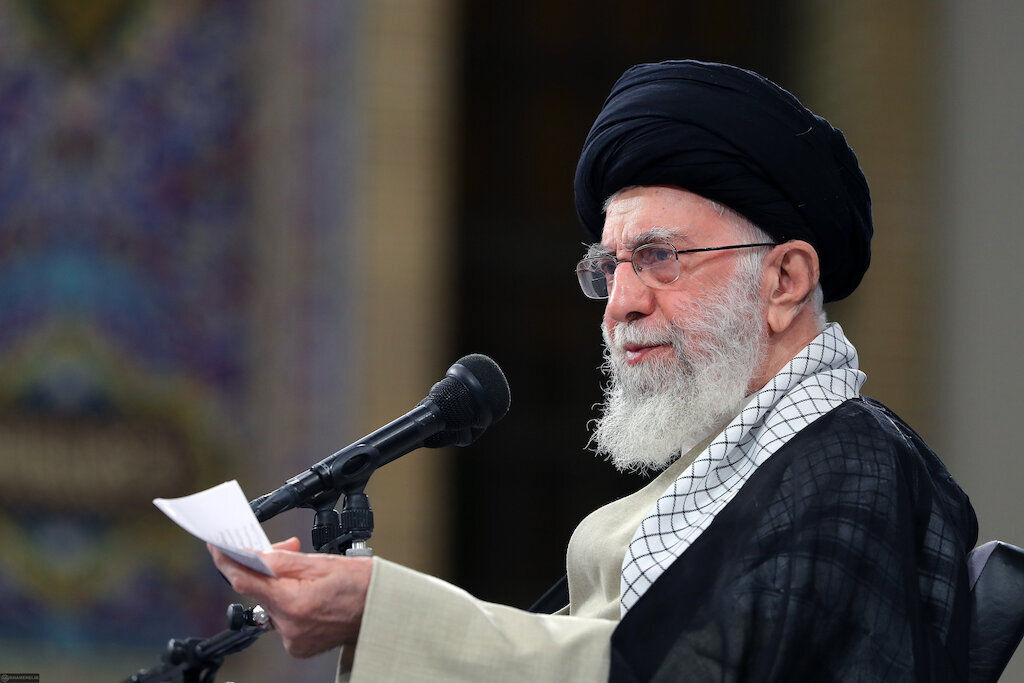
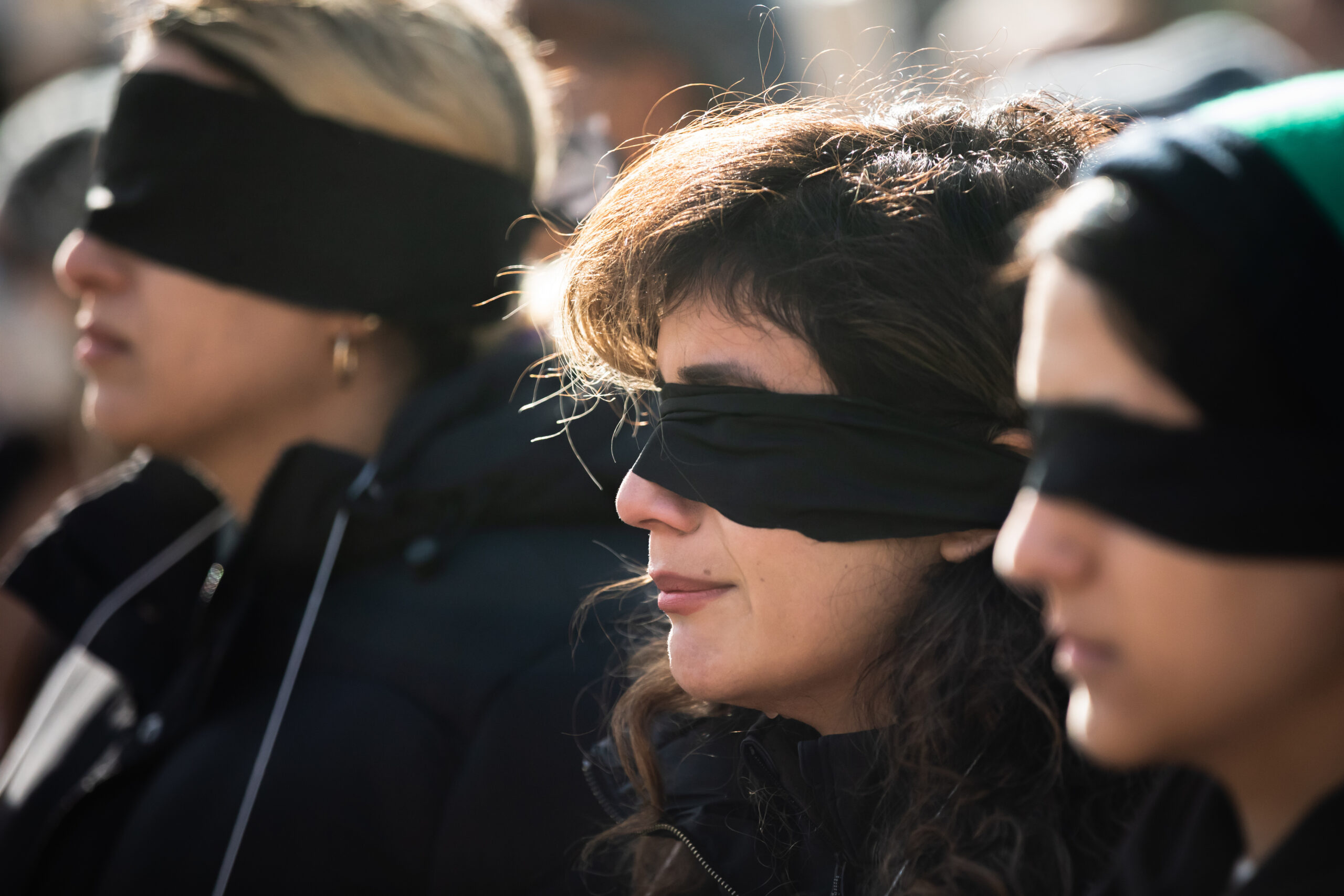
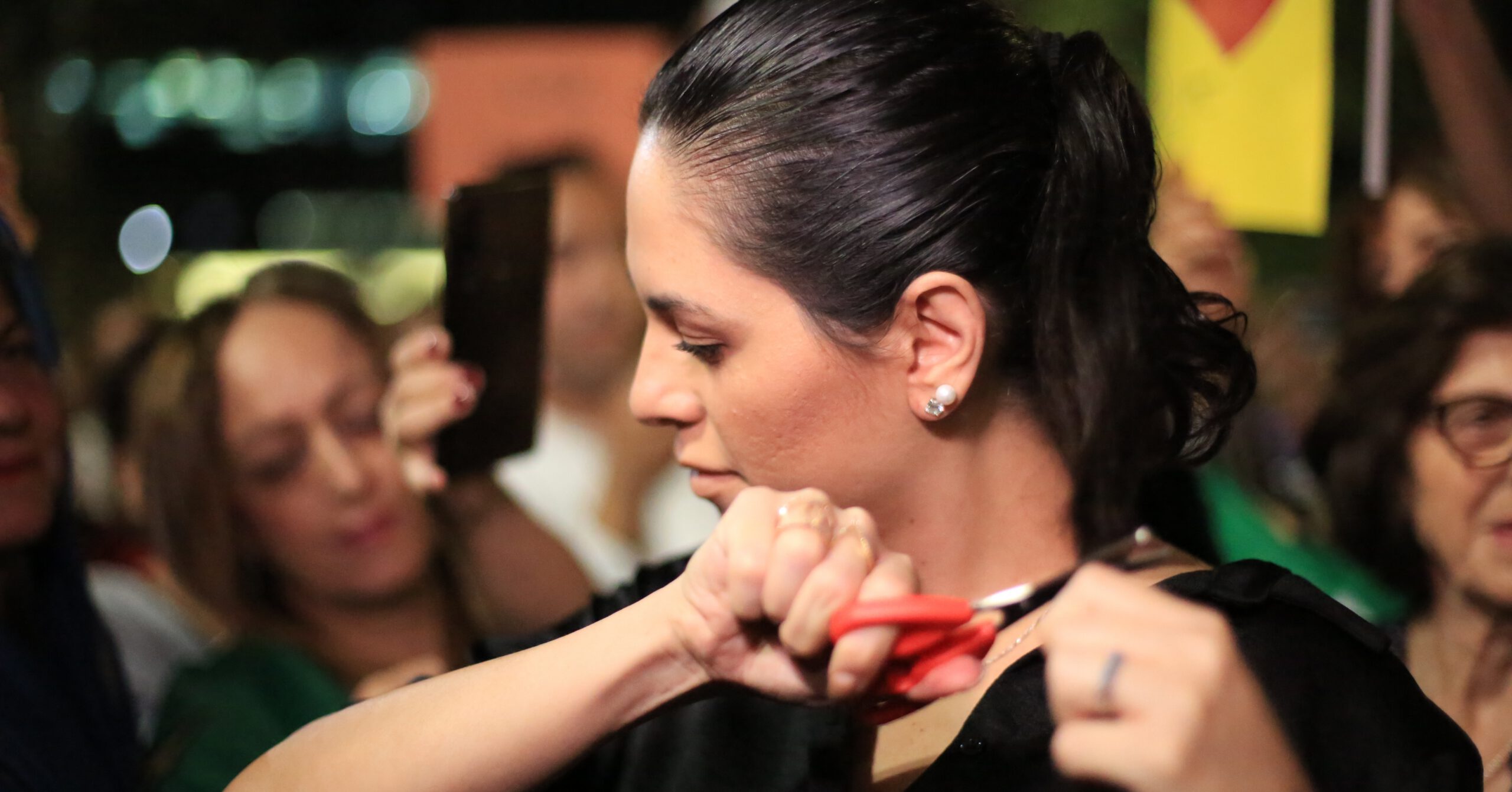
Now entering their fourth month of defiance, the people of Iran continue to protest the regime of Ali Khamenei. Since protests began in September, the crackdown by security forces has become increasingly severe and the government has now begun executing protesters. According to figures from the Human Rights Activists News Agency, as of Dec. 15, nearly 500 protesters have been killed and almost 20,000 people have been arrested.
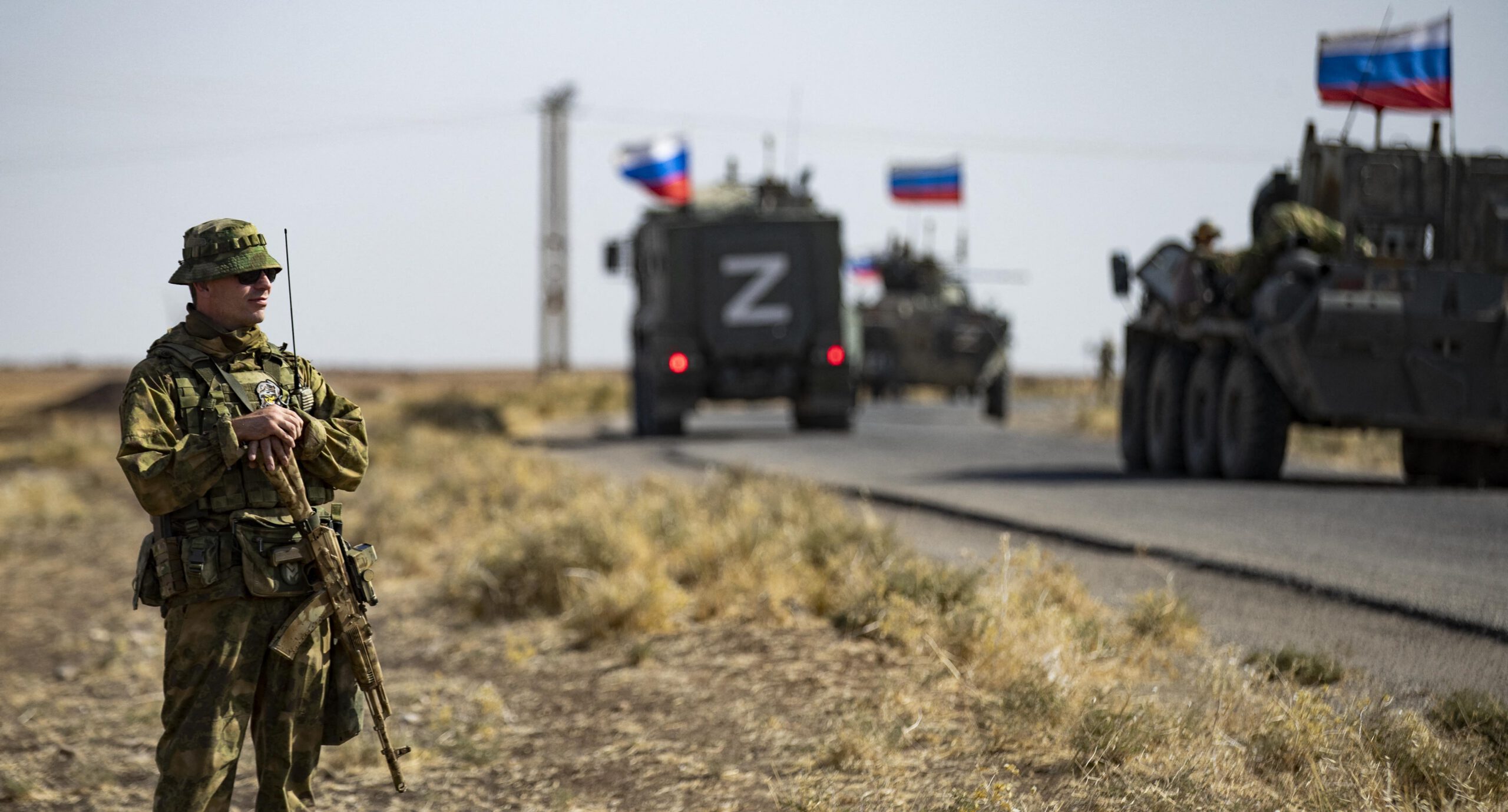
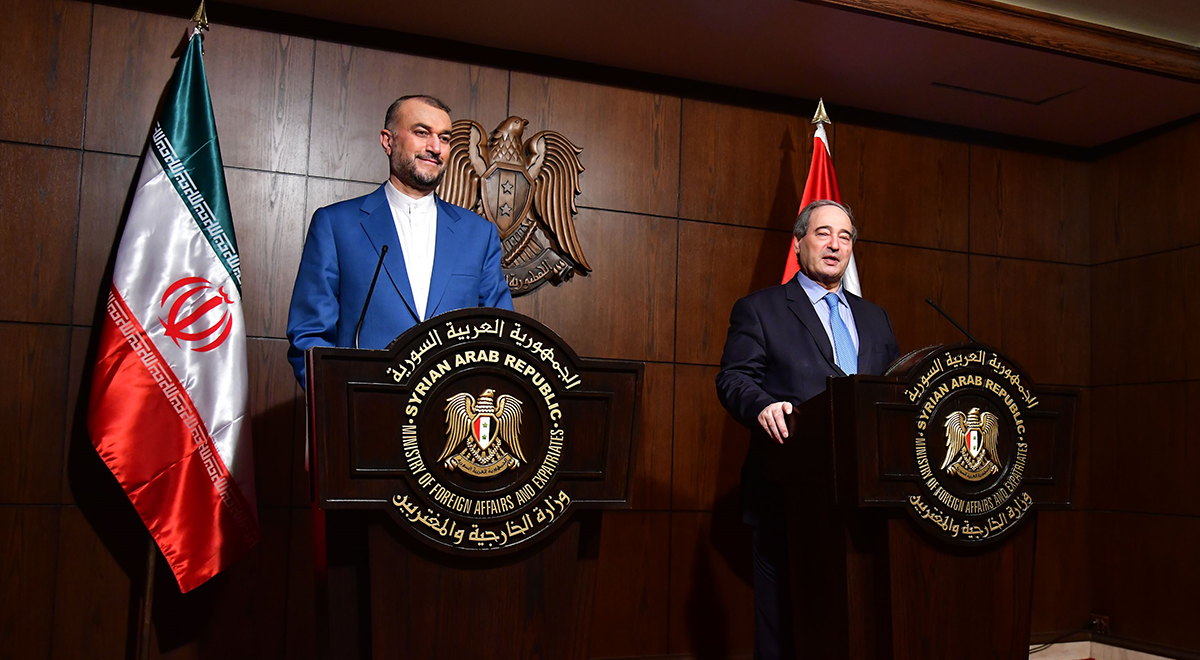
Keeping up appearances: The Ukraine war’s effect on Russian deployments in Syria
As Russia’s 2022 invasion of Ukraine turned into protracted positional and attrition warfare, often speculative reports emerged about the imminent reduction of the Russian military presence in Syria. Several factors may explain the changes in the Russian military presence in Syria and its future.
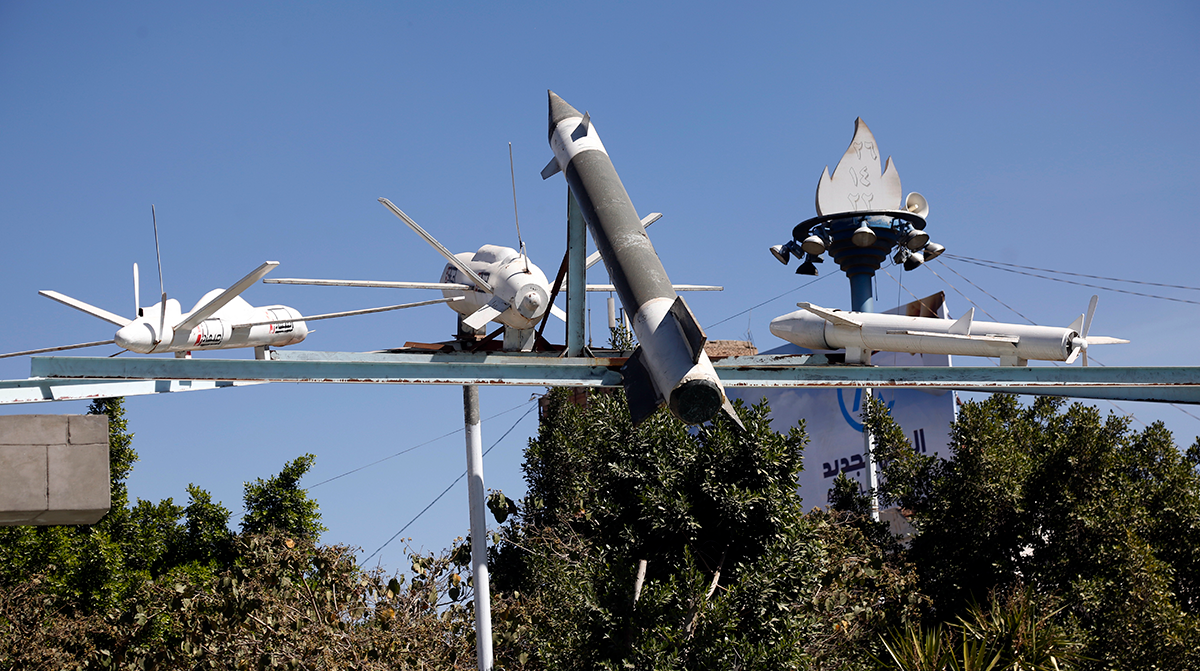
On Nov. 21, the Iranian-backed Houthi militia launched a drone attack against the Dhabba Oil Terminal in Yemen’s Hadramawt Governorate. The threat of further attacks on oil ports and military targets remains high as the militant group tests the tolerance and response of Yemen’s government and the international community while increasing its demands.
How international women’s organizations are supporting Iran’s protest movement
Over the past three months, there has been a massive outpouring of support around the world for the people of Iran, and especially Iranian women, amid the ongoing nationwide protests. International women’s organizations have played a central role in this effort, backing the protests, condemning the harsh government crackdown and Iran’s discriminatory laws, and pushing for the expansion of rights for women and all Iranians. Here are four things women and women’s organizations around the world have been doing to help.
Iranians need more than condemnation in Geneva; they want recognition of their right to democracy
As the U.N. Human Rights Council convenes in Geneva this week, it may be tempting to just focus on the rights of women and girls and make demands of the regime that Tehran will inevitably ignore. But instead, the HRC members should focus on how the international community can give the protesters a much-needed psychological and political boost.
Syria’s Failings Should Guide Misdirected Iran Policy
If the West is committed to not repeat the mistakes of the past, it can forge a third way that honors the protestors and rejects the tyrants in Tehran.
Tehran lashes out at Israelis’ support for Iranian protest movement
The Iranian regime is pointing the finger at Israel and the U.S. for allegedly orchestrating the nationwide protests. But while the U.S. and Israel both might have an interest in shaping and aiding the protest movement once it began, this large-scale mobilization of the Iranian public is a result of the regime’s own policies.
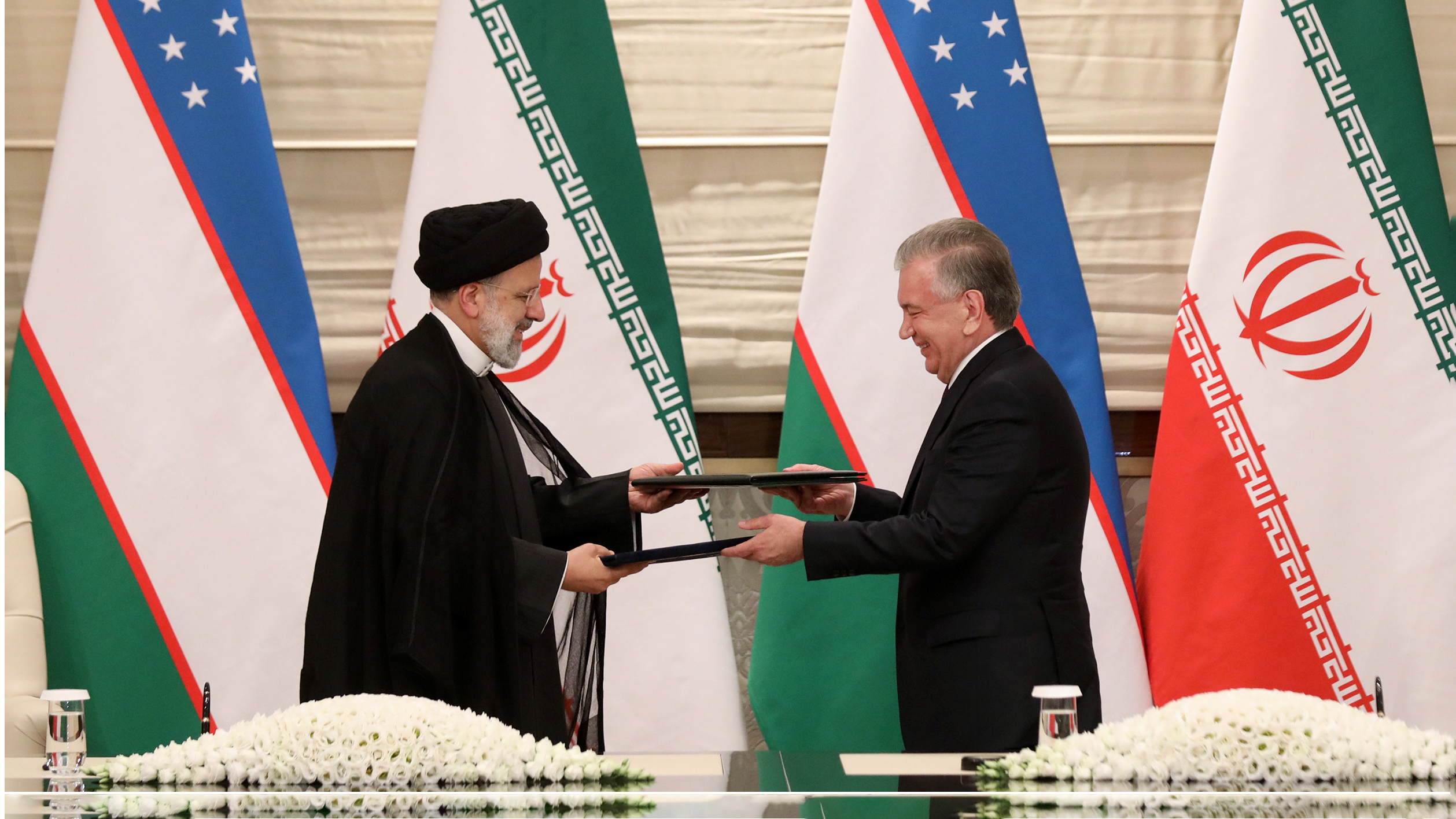
The SCO Summit in Samarkand: Reviving Iran and Uzbekistan relations on an oil and transit axis
The 22nd Shanghai Cooperation Organization (SCO) summit in the Uzbekistani city of Samarkand this past September turned out to be a boon for Iran’s regional policy. Not only was the Islamic Republic extended a roadmap to join the grouping, but the meeting also offered a convenient opportunity to revive and strengthen ties with Uzbekistan.