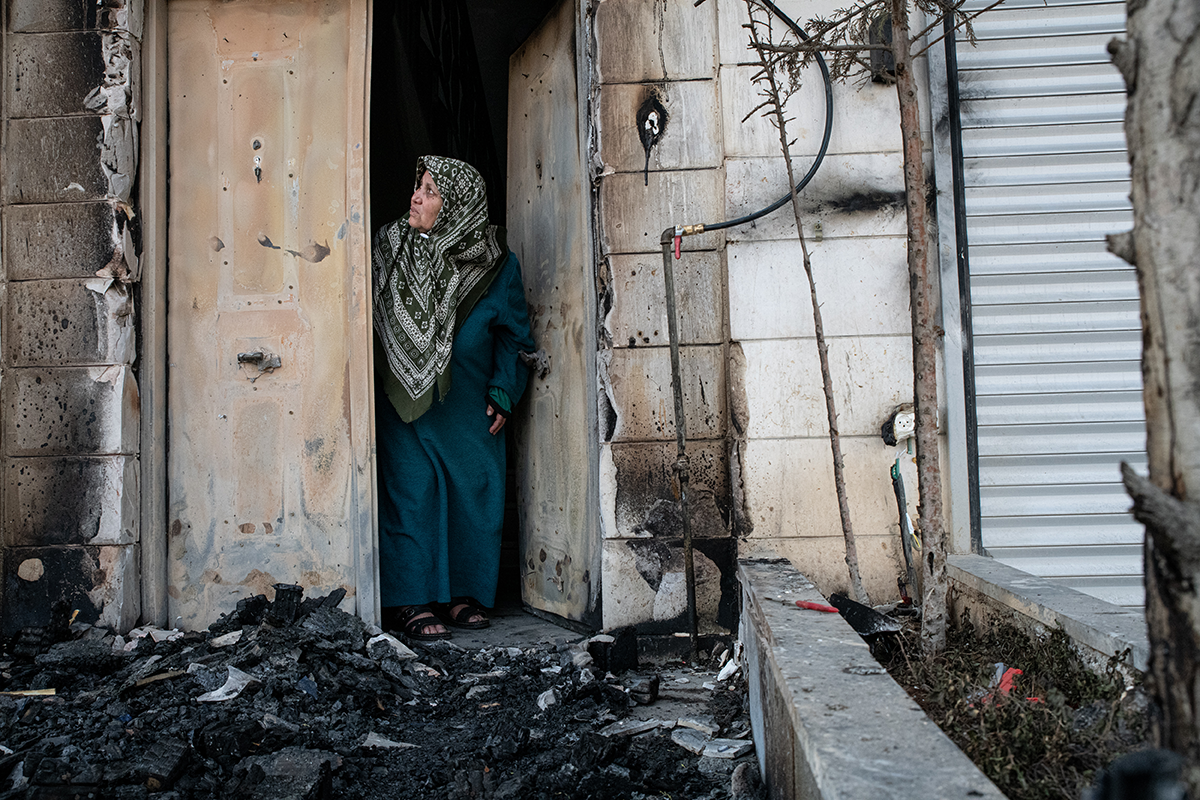
The judicial “reform” will make things worse, but Israel’s Supreme Court has long failed Palestinian citizens
Over the past several months, the eyes of the world have been on the massive demonstrations in Israel against the Netanyahu government’s proposed judicial “reform.” Even though Palestinian citizens of Israel are likely to be the group most affected by the proposed changes, they have been notable for their absence, for the most part, from the protests. While Jewish citizens are worried about what the proposed changes might mean for Israel’s judiciary and the future of its democracy, the Supreme Court and the legal system more broadly have long failed to protect the rights of the country’s Palestinian citizens.
The long Ukraine war: It’s time to transition to a more rational military assistance paradigm
Ukraine’s partners, led by the United States and spread over the globe, have increasingly responded to Russia’s full-scale invasion of February 2022 with a dizzying array of financial, humanitarian, and military assistance. Unfortunately, the way in which the U.S. and Ukraine’s other partners have provided military assistance over the last year — that is, by delivering a wide range of equipment, ammunition, and training — significantly undermines the longer-term objective of developing a sustainable system via which Ukraine can generate combat power in the coming years to overcome Russian aggression.
The Israeli protests: What’s happened and what’s likely to come
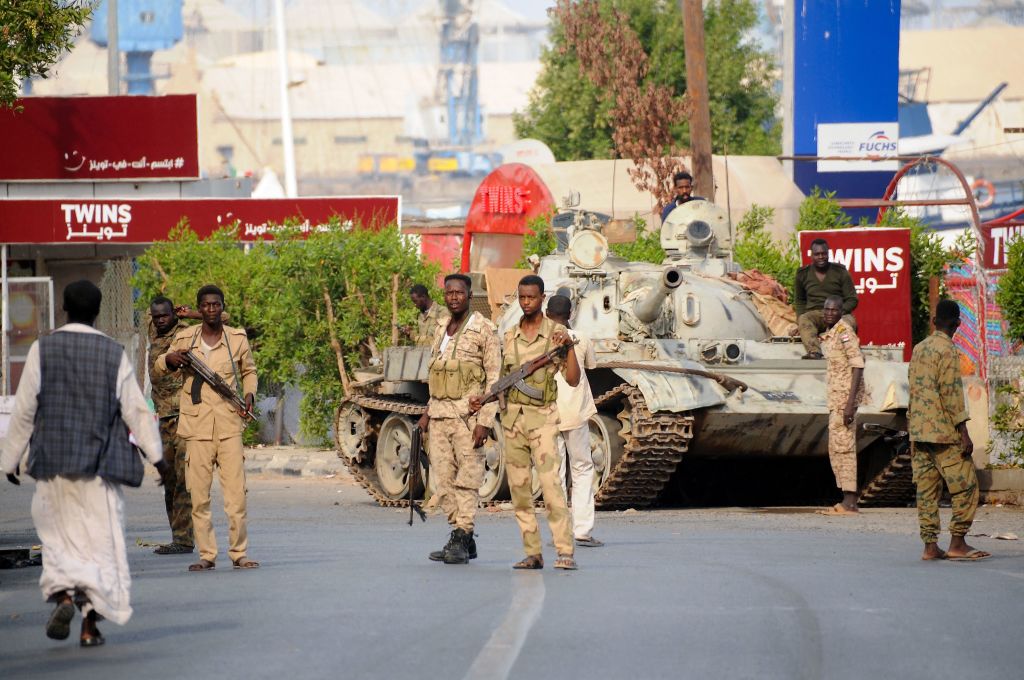
Monday, March 27 was supposed to be a red-letter day for the new far-right Israeli coalition government, when it planned to slide through the Knesset the central provision of its “judicial overhaul” bill, comfortably ahead of the Passover recess beginning on April 2. Instead, it ended up being one of the most extraordinary days in Israeli history. Spurred by the “firing” of Defense Minister Yoav Gallant by Prime Minister Benjamin Netanyahu the evening before, the demonstrations against the overhaul, which had been building in intensity for over two months, became overwhelming.
Israel and Azerbaijan: Trusted friends and reliable partners
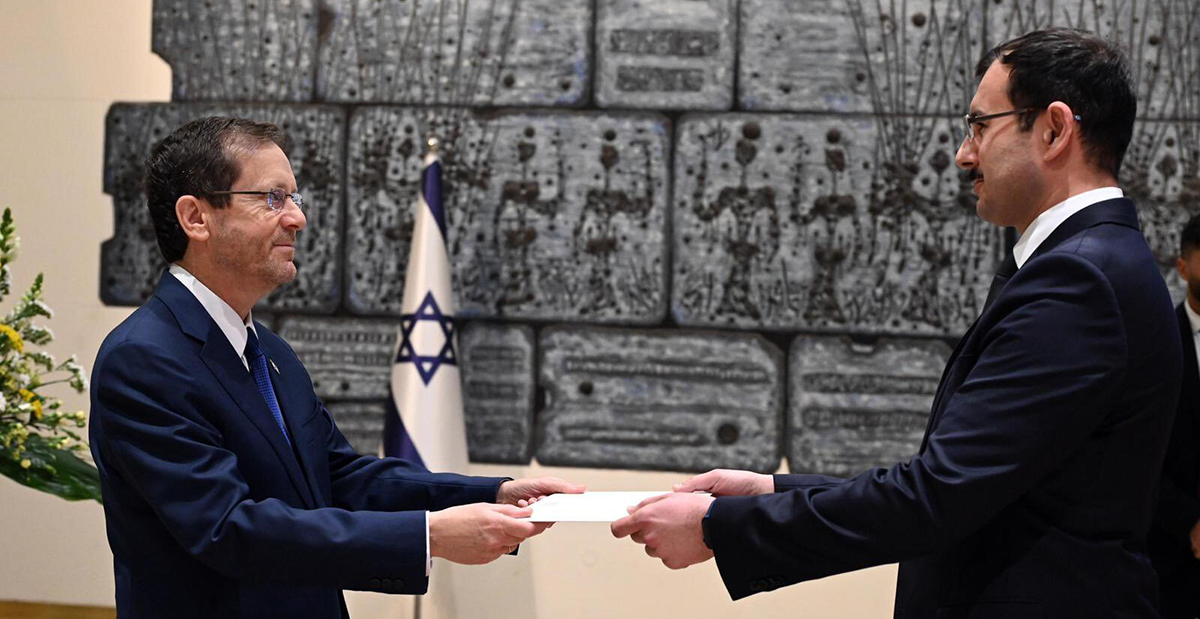
Israeli-Azerbaijani relations are based on two main pillars: patient and cordial political relations as well as defense cooperation and arms sales. While the former reached a more intensive level this year, with the opening of an Azerbaijani embassy in Tel Aviv in late March, the latter pillar of the relationship was well developed long before, as Israel became Azerbaijan’s largest weapons supplier.
Assessing US Assistance to the Lebanese Armed Forces
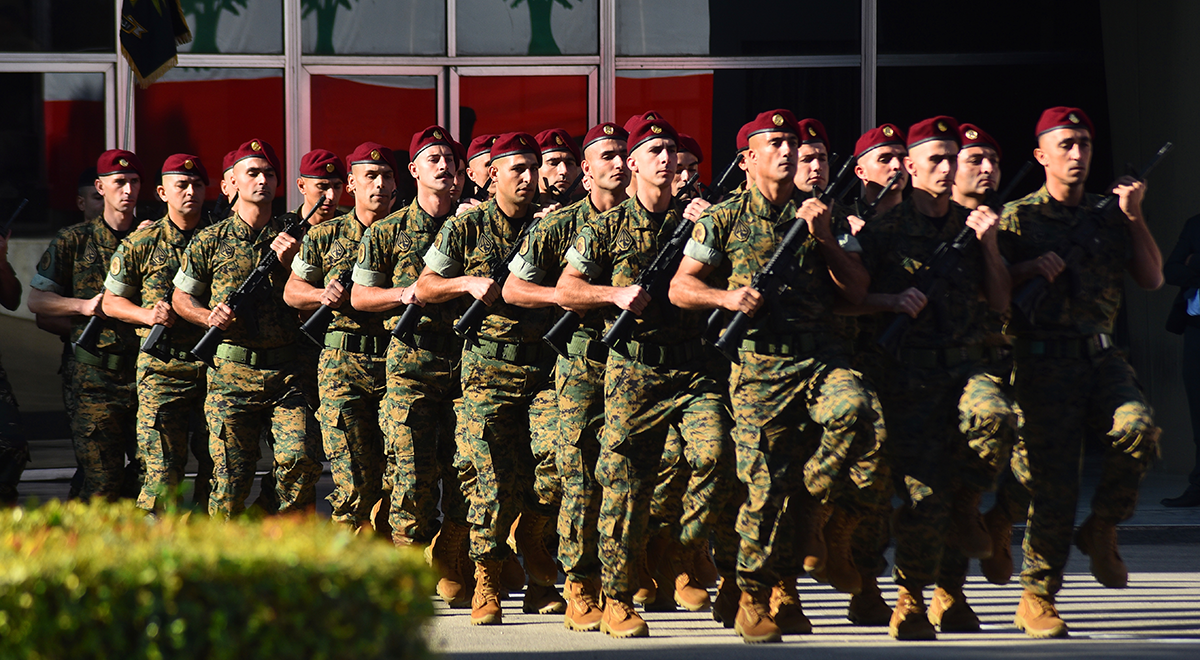
In January 2023, the United States began to reroute $72 million of assistance to Lebanon to support the salaries of Lebanese soldiers and police officers, most of whom could barely make ends meet due to the disastrous economic situation in the country. It took Washington more than two years to make that decision, partly because US laws regarding this type of aid were slightly unclear. But more importantly, the voices inside and outside the US government who argued against further support to the Lebanese Armed Forces (LAF), let alone direct cash assistance, succeeded in delaying the process. This was yet another example of how, despite continued US commitment to the LAF through successive administrations, the US military assistance program remains vulnerable to US domestic politics.https://apnews.com/article/politics-united-states-government-lebanon-bu…
Arab women break boundaries and stereotypes in Middle Eastern militaries
As Women’s History Month in the U.S. draws to a close, women in the armed forces of several Middle Eastern countries continue to achieve historic milestones, with many now serving as pilots, engineers, peacekeepers, and in special forces units. The role of women is steadily increasing as the result of new initiatives, policies, and gradually changing mindsets in the Middle East.
If the US wants to make its mark on the future of Israeli democracy, it’s time it moved from words to deeds
As Israel’s hardline coalition government is ramming through legislation that would radically alter the country’s political character and system of government, alarm bells are finally ringing in Washington. Even President Joe Biden has finally picked up the phone and expressed his concern to Prime Minister Benjamin Netanyahu about his anti-democratic agenda. The growing American apprehension, however, has yet to be translated into meaningful policy action.
Paris failed. Washington must lead in breaking the mafia-militia’s chokehold on Lebanon
In response to Lebanon’s seemingly imminent transition into a failed state, this article introduces a new framework to explain the country’s protracted crisis. In turn, we unpack what the past four years of international responses to Lebanon got wrong and make the case for a new assertive approach for Washington to take — one that empowers local stakeholders working to recapture the state and reform the country’s political economy.
Surge in West Bank violence further undercuts Abbas’s precarious leadership
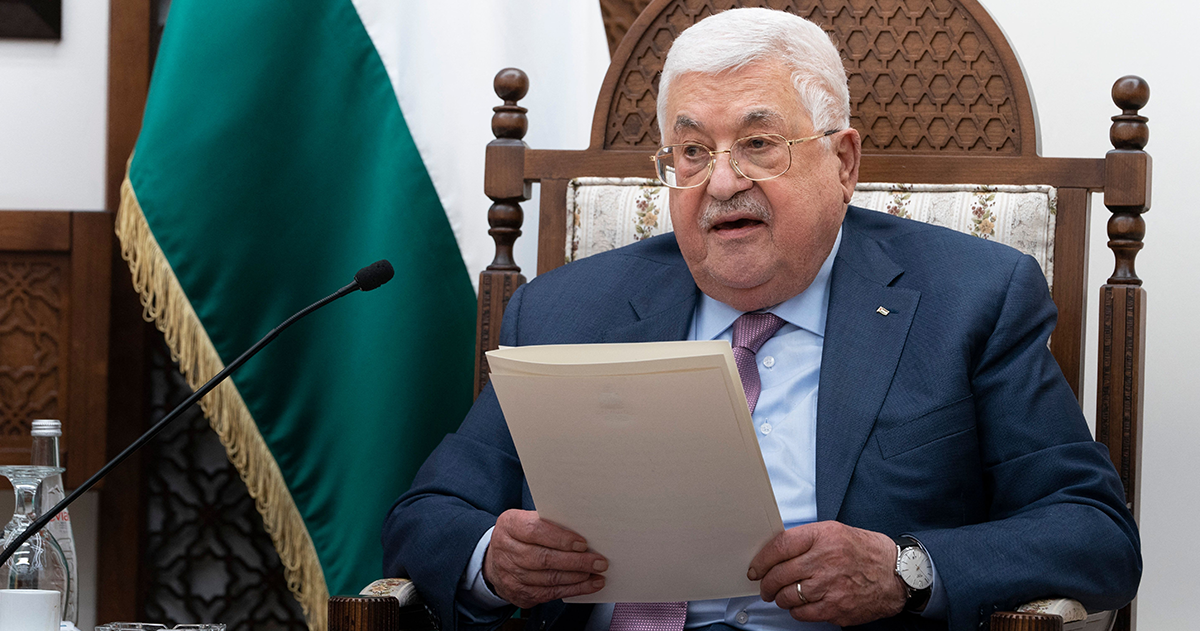
In addition to the terrible human and material toll, among the many casualties of the ongoing Israeli offensive in the West Bank is Palestinian Authority (PA) President Mahmoud Abbas’s leadership. Without outside intervention, Israel’s violent military crackdown is likely to fuel more violence while further undercutting Abbas’s already embattled leadership and whatever may be left of the PA’s domestic credibility.
MEI’s US-Lebanon Fellow Fadi Nicholas Nassar speaks to Beirut-based international finance professional Mike Azar (@AzarsTweets) on Lebanon’s financial crisis. What is the state of Lebanon’s banking system, and how did it become so dysfunctional? What does Azar recommend to get Lebanon’s economy back on track, and can the Lira be saved?
Aqaba agreement overshadowed by spiking violence in the West Bank
It was described as a “significant breakthrough” by a Jordanian official, while Jordan’s Foreign Minister Ayman Safadi said the agreement would ‘’de-escalate violence” if implemented, but just as the details of the one-day security meeting in Aqaba, on Feb. 26, were being announced, it became apparent once more that a rare attempt to bring Israeli and Palestinian officials together, in a bid to contain a spike in violence that was quickly getting out of control, was ill-fated.