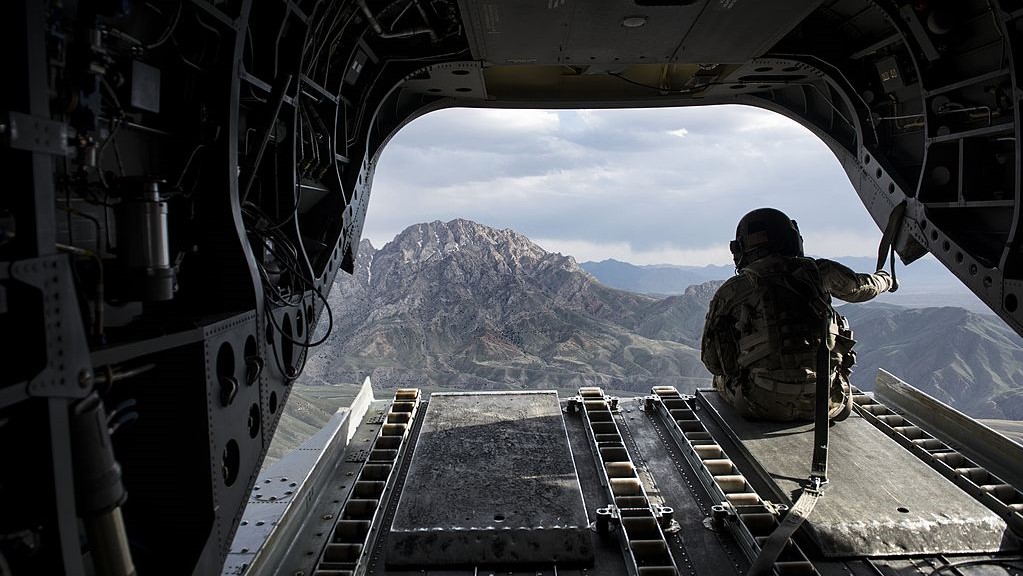
Confusion writ large: US troop withdrawal from Afghanistan
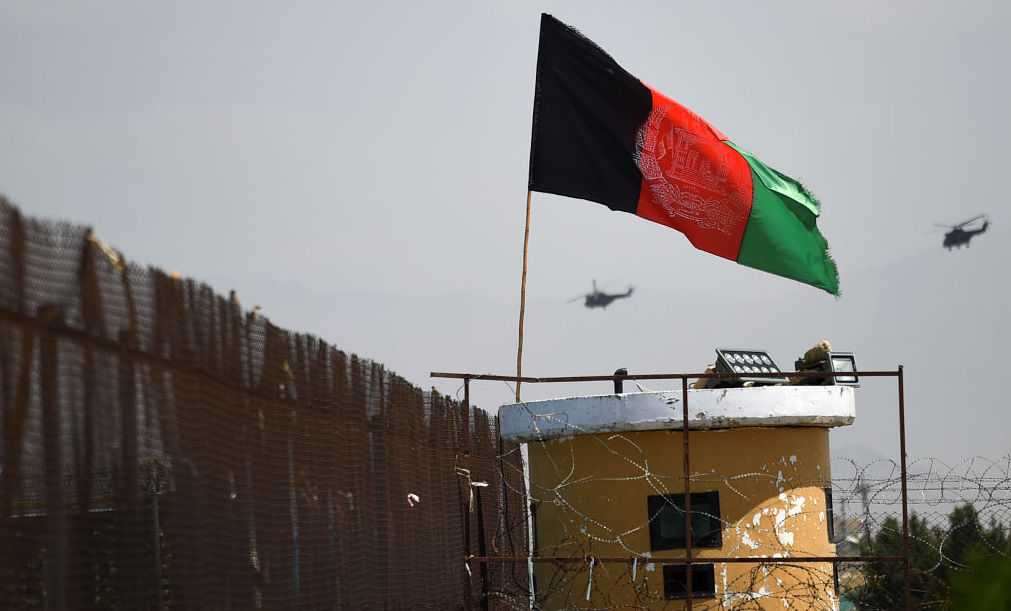
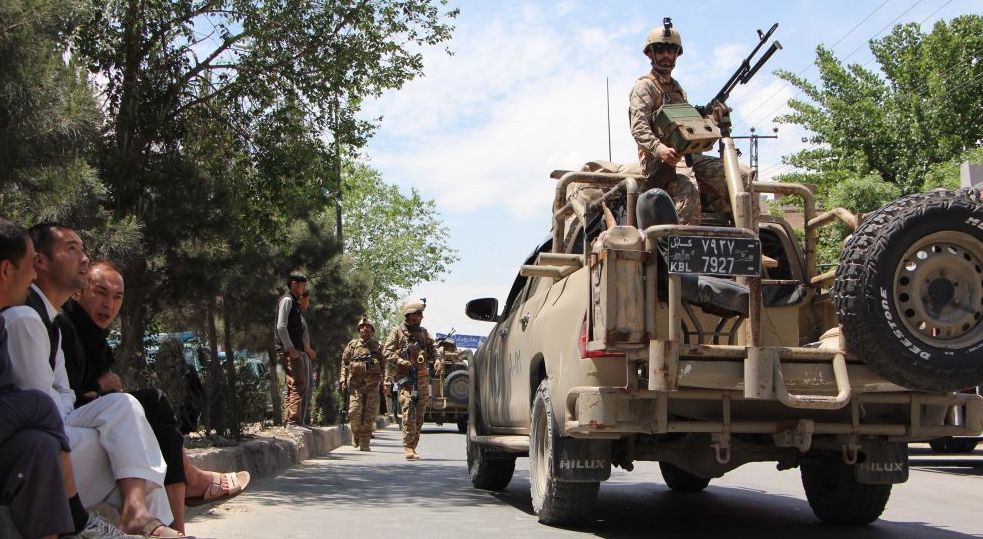
The uncertainty about the withdrawal timetable has sowed confusion among U.S. partners in Afghanistan and prompted the Taliban to accuse the U.S. of not living up to the terms of their agreement.
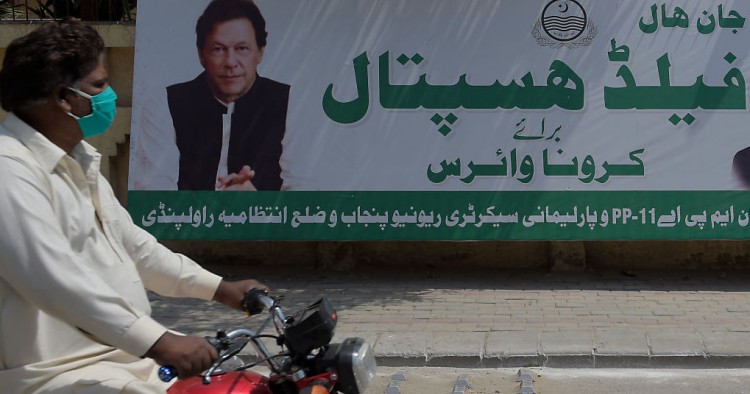
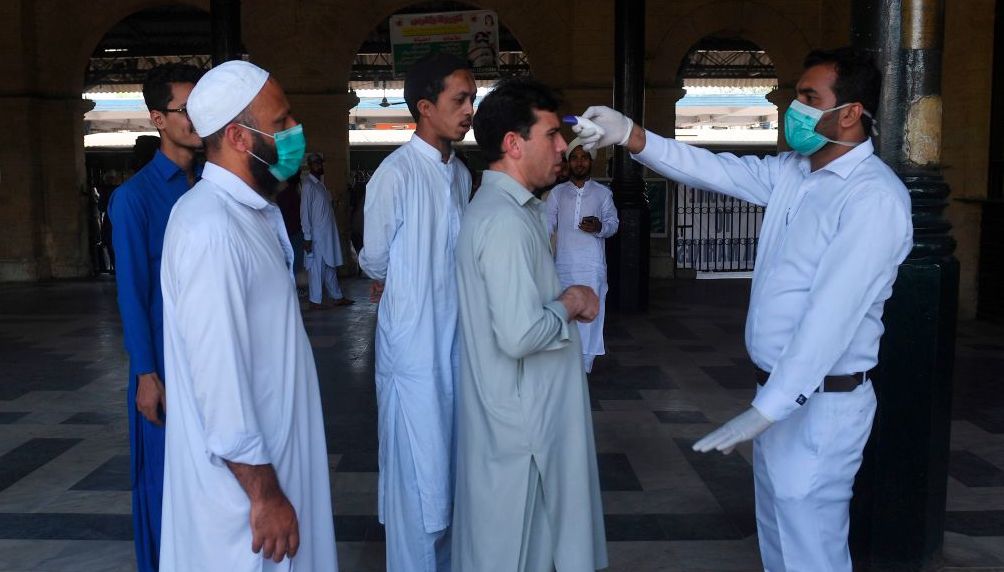
Mainly at issue for the country is the difficult choice of whether to prioritize saving lives or saving the economy for a Pakistan that can ill afford to ignore either.
Intra-Afghan talks inch closer, but their launch is only the beginning
Frantic efforts are being made to clear the way for intra-Afghan talks, the logical next step forward in the implementation of the February U.S.-Taliban deal.
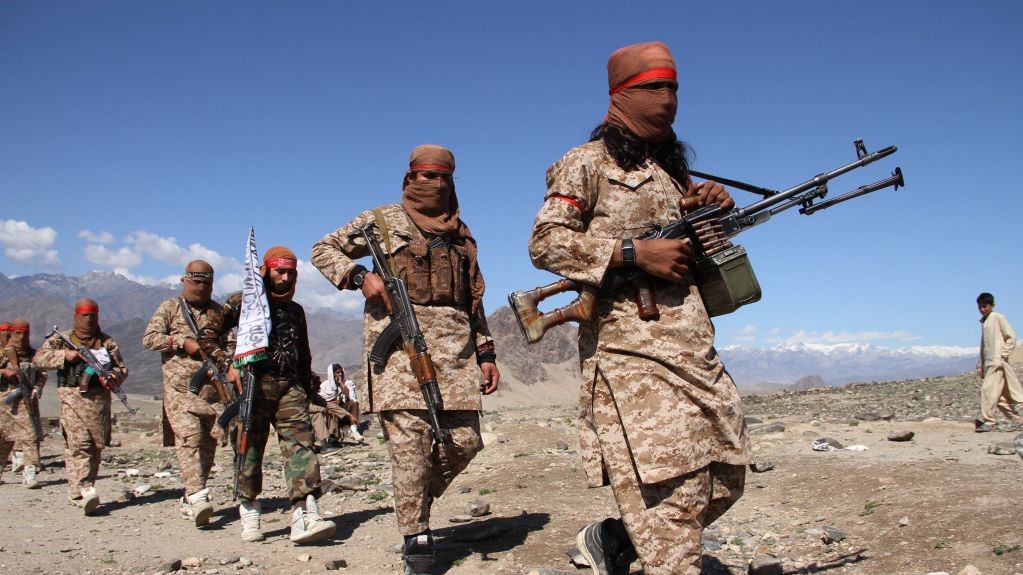
The Taliban’s military and diplomatic strategies are intended to work in tandem, one leveraging the other. Each has as its ultimate goal the Taliban’s recovery of an emirate lost in 2001.
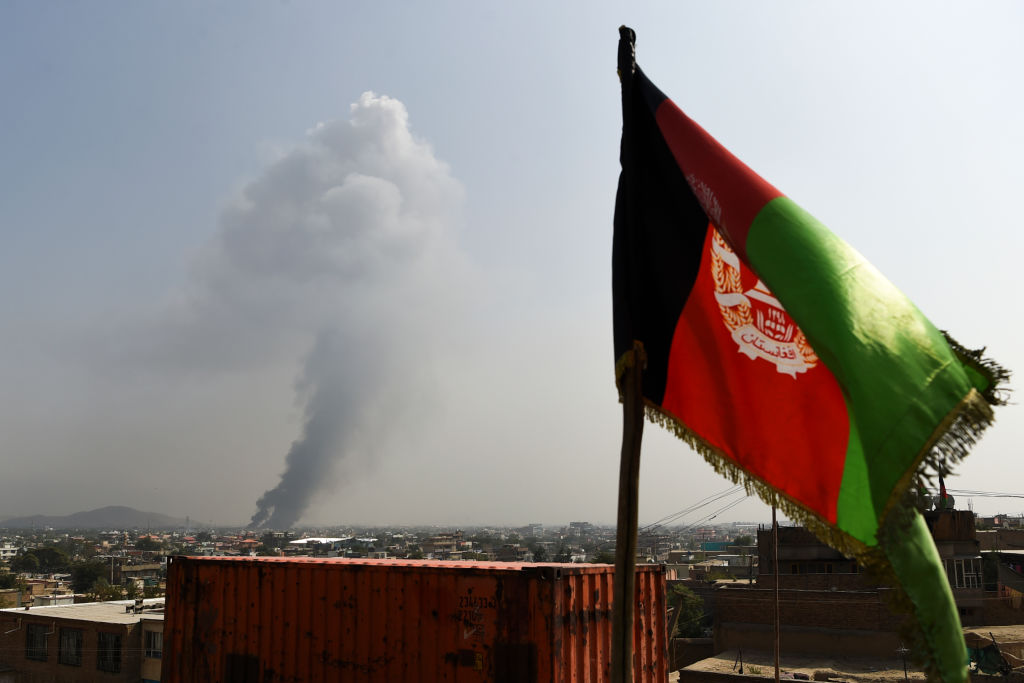
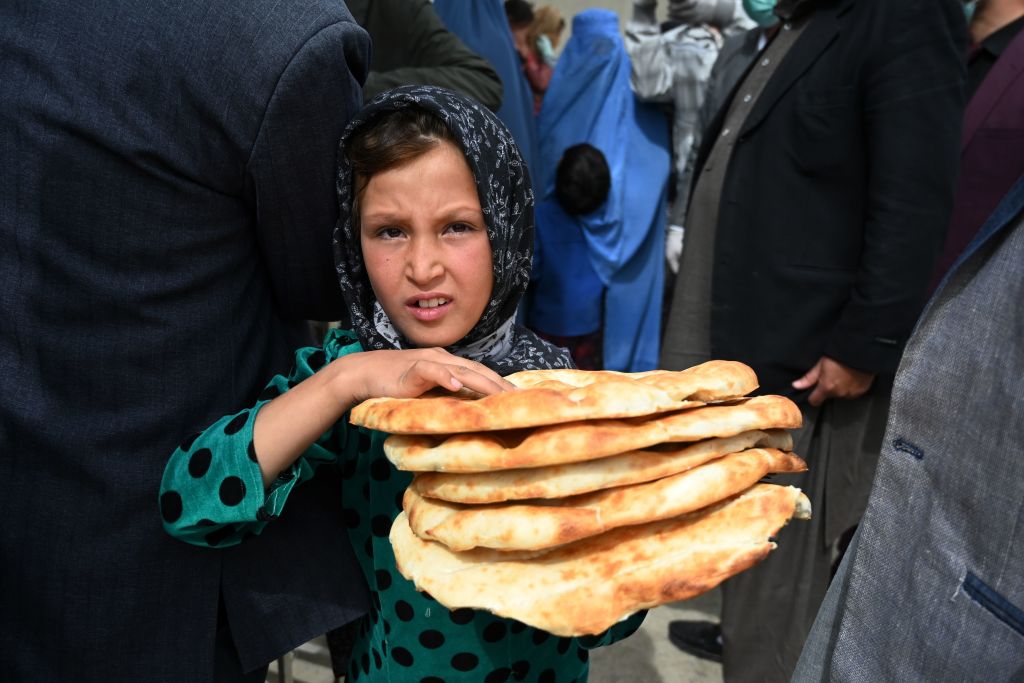
The spread of the virus, unease about a cease-fire, peace talks, and the American withdrawal leave the Afghan people gripped with a heightened sense of uncertainty.
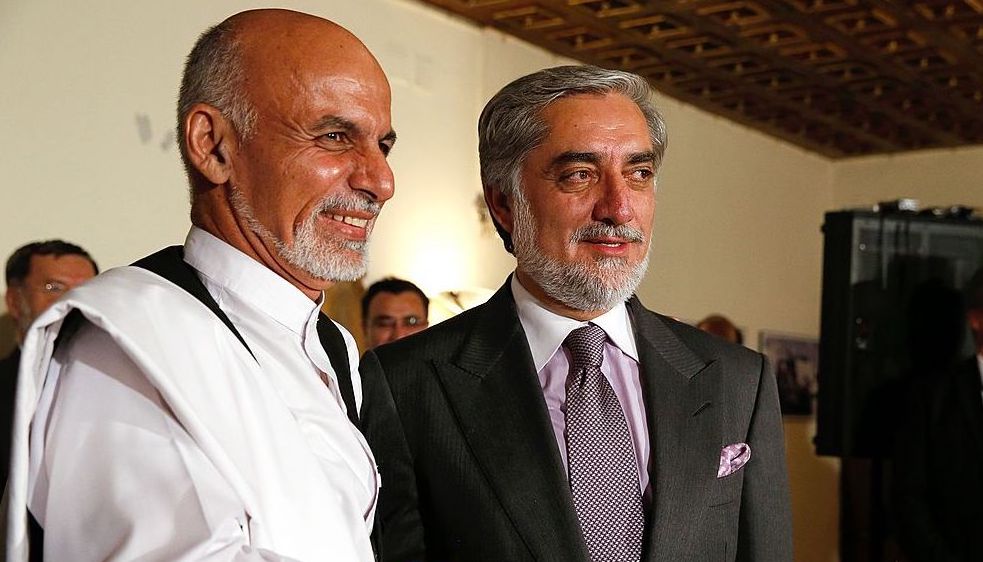
Rival Afghan leaders strike a power-sharing deal, but there are plenty of other obstacles on the road to peace
There was no other way to end the political logjam in conflict-ridden Afghanistan than to make current President Ashraf Ghani and the outgoing Chief Executive Abdullah Abdullah agree to share power. The deal announced on May 17 has been widely welcomed by the international community because the political tensions between the two rivals were viewed as one of the major hurdles to the advancement of an intra-Afghan reconciliation process. The political jockeying in Kabul is far from the only impediment to reconciliation though and there are deeper obstacles to the peace process.
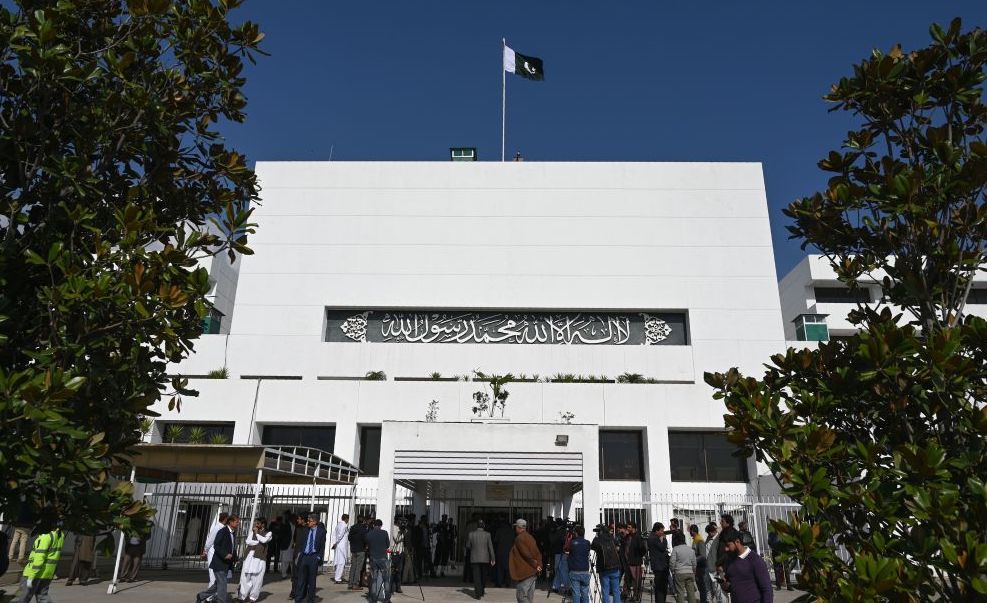
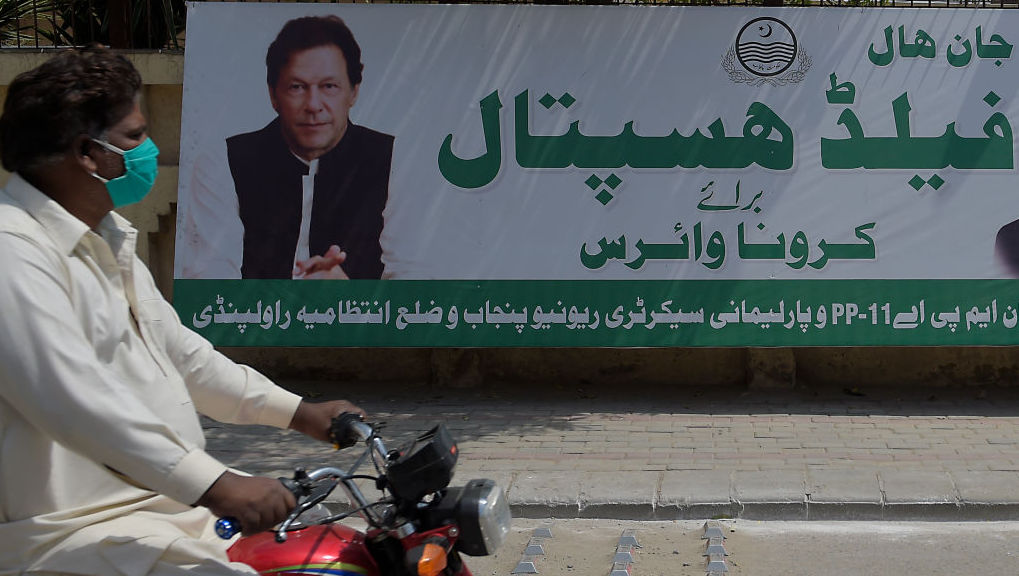
Pakistan’s coronavirus controversies fall along familiar fault lines
Rather than being visibly engaged, the military seems content with having the civilian authorities carry the responsibility for dealing with the crisis.
Vanda Felbab-Brown, Michael Kugelman, and Marvin Weinbaum join host Alistair Taylor to discuss the recent US-Taliban agreement in Afghanistan, the political power struggle over the presidency, the challenges facing the intra-Afghan dialogue, and the effects of coronavirus.