Beyond Post-Desert Storm: How to Elevate the US-Kuwait Security Partnership
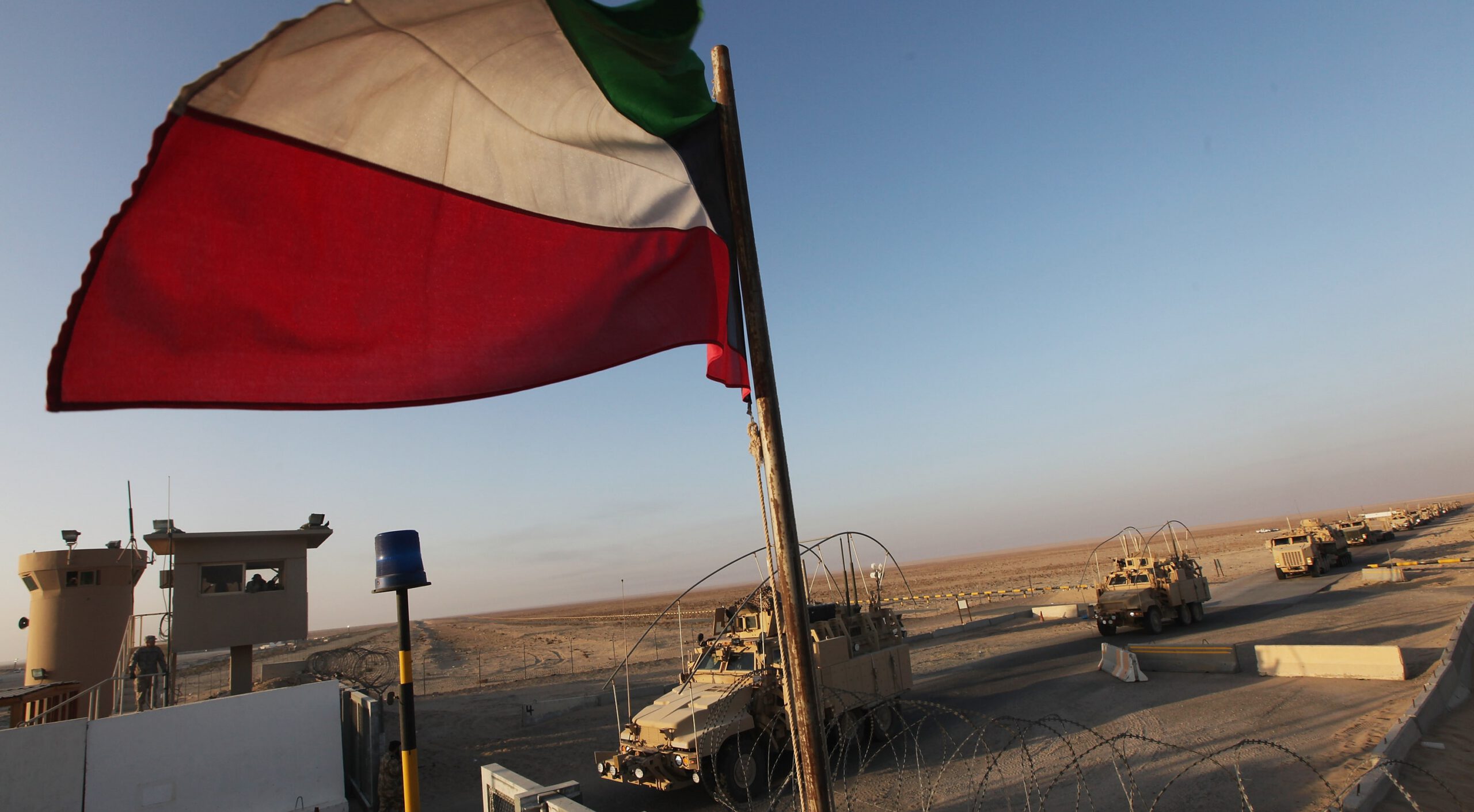
Kuwait plays a larger role than is often assumed in America’s present and future military plans in the Middle East. But as Washington prioritizes the Indo-Pacific, it is critical that the security arrangement between the United States and Kuwait is thoughtfully reconfigured.
From Tiger Forces to the 16th Brigade: Russia’s evolving Syrian proxies
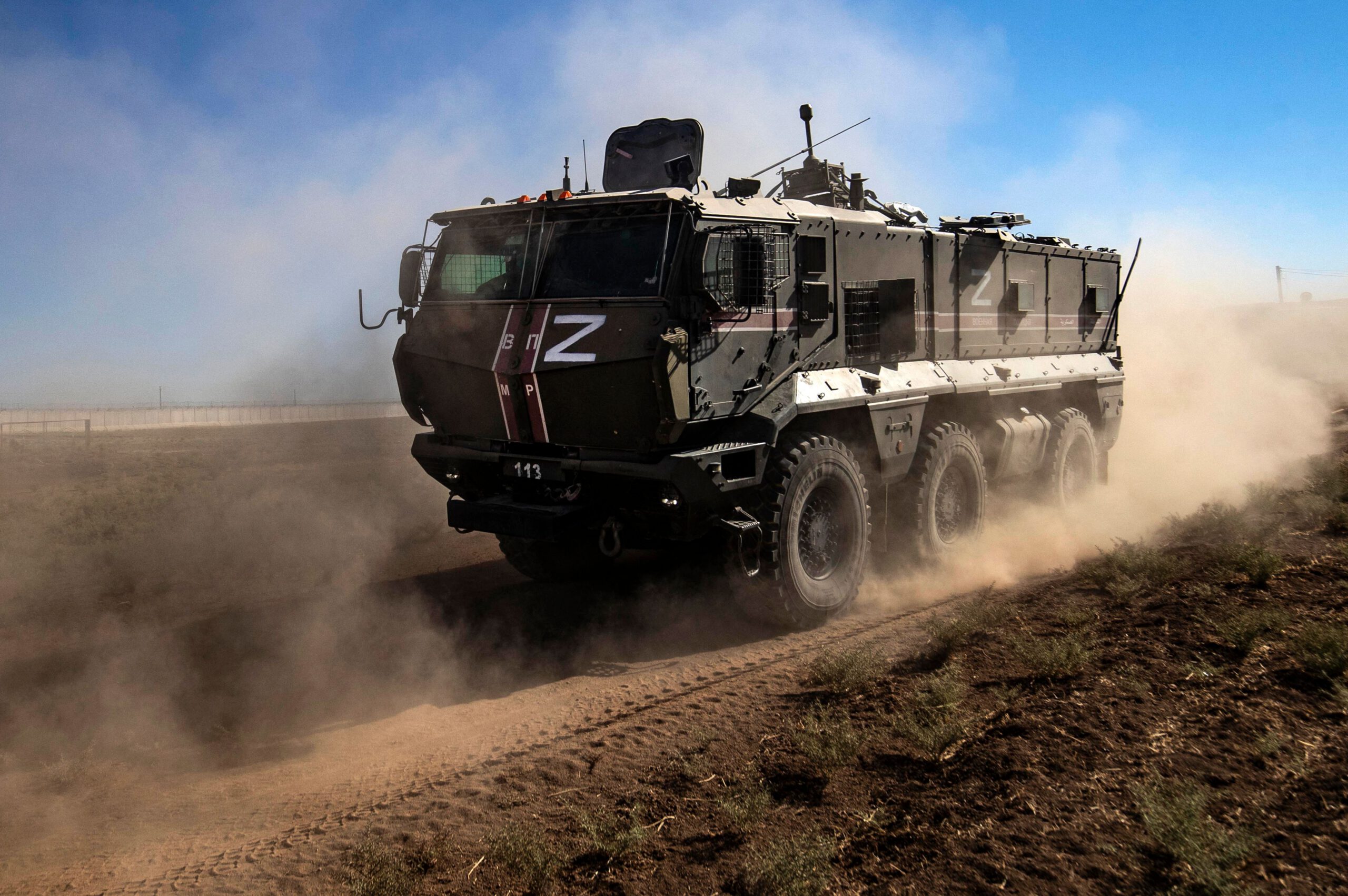
Russia’s 2022 invasion of Ukraine renewed focus on Moscow’s earlier military intervention in Syria, which often became framed as a “testing ground” for the weapons and tactics it now employs against Ukrainian cities. But crucially, the Russian forces backing Assad’s embattled regime also understood the importance of rebuilding the broken Syrian security forces into more effective fighting units.
The causes and consequences of Israel’s latest attack against Islamic Jihad in Gaza
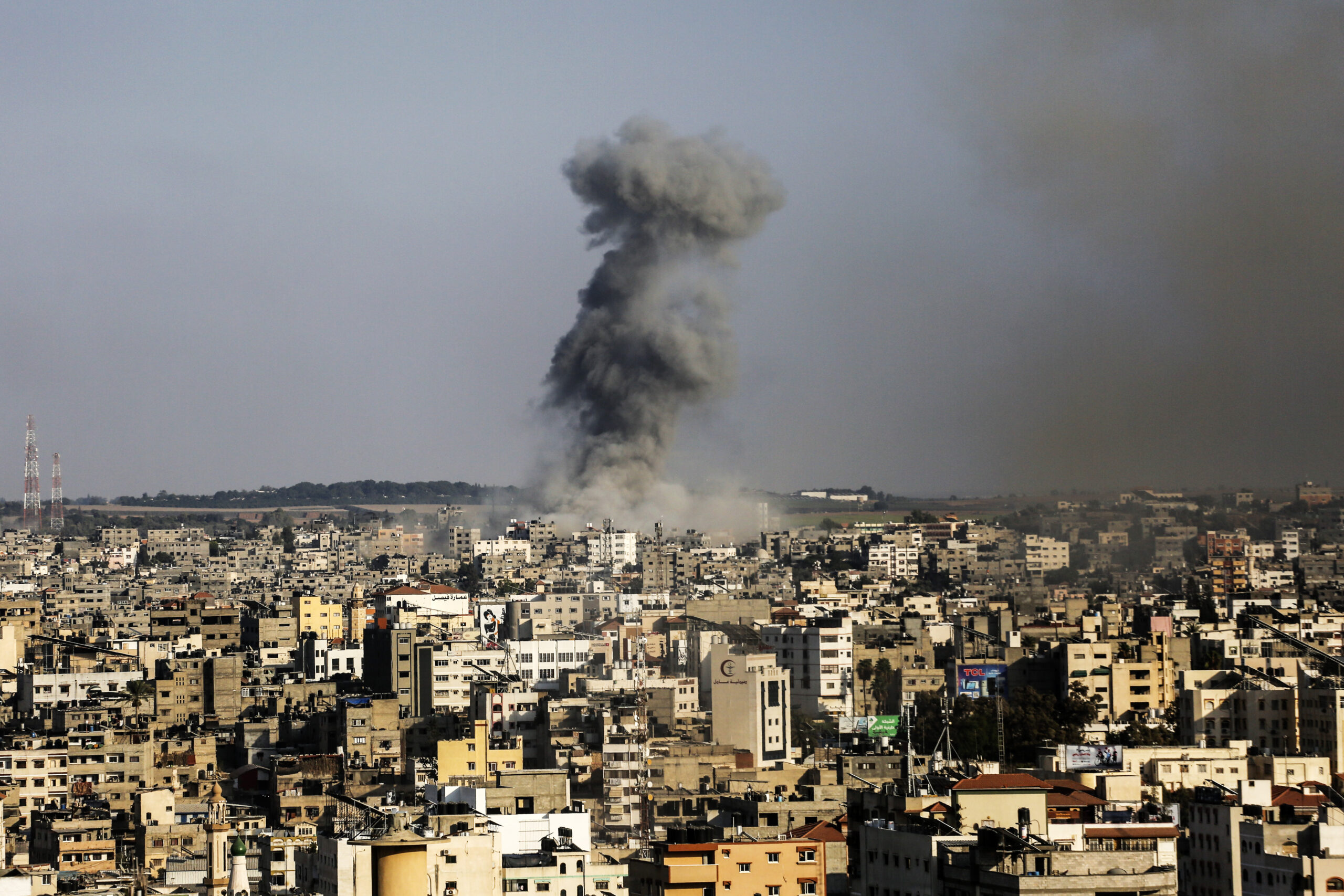
Israel’s early August offensive against Palestinian Islamic Jihad in Gaza achieved several strategic and tactical goals, but it failed to entirely sever the PIJ’s relationship with Hamas.
On the anniversary of the US withdrawal from Afghanistan
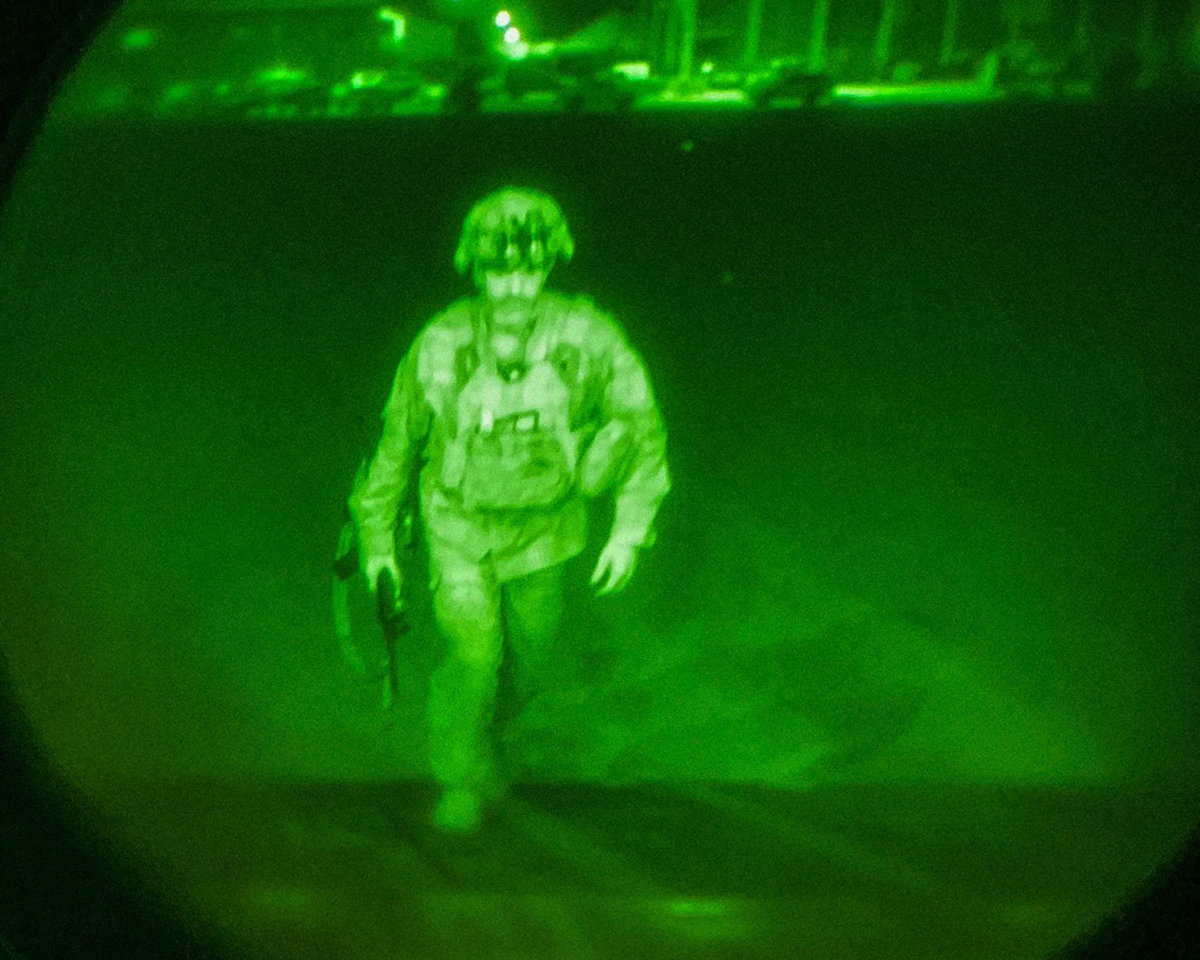
On Aug. 30, 2021, the commander of the 82nd Airborne Division, Maj. Gen. Chris Donahue, boarded the last U.S. military flight out of Hamid Karzai International Airport in Kabul. For many, the image of the final American soldier stepping onto a C-17 military transport plane marked the end of the war. But even as we remember the chaotic end of America’s longest war, we should also recall the sublime acts of loyalty and resolve that took place simultaneously.
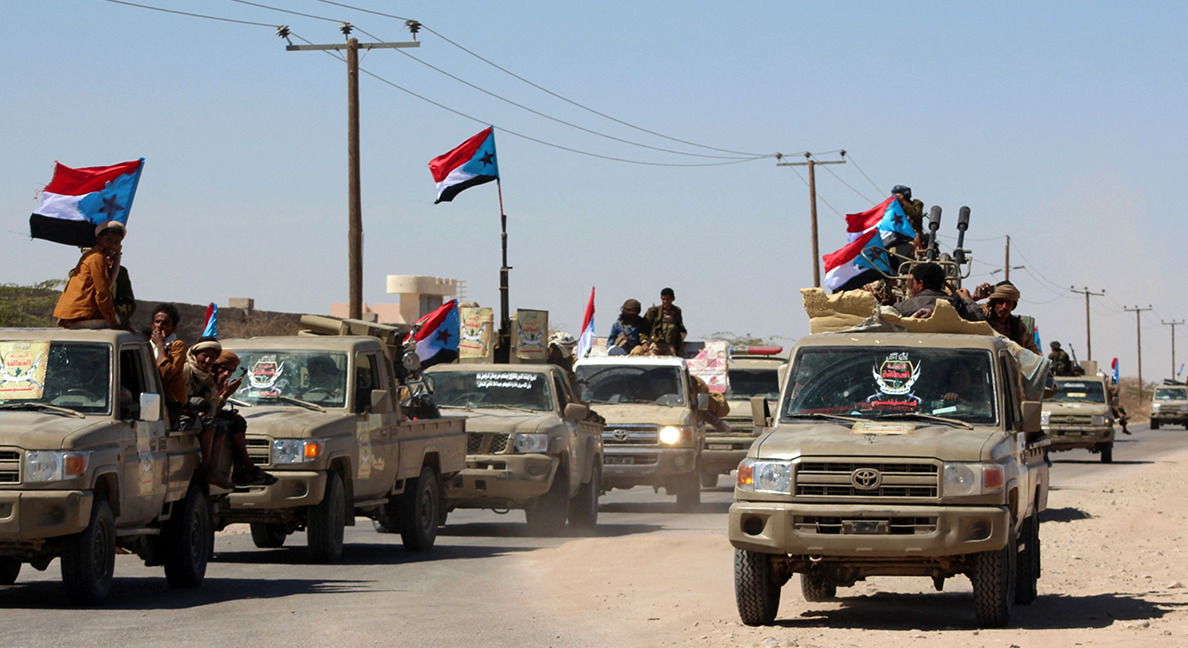
Emirati-backed forces eye Yemen’s energy heartland
The battle for control of the Yemeni heartland and its energy resources has reached a turning point. Yemen’s internationally recognized institutions are, once again, in crisis. In fact, the current infighting within the “government camp” threatens both the long-stalled implementation of the 2019 Riyadh Agreement and the political legitimacy of the newly-established Presidential Leadership Council.
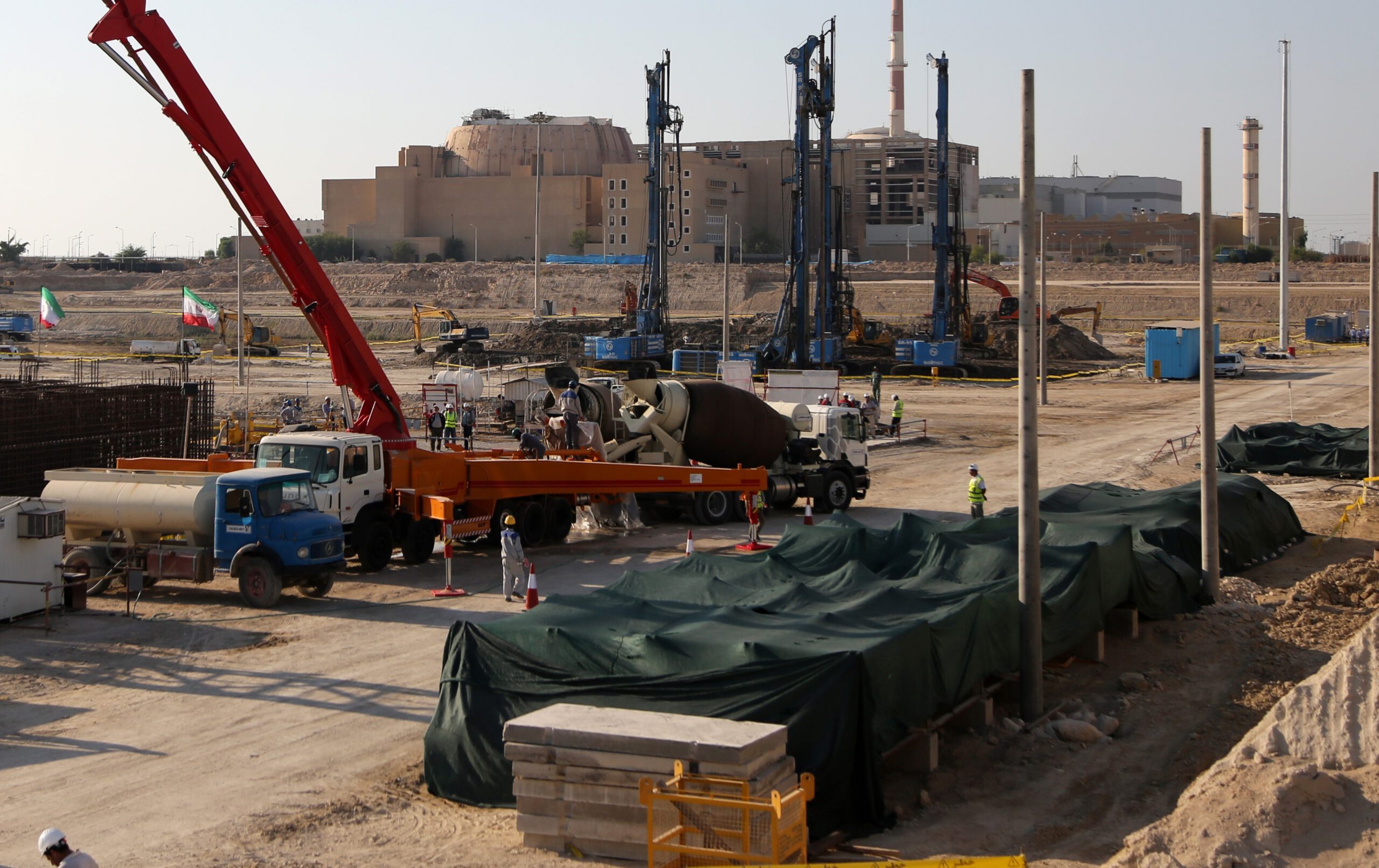
The renewal of the international agreement on Iran’s nuclear program does not undermine Israeli national security per se but rather a longstanding tenet of Israel’s strategic thinking: that it must be able to fully eradicate any challenge to its military superiority deep inside enemy territory.
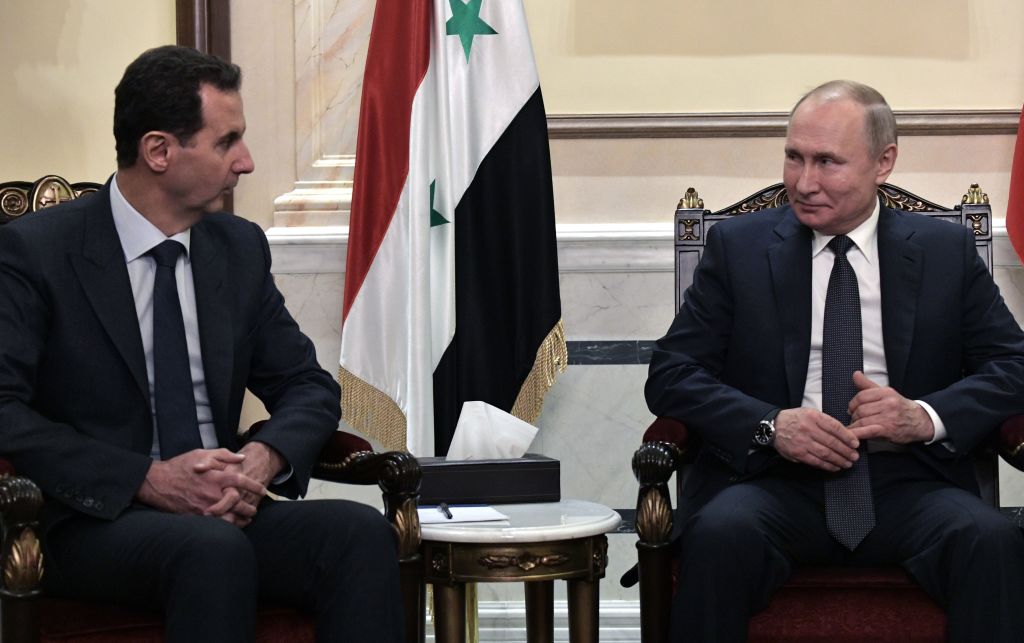
Syrian foreign policy in the Caucasus and Ukraine: An unbalanced, Russia-centered approach
The embattled Syrian regime’s need to preserve Russian military and political support has compelled Damascus to adopt the Kremlin line in its foreign policy positions toward the former Soviet space.
Trump Didn’t Kill the Carter Doctrine—It Was Born Dead
The United States and its Gulf Arab partners need a new security arrangement that effectively shares the burden of defending against Iranian hostility and goes beyond deterrence.
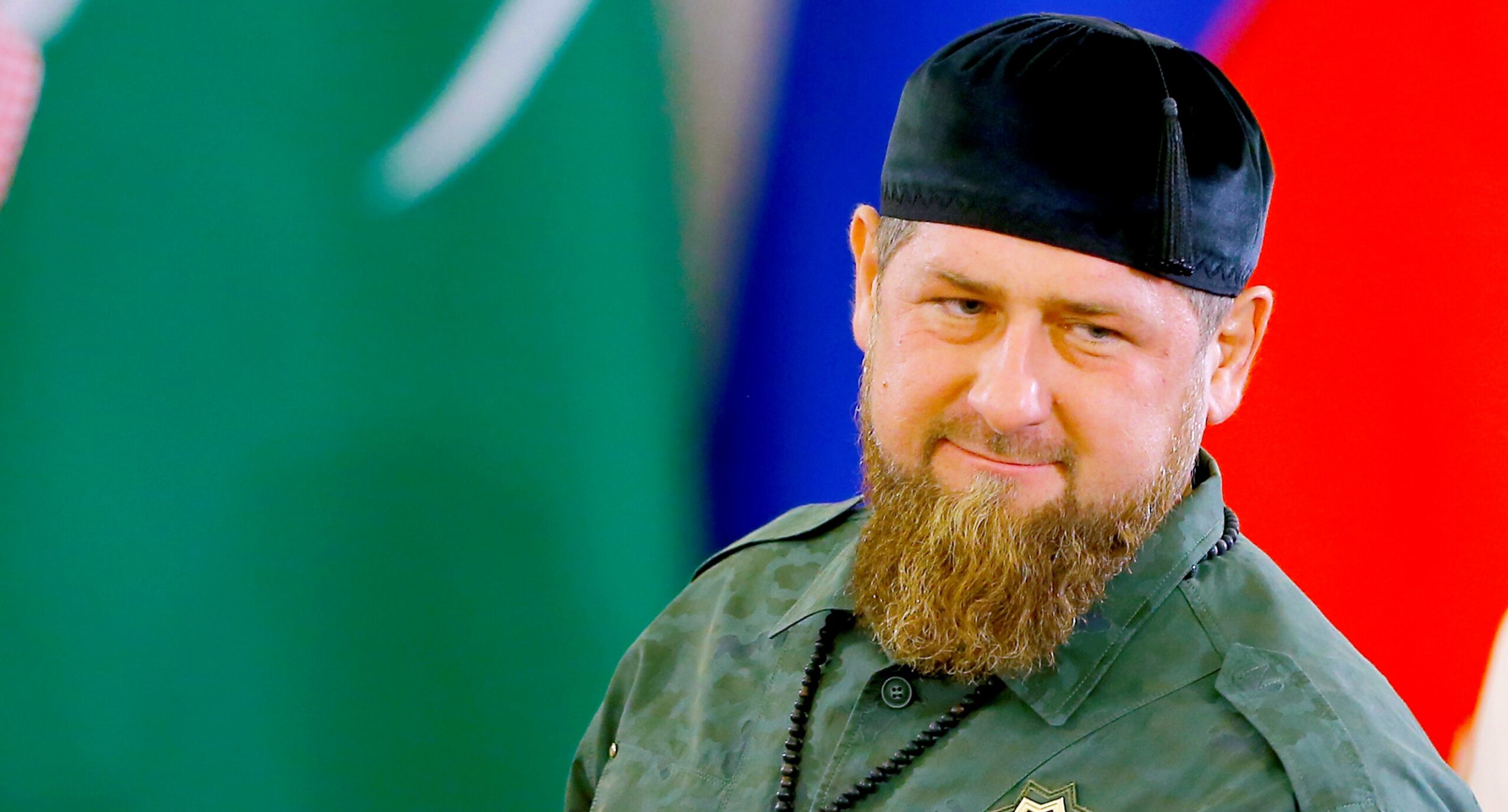
Is Chechnya’s leader a ticking time-bomb for Russian-Turkish relations?
Chechen strongman and close Putin ally Ramzan Kadyrov claims he met with Turkish officials to discuss cooperation. If true, the claim would signify Turkey’s possible backsliding on some of its previous commitments as well as trigger a negative reaction from Ukraine.
Despite official hype of a “strategic partnership,” Iranian public is skeptical of Russia
The Iranian government has invested heavily in trying to sway public attitudes to embrace closer relations with Russia; but a plurality of Iranians would like to see balanced ties with all nations and for Tehran to pursue a mature, pragmatic overseas agenda.
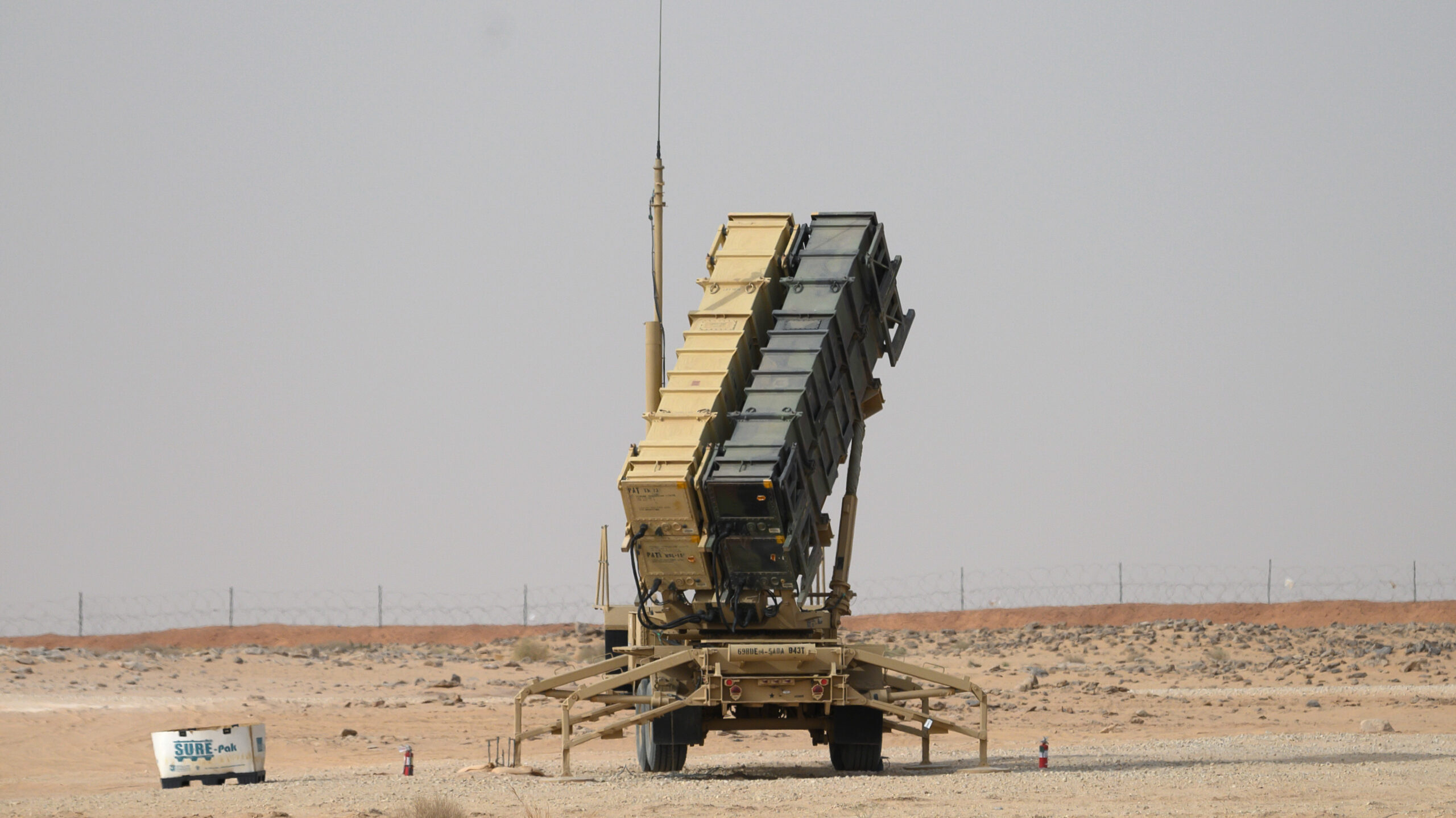
We need it yesterday: Air-defense missile sales in a period of maximum demand
Saudi Arabia and the UAE purchased $5 billion of U.S. air-defense missiles at a time when multiple American partners around the world are also looking to buy the same systems. The main effort in the Gulf will continue to be training and provisions of the material to develop an indigenous missile-defense capability.
“Fauda” is the name of the gripping Israeli television series about to launch its fourth season on Netflix. Fauda means “chaos” in Arabic and is the word Israeli special forces use when they lose control of an operation. Russian President Vladimir Putin is now creating chaos to snatch victory from the jaws of defeat.
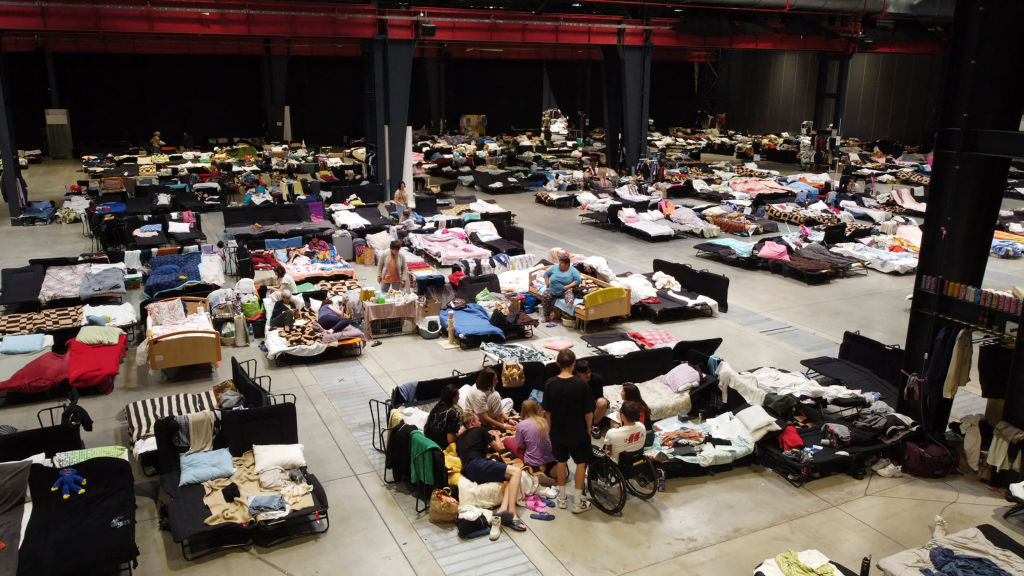
Russia Created a Refugee Crisis, and Now Putin Is Weaponizing It
Vladimir Putin’s hybrid war in Ukraine has created a multifaceted humanitarian crisis that the Kremlin plans to weaponize against the West to further provoke instability and chaos. Refugees have poured out of Ukraine since his February 24 invasion, and Russia’s attacks on Ukraine’s agricultural sector—from grain-export blockades to theft to strikes on agricultural facilities—are creating disruptions to the global food supply that are likely to create even more refugees worldwide. Foreign Minister Sergei Lavrov is touring Africa this week, blaming the West for the food crisis. Western leaders must realize the full destabilizing potential of Russia’s weaponization of the refugee crisis. In response, the United States should combine conventional military support with multilateral information operations to counter Russia’s plans.