Skip to Content

Research & Commentary Results

Filter by
527 Results
Despair and Decay: East Ghouta After 18 Months of Renewed Regime Rule
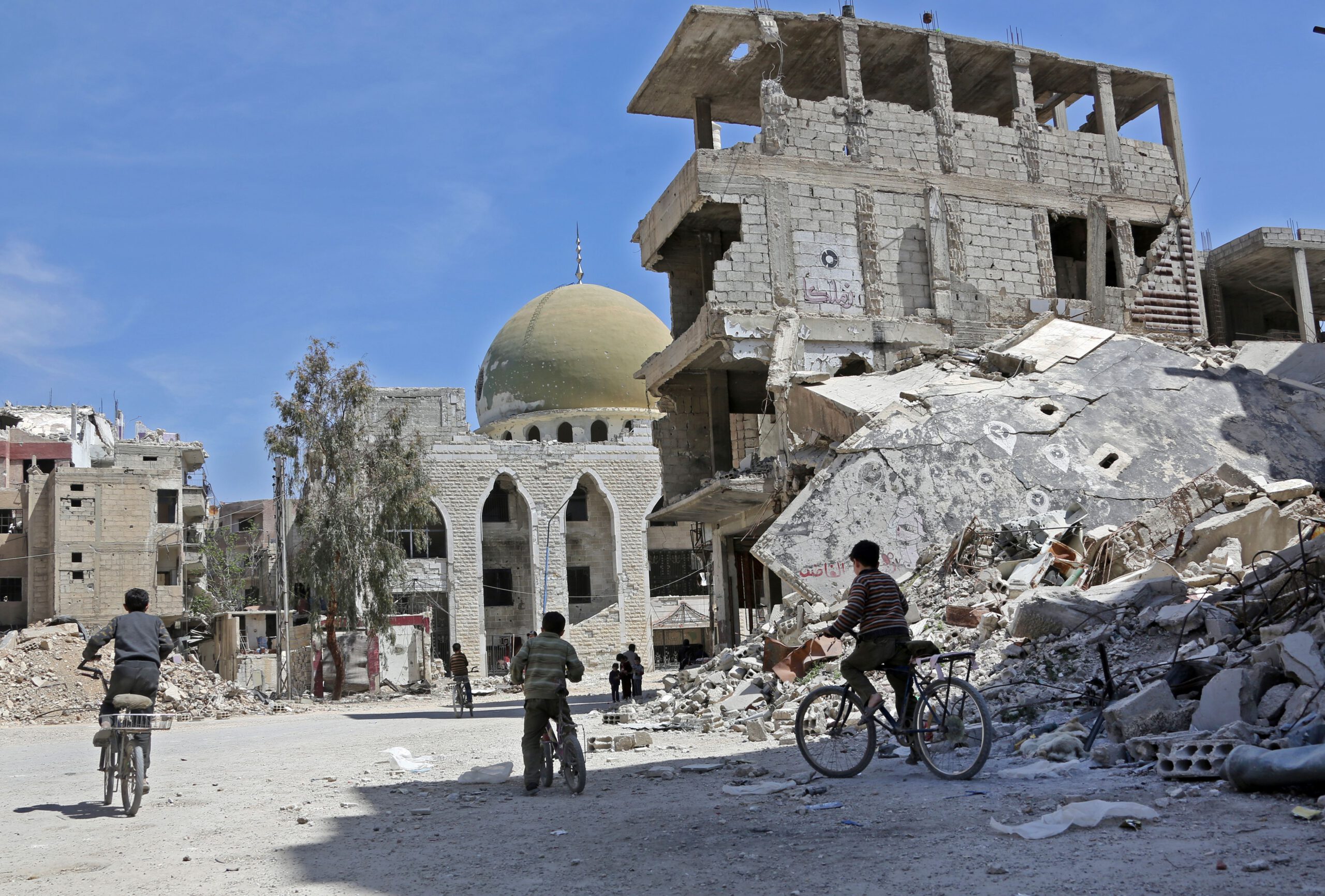
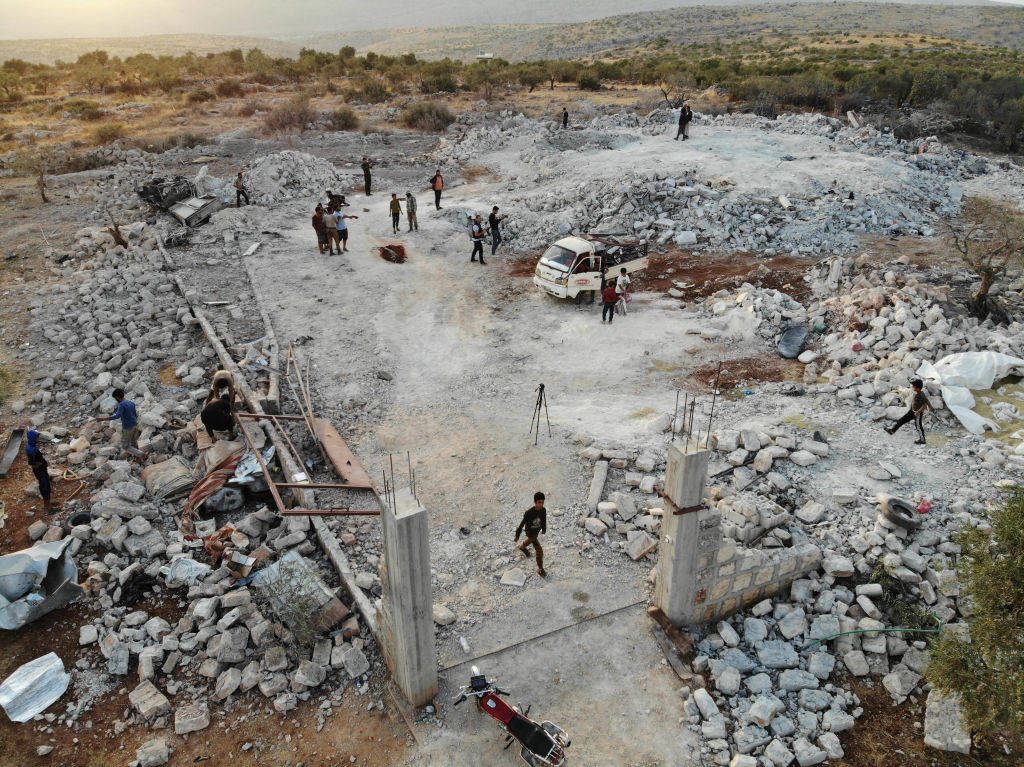
Syrian children ride their bike past destroyed buildings in the former rebel-held town of Zamalka, in Eastern Ghouta on April 5, 2018. / AFP PHOTO / STRINGER (Photo credit should read STRINGER/AFP via Getty Images)
  • Analysis
  • Despair and Decay: East Ghouta After 18 Months of Renewed Regime Rule

    East Ghouta is perhaps the darkest example of renewed Assad regime rule over former opposition territory. 18 months after the regime recaptured the area, its security forces and intelligence apparatus continue to terrorize Syrians there. Night-time raids on homes, mass arrests, and forced disappearances are common occurrences across the region. Intelligence forces assert themselves in every aspect of daily life, especially at the ubiquitous checkpoints where personnel extort residents for bribes when they pass, subjecting them to security checks that can lead to civilians either being arrested on the spot or conscripted into military service. In addition, residents of East Ghouta are facing a humanitarian crisis amid a total lack of basic services, from sewage to schools and hospitals, and the basic pillars of the local economy remain in total disrepair.
    November 14, 2019

    The US has a partner in eastern Syria — provided it has the will
    A US military convoy drives on a highway from Kobane to Ain Issa on September 29, 2017. After a months-long campaign, the Syrian Democratic Forces -- a US-backed alliance of Arab and Kurdish fighters -- have cornered diehard jihadists in a pocket of territory in the battered northern city of Raqa. / AFP PHOTO / BULENT KILIC (Photo credit should read BULENT KILIC/AFP/Getty Images)
  • Analysis
  • The US has a partner in eastern Syria — provided it has the will

    The Trump administration inherited a number of complex problems in the Syrian file from its predecessors in the White House. In dealing with the Syrian crisis, the Obama administration had three main priorities: not disturbing Iran in Syria during the process of nuclear negotiations, working with Russia toward a ceasefire in various parts of Syria (without trusting that Russia could deliver or should have the upper hand), and, most importantly, carrying out a limited military intervention in the northeast to defeat ISIS — an issue it considered separately from the Syrian crisis.

    October 29, 2019

    Borders Beyond Borders: The Many (Many) Kurdish Political Parties of Syria
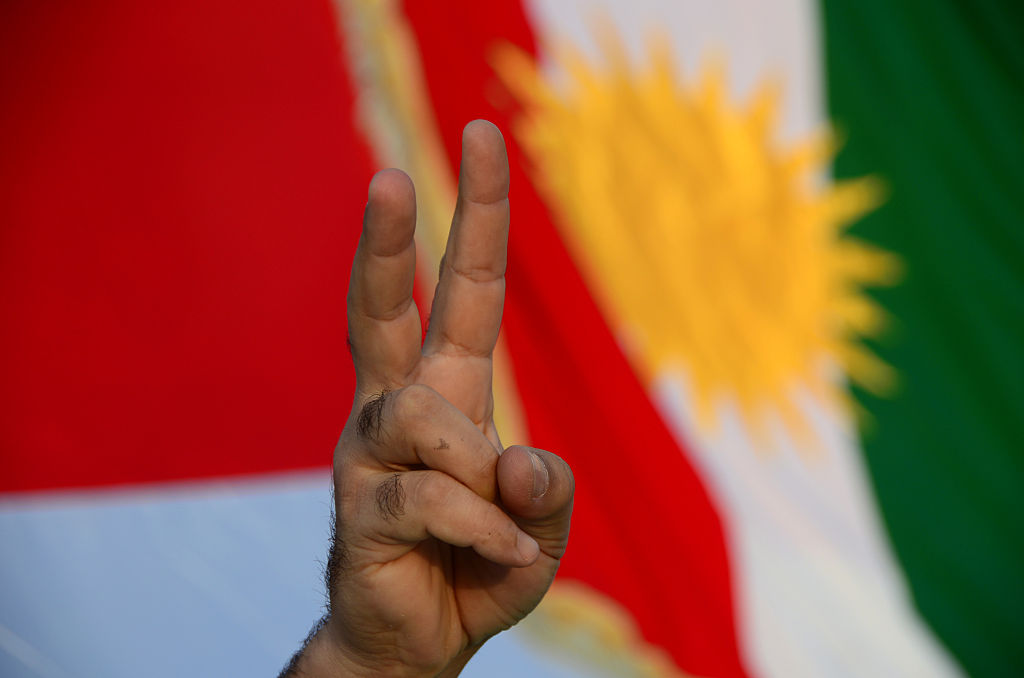
     A demonstrator makes the
  • Analysis
  • Borders Beyond Borders: The Many (Many) Kurdish Political Parties of Syria

    The launch of Turkey’s military incursion into northern Syria on Oct. 9 represents an existential threat for the Autonomous Administration in Northeast Syria (AANES) and Kurdish parties in Syria as a whole, prompting Kurdish political factions, both within Syria and abroad, to reevaluate their survival strategies and alliances. This report explores the various political factions within the Kurdish coalitions in Syria as they functioned under the AANES and the major rifts between them. Even under these dire circumstances Kurdish political factions in Syria have responded to the Turkish invasion independently.

    October 25, 2019

    Disrupting a delicate status quo: The Hamas crackdown on Salafi-jihadists
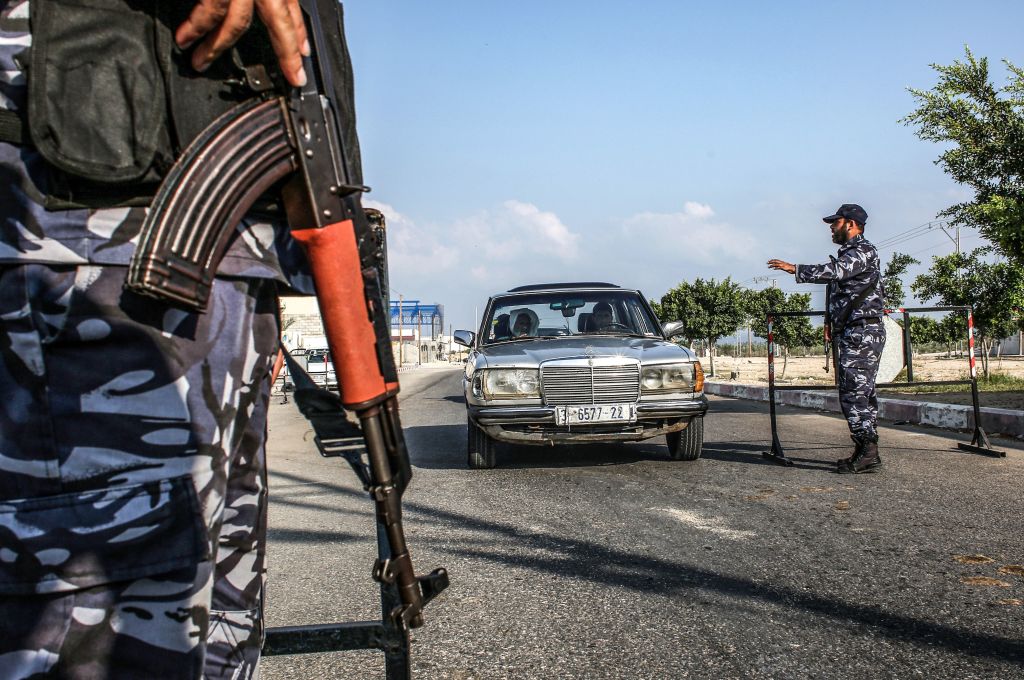
    Security forces loyal to Palestinian Islamist movement Hamas stop a vehicle at a checkpoint in Khan Yunis in the southern Gaza Strip on August 28, 2019.
  • Analysis
  • Disrupting a delicate status quo: The Hamas crackdown on Salafi-jihadists

    Reports of a secret war being waged by Hamas against Salafi-jihadist groups in the Gaza Strip are indicative of increasing challenges to the former’s security control within the enclave. Hamas’ current approach to violent Salafist cells in Gaza is equally demonstrative of an ongoing warming of relations between Cairo and Hamas, and one that has afforded Hamas international legitimacy and an ease in border restrictions.

    October 22, 2019

    Chaos and contradiction on Syria
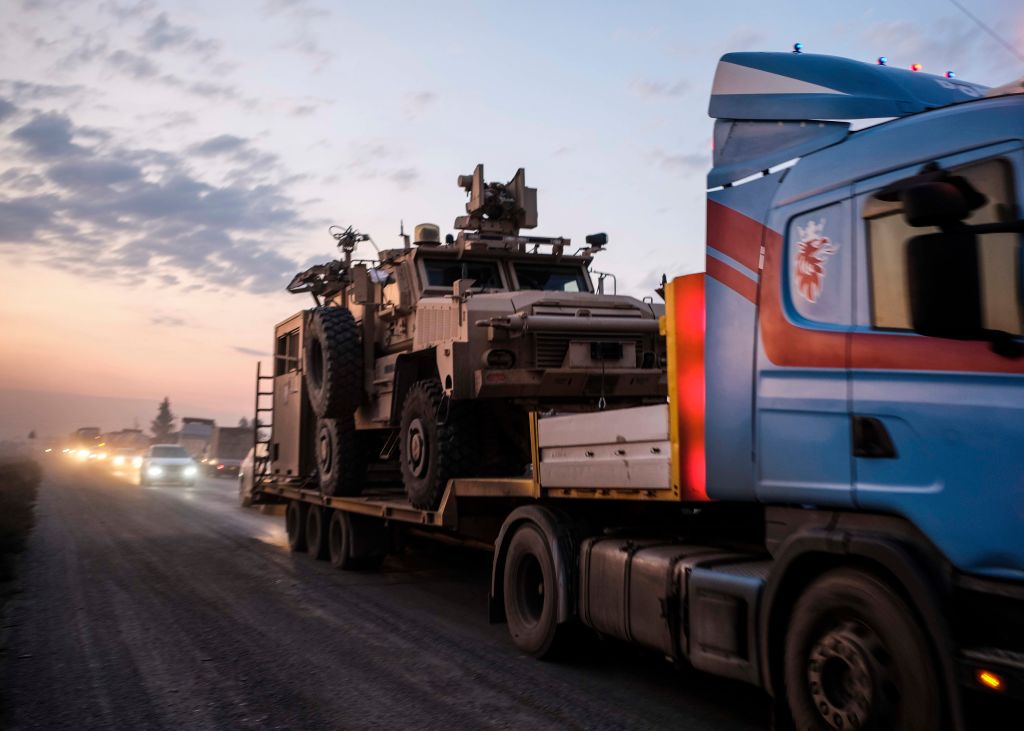
    A convoy of U.S. armored military vehicles leave Syria on a road to Iraq on October 19, 2019 in Sheikhan, Iraq.
  • Commentary
  • Chaos and contradiction on Syria

    That some in Washington think another about-turn in policy allowing us to stay in negligible numbers, in a smaller piece of territory, would somehow enable us to sustain an anti-ISIS campaign and control Syria’s oil fields is nothing short of a fantasy.

    Balochistan: From the periphery to the center of attention
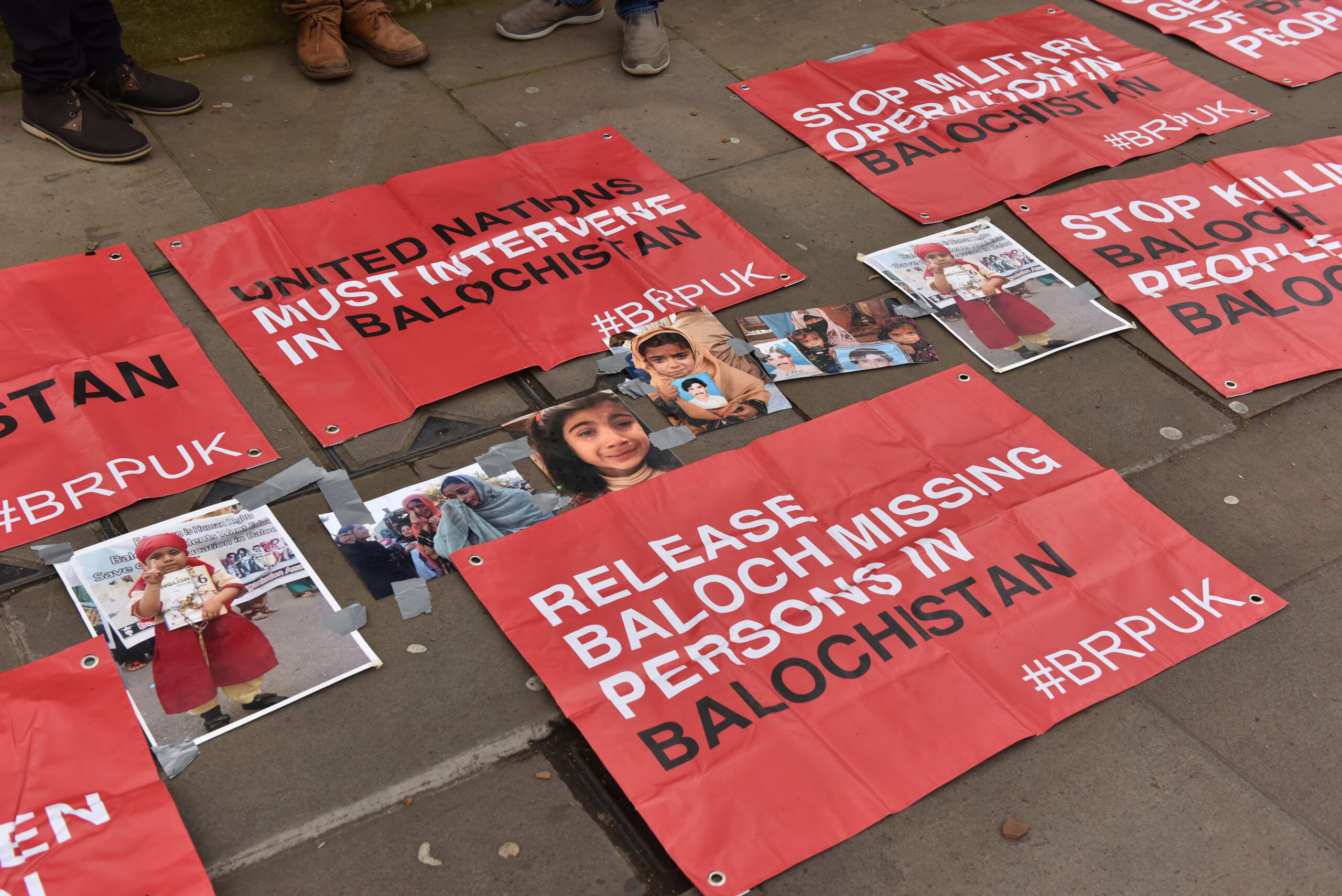
    LONDON, ENGLAND - JANUARY 22: People campaign for the United Nations to intervene regarding Baloch missing persons in Balochistan, Pakistan close to Downing Street on January 22, 2019 in London, England. (Photo by John Keeble/Getty Images)
  • Analysis
  • Balochistan: From the periphery to the center of attention

    With an estimated $1 trillion in natural resources and sitting astride an international crossroads of increasingly critical importance, Balochistan is becoming a stage on which the world’s powers are playing out their ambitions. China, the U.S., and India have all formulated Balochistan policies in the past few years, hoping to utilize the region to achieve wider international goals — and the three countries across which Balochistan is divided, Pakistan, Afghanistan, and Iran, have been eager to use it as a bargaining chip for their own purposes.

    October 21, 2019

    Tunisia’s Foreign Fighters
    Middle East Institute
  • Podcast
  • Tunisia’s Foreign Fighters

    Nate Rosenblatt, a fellow with New America’s International Security program, and Aaron Y. Zelin, the Richard Borow Fellow at the Washington Institute for Near East Policy, join host Alistair Taylor to discuss Tunisia’s struggles with extremism and the factors that led it to become a major source of recruits for ISIS.

    October 17, 2019

    Can Russian-Iranian alignment in Syria last?
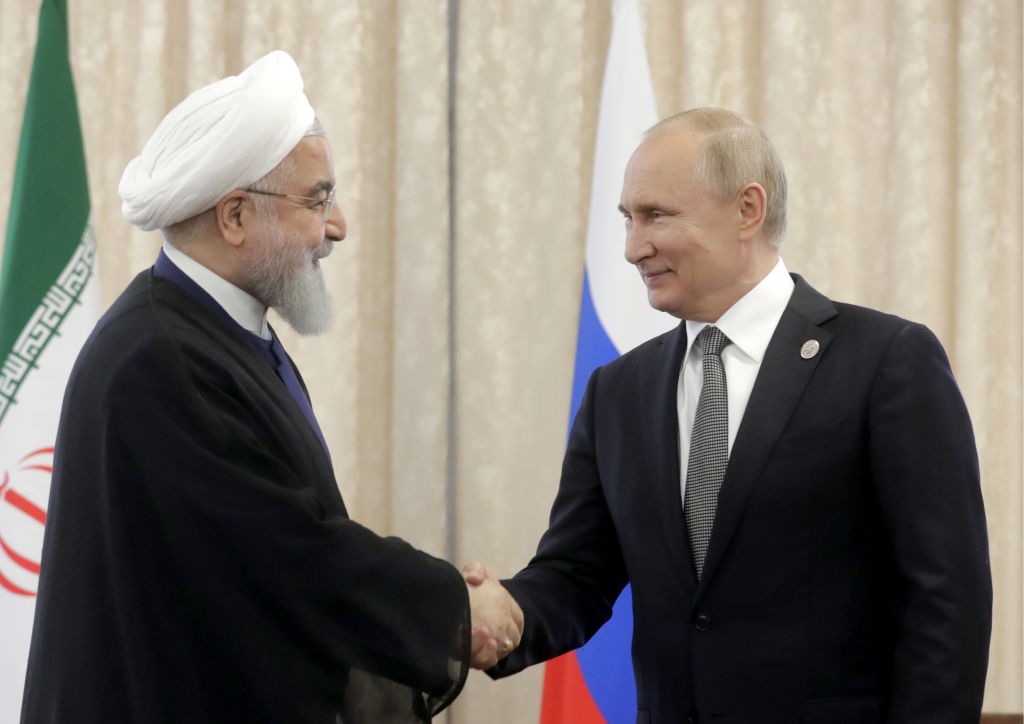
    Iran's President Hassan Rouhani (L) and Russia's President Vladimir Putin shake hands as they meet on the sidelines of a meeting of the Shanghai Cooperation Organisation (SCO) Council of Heads of State.
  • Analysis
  • Can Russian-Iranian alignment in Syria last?

    While the Turkish military offensive against the Kurdish-led Syrian Democratic Forces (SDF) in northern Syria might, once again, bring Moscow and Tehran together tactically in support of Assad’s rule and Syrian sovereignty, the two powers have fundamentally different visions for the war-ravaged country’s future.

    October 16, 2019

    A dream scenario for ISIS in northeastern Syria
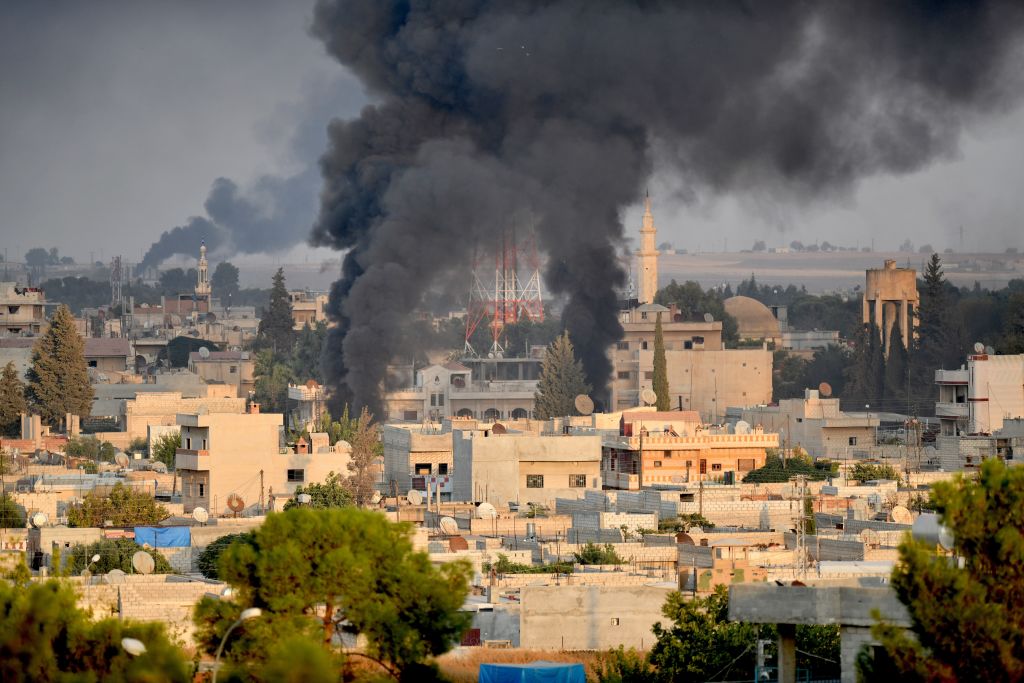
    A photo taken from Turkey's Sanliurfa province, on October 09, 2019 shows smoke rises at the site of Ras al-Ayn city of Syria as Turkish troops along with the Syrian National Army begin Operation Peace Spring in northern Syria against PKK/YPG, Daesh terrorists.
  • Analysis
  • A dream scenario for ISIS in northeastern Syria

    Turkey’s cross-border incursion into northeastern Syria has stirred up a hornet’s nest of instability and threats. If left unchecked, this latest “war within a war” will have deeply destabilizing consequences for many years.

    Trump stirs up a hornet’s nest in Syria
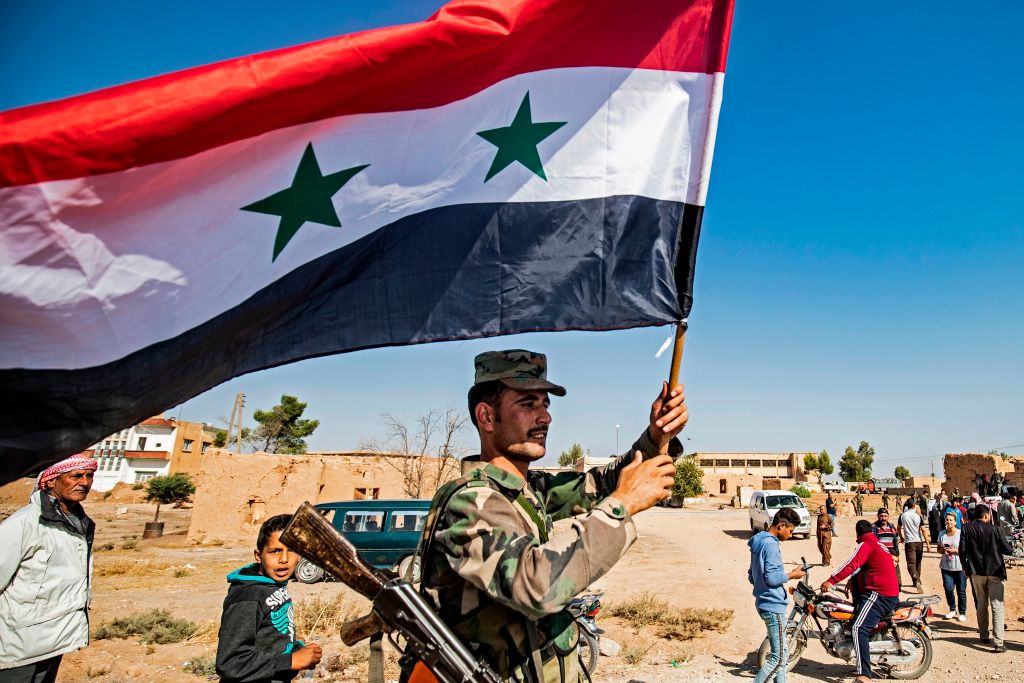
     A Syrian regime soldier waves the national flag a street on the western entrance of the town of Tal Tamr in the countryside of Syria's northeastern Hasakeh province on October 14, 2019.
  • Commentary
  • Trump stirs up a hornet’s nest in Syria

    In one fell swoop, the U.S. has found itself evacuating a third of the country; breaking away from a 100,000-strong partner we trained and equipped; and watching it surrender to the regime that we have stood against from day one. In the chaos that has ensued, ISIS prisoners have been let loose, hundreds of thousands of civilians have been displaced, and a once relatively stable northeastern Syria has been thrown into a potentially intractable pit of ethnic, sectarian, and political conflict. The consequences of America’s self-destruction in Syria will be felt for many, many years to come.

    Turkish-backed Syrian armed opposition groups to unite under one banner
    Syrian National Army and National Independence Front merge
  • Commentary
  • Turkish-backed Syrian armed opposition groups to unite under one banner

    After a long-drawn-out series of negotiations, Turkey has successfully convinced more than 40 armed opposition groups in northern Syria to unite under a single umbrella, directly under the command of the Syrian Interim Government’s Ministry of Defense.

    The war in Syria is far from over, but its nature is changing
    A Syrian rebel fighter aims his Kalashnikov assault rifle as he stands near the frontline against government forces west of the embattled southern city of Daraa on July 3, 2018.
  • Analysis
  • The war in Syria is far from over, but its nature is changing

    As ISIS’s territorial “state” was simultaneously rolled back and then defeated, an international consensus increasingly emerged that claimed Syria’s war was “winding down.” There is no doubt that the geographic scope and intensity of conflict is not what it was at the height of hostilities in 2014 and 2015, but it is certainly not finished either.

    The Syria Study Group gets the problem right, but falls short on solutions
    A US military convoy takes part in joint patrol with Turkish troops in the Syrian village of al-Hashisha on the outskirts of Tal Abyad town along the border with Turkish troops, on September 8, 2019.
  • Commentary
  • The Syria Study Group gets the problem right, but falls short on solutions

    In its final report, the congressionally-mandated Syria Study Group (SSG) provided a bleak but wholly realistic assessment of the state of the crisis in Syria. When it comes to policy prescriptions, however, the SSG falls short. Despite clearly identifying the “means and ends” gap as one of two core problems with U.S. policy in Syria, the “recommendations” suggested by the SSG differ little, if at all, from those already in place.