The Black Sea: How America Can Avoid a Great-Power Conflict
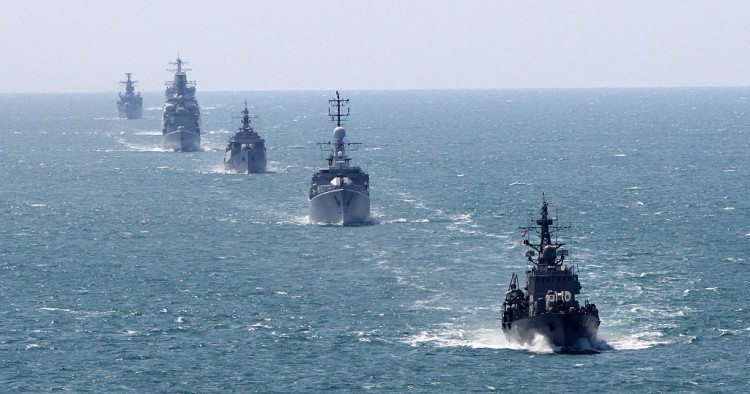
Many Americans find the whole swath of territory in eastern Europe, near Russia, very far away and hard to conceptualize. This part of the world involves a number of countries, small and large, that are generally not the most frequently discussed in American news nor frequented by American tourists. To make sense of much of this remote region, it can be helpful to take a perspective that centers on the Black Sea and views that body of water as the key point of reference for much of the region. Doing so not only helps clarify what Russia is up to in its near-abroad, but also shines a spotlight on Chinese activity, and what is required of America in response.
Richard A. Clarke, the first US “Cyber Czar”, joins guest host Patrick Howell O’Neill, cybersecurity senior editor for MIT Technology Review, to discuss the state of defensive and offensive cyber capabilities across the Middle East, how it is impacting conflicts in the region, and steps the incoming Biden administration can take to reinvigorate US cyber programs.
NATO's Energy Security Rests on a Fragile Ceasefire
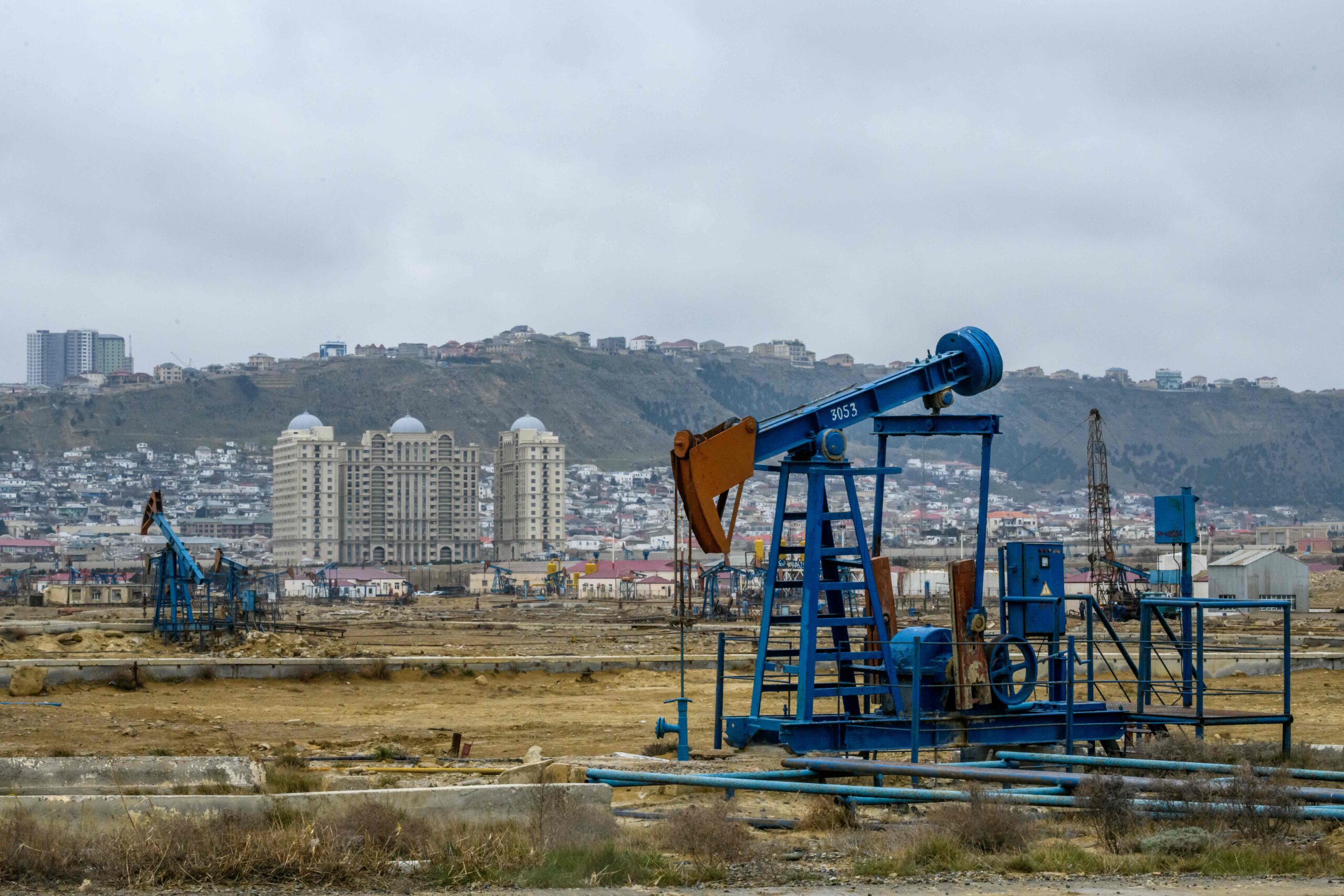
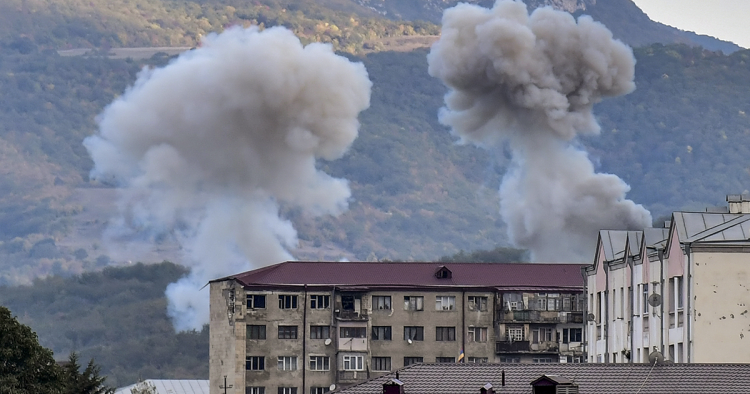
There is a lot riding on the success of the recent cease-fire agreement between Azerbaijan and Armenia. NATO’s energy security is now intertwined with the fragile deal. Fueled by Russian arms and military training, the Armenia-Azerbaijan conflict threatens to shake confidence in Europe’s drive to reduce its energy reliance on Moscow.
Our Shared Humanity, Middle Eastern Hospitality, and Authentic Georgian Wine Reinterpreted for Our Covid Christmas
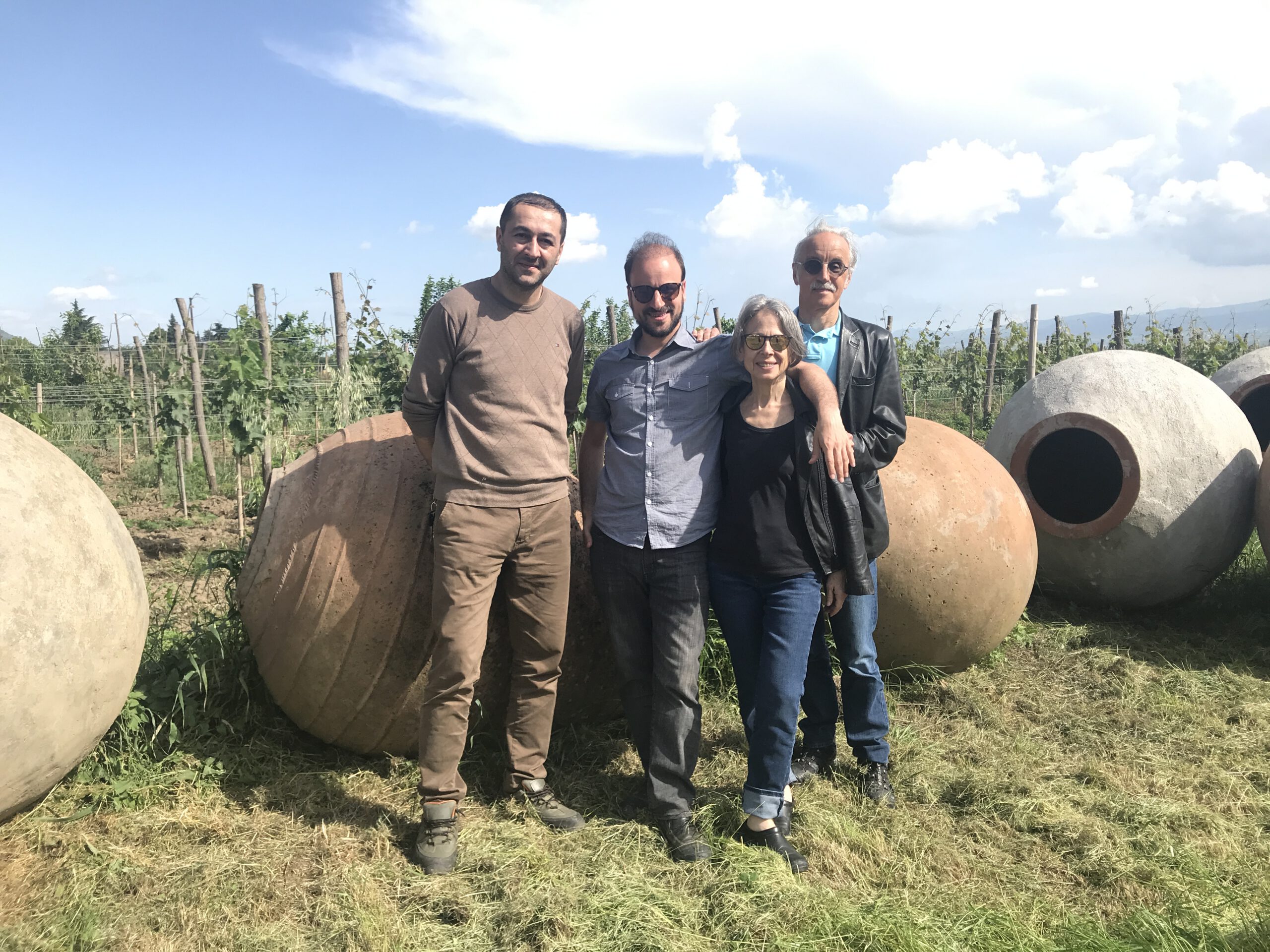
Therefore, this holiday season – dear reader – might I suggest a return to the essentials? The greater Middle East is the birthplace of Christianity, Judaism, and wine. This year, why not return to basics with some Georgian wine at the holiday table? Wine is central to Judeo-Christian rituals. It is a requirement for the Eucharist – as well as for Shabbat and Passover. A more secular property of wine is its ability to encapsulate a sense of place and epitomize the traditions of a culture.
Iran’s internet shutdown last year was an exercise of its digital power that had been years in the making. Since 2013, the Iranian government has invested heavily in developing its domestic internet known as the National Information Network (NIN). With critical internet infrastructure under its control, the Iranian government can isolate its citizens from the global internet by filtering content, restricting communications, and controlling which platforms they can use.
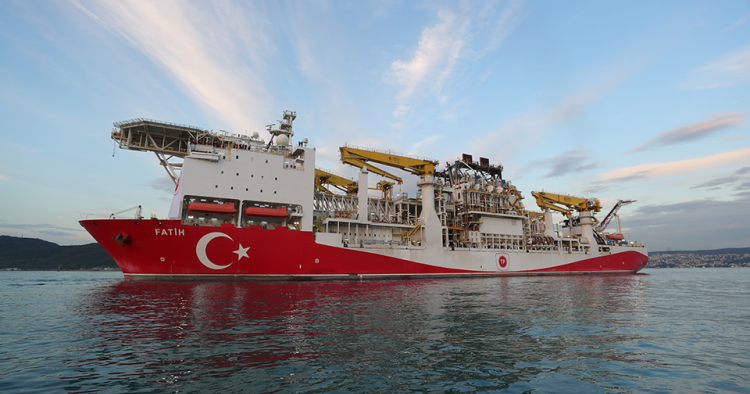
Less widely reported are other offshore discoveries in the Black Sea being made by various regional players, some more overtly than others. Given the not insignificant hurdles posed by limitations of technical capacity, a bounty of market supply, and unresolved conflicts leaving borders and exclusive economic zones (EEZs) in question, many are asking who’s campaigning for new Black Sea gas, and why? And just as importantly, whose national security interests stand best to gain?
New Geopolitical Realities of the Caucasus: Reevaluating Georgia’s National Security Strategy
We are moving toward a new status-quo in the South Caucasus, with different actors facing different challenges as well as opportunities. Georgia will be impacted by the outcome of the war in multiple ways, and the country will need a strategy to adapt to the new realities, taking into consideration gains and losses of the parties actively involved in the conflict, as well as post-conflict development.
Elections 2020: A small victory for the right, but Romania won’t deviate from its Western path
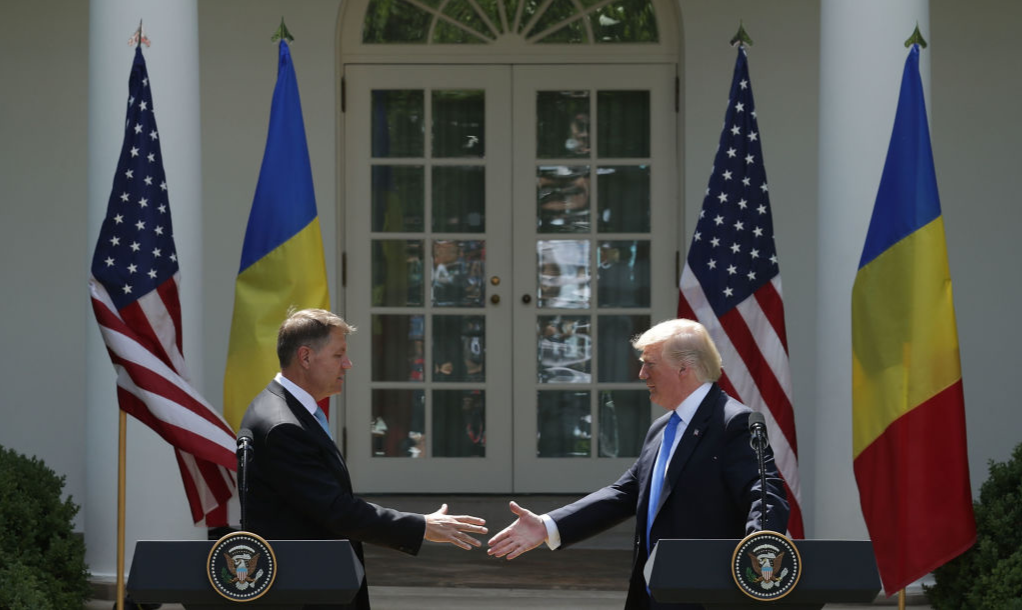
Romania is one of Eastern Europe’s largest countries. It also happens to be — alongside Poland — one of Europe’s most pro-Western electorates. However, results of Sunday’s legislative elections suggest Romania could once again be entering murky political waters.
U.S. Economic Engagement with the Black Sea Region Must Be a Priority for 2021
The Black Sea region is home to some of America’s strongest allies and most vocal advocates of continued Euro-Atlantic cooperation and integration. The Trump Administration’s commitment to the region has led with U.S. support for regional security. It is in America’s national interest to double down on the successes of the Trump Administration’s regional economic engagement strategy, and establish trade and investment initiatives as the forefront of U.S. policy toward the Black Sea region.
The Trans Adriatic Pipeline: Why it Matters and What Comes Next?
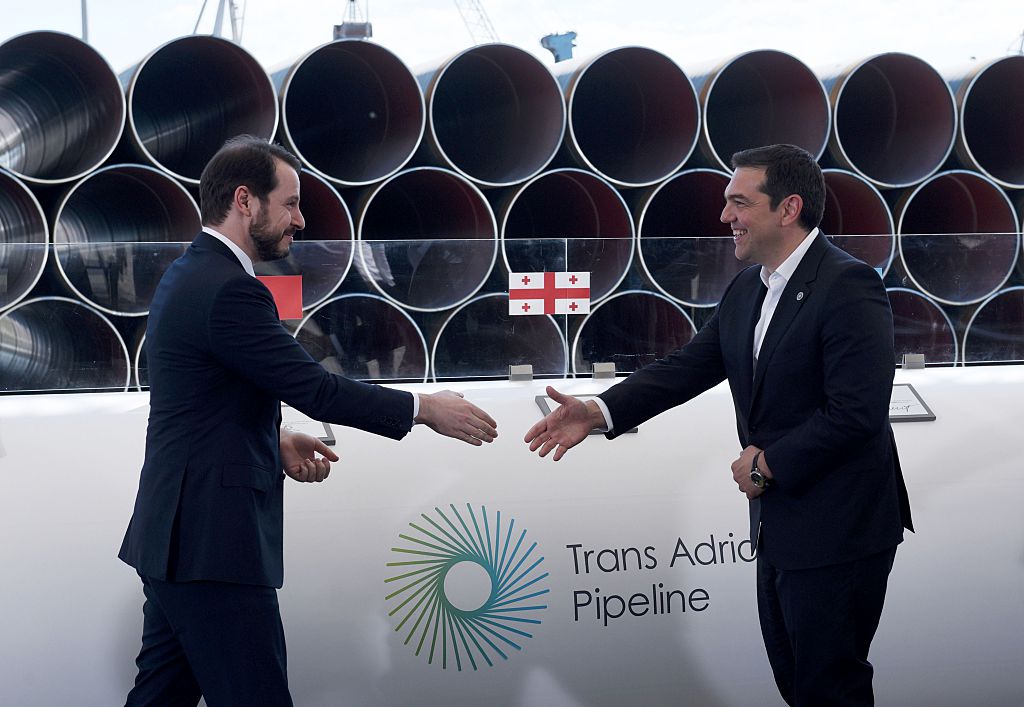
On November 14, the Transadriatic Pipeline (TAP) commenced operation. It is difficult to overstate the significance of this development. The new transit link running from Greece’s border with Turkey all the way to Italy, via a 878-stretch that also crosses Albania and the Adriatic Sea, makes the much-discussed Southern Gas Corridor a reality. It brings an annual 10 billion cubic meters (bcm) of natural gas from the Shah Deniz offshore field in the Caspian to consumers in the EU and the Western Balkans, helps diversify supplies away from Russia, and enhances Azerbaijan’s position on European markets.
DIY futures in the Middle East: What if small got bigger?
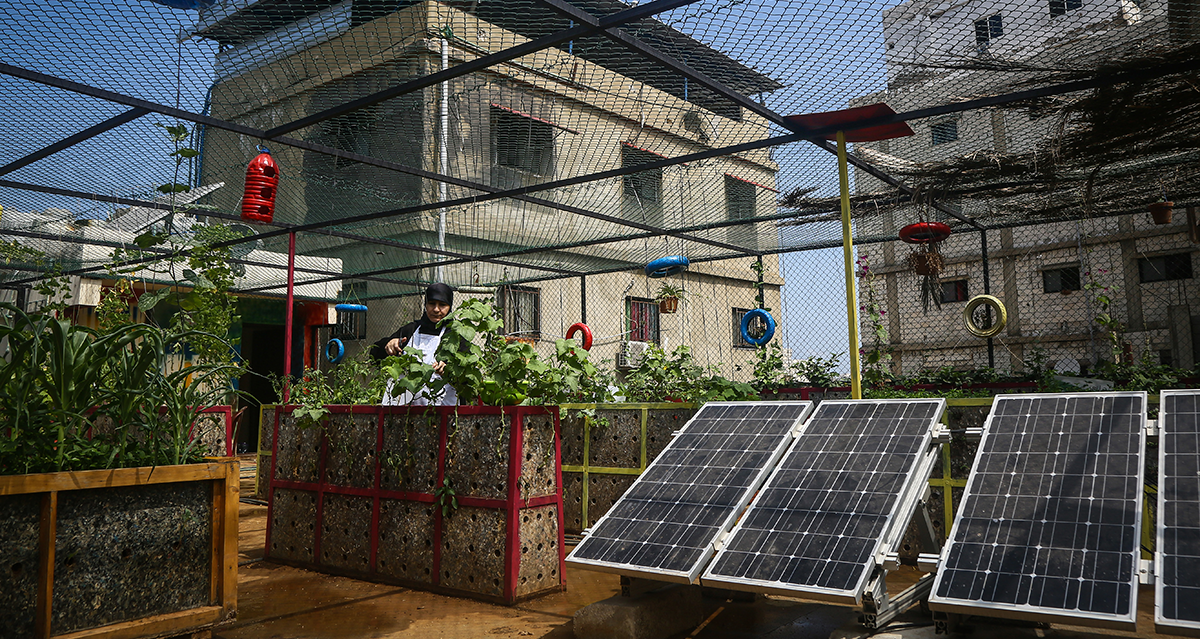
It’s difficult to look at the Middle East and consider its future optimistically. Much of the analysis of the region centers on crisis and collapse. There is plenty of both, fueled by wars and civil conflicts, poverty, extremism, and more. Given the human toll, focusing on all this is natural. It is also necessary if solutions to deeply rooted problems are ever to be developed, leading to a better future.A related risk is becoming blinded to “weak signals” — early indicators of what could become features of potential alternative futures. Weak signals are developments that are emerging outside the dominant norms and trends of today. In the Middle East, probably the most dominant norm is the inability of governments throughout the region to provide security and prosperity for their citizens. The COVID-19 pandemic is making this even more apparent, and markedly worse. It is not just the obvious failed states — as Steven Cook recently observed, “sometimes state failure is a more chronic condition.” But in the midst of this — and fueled by it — there is evidence of activities at the local level to create what is missing. Could these be signals of a future different than the one it is so easy to expect for the region?
Absent with Leave: Moscow’s Deficient Eurasian Military Alliance
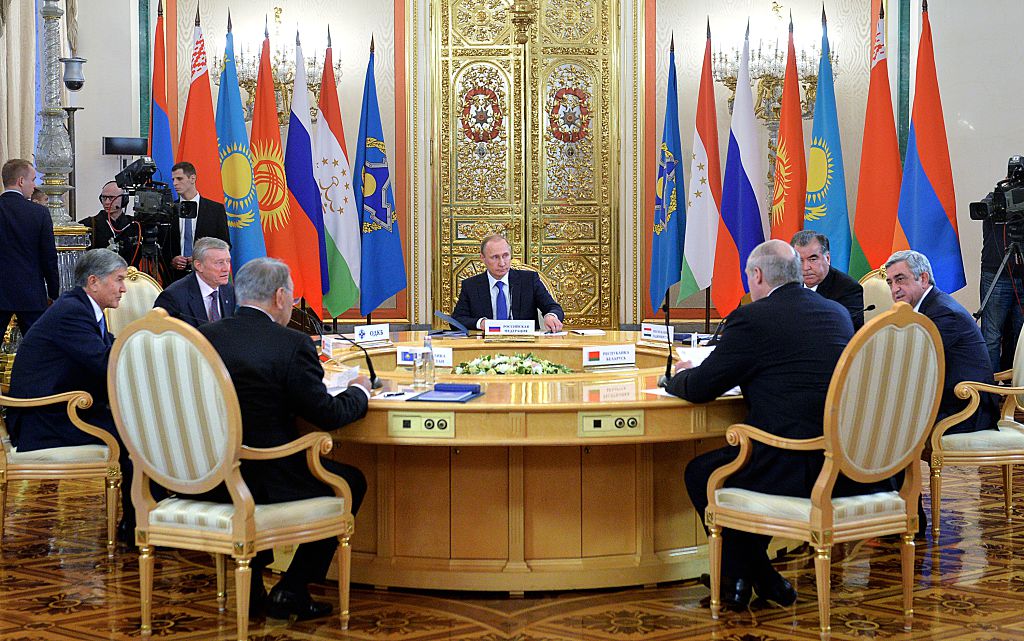
The Russian government has spent more than a decade constructing a multilateral security structure for the former Soviet space—the Collective Security Treaty Organization (CSTO). Yet, despite the occurrence this year of some of the most serious crises in Russia’s neighboring former Soviet republics, the CSTO has been notable for its absence in the Kremlin’s response.
Recent presidential elections in the Republic of Moldova were won by Maia Sandu of the Action and Solidarity Party (PAS), a party advocating for judicial and anti-corruption reform and for rapprochement with the European Union (EU). Sandu becomes the first female president of Europe’s poorest country, securing 57.7 percent of the vote ahead of incumbent Igor Dodon’s 42.2 percent. The result followed an unprecedented election campaign during which verbal violence was widely witnessed.
State of play for Middle East cybersecurity leaders
This new white paper distills the findings of the Middle East Institute panel “State of Play for Middle East Cybersecurity Leaders,” a discussion held in September 2020 about the unique threats, best practices, and corporate landscape in the Middle East and North Africa region.