Wide gap between the Egyptian government’s rosy figures and the economic hardship suffered by millions
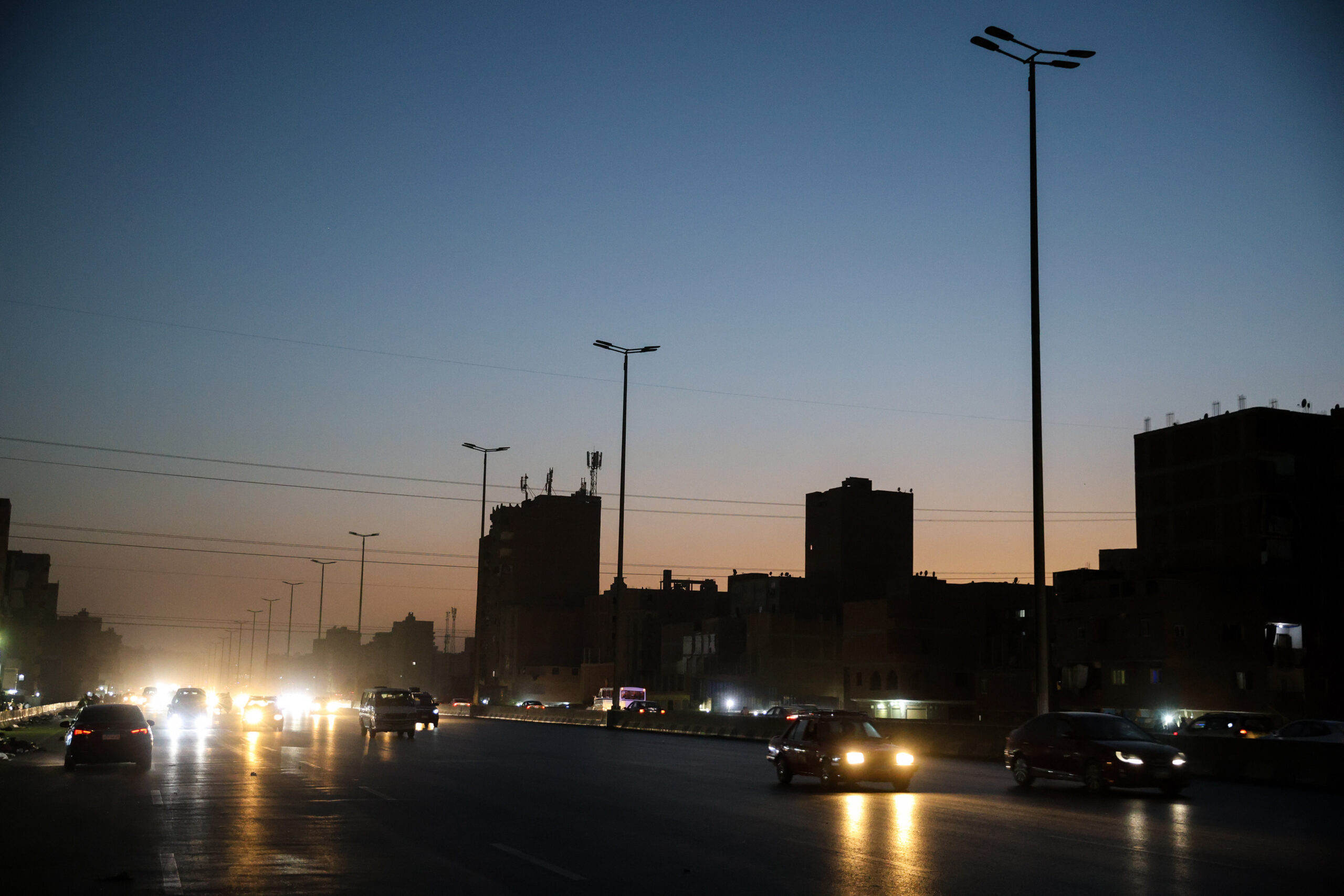
For Egyptian officials, June should have been a month to celebrate. And yet none of the seeming macroeconomic successes that the government recorded brought much reassurance to the average Egyptian, who has continued to experience currency shortages, an unreliable energy grid, and fears of a resurgent spike in inflation.
NATO, North Africa, and the Sahel: Squaring the triangle of insecurity
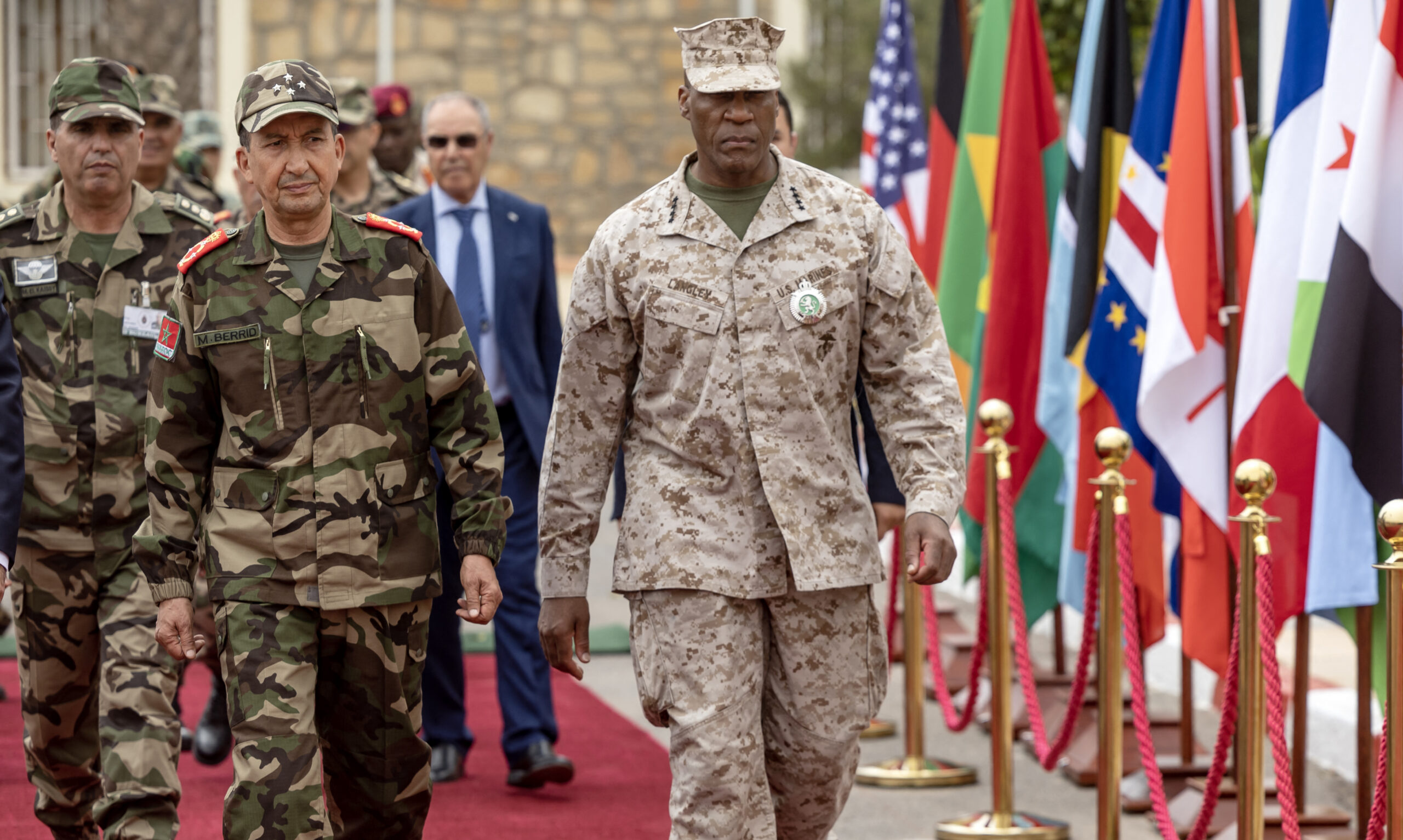
With NATO celebrating 75 years since its founding, Alliance members will gather in Washington, DC, on July 9-11, for a historic summit. Two of the key issues on the agenda will be addressing the acute threats emanating from the Black Sea region and adopting a strategic approach toward the Middle East and Africa.
New EU aid and investment in Egypt linked to migration control
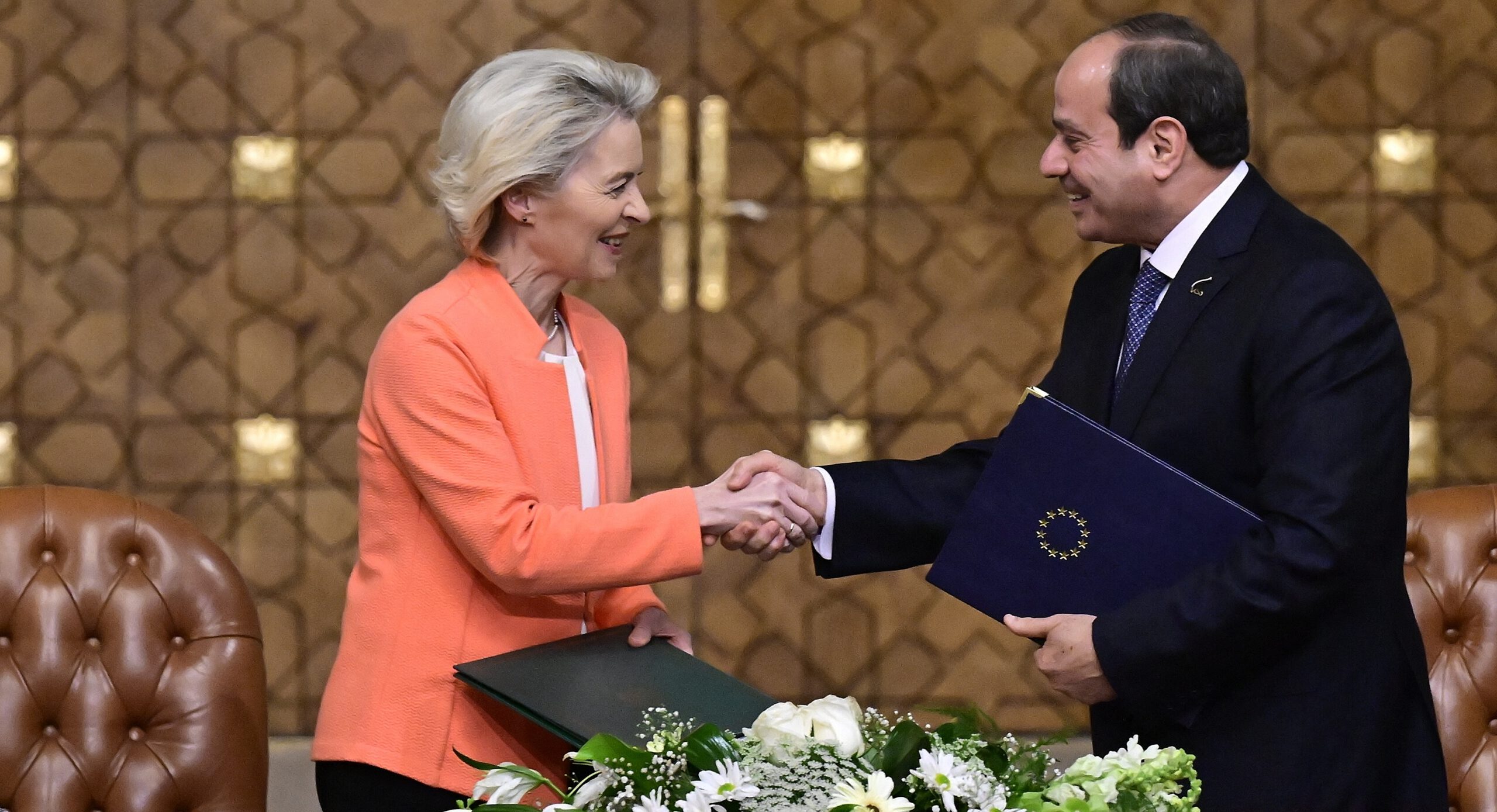
On June 29, at an aid and investment conference in Cairo, Egypt and the EU reached a €1 billion investment deal, and over 20 MoUs, collectively worth approximately €40 billion in private investment, were signed on the sidelines. Little mention has been made of migration in the new European agreement with Egypt, but there is little doubt that it is a pivotal factor.
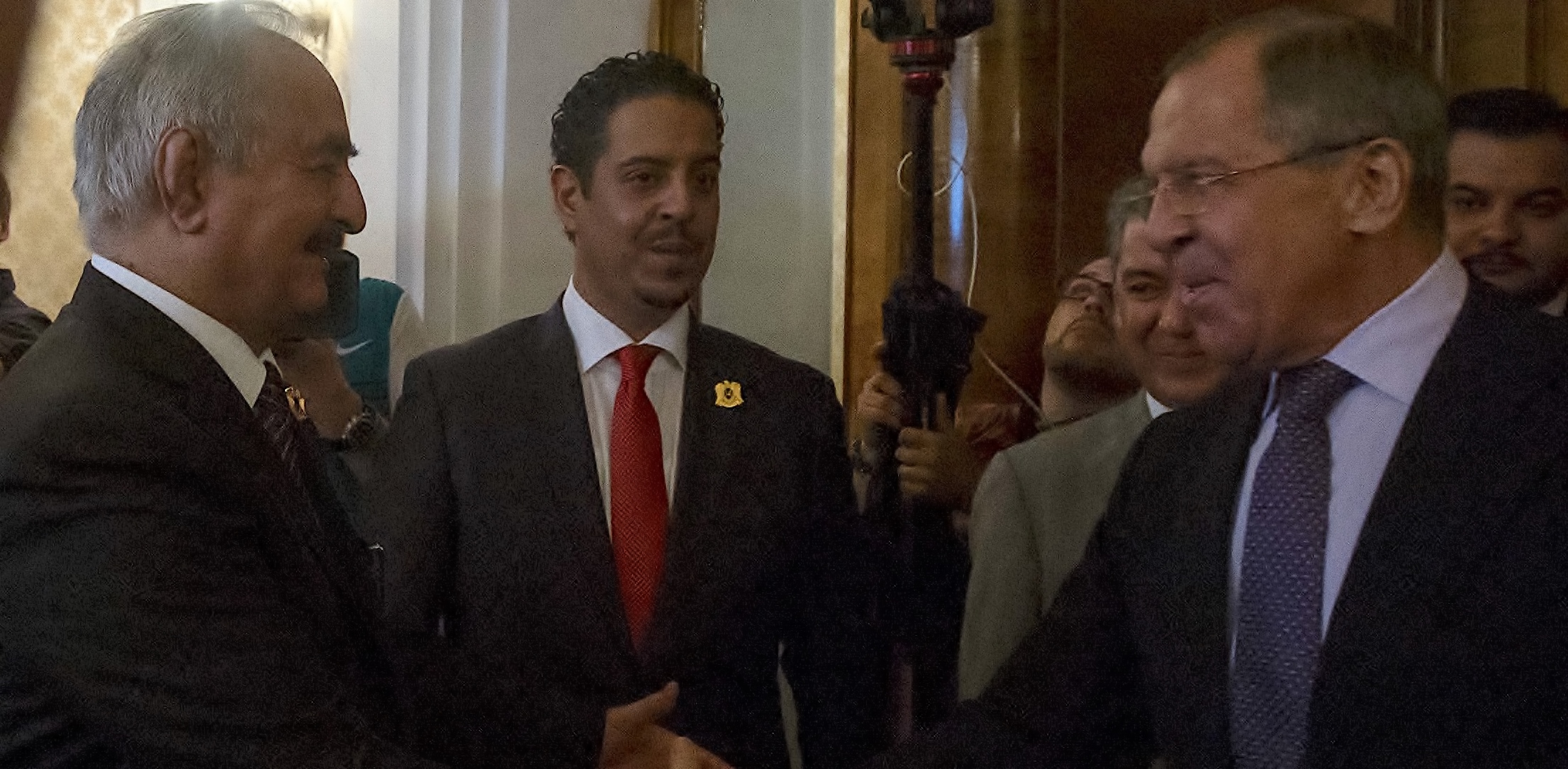
Libya remains the key for NATO to counter Russian malign activities in Africa
Eight years ago, few would have predicted that Russia could move in as quickly and comprehensively throughout Africa as it has done. Now there is widespread recognition of the threat posed by the destabilizing Russian expansion in Africa, to NATO, its members, and the African region.
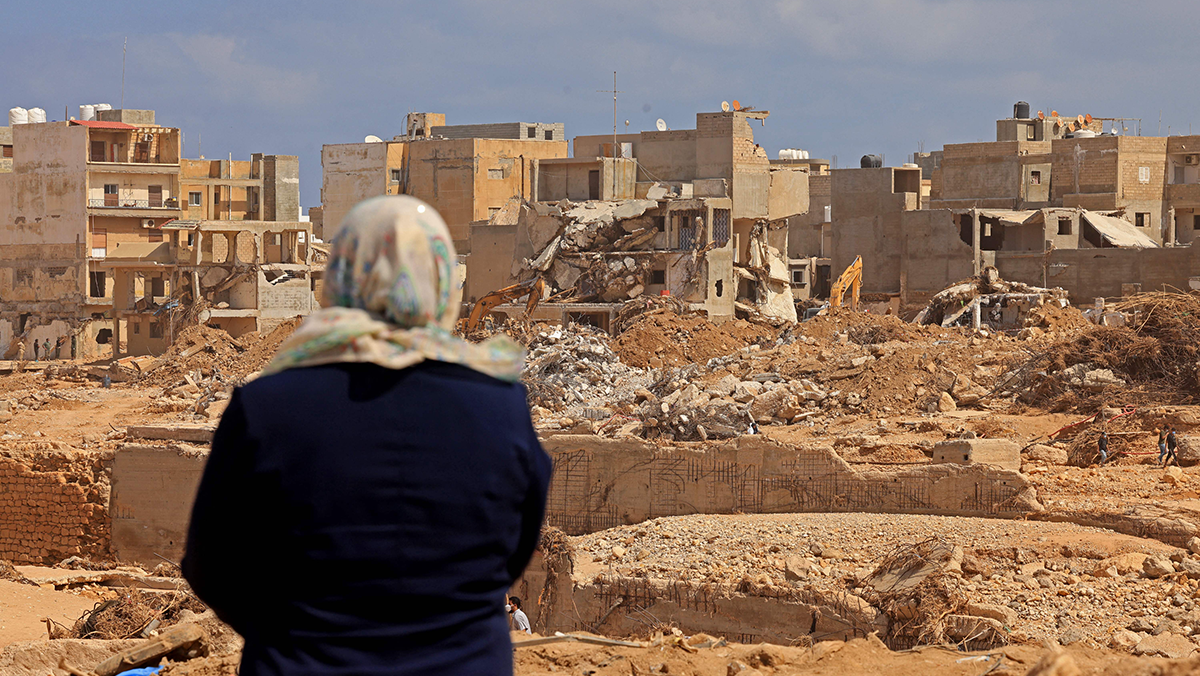
Post-disaster reconstruction: Tackling water security in Derna after Storm Daniel
Storm Daniel struck Libya on Sept. 10, 2023. The northeastern coast of the country was the hardest hit by the storm, especially the city of Derna. The storm generated strong winds and heavy rains that led to massive flooding throughout the city, washing away entire residential neighborhoods. The death toll from the floods was staggering, estimated in the thousands.
Libya, Tunisia, and Niger as Case Studies for Counter-Productive Anti-Migration Policies: Sustaining Abuses and Criminality
Anti-migration policies in Libya, Tunisia, and Niger have had dire consequences, as highlighted by the more than 25,000 migrant deaths in the Mediterranean since 2014, a figure that does not fully capture the extent of the tragedy. To address these failures will require substantial policy changes and an evolution in approach to the migration issue.
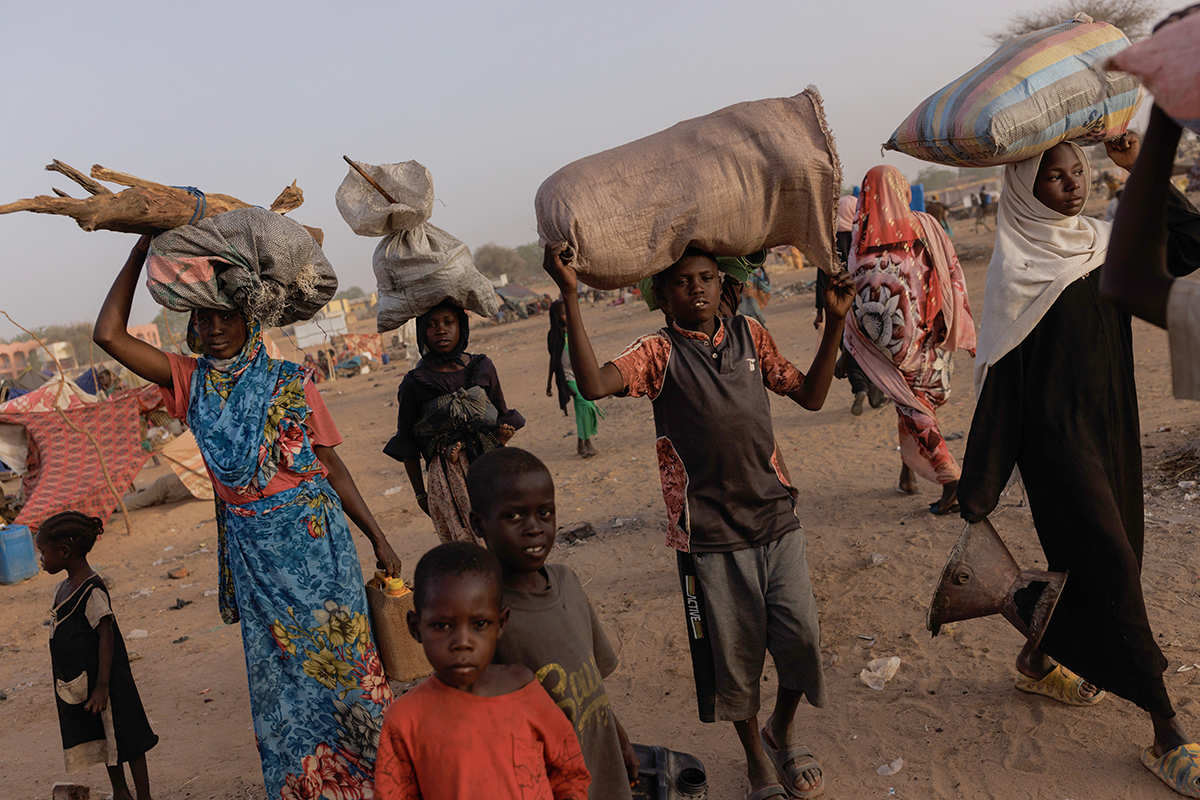
On this week’s episode, Jehanne Henry, Mirette Mabrouk, and MEI Editor-In-Chief Alistair Taylor discuss Sudan’s civil war and its regional impact. The conflict began on April 15th, 2023, when fighting broke out in Sudan’s capital of Khartoum between the Sudanese Armed Forces (SAF) under Gen. Abdel Fattah al-Burhan and the paramilitary Rapid Support Forces (RSF) under Mohamed Hamdan Dagalo (known as “Hemedti”). More than a year on, the fighting continues to rage and there seems to be no end in sight to the conflict.
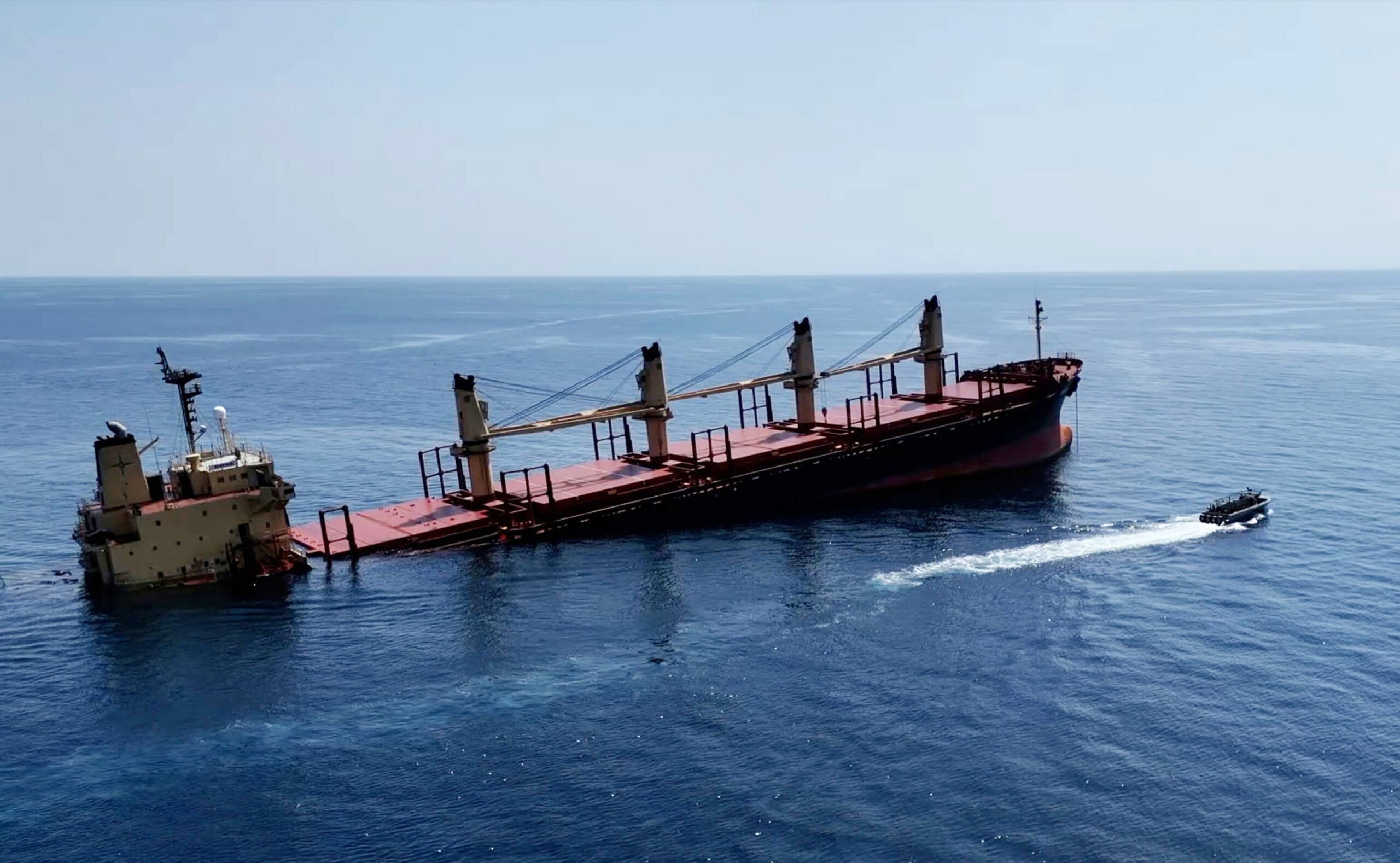
Israel in the Red Sea during the War in Gaza: Strategic insights
In recent months, Israel’s situation in the Red Sea has grown increasingly challenging in the security, economic, and diplomatic spheres. But the country is in a better position to meet these challenges and threats by leveraging the strategic regional partnerships it has developed over the past several years.
Since April 15, 2023, the Sudanese people have borne the brunt of the country’s civil war. According to the Norwegian Refugee Council, more than 9 million people have been internally displaced over the past year, and another 1.7 million have been forced to flee to neighboring states. Peace remains a distant prospect, as a result of the failure of diplomatic efforts to date to convince both Abdel Fattah al-Burhan, commander of the Sudanese Armed Forces, and Mohamed Hamdan Dagalo, commander of the paramilitary Rapid Support Forces, to end the conflict through a political settlement.