Skip to Content

Research & Commentary Results

Filter by
156 Results
Tunisia’s Kais Saied becomes an ordinary politician
Photo by FETHI BELAID/AFP via Getty Images
  • Analysis
  • Tunisia’s Kais Saied becomes an ordinary politician

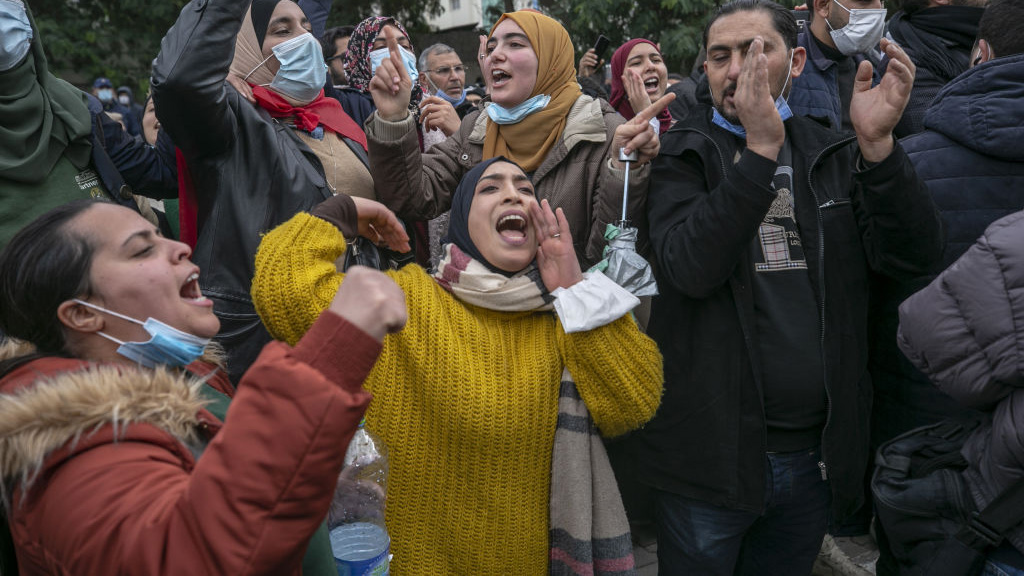
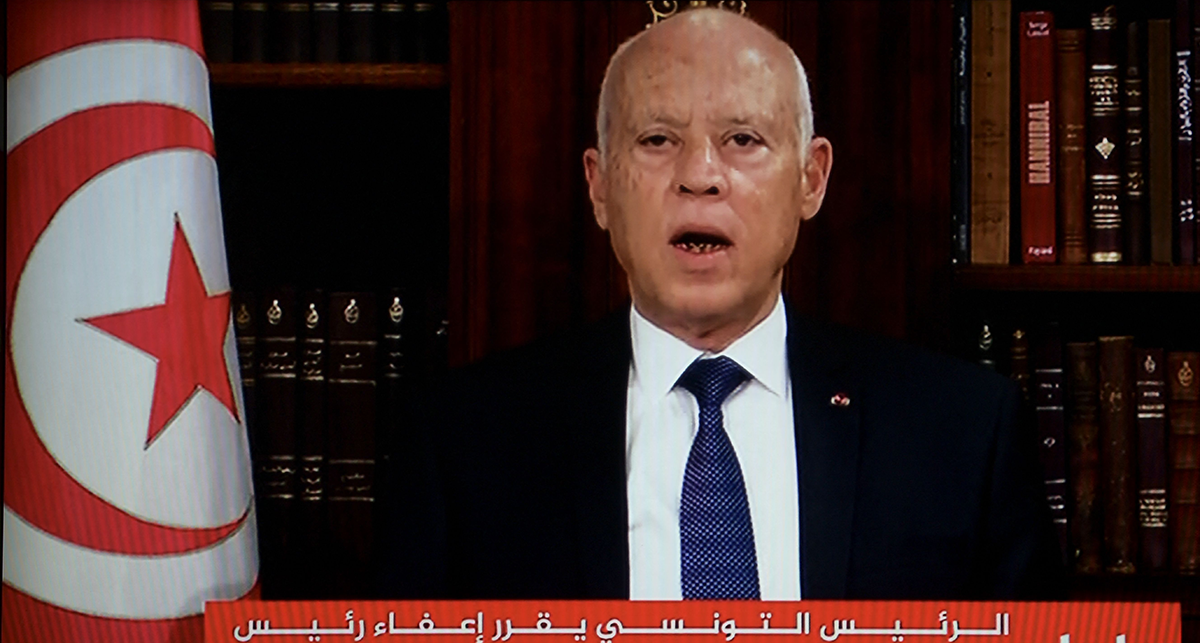
    While some of Saied’s rhetoric as well as his symbolic and legislative decisions may appear to some as revolutionary, the post-July 25 political system has thus far maintained continuity from both the pre- and post-revolutionary way in which the state governs: a top-down, policing approach with deference to — and reinforcement of — existing socio-economic hierarchies. In presiding over and perpetuating this system, whether with verve or reluctantly, Saied has become an ordinary politician, following in the footsteps of many others who have held positions of power.

    January 14, 2022

    The Fragile State of Food Security in the Maghreb: Implication of the 2021 Cereal Grains Crisis in Tunisia, Algeria, and Morocco
    Photo by FADEL SENNA/AFP via Getty Images.
  • Analysis
  • The Fragile State of Food Security in the Maghreb: Implication of the 2021 Cereal Grains Crisis in Tunisia, Algeria, and Morocco

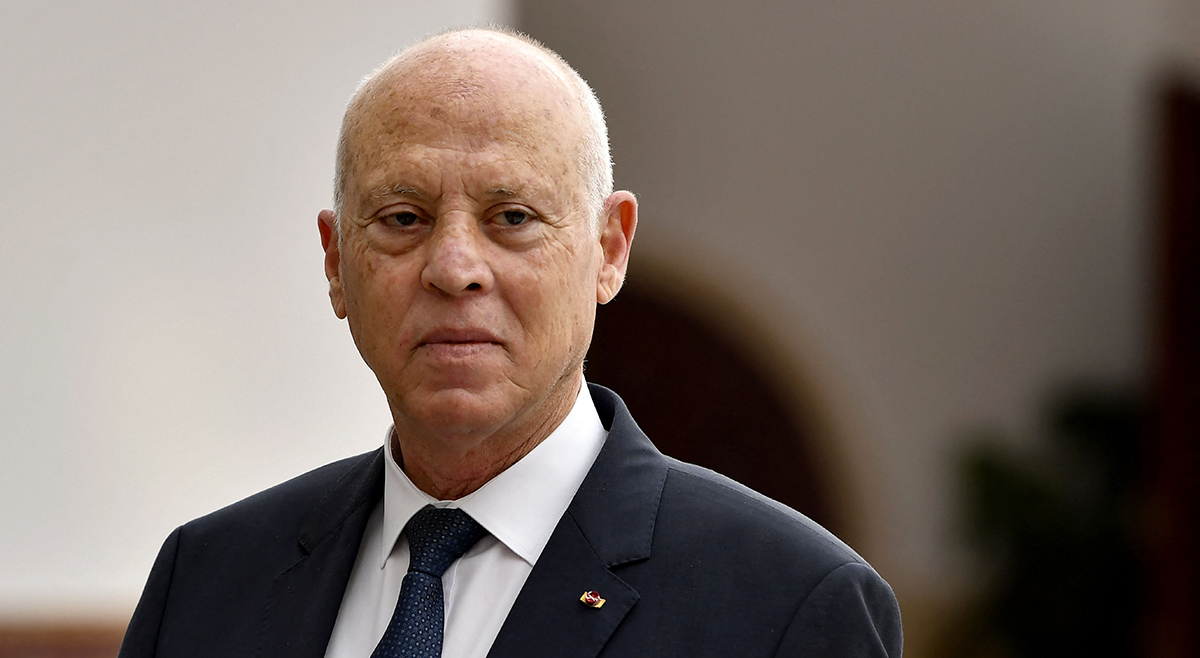
    North Africa has entered a food security crisis. Tunisia, Algeria, and Morocco are witnessing food inflation levels not seen since the civil unrest of the Arab Spring a decade ago. Although the Maghreb’s current food crisis was precipitated by the local and global economic shocks brought on by the onset of the COVID-19 pandemic in 2020 and its 2021 aftermath, the structural fragility of the food systems in Tunisia, Algeria, and Morocco is responsible for severity of the problem. At the core of this fragility is the failure to implement adequate measures to address the impact of increased water scarcity and debilitating climate change.

    The thorny question of readmission in France-Maghreb migration talks
    Photo by FETHI BELAID/AFP via Getty Images
  • Analysis
  • The thorny question of readmission in France-Maghreb migration talks

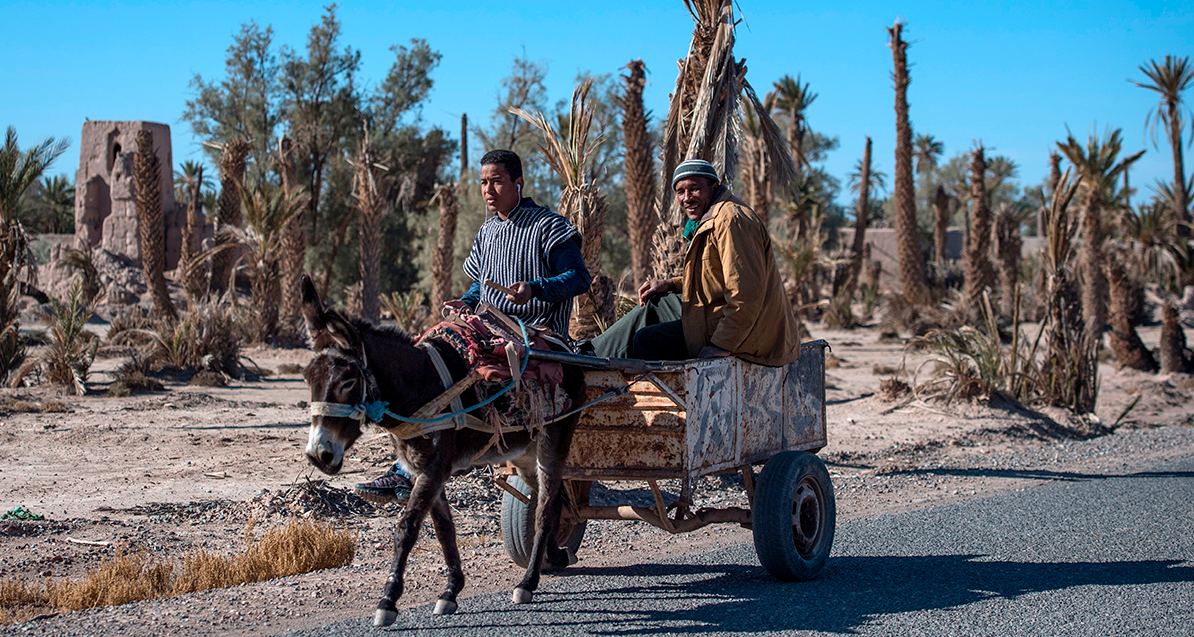
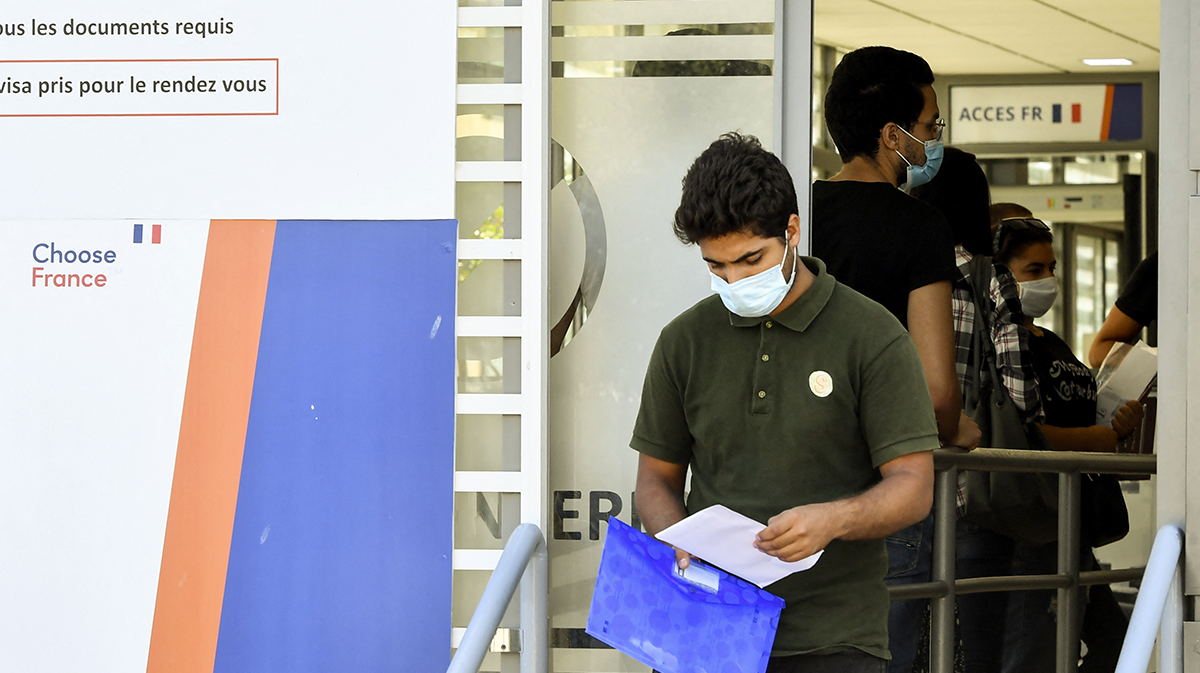
    Readmission of irregular migrants has been a critical element in migration cooperation between France and Maghreb countries. In an attempt to increase its leverage, France recently decided to toughen its stance on migrant return by linking it more tightly to the country’s visa policy.

    November 2, 2021

    Tunisia's political crisis
    Middle East Institute
  • Podcast
  • Tunisia's political crisis

    Lilia Blaise and Fadil Aliriza join Intissar Fakir for a discussion on Tunisia’s political turmoil following President Kais Saied’s series of moves since July to reshape the country’s government.

    October 22, 2021

    في جميع أنحاء المنطقة المغاربية، لا يزال الدعم منخفضًا لجميع الجهات الفاعلة الخارجية، بما في ذلك الصين وروسيا
  • Commentary
  • في جميع أنحاء المنطقة المغاربية، لا يزال الدعم منخفضًا لجميع الجهات الفاعلة الخارجية، بما في ذلك الصين وروسيا

    هذا المقال يأتي ضمن سلسلة من أربعة أجزاء نشرها معهد الشرق الأوسط بالتعاون مع الباروميتر العربي لتحليل نتائج الدورة السادسة من استطلاعات الباروميتر العربي.

    Zogby survey highlights Tunisia’s bumpy road
    Photo by Chedly Ben Ibrahim/NurPhoto via Getty Images
  • Commentary
  • Zogby survey highlights Tunisia’s bumpy road

    On Oct. 4, MEI hosted a discussion with Dr. James Zogby, president of the Arab American Institute and founder of Zogby Research Services (ZRS); Elizia Volkmann, a British freelance journalist based in Tunis; and Dr. Eya Jrad, researcher and assistant professor of security studies at the Ministry of Higher Education and Scientific Research Tunisia. The conversation revolved around the findings of a ZRS survey of 1,551 Tunisians conducted between Aug. 15 and Sept. 5 covering their attitudes and optimism regarding the future.

    October 7, 2021

    في استطلاعات الرأي، يتحدث التونسيون عن مظالم اقتصادية مستمرة
  • Commentary
  • في استطلاعات الرأي، يتحدث التونسيون عن مظالم اقتصادية مستمرة

    هذا المقال يأتي ضمن سلسلة من أربعة أجزاء نشرها معهد الشرق الأوسط بالتعاون مع الباروميتر العربي لتحليل نتائج الدورة السادسة من استطلاعات الباروميتر العربي.

    October 7, 2021

    Across the Maghreb, support for all outside actors, including China and Russia, remains low
    Photo by Jdidi Wassim/SOPA Images/LightRocket via Getty Images
  • Analysis
  • Across the Maghreb, support for all outside actors, including China and Russia, remains low

    In recent years, China and Russia have gradually increased their influence in the Maghreb. The two powers, relative newcomers to the regional scene compared to Europe and the U.S., have been building stronger commercial, security, and diplomatic ties to the Maghreb countries of Morocco, Algeria, and Tunisia. However, these ties have not yet translated into significant popular approval or support.

    In surveys, Tunisians tell of continuous economic grievances
    Photo by Chedly Ben Ibrahim/NurPhoto via Getty Images
  • Analysis
  • In surveys, Tunisians tell of continuous economic grievances

    The latest round of public opinion surveys conducted by Arab Barometer confirms that the deterioration of the economy — or more specifically a continuing collapse in living standards — has been at the forefront of people’s minds in Tunisia.

    September 27, 2021

    Rida “Lenin” Cheheb Mekki: The ideologue of Tunisia’s July 25 power grab?
    Photo by FETHI BELAID/AFP via Getty Images
  • Analysis
  • Rida “Lenin” Cheheb Mekki: The ideologue of Tunisia’s July 25 power grab?

    Tunisia’s July 25 hirak was in the making since 2011, but perhaps we researchers were simply looking in the wrong place. This article presents a simplified account of the ideological roots of President Kais Saied’s July 25 power grab. Drawing on original and previously unused data as well as diverse sources, including a book recently withdrawn from stores, it offers a snapshot of the concept-map of ideas that have thus far remained hidden from the public domain.

    September 13, 2021

    The race to reset the Middle East's maritime map
    Photo by Xinhua/Wu Lu via Getty Images
  • Analysis
  • The race to reset the Middle East's maritime map

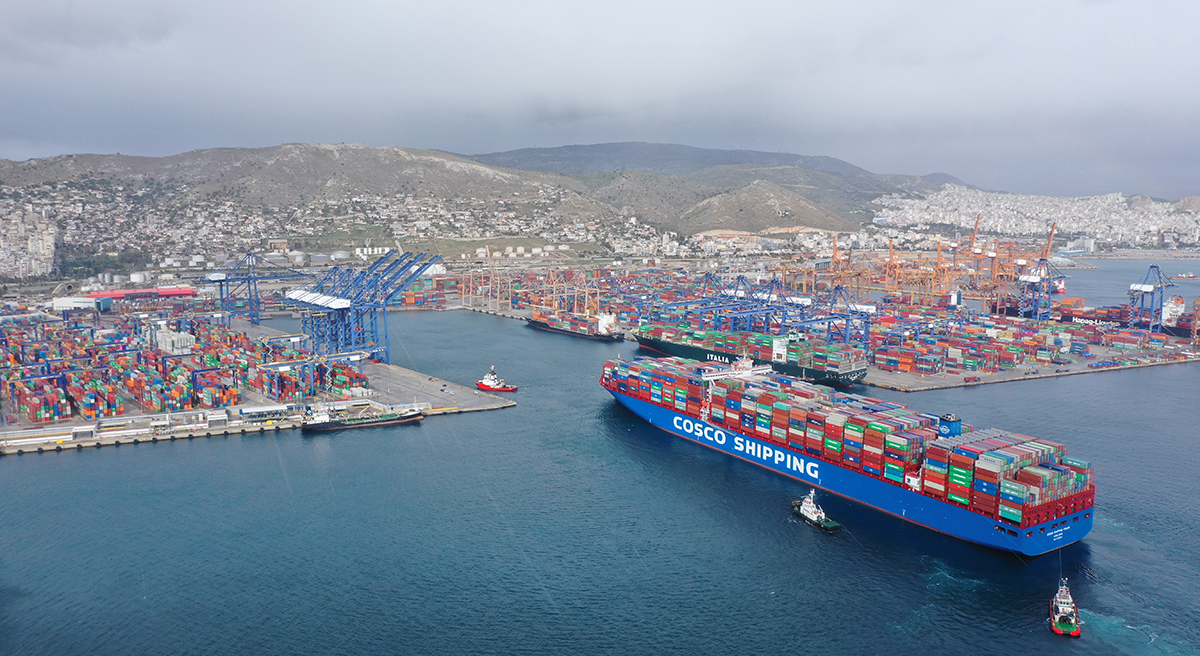
    One of the most consequential changes in the Middle East’s geopolitical map is happening at the water’s edge. Along the entire eastern rim of the Mediterranean basin, global and regional actors are engaging in a spate of port capacity expansions, new private port construction, and the sell-off of major state-owned ports that will determine who sits atop the region’s global trade flows for decades to come. The international competition to rebuild Beirut’s port is one key puzzle piece in this larger process that is reconfiguring the Levant’s maritime commercial architecture and, as a consequence, the geopolitical contours of the Middle East.

    The possibility that the Lebanese government could opt for China to reconstruct Beirut’s port has raised alarm in Washington and European capitals given China’s already outsized commercial port presence in Egypt, Israel, and Greece. Increased Chinese involvement in Lebanon’s port operations could consolidate Beijing’s hold over the commercial connectivity architecture of the Levant. Re-orienting global commercial flows between Europe, the Middle East, and Asia according to Beijing’s priorities would make China’s Belt and Road Initiative a dominant organizing principle in the international relations of the Middle East. The most effective way to offset China’s ambition may be to facilitate Mediterranean rivals France and Turkey to jointly rebuild Beirut’s port.
    The Tunisian president’s political capital is finite
    Photo by Tunisian Presidential Image/Anadolu Agency via Getty Images
  • Analysis
  • The Tunisian president’s political capital is finite

    President Kais Saied’s July 25 decisions to suspend parliament and the government appear to have been largely popular, despite sharp criticism from those denouncing them as a coup, unconstitutional, or a dangerous overstep of his authority. The mass celebrations in the streets that broke out immediately after his televised announcement — in spite of a nighttime curfew — are evidence of the popularity of his moves. Some polling since then, which although unclear in their methodology, also seem to indicate that large majorities approve of Saied’s measures — for now.

    August 10, 2021