Saudi Arabia’s diversified support for a two-state solution
More than a year has passed since the horrific attacks that took the lives of 1,200 innocent Israeli citizens on Oct. 7, 2023, a devasting day that led to many more devasting days in Gaza, where tens of thousands of innocent people have died and countless more have experienced suffering on an industrial scale. All hopes that the war might soon wind down are fading, as the conflict has expanded regionally and internationally and attention has been diverted to a hot cease-fire in Lebanon and the dramatic events unfolding in Syria. Saudi Arabia can help support a credible path to peace.
Preserving evidence and securing justice for Assad’s crimes
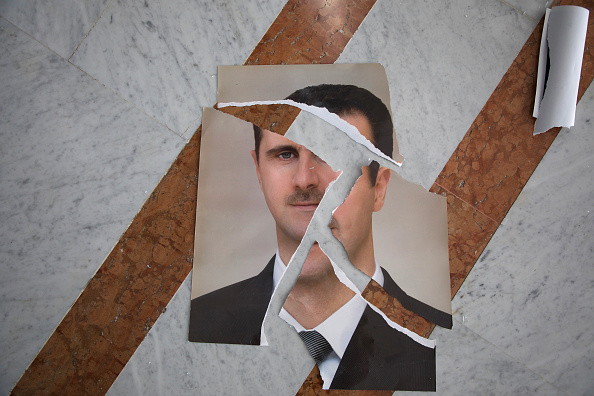
Under former President Bashar al-Assad’s regime, the Syrian security sector kept meticulous records of their crimes. The international community must now step up to help Syria’s new authorities secure and protect the documents, provide information to the loved ones of those who suffered in Assad’s prisons, and pursue justice.
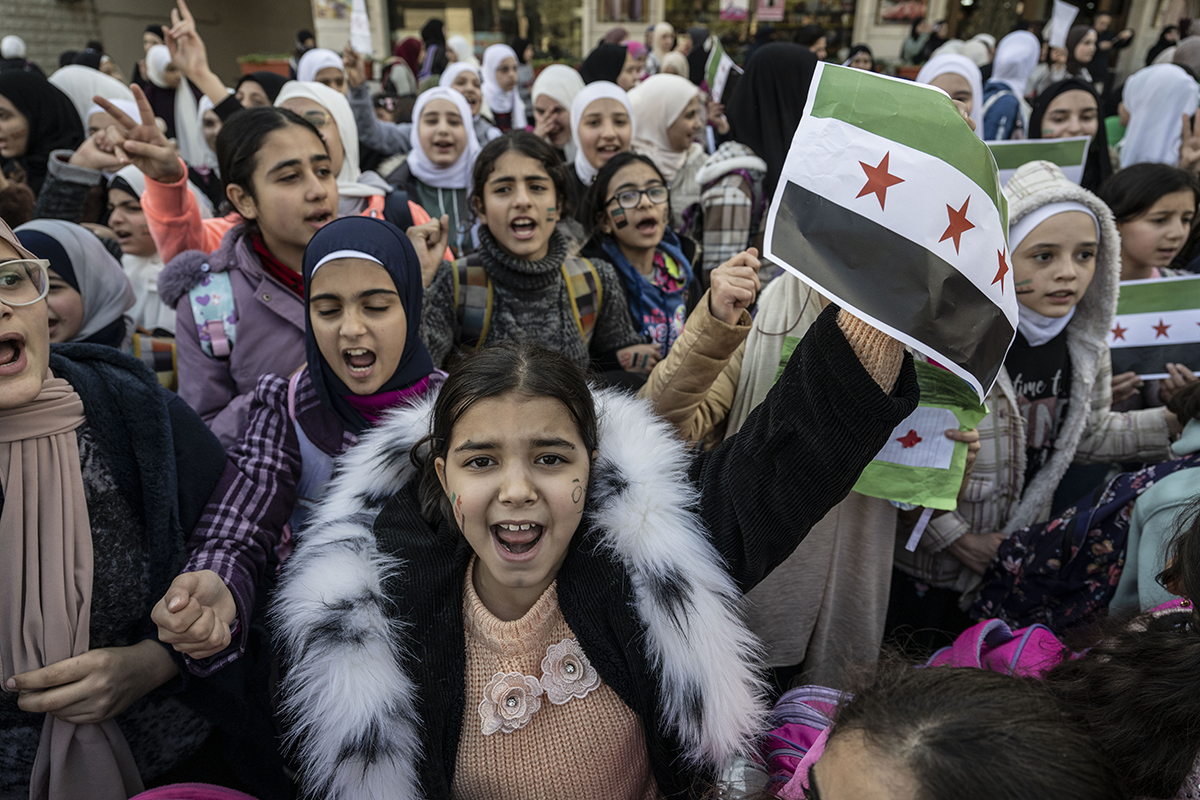
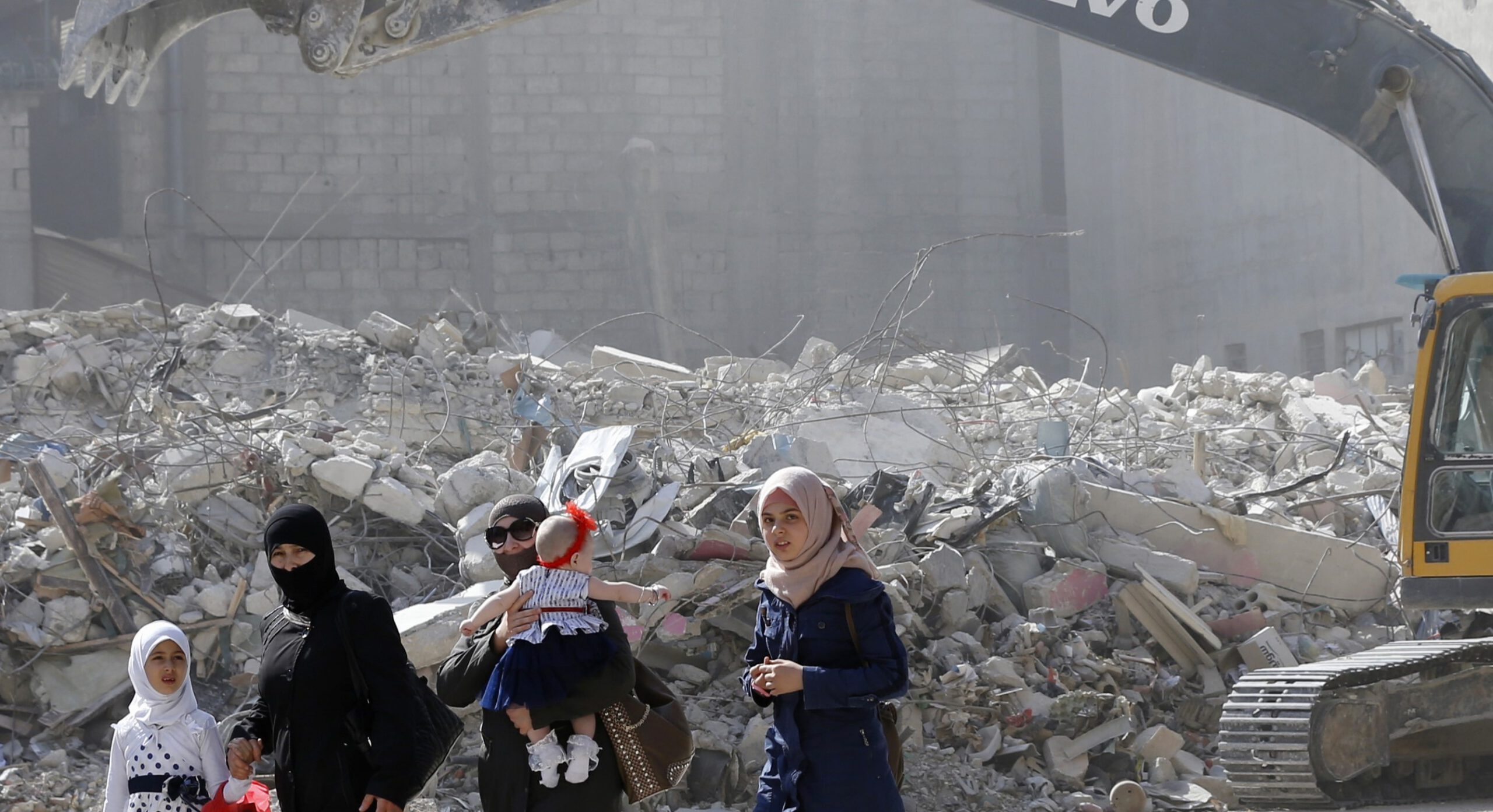
On Dec. 8, 2024, Bashar al-Assad’s regime fell. This is a fact, but it woefully understates the enormity, speed, and consequences of what has transpired. The brutal dictatorship that ruled Syria for more than 50 years disintegrated in fewer than 10 days. Celebrations erupted across public squares, thousands of Syrian refugees lined up at the borders of Turkey, Jordan, and Lebanon eager to return, and the release of political prisoners fueled hope for a new era after decades of despotism and conflict. However, concerns about Syria’s political future and territorial integrity quickly surfaced.
Iran’s growing influence in the Black Sea region: Consequences and Western responses
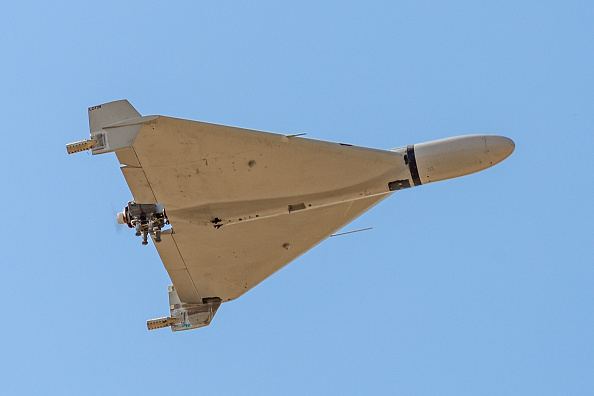
Russia’s full-scale war against Ukraine has provided several strategic opportunities for Iran to increase its foothold in the Greater Black Sea Region. A closer analysis of Iran’s deepening footprint there is necessary to inform how the next administration in Washington and the new European Commission can strengthen and better coordinate their policy responses.
In only six days, a broad coalition of advancing opposition forces coordinated by Hayat Tahrir al-Sham has captured all of Idlib province, almost all of Aleppo province, and a sizeable stretch of northern Hama — a humiliating defeat for Bashar al-Assad and illustrative of the fragility of regime rule in Syria.
US success in Iraq means being a more reliable partner than Iran
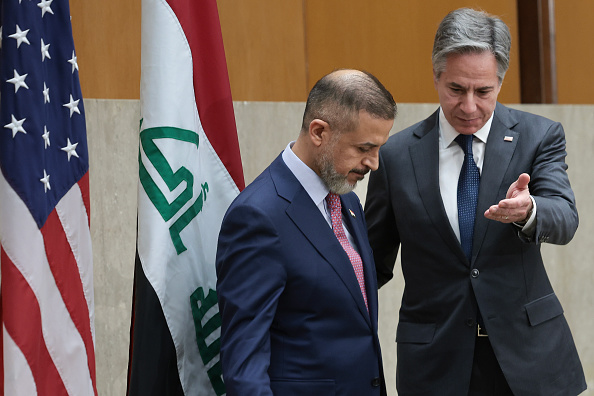
There is no quick path to limiting or reducing Iranian influence in Iraq. Tehran will react fiercely to American efforts to destroy the militias and zero-out its influence, and it would have multiple avenues to escalate through the porous 900-mile-long border between the two countries. Moreover, domestic Iraqi reaction, especially among elements of the Shi’a population, would be reticent at best and hostile at worst to intensified American military actions. Nor should it be an American goal to stoke a civil war among Iraq’s Shi’a that would give Iran new access points.
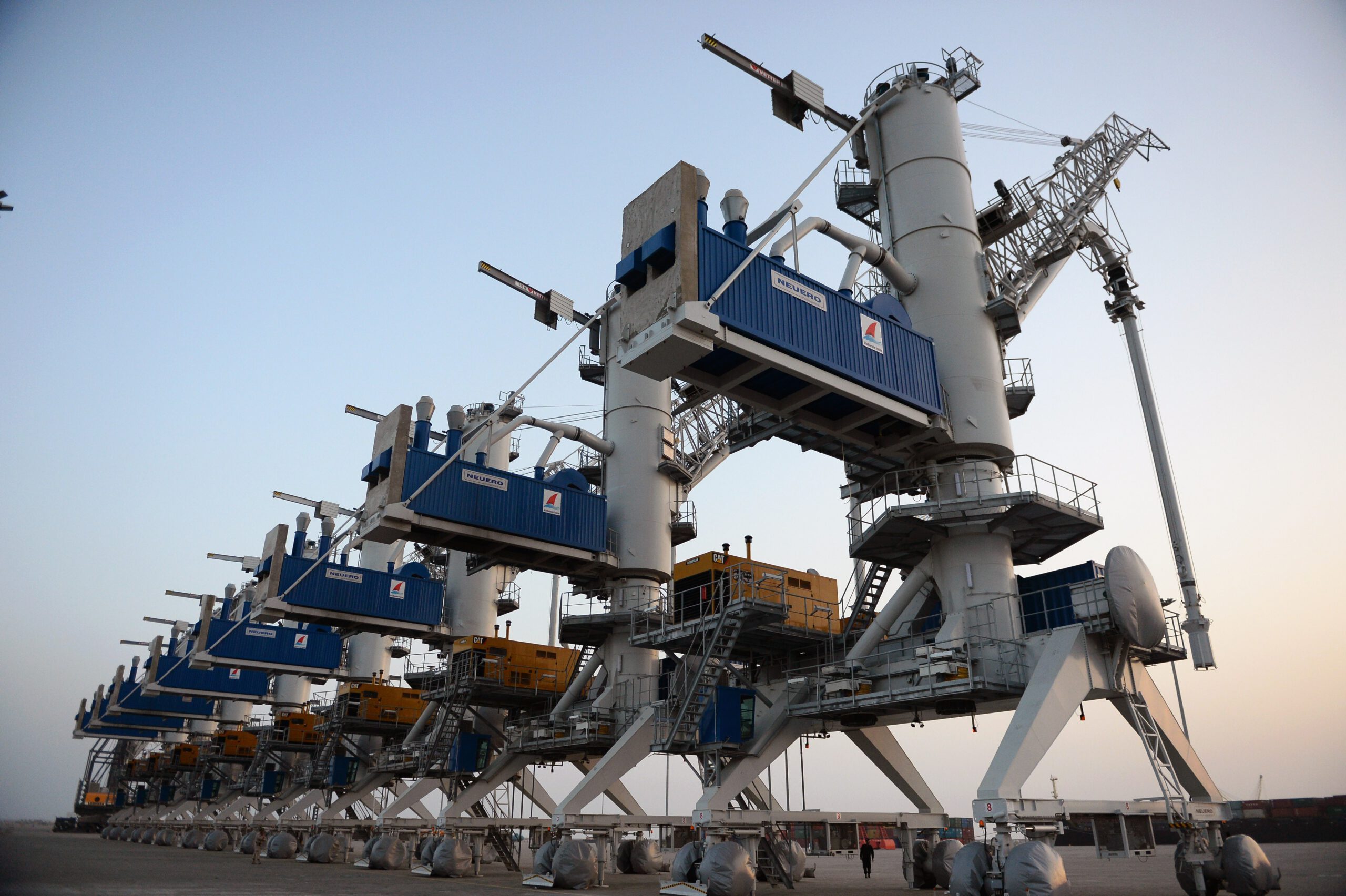
Persian Gulf-Black Sea corridor: A new era for Iran-Europe trade or just another risk?
The Persian Gulf-Black Sea International Transport and Transit Corridor, which Tehran proposed eight years ago, remains relevant today in the context of strategic competition, as it offers Iran and participating countries an alternative trade route that bypasses traditional Western-dominated shipping lanes, potentially reshaping regional economic dynamics and geopolitical influence.
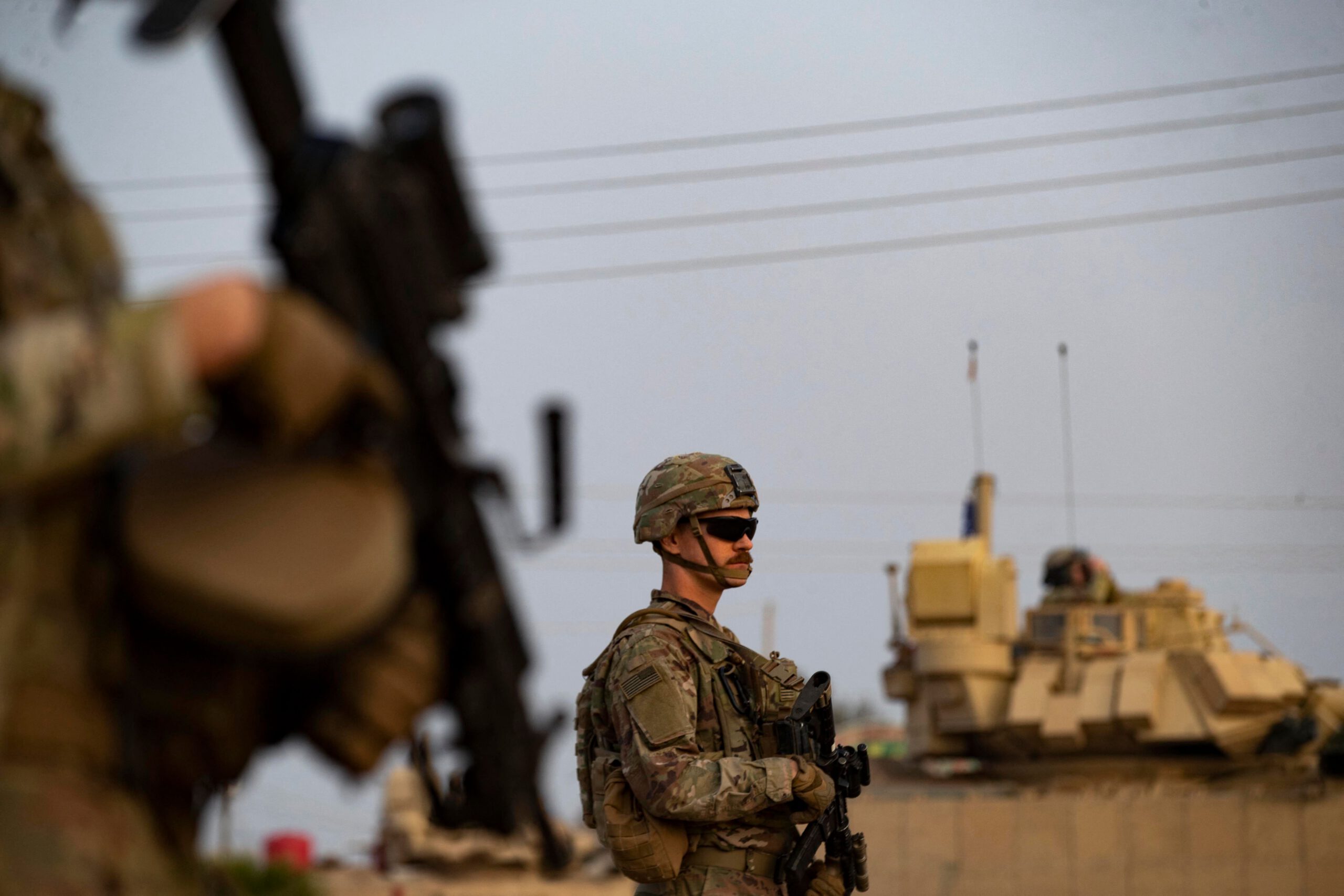
To abandon the Syria mission now would bring no meaningful benefit to the US, but it would swiftly and significantly empower America’s adversaries, like ISIS, Iran, Russia, and Assad’s regime.
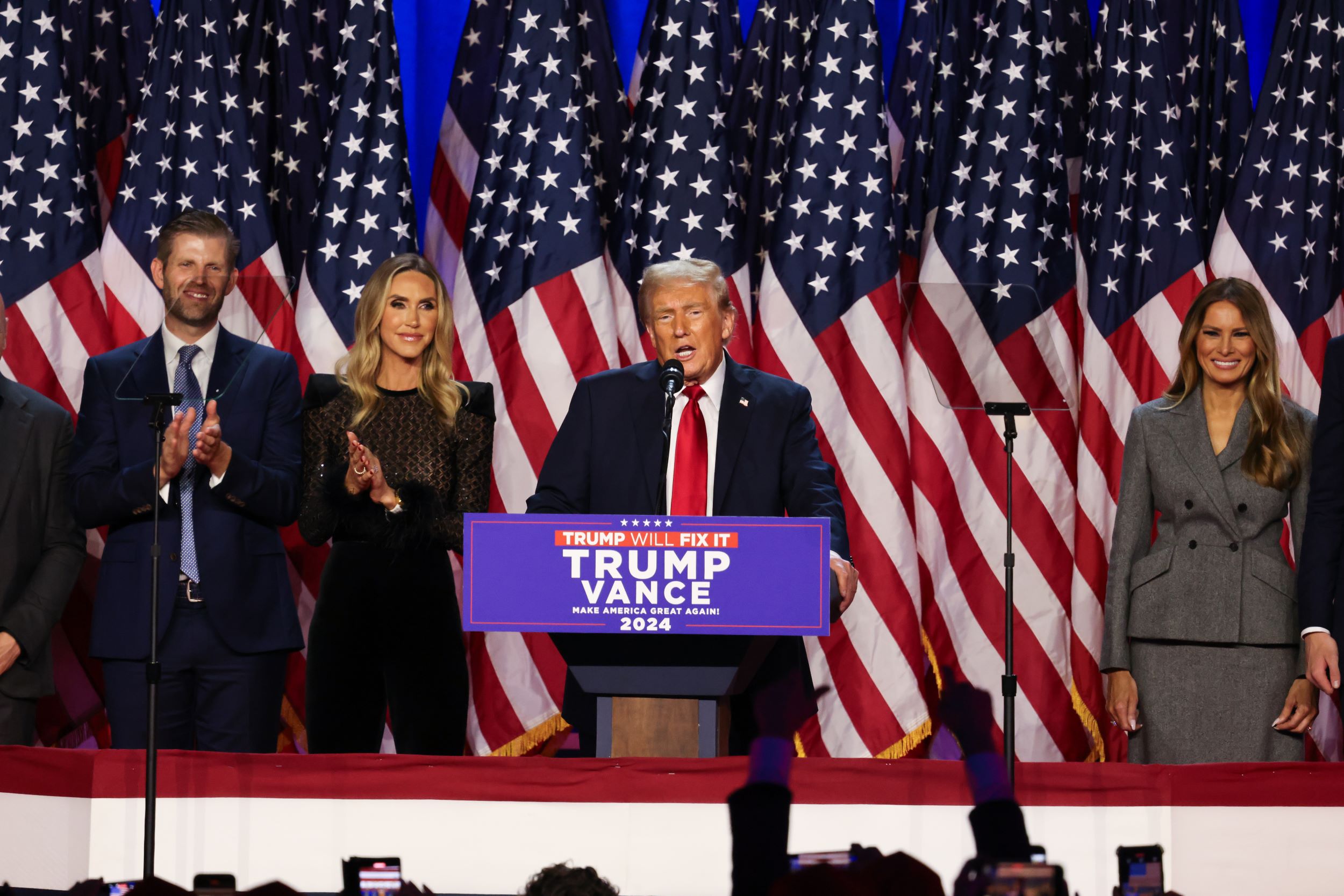
As Donald Trump prepares to return to the White House, the main question in Tehran is not so much what the incoming American president will do about Iran. Rather, it is about whether Tehran should negotiate with him.
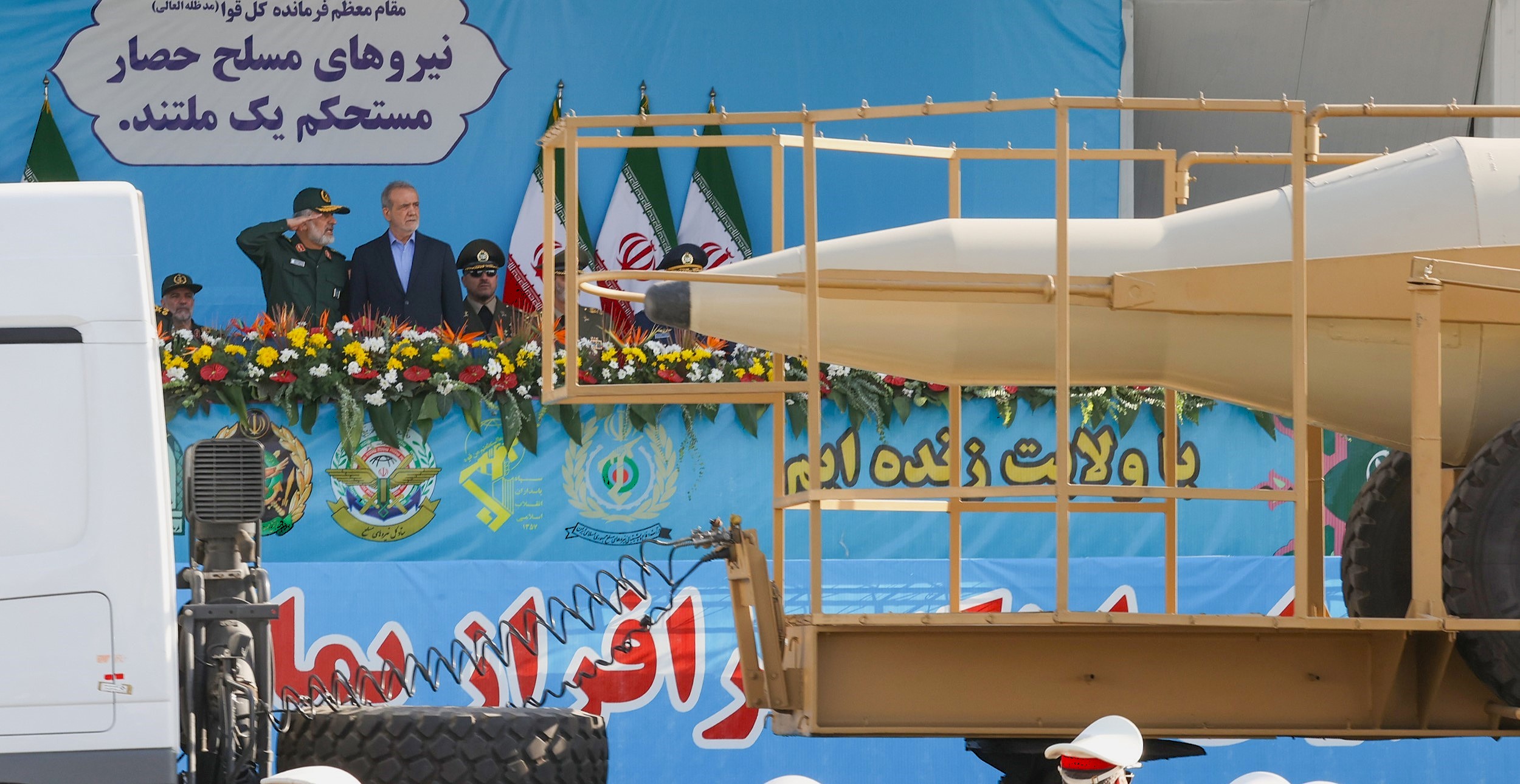
Tehran’s calculations to avoid all-out war with Israel and the US
Under past reformist presidents, Iran repeatedly tried to build a grand bargain deal with the United States, entailing compromises over its nuclear program in return for negotiating spheres of influence across the Middle East. This September, speaking on the sidelines of the United Nations General Assembly meetings in New York, the current reformist president Masoud Pezeshkian confirmed that he was open to direct talks with Washington to end hostilities.
How Donald Trump might tackle the Middle East in 2025
it is possible to extrapolate how the incoming second Trump administration may respond to the complex situation in the Middle East by examining the president-elect’s record during his first term, what he has said since, as well as public statements of his running-mate, Sen. J. D. Vance. Two main issues are likely to dominate Donald Trump’s regional agenda when he comes to power: Iran and Israeli-Palestinian affairs.
Early recovery and rehabilitation in regime-controlled areas of Syria: An assessment
The following is a short abstract, offering the main analytical findings and policy takeaways from a newly released Middle East Institute report on post-war reconstruction in Syria.