Maximal Miniatures: A Contemporary Take on a Centuries-Old Persian Art Form
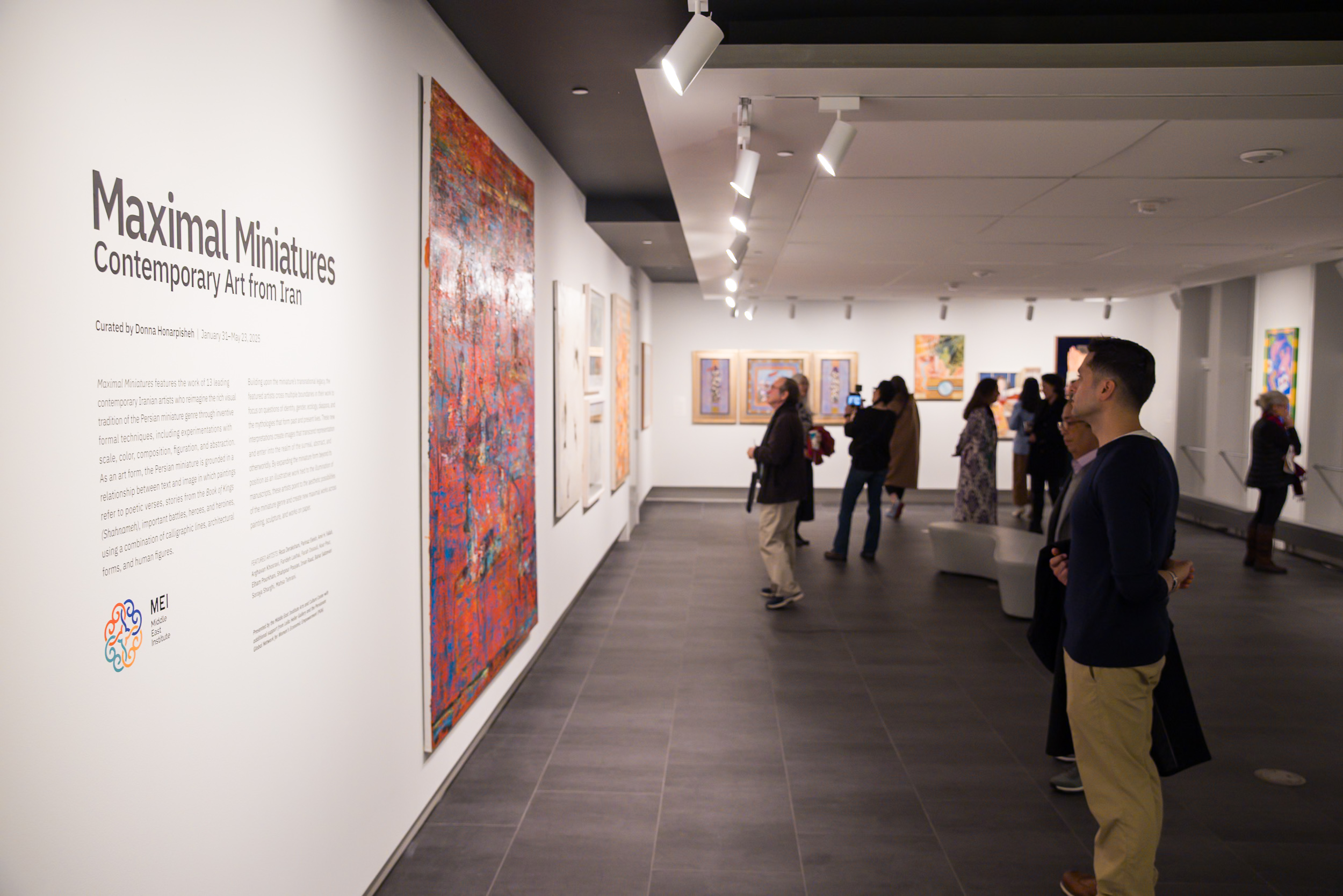
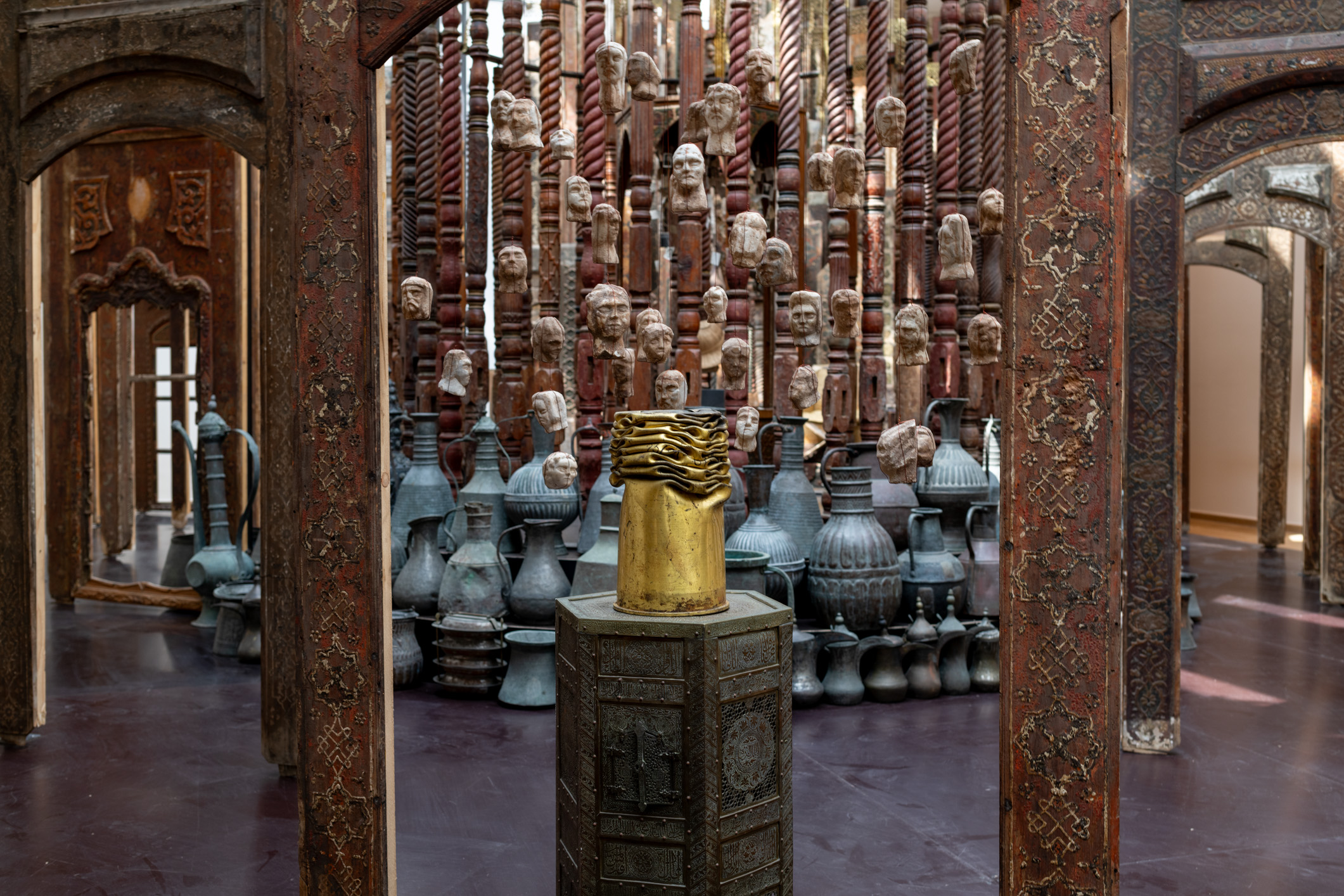
The Maximal Miniatures exhibition, a curated collection on display at MEI’s gallery until May 23, 2025, is interested in the ways in which contemporary artists have reinvented the Persian miniature genre with new questions in mind.
US disengagement and new regional security dynamics in Afghanistan’s neighborhood
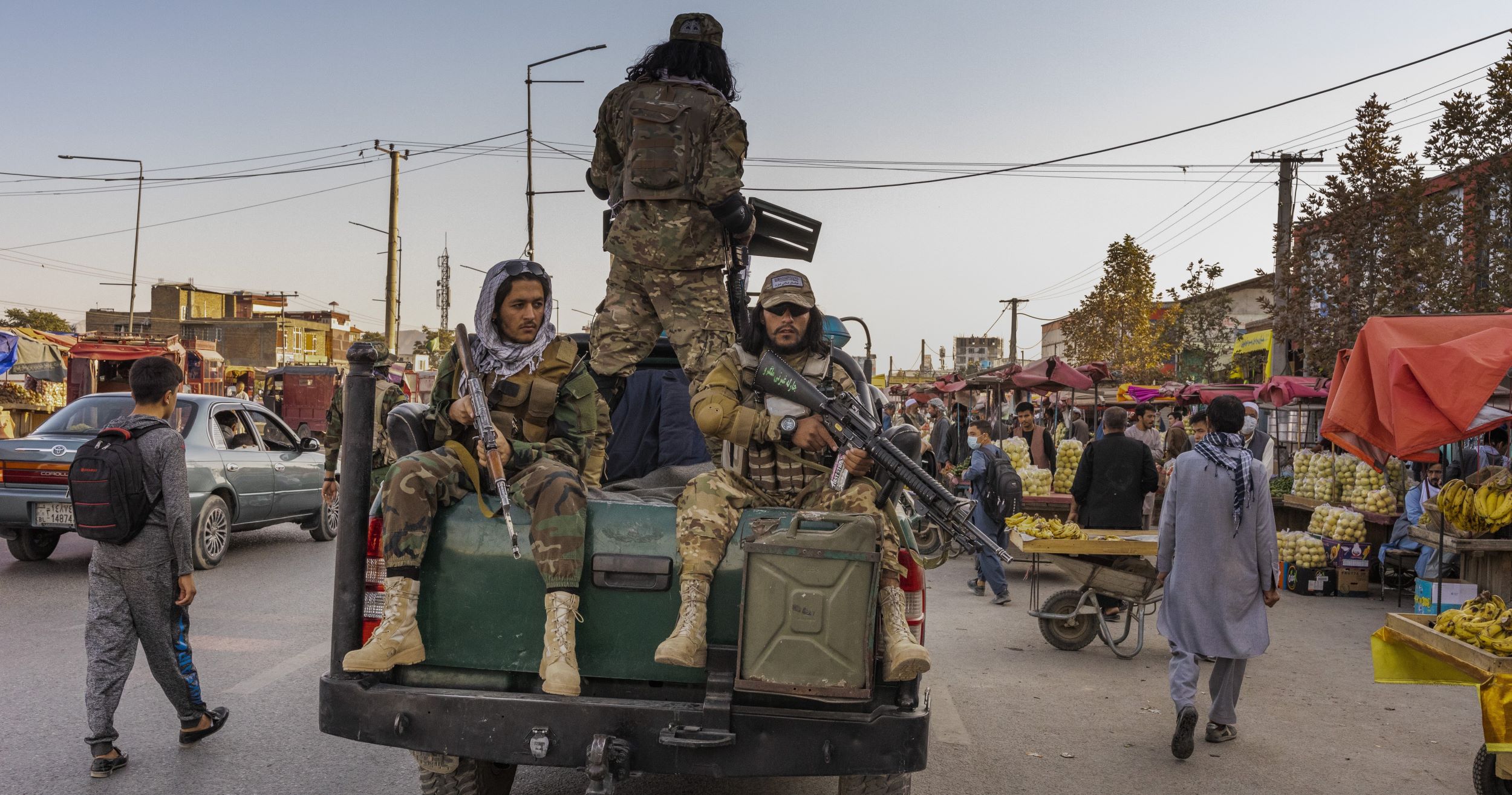
Afghanistan’s neighborhood is in the midst of a consequential restructuring of its security architecture. Key regional actors Pakistan, Afghanistan, Iran, and China have been continuing to adjust their defense plans and security partnerships to meet the growing threats posed by domestic and cross-border terrorism. At the same time, these four countries have also been looking for new ways to fill the vacuum in southern Asia left by the United States military’s departure from Afghanistan.
NYT Bestselling Author Kwame Alexander on the Power of Literature and Poetry to Bring Us Together
Renowned poet, producer, and New York Times bestselling author Kwame Alexander joins guest host Lyne Sneige to discuss the power of storytelling and the intersection of art and social change. Looking back on his recent experience speaking at the 2024 Riyadh International Book Fair in Saudi Arabia, Alexander shares his reflections on the Kingdom’s literary scene, the growing appetite for global narratives, and how books and poetry can serve as bridges between cultures.
Normalizing regular contacts and building relationships with the Taliban leadership can offer a more effective way to hold the Islamic Emirate to account for its actions. It also gives greater promise of realizing American hopes for an Afghanistan inhospitable to global terrorists and more respectful of the human rights of its citizens.
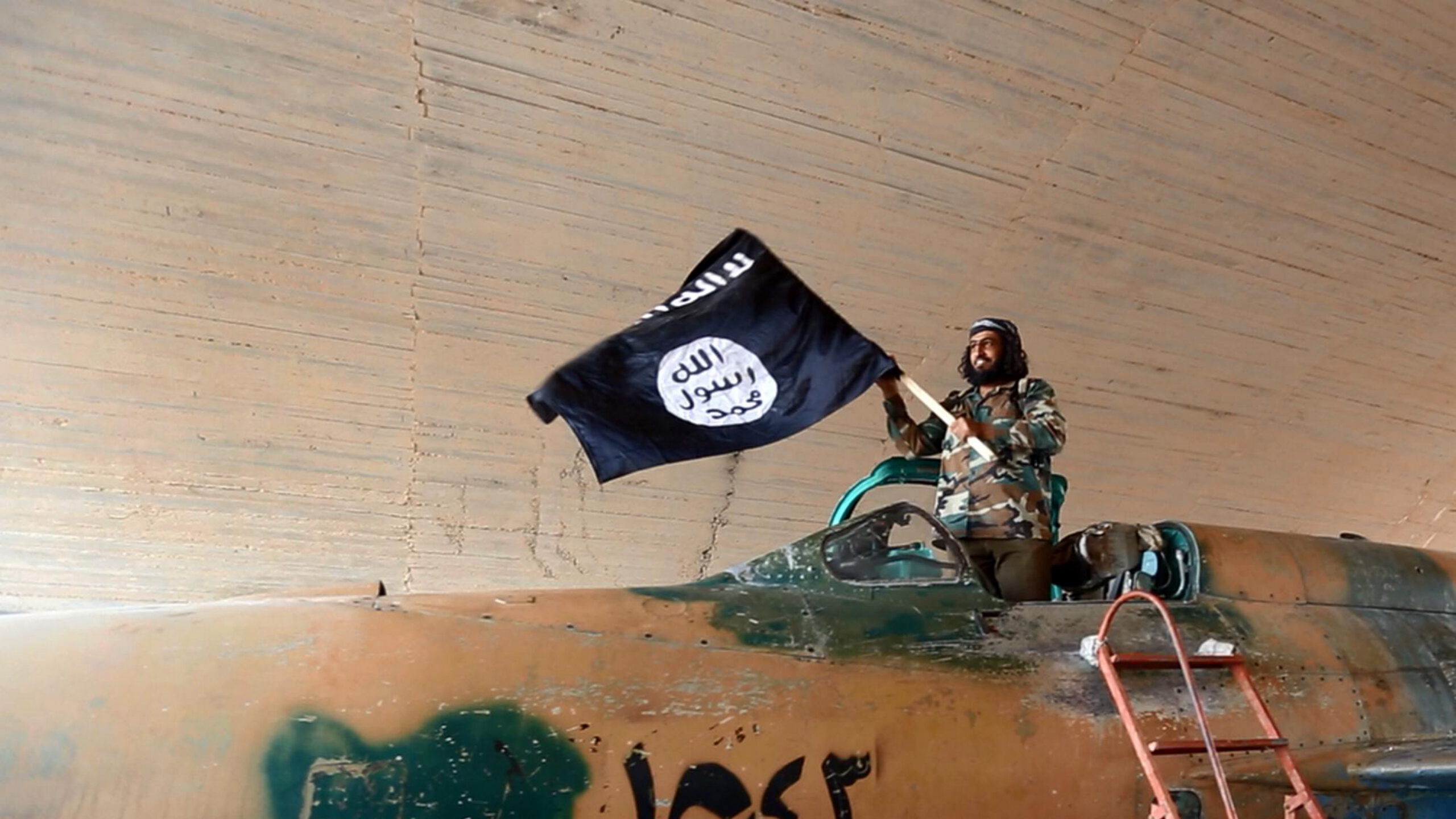
With al-Assad gone, the risk of an ISIS resurgence grows
This perilous moment for Syria’s future comes at a moment when American foreign policy in the region could change on a dime. President-elect Donald Trump has already stated the United States should have “nothing to do” with Syria’s future. But to do nothing would give the Islamic State a chance to surge once again.
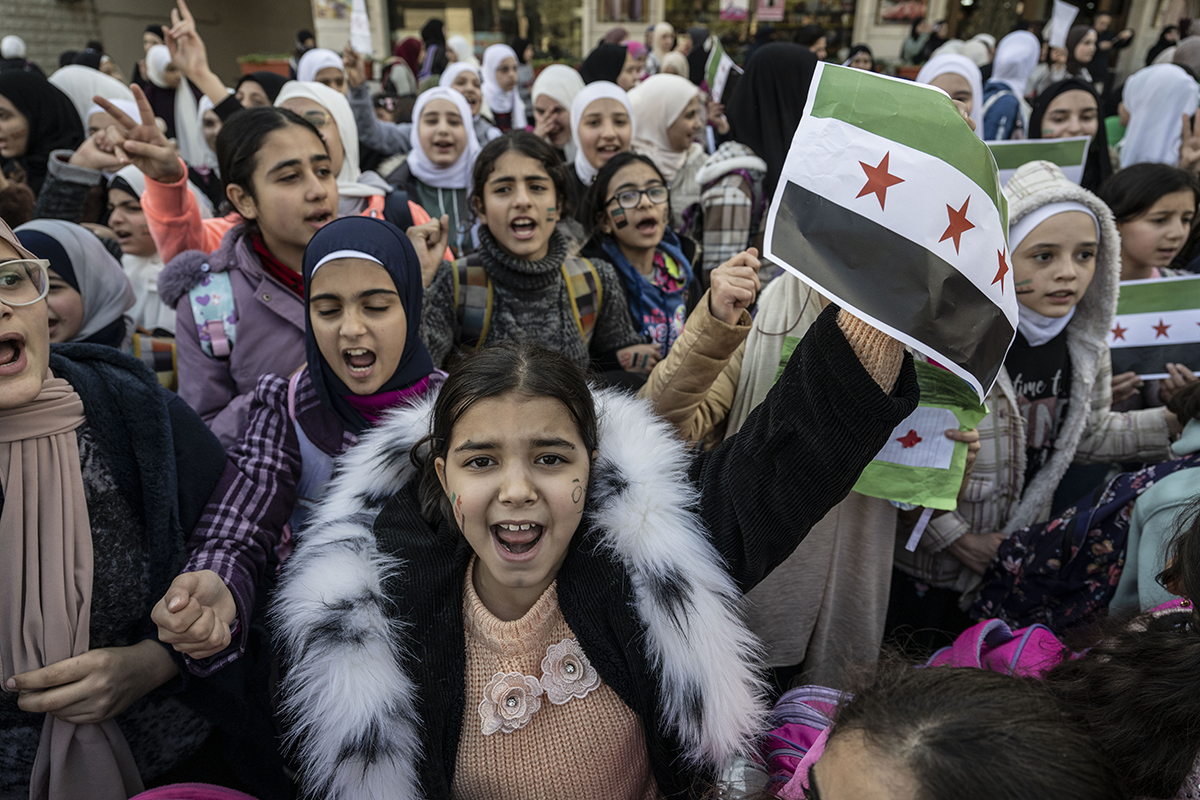
In only six days, a broad coalition of advancing opposition forces coordinated by Hayat Tahrir al-Sham has captured all of Idlib province, almost all of Aleppo province, and a sizeable stretch of northern Hama — a humiliating defeat for Bashar al-Assad and illustrative of the fragility of regime rule in Syria.
To abandon the Syria mission now would bring no meaningful benefit to the US, but it would swiftly and significantly empower America’s adversaries, like ISIS, Iran, Russia, and Assad’s regime.
A Glimmer of Hope in a Time of War: The Beirut Museum of Art’s Mission to Heal and Regenerate Lebanon Through Art
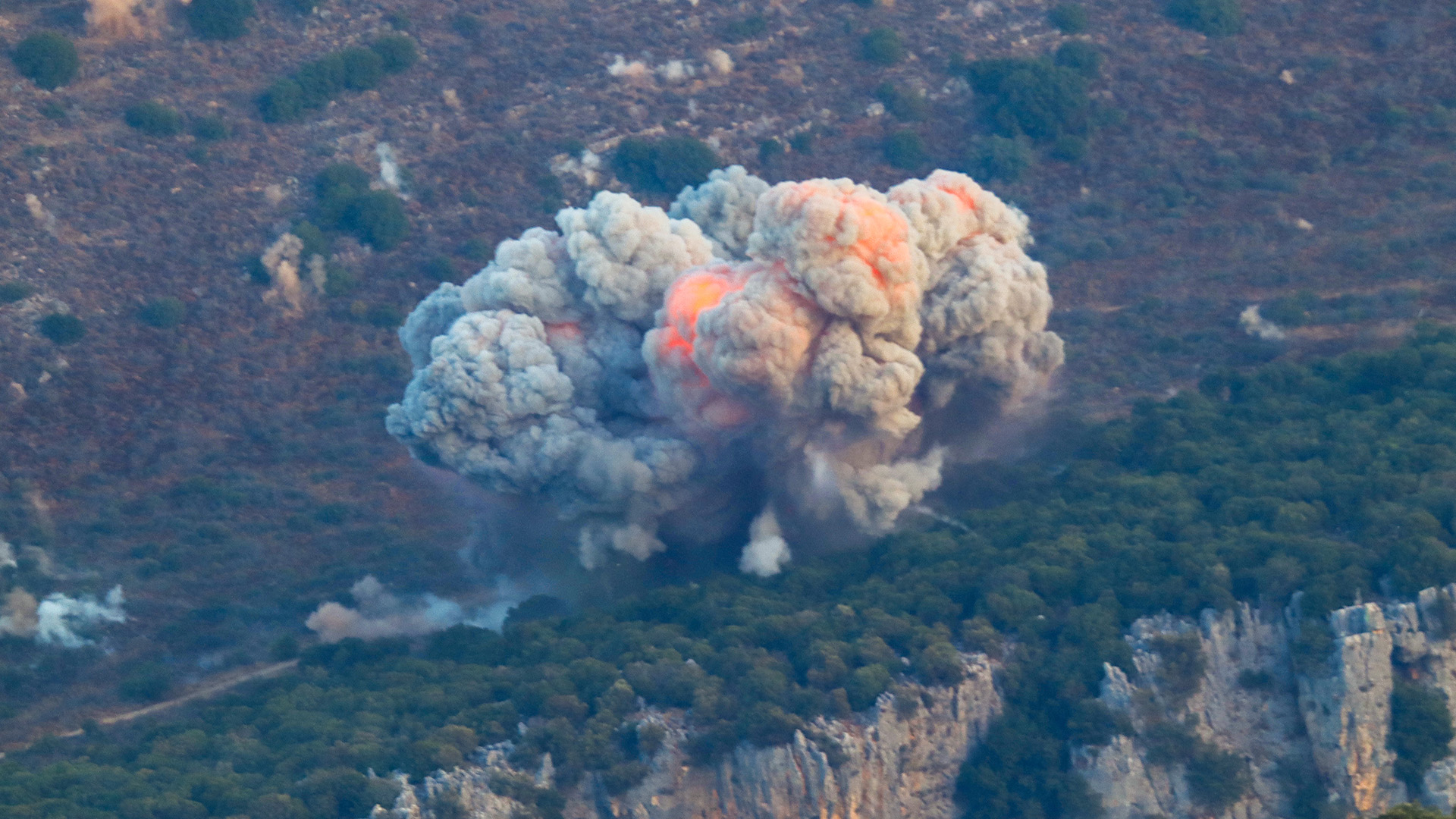
Amid the ongoing calamity of war in Lebanon, the country’s cultural scene is determined to work against the odds to keep its heritage and art alive. Among the many projects that are determined to push ahead is the Beirut Museum of Art (BeMA), a museum long in the works whose mission is to preserve the country’s heritage and culture through modern and contemporary art.
Over the past month, Iran and its regional network of allies and proxies – The Axis of Resistance – has suffered a string of dramatic losses and defeats. What is the future of the Axis and its members, and what can the US and its allies do to confront and disrupt this Iranian-led network?
Navigating the shadows: Afghanistan’s terrorism landscape three years after the US withdrawal and its international implications
Three years since the US and allied withdrawal from Afghanistan, the facts on the ground challenge some more optimistic depictions of the Taliban’s counterterrorism cooperation with the US, al-Qaeda’s reemergence, or the capacity of ISKP to direct external attacks that could threaten American interests.
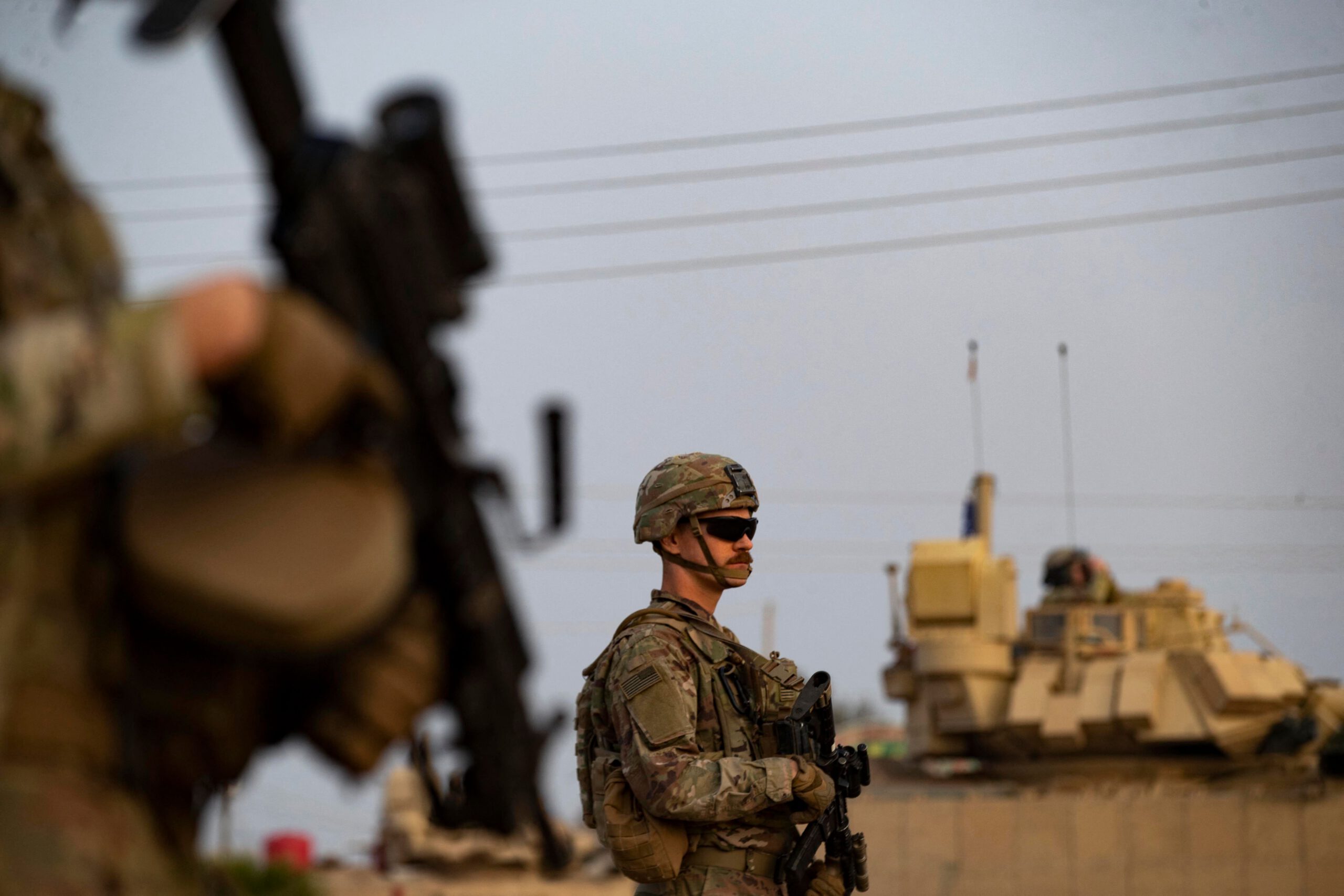
As the U.S. leaves Iraq, it can’t leave the door open for ISIS
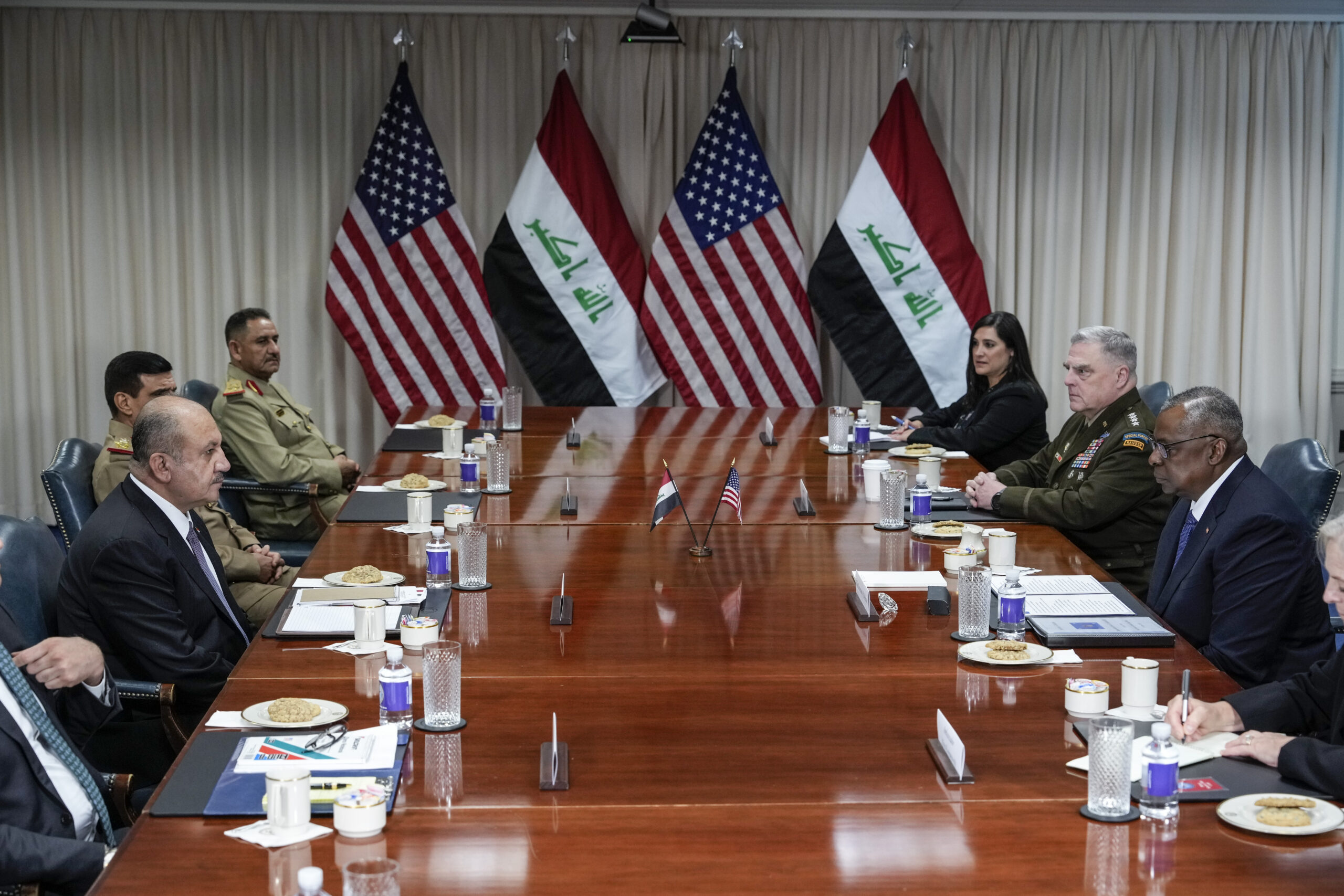
After more than six months of talks, the United States and Iraq look set to announce a significant agreement stipulating that the U.S.-led anti-Islamic State coalition will withdraw entirely from the country over the next two years.