Remembering Mohamed Khan—the Leader of Egypt’s Neo-Realist Cinema
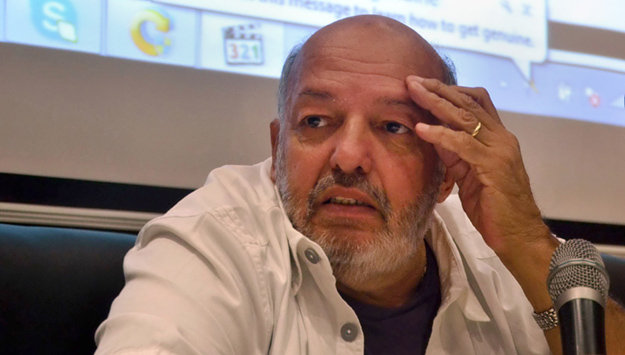
Of the numerous artists claimed by the grim reaper this year, the sudden death of veteran Egyptian filmmaker Mohamed Khan at 73 was among the most impactful. Widely considered as one of Egypt’s greatest directors, the vivacious, imposing Khan had a voracious appetite for life that concealed his real age. He was a man who always seemed to be bigger than death.
Monday Briefing: The Battle for Aleppo, Turkey's Gulen Extradition Request, and IMF talks in Cairo
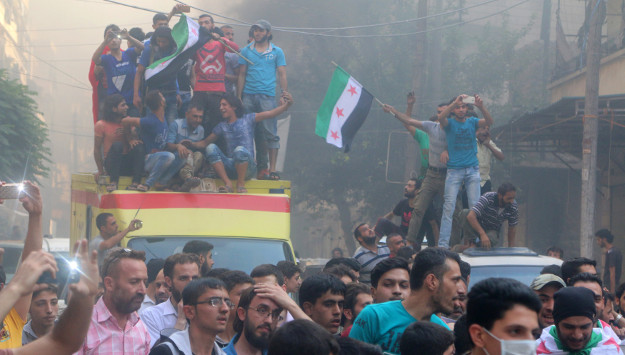
In this week’s Monday Briefing, MEI experts Charles Lister, Gonul Tol, and Paul Salem provide analysis on recent and upcoming events including the battle for Aleppo, Turkey’s extradition appeal for Fatullah Gulen, and IMF talks in Cairo this week on Egypt’s request for more than $12 billion in loans.
Resolving Egypt’s Housing Crisis Crucial to Long-Term Stability
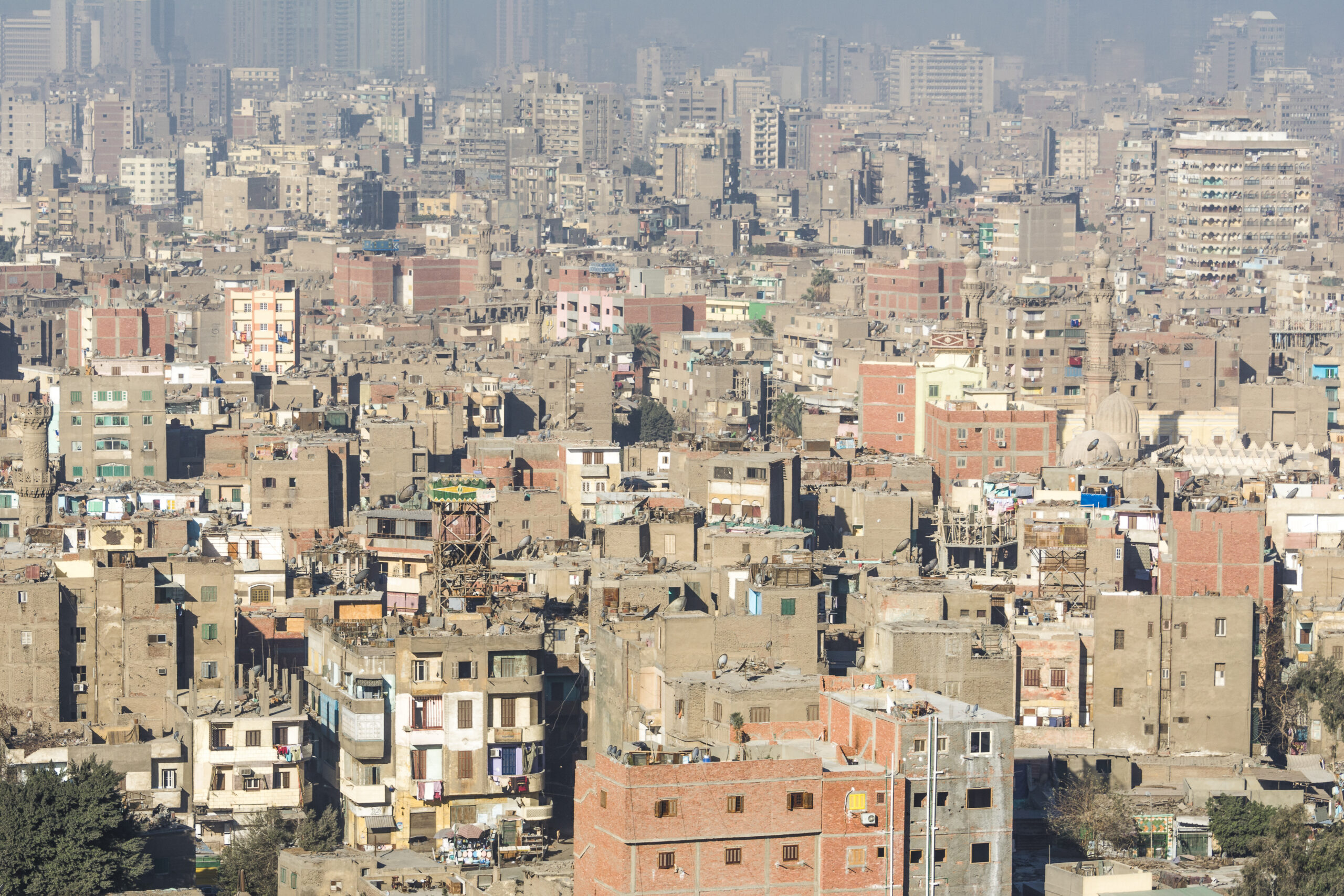
With a population growing at a rate of approximately 2 percent per year, Egypt is faced with an urbanization crisis, as many of its cities find themselves increasingly overcrowded. Egypt’s housing crisis affects millions across the country, and, if the Sisi government is looking to further consolidate its power, it must ensure that it maintains the support of the country’s poor urban communities, which have historically revolted against worsening living conditions.
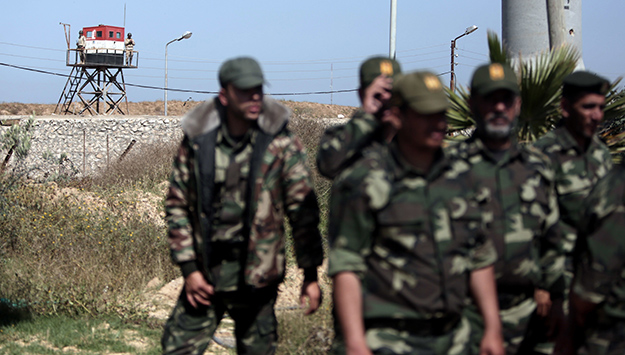
Egypt, which enjoys friendly relations with both the Palestinian Authority and Israel, understands that it must normalize relations with Hamas to be able to act as a mediator between the three parties. The Egyptian government, which has yet to achieve convincing results in the fight against terrorist groups in Sinai, is also in need of Hamas’ cooperation in this area.
These days even the hint of a renewal of diplomacy on Palestine is enough to set tongues wagging. In recent months, France has led what remains an inchoate effort to fill the diplomatic vacuum created by the Obama administration’s decision two years ago to close its book on Palestine.
Between the rise to power of the Justice and Development Party (A.K.P.) in the early 2000s and the eruption of the Syrian crisis in 2011, Turkey’s “zero problems with neighbors” approach to foreign policy seemed commendable. Today, however, Ankara’s foreign policy is perhaps best described as “zero neighbors without problems.” In response to the Arab uprisings of 2011, Ankara’s projection of primarily soft power has evolved into the embrace of hard power—most notably in Iraq and Syria.
The Potential for Intra-Regional Energy Cooperation
Regional Cooperation Series
This Policy Paper is part of The Middle East Institute’s Regional Cooperation Series. Throughout 2016, MEI will be releasing several policy papers by renowned scholars and experts exploring possibilities to foster regional cooperation across an array of sectors. The purpose is to highlight the myriad benefits and opportunities associated with regional cooperation, and the high costs of the continued business-as-usual model of competition and intense rivalry.
Since the mid-2000s, Egypt has developed into a main transit country for irregular migrants, either to Libya or to Israel. Now, as the traditional paths have largely been closed, many migrants and refugees are blocked in Cairo and along Egypt’s Mediterranean coast. Boarding a boat towards Europe is for many the only option to escape negligence, detention and abuse.
Monday Briefing: Erdogan's Failed Washington Trip, Iraq's Cabinet Reshuffle, and Other Key Issues in Week Ahead
In this week’s Monday Briefing, MEI experts Gonul Tol, Robert S. Ford, Charles Lister, and Paul Salem provide analysis on recent events including Turkish President Erdogan’s visit to Washington, the reshuffling of Iraq’s cabinet, King Salman’s forthcoming visit to Egypt, and the latest attempts by Jabhat al-Nusra over the weekend to disrupt the Syrian political process.
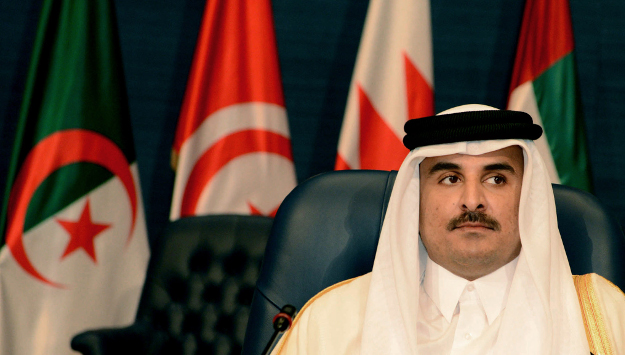
Qatar’s Cabinet Reshuffle and a New Regional Approach
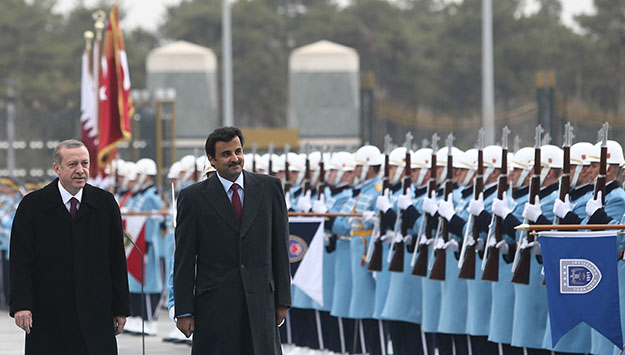
Qatar’s recent cabinet reshuffle marks the latest step in the tiny emirate’s shift away from its high-profile regional activities under former emir, Sheikh Hamad bin Khalifa al-Thani, to the more discreet role of his son and current emir, Sheikh Tamim bin Hamad al-Thani.
Emir Sheikh Tamim bin Hamad Al Thani warned Qataris in November that due to tumbling oil prices, the government could no longer “provide for everything.” The following month he addressed “wasteful spending, overstaffing and a lack of accountability,” sending a clear message that austerity measures were on the way.
Explaining the Military's Ruling Ambition in Egypt and Thailand
The military took advantage of political crisis to remove civilian governments in Egypt in 2013 and Thailand in 2014. This essay discusses three important features of the Egyptian and Thai political systems that have fostered the military’s ruling ambition in both cases.
Fate of the Dragon in the Year of the Red Fire Monkey: China and the Middle East 2016
February 2016 marks the beginning of a new phase in the Chinese lunar calendar, drawing to a close a year marked by heightened risks and fortuitous gains in China’s efforts to secure its interests in the Middle East and North Africa (MENA) region. This essay addresses three questions: How well has China adapted to the conflict and instability that have swept the region? And as we enter the Year of the Red Fire Monkey, what are the concerns that are likely to preoccupy Chinese leaders? What, if any, policy adjustments by Beijing, can realistically be expected in light of the current circumstances and uncertain prospects for the region and for China itself?
Gulf Decisionmakers' Perceptions of Security Ties with China
The essays featured here are the products of a workshop series analyzing China’s position in the context of Gulf security, organized by the Department of International Affairs and the Center for Humanities and Social Sciences of Qatar University under the direction of Dr. Imad Mansour.