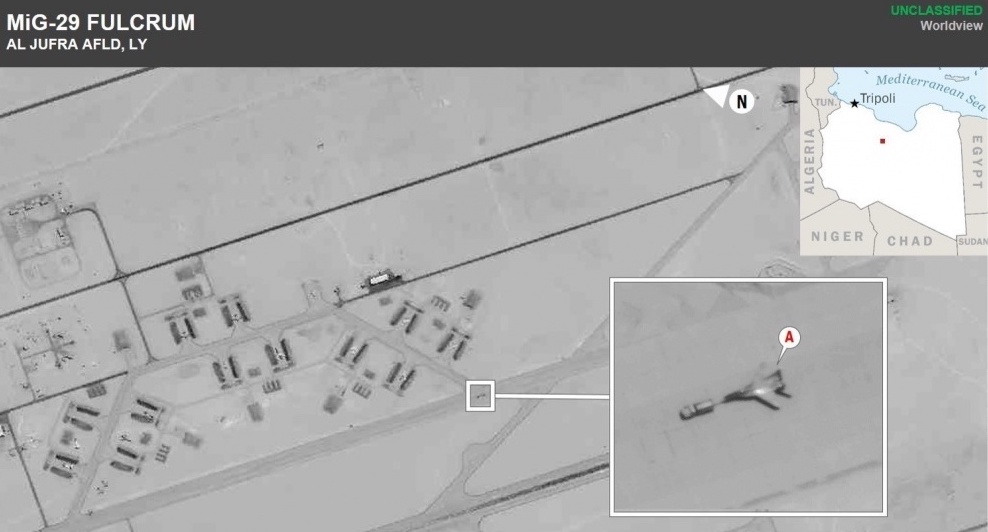
Why did Russia deploy fighter jets to Libya?
As the May 26 AFRICOM statement makes clear, Russia’s strategy is fraught with the risk of new sanctions and its geopolitical maneuvers may not come for free.
The Turks are signaling that they intend to hold to maximalist claims vis-à-vis their intended maritime influence.
The recent deployment of Syrian army Fourth Division troops to Daraa is yet another reminder of the deadly unrest ongoing in southwestern Syria. Sent to pacify Mazayreeb following an unprecedented armed attack after which several soldiers were publicly executed, Daraa’s western countryside still regularly witnesses violent unrest including assassinations, hit-and-run attacks, and drive-by shootings.
Syria faces long-standing economic problems that have been greatly exacerbated by its nine-year-long war. The cost of rebuilding the country will be enormous. But before there can be any discussion of sanctions relief or economic assistance, key political and economic reforms must be implemented. First and foremost among these is the devolution of power to the most local level of governance.
Saying that Moscow is having a change of heart at this very moment, let alone is willing to publicly broadcast this to Damascus, may be a bit premature.
In recent weeks, a flurry of commentary from prominent voices and publications in Russia has seen a wave of criticism directed at Syria’s Assad regime. Accusations have been leveled against the regime of corruption, warlordism, and incompetence, as well as an obsession with achieving unrealistic military objectives at the expense of dwindling resources, reconstruction, and political and economic reforms.
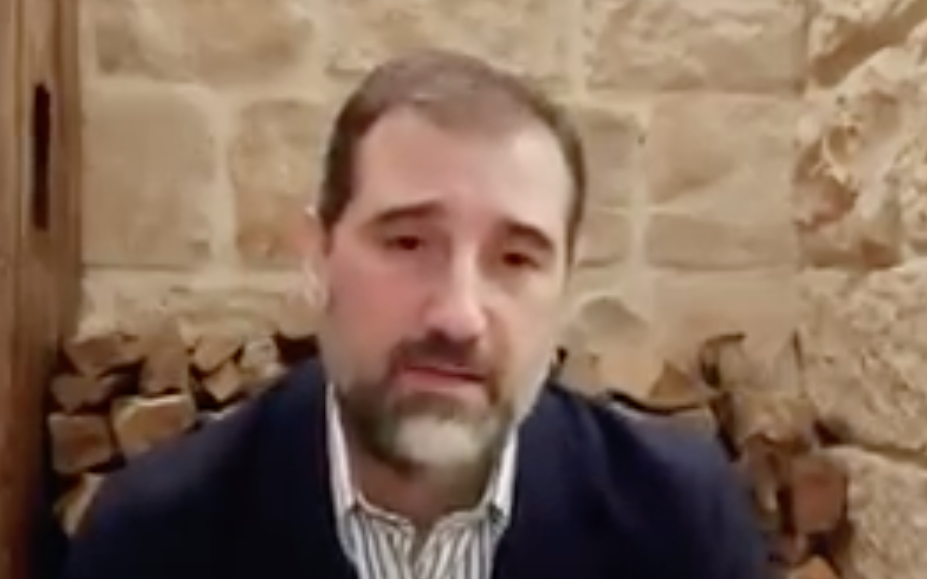
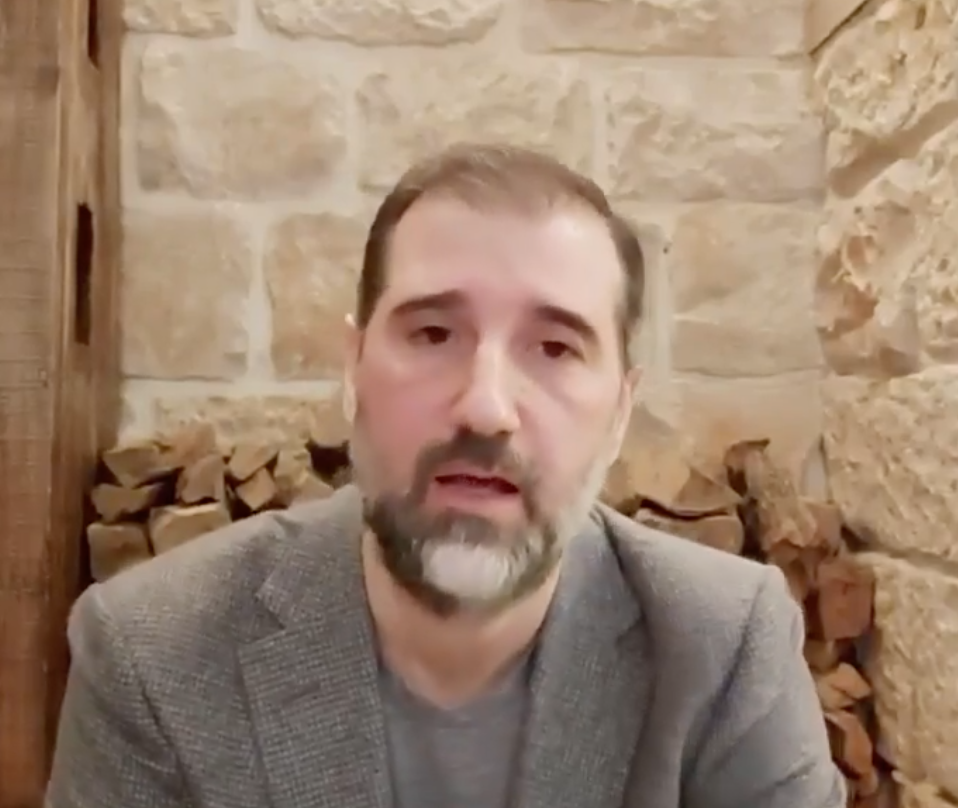
In a series of videos posted on Facebook this week, Rami Makhlouf called out the upper echelons of Syria’s political establishment, of which he had been an integral part for over two decades. By making his feud public Makhlouf has created an unprecedented rift within loyalist ranks, transforming his dispute with Syria’s ruling elite from one that was tightly controlled and behind closed doors to an out in the open, nationwide row the likes of which haven’t been seen since Hafez al-Assad’s standoff with his brother Rifaat in 1984.
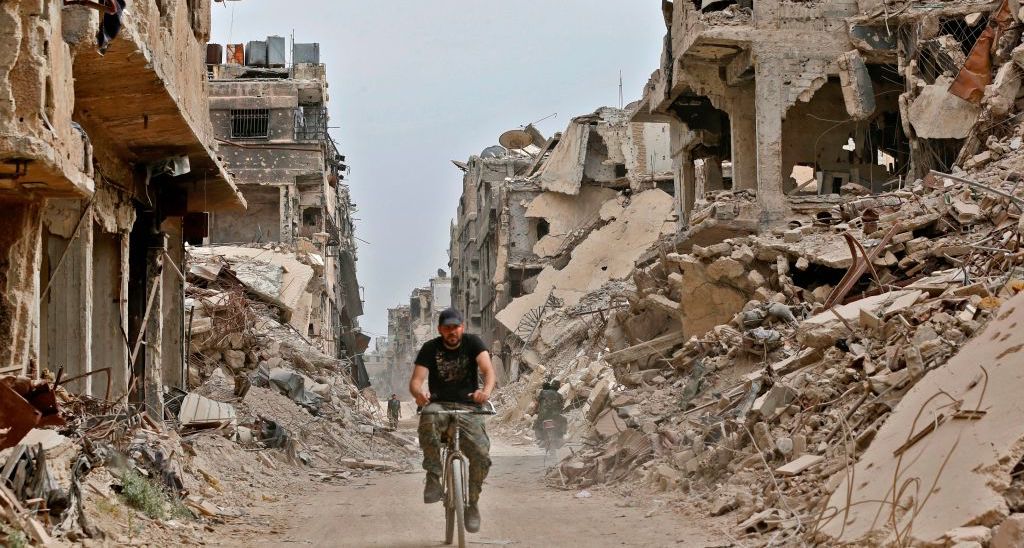
Officials in Damascus say reconstruction plans for what was once Syria’s largest Palestinian refugee community will pave the way for the return of large numbers of displaced residents “as soon as possible.” But with plans beset by delays and vague statements from those same officials, the available evidence suggests otherwise.
The fact that Makhlouf chose to go public heightens the stakes at play at the top of the regime and within the Alawite clan, arguably more than ever.
The arrival of COVID-19 into Iraq and the resulting reduction in frontline deployed forces has widened the scope for ISIS operations.
Last week Libya witnessed one of the oldest tricks in the book: unilaterally declare a cease-fire at exactly the moment when your opponents are poised to gain territory.
The uncertain political circumstances this time around make these efforts worth watching.
With its territory under increasing pressure, its finances dwindling, and manpower more challenged than ever, HTS’s ability to balance its extremism with controlled uses of pragmatism is under strain. Internally, its leadership is bitterly divided over decisions of the past, present, and future and externally, its rivals and enemies all appear to be conspiring against it. In an attempt to protect internal cohesion, HTS has become determinedly self-assertive in recent weeks, pursuing unpopular policies such as trading with the regime and lashing out at those brave enough to express their dissatisfaction. In response to HTS aggressions, a wider array of opposition voices — both moderate and Islamist — are declaring loudly that HTS now represents a threat to their revolution.
This precedent, along with the implementation of the Caesar Bill, guarantees the future isolation of the Syrian regime.
Basma El Husseiny (Action for Hope) and Samar El Yassir (Anera) join guest host Lyne Sneige to discuss the impact of the COVID-19 pandemic on refugee communities and the NGOs that work with them.