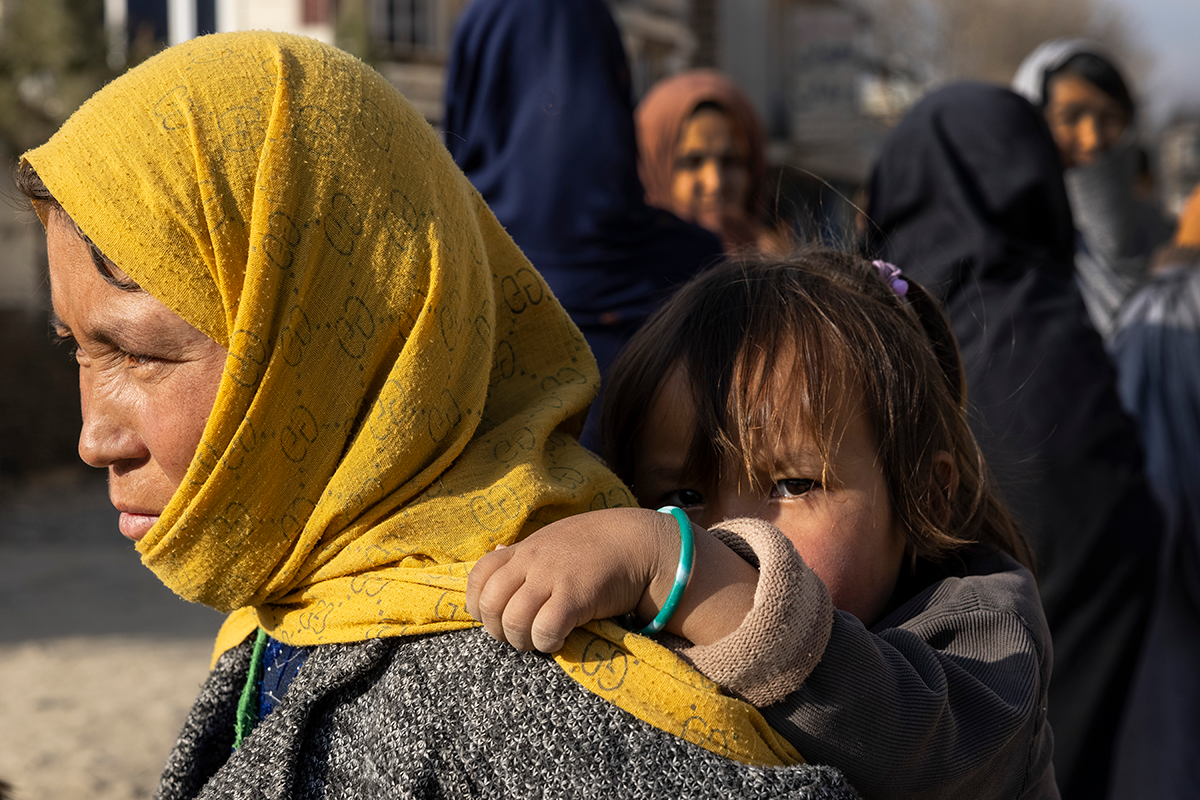
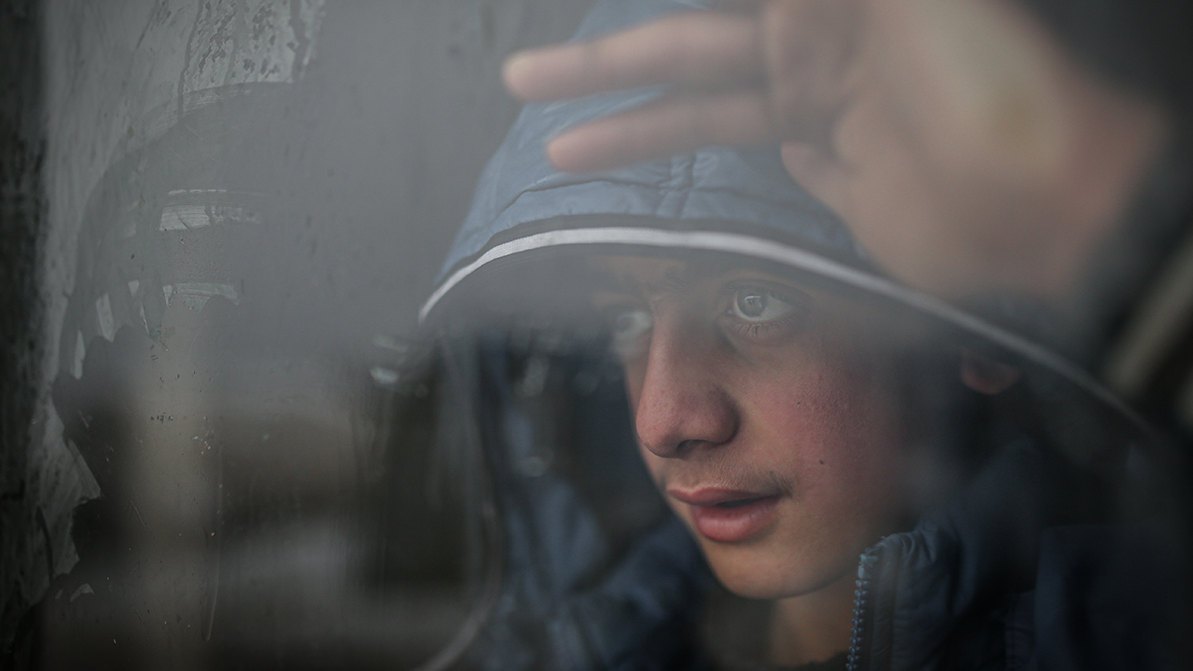
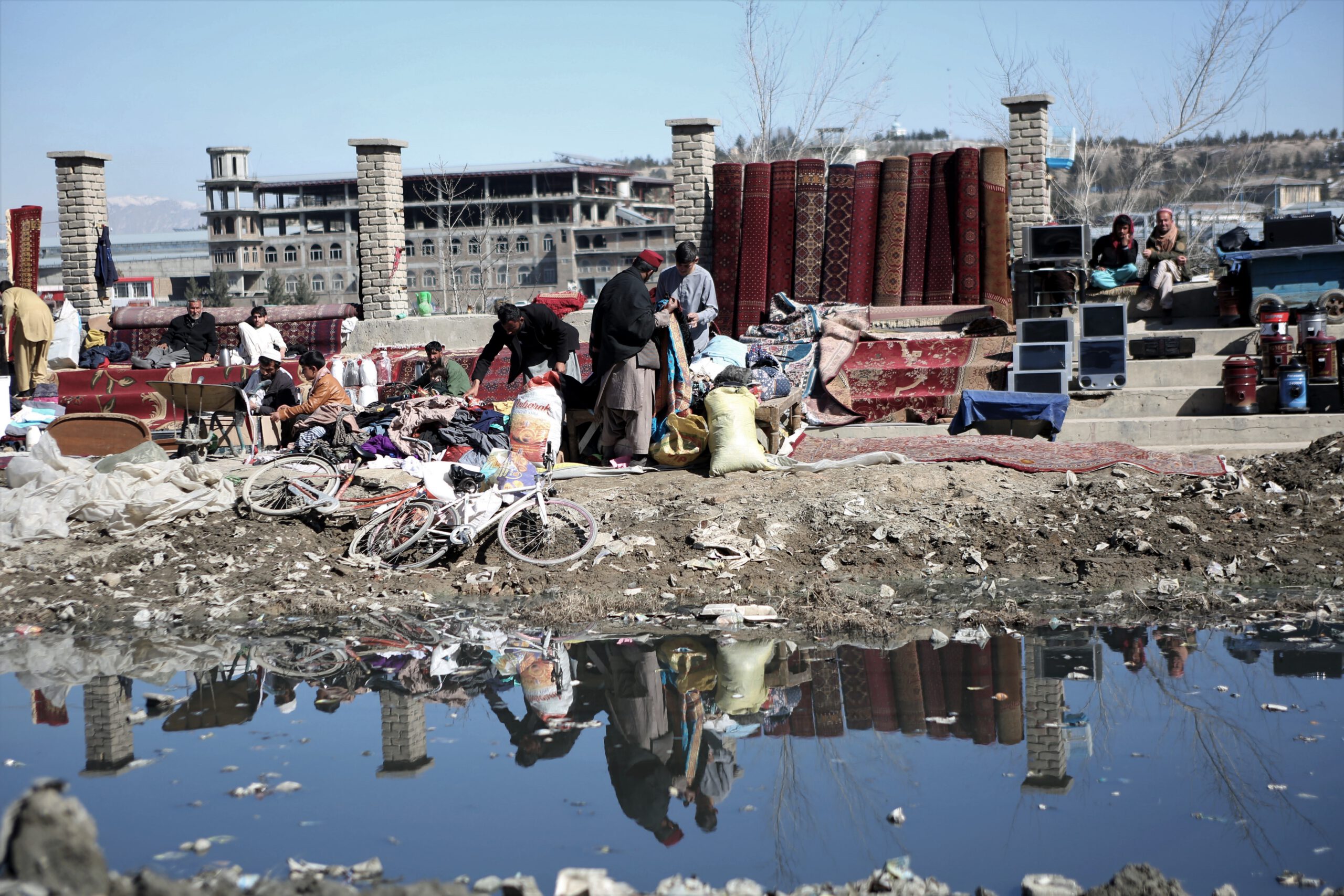
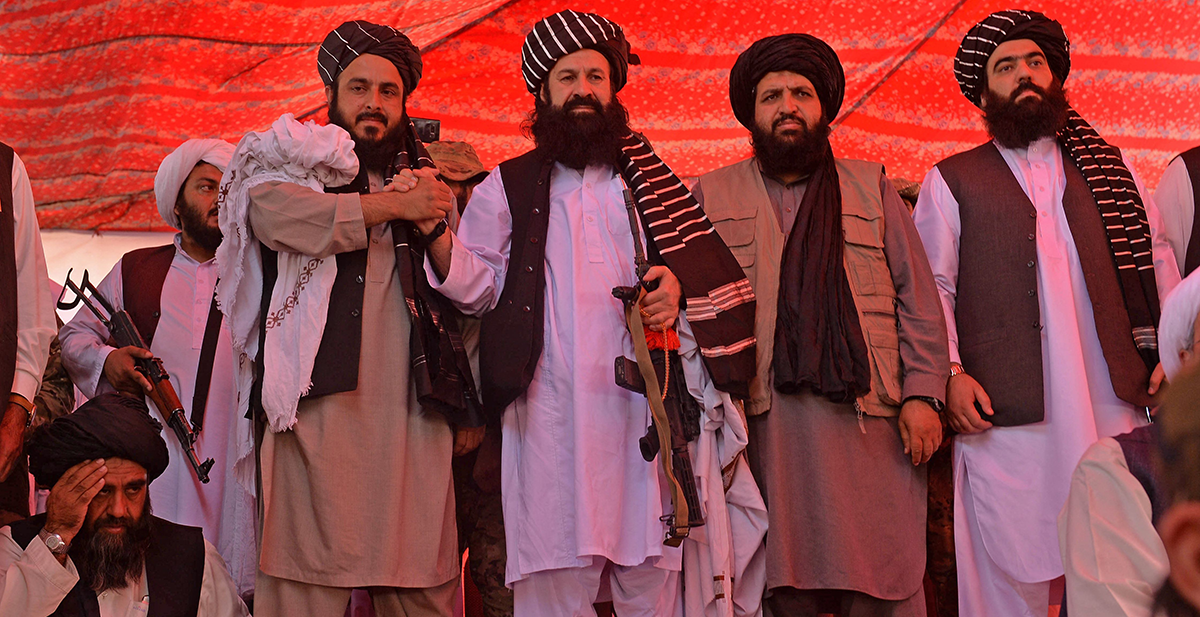
As global attention shifts further away from Afghanistan to Ukraine and elsewhere, time is running out to change course before the country’s freefall under the Taliban becomes irreversible. The international community needs a two-pronged, interlinked approach to normalize the economy and stabilize the political scene.
Freeze and Build: A Strategic Approach to Syria Policy
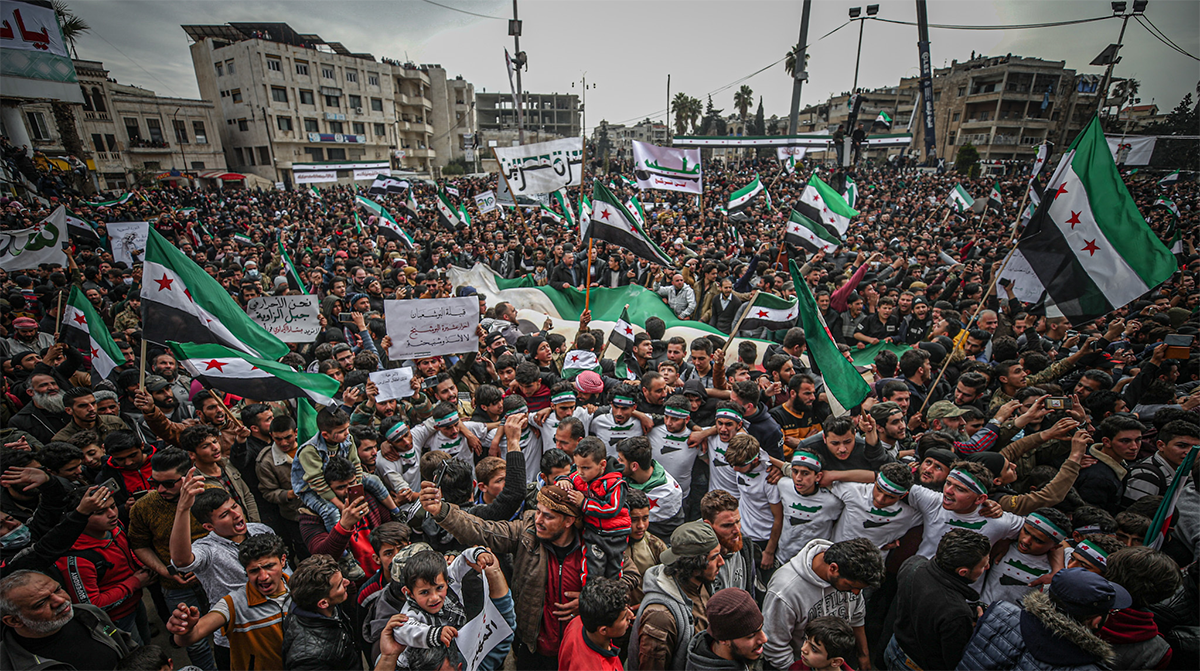
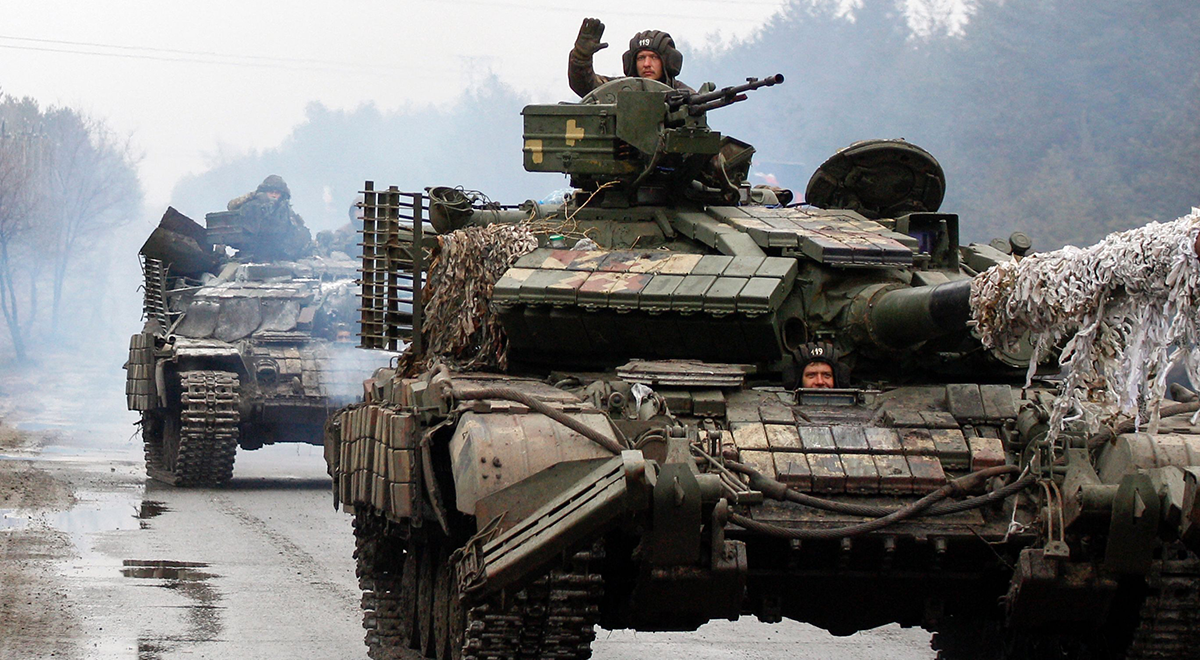
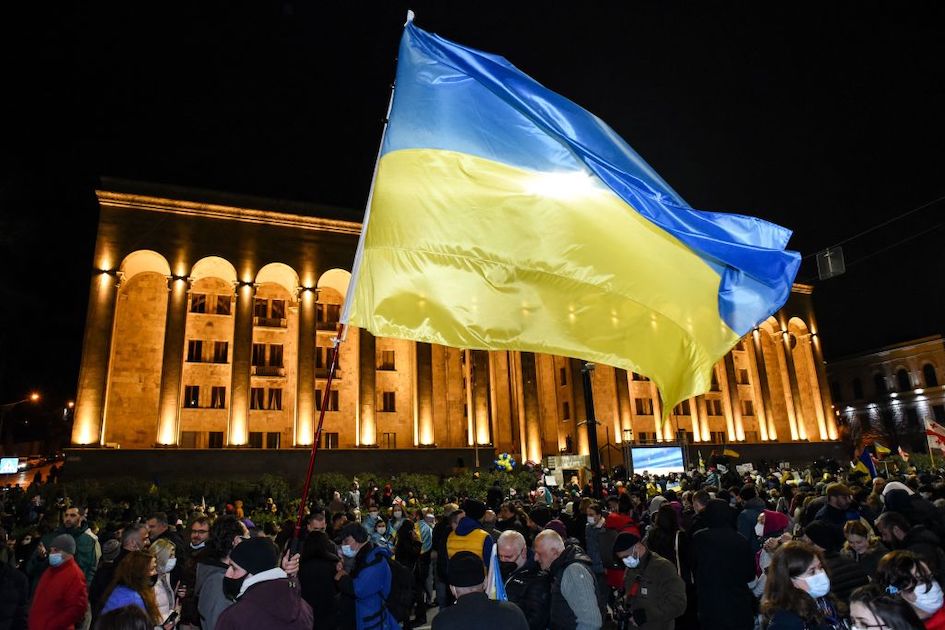
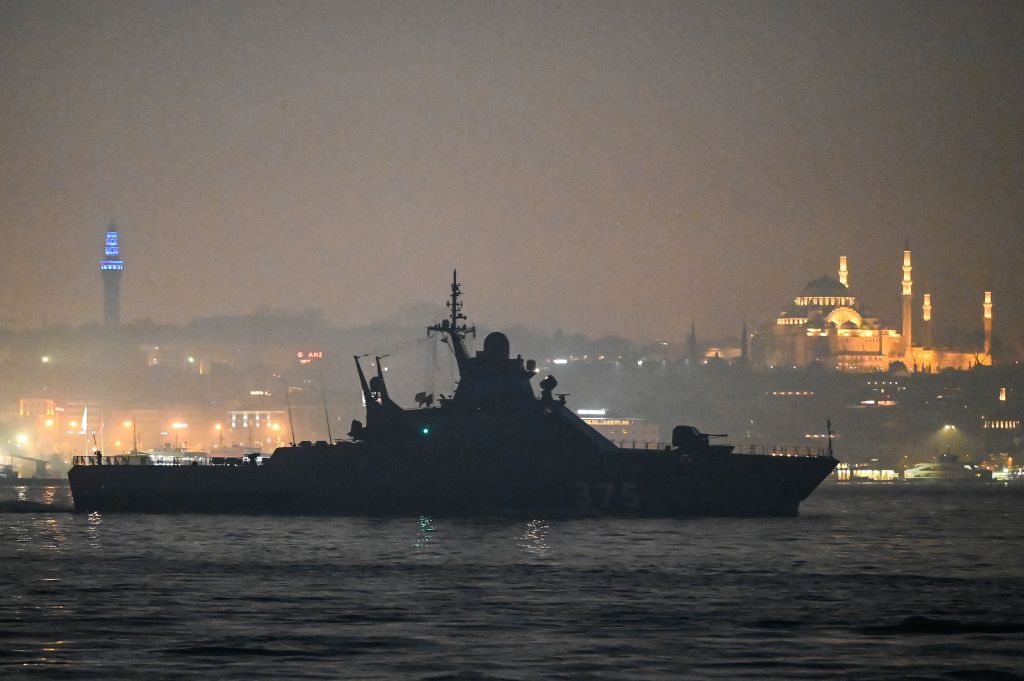
While Syria diplomacy may have appeared poised for a period of renewed investment in early 2022, Russia’s invasion of Ukraine and the resulting collapse in U.S. and European diplomatic relations with Moscow mean Syria diplomacy is now all but dead. An unprecedented humanitarian crisis now appears to be imminent. To adapt to this new environment, the international community must consider a comprehensive change in approach, prioritizing the freezing of conflict lines and a more strategic use of aid, stabilization, and targeted rebuilding in areas free of Assad regime rule.
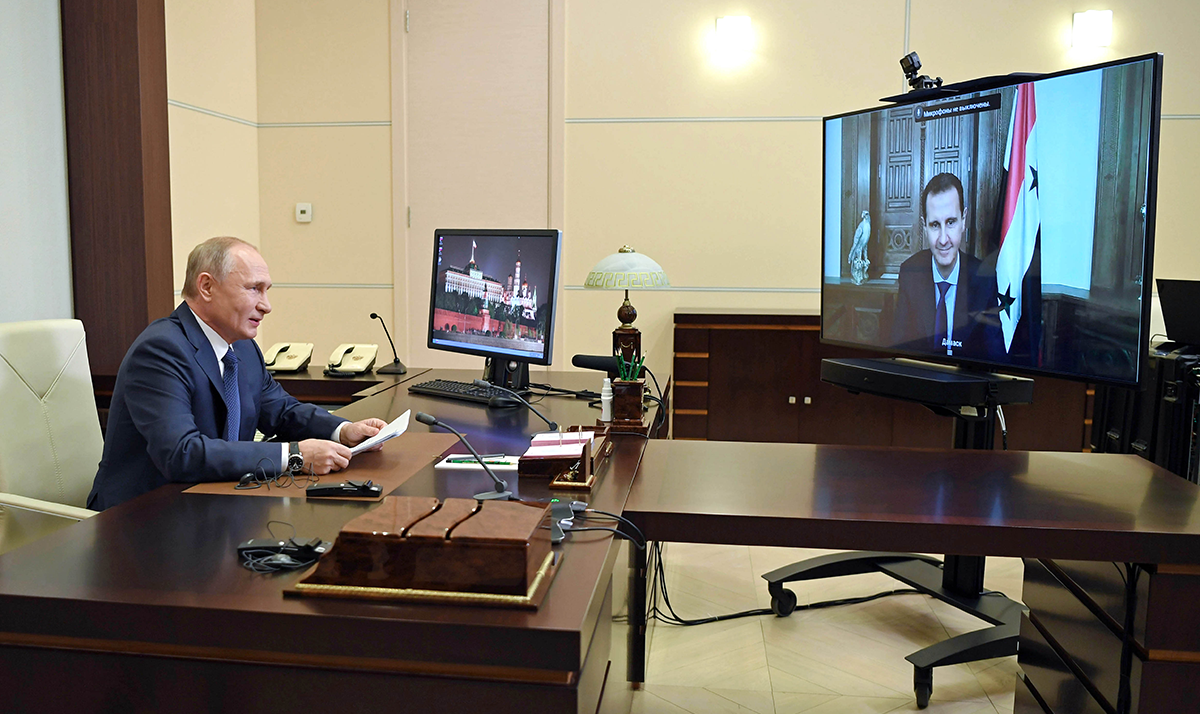
As Russia pushes on with its relentless invasion of Ukraine, Damascus has done more than toe the proverbial Kremlin line — it has shown complete solidarity with its superpower patron.
Oman Library Digital Exhibition Highlights the Work of Sa‘dallah Wannous and Rare Syrian Journals
Sa’dallah Wannous revolutionized the Syrian stage with his existential, and often political, work. In the journal al-Ḥayāh al-Masraḥīyah he fostered discussions on art, politics and the future of Arab theater. Learn more about the Oman Library’s Digital Exhibition on his work.
يبدو أن الغزو الروسي لأوكرانيا سيكون له تأثير عميق على سوريا والسياسة السورية. بداية، ربما تكون العملية السياسية التي تقودها الأمم المتحدة قد تعرضت الآن لضربة قاتلة. فطوال أشهر عام 2021، كان المبعوث الخاص للأمم المتحدة غير بيدرسون يمهد الطريق لإطلاق جهد دبلوماسي متعدد الأطراف أسماه “نهج خطوة بخطوة” في عام 2022. كانت احتمالات نجاحه ضئيلة دائمًا، لكنها تبدو الآن وكأنها أملًا كاذبًا أو مستحيلًا.
Marvin Weinbaum and Sayed Madadi discuss Afghanistan’s worsening economic and humanitarian crises six months after the Taliban reclaimed control of the country.
The Pakistani Taliban’s radical rebranding: Is there more than meets the eye?
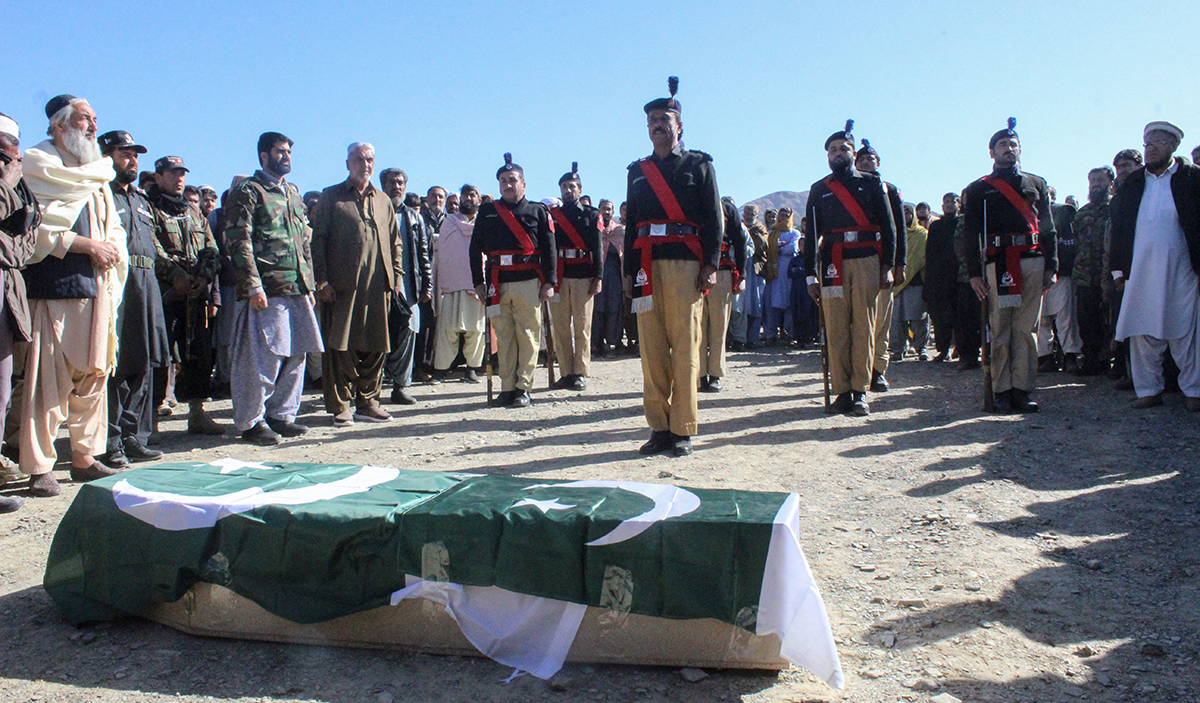
In a statement released on Feb. 12, the Tehreek-e Taliban Pakistan (TTP) distanced itself from international terrorism, declaring that its violence was singularly focused on Pakistan. While the TTP’s recent comments on America are unprecedented, they do fit into its broader rebranding effort under the leadership of Noor Wali Mehsud, who took over the group in 2018.
The past year has seen a trend toward normalization with the Assad regime, accompanied by a push by some nations to force or coerce displaced Syrians to return — or deny them asylum outright. The presumption that Syria is now safe for return is often motivated by political expediency and a false equivalency between “safety” and reduced military operations in a particular area, rather than an in-depth understanding of conditions on the ground and the challenges that returnees face. With pressures for return increasing, the Voices for Displaced Syrians and the Operations and Policy Center undertook a first-of-its-kind research project to establish the minimum frequency and types of violations experienced by returnees throughout the whole of Syria. Despite the known difficulties, the report aimed at obtaining an understanding of at least the minimum frequency with which violations occur, which is a critical step in discussions about return.
For years, the world tried to soften the Taliban’s extremist ideology by exposing them to modernity. As an insurgency they learned diplomacy and negotiation tactics, but their medieval thinking remained just as rigid. Now that the Taliban rule over Afghanistan, the international community continues to appease them, assuming it can convince them to form an inclusive government and ease their regressive policies while alleviating the country’s worsening humanitarian disaster. That is a naïve assumption that overlooks the root causes of the current crisis. Not only will the international community not get what it wants, but it also risks creating a much greater crisis: a Taliban theocracy that institutionalizes its repressive rule at a steep human and economic cost.
تفاصيل هجوم "داعش" على سجن الصناعة في مدينة الحسكة السورية
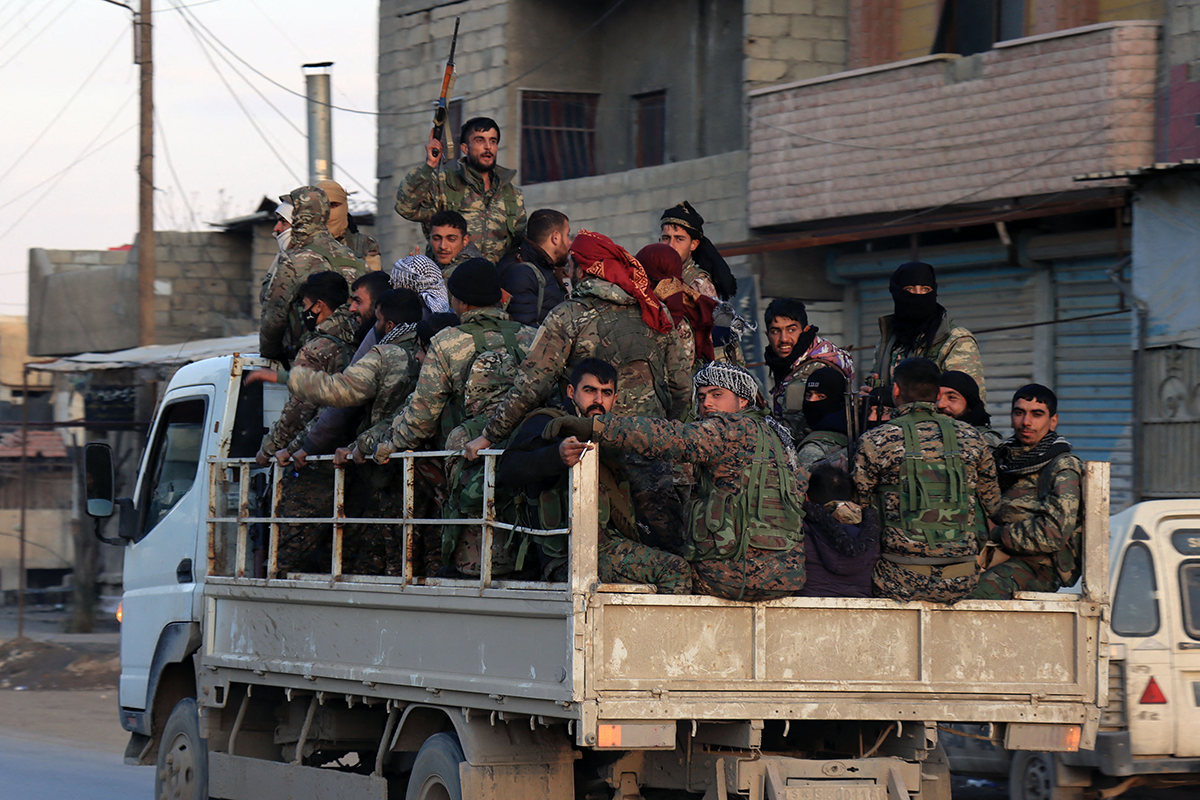
في العشرين من شهر كانون الثاني/ يناير، هاجمت مجموعات تابعة لتنظيم “داعش”، سجن الصناعة الواقع في الجهة الجنوبية لمدينة الحسكة أقصى شمال شرق سورية، الهجوم الذي أستمر لقرابة تسعة أيام، أنتهى بمقتل العشرات من مقاتلي التنظيم ومعتقليه داخل السجن، إضافة لمقتل قرابة 140 عنصراً من قوات سوريا الديمقراطية وحامية السجن التابعة لها.
A closer look at the ISIS attack on Syria’s al-Sina Prison
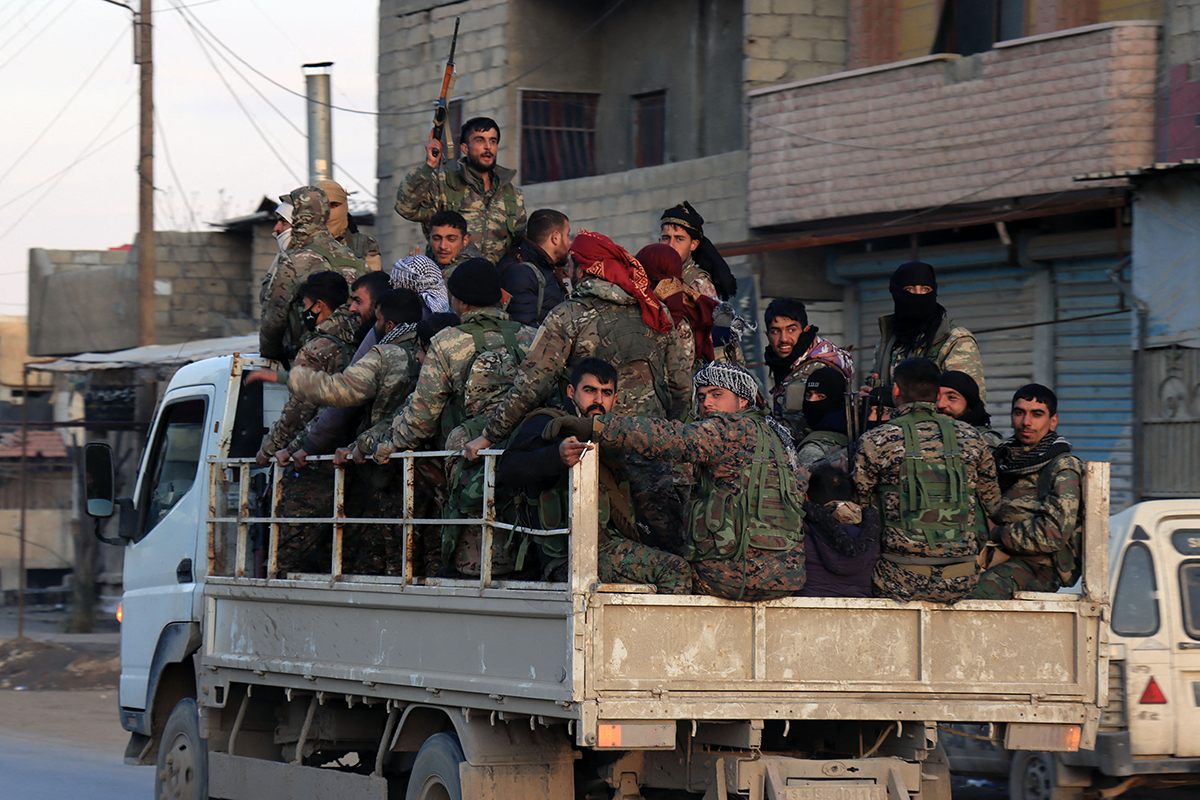
On Jan. 20, 2021, groups affiliated with ISIS attacked al-Sina Prison in the southern part of the city of al-Hasakah, in Syria’s far northeast. The attack, which lasted for nearly nine days, ended with the killing of dozens of ISIS fighters and detainees inside the prison, in addition to approximately 140 members of the SDF and its prison guards.