The road to war with Iran is paved with good intentions and serious miscalculations
Forty-five years after Iran’s February 1979 revolution, American officials continue to struggle to understand this nation of almost 90 million. Rather than trying to solve a crisis that threatens to draw the US into direct conflict with Iran, the Biden administration appears more intent to manage it.
Moving to a post-Khamenei era: The role of the Assembly of Experts
On March 1, 2024, the Islamic Republic of Iran will hold elections for the sixth term of the Assembly of Experts. The major responsibility of this 88-member body is to designate the future supreme leader after the current leader’s death or when he becomes incapable of fulfilling the position’s responsibilities. What role might the Assembly play in a future succession process?
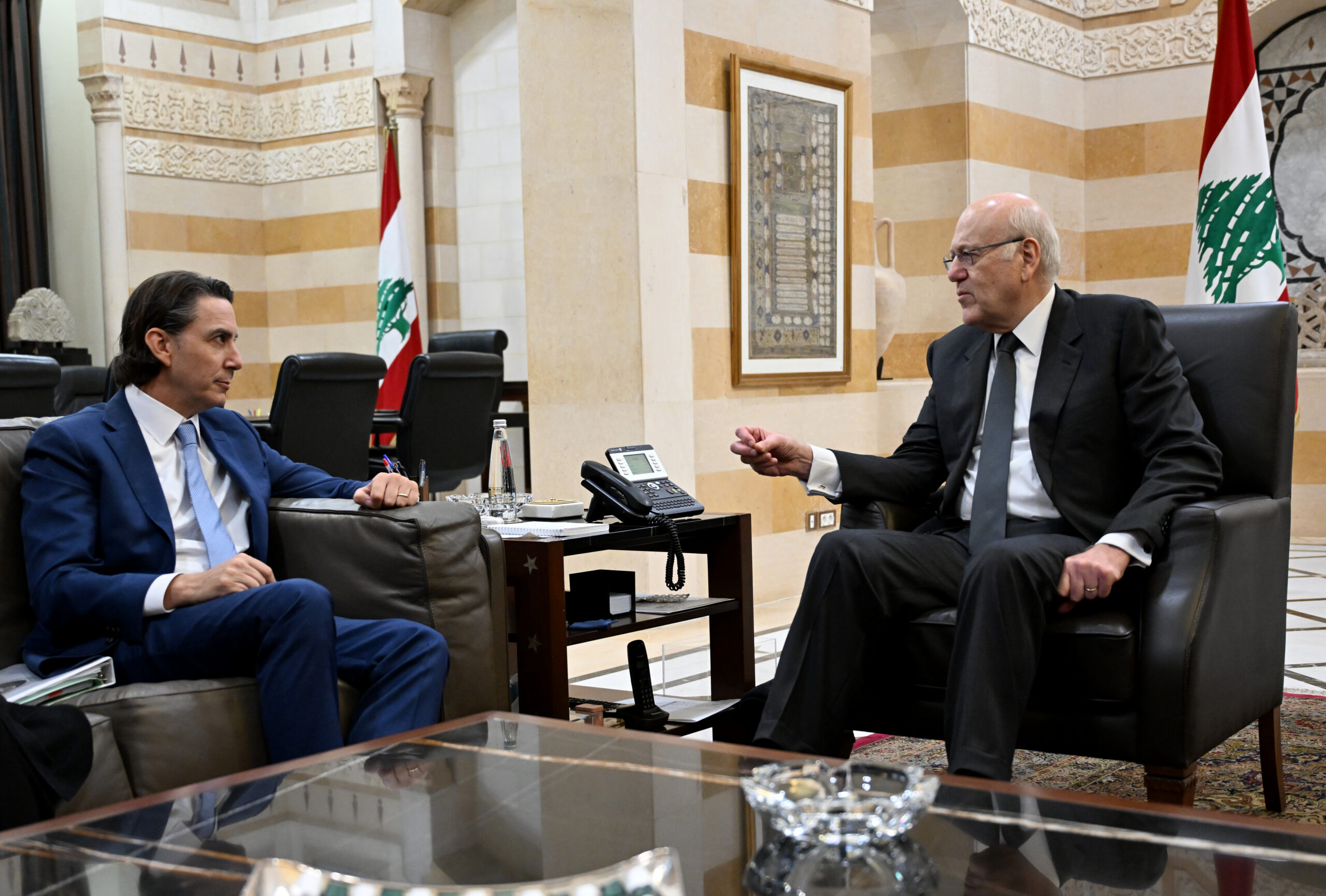
What does Israel want to see come out of US mediation efforts on Israel-Lebanon?
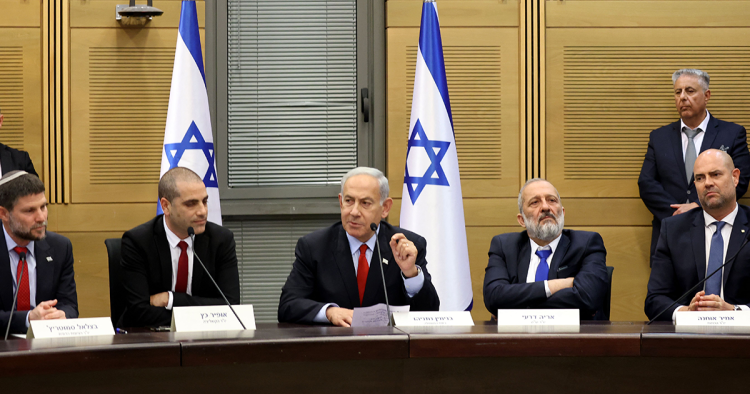
The weeks ahead are crucial for Israel and Lebanon and will likely indicate whether a broader confrontation between Israel and Hezbollah can be avoided diplomatically or if it is inevitable. Israeli officials have called on Lebanon and the world to deliver a solution; but in practice, Israeli eyes are set on Washington, DC.
The ideological underpinnings of the Houthis’ Red Sea attacks
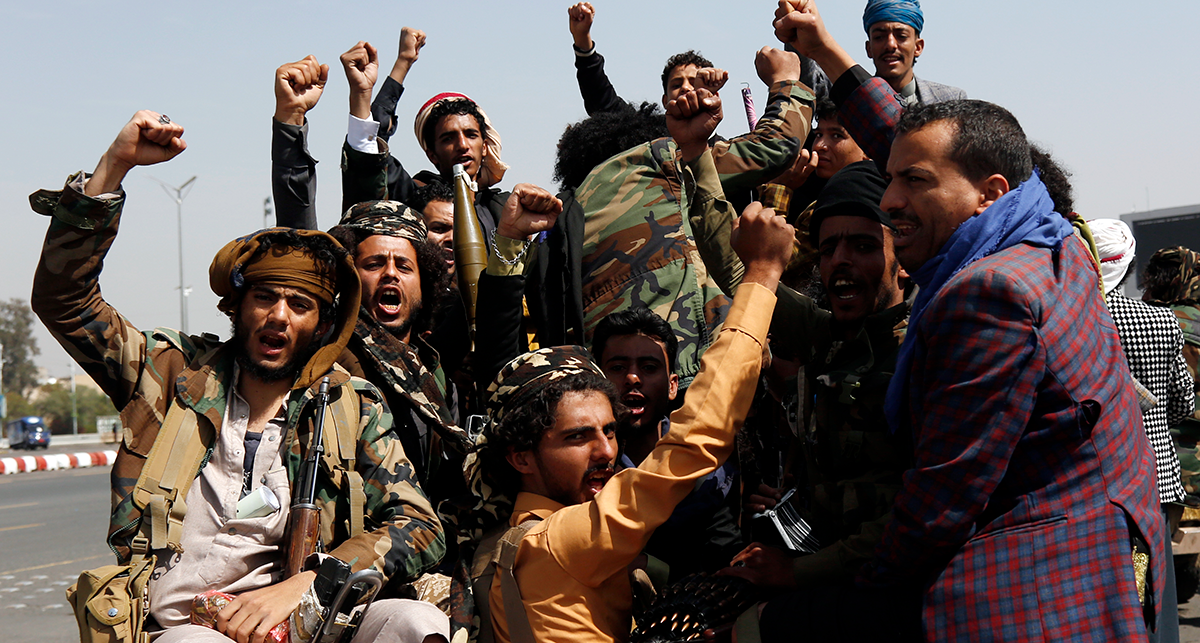
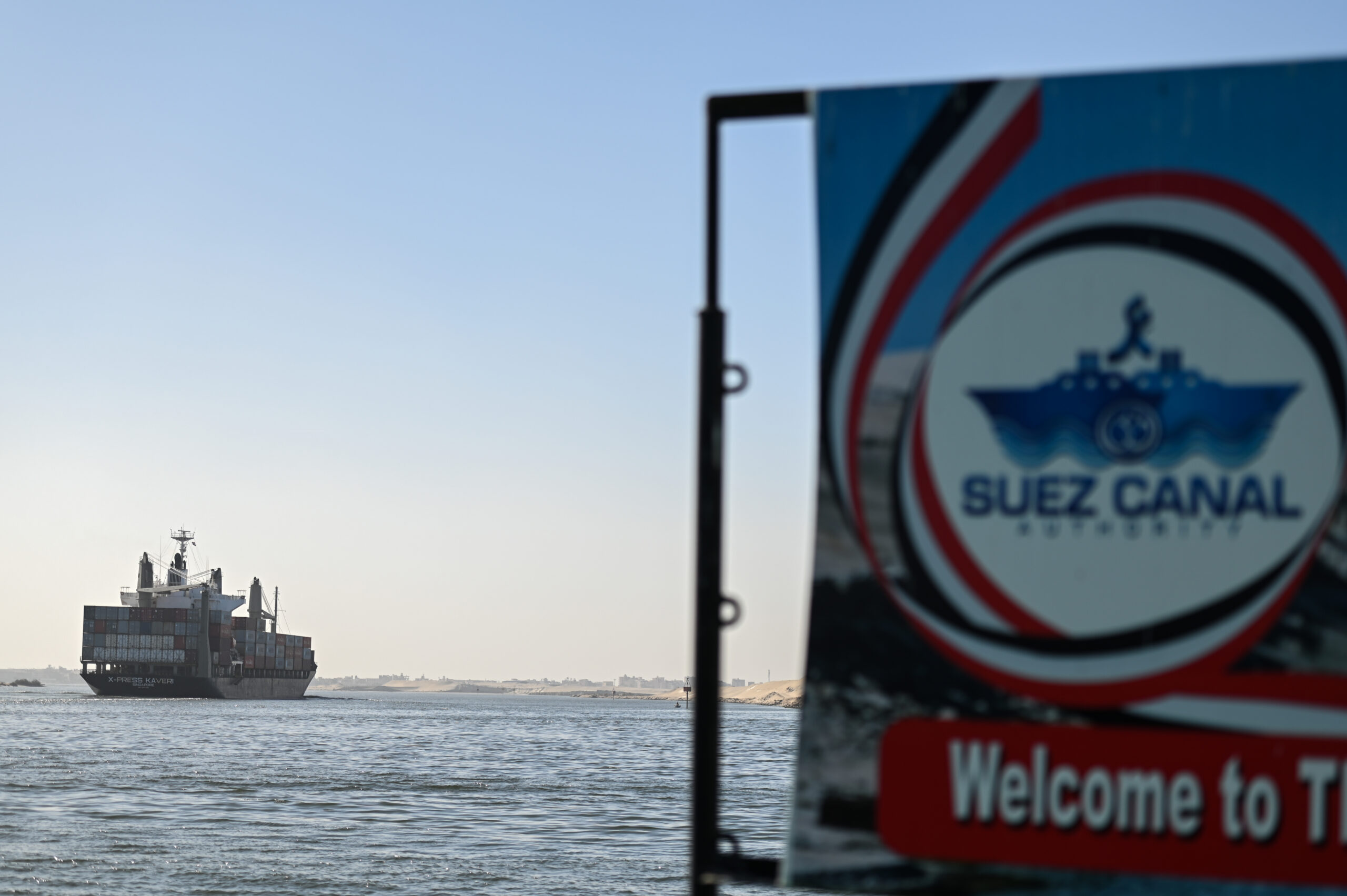
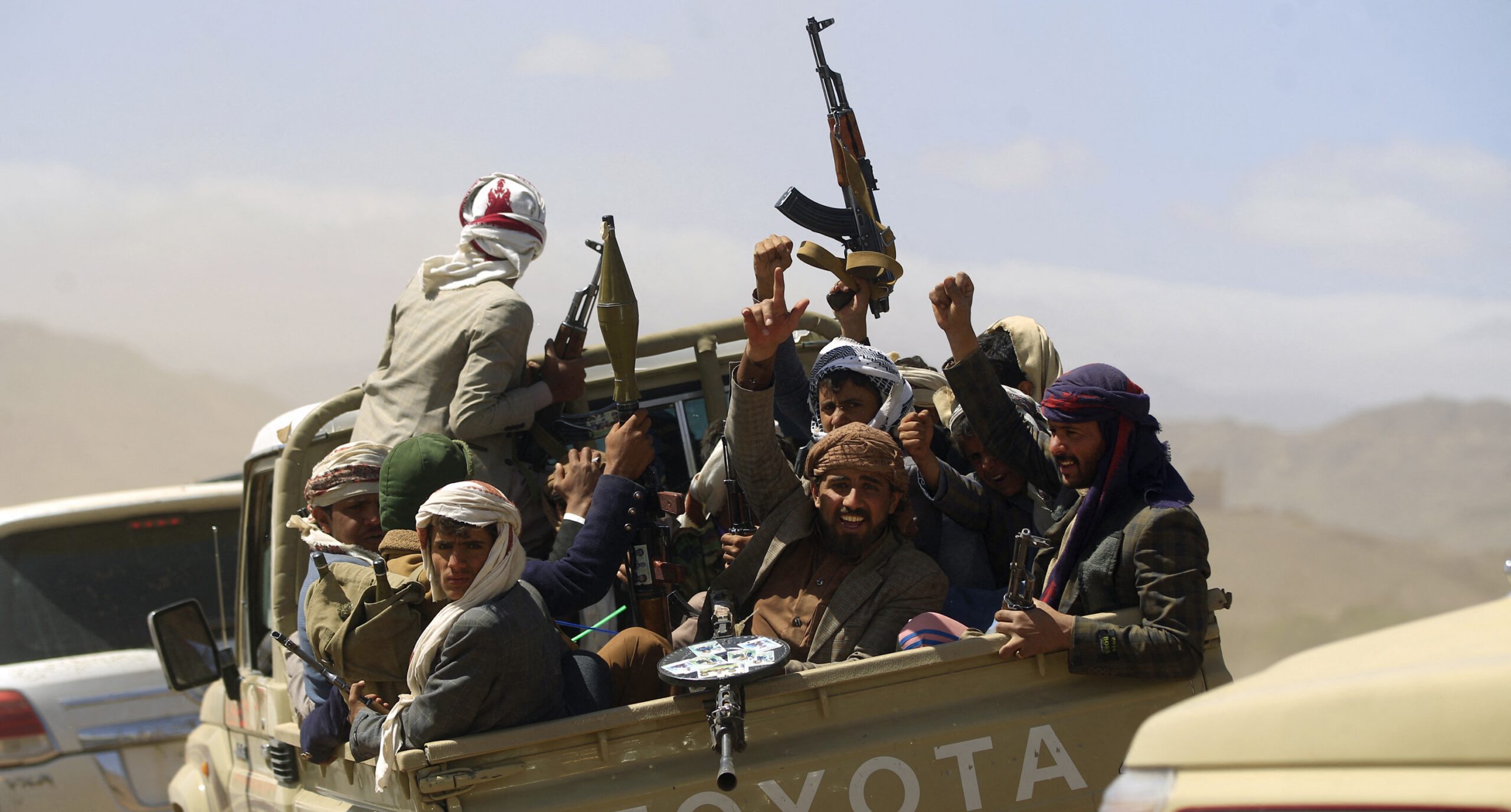
The Houthis’ attacks in the Red Sea are a manifestation of their ideology, rooted in Islamic fundamentalism. Today, aligned with Iran’s “Axis of Resistance,” this ideology aims to expel the US from the Middle East, destroy Israel, and institute a worldwide Islamic Caliphate with Jerusalem at its core. The following analysis delves into the ideological framework that propels the Houthis’ actions in the Red Sea and its broader implications.
Why Israel’s top court is greenlighting a civil rights crackdown
In times of war, constitutional courts frequently fail to defend civil liberties. There is no shortage of examples of this from around the world, often stemming from an impulse to avoid conflict with the national security establishment in order to avoid losing public support. In the wake of the Hamas-led attacks on October 7 and Israel’s ongoing bombardment of the Gaza Strip, the Israeli Supreme Court has been no exception.
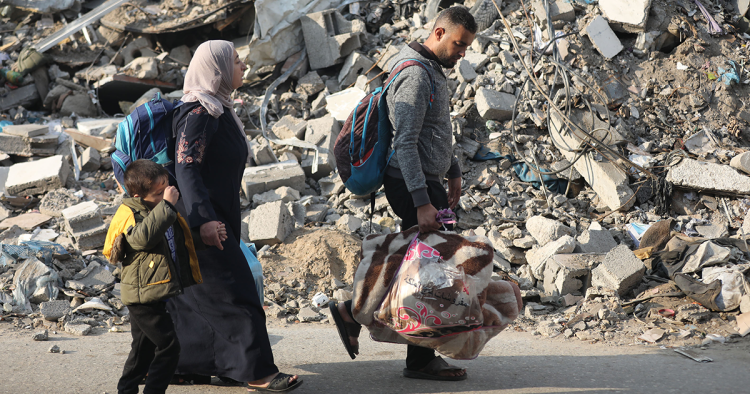
The Israeli military offensive in the Gaza Strip has led to a displacement crisis of historic magnitude. According to international assessments, about 1.9 million Palestinians are displaced in Gaza—85 percent of the population. More than a million of them have fled from the northern part of Gaza following Israel’s instructions. The pictures, stories, and videos appearing on social media since the beginning of the war, with Palestinian families fleeing with light luggage, feel to many like a national flashback to the Nakba, an Arabic word that means “catastrophe.”.
Iranian youth and the protest movement in 2023: Drivers and limitations
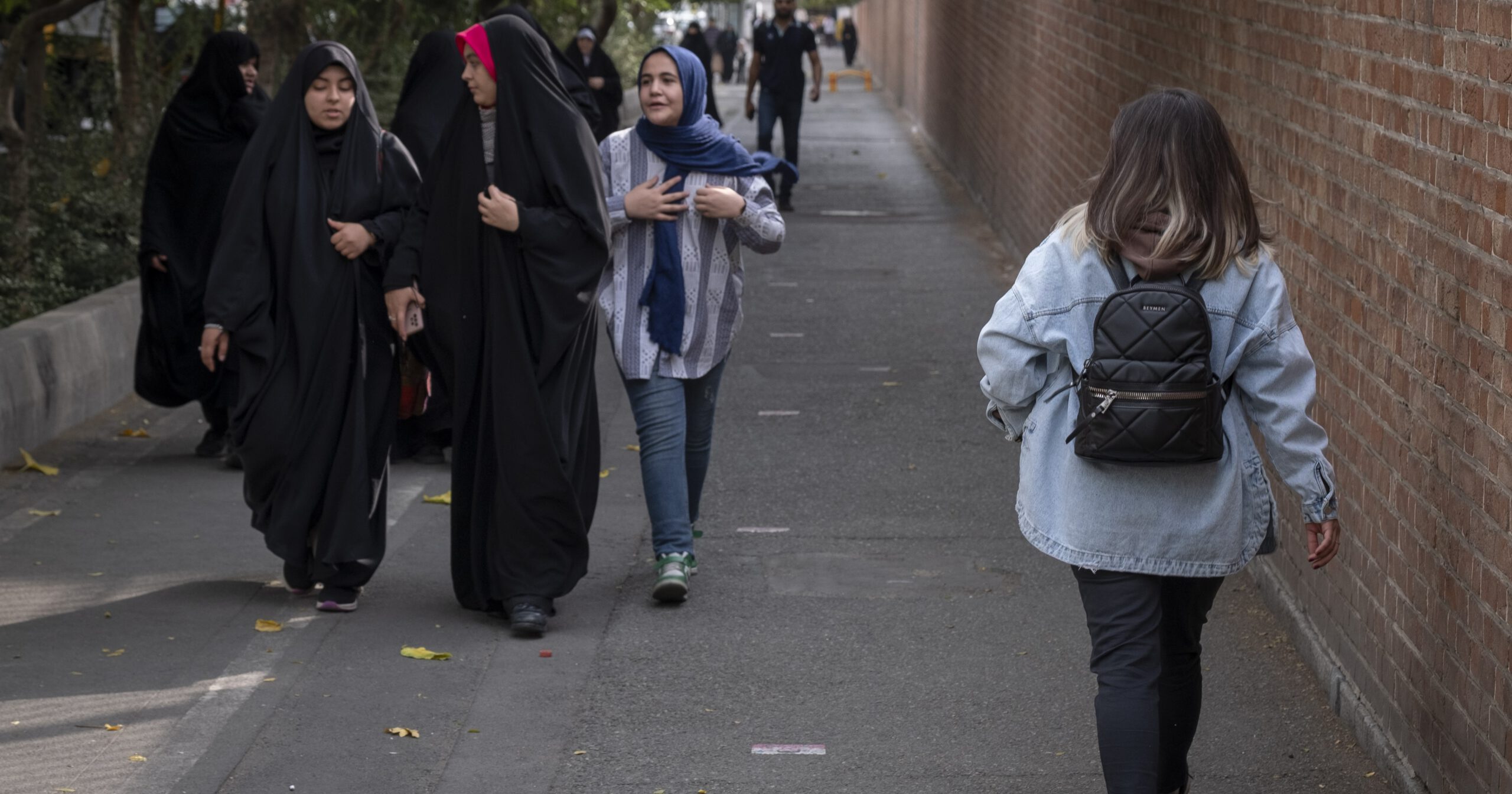
Since the height of the protests in 2022, the government cracked down with a new degree of severity on the protesters, reducing their numbers on the street. Many leave if they can. Those who stay have adopted less visible shows of political and social dissatisfaction against the regime’s aggression.
Robust diplomacy is Washington’s only chance to stop a Lebanon-Israel war
In navigating the thickening fog of war, ongoing US-led mediation must actively take two critical steps to pull Lebanon and Israel back from the brink and avoid a direct US-Iran confrontation: secure credible guarantees on compliance and endorse local efforts to elect an independent president.
Ansar Allah, the Yemen-based militant group commonly referred to as the Houthis, is arguably the latest and largest addition to the Iran-led Axis of Resistance. Present tensions in the Red Sea illustrate both the utility of the Houthis for Tehran’s anti-American and anti-Israel regional agenda as well as the challenges their actions can create for the Iranians.
Houthis see domestic and regional benefit to continued Red Sea attacks
Since the outbreak of the Israel-Hamas conflict in October, Yemen’s Houthi rebels have sought means to capitalize on the war in Gaza to raise their profile, enhance their pan-Arab legitimacy, and burnish their credentials both domestically and in the region. In their effort to insert themselves into the Gaza conflict, the Houthis believe their actions will strengthen their support base at home while also cementing their movement more firmly into the Iranian “Axis of Resistance.”
Reinventing a square wheel: Can a revitalized Palestinian Authority lead the way to a better “day after?”
As questions about regarding who can take over governance of the war-torn Gaza Strip, Washington and other are pinning their hopes on a revitalized Palestinian Authority. But such “revitalization,” if limited to “strengthening” the PA cabinet and making only minor improvements in governance, will ensure that Gaza will remain a “super camp” and a source of recurring/persistent instability for Palestine and Israel.