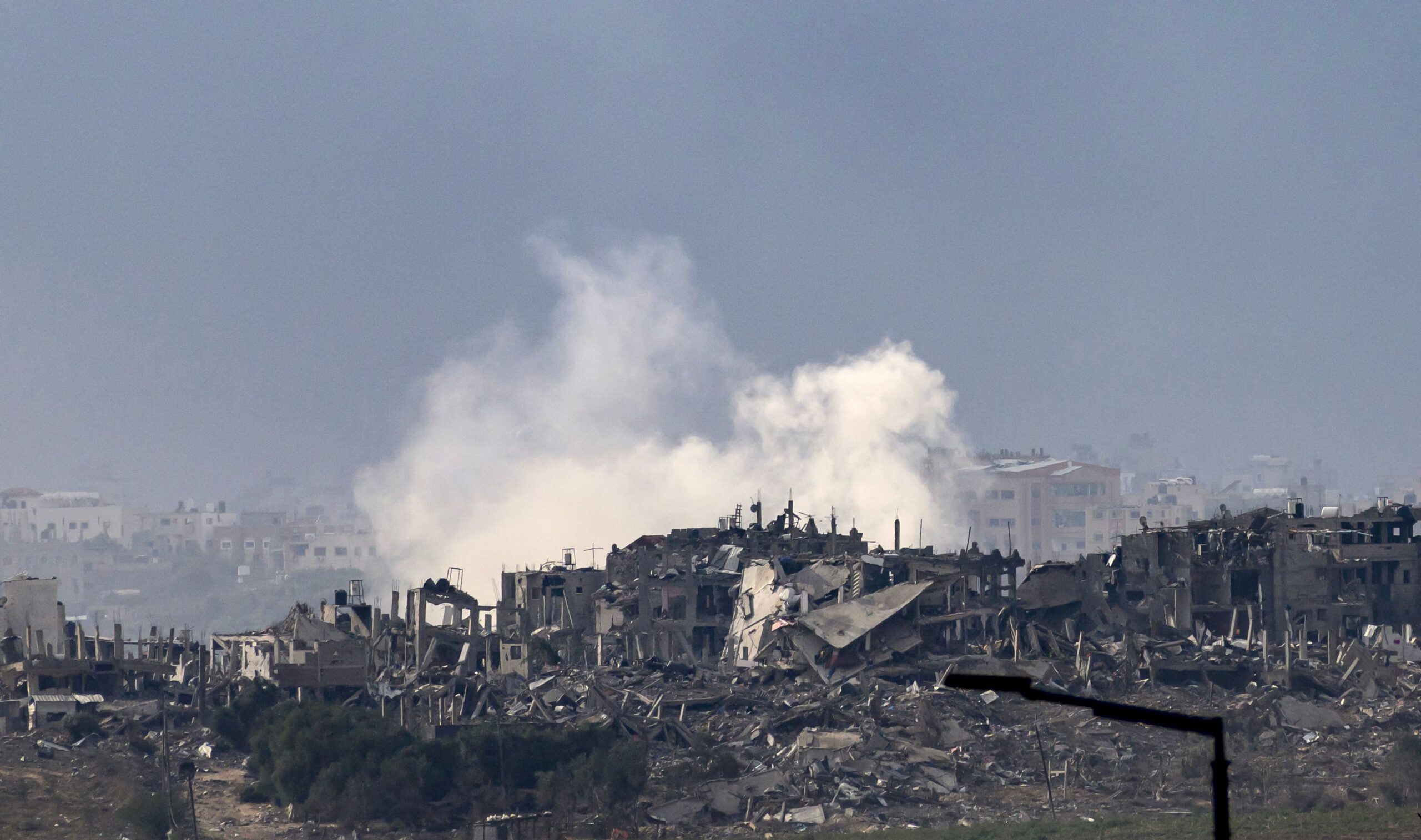
The closer Israel gets to destroying Hamas, the more likely war with Hezbollah becomes
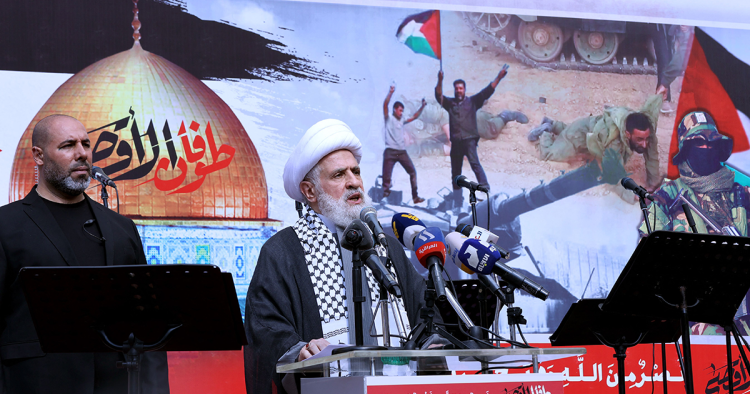
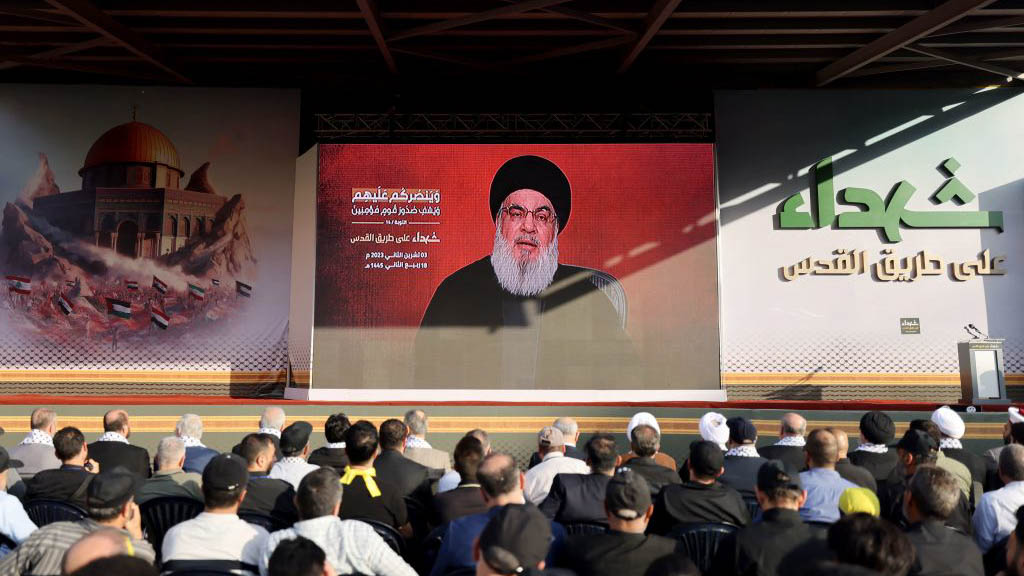
He leads an army of more than 100,000 dedicated and battle-hardened fighters equipped with thousands of missiles, rockets, and armed drones that can hit targets deep inside Israel with pinpoint accuracy. He inspires and commands the loyalty of Iran-backed militias across the Arab world.
So when Hassan Nasrallah, the head of the Lebanese Hezbollah and the most powerful non-state actor in the world, says that he doesn’t wish to broaden the war in Gaza to help his Palestinian ally Hamas, the region should breathe a sigh of relief – because his words matter.
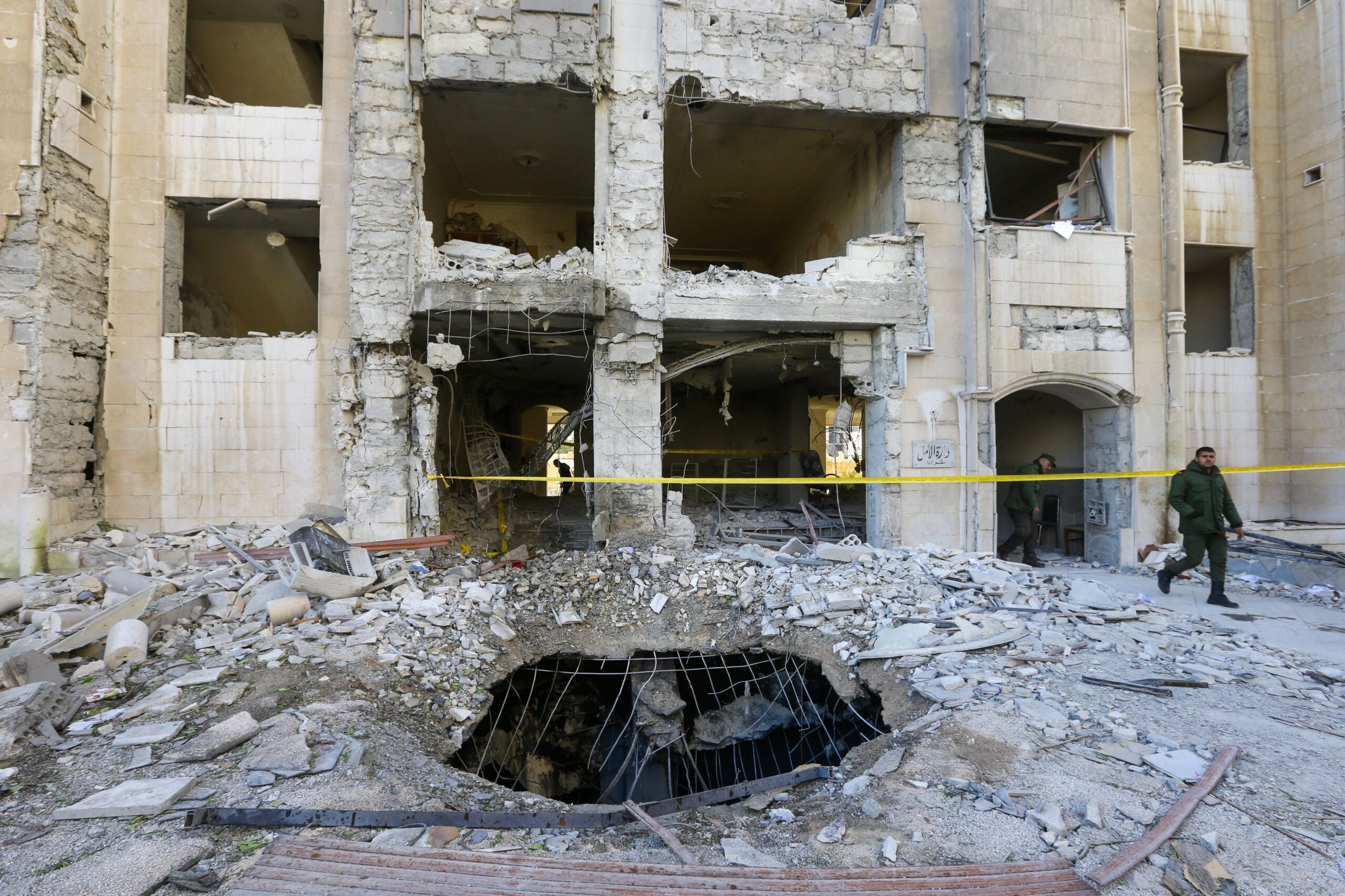
Israel’s Response to Iran in Syria: Choosing Between Escalation and Accommodation
The following quantitative analysis explores the core of Israel’s strategic airstrikes in Syria between 2013 and August 2023, a critical aspect of its defense policy during this time, aimed at mitigating Iranian influence in the region and protecting its national borders.
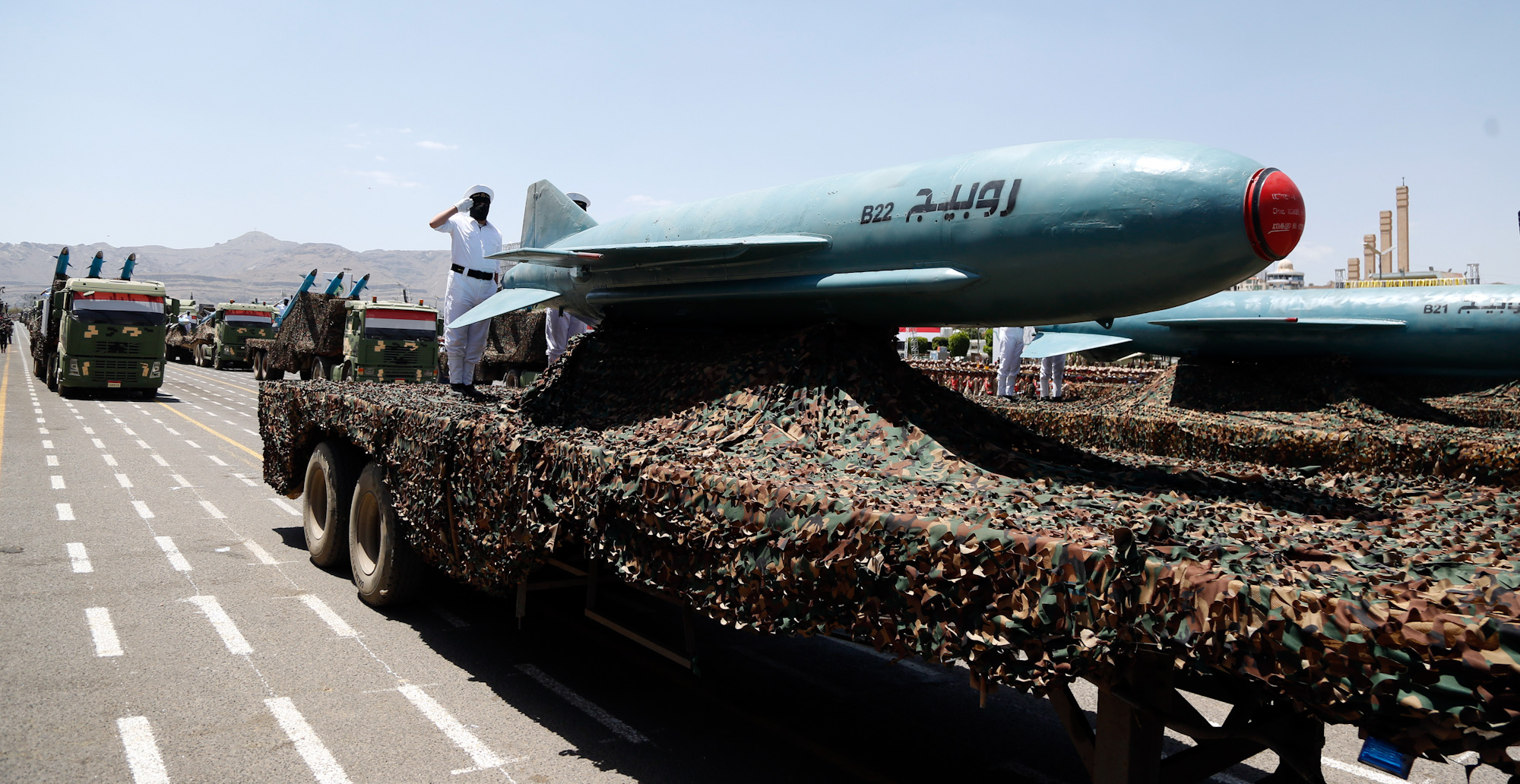
Despite the Houthis’ geographical distance from Israel and perceived limited capabilities, the threat they represent is all too real and if underestimated, they have the potential to derail diplomatic efforts and destabilize the region, with potentially catastrophic consequences.
The EU and the Israel-Hamas war: A narrow but important niche
Much has been written about the European Union’s confused and cacophonic response to the heinous Oct. 7 Hamas terrorist attack that has plunged the Middle East into one of the most violent crises the region has known since World War II. While the condemnation of Hamas’ atrocities was unanimous, not much else was.
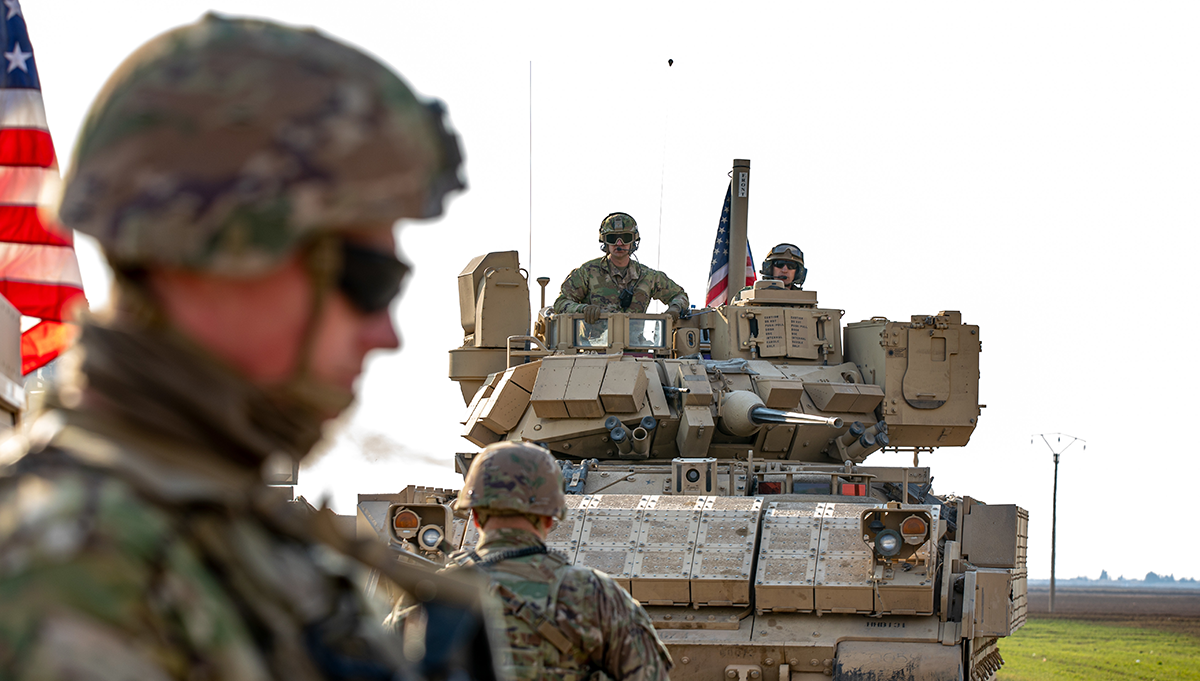
Iranian-backed militia attacks on coalition forces threaten to ignite eastern Syria
Over the last three weeks, there has been a notable escalation in attacks targeting international coalition bases in northeastern Syria orchestrated by Iranian-backed militias operating in Iraq and Syria. Concurrently, there have been reports indicating the establishment of operational centers aimed at coordinating these strikes. These developments appear to be part of an effort to exploit the widespread popular discontent with the United States and Israel, with the strategic aim of expanding and consolidating Iranian influence in Syria.
Former U.S. general: The lessons of Iraq apply to Gaza
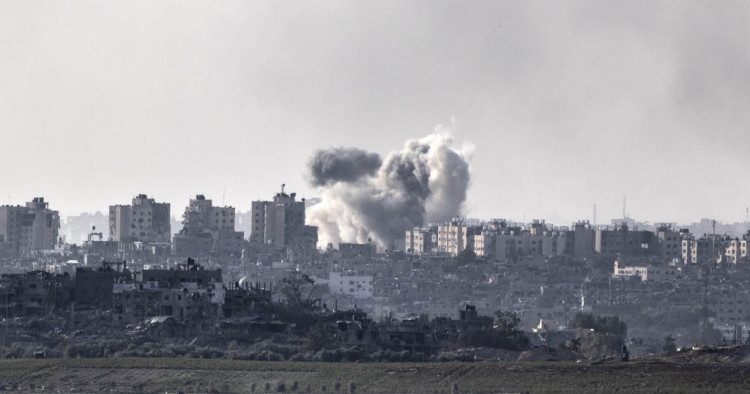
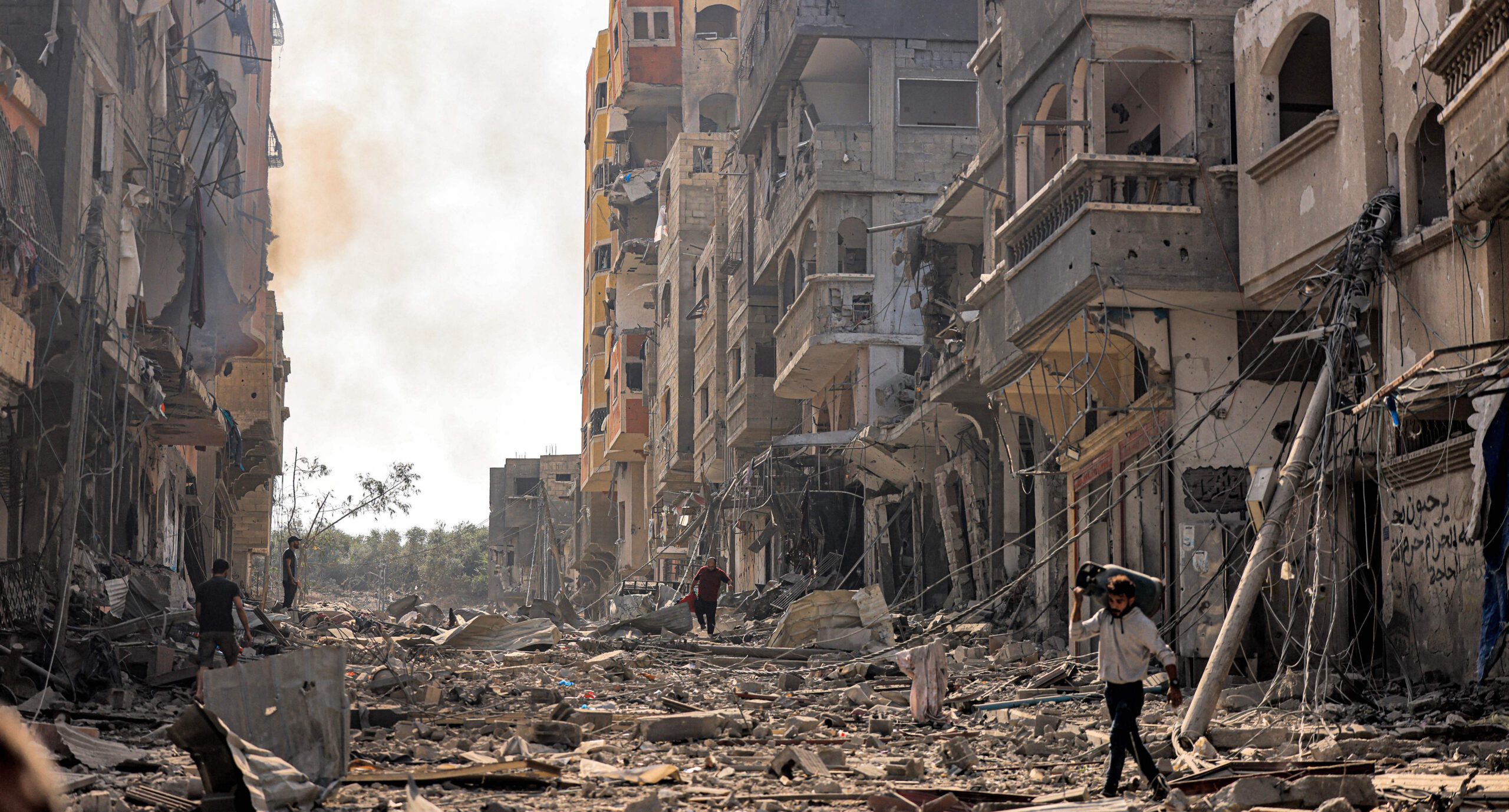
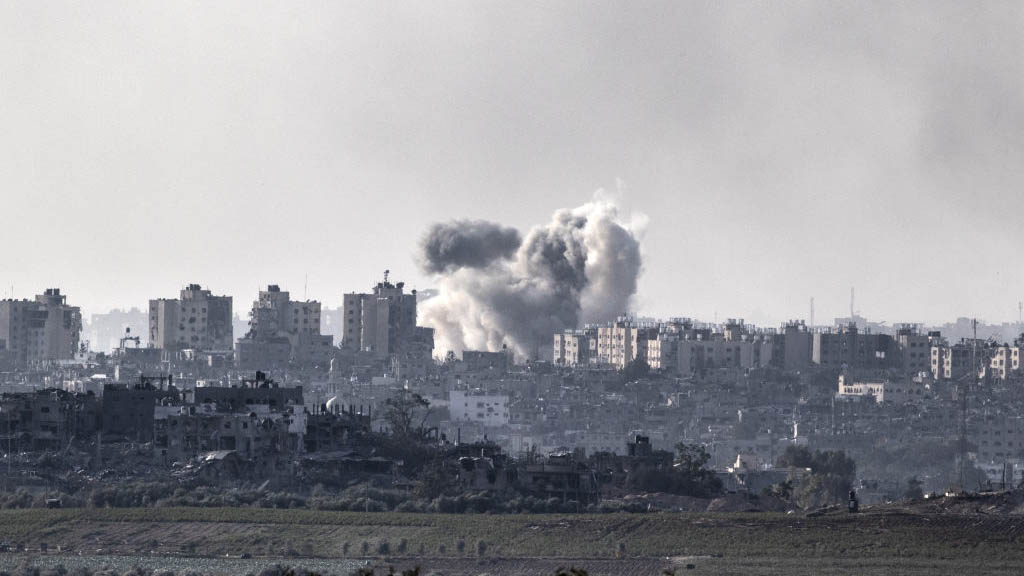
As we watch the war in Gaza develop, we must not lose sight of the stark challenges the Israeli military is facing. Modern urban combat is always bloody and grueling, and the devastation it wreaks is gut-wrenching to watch. But in Hamas, Israel is facing a particularly formidable foe.
Five scenarios for Gaza and how the international community can shape its future
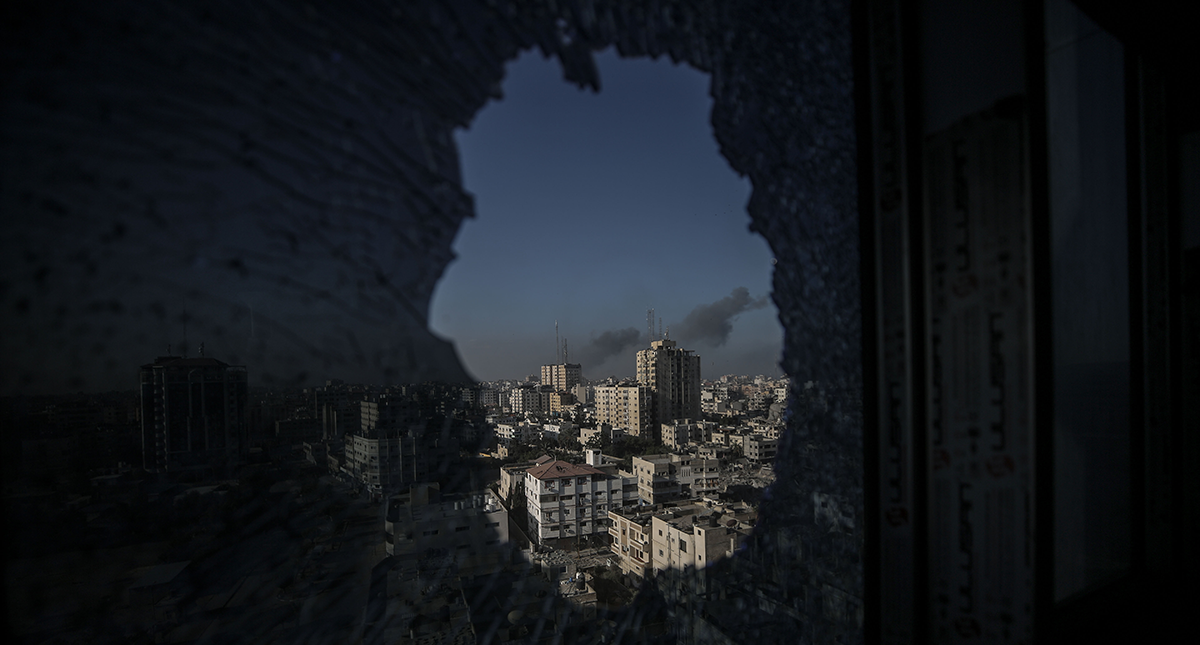
In the midst of the current war, there is still no concrete plan for what the future of Gaza could look like. Yet preparations for a viable and lasting post-war order should start before it could be too late.
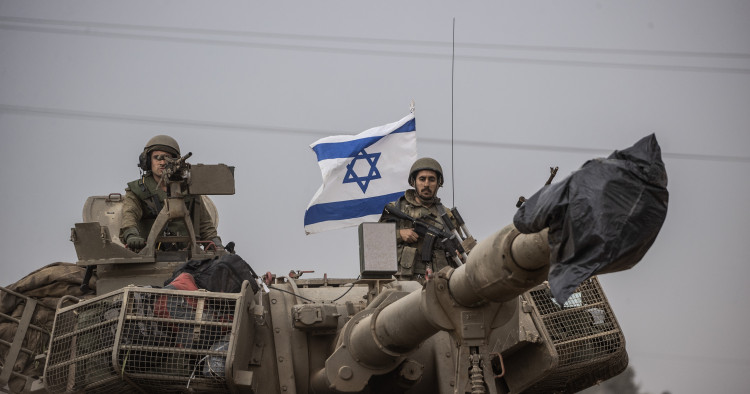
Israel’s ‘second stage’ ground operation is proof its priorities have changed
The Israeli prime minister, Benjamin Netanyahu, declared over the weekend that Israel had embarked on the “second stage” of its war against Hamas in Gaza. What did he mean – and is the Israeli government any closer to its objective of “wiping out” Hamas?
Any swords into ploughshares? The challenge of the current conflict
The only long-term way of building security and stability, and reducing violence for Palestinians and Israelis alike, is to create hope and establish a political pathway for both sides
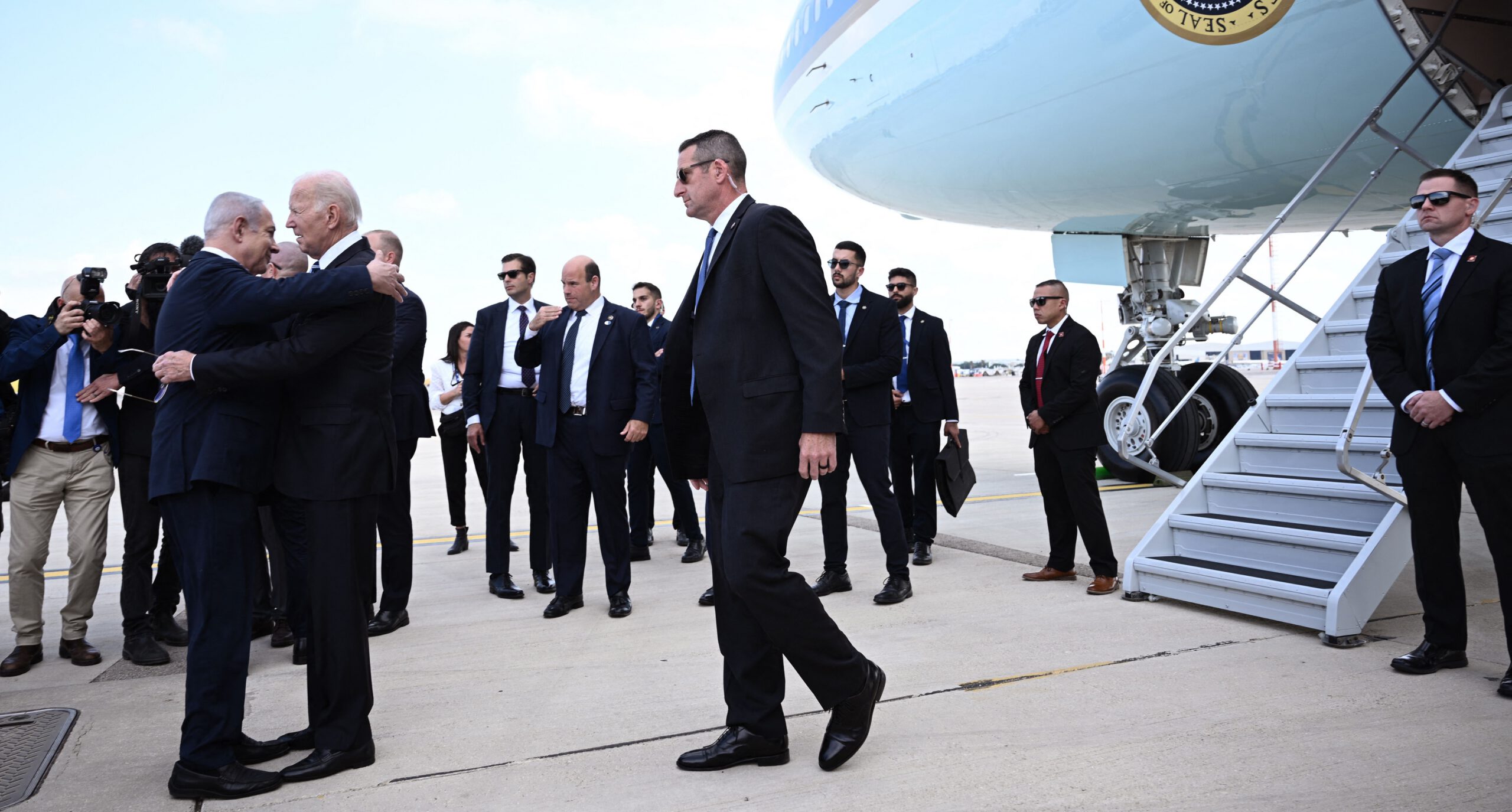
The intensity of the Oct. 7 terrorist attacks by Gaza and the ensuing crisis have already had a significant and dramatic impact on relations between the United States and Israel. The resolute American backing reflects the purest expression of the strategic partnership that has existed between Israel and the U.S. for more than five decades.