Russia and Turkey in Nagorno-Karabakh: A recipe for long-term instability
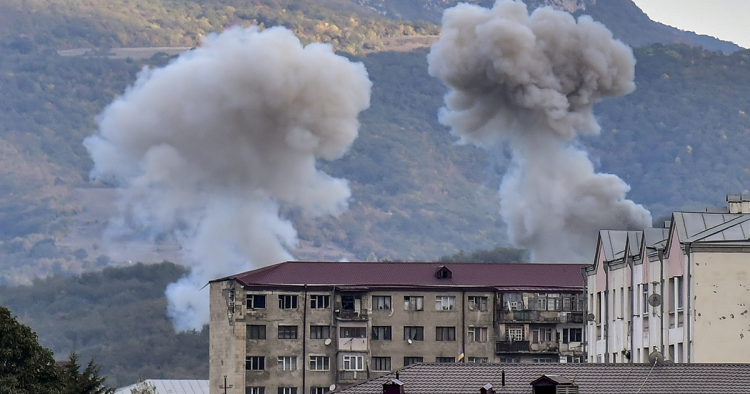
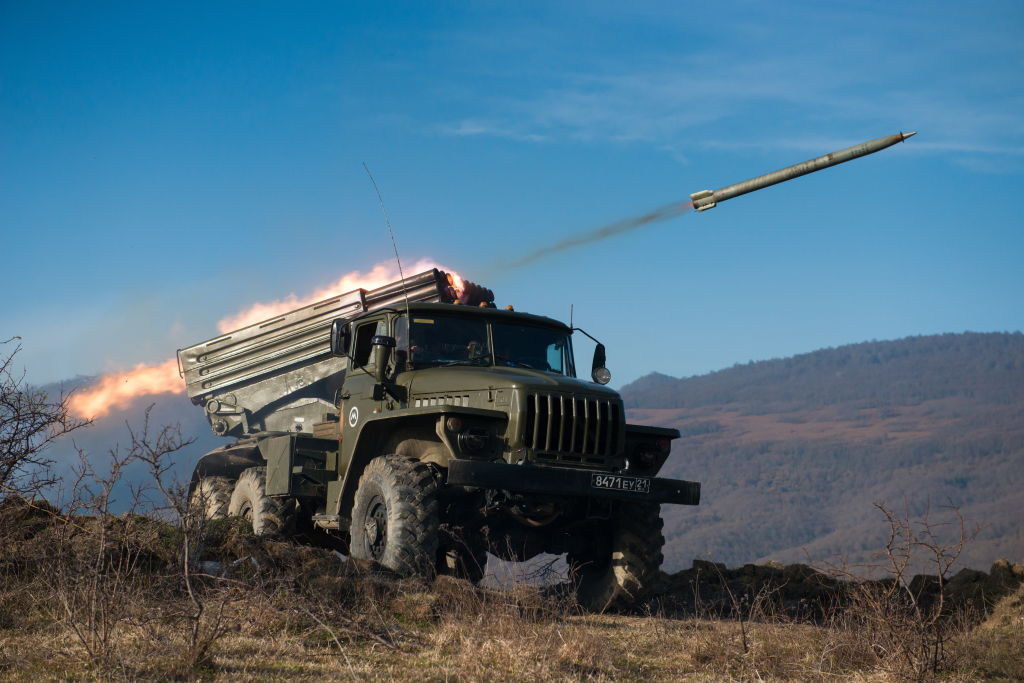
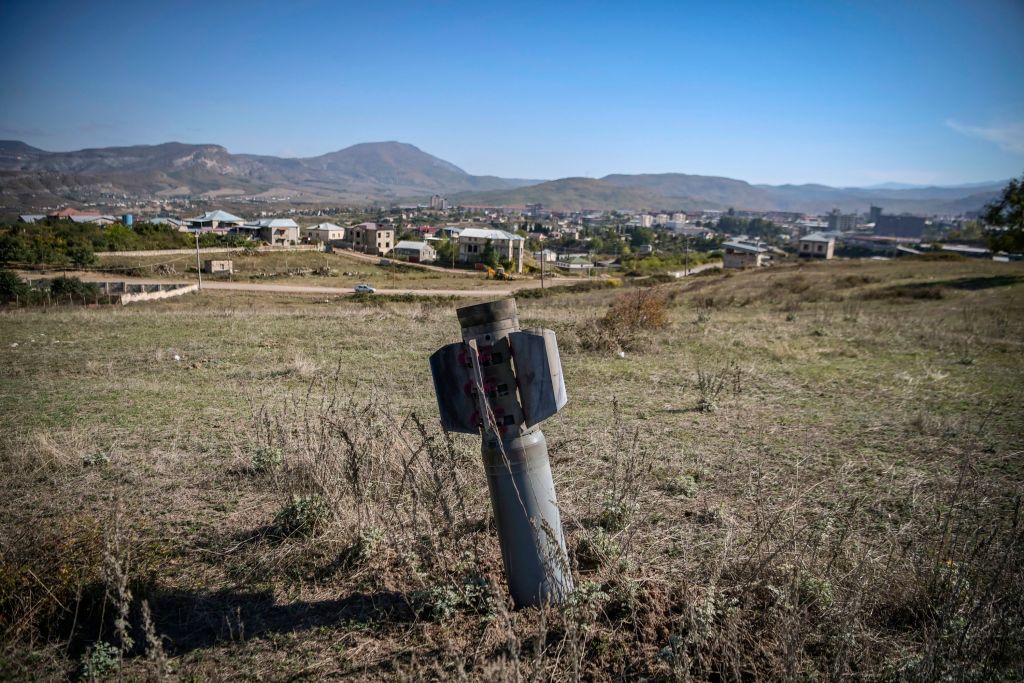
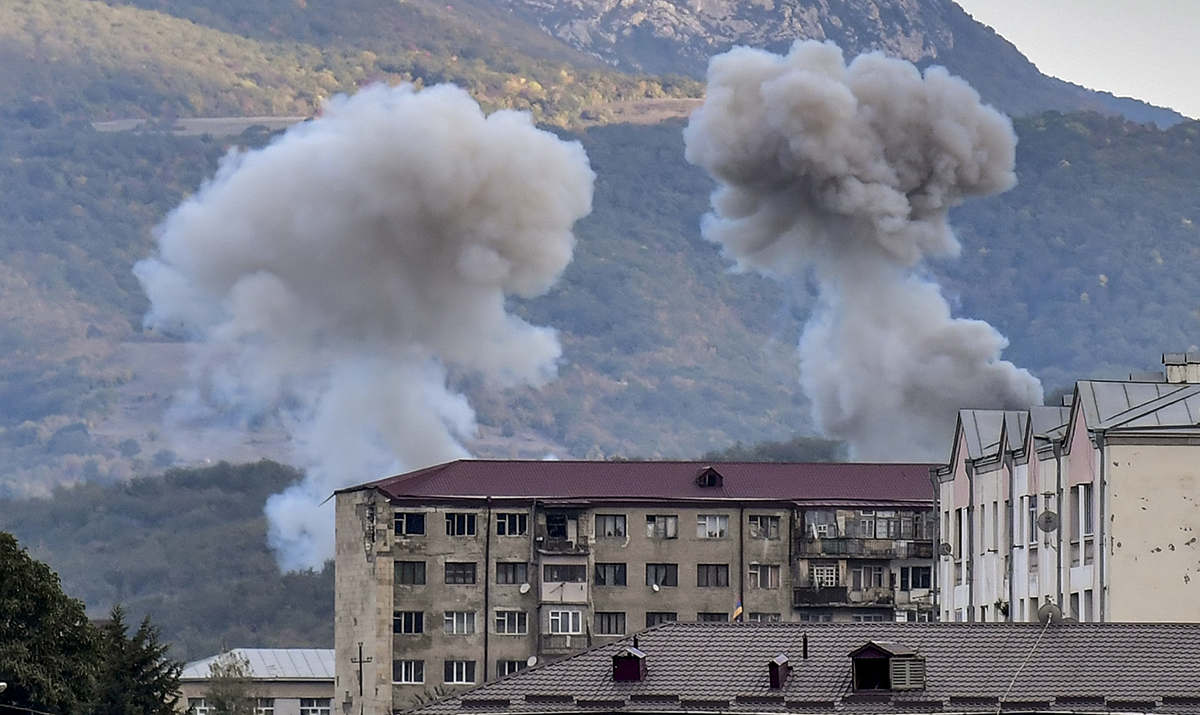
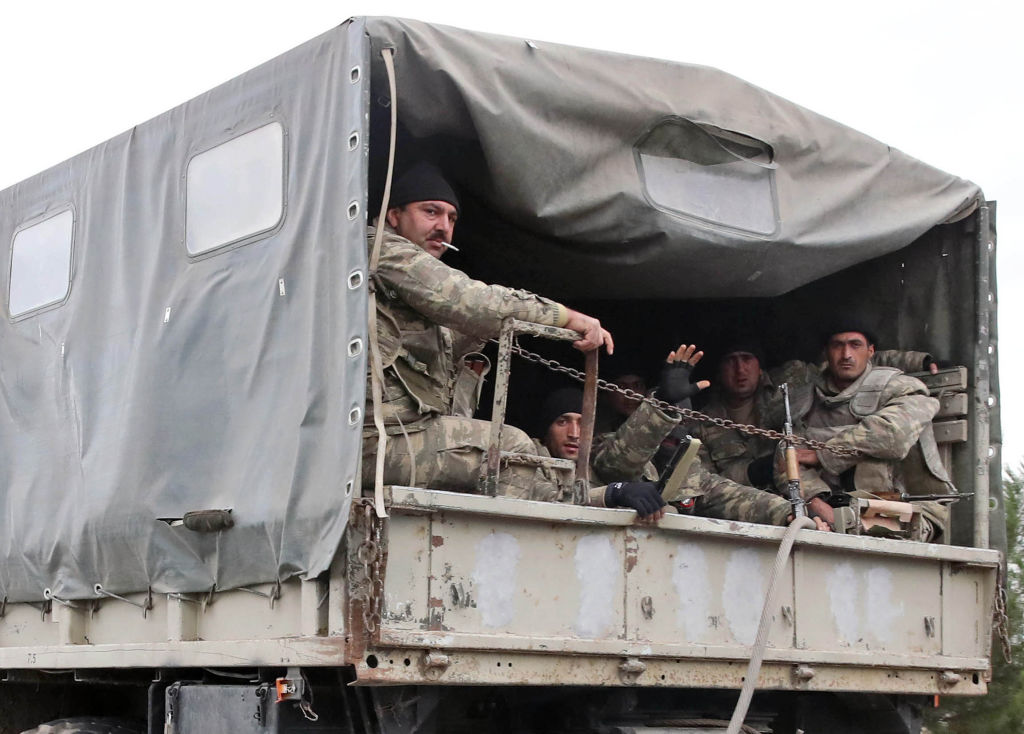
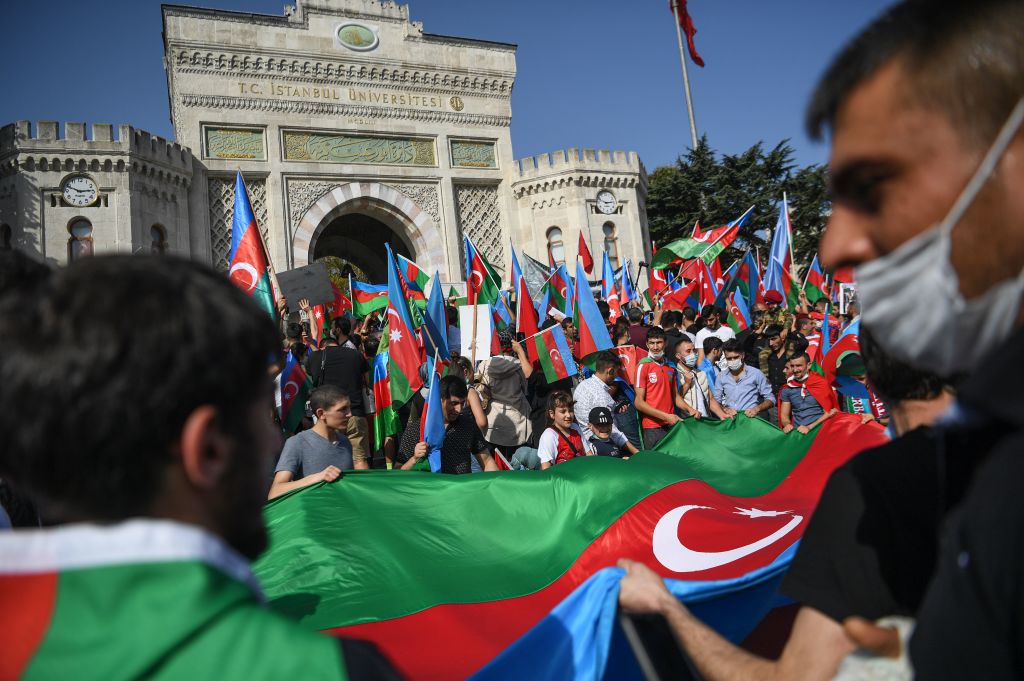
Deadly fighting between Armenian and Azerbaijani forces over the disputed enclave of Nagorno-Karabakh has continued unabated for over a month. This so-called “frozen conflict” on Russia’s periphery was never truly frozen. Unresolved grievances on both sides festered for almost three decades, and smaller skirmishes periodically erupted. But this time the fighting emerged as the largest and deadliest flare-up and even spilled into neighboring Iran. Turkish President Recep Tayyip Erdogan’s support for Azerbaijan played a decisive role in raising the scale and turning the tide in favor of Azerbaijan. Turkish involvement raises questions about Moscow’s role and expectations, and the broader Russia-Turkey relationship.
Escalation in Karabakh: Implications for the Southern Gas Corridor
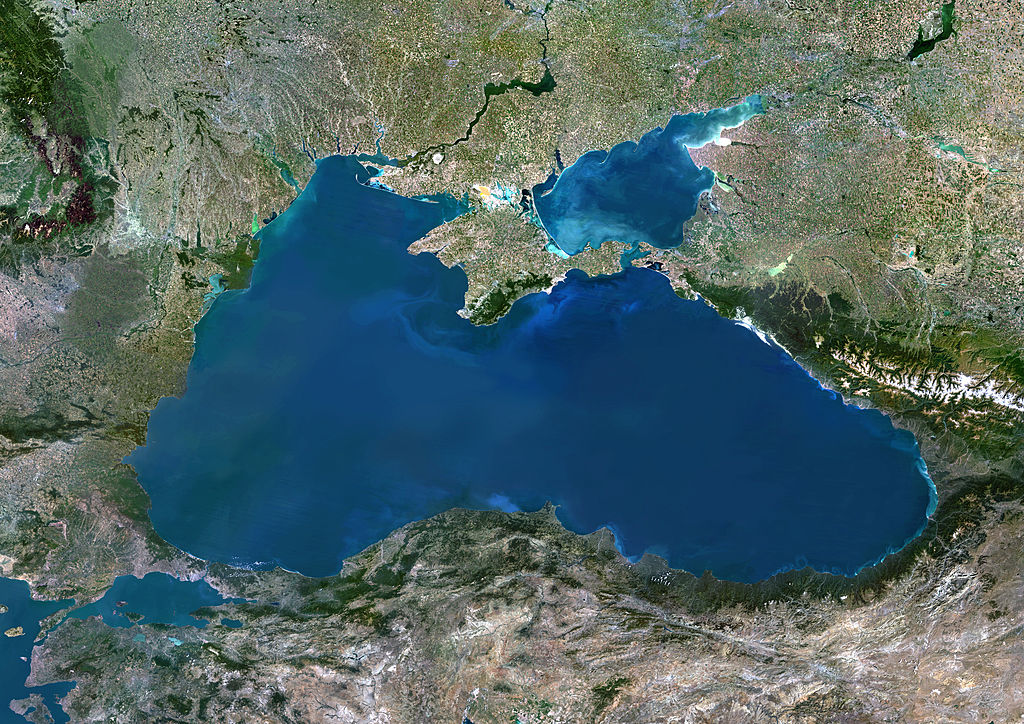
The renewed military conflict in Nagorno-Karabakh between Azerbaijan and Armenia threatens geopolitical stability in the wider Black Sea-Caspian region, and has the potential to evolve into greater regional escalation. The scale of military operations, and range of heavy military equipment involved, is increasing risks for major energy and transportation infrastructure, which connect Caspian oil and natural gas fields in Azerbaijan to major energy markets in Turkey, the Mediterranean, and different parts of Europe.
Continuity and change in America’s military partnership with Ukraine
The 2014 Russian annexation of Crimea and conflict in the Eastern region of Donbas not only breached commitments made by Russia as a signatory of the Budapest Memorandum twenty years earlier, but also tested the ability of the U.S. and U.K to guarantee peace in Ukraine and hold the aggressor accountable for its malevolent actions.
Proxies, spies and saboteurs: How Georgia can identify, resist and deter covert and deniable threats
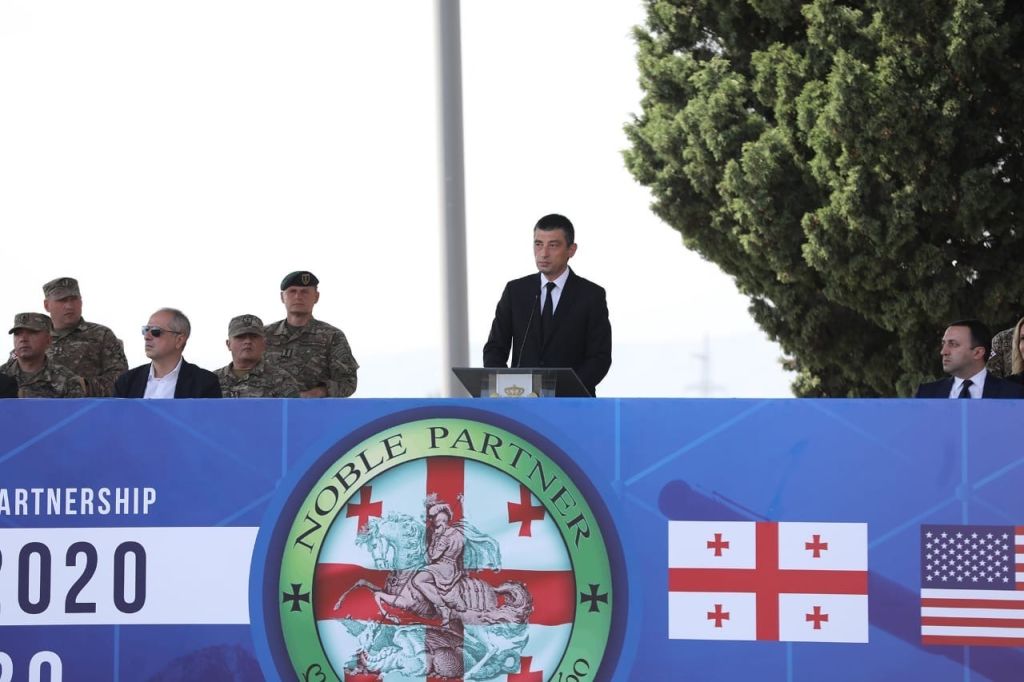
Georgia has experienced the full spectrum of Russian aggression, from direct military action to covert subversion and proxy operations. Nonetheless, while there are undoubted challenges for such a small country in resisting this threat, there are certainly opportunities for Georgia and for Western nations eager to support. After all, the latter should understand that they have as much to learn in Georgia as to teach.
Drifting attention: Why the Black Sea continues to matter
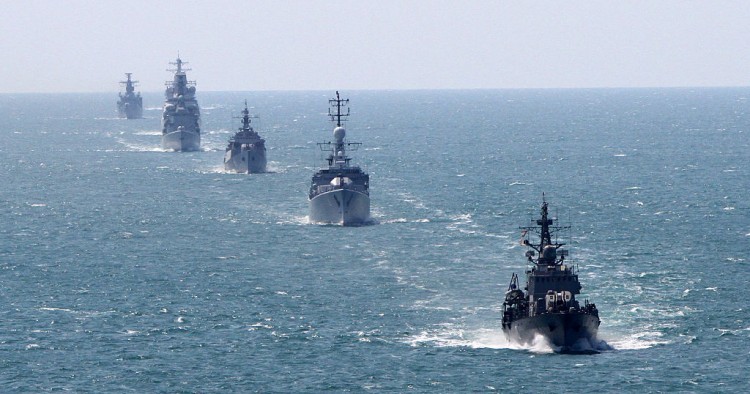
The threat of Russian aggression in Eastern Europe is once again lingering. As if by clockwork, Russia’s relations with its neighbors are under scrutiny once more, six years after its annexation of Crimea and 12 years after its invasion of Georgia.
Election 2020: The Future of U.S.-Black Sea Relations
In Frontier Europe Initiative’s new briefing book, entitled Election 2020: The Future of Black Sea-U.S. Relations, MEI scholars and external contributors identify key issues across the region, highlight U.S. interests at stake, and provide policy insights and recommendations for the path forward. The pieces in this book serve as a contribution to the broader discussion about the challenges and opportunities for U.S. policy in the region
Protracted conflicts and security challenges in the Black Sea
Protracted regional conflicts affect the security and stability of the Black Sea region in a number of ways, including through increased militarization, the growing influence of disinformation, and an absence of comprehensive domestic and regional peacebuilding policies.
It has now been more than two weeks since fighting flared up along the frontlines of the Nagorno-Karabakh conflict. Far from being a small skirmish like the fighting was in July, the current fighting is taking place along the entire frontline. The Republic of Georgia is located right in the middle of this current storm. One only has to look at a map to see Georgia’s predicament.
“Diplomacy of attrition”: How will the Russia-Turkey stand-off in Nagorno-Karabakh play out?
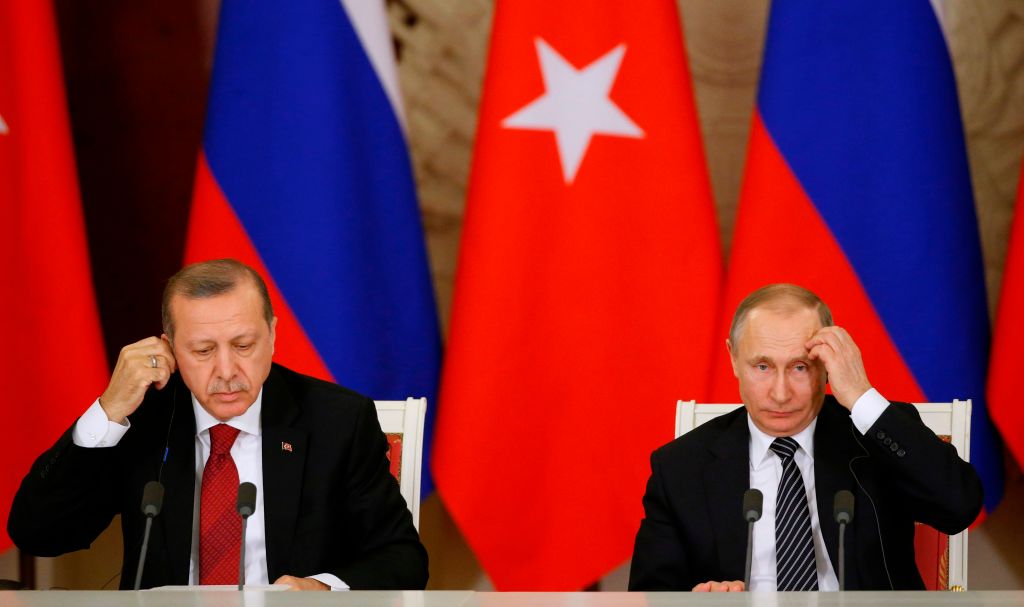
Over the past few years, both Russia and Turkey have played key roles in the world’s hottest conflict zones. Usually on opposite sides and often on the verge of a direct confrontation, Moscow and Ankara have demonstrated a knack for brinkmanship and crisis management through diplomacy. While both sides have suffered casualties, they pulled back before any fight got too big. On Sept. 27 the latest in a series of conflicts emerged when fighting broke out again between Azerbaijan and Armenia over the disputed territory of Nagorno-Karabakh. With Turkey and Russia on opposite sides once more, the flare-up in the South Caucasus will be a major test of whether their relationship will bend or break.
Escalation and Regional Risks in a New Karabakh War
Fierce fighting between Azerbaijani and Armenian forces represents a dramatic escalation in longstanding tensions, with the two countries on an all-out war footing following over a week of battle. Although the fighting has already dramatically eclipsed previous spikes in violence since the 1994 ceasefire, the most recent conflagration shows no signs of abating anytime soon, and raises the specter of even greater escalation among regional and global powers.
Turkey, Russia and the escalation in Nagorno-Karabakh
On September 27, hostilities broke out between Armenia and Azerbaijan in the disputed region of Nagorno-Karabakh (NK). Following several days of fighting, the region is now witnessing the worst escalation of tensions since the early 1990s. This time, Azerbaijan’s efforts are boosted by Turkey’s readiness to render robust military support.
Using digital tools, the IRGC strengthens its grip on power in Iran
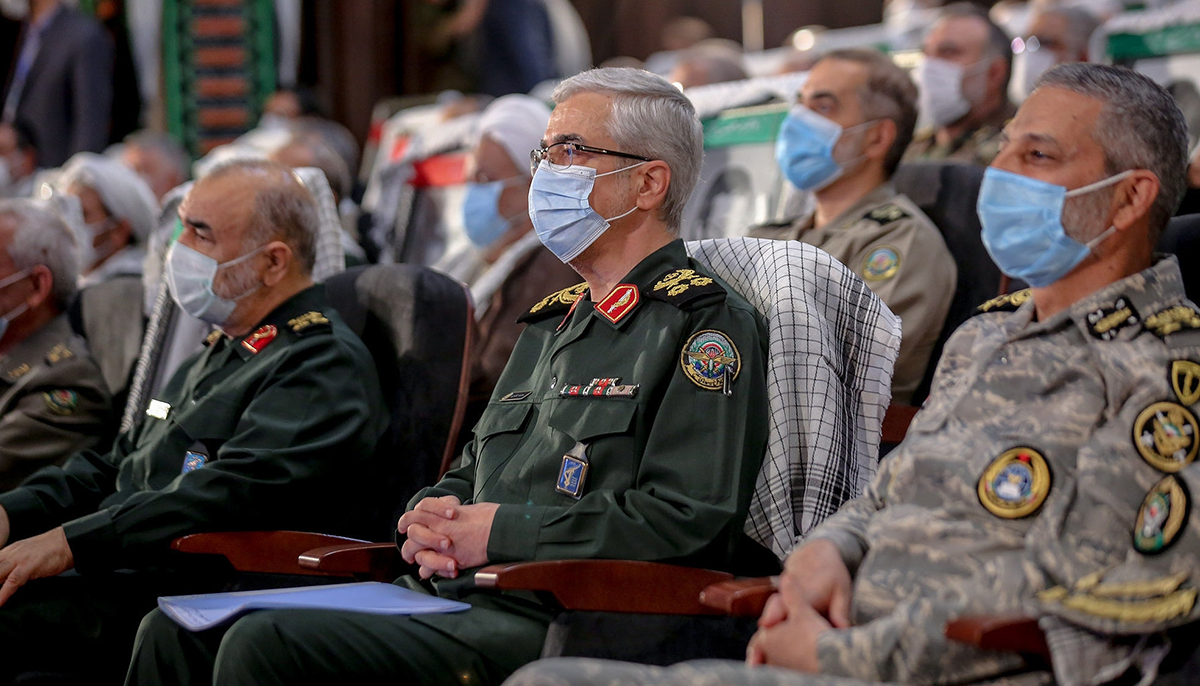
Over the past decade, Iran has made a concerted push to expand its cyber capabilities, an effort in which the IRGC has played a central role. Given the IRGC’s expansive and growing power, scholars, analysts, and many Iran watchers have long thought that at some point it could take over control in Iran, replacing the theocratic government with a military one. As Iran approaches an inflection point over the issue of succession after Ayatollah Khamenei, that day could be coming soon, and the IRGC is well placed to bring about such a transition given the hybrid mix of physical and cyber capabilities that it has developed and perfected over recent decades.
Monday Briefing: Will Russia and Turkey face off over Nagorno-Karabakh?
This week’s briefing on recent news and upcoming events in the region featuring Maxim A. Suchkov, Ibrahim Jalal, Eliza Campbell, Alex Vatanka, and Marvin G. Weinbaum.
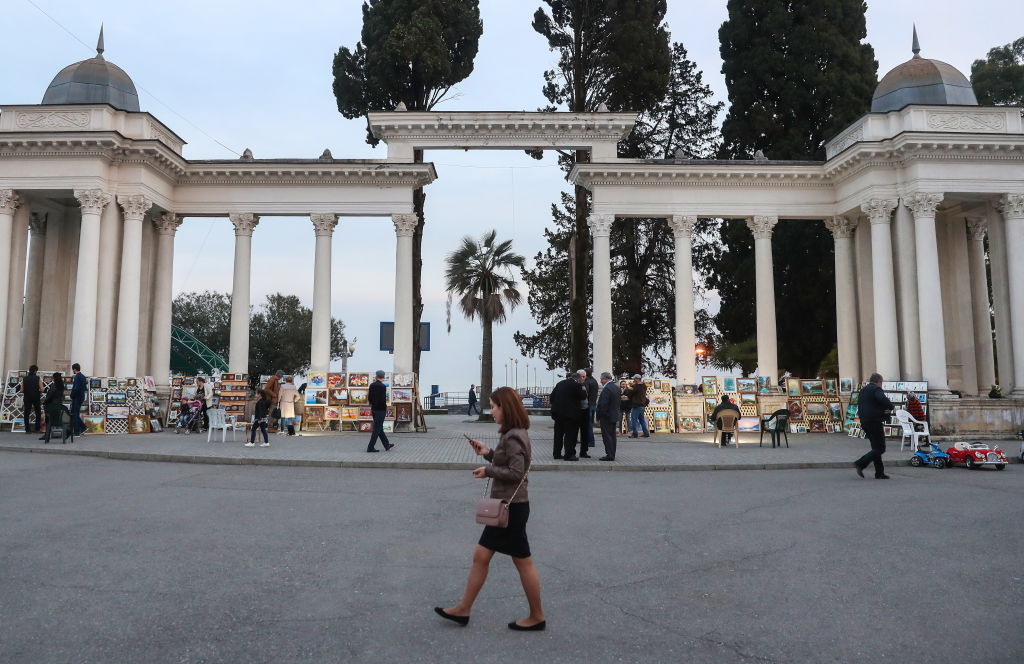
Abkhazia, Georgia and COVID: An opportunity from crisis
As with nearly everywhere in 2020, the Caucasus has been hit hard by the coronavirus pandemic. While Armenia has registered by far the most cases of the three internationally recognized South Caucasian states, it’s another regional territory where the pandemic’s effects are being felt most broadly: the breakaway Georgian province of Abkhazia.