Iran-Backed Iraqi Groups Threaten Violence Following U.S. Terrorism Bill
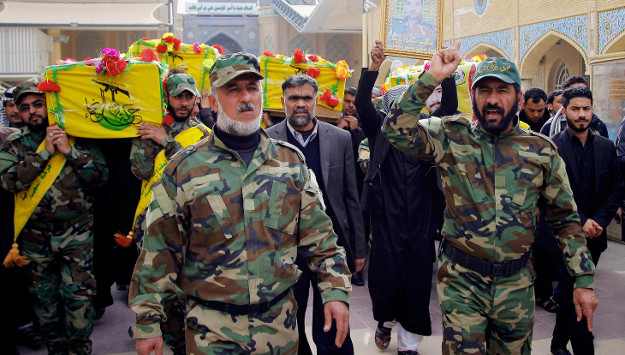
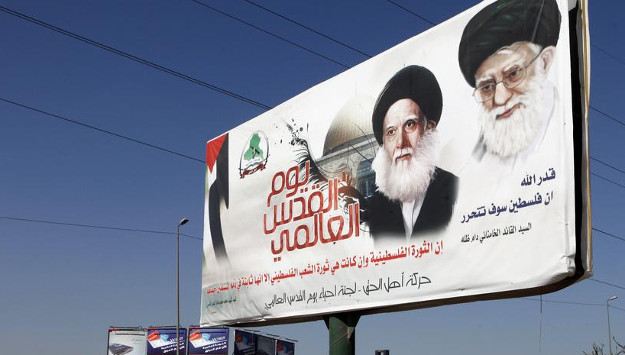
Two Iranian-backed Iraqi militia groups have threatened violence against the United States in Iraq and the broader region after a proposed U.S. congressional bill designated them as terrorist organizations. On November 3, a bill was introduced the U.S.
After the 2014 Israel-Gaza war, I tried and failed to convince Hamas to hand over a key border crossing between Gaza and Israel to the control of the Palestinian Authority (P.A.).
Recognizing Jerusalem as Israel's Capital Carries Enormous Risk
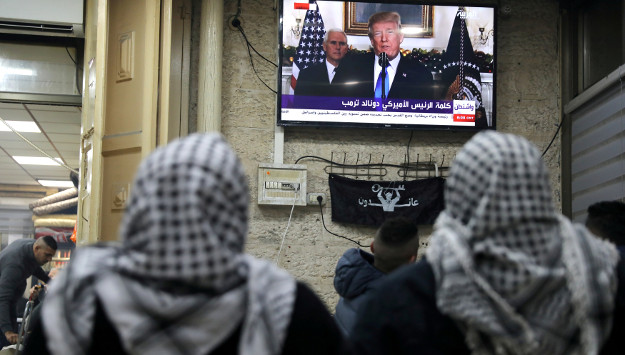
President Donald Trump’s decision to recognize Jerusalem as the capital of Israel is a major policy shift that carries enormous risk. Warnings from Arab and European allies of the “explosive” consequences of the move aptly reflect the fragile dynamics in the region and the sensitivity of the question of Jerusalem to millions worldwide.
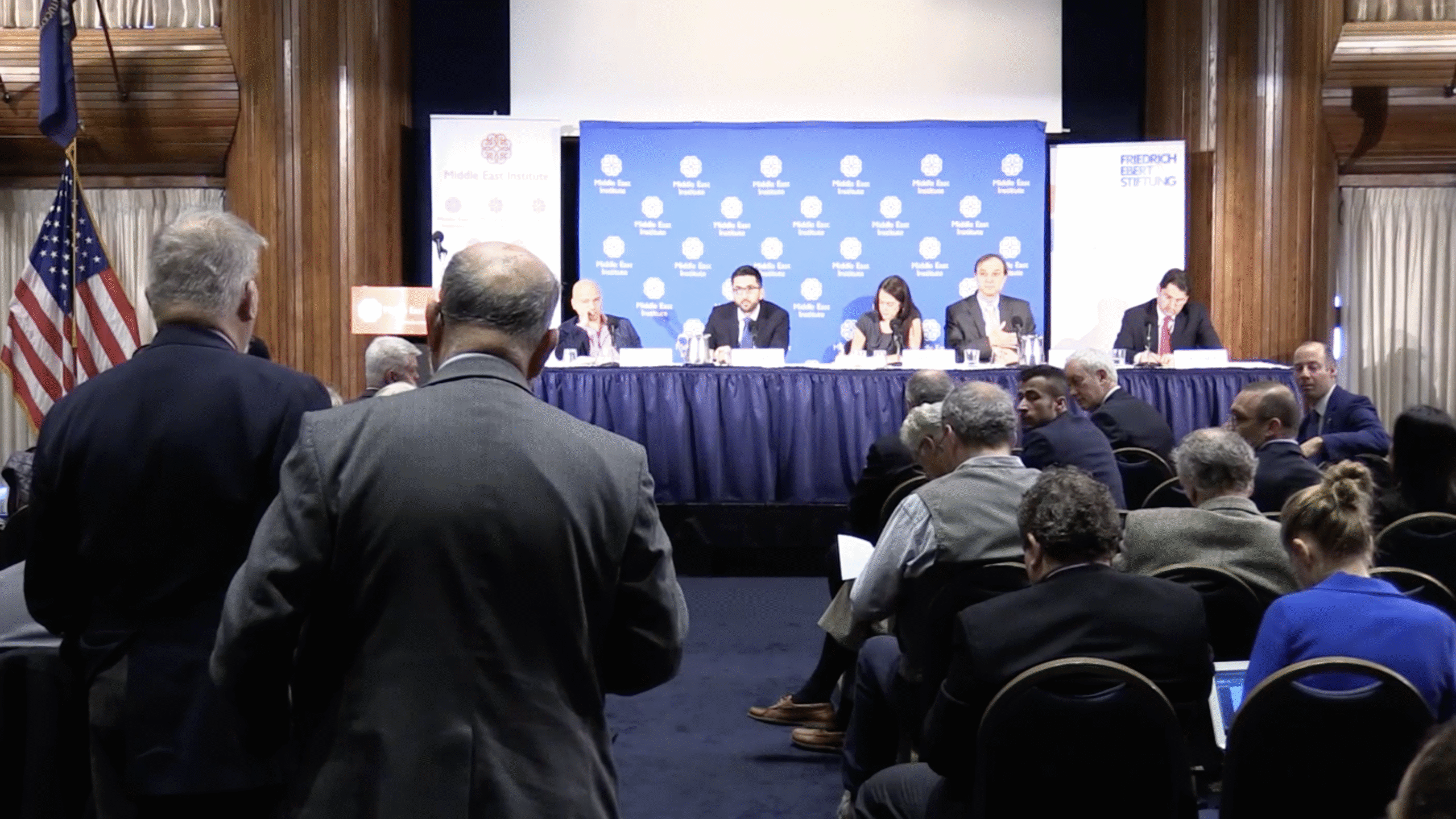
December 4, 2017- The Middle East Institute (MEI) and the Friedrich Ebert Foundation were pleased to host MEI’s 8th Annual Conference on Turkey. At a time of critical internal developments and international tensions, this program of three panels on Turkey’s domestic politics, economy, and foreign relations featured Turkish, European, and U.S. office-holders, policymakers, and expert analysts from both sides of the Atlantic.
Conditions Facing Religious Minorities in Iraqi Kurdistan (Livestream)
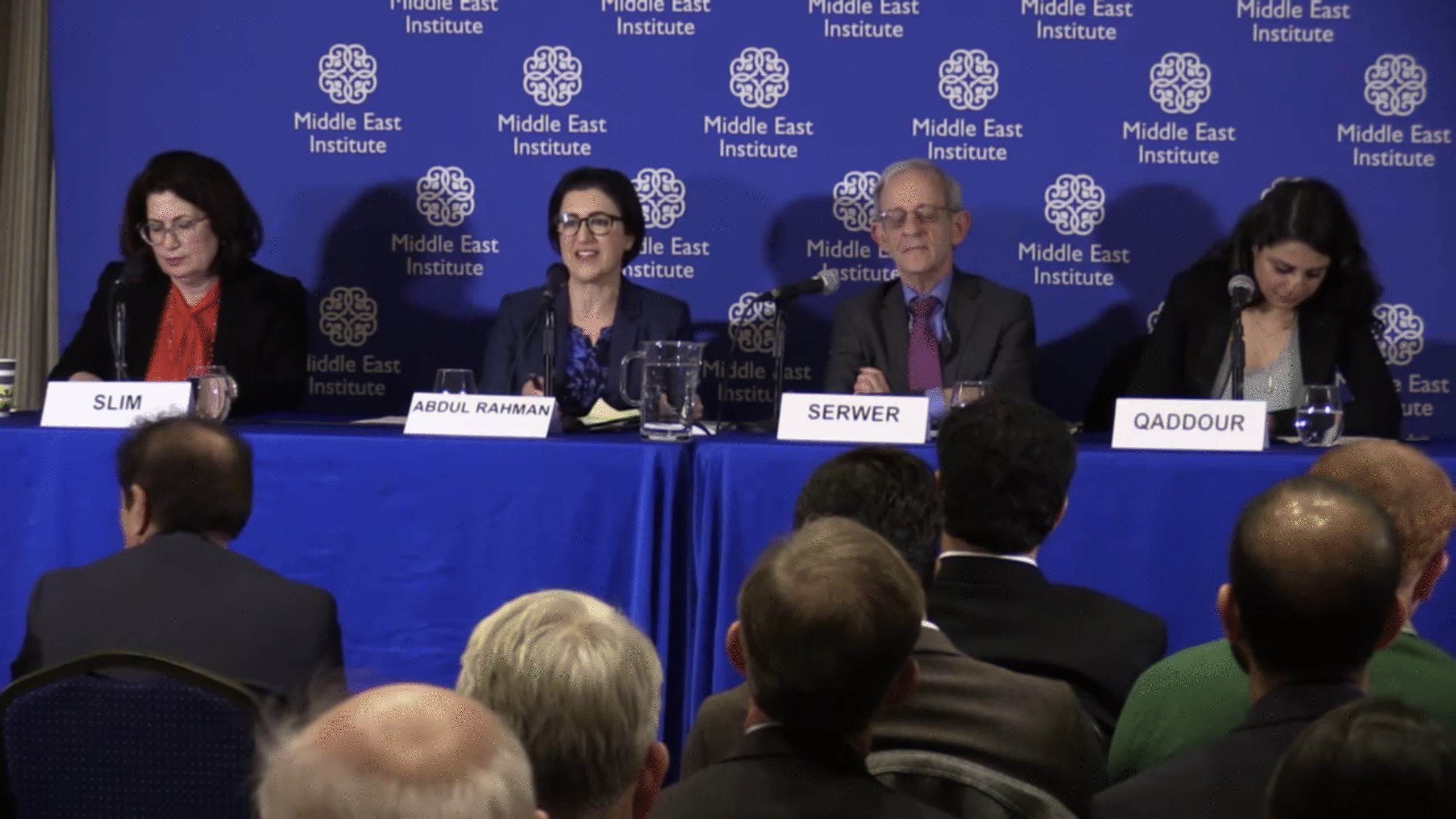
Surrounded by conflict and grappling with a rapidly changing political landscape, the Kurdistan Region of Iraq (KRI) stands out as a locus of relative stability in its region. A recently-released report by the United States Commission for International Religious Freedom (USCIRF), entitled “Wilting in the Kurdish Sun: The Hopes and Fears of Religious Minorities in Northern Iraq,” highlights the difficulties faced in the KRI to address religious freedom.
In the Crowded Arena of Tuareg Rockers, Mdou Moctar Stands Tall
Mdou Moctar recently finished his first U.S. tour. In his three October performances in Washington, he set out to do a lot. Pickless, his kinetic guitar licks bounced around the stage, bringing his audience thousands of miles away to the Sahara desert. His calm, welcoming voice sang about the struggles and hopes of his divided homeland.
Iranian Leaders Celebrate Saleh’s Killing by Houthi Allies
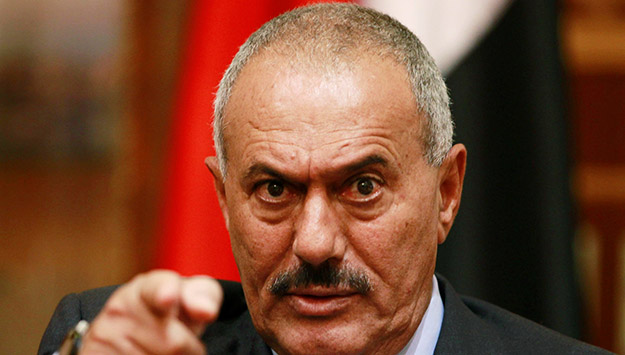
Iranian leaders celebrate the killing of Ali Abdullah Saleh and some media outlets express the hope that the former Yemeni president’s death will further empower the Iran-backed Houthi rebels in Yemen.
Ali Akbar Salehi, a senior aide to Supreme Leader Ali Khamenei, said Saleh got what he deserved. “The Yemeni people that are with the resistance front will ultimately emerge victorious similar to the people of Syria, Iraq and Lebanon,” he added.
Iran to Keep Its Forces in Syria in Defiance of International Pressure
Iranian Parliamentary Speaker Ali Larijani has said that Iranian forces will remain in Syria “as long as necessary” to continue to assist the embattled regime of Bashar al-Assad, Fars News Agency reported. “Iran will continue to help Syria to fight terrorism as long as it is needed,” the top Iranian lawmaker said in an interview with a state-run Russian outlet during his trip to Moscow. “The fight against terrorism has not ended.
Video Shows Protesters Tearing up Posters of Khamenei, Pro-Iran Iraqi Leaders in Najaf
Iraqis in the city of Kufa of Najaf Province held a protest rally against Iran and its Iraqi proxies and attacked the offices of the Badr Organization, according a video clip circulating in social media and published in some Arab outlets. It is not clear when the protest occurred. In the video, protesters are seen ripping up images of Iran’s Supreme Leader Ali Khamenei and Hadi al-Amiri, the leader of the Badr Organization, a powerful group within Iraq’s Popular Mobilization Forces (P.M.F.) and with close to Tehran.
Iranian Navy Adds New Warship to Caspian Sea Fleet
The Iranian Navy today added a new missile-launching corvette to its fleet in the Caspian Sea, the Iranian media reported. Iranian Defense Minister Brigadier General Amir Hatami participated in the inauguration ceremony of the homegrown vessel called Separ (shield). According to Tasnim News Agency, the new ship can sail at a maximum speed of 35 knots and is equipped with surface-to-surface missile systems, naval guns and radar systems.
Ali Abdullah Saleh Killed in Yemen | Monday Briefing
In this week’s Monday Briefing, MEI experts Gerald Feierstein, Yousef Munayyer, Bilal Y. Saab, Marvin G. Weinbaum, Charles Lister, and W. Robert Pearson provide analysis on the death of fmr. Yemen President Ali Abdullah Saleh, the Trump administration’s plan to recognize Jerusalem as Israel’s capital, an Israeli airstrike on an Iranian target in Syria, Sec. James Mattis’s upcoming trip to Pakistan, the collapse of Geneva talks on Syria, and Turkish President Erdogan’s visit to Greece.
Tehran Pressures Baghdad not to Disband P.M.F. despite Mounting Concerns
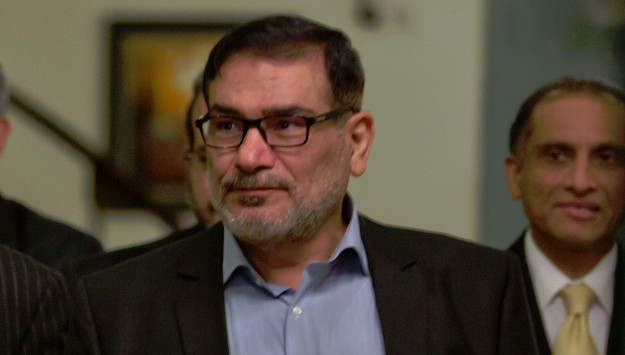
Ali Shamkhani, the secretary of Iran’s Supreme National Security Council, has said that a “new foreign plot” is underway to dismantle Tehran-backed Popular Mobilization Forces (P.M.F.) in neighboring Iraq, the Iranian media reported. In a meeting with Deputy Speaker of the Iraqi Parliament Hammam Hamoudi in