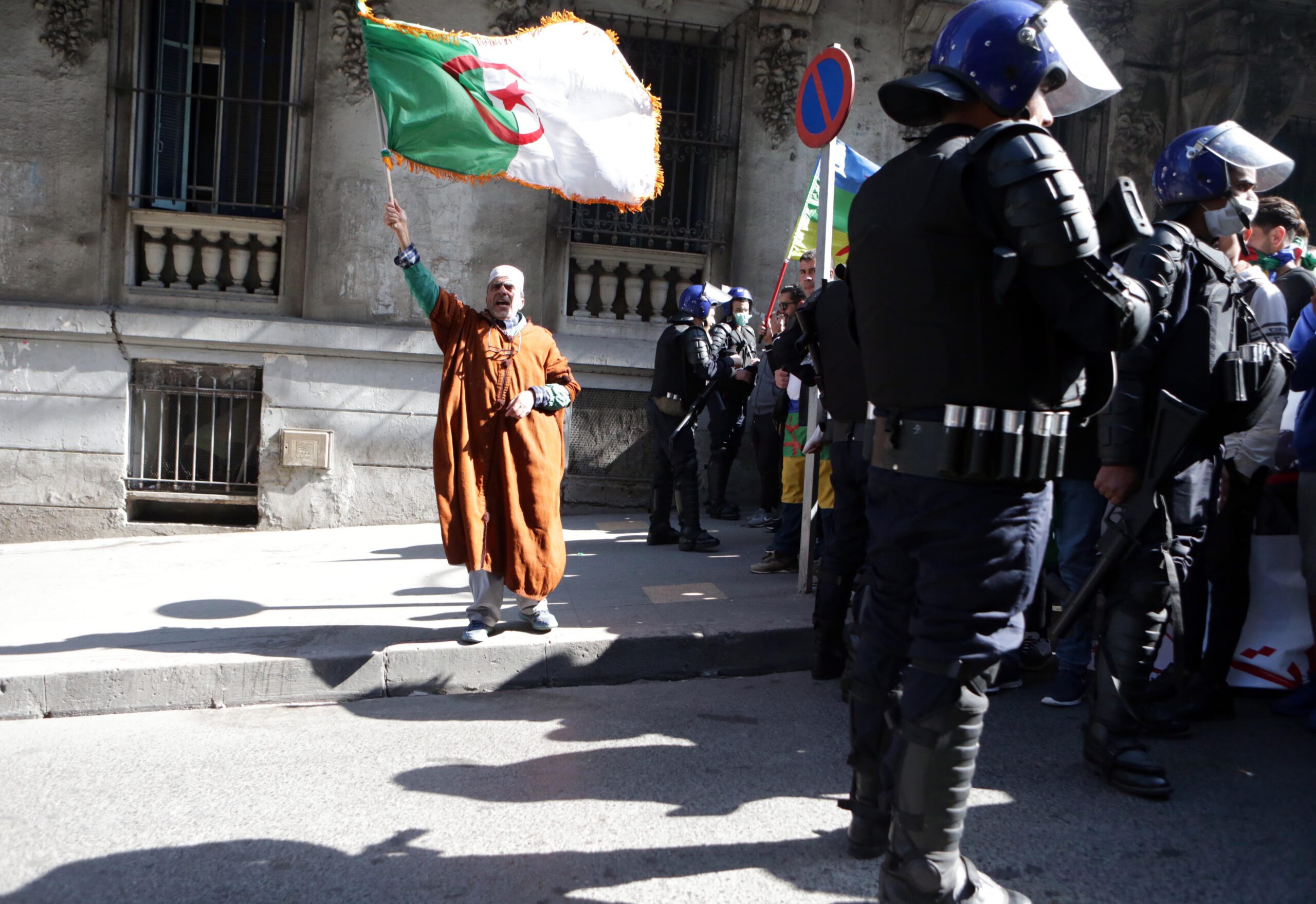
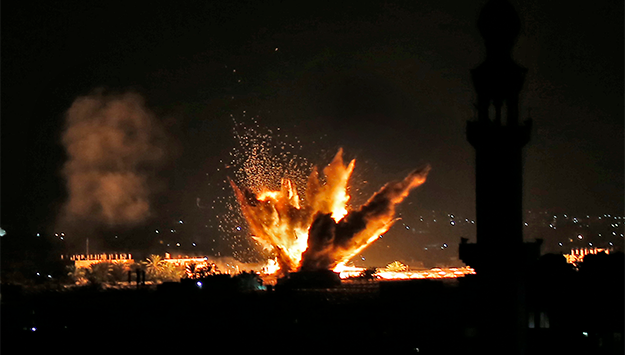
In this week’s Monday Briefing, MEI experts Robert S. Ford, Mirette F. Mabrouk, Nathan Stock, Marvin G. Weinbaum, and Jean-François Seznec provide analysis on recent and upcoming events including the government shakeup in Algeria, Egyptian President el-Sissi’s visit to Washington, rocket attacks from Gaza, Imran Khan’s war against poverty, and a $69 billion merger between Saudi Arabia’s oil and chemical giants.
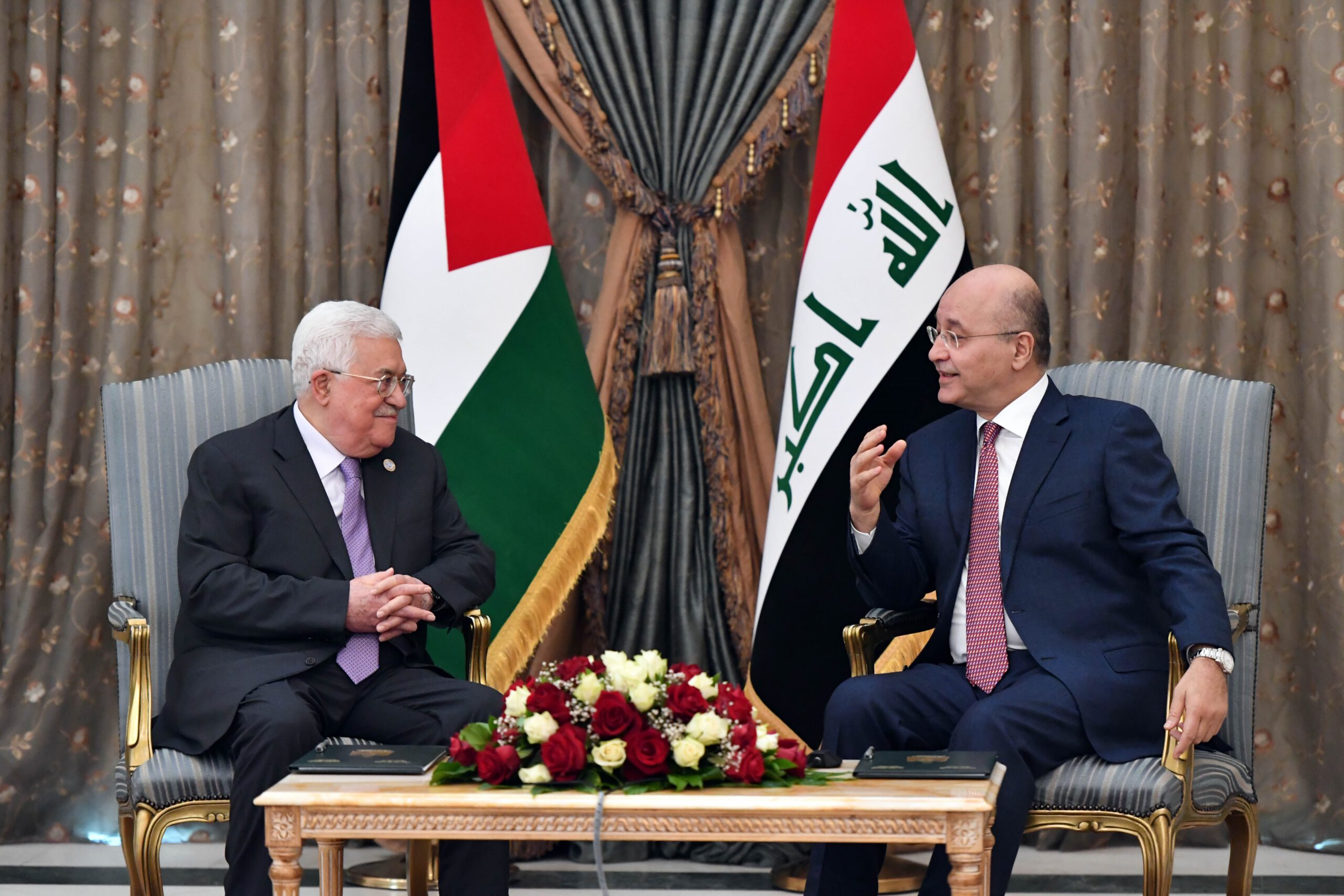
Following the liberation of ISIS-held territory in Syria and Iraq, Palestinian President Mahmoud Abbas is reestablishing ties with regional actors as a means to mobilize Arab support for the Palestinian cause.
Monday Briefing | Iraq: Outreach abroad, but troubles at home
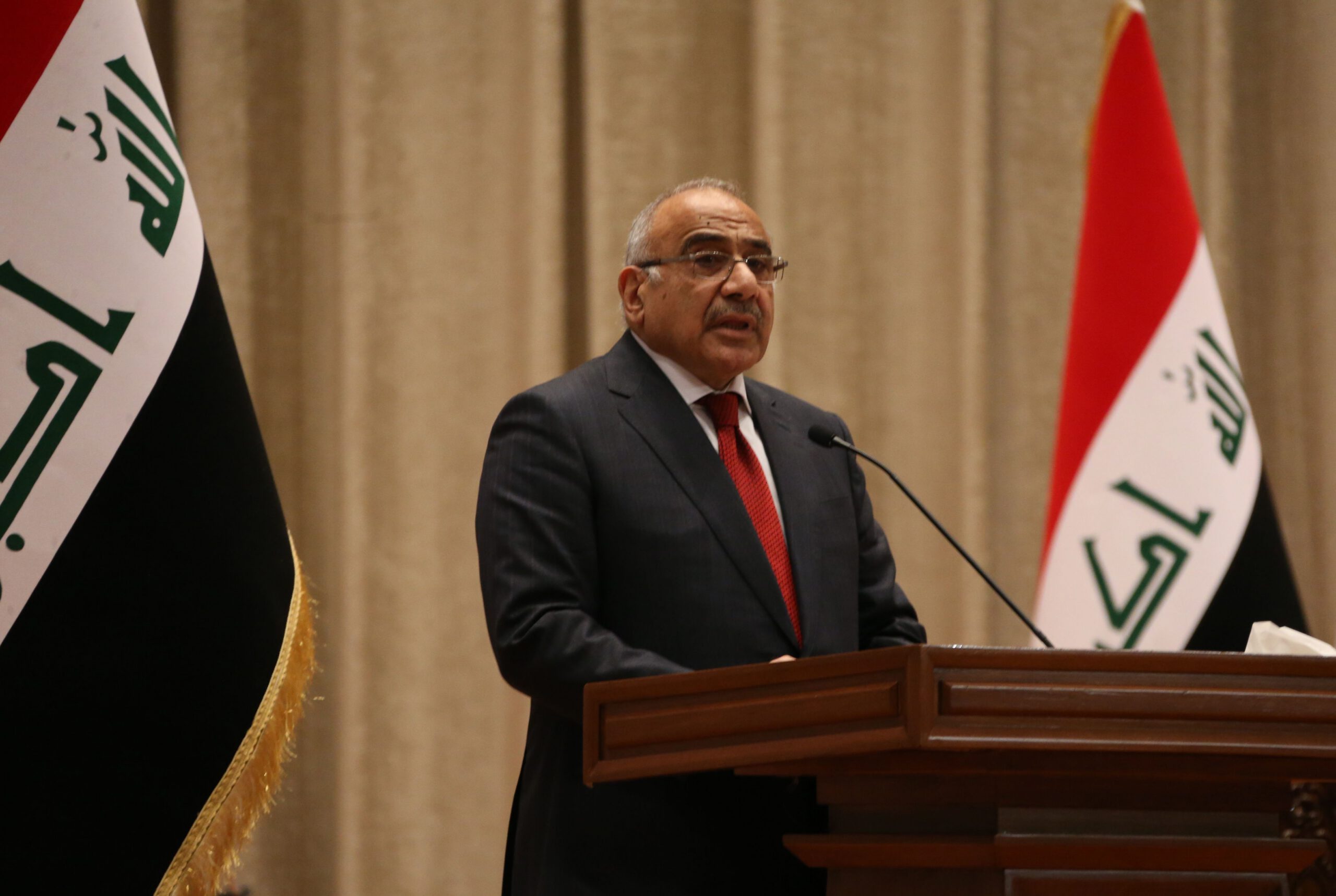
In this week’s Monday Briefing, MEI experts Randa Slim, Charles Lister, Gerald Feierstein, and Paul Salem provide analysis on recent and upcoming events including Iraqi Prime Minister Abdul-Mahdi’s first foreign trip to Egypt, the future threat posed by ISIS, Israeli Prime Minister Benjamin Netanyahu’s AIPAC meeting in Washington, and Secretary of State Mike Pompeo’s visit to Lebanon.
After Warsaw is there a future for the Arab Peace Initiative?
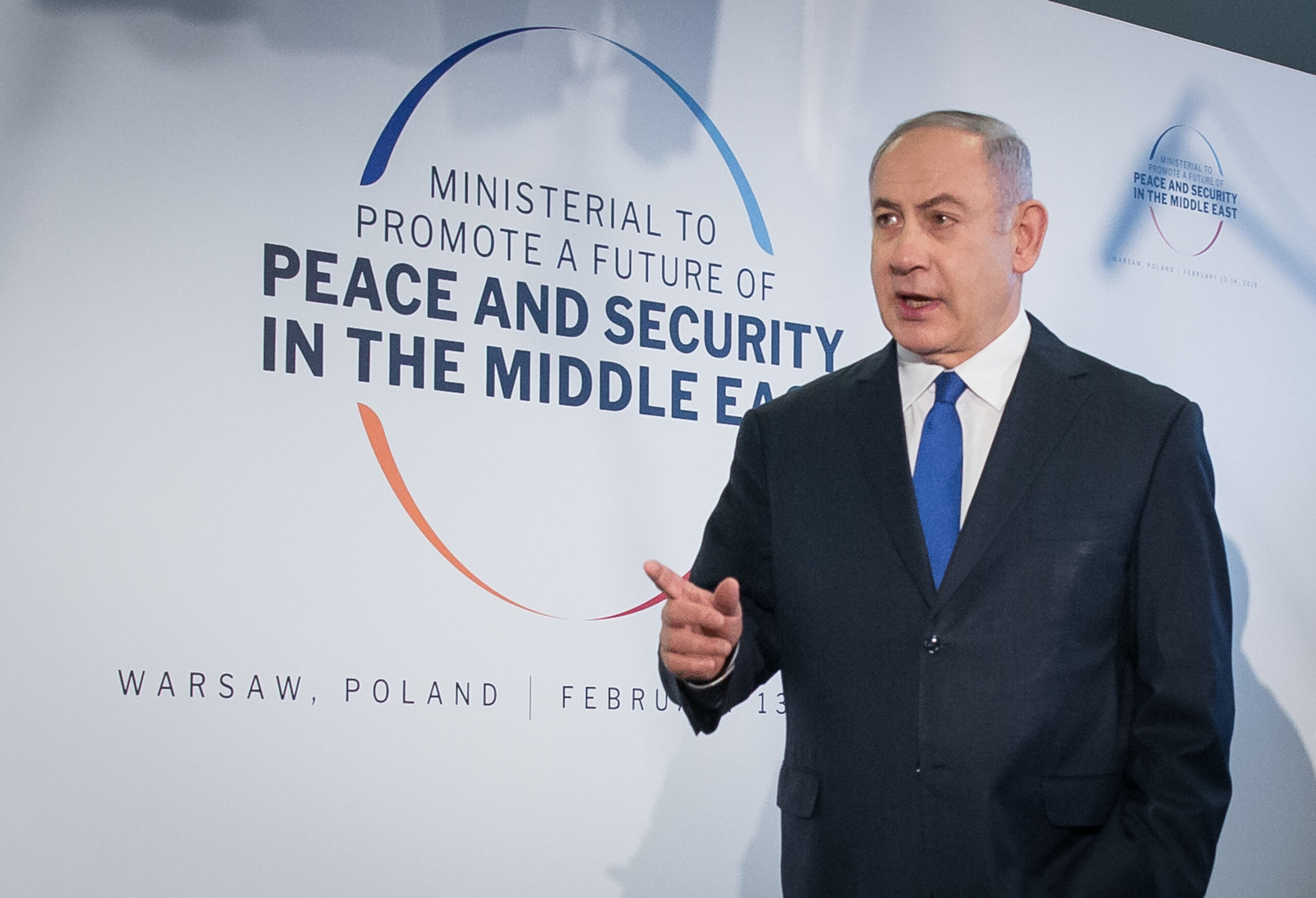
Washington devised the recent Middle East summit in Warsaw in the hope of mobilizing a broad front against Iran. In the end though, it was Israeli Prime Minister Benjamin Netanyahu who reaped the greatest reward.
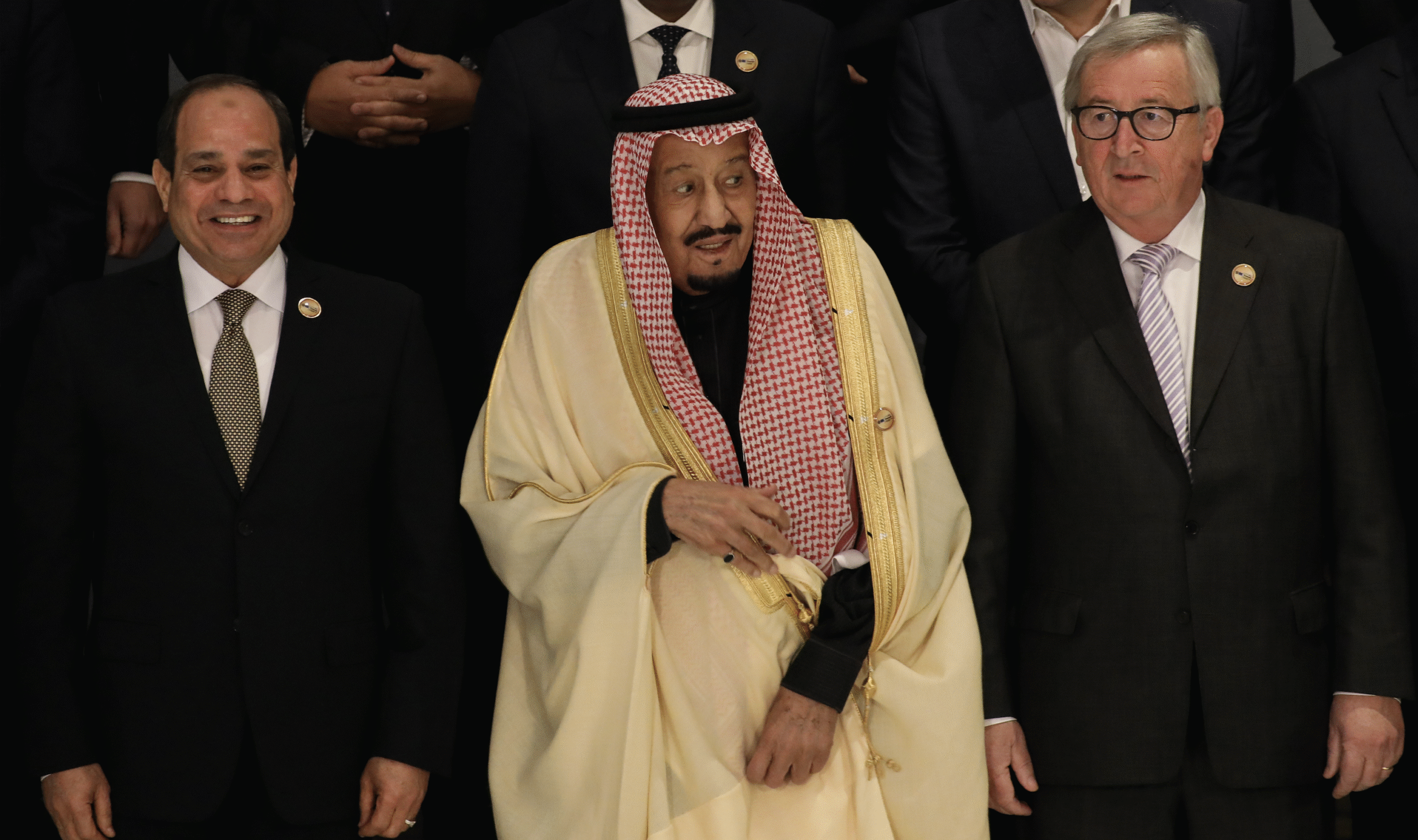
Monday Briefing: Egypt hosts first EU-Arab League summit
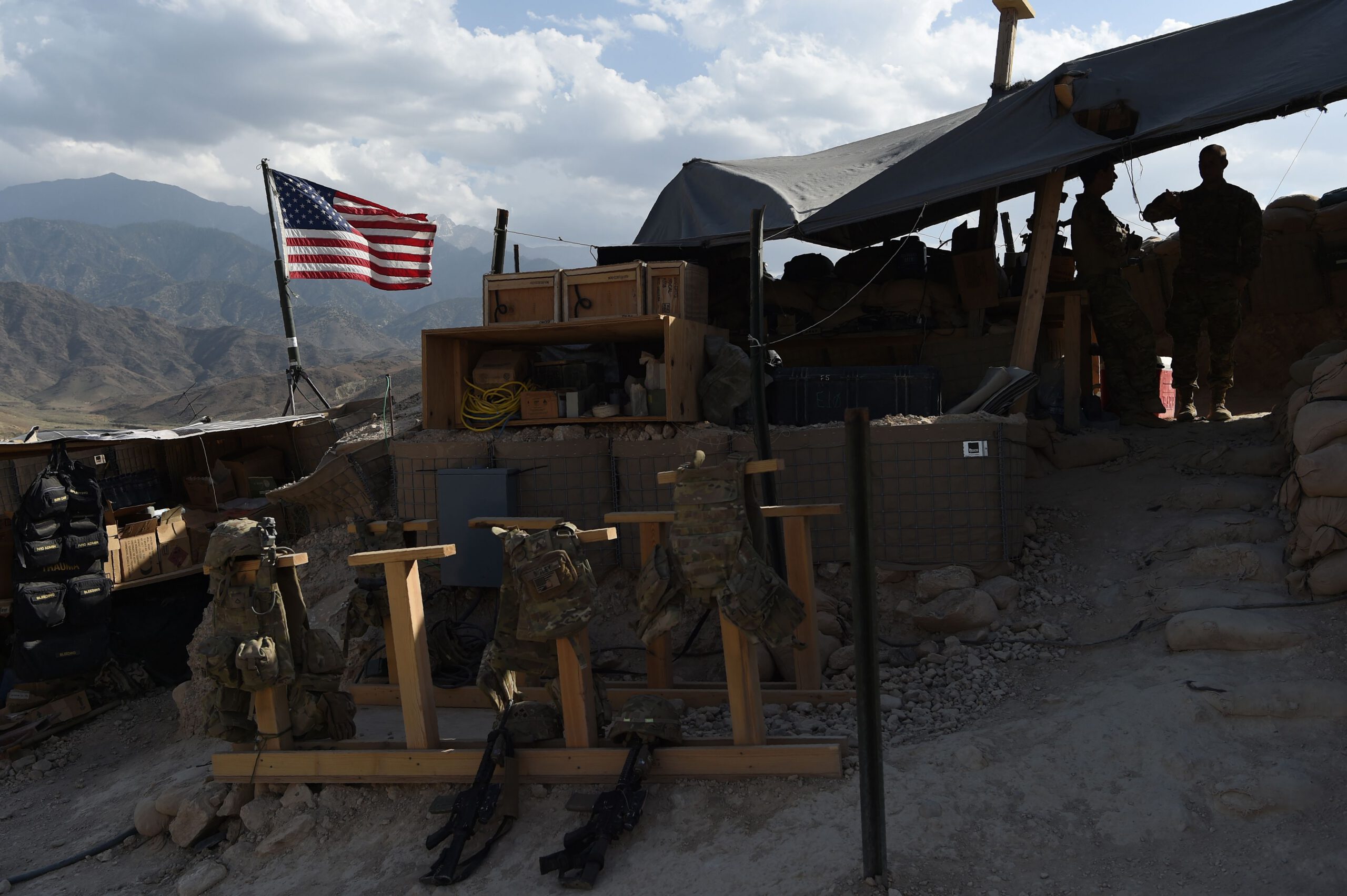
In this week’s Monday Briefing, contributors Mirette F. Mabrouk, Gerald Feierstein, Marvin G. Weinbaum, Przemysław Osiewicz, Grace Wermenbol, and W. Robert Pearson provide analysis on recent and upcoming events including the EU-Arab League summit, the progress in US-Taliban talks, challenges to Israeli Prime Minister Benjamin Netanyahu’s power, consequences of the Kashmir attack, and Turkey’s next steps in Syria.
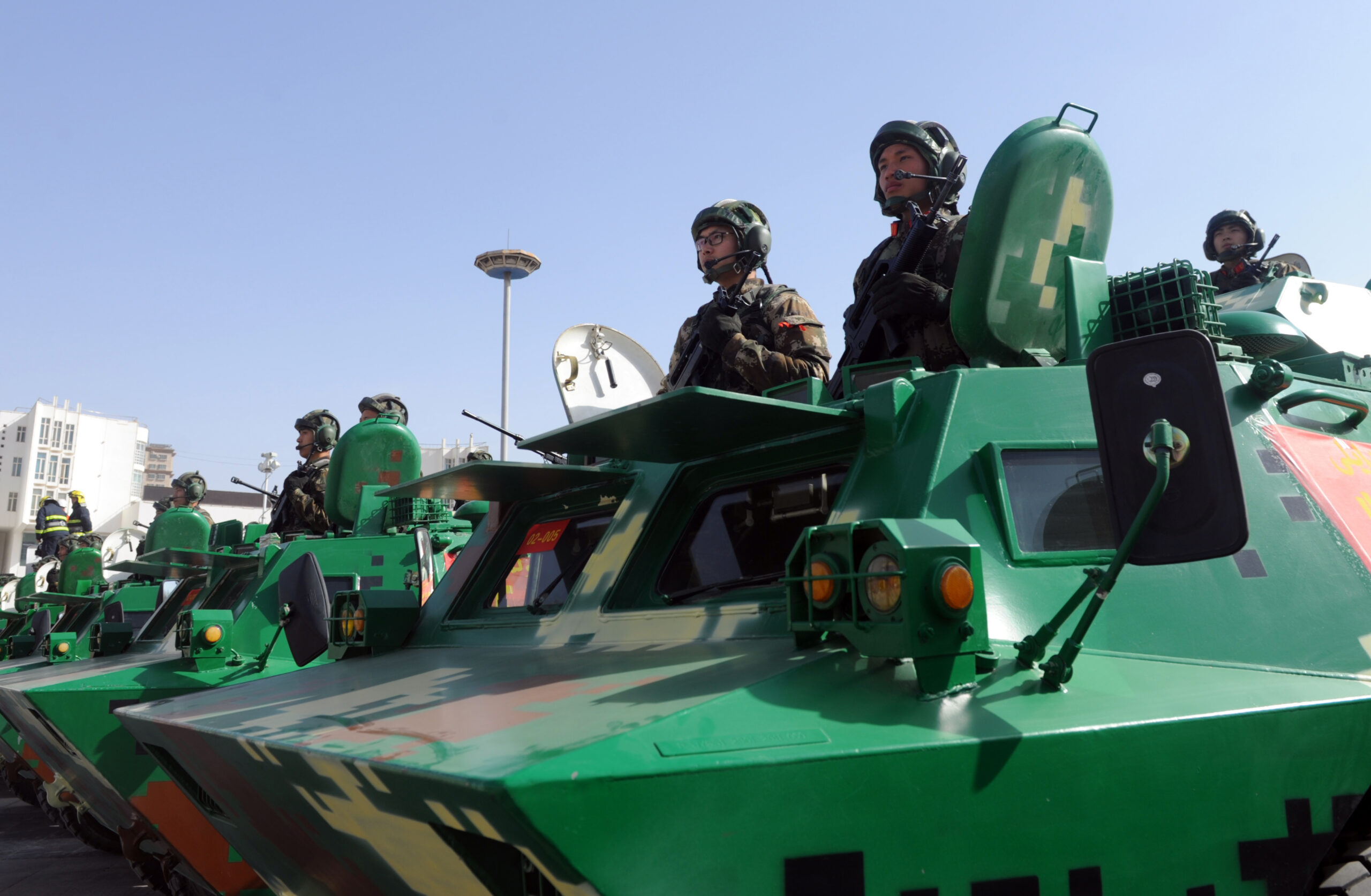
Arab Gulf states silent on China’s Xinjiang crackdown
Unlike other cases of repression against Muslims around the world, such as Myanmar, the Gulf monarchies have been silent about the “cultural cleansing” taking place in China’s Xinjiang Province.
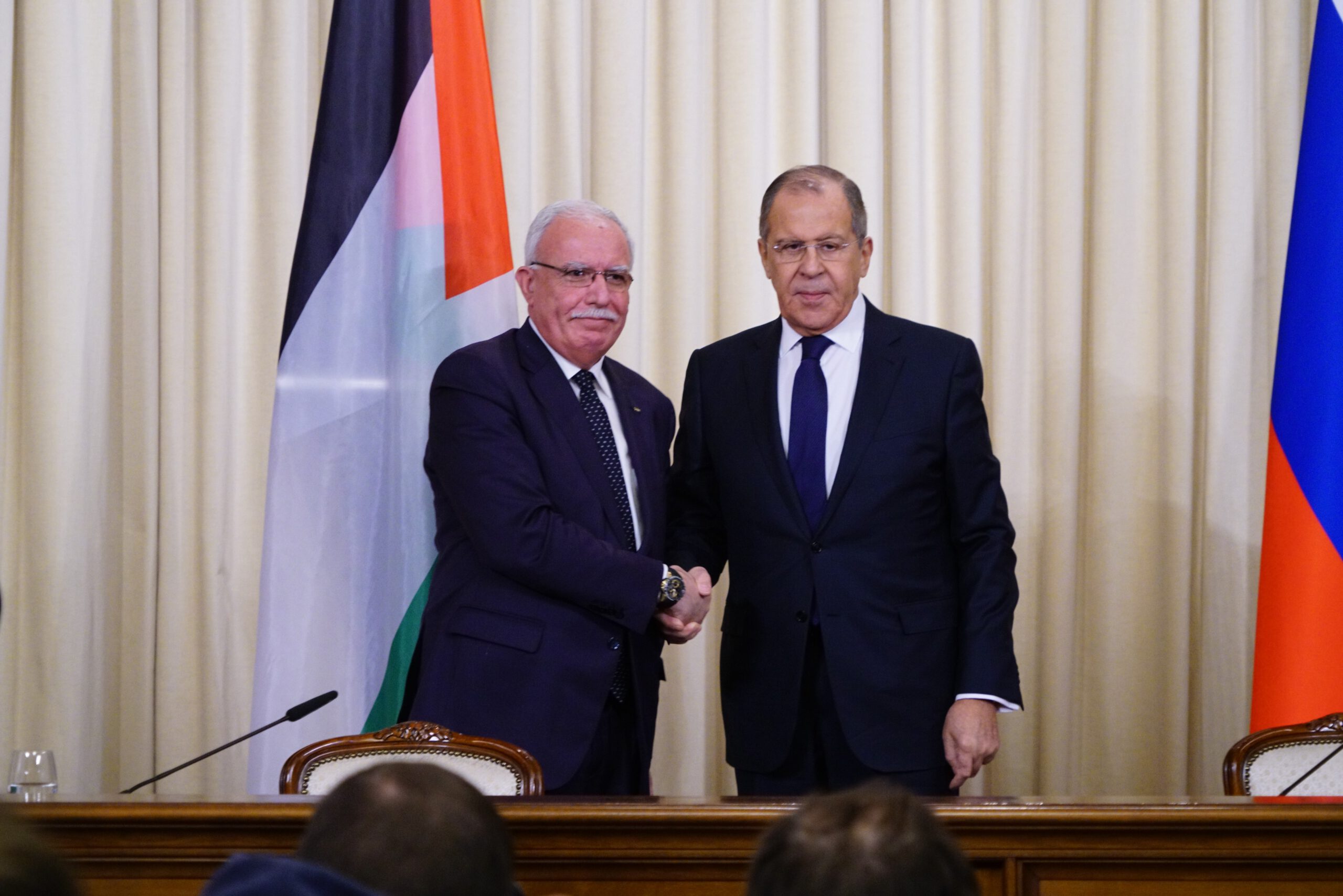
After Syria, Russia vies for influence in the Palestinian sphere
Moscow has renewed its offer to act as an independent, third-party mediator between Israel and the Palestinians as Palestinians grow wary of the Trump administration and question Washington’s traditional role as Mideast peace broker following President Donald Trump’s recognition of Jerusalem as Israel’s capital in December 2017.
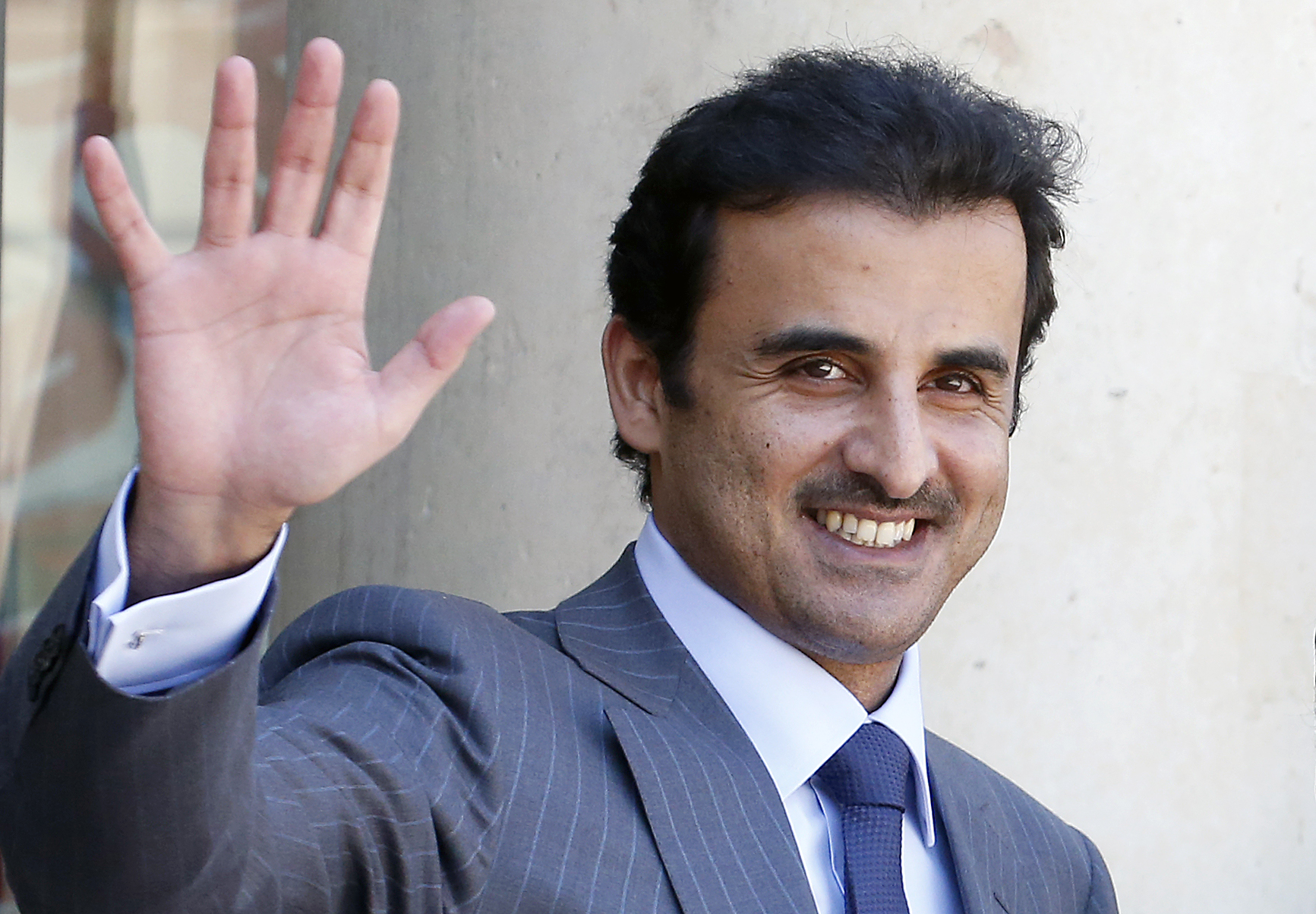
Giorgio Cafiero, CEO and founder of Gulf State Analytics, and F. Gregory Gause, head of the Department of International Affairs at Texas A&M University, join host Jerry Feierstein to discuss the state of GCC relations amid the Qatar dispute and other crises heading into the next GCC Summit.
The GCC Riyadh summit: Beginning of the end of the Qatar crisis?
The upcoming GCC summit in Saudi Arabia offers an opportunity to bring the opposing sides to the table, but it is far from clear what will come out of the meeting
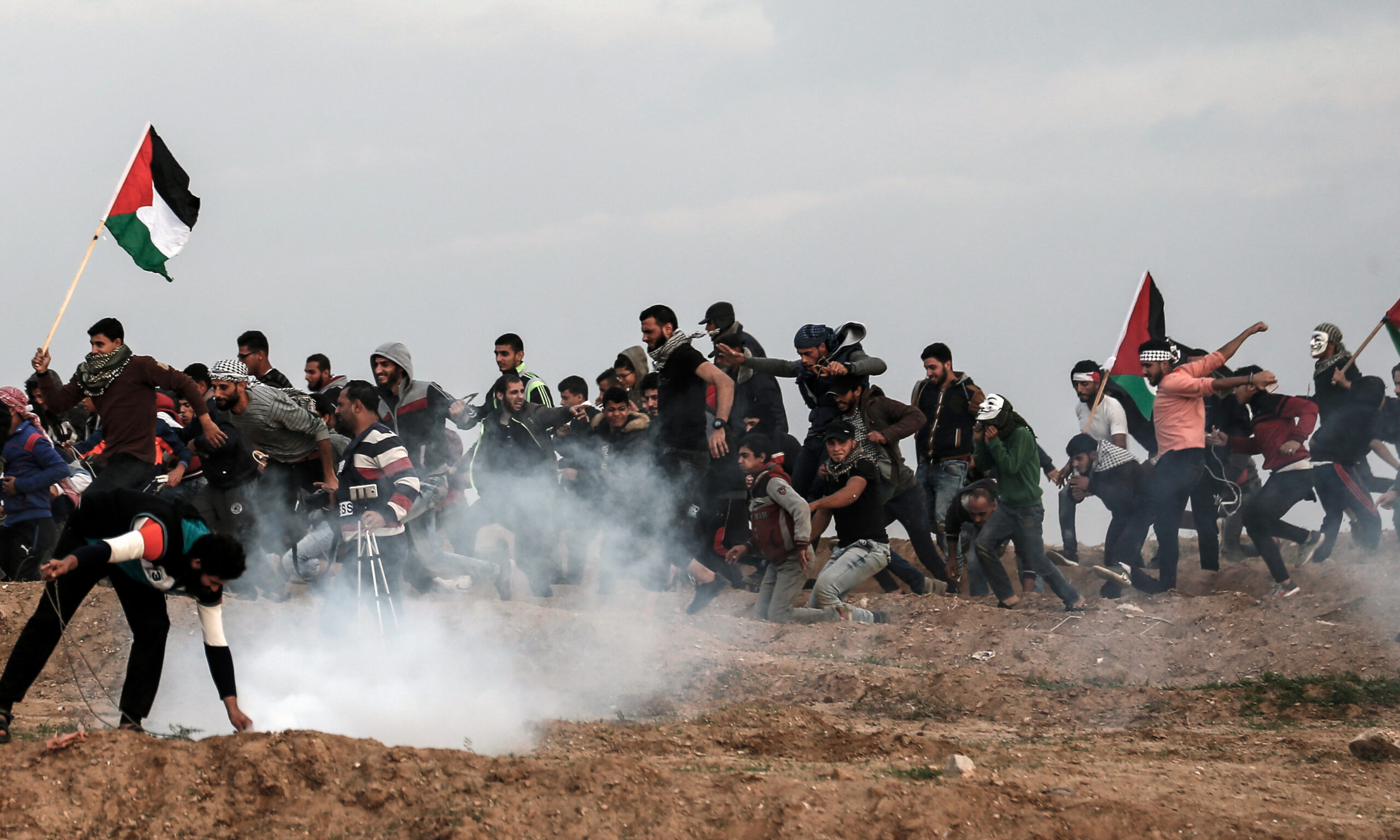
Elizabeth Campbell, director of UNRWA’s Representative office in Washington, and MEI’s Nathan Stock join guest host Alistair Taylor to discuss the recent flare-up in Gaza, the subsequent ceasefire, and where things go from here.
The Egyptian/Qatari initiative has afforded breathing room for Gaza, while Hamas and Prime Minister Netanyahu have demonstrated a determination to avoid war, for now.
Negotiations shepherded by Egypt appear to be making progress in establishing a new, more stable chapter in the ongoing conflict, but instability remains at the heart of the Gaza standoff.
In this week’s Monday Briefing, MEI experts discuss recent and upcoming events including the Gaza flare-up and its threat to Egyptian-led negotiations, Russian-hosted Afghan peace talks, the ground offensive in Hodeidah, and rapid escalation in northwestern Syria.