Skip to Content

Research & Commentary Results

Filter by
1710 Results
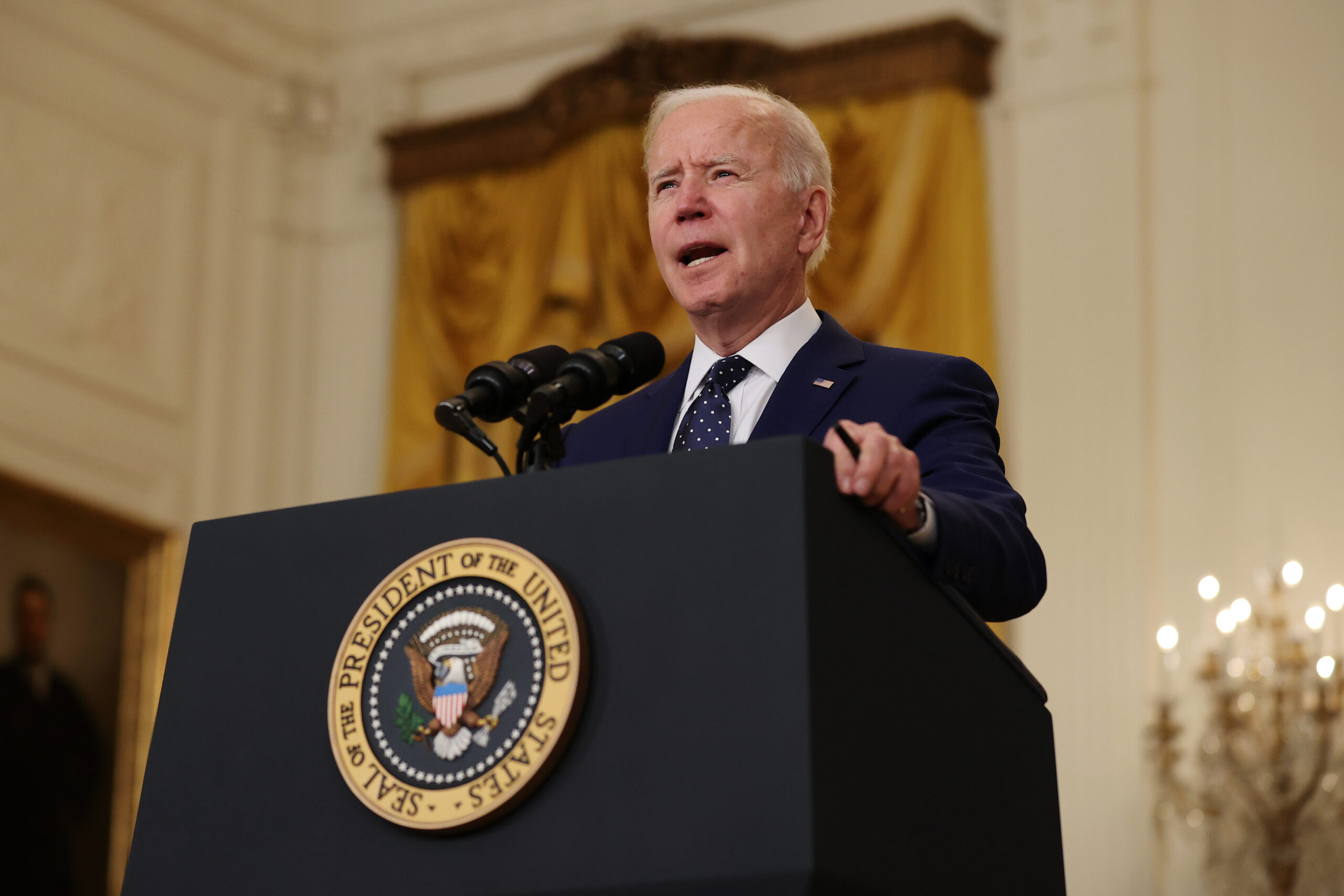
Expert Views: The Biden administration and the Middle East: Reflecting on the first 100 days
Photo by Chip Somodevilla/Getty Images
  • Analysis
  • Expert Views: The Biden administration and the Middle East: Reflecting on the first 100 days

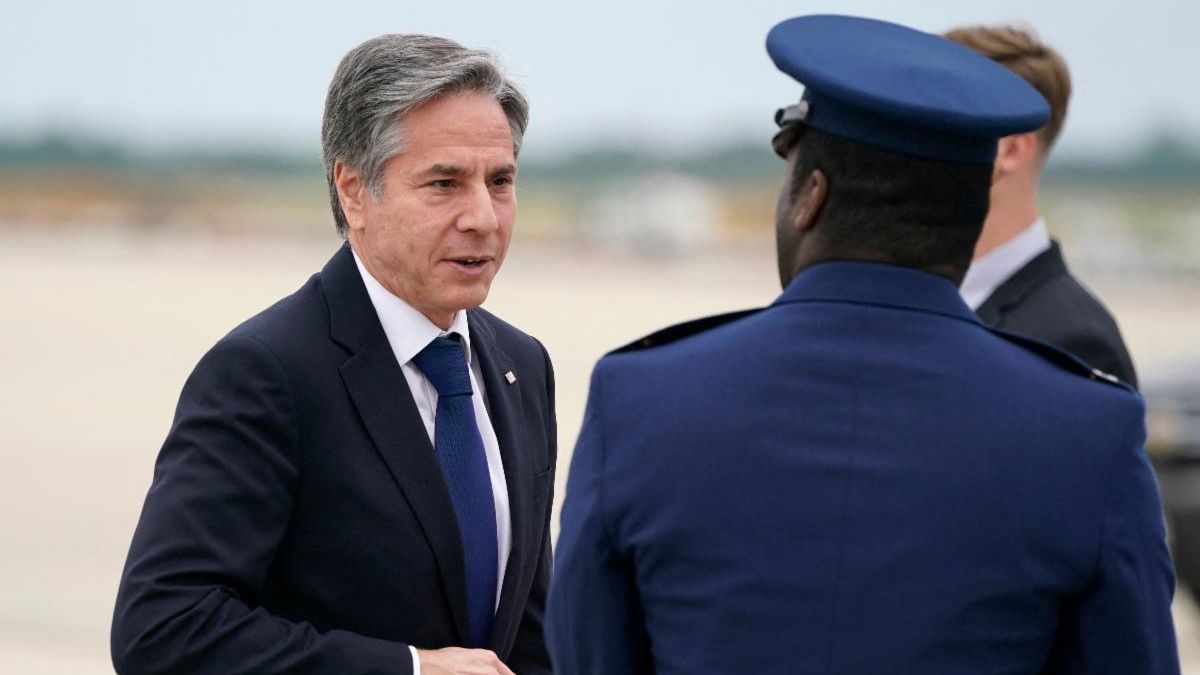
    At the end of Joe Biden’s first 100 days as president of the United States, where do things stand when it comes to U.S. policy toward the Middle East and North Africa? We asked experts and scholars from across MEI to weigh in with their thoughts on the changes we’ve seen so far, the new challenges that have emerged, and what we know about the administration’s key priorities for the region. 

    The new wave of normalization in Turkey’s Middle East foreign policy
    Photo by Cem Ozdel/Anadolu Agency via Getty Images
  • Analysis
  • The new wave of normalization in Turkey’s Middle East foreign policy

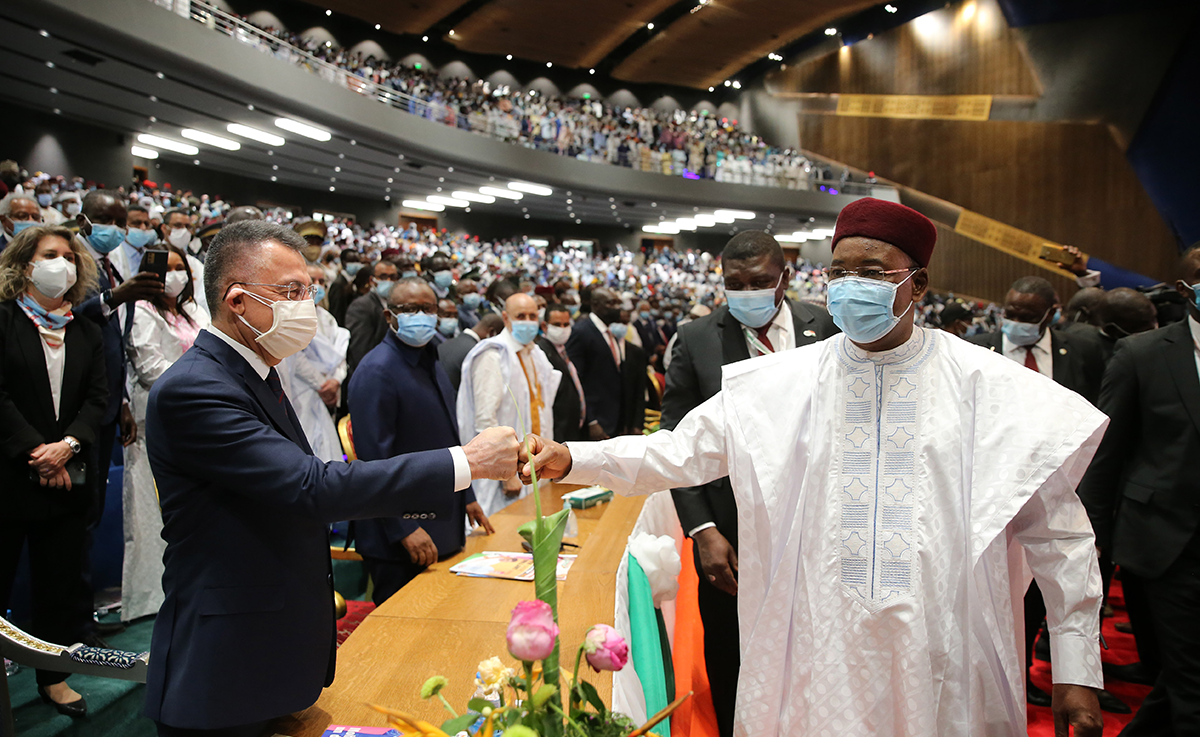
    In the past several weeks, news has been coming out of Ankara regularly about normalization in relations with countries with which Turkey has had problematic relationships for some time.

    April 27, 2021

    The Roadblocks to a Regional Security Dialogue in the Middle East
    Photo by EU Delegation in Vienna via Getty Images
  • Analysis
  • The Roadblocks to a Regional Security Dialogue in the Middle East

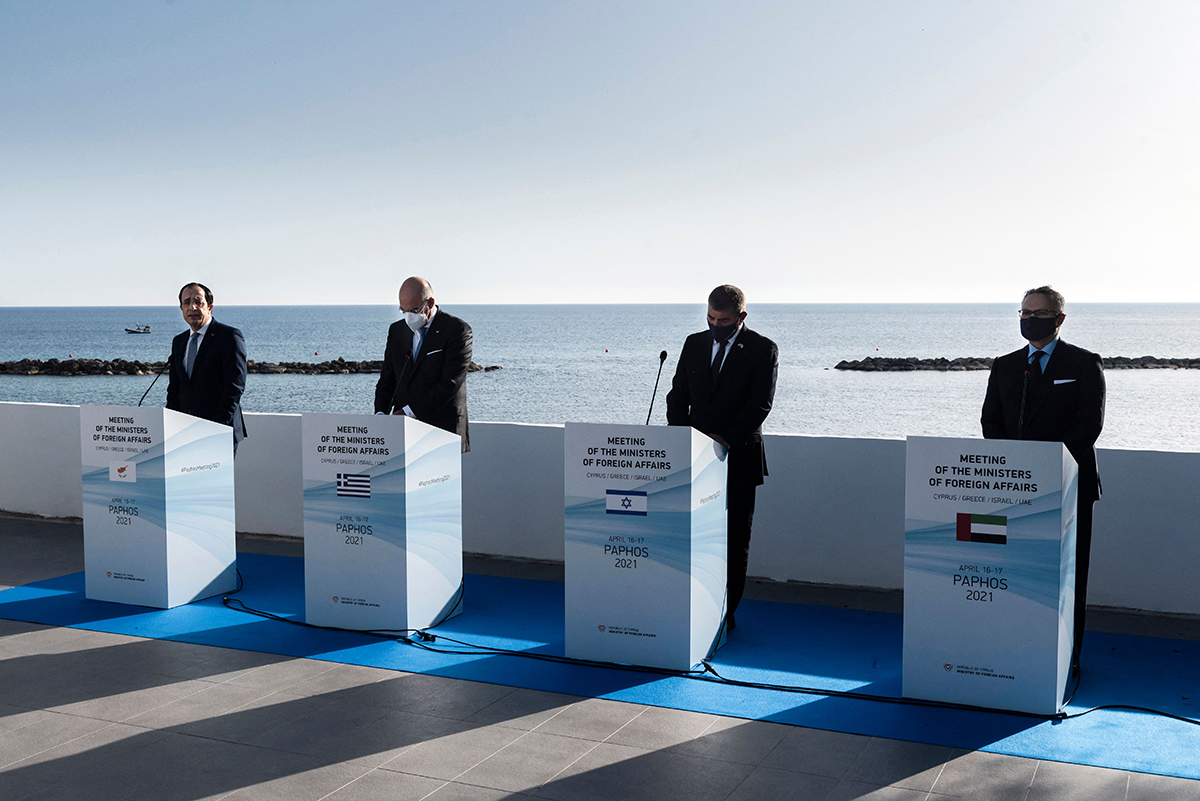
    It’s easy to see why there’s an enduring attraction for a regional security dialogue in the Middle East. Countries in the region face shared and borderless challenges — including terrorism, insurgency, environmental safety, arms races, cybersecurity, maritime piracy, and the proliferation of weapons of mass destruction — that can be dealt with more effectively through multilateral measures.

    April 26, 2021

    A new general and a fragile peace in Deir ez-Zor
    Maj. Gen. Khader (center) tours regime positions near Shoula alongside Feras Jeham (pointing) commander of the Deir ez-Zor NDF and Republican Guard officers.
  • Analysis
  • A new general and a fragile peace in Deir ez-Zor

    Five months into his job as commander of regime forces in Deir ez-Zor, Maj. Gen. Nizar Khader appears to have skillfully gained control over the diverse tapestry of loyalist forces in the region. Khader’s return to power in the east quickly put an end to the deadly disputes that had plagued the governorate’s security forces for years. He then launched a nearly three-month campaign, coordinated between Syrian, Iranian, and Russian forces, to push ISIS cells back into the province’s hinterlands, securing the crucial highway connecting Deir ez-Zor with Palmyra and Damascus to the west. His success, while impressive, will face its second major test soon as ISIS prepares for a potential Ramadan offensive.

    April 19, 2021

    Is Bashar al-Assad really the guardian angel of Syria’s minorities?
    Photo by the author, Homs, April 2018
  • Analysis
  • Is Bashar al-Assad really the guardian angel of Syria’s minorities?

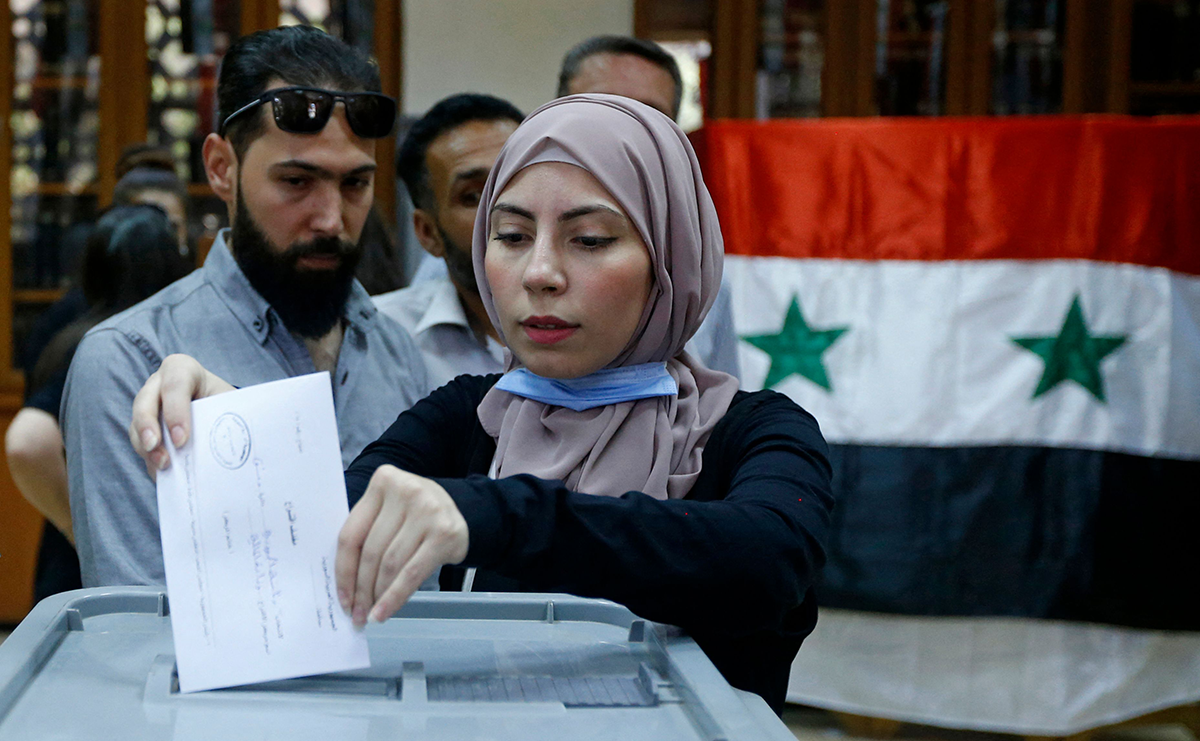
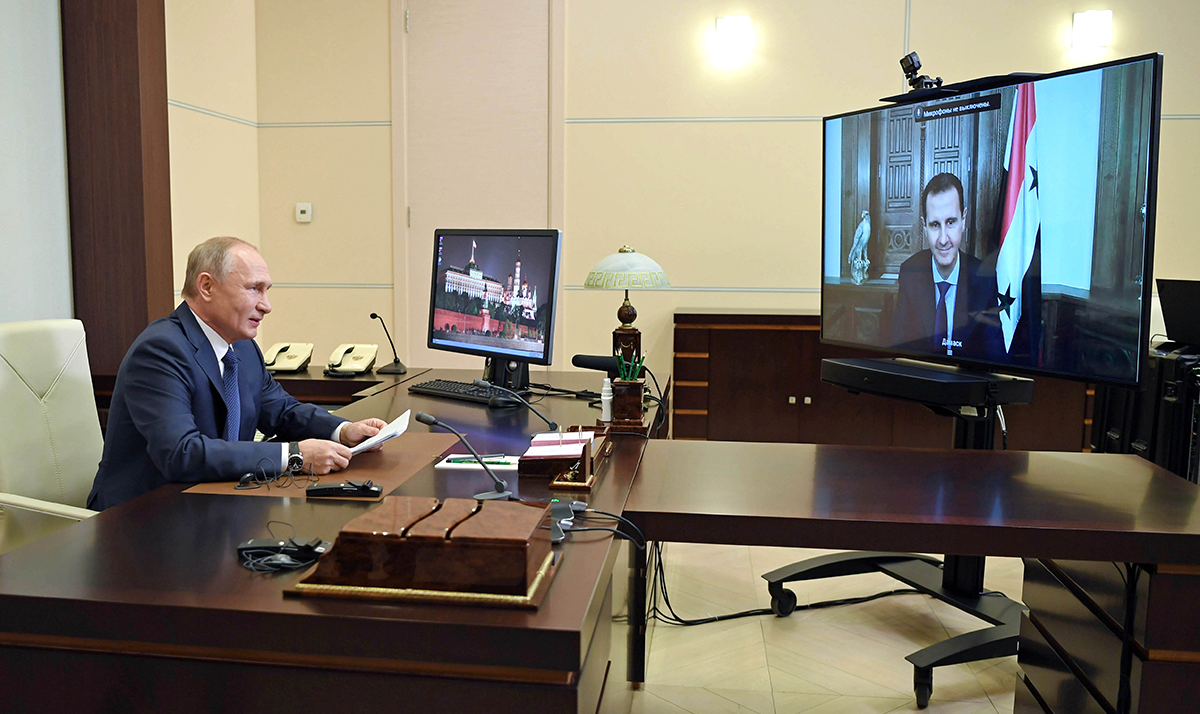
    Since the start of the current war, Bashar al-Assad, in power since 2000, has consistently sought to promote himself as the protector of Syria’s minorities — be they Christian, Alawi, Shi’i or Druze —from Islamist extremists. Many Western audiences have been seduced by his smart casual look and by his increasingly prominent, beautifully turned-out British wife, Asma. With presidential elections due to take place, under Russian auspices, in the coming months, in which Assad is widely expected to run, his claim demands close scrutiny. What has happened to minorities over the last 10 years of war and how does that compare to their treatment historically inside Syria?

    April 12, 2021

    المساعدات العابرة للحدود إلى سوريا في دائرة الضوء بمجلس الأمن
  • Commentary
  • المساعدات العابرة للحدود إلى سوريا في دائرة الضوء بمجلس الأمن

    “لا يمكن للمجتمع الدولي أن يسمح لروسيا والصين حليفتها في مجلس الأمن بإنهاء مهمة الأمم المتحدة لتقديم المساعدة عبر الحدود إلى سوريا”.

    Political risk vs. risk to force: How policy decisions impact risk and capability in partner operations
    Photo by BULENT KILIC/AFP via Getty Images
  • Analysis
  • Political risk vs. risk to force: How policy decisions impact risk and capability in partner operations

    Operation Inherent Resolve (OIR) is the U.S. military’s name for the international intervention to defeat ISIS in Syria and Iraq starting in 2014. While OIR has been a success, it has necessarily been imperfect. Throughout the campaign, cost-benefit calculations made by policymakers led to missed opportunities and possibly a longer conflict. These decisions will have lasting repercussions that could undermine the hard-won victory against ISIS, as well as the ability to partner in future interventions. In particular, the United States mishandled its partner relationships in the war to defeat ISIS. Political considerations apparently won out against supporting and sustaining the SDF, our military partner forces.

    The Kin Who Count: Mapping Raqqa’s Tribal Topology
  • Analysis
  • The Kin Who Count: Mapping Raqqa’s Tribal Topology

    The northern Syrian governorate of Raqqa came to the world’s attention when it fell under the control of ISIS in 2014. Scenes of tribal leaders pledging allegiance to the group, after their governorate fell into its hands, raised many questions about the complex tribal dynamics in the area. Previous analyses of these dynamics have often misunderstood the intricate tribal structure and drawn false links between terrorism and tribalism. This research tool aims to shed light on Raqqa’s tribal structure, making it accessible to everyone interested in understanding the current state of affairs in the governorate.

    March 24, 2021

    Syria: Tragedy, mission, and hope
    Photo by Esra Hacioglu/Anadolu Agency via Getty Images
  • Analysis
  • Syria: Tragedy, mission, and hope

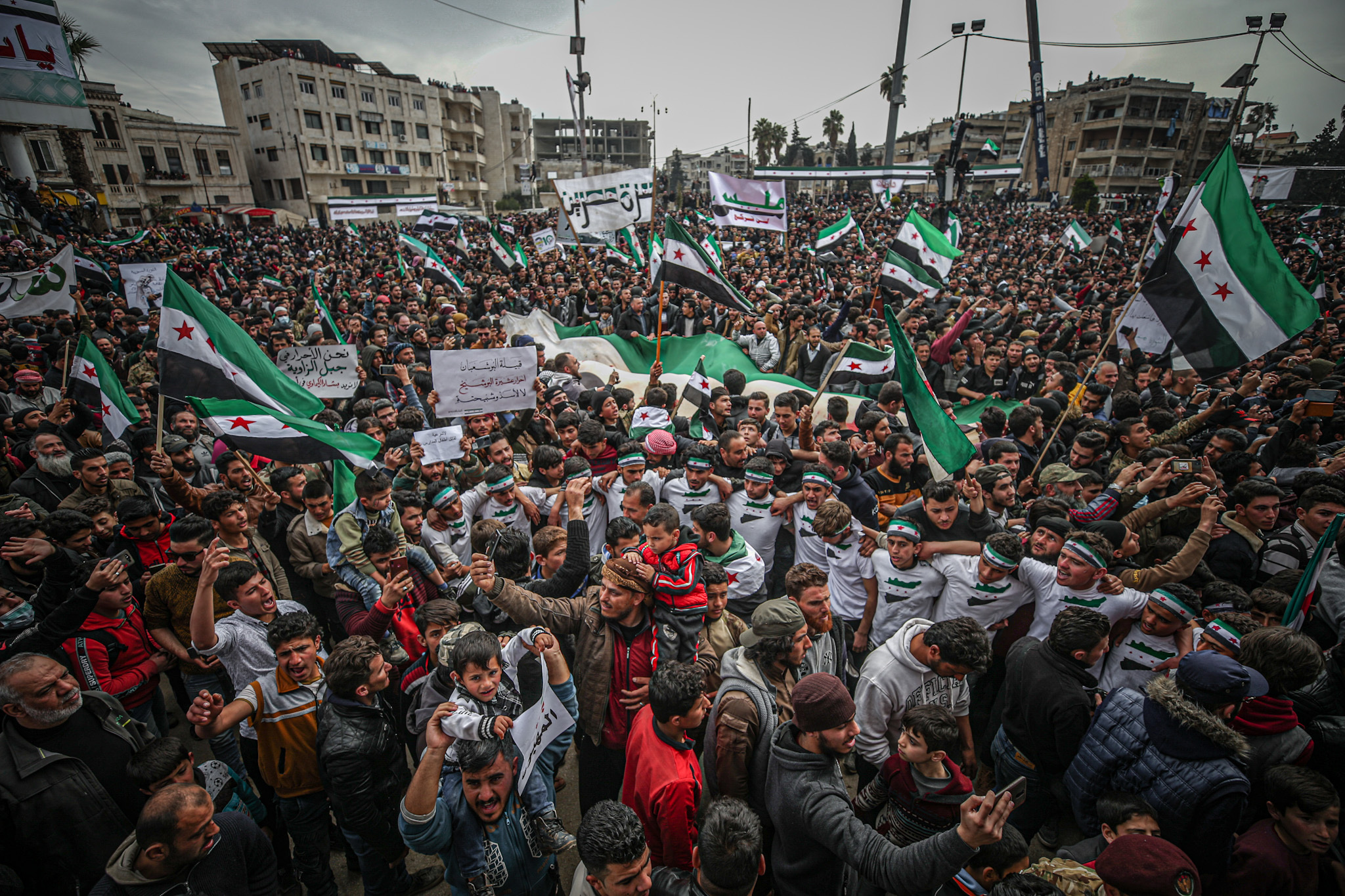
    Ten years ago this week, at the American embassy in Damascus, we heard of the first anti-government protest through a quiet whisper in the diplomatic community. A few young kids had run through the historic Hamadiya market yelling “freedom,” as everyone else in the Syrian capital was glued to their television, watching the Arab Spring unfold in nearby states.