Skip to Content

Research & Commentary Results

Filter by
1394 Results
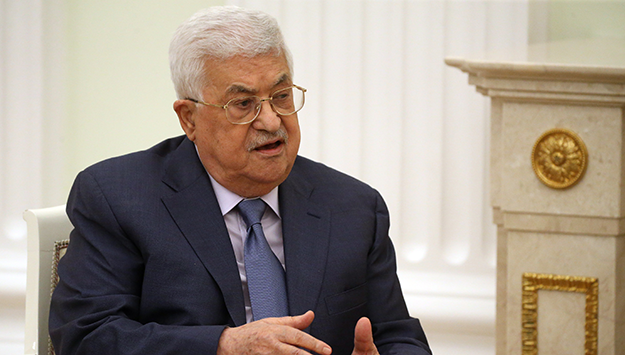
How Palestinians agreed on elections
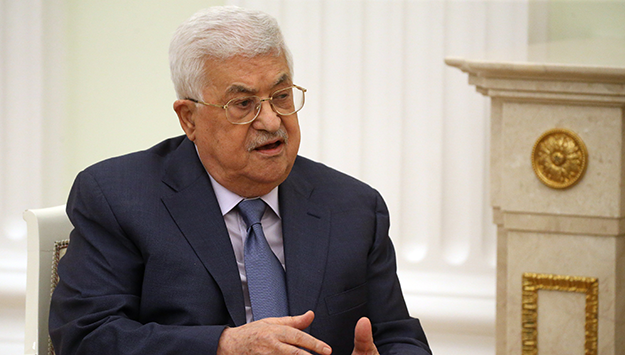
Mahmoud Abbas, President of the Palestinian Authority
  • Analysis
  • How Palestinians agreed on elections

    Fourteen years after the Palestinian pro-Islamist group Hamas won a majority of seats in the Palestinian Legislative Council (PLC) in 2006, Palestinians may finally be returning to elections as a mechanism to resolve their differences and to present a unified legitimate national leadership. In a sign of progress toward reconciliation, Palestinian leaders met in person and over teleconference on September 3 and vowed to address threats to the Palestinian national movement. Most recently, President Abbas, addressing the U.N. General Assembly on September 25, declared that presidential elections would take place soon.The question now will be whether a unified Palestinian policy, means of accomplishing it, and a new leadership can be born in the coming six months.

    October 1, 2020

    Who owns Syria’s cultural heritage?
  • Analysis
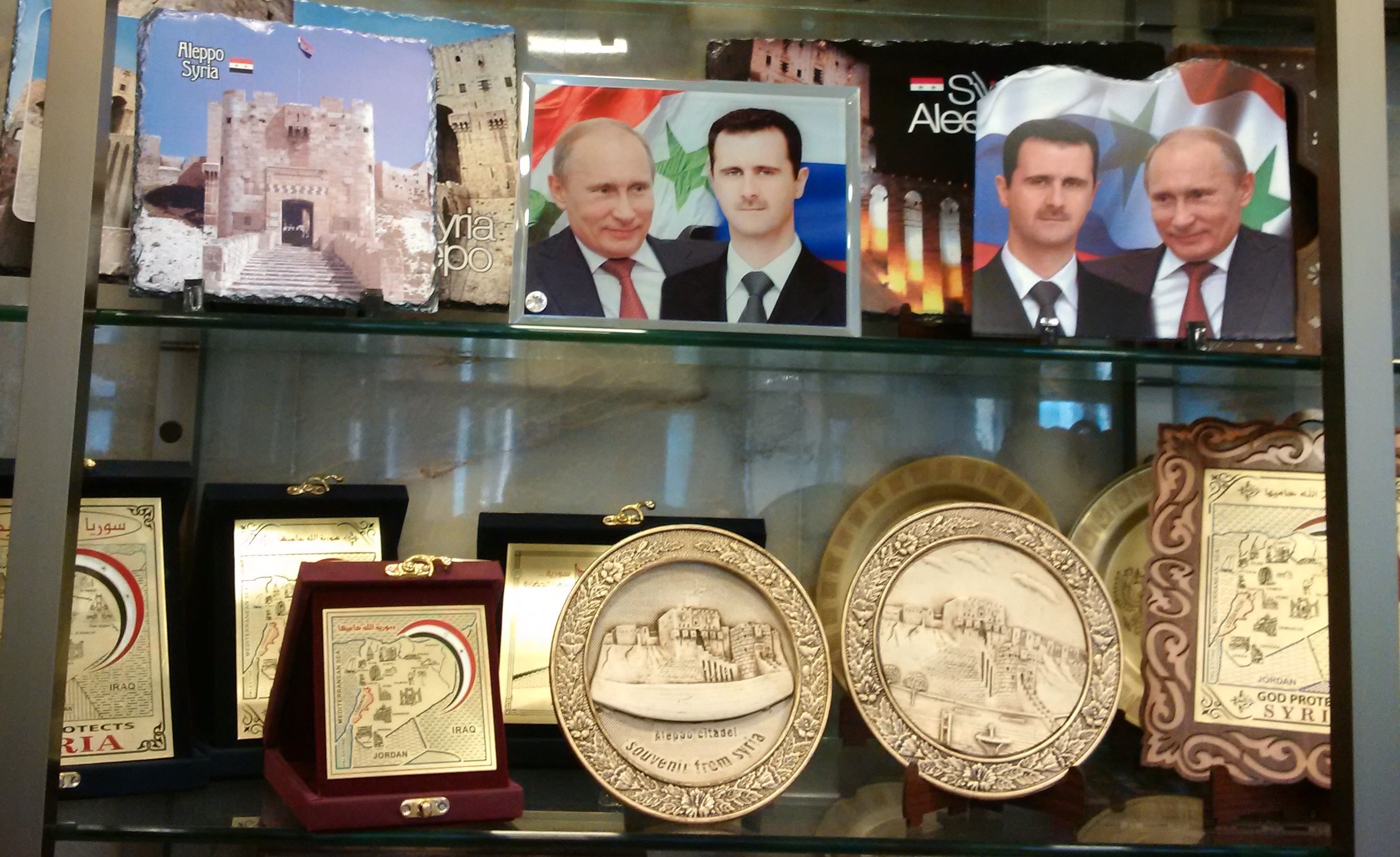
  • Who owns Syria’s cultural heritage?

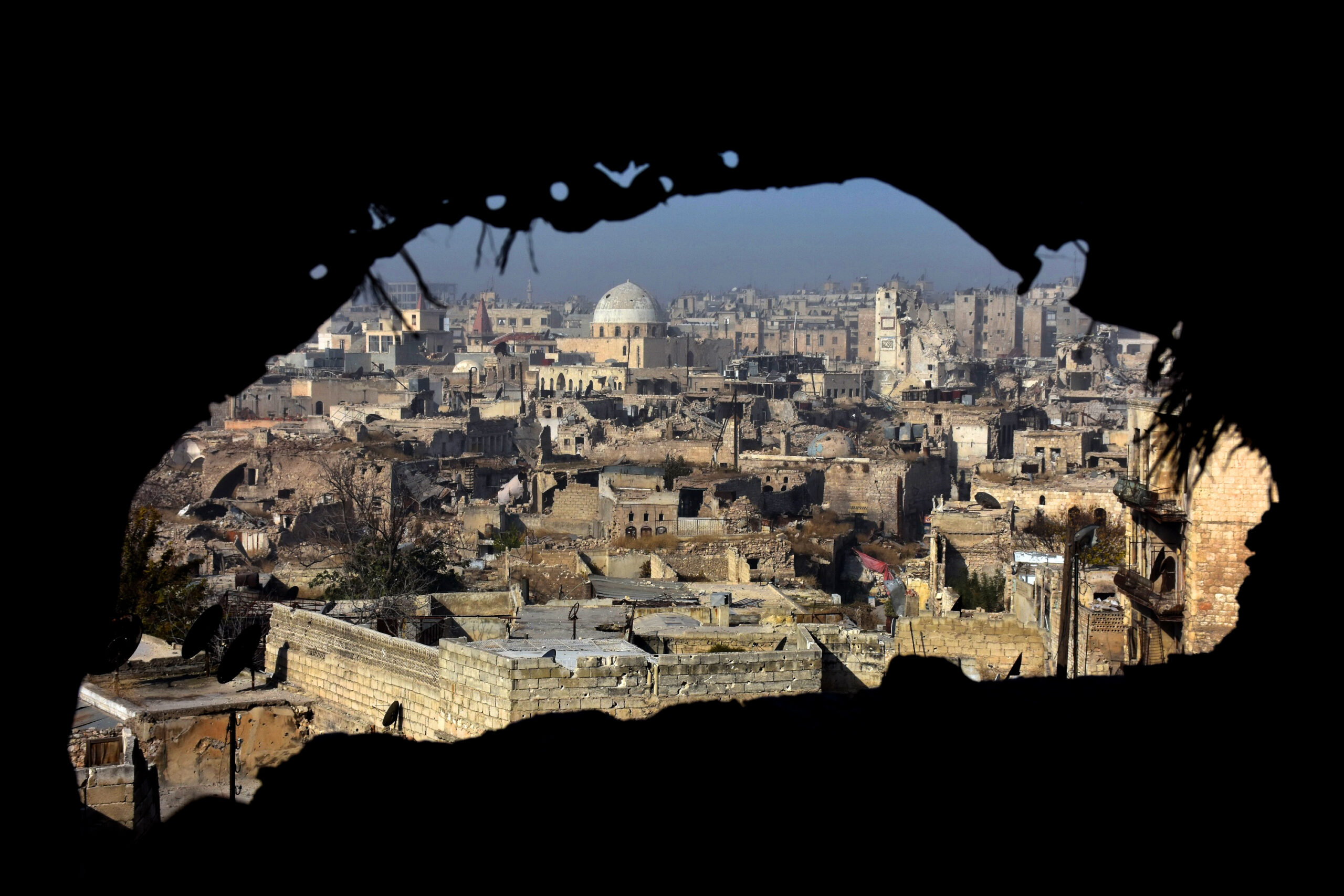
    Political manipulation of cultural heritage is a powerful tool in the armory of soft power. Syria’s President Bashar al-Assad understands this well, as does Russia’s President Vladimir Putin and Turkey’s President Recep Tayyip Erdogan.

    September 23, 2020

    Kata’ib Khattab al-Shishani: Fact or fiction?
    Photo by MOHAMMED AL-RIFAI/AFP via Getty Images
  • Analysis
  • Kata’ib Khattab al-Shishani: Fact or fiction?

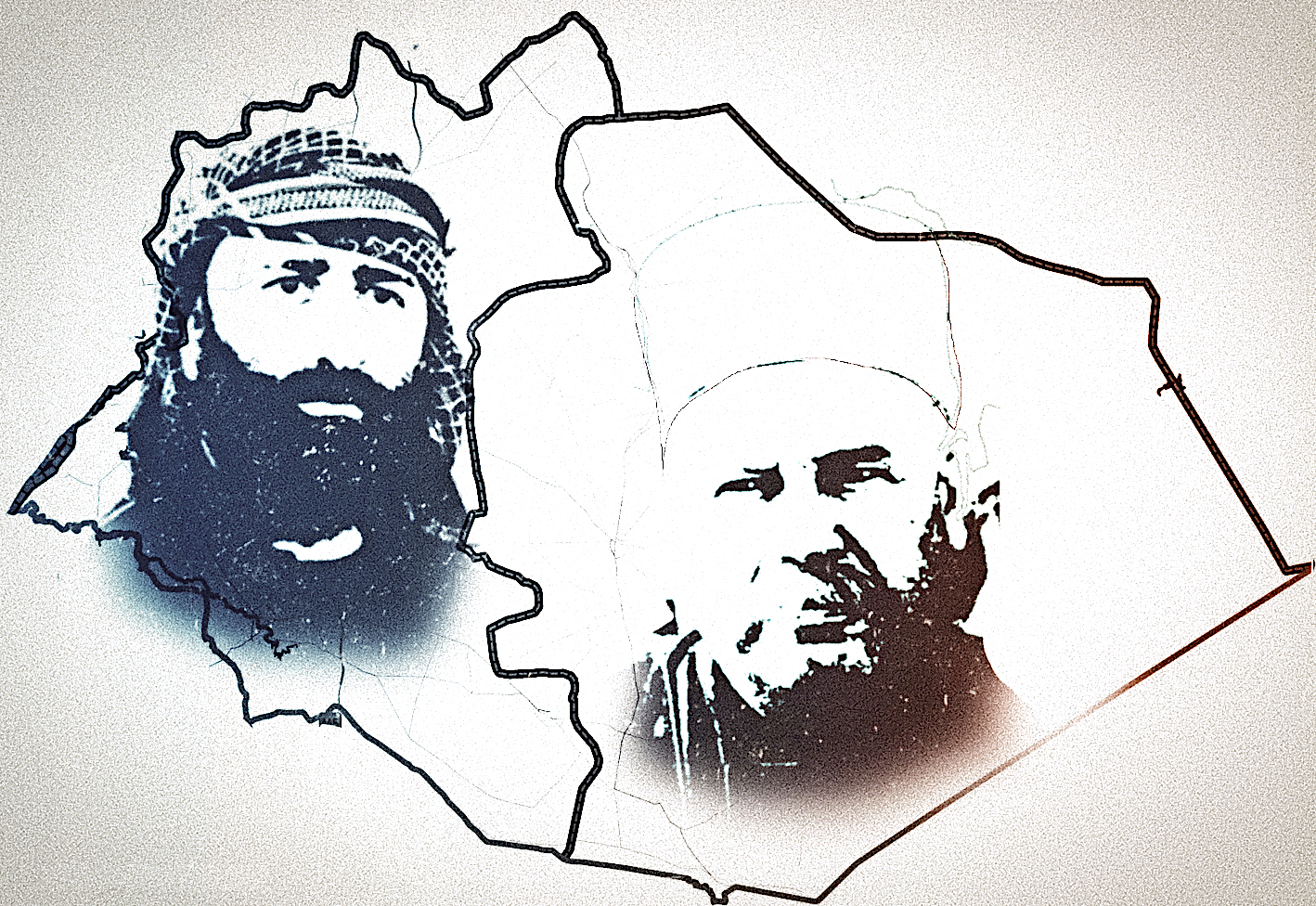
    Foreign fighters have played a major role in Syria’s ongoing conflict, with a presence in the country that numbered in the tens of thousands at its peak. One of the most mythologized sources of foreign recruits has been Chechnya, the once-separatist province of Russia’s North Caucasus that was reconquered by the Russian army in the early 2000s. Several thousand Chechen fighters traveled to Syria to fight in various opposition and Islamist factions, where their battlefield prowess made them a prized commodity among Syrian rebel militants.

    September 16, 2020

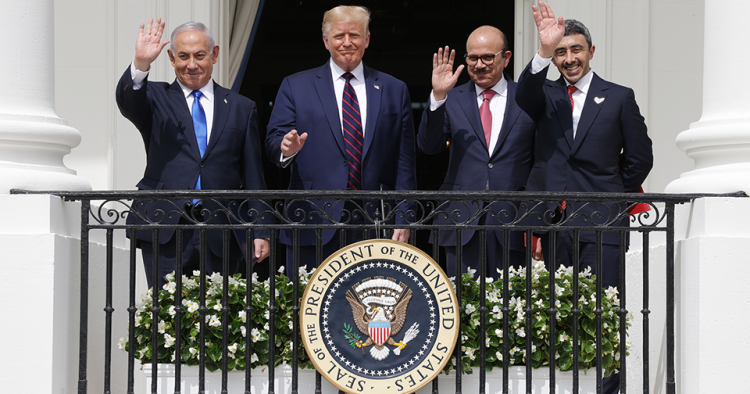
    Trump and the UAE give Abbas a new lease on political life
  • Analysis
  • Trump and the UAE give Abbas a new lease on political life

    A March 2018 poll by the Palestinian Center for Policy and Survey Research showed that satisfaction with the performance of President Mahmoud Abbas stood at 33 percent; 68 percent of the public wanted him to resign; and had elections been called, he would most likely have lost his presidency to a rival from Hamas.Nearly two and a half years later, however, and Abbas’s political fortunes have been restored, thanks in large part to the Trump administration and the United Arab Emirates

    September 10, 2020

    Syria Still Matters: Charting a Strategic Approach to Syria Policy
    Photo by GEORGE OURFALIAN/AFP via Getty Images
  • Analysis
  • Syria Still Matters: Charting a Strategic Approach to Syria Policy

    Nine years of conflict in Syria has had a profoundly destabilizing effect on regional and international security. Although overarching dynamics have changed, the crisis is far from over — it is merely evolving. All of the conflict’s root causes remain in place and many have worsened. In controlling less than two-thirds of the country, the Syrian state and its Russian and Iranian backers are increasingly incapable of addressing the many challenges they face: economic collapse and inflation, fledgling insurgencies, a resurgent ISIS, a COVID crisis, and endemic corruption and mismanagement. What happens in Syria never stays in Syria. The United States cannot afford to prematurely withdraw or sustain today’s inconsistent and ill-considered policy — it must step up, re-assert its leverage, strengthen its partners, mobilize its allies, and move determinedly toward protecting American interests and helping to diplomatically resolve the crisis once and for all, creating space for foreign actors, the U.S. included, to depart Syrian soil responsibly.
    Election 2020: Challenges and Opportunities for US Policy in the Middle East
  • Analysis
  • Election 2020: Challenges and Opportunities for US Policy in the Middle East

    In a new briefing book released ahead of the U.S. elections in November, entitled Election 2020: Challenges and Opportunities for US Policy in the Middle East, MEI scholars lay out key issues across the region, highlight the U.S. interests at stake, and provide policy insights and recommendations for the path forward. 

    “Between Heaven and Earth”: A road movie with a mission at a pandemic-era festival
  • Analysis
  • “Between Heaven and Earth”: A road movie with a mission at a pandemic-era festival

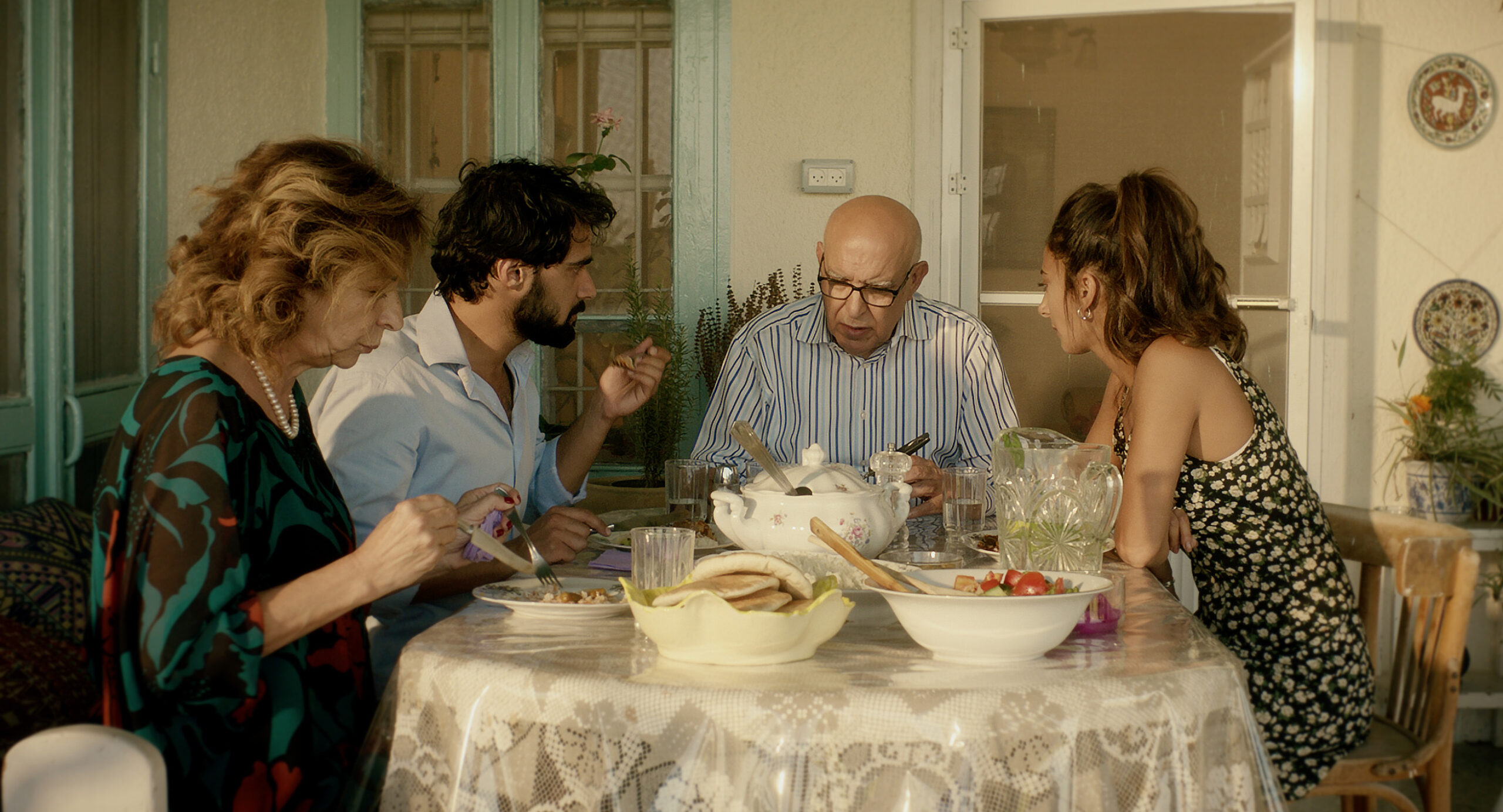
    “Between Heaven and Earth,” filmmaker Najwa Najjar’s latest offering about love and divorce under occupation, is part road movie, part mystery, and part deep dive into the Palestinian psyche. To call its whole ethos a wild ride might just be an understatement.

    September 2, 2020

    Help Lebanon help itself
  • Commentary
  • Help Lebanon help itself

    Rebuild Beirut, But Hold the Government to Account

    September 1, 2020

    How is the crisis in Lebanon impacting Syria’s economy?
    Photo by AFP via Getty Images
  • Analysis
  • How is the crisis in Lebanon impacting Syria’s economy?

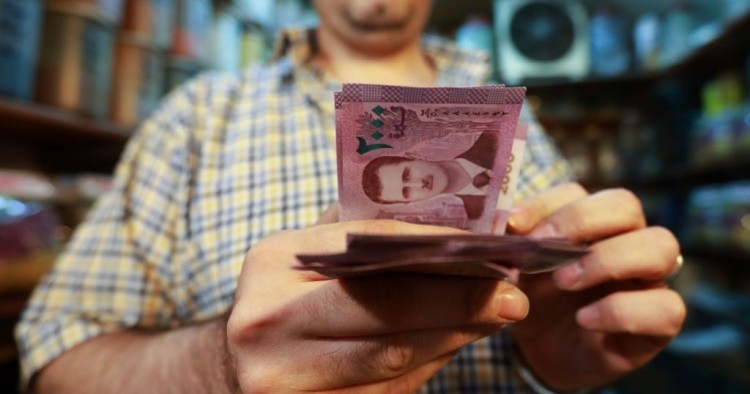
    The explosion at the Port of Beirut on Aug. 4 has resulted in a further escalation of the political and economic crisis in Lebanon. Its repercussions can already be deeply felt in neighboring Syria and are expected to take an even greater toll on the country given its complex links to Lebanon. This crisis is feeding into Syria through multiple channels and has severe implications for its ability to import goods and, ultimately, its food security.

    August 28, 2020

    What to expect from Syria’s new cabinet
    Photo by LOUAI BESHARA/AFP via Getty Images
  • Commentary
  • What to expect from Syria’s new cabinet

    On Aug. 25, Syrian President Bashar al-Assad tasked Hussein Arnous with forming a new cabinet. What should we expect from it? Ayman Abdel Nour highlights 12 important considerations that will factor into its makeup.

    August 28, 2020

    Jordan’s rising economic challenges in the time of COVID-19
  • Analysis
  • Jordan’s rising economic challenges in the time of COVID-19

    The Jordanian government implemented one of the most comprehensive and effective COVID-19 responses in the region. While the government’s stringent measures did prompt some public discontent, the population largely accepted them. The government’s rapid and broad initial response was successful in thwarting a major public health crisis. Nevertheless, the kingdom has not been able to forestall the damaging economic consequences of COVID-19, which are bound to linger for years to come.

    August 27, 2020

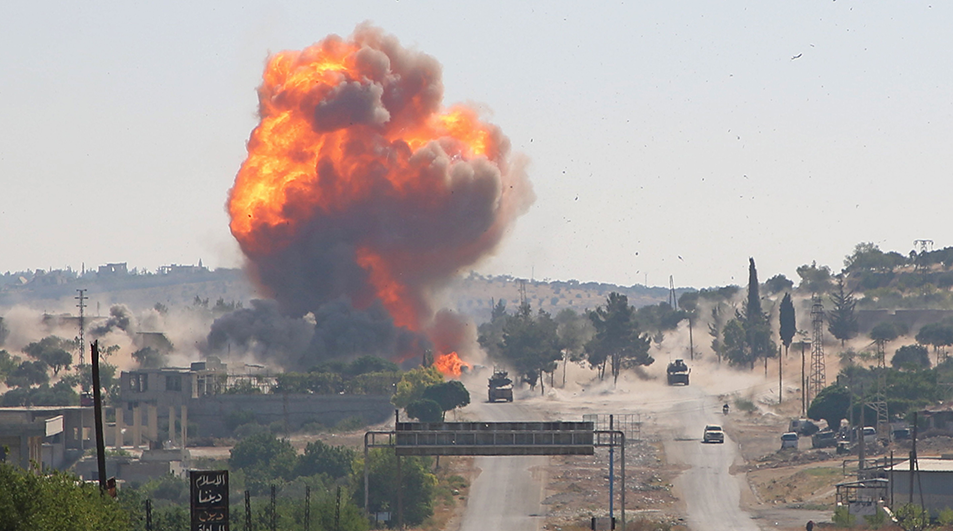
    Strategic pause: What explains Russia’s inertia in eastern Syria?
    Photo by DELIL SOULEIMAN/AFP via Getty Images
  • Analysis
  • Strategic pause: What explains Russia’s inertia in eastern Syria?

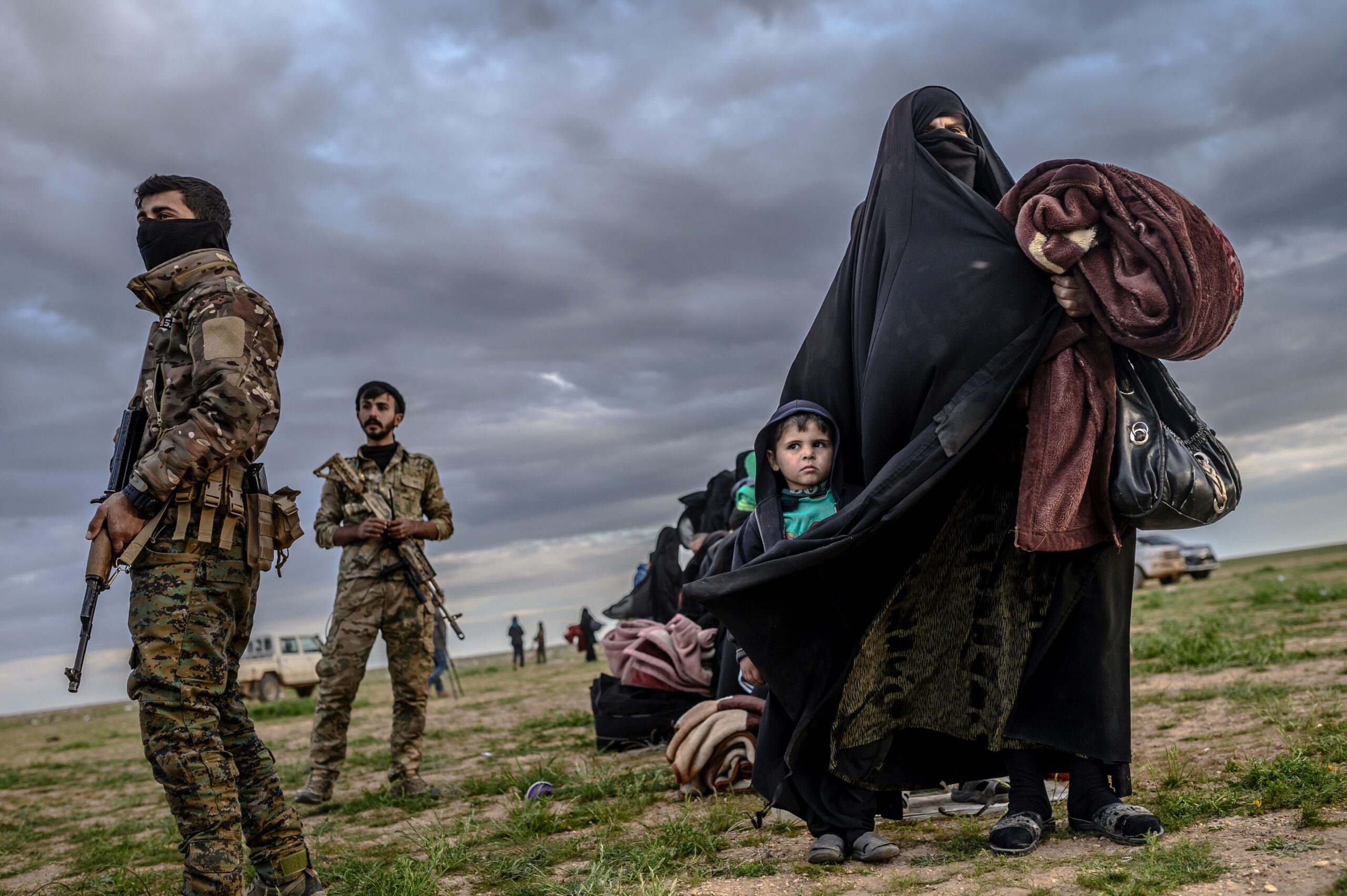
    Moscow has been scaling down its activities in eastern Syria and the most likely reason for this inertia lies in Moscow’s reluctance to be associated with actors seeking to erode the quasi-autonomy of the Trans-Euphrates region. Instead, Russia prefers to stand to the side and watch events unfold, while contemplating the right moment to jump in as a mediator and reap the political rewards.

    Assad tends to his base by making amends with the Makhloufs
    Photo by AFP via Getty Images
  • Commentary
  • Assad tends to his base by making amends with the Makhloufs

    Reports emerged this week that President Bashar al-Assad traveled on Sunday to his ancestral hometown and Alawi stronghold of Qardaha for a meeting with members of the powerful Makhlouf family.

    August 26, 2020