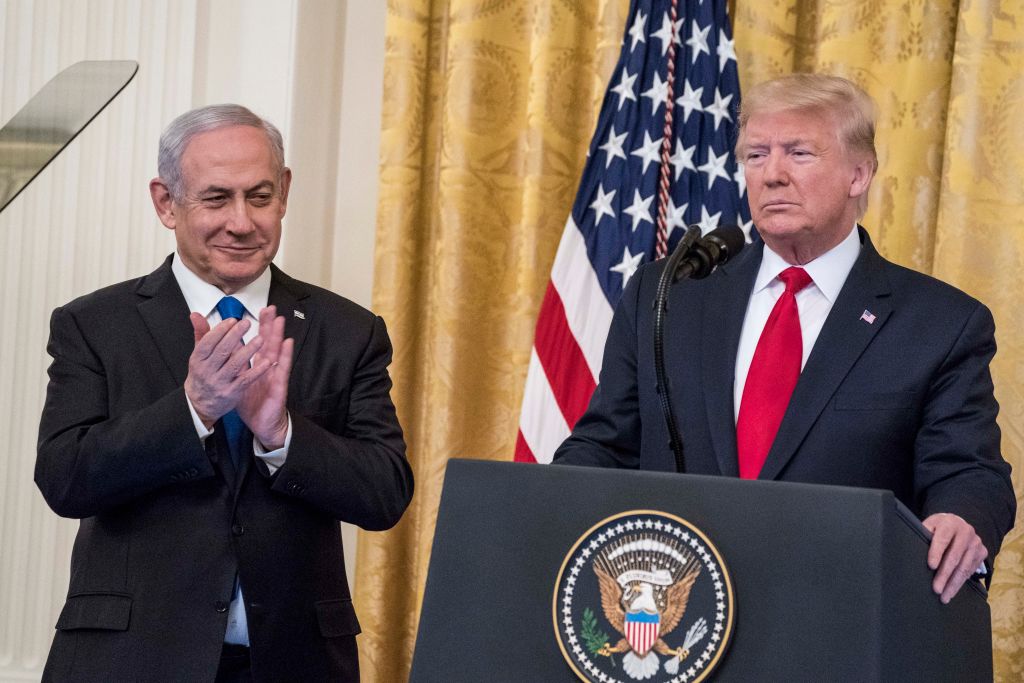
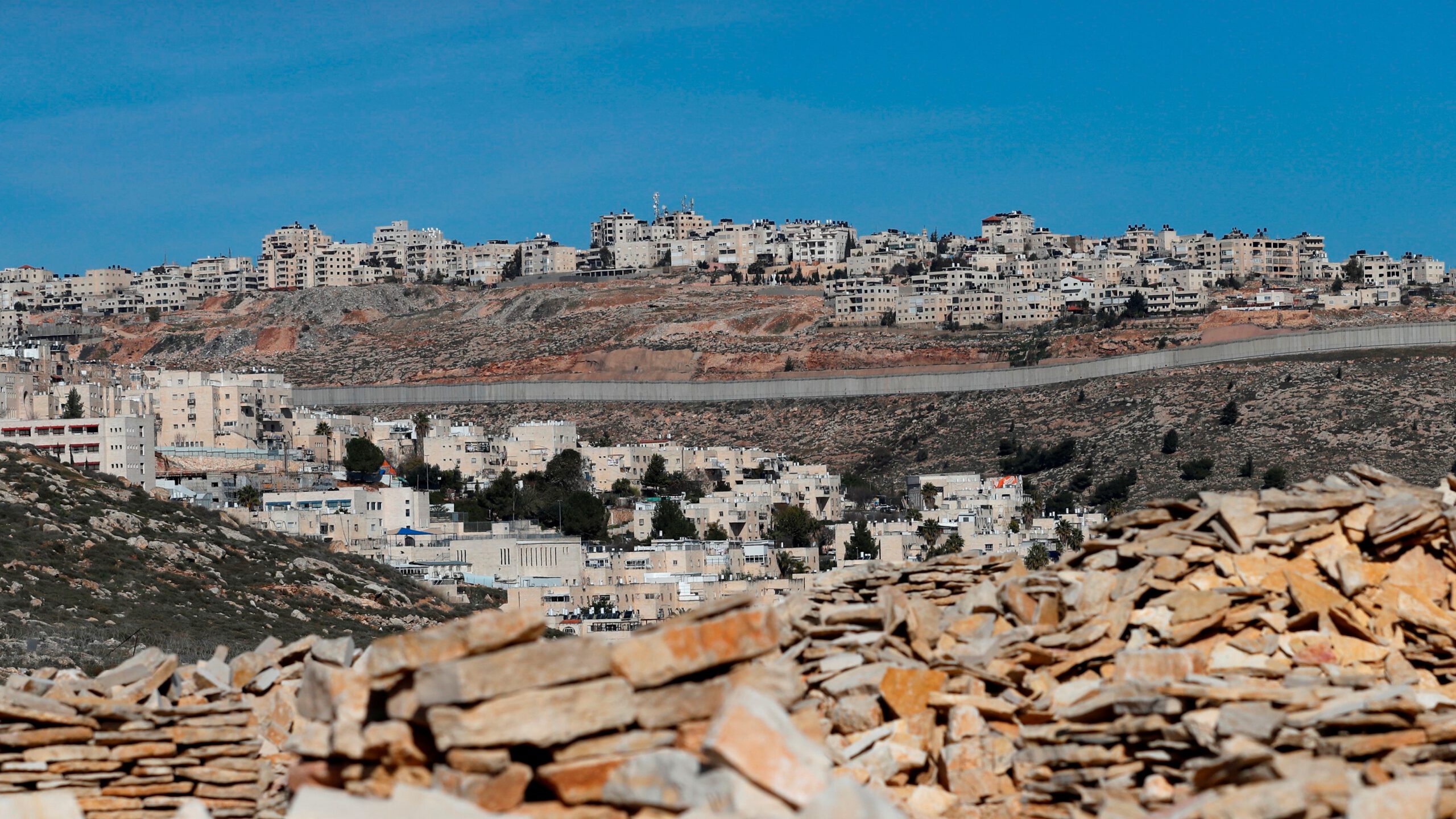
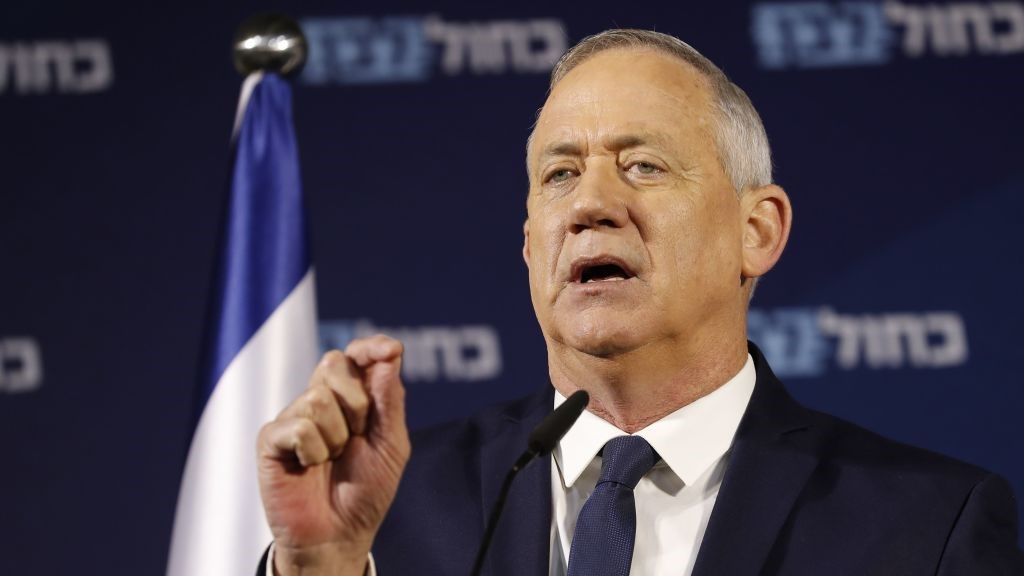
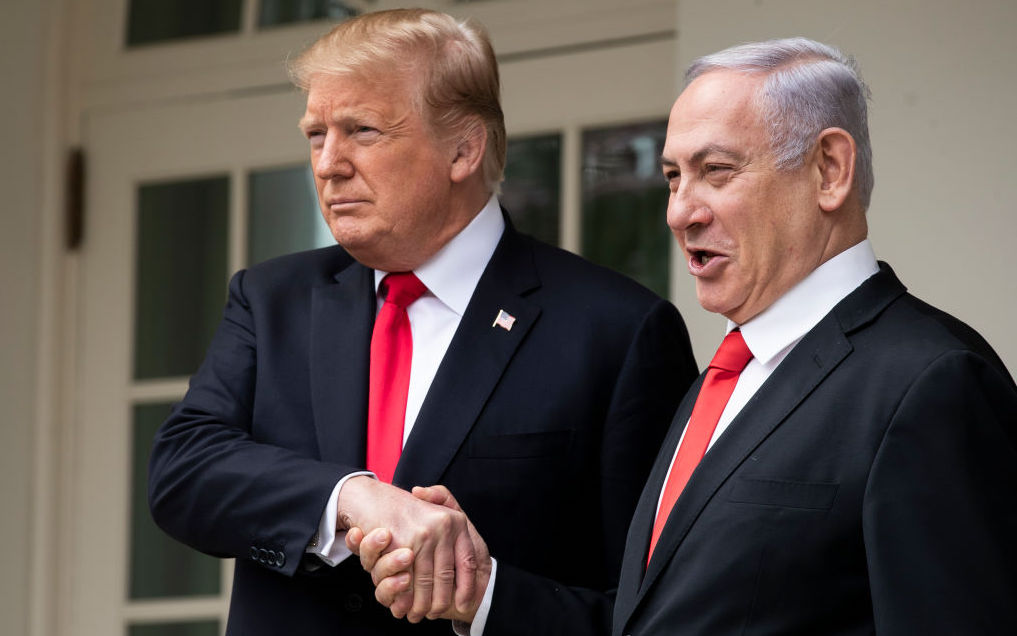
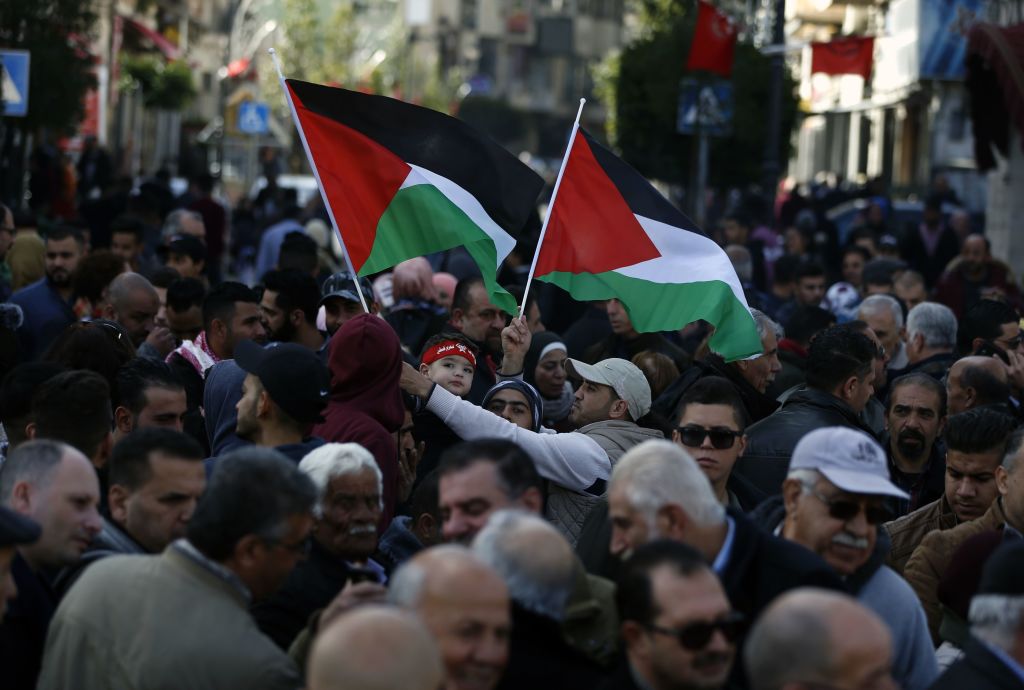
Khaled Elgindy and Michael Koplow join host Alistair Taylor to discuss the long-awaited “deal of the century” Middle East peace plan. President Trump rolled the plan out at the White House on Tuesday with Israeli Prime Minister Benjamin Netanyahu in attendance, while the Palestinians, who have refused to deal with the administration since it recognized Jerusalem as Israel’s capital at the end of 2017, were not there – and not invited. How has it been received so far, and where might things go from here?
Trump’s “peace plan” aims to bury the two-state solution
The notion that an American president, in consultation with two Israeli leaders, could decide on the future of Palestinians without any Palestinian involvement seems to epitomize Trump’s overall approach to the conflict.
It’s shameful to use Palestinians as props in Israel’s election
The upcoming visit to the White House by Israel’s caretaker prime minister has nothing to do with the Middle East conflict and everything to do with giving yet another political favor to Benyamin Netanyahu. While the Jan. 28 visit may be all about the Israeli elections, it is shameful and dangerous for American officials to be giving time and space for discussions that affect the Palestinian people without their involvement.
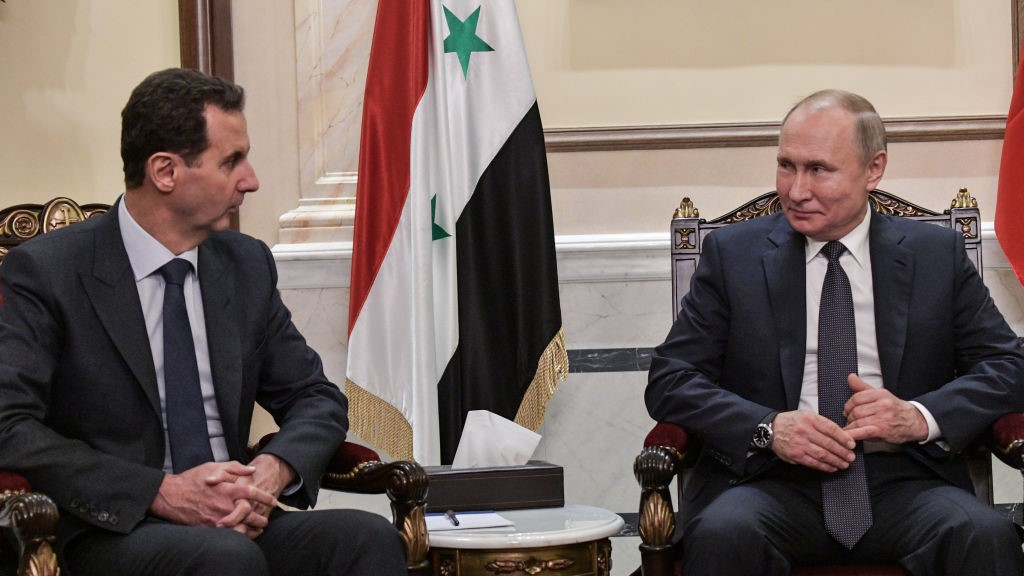
For Russia, Libya and Idlib are now part of the same gamble
Although Moscow continues to reap the benefits of its Syrian campaign, it is increasingly faced with diminishing returns. Despite its greater geopolitical involvement in the country, the Kremlin has so far failed to extract major economic dividends and may soon face increased competition from Tehran. With Syria’s future clouded in uncertainty and the unresolved issue of the Idlib region hanging like the sword of Damocles over any potential political settlement, Russia is now trying to bring the Libyan conflict into the equation as well.
MEI experts Robert S. Ford, Fatima Abo Alasrar, and Emad Badi join host Alistair Taylor to survey what lies ahead for the Middle East in 2020, with particular attention to Iran, Syria, Yemen, Libya, Iraq and Algeria.
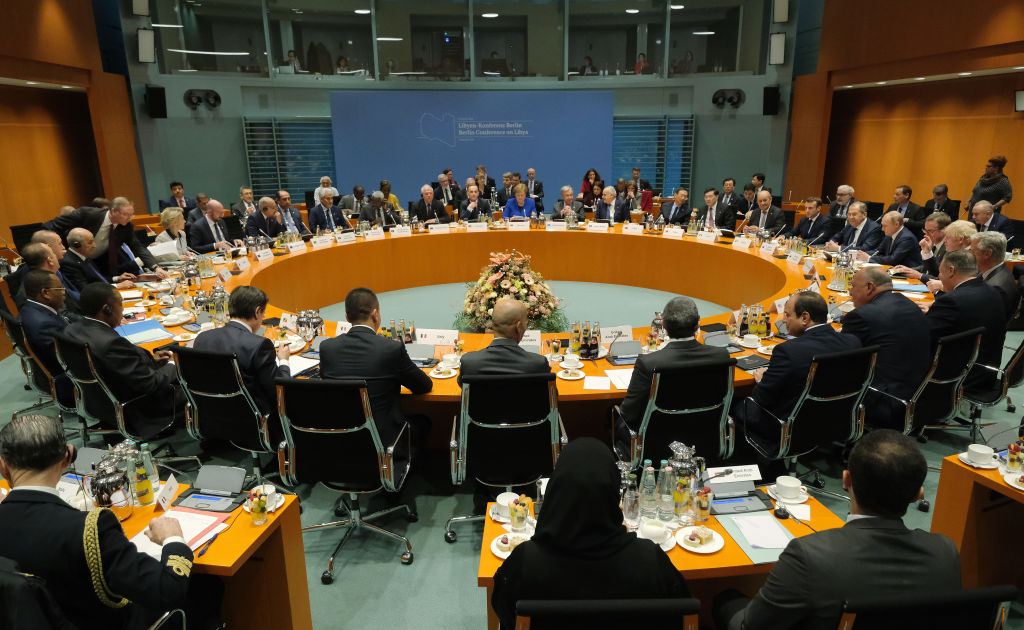
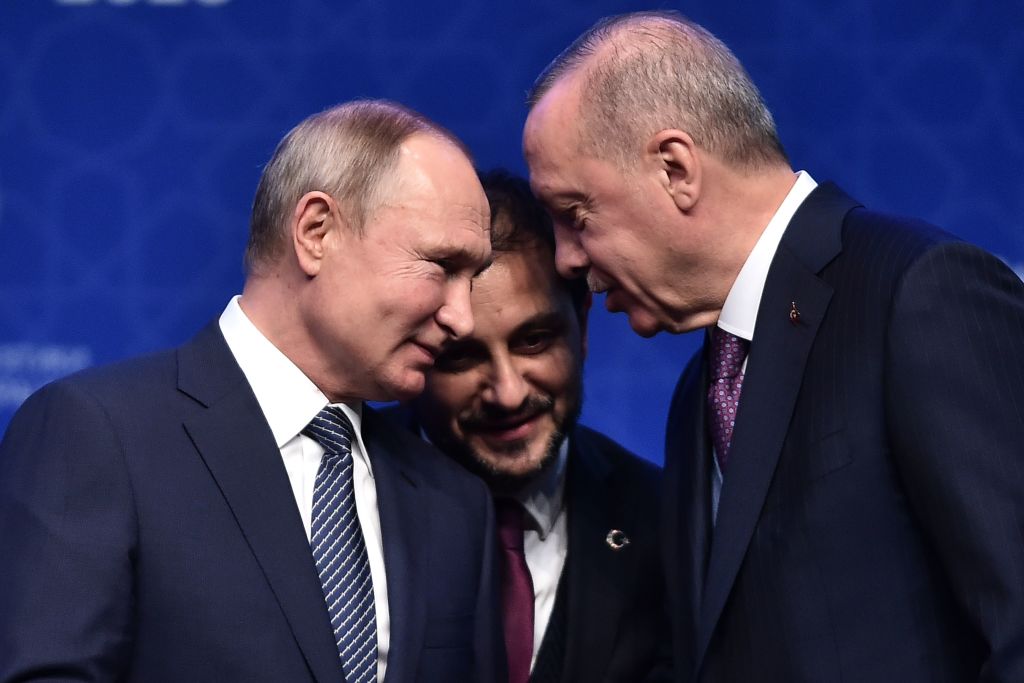
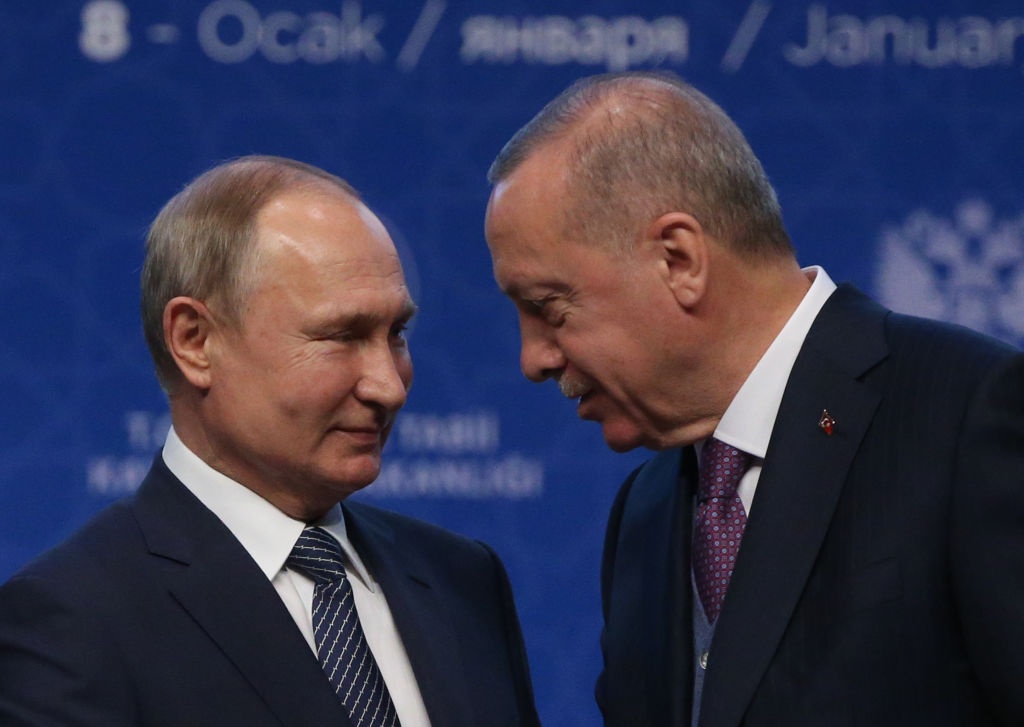
Cease-fires in Idlib and Libya as Turkey looks to buy time
It is increasingly the case that the Russian-Turkish decisions on Idlib or Syria need to be understood as part of a broader Russian-Turkish partnership.
The future of the UK’s relationship with the Maghreb
The UK’s impending exit from the EU will present a new chapter for British interests in and posture toward the region. If the UK is to find a trade-off for loss of diplomatic and economic heft, it will need to re-prioritize its engagement efforts. Policy continuity toward Morocco and Tunisia appears inevitable; Algeria, in contrast, promises great opportunity for an evolving relationship.
Strong U.S. leadership could still make a difference to counter the threats arising from the ongoing proxy war, but the Trump White House appears mainly to have other things on its mind.
Holding long overdue elections for the Palestinian presidency and the legislative arm of the Palestinian Authority could be a step toward redressing the Fatah-Hamas conflict.
The intra-GCC competition over the Palestinian heart
Since 2017 three separate blocs have emerged within the Gulf. Driven by the region’s divisions, rival power centers, and conflicting interests, the Gulf states are playing an ever-greater role in Palestinian affairs.
The question as 2019 ends is whether foreign forces supporting the conflict will rethink their commitment to military victory and instead work to secure political solutions through compromise.