Rival Afghan leaders strike a power-sharing deal, but there are plenty of other obstacles on the road to peace
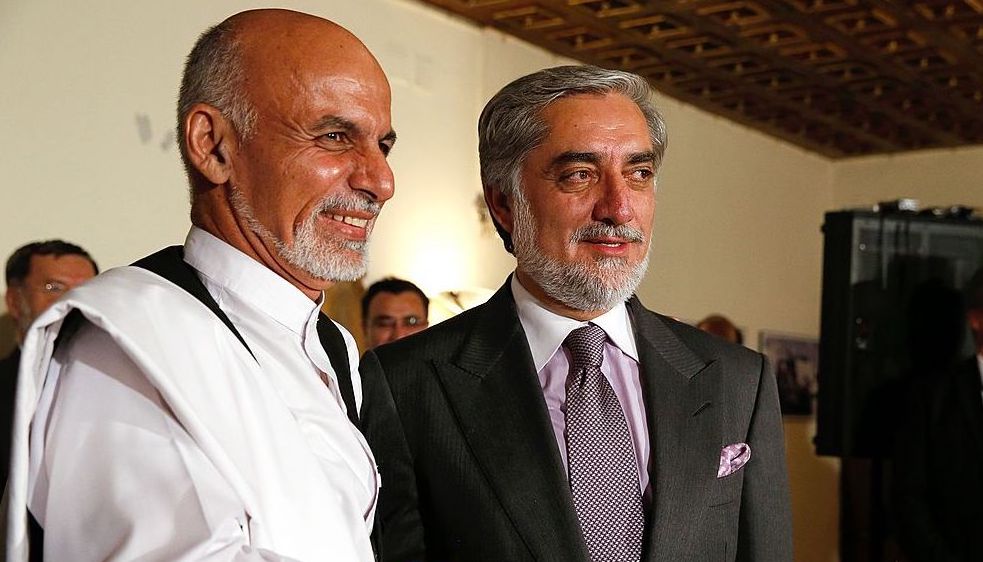
There was no other way to end the political logjam in conflict-ridden Afghanistan than to make current President Ashraf Ghani and the outgoing Chief Executive Abdullah Abdullah agree to share power. The deal announced on May 17 has been widely welcomed by the international community because the political tensions between the two rivals were viewed as one of the major hurdles to the advancement of an intra-Afghan reconciliation process. The political jockeying in Kabul is far from the only impediment to reconciliation though and there are deeper obstacles to the peace process.
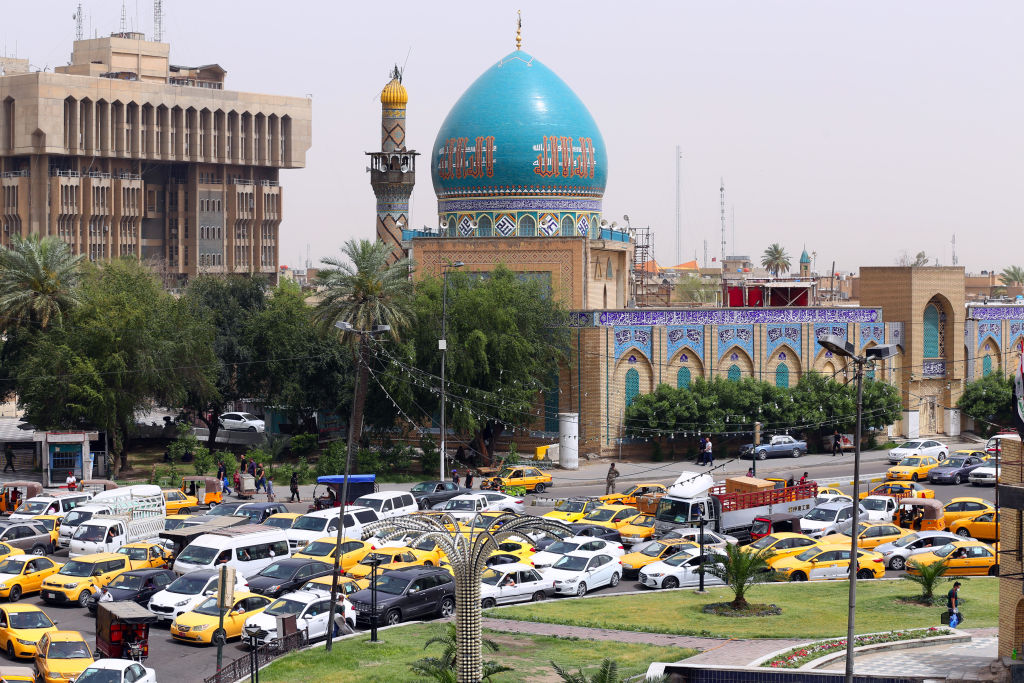
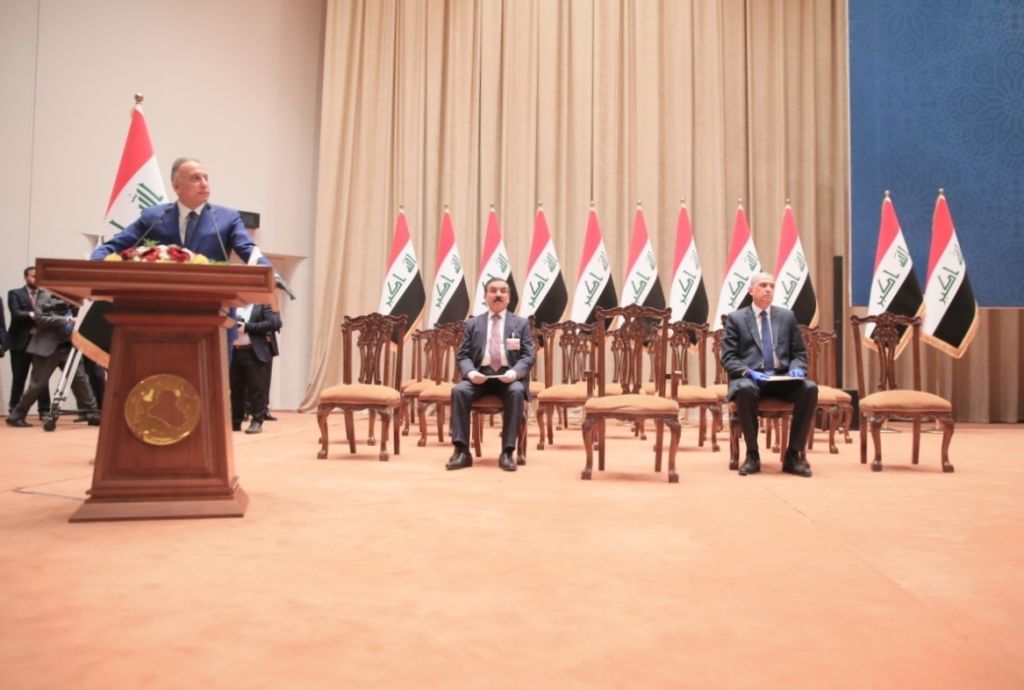
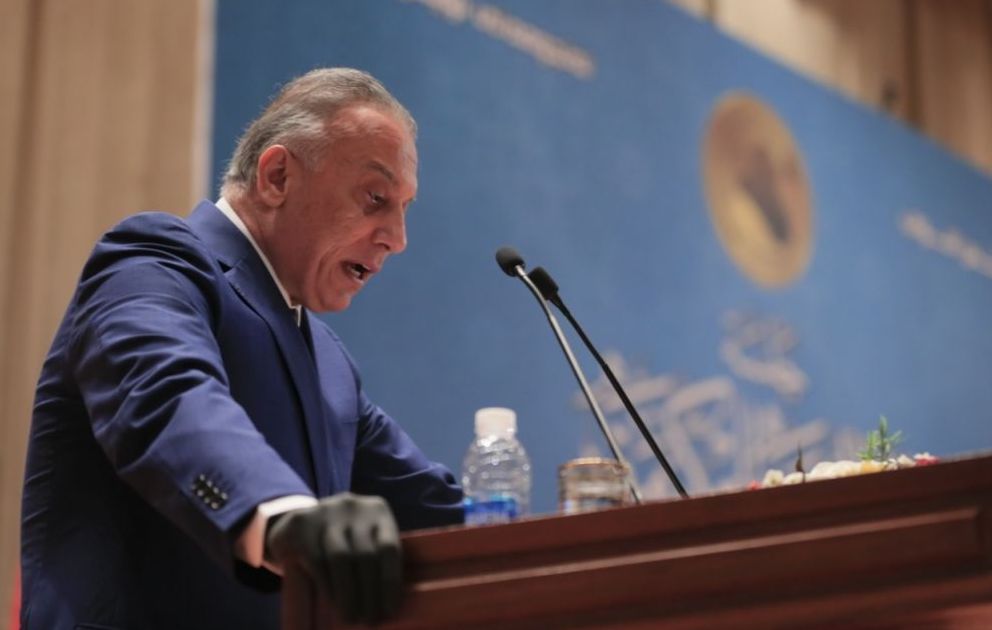
Hafsa Halawa, Shahla Al-Kli, and Yesar Al-Maleki join host Alistair Taylor to discuss the challenges facing Iraq’s new prime minister, Mustafa al-Kadhimi, from COVID-19 and the fall of oil prices, to long-standing issues in governance and foreign relations.
Iraq special briefing: The challenges facing Prime Minister Mustafa al-Kadhimi
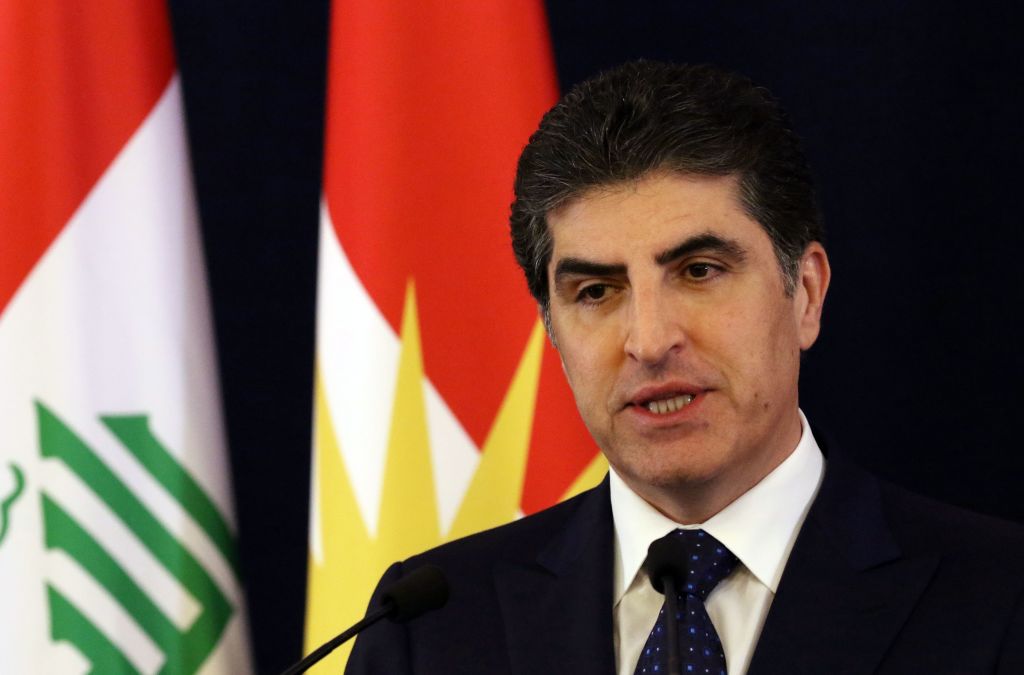
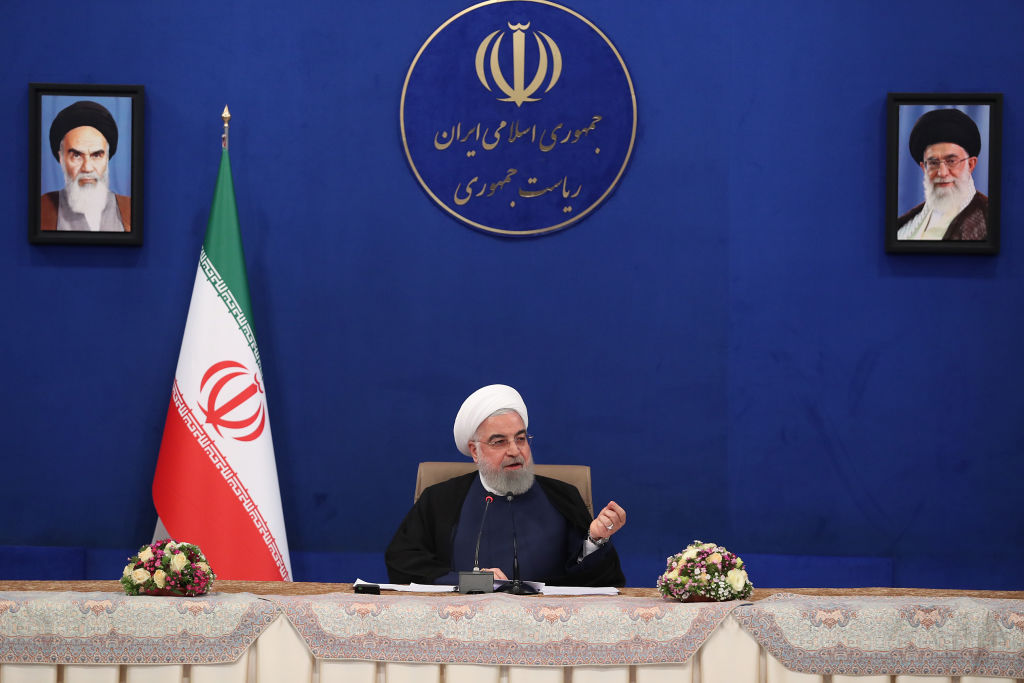
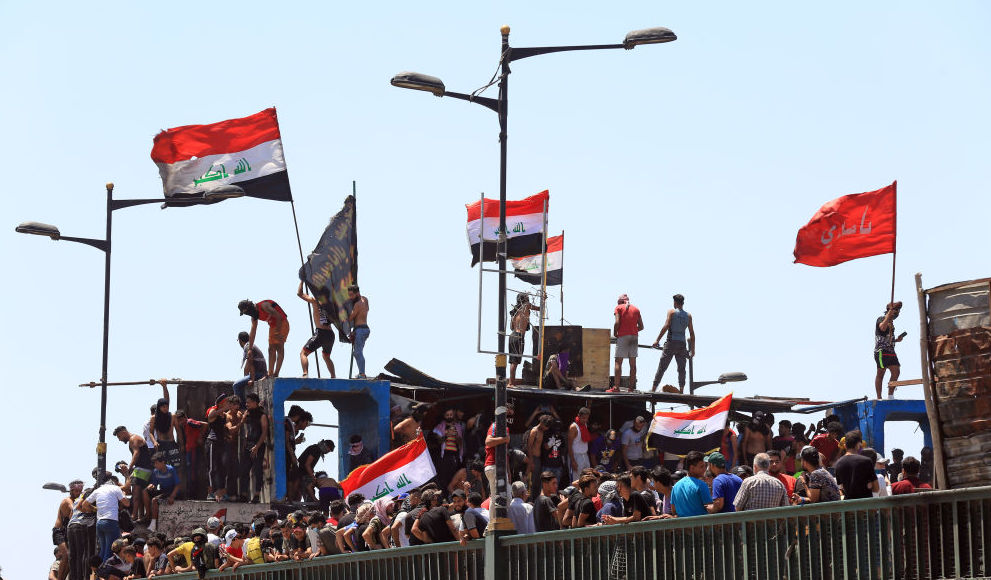
Six scholars from across MEI take a closer look at the challenges facing Iraq’s new prime minister, from the protest movement and Baghdad-Erbil relations to the balancing act between Washington and Tehran.
Baghdad will continue its outreach to its Arab neighbors
While regional tensions will complicate the task of promoting a centrist foreign policy, they will also create opportunities for a skilled mediator like al-Kadhimi
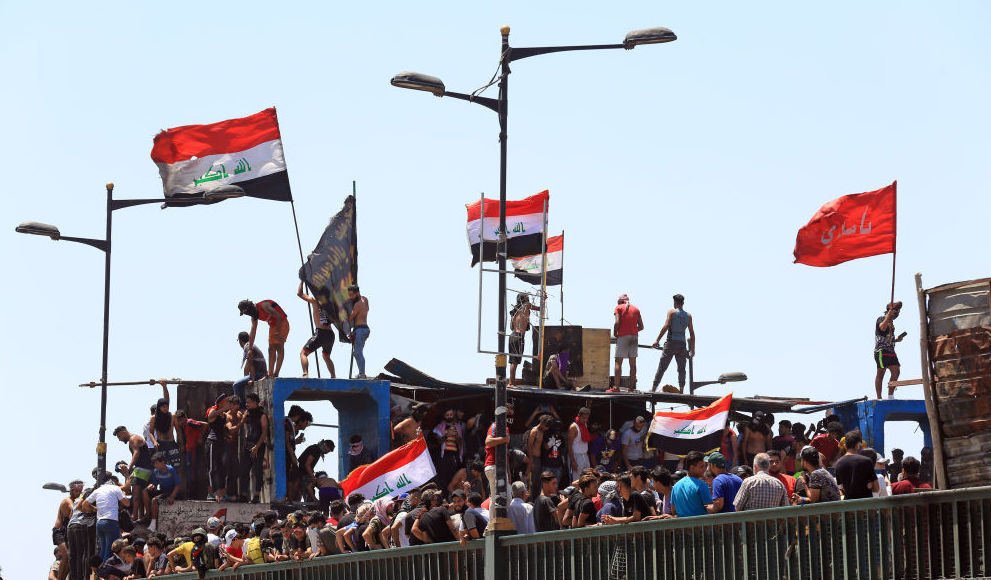
Protest movements in Algeria, Iraq, and Lebanon during COVID-19
Vish Sakthivel, Hafsa Halawa, and Nour El-Achi join host Alistair Taylor to discuss the impact of the coronavirus pandemic on protest movements in Algeria, Iraq, and Lebanon. While each case is unique, all three movements are pushing for sweeping reforms of the corrupt political system, a change in the ruling elite, and improved state services.