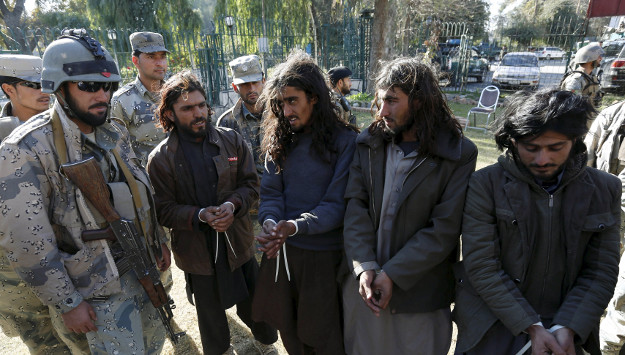
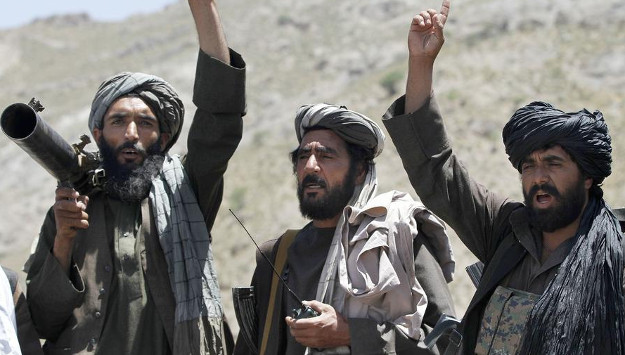
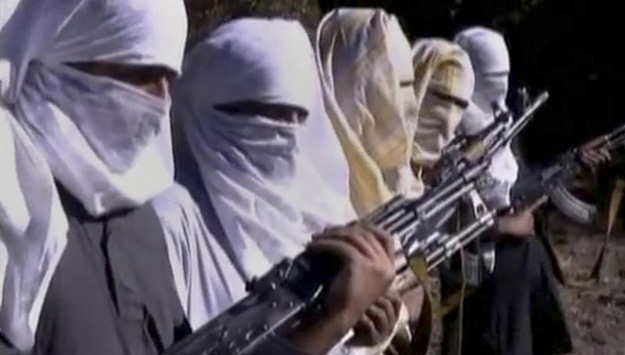
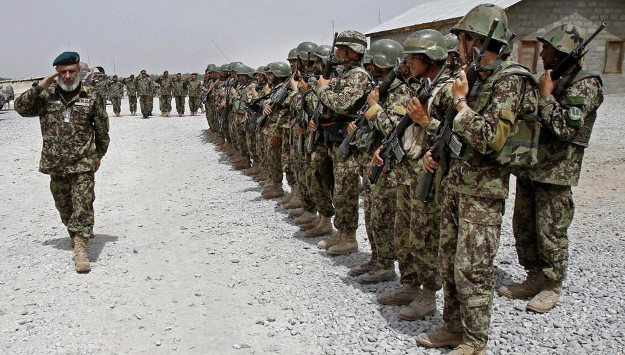
Local officials in western Afghanistan say Iran and Pakistan continue to assist Taliban fighters to destabilize the region. “Pakistan and Iran support the Taliban. Residents have seen Pakistani and Iranian clerics bringing money to Taliban in Shindand [District,” alleged Abdul Ghani Noori, the head of Zer Koh District of Herat Province, bordering Iran. He claimed that between 200 and 400 Taliban militants are present in the district and called on Afghan security forces to launch an “extensive operation” against terrorists in the area.
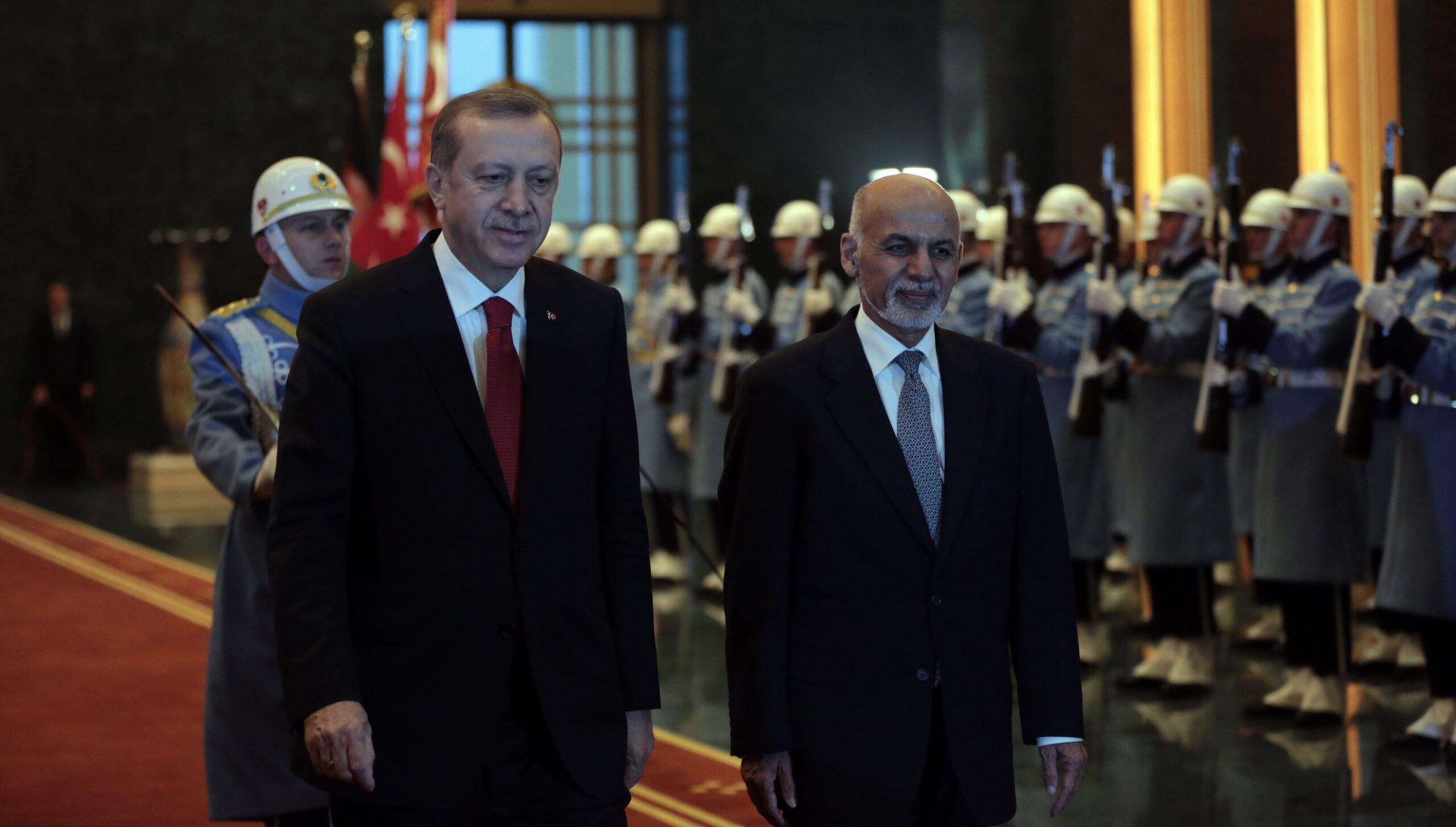
It is increasingly clear that Turkey has been seeking to expand its role in the war-torn and conflict-ridden Afghanistan by making a concerted effort to step up diplomatic, developmental, and military engagements in the country. The scope and scale of Turkey’s interests in Afghanistan are an expression of the transformation of Turkish foreign policy in recent years.
Will Pakistan Reassess its Ties to Terror Groups after Trump Speech?
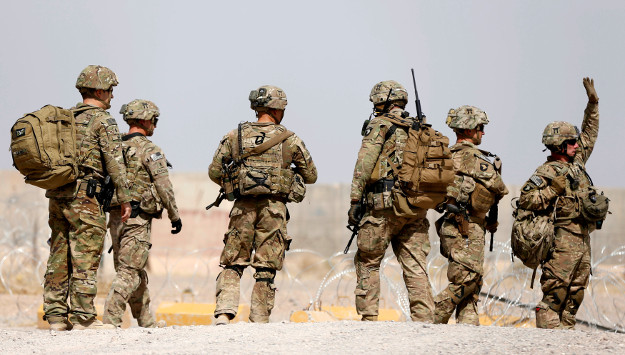
The major components of President Donald Trump’s much-awaited Afghanistan strategy are sufficient to give Pakistani strategists sleepless nights. The new plan will acknowledge Pakistan’s significant role in providing safe havens for terrorists; escalate war against the Afghan Taliban while denying it the ability to fight its way into positions of power; and enhance India’s role in stabilizing and developing Afghanistan. Moreover, the strategy does not provide deadlines for withdrawal of U.S. forces.
Iraqi Forces Turn Attention to Hawija | Monday Briefing
In this week’s Monday Briefing, MEI experts Paul Salem, Robert S. Ford, Alex Vatanka, and Bilal Y. Saab provide analysis on recent and upcoming events including the Iraqi military’s new operation to take back the town of Hawija from ISIS, the operation by the Syrian regime and U.S.-backed forces in Deir Ezzor, the Pakistani foreign minister’s visit to Iran, and the resumption of U.S. and Egyptian war games after being suspended since the 2011.
Top Afghan Military Official: We Have Evidence Iran Provides Weapons to Taliban
The Chief of General Staff for the Afghanistan National Defense and Security Forces has said that the Kabul government has evidence that Iran is providing weapons and other military assets to the Taliban in western Afghanistan. In an interview with the BBC Persian, Lieutenant General Mohammad Sharif Yaftali added that President Ashraf Ghani discussed the issue with his Iranian counterpart Hassan Rouhani last month in Tehran but did not disclose details of the meeting.
MEI experts Paul Salem, Will Wechsler, Marvin Weinbaum, and Ahmad Majidyar discuss current issues in Afghanistan and Pakistan, and U.S. policy and strategic interests in the region.
Al-Qaeda appears set to make a comeback in Pakistan, with battle-hardened militants returning from Syria and Iraq and eyeing for the resurrection of al-Qaeda in Pakistan.[i] A new terror group, Jamaat ul Ansar al-Shariah Pakistan, surfaced in June 2017, and is comprised of fighters who have returned from the Middle East.
Last night Donald J. Trump became the third consecutive U.S. president to ensure that his successor will also need to wage war in Afghanistan. This is justifiably frustrating to the American public, but unfortunately appropriate to the threats at hand.
Monday Briefing | Abbas Hoping for a Commitment from Kushner on MidEast Peace
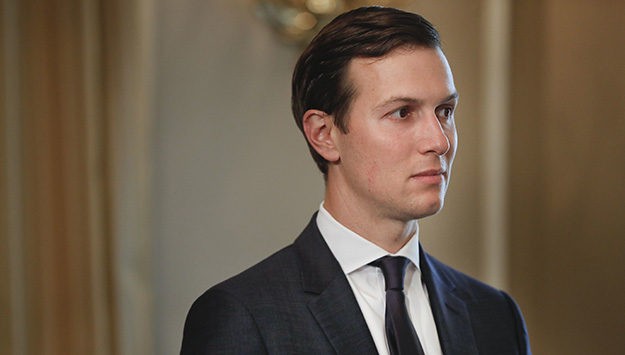
In this week’s Monday Briefing, MEI experts Yousef Munayyer, Paul Salem, Ahmad Majidyar, Alex Vatanka, and Gonul Tol provide analysis on recent and upcoming events including the upcoming trip by the U.S. delegation headed by Jared Kushner to Israel/Palestine, Iraq’s anti-ISIS operation in Tal Afar, President Trump’s upcoming announcement on U.S. military strategy in Afghanistan, Iran’s efforts to find a role in China’s One Belt, One Road project, and Turkey’s rocky relations with Germany.
The following excerpt is from an interview with MEI Senior Fellow Alex Vatanka conducted by J. Dana Stuster for Lawfare. Read the full conversation here.
New Saudi Outreach with Iraqi Shiite Leaders | Monday Briefing
In this week’s Monday Briefing, MEI experts Randa Slim, Paul Salem, and Marvin G. Weinbaum analyze new Saudi diplomatic engagement with Iraq, the escalating G.C.C. crisis, and the continuation of dynastic politics in Pakistan.
Mosul Turning Ugly, Raqqa Front Slows | Monday Briefing
In this week’s Monday Briefing, MEI experts Charles Lister, Marvin G. Weinbaum, Yousef Munayyer, and Alex Vatanka provide analysis on recent events including the battle for Mosul, corruption in Pakistan, Mahmoud Abbas’s trip to China, and Rouhani’s difficult second presidential term.
Geopolitical maneuvering, political disunity, endemic corruption, rudderless security apparatus and, most importantly, a confident Taliban movement supported by the Pakistani “deep state” make Afghanistan the most persistent trouble spot. Recent events in the country are dominated by increasing terrorist attacks against security forces and hapless citizens.