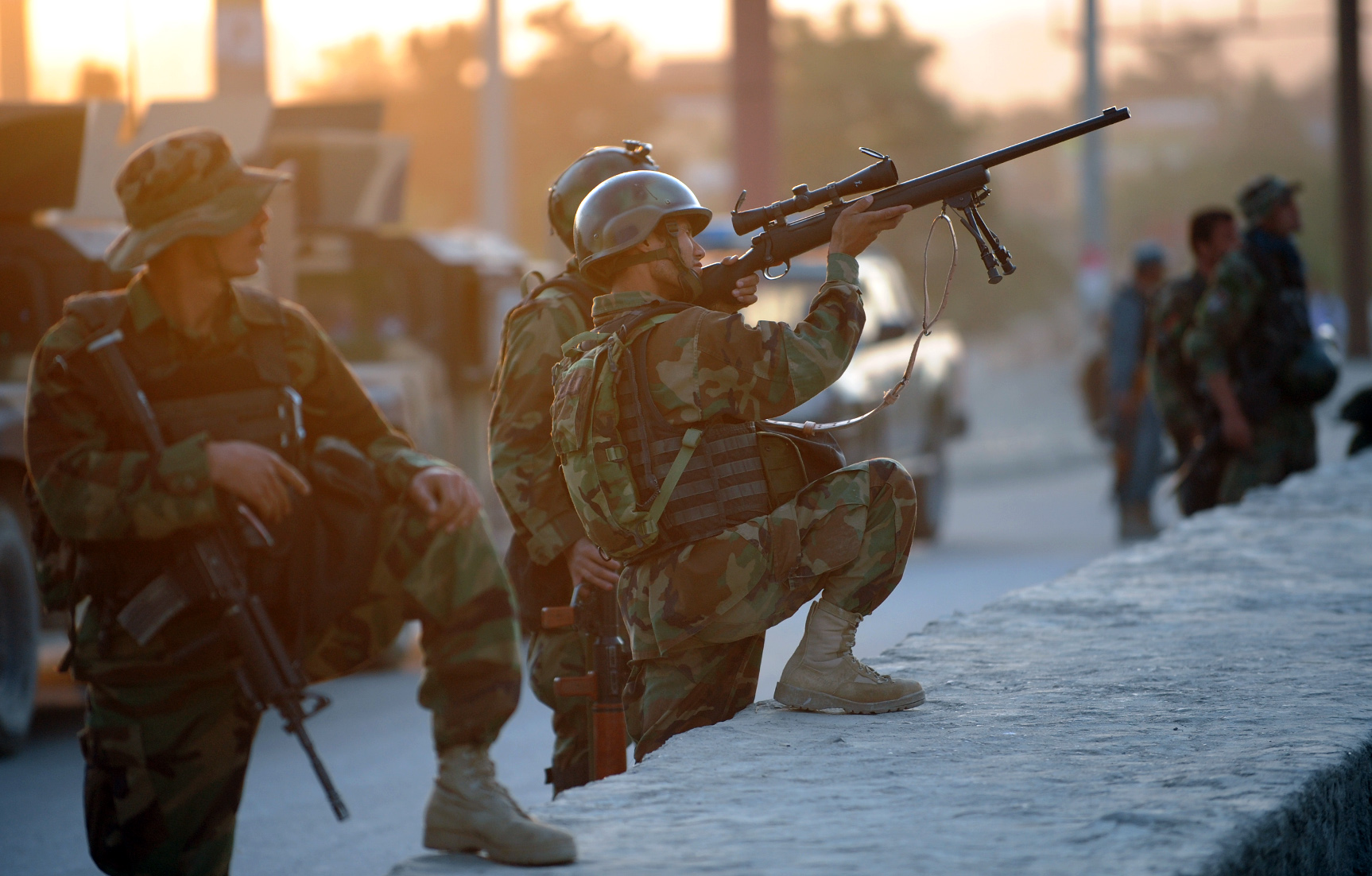
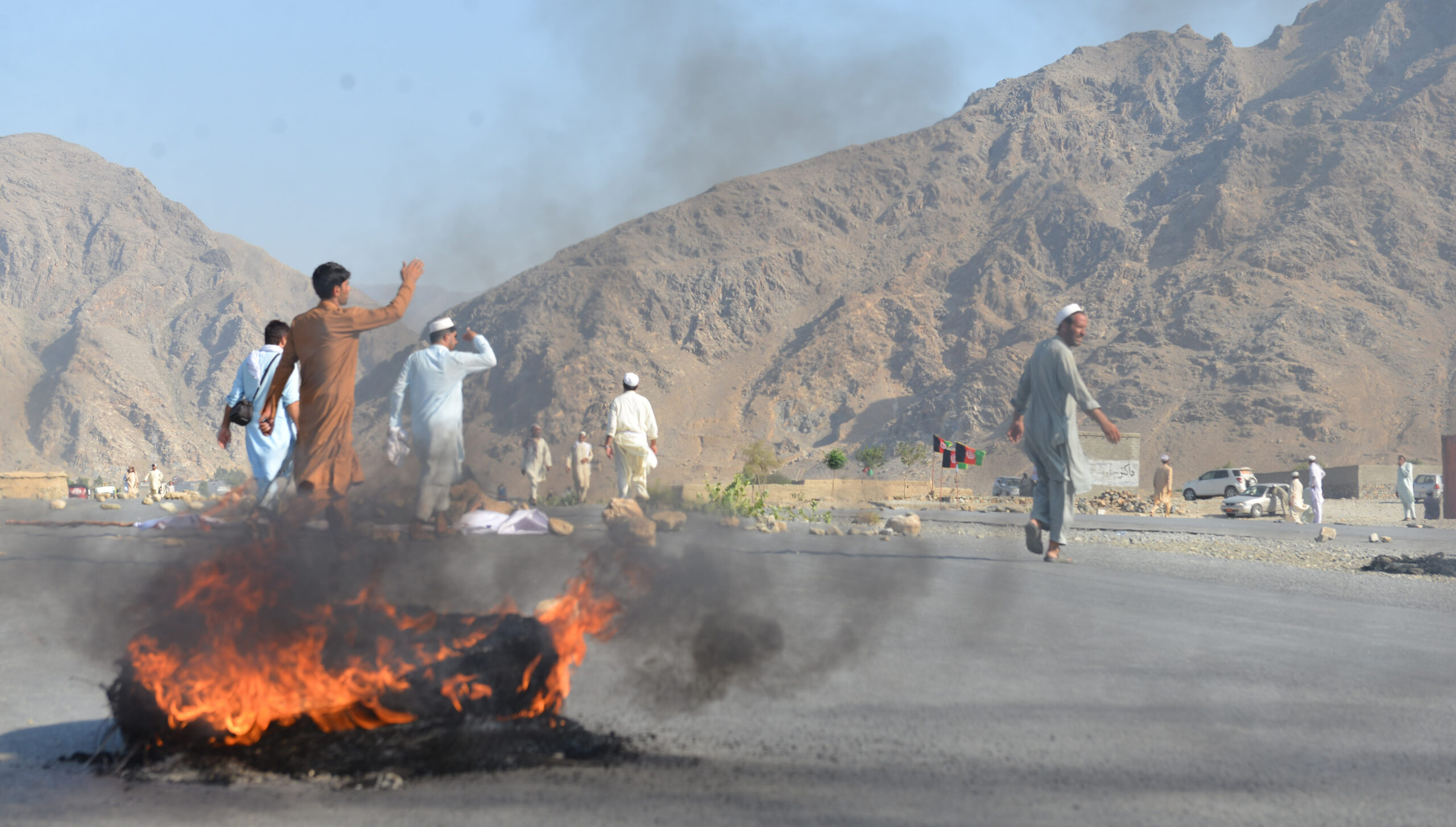
The current conflict in Afghanistan, the latest in a series of perpetual wars and episodes of civil strife over the past 40 years, is strategically stalemated. While the Taliban are willing to negotiate with the U.S. about the withdrawal of foreign troops from the country, they continue to reject direct talks with the Afghan government for a political settlement. Even with inclusive peace talks, there is reason to question whether the Taliban’s vision of a future Afghan state and society can be reconciled with a liberal, democratic constitutional order.
Weekly Briefing: MBS South Asia swing aims to shore up relations
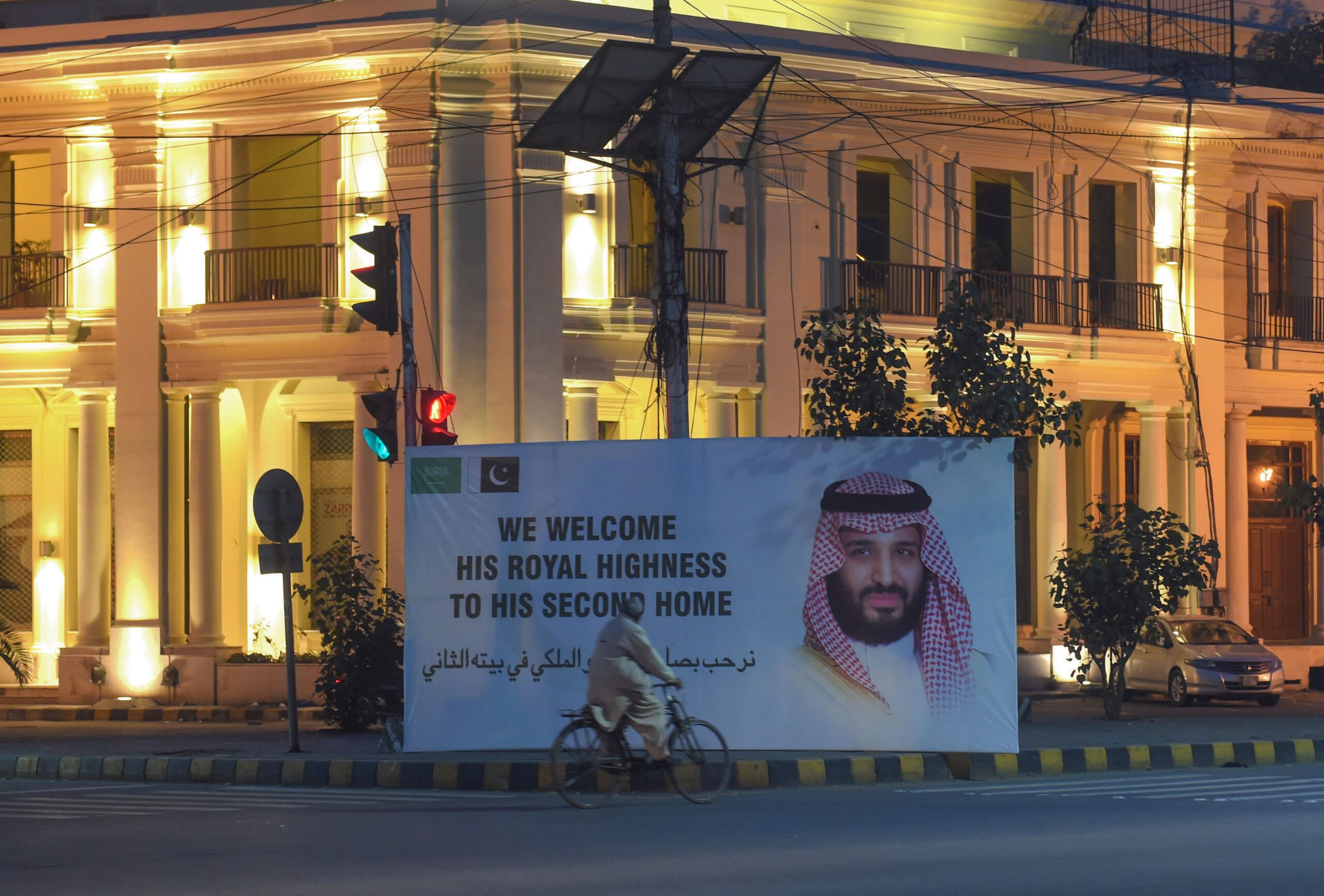
In this week’s briefing, MEI experts Gerald Feierstein, Charles Lister, Marvin G. Weinbaum, and W. Robert Pearson provide analysis on Saudi-Pakistan relations, Turkish politics in the lead-up to March municipal elections, and the question of what to do with ISIS prisoners after the group’s territorial collapse.
Renouncing al-Qaeda and the prospects for engagement
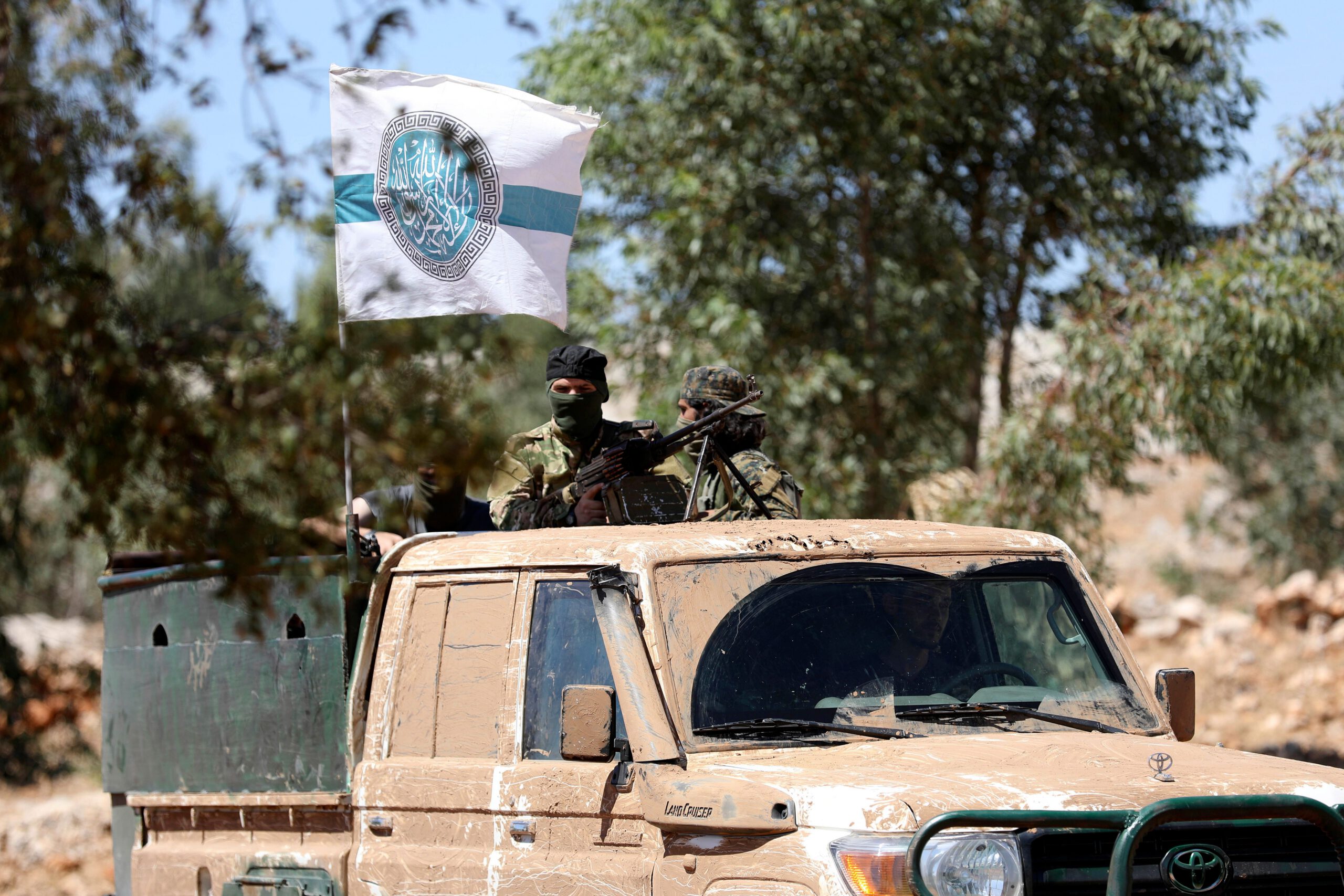
Hayat Tahrir al-Sham’s (HTS) recent seizure of the northern Syrian province of Idlib once again brings to the fore the debate over HTS’ renunciation of al-Qaeda (AQ). But can a group renounce AQ? If so, how should Western countries react, if at all?
MEI’s Robert Ford and Charles Lister join host Alistair Taylor to discuss the announced US withdrawal from Syria, the rush to fill the power vacuum that has ensued in its wake, and what the policy means for Syrians and the fight against ISIS.
Making the right move on Syria … for the wrong reasons
President Donald Trump is doing the right thing on Syria — removing U.S. forces — but for the wrong reasons. As a consequence, the value and import of his decision will be less than might otherwise be the case.
Mergers and assassinations as Tripoli remains under militia control
On Dec. 18, 2018, the seaport in Libya’s capital was the scene of a surprising yet deft maneuver orchestrated by the city’s four main armed groups, namely the Tripoli Revolutionaries’ Brigade (TRB); Abu Salim’s Special Deterrence Force; the Nawasi Battalion; and the Bab Tajoura Brigade.
ISIS’s charm offensive toward al-Qaeda in the Islamic Maghreb
A secret letter recently obtained through an inside source sheds light on ISIS’s efforts to persuade an al-Qaeda affiliate to jump ship, abandon its allegiance to Ayman al-Zawahri, and join Abu Bakr al-Baghdadi’s ranks.
Monday Briefing: Russians launch air strikes after alleged gas attack
In this week’s Monday Briefing, MEI experts discuss recent and upcoming events including Russian air strikes in Aleppo, the elections in Bahrain, the growing international interest in Egypt’s offshore energy finds, and the appointment of a new Afghan team of negotiators for peace talks.
The Tiger Forces: Pro-Assad fighters backed by Russia
The Tiger Forces is a Syrian Air Intelligence-affiliated militia fighting for the Syrian government and backed by Russia. While often described as the Syrian government’s elite fighting force, this research portrays a starkly different picture. The Tiger Forces are the largest single fighting force on the Syrian battlefield, with approximately 24 groups comprised of some 4,000 offensive infantry units as well as a dedicated artillery regiment and armor unit of unknown size. Beyond these fighters are thousands of additional so-called flex units, affiliated militiamen who remain largely garrisoned in their hometowns along the north Hama and Homs borders until called on to join offensives as needed.
The primacy of praxis: Clerical authority in the Syrian conflict
A close look at the competing claims, actors, and movements for authority within the Syrian civil war reveals three distinct periods of political and religious influence: that of Syrian scholars, who were the first to inject religious language into the revolution; that of Salafi scholars predominantly from the Gulf; and lastly, that of jihadi organizations like ISIS and Hay’at Tahrir al-Sham, who were active on the ground.
The assassinations are likely to undermine voter turnout in Afghanistan’s south and deepen divisions within the Afghan government about the prospect of peace with the Taliban.
The Fatemiyoun Division: Afghan fighters in the Syrian civil war
Summary
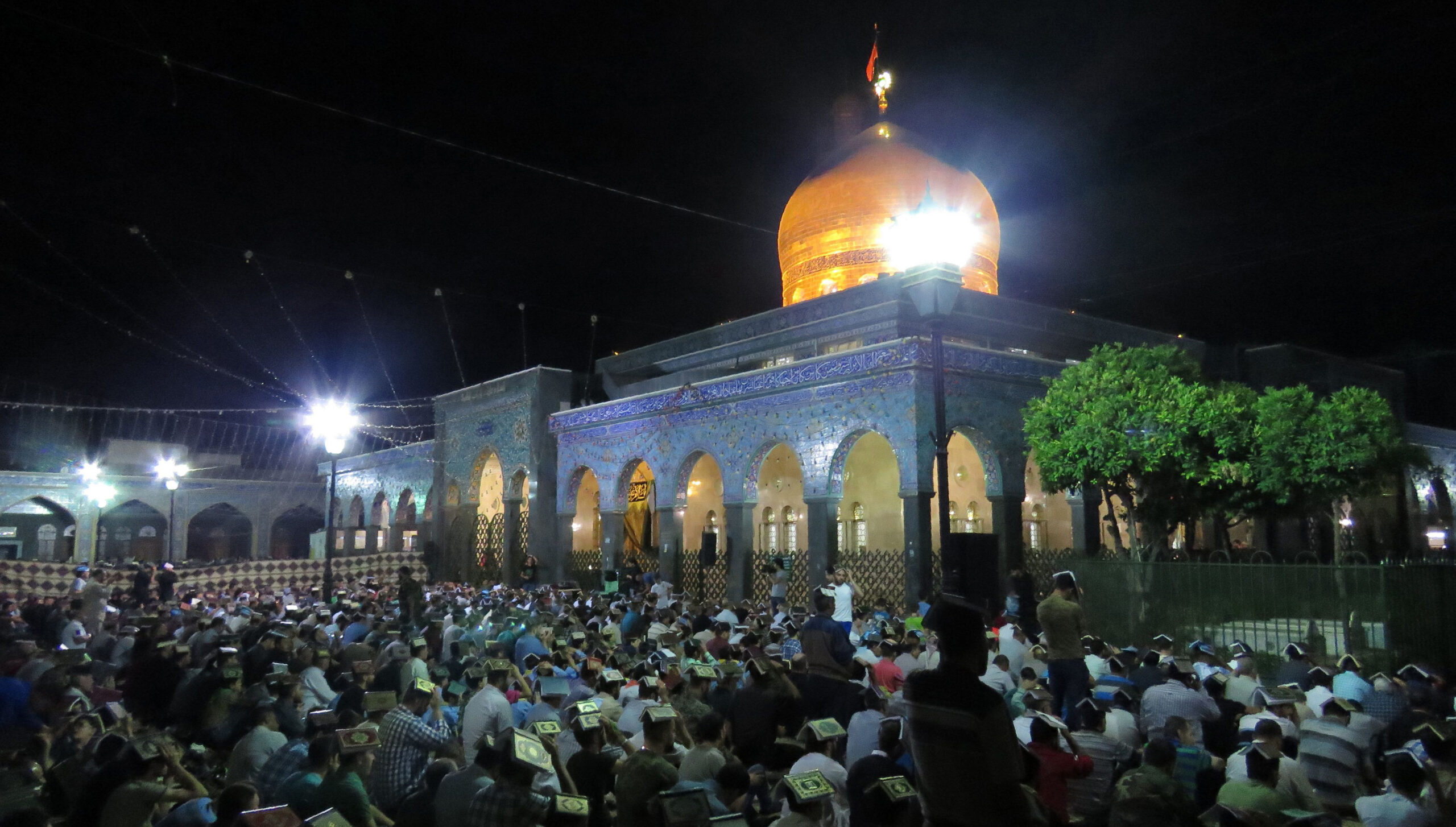
Originally styled as a small detachment of volunteers and refugees mobilized to defend the shrine of Sayyeda Zeinab outside Damascus, the Fatemiyoun formation’s size and presence across Syria has slowly expanded throughout the war. At home, the IRGC began cultivating a narrative of Afghan “resistance” to transnational Sunni jihadism. Joining the Syrian jihad was increasingly promoted as a path to legal and social recognition within the Islamic Republic at a time when thousands of desperate young Hazaras were setting out to emigrate to Europe.
The jihadist threat is not new to the Maghreb. However, the fallout of the 2011 Arab uprisings has fundamentally altered the political and security environment of North African countries. While states such as Egypt, Libya, and Tunisia witnessed an increase in deaths from jihadist attacks, others like Algeria and Morocco experienced a reduced impact.