Skip to Content

Research & Commentary Results

Filter by
1493 Results
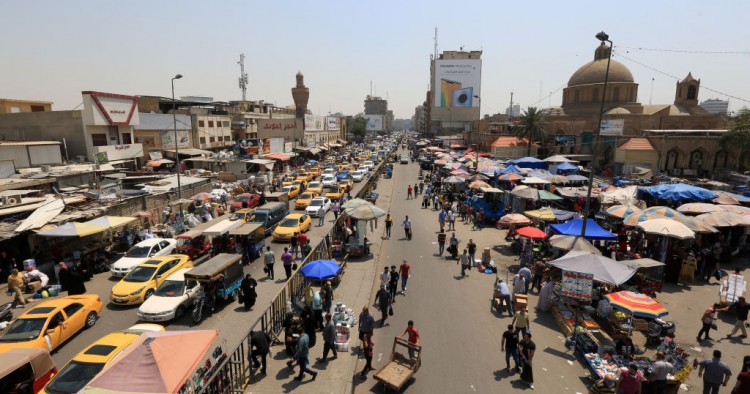
Between Trump’s Iranian lens and Obama’s indifference: What might a Biden presidency mean for Iraq?
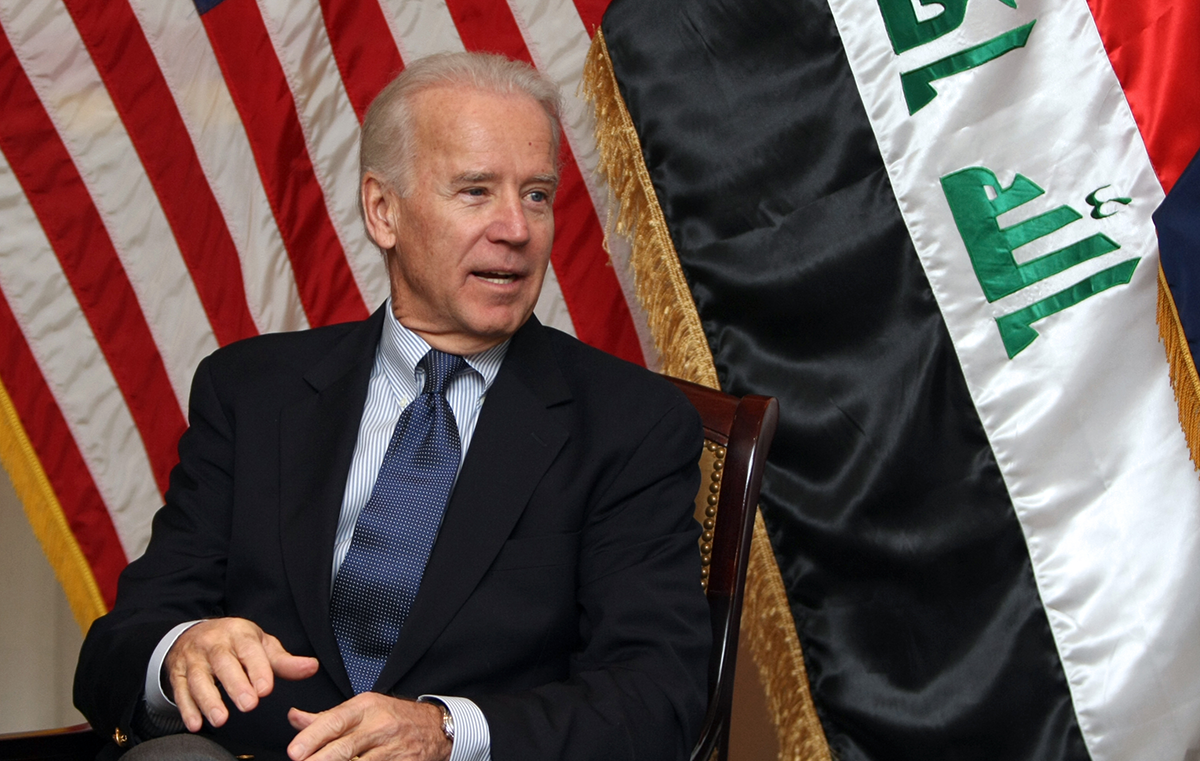
US Vice President Joe Biden meets with General Lloyd Austin, the commander of United States Forces - Iraq (USF-I), and US ambassador in Iraq James Jeffrey at the US embassy upon the former's arrival at Baghdad on a surprise visit on November 29, 2011, during which he is due to meet top Iraqi officials, as American troops depart Iraq ahead of a year-end deadline.
  • Analysis
  • Between Trump’s Iranian lens and Obama’s indifference: What might a Biden presidency mean for Iraq?

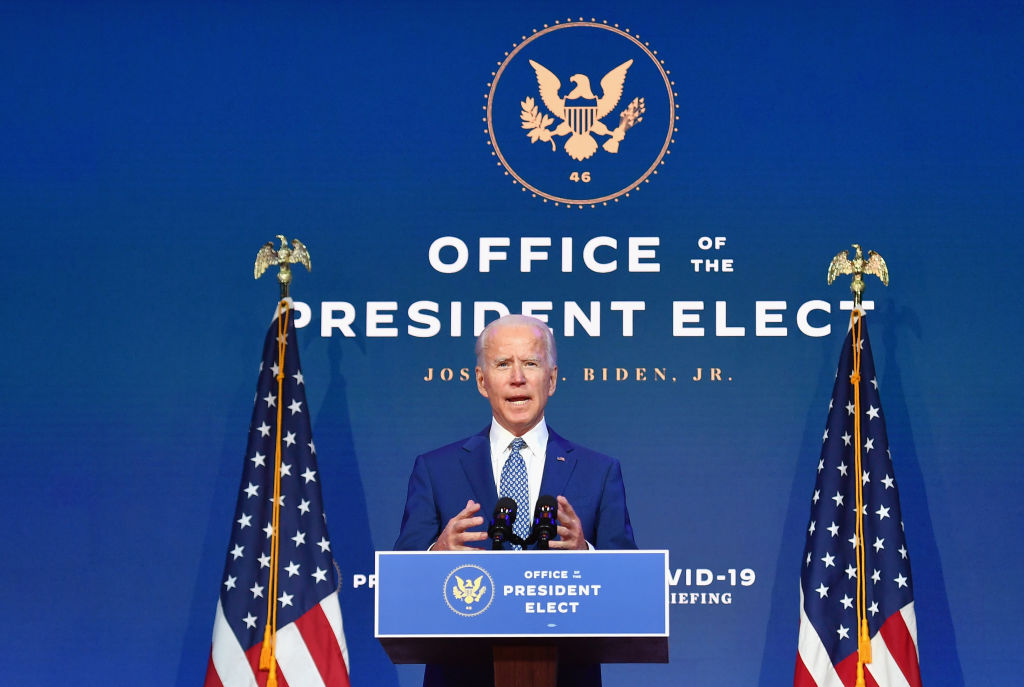
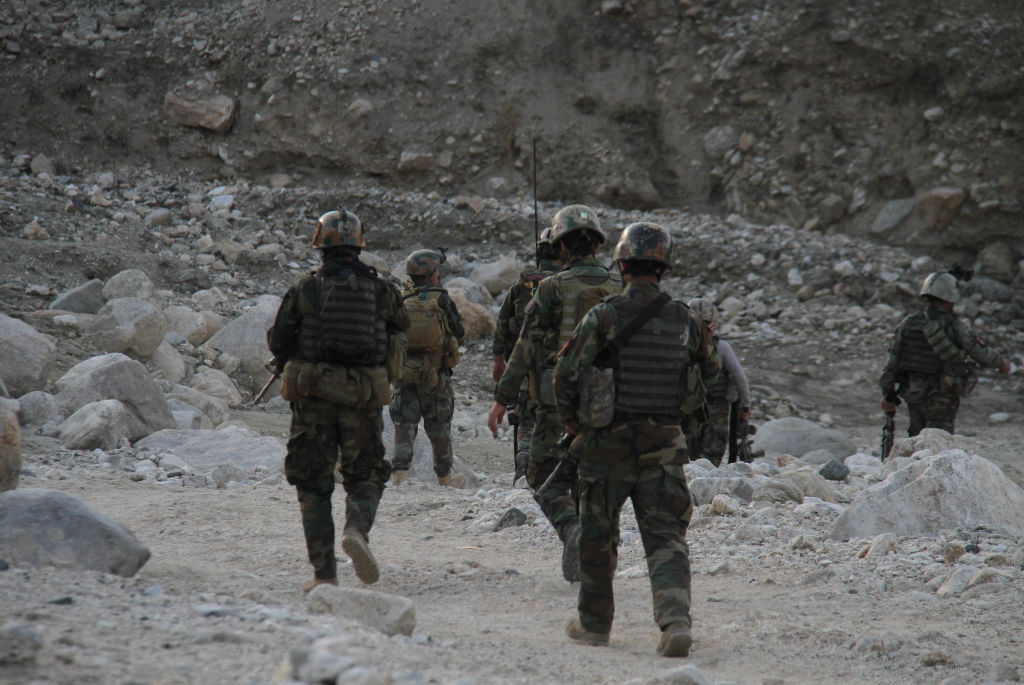
    Joe Biden is no stranger to Iraq and this informs how Iraqi politicians have responded to his victory in the U.S. presidential election. Some have welcomed the news, while others are more cautious given concerns that a Biden presidency might lead to greater Iranian influence in the country. Indeed, Biden has a mixed record on Iraq. Though a Democrat, he voted for the 2003 Iraq War. But later as vice president, he was President Barack Obama’s right hand and fast-tracked their campaign promise to withdraw U.S. troops in 2011. Looking ahead to his presidency, his familiarity with the political class in Baghdad, forthright proposals about Iraq’s territorial integrity, and previous role in tipping power between major actors may falsely lead to a conclusion that Iraq will be a focus for his upcoming administration. The reality, however, is much different.
    November 16, 2020

    The Palestinian-Israeli conflict: Has the equation changed?
  • Analysis
  • The Palestinian-Israeli conflict: Has the equation changed?

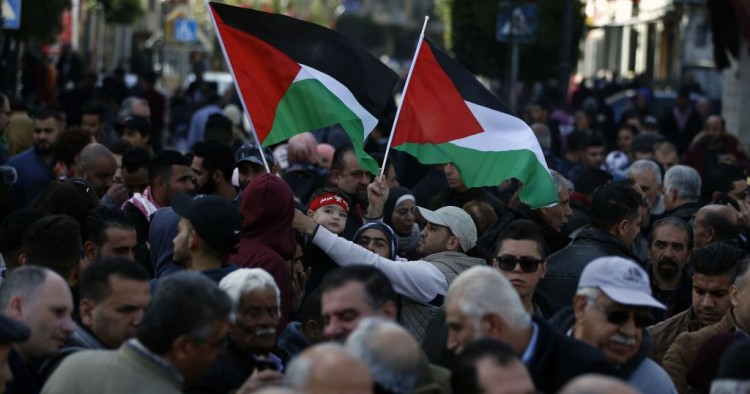
    Throughout his term in office, the longest in Israeli history, Benjamin Netanyahu has sought to implement his expansionist vision regarding the Palestinian territories occupied in 1967. Netanyahu’s vision was explicitly articulated in the Nation-State Law, which declares that “the state views the development of Jewish settlement as a national value and will act to encourage and promote its establishment and consolidation.” The Israeli PM reiterated his stance at the most recent U.N. General Assembly meeting in a speech that described such Palestinian demands as the right of return for refugees, Israeli withdrawal from the occupied Palestinian Territories, and the evacuation of Israeli settlers from the West Bank as unrealistic.

    November 12, 2020

    In memoriam: Saeb Erakat
    Photo by AHMAD GHARABLI/AFP via Getty Images
  • Commentary
  • In memoriam: Saeb Erakat

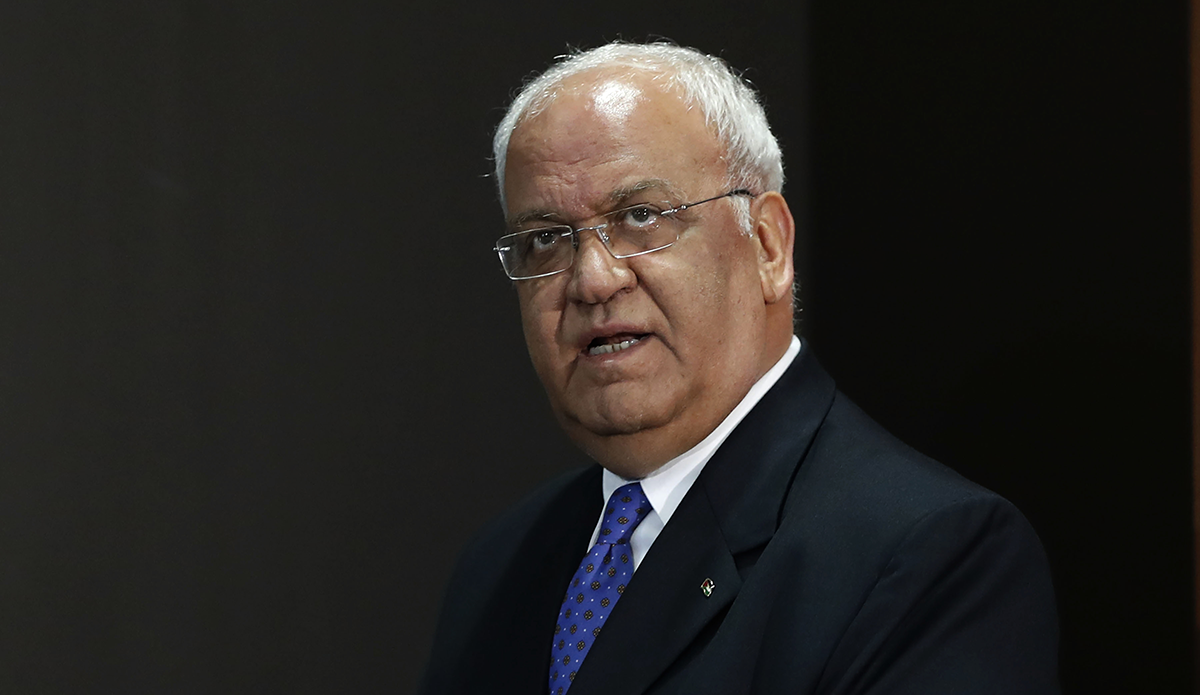
    The passing of Palestinian chief negotiator Saeb Erakat is a tremendous loss, not only for his family but for the Palestinian people and all those who knew and worked with him as well. He was a tireless advocate for his people who dedicated his life to the goal of Palestinian freedom and the dream of Israeli-Palestinian peace.

    November 10, 2020

    Forget the US elections, the Palestinians need to choose their own way forward
    MAHMUD HAMS/AFP via Getty Images
  • Analysis
  • Forget the US elections, the Palestinians need to choose their own way forward

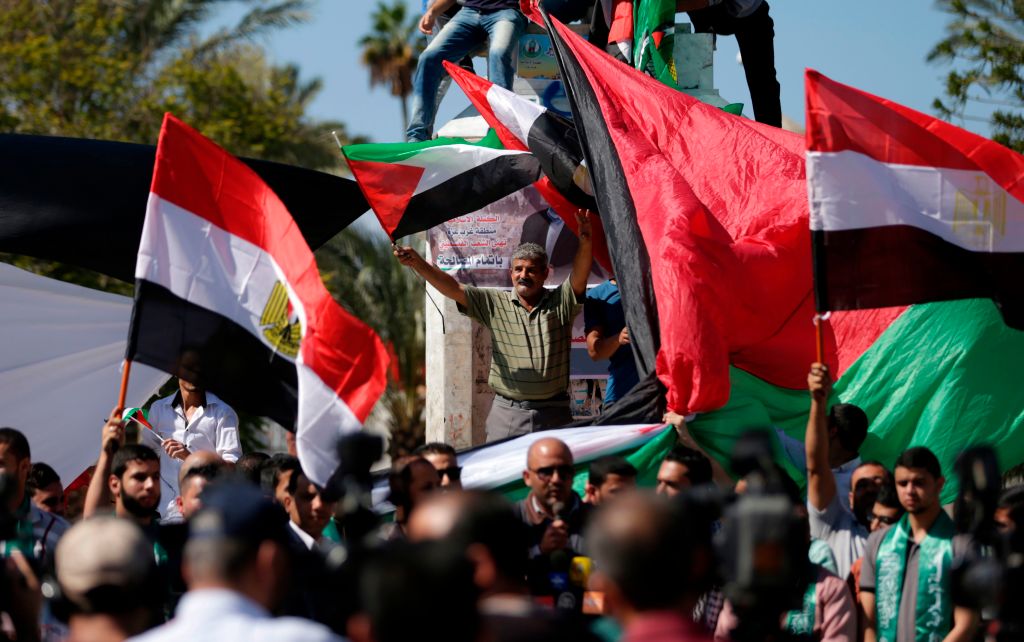
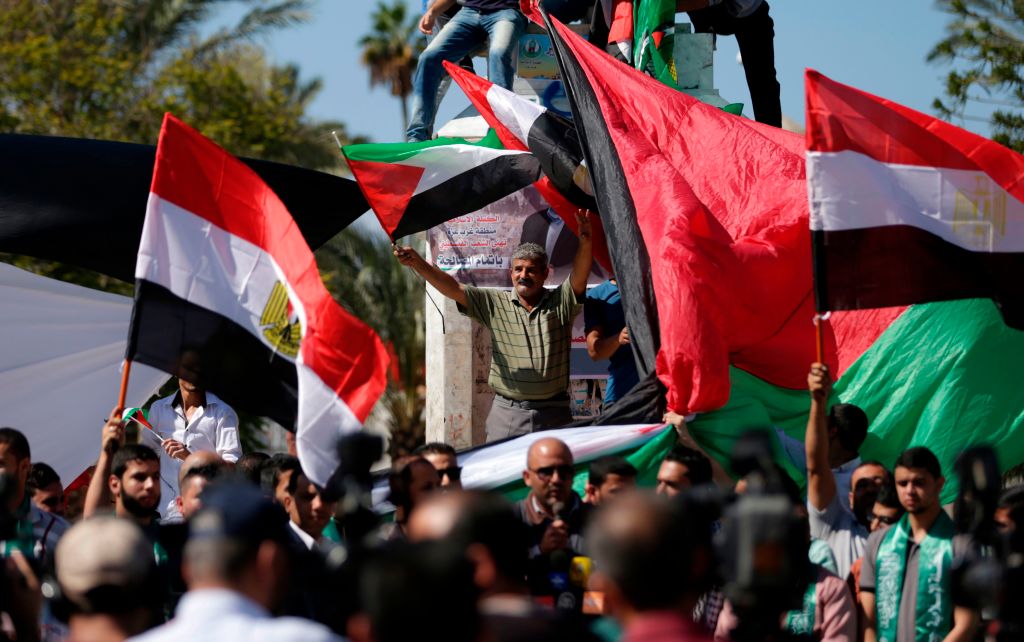
    Since Fatah and Hamas reached a reconciliation agreement in September, Palestinian scholars, activists, and journalists have speculated over when, how, and if this latest reconciliation might actually go forward. Many observers, both inside and outside of Palestine, view the move as a response to the recent rapprochement of Arab countries with Israel, as well as to uncertainty over this week’s U.S. presidential elections.

    November 3, 2020

    Iraq’s reform program: A white paper with no action plan
    Photo by Murtadha Al-Sudani/Anadolu Agency via Getty Images
  • Analysis
  • Iraq’s reform program: A white paper with no action plan

    Iraq’s economic and fiscal crises, which came to the forefront this year following the onset of the coronavirus pandemic, were bound to happen at some point. What corona and the ensuing drop in oil prices and declining demand for oil did is accelerate the timing, according to the recently released Iraqi government white paper, a report of the Emergency Cell for Financial Reform. What the paper doesn’t predict is that in the next 6-12 months, and possibly beyond, we could see a worsening of the crisis with both current and future governments trying to adjust oil production and revenues in an effort to contain public discontent.

    November 2, 2020

    Left to fend for themselves, Israel’s Bedouin are struggling with COVID-19
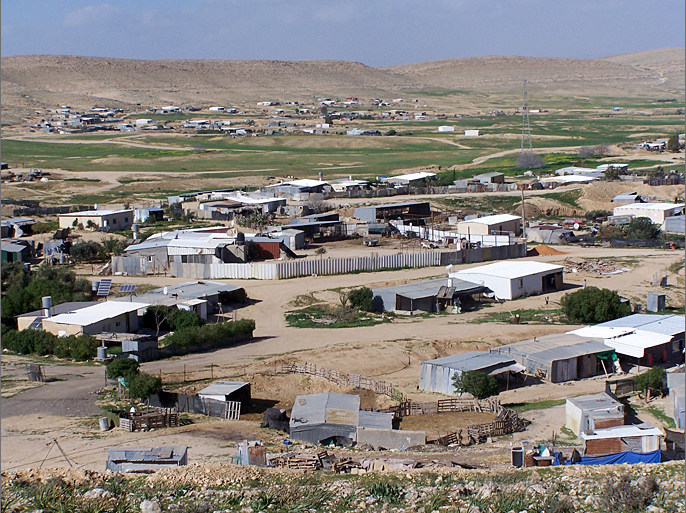
    A picture of a Bedouin village in Israel.
  • Analysis
  • Left to fend for themselves, Israel’s Bedouin are struggling with COVID-19

    The COVID-19 pandemic is impacting all communities in Israel, but it has hit some of them much harder than others. The plight of the Haredim (ultra-Orthodox Jews) has been widely publicized, but the Bedouin of the Negev Desert are also being devastated by the pandemic and no one seems to care.

    October 29, 2020

    US Policy and the Resurgence of ISIS in Iraq and Syria
  • Analysis
  • US Policy and the Resurgence of ISIS in Iraq and Syria

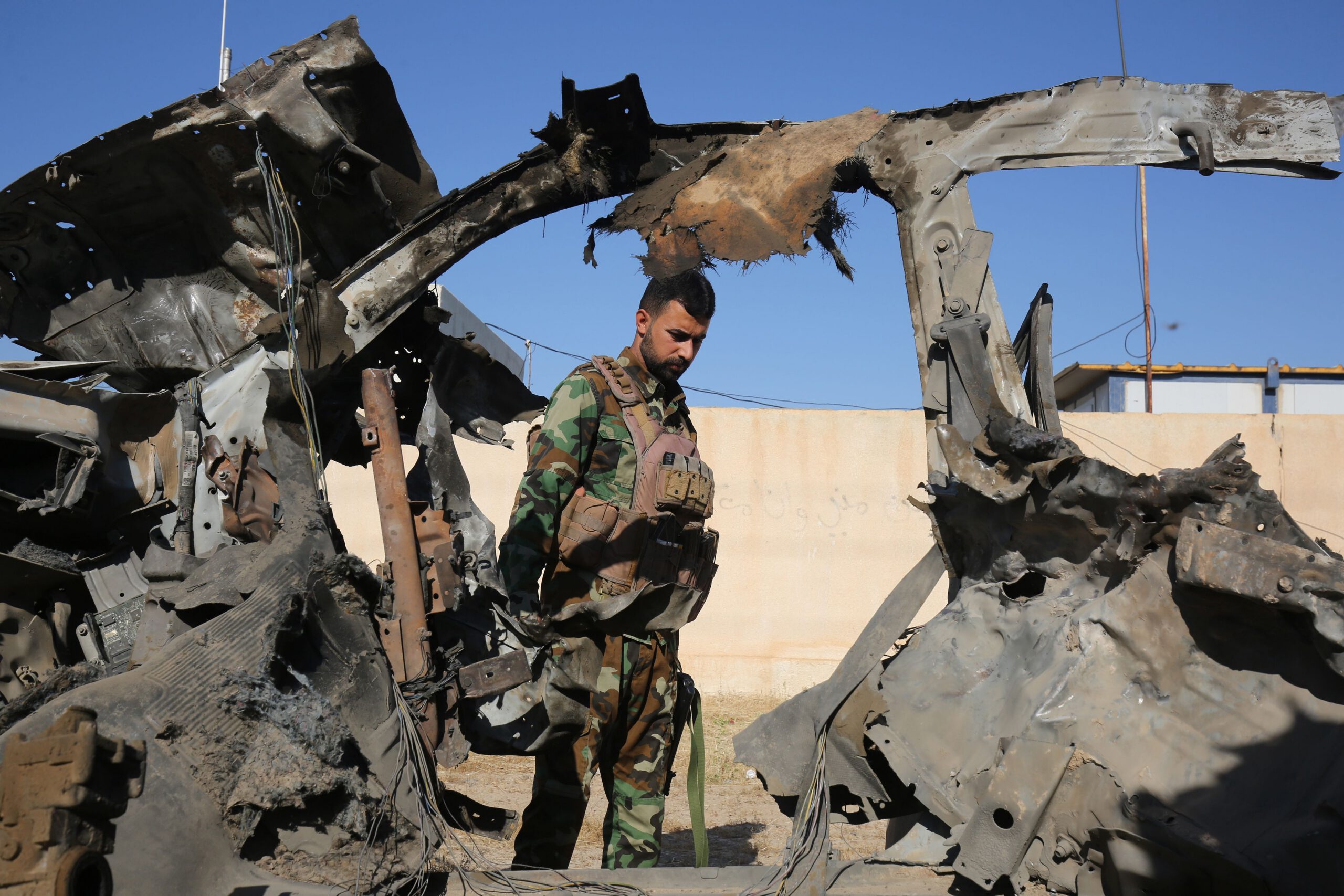
    As attacks by ISIS increase in both Iraq and Syria, the upcoming U.S. presidential election offers a turning point for how U.S. foreign policy will seek to address a potential ISIS resurgence. This paper lays out this growing problem and recommends policy, which will be constrained by the outcome of the November election.

    October 21, 2020

    Iraq’s domestic challenges and US relations
    Middle East Institute
  • Podcast
  • Iraq’s domestic challenges and US relations

    Robert Ford, Hafsa Halawa, and Randa Slim join host Alistair Taylor to discuss the political and economic challenges facing Iraq, the state of US-Iraqi relations, and the potential impact of upcoming U.S. elections in November.

    October 15, 2020

    Jannah or Jahannam: Options for Dealing with ISIS Detainees
  • Analysis
  • Jannah or Jahannam: Options for Dealing with ISIS Detainees

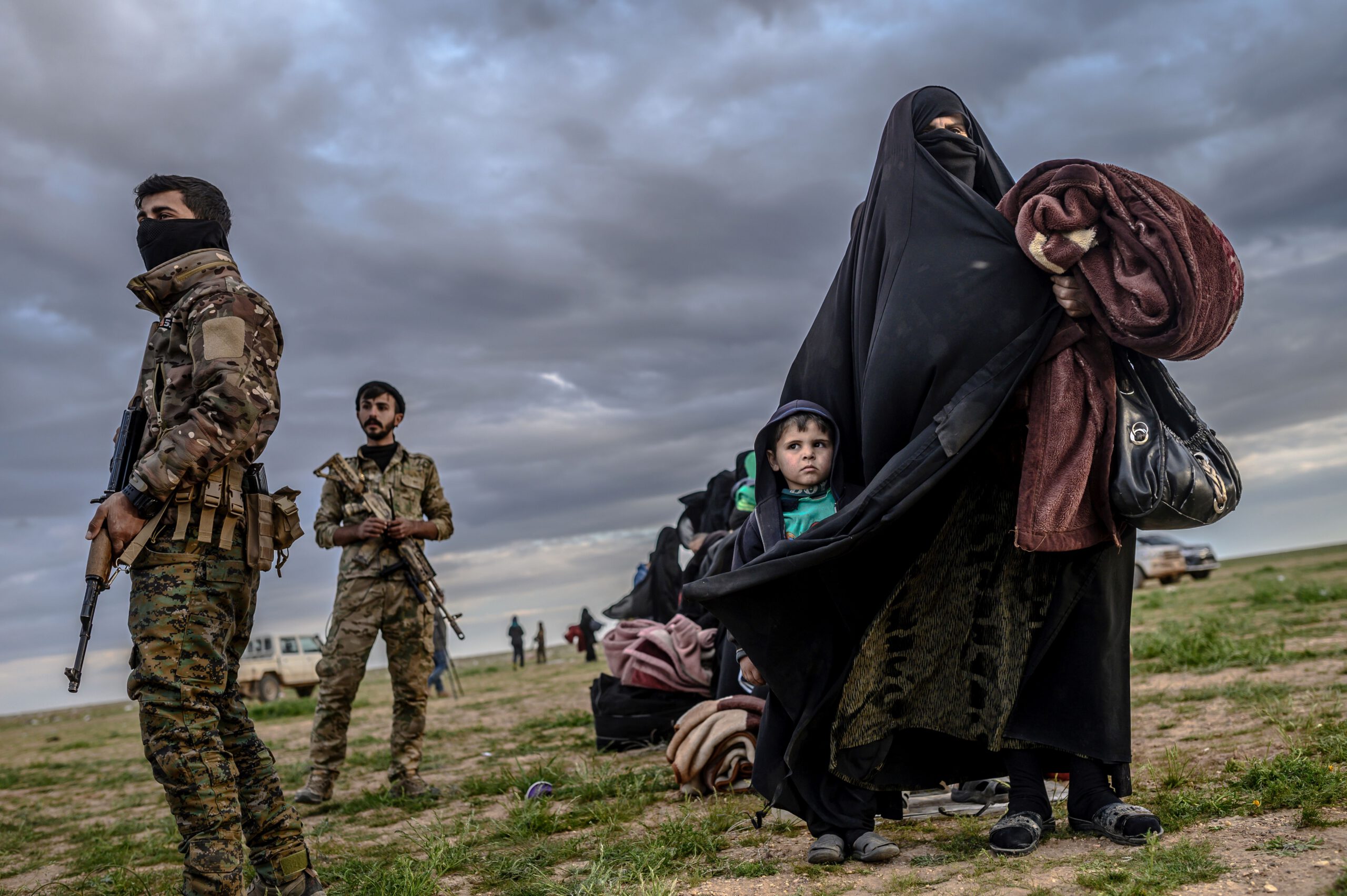
    Thousands of former ISIS fighters and tens of thousands of civilians indoctrinated in the group’s extremist ideology currently sit in prisons and refugee camps across Iraq and Syria. Leaving the detainees there is dangerous, but transitioning them will require some type of accountability for the crimes committed. This paper explores options for international action to deal with the detention of ISIS members from Iraq and Syria and the foreign terrorist fighters who joined the group from around the globe.

    Farcical treaties
    Photo by Alex Wong/Getty Images
  • Analysis
  • Farcical treaties

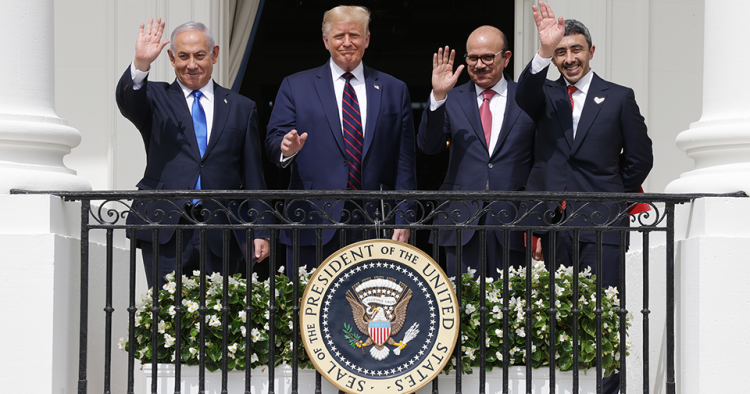
    Are the treaties with the UAE and Bahrain in any way comparable to previous genuine milestones, like the agreements with Egypt and Jordan? Can we realistically see them as helping to lead the way to a brighter future, at least as far as Israel’s conflicts with its neighbors are concerned? The answer is almost certainly “not really.”

    October 6, 2020