Russia looks to the Middle East to boost arms exports
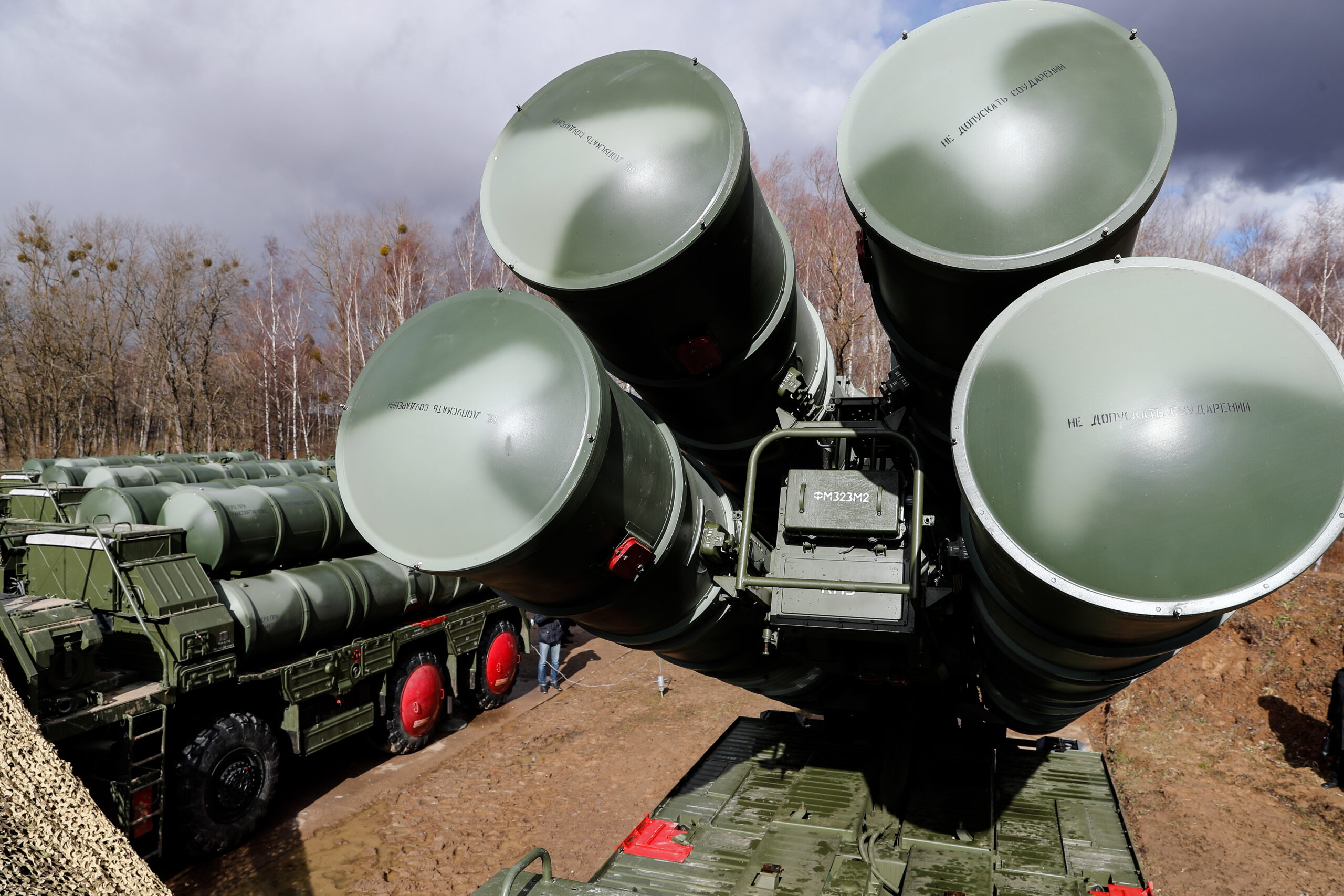
According to SIPRI’s recently published annual report, Russia’s share of global arms exports shrank by around one-fifth over the last decade, falling from 27 percent to 21 percent, while the U.S. share increased from 30 percent to 36 percent, widening the gap between the two major arms exporters. As Russia looks to reverse this decline, it is focusing on the Middle East, the world’s second-largest and fastest-growing arms market, as a way to boost its exports.
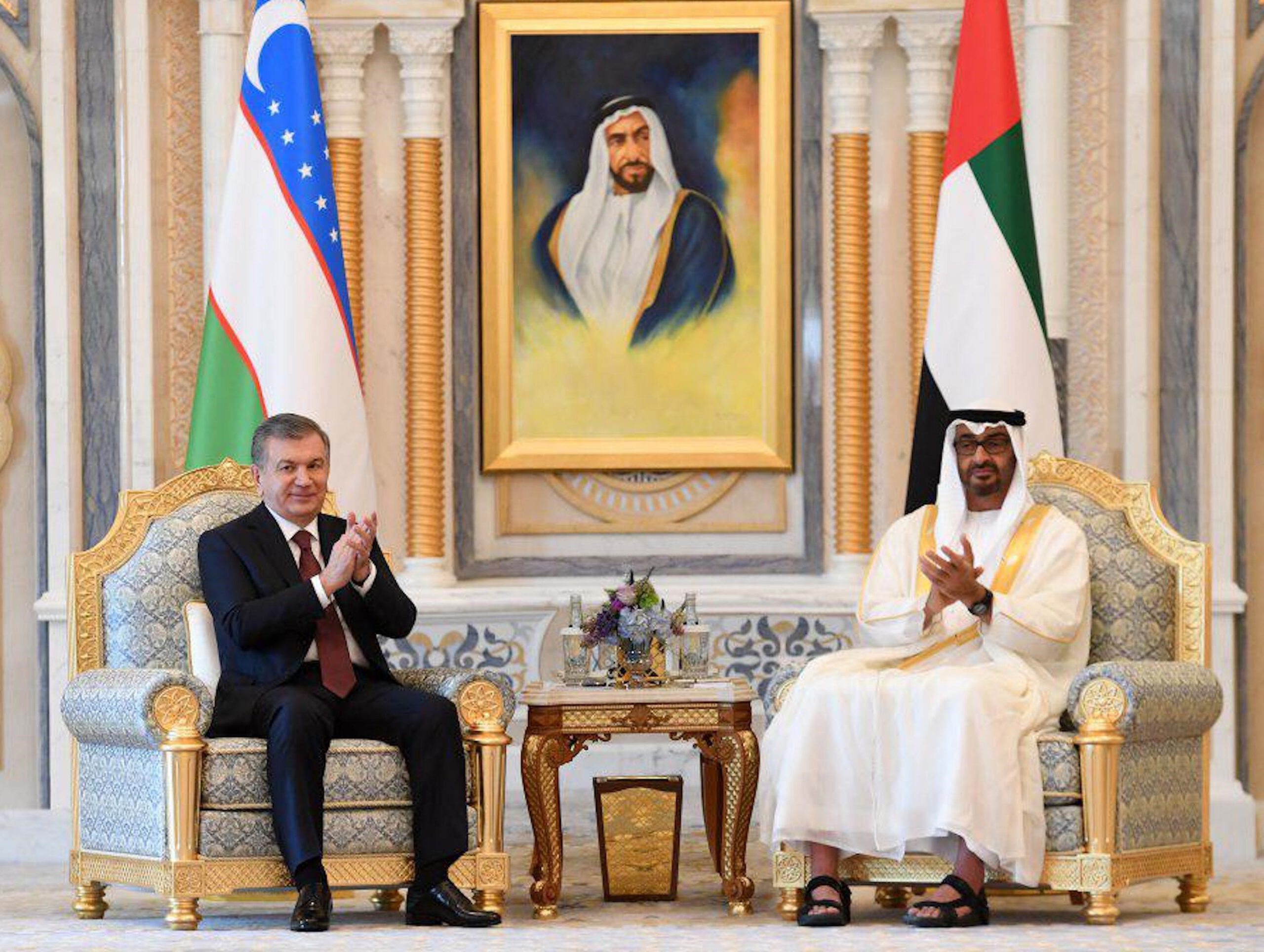
Until two decades ago, Central Asia was a Russian playground. With increasing investment from the Gulf and China, however, the landscape has changed. The UAE, specifically, has recently been vying to play a larger role in this muslim-majority region through large investments in infrastructure.
In this week’s Monday Briefing, MEI experts Robert S. Ford, Mirette F. Mabrouk, Nathan Stock, Marvin G. Weinbaum, and Jean-François Seznec provide analysis on recent and upcoming events including the government shakeup in Algeria, Egyptian President el-Sissi’s visit to Washington, rocket attacks from Gaza, Imran Khan’s war against poverty, and a $69 billion merger between Saudi Arabia’s oil and chemical giants.
Lavrov’s Gulf trip highlights Russia’s growing regional role
Russian Foreign Minister Sergei Lavrov made a four-day trip to the Gulf in early March, stopping in Qatar, Saudi Arabia, Kuwait, and the UAE as part of a broader effort to boost Moscow’s ties with the region. Although the Gulf monarchies are traditionally considered of some of the U.S’s closest allies, relations between Russia and the Gulf have improved in recent years and there is potential for further cooperation going forward.
Saudi Arabia’s financial markets and economic development
Jean-François Seznec and Samer Mosis, authors of “The Financial Markets of the Arab Gulf: Power, Politics and Money,” join host Alistair Taylor for a deep dive on Saudi Arabia’s financial markets and the challenges facing its economic development.
Saudi crown prince’s Asia trip showcases checkbook diplomacy and a more assertive foreign policy
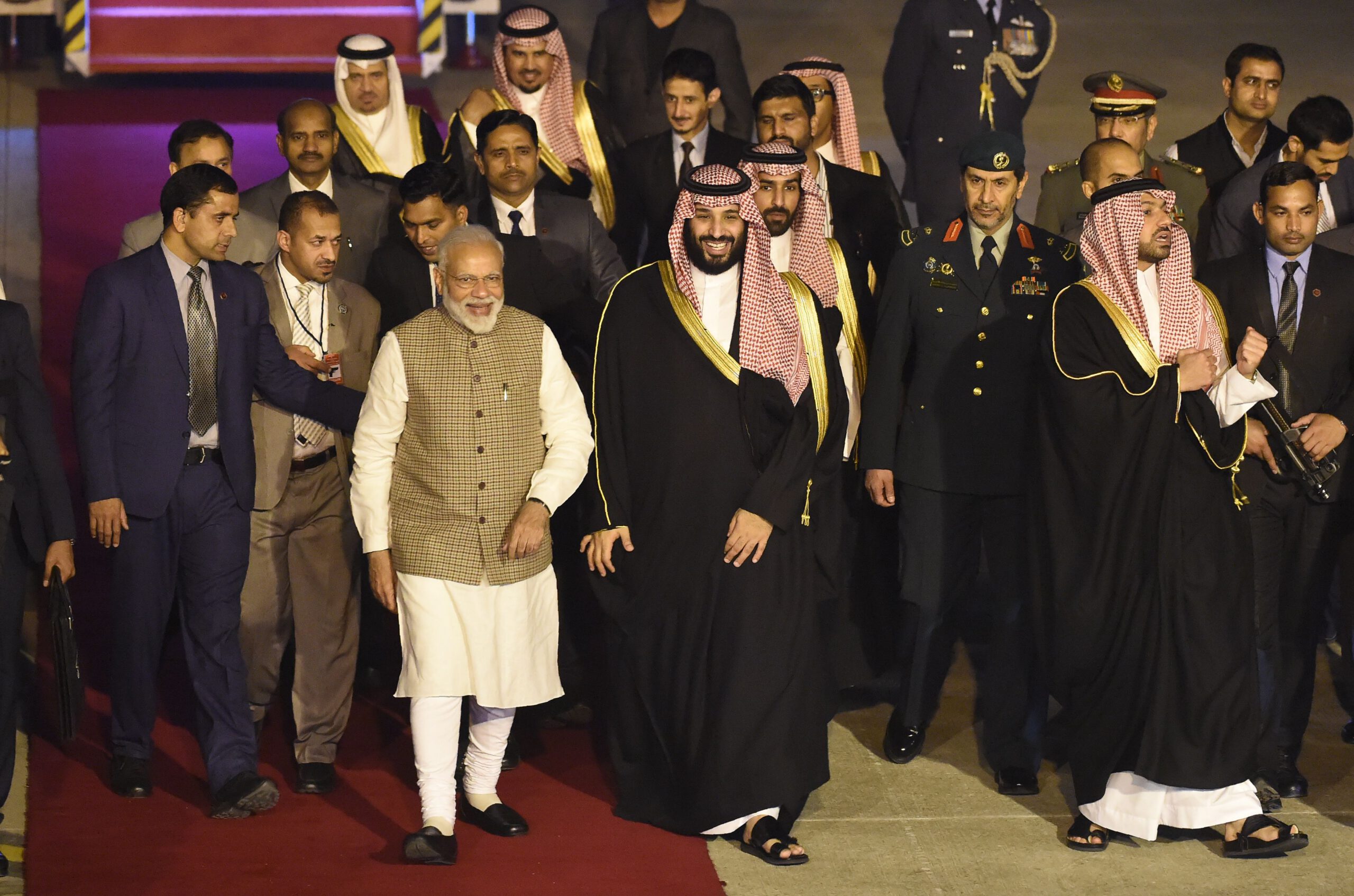
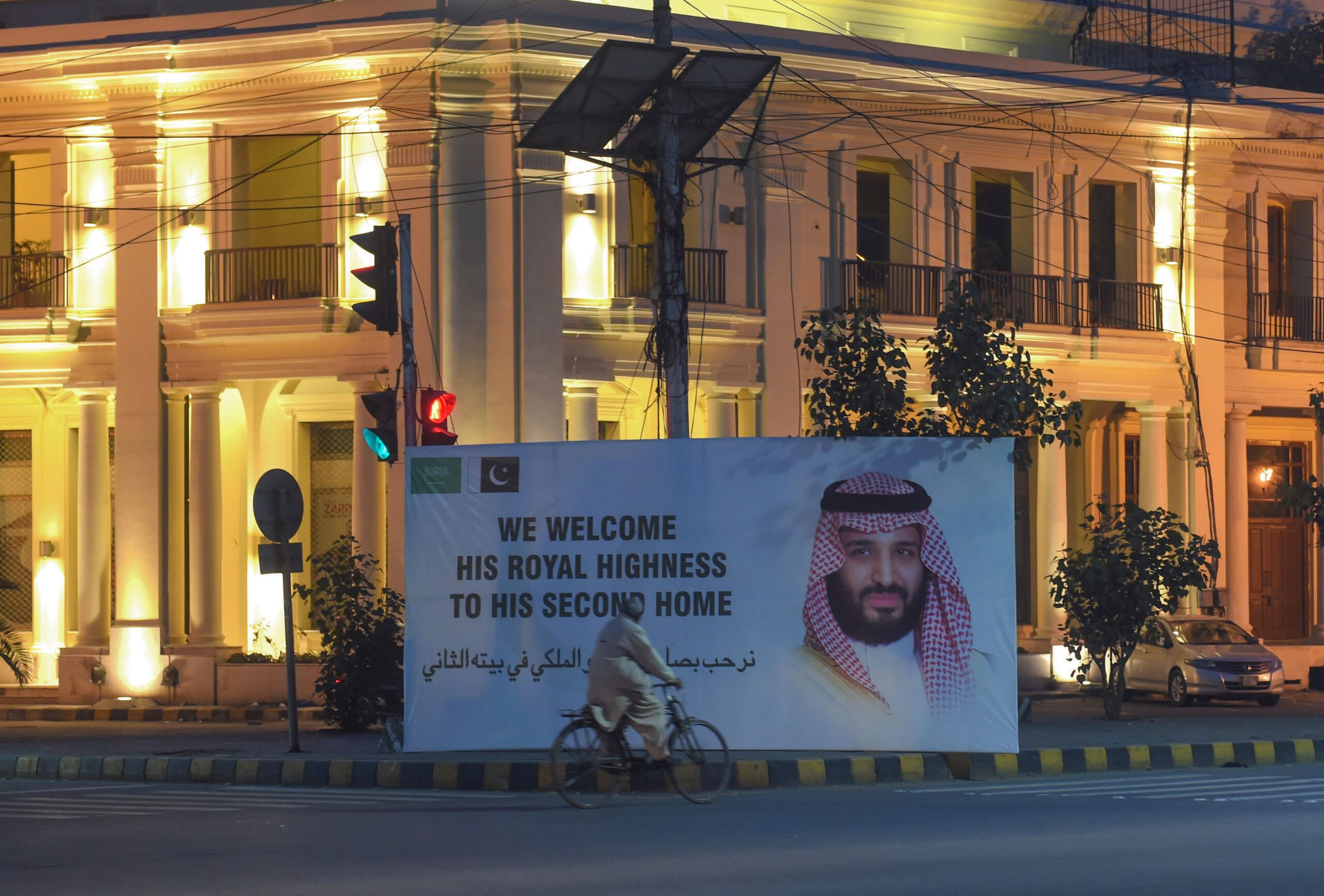
Saudi Crown Prince Mohammed bin Salman has wrapped up another round of checkbook diplomacy, showering up to $100 billion on Pakistan, India, and China during his visit to the three countries in late February. The trip was important for another reason as well: It showcased a new Saudi strategy of playing a more assertive foreign-policy role far beyond the Middle East.
US foreign policy towards the Middle East: Pumping air into a punctured tire
Theorizing the future of the Arab Gulf states and the broader Middle East requires a proper assessment of the state of power distribution in the region. Is there a new balance of power emerging in the Middle East, or is the distribution of power heading in a more dangerous direction?
Mounting tensions between Morocco and Saudi Arabia
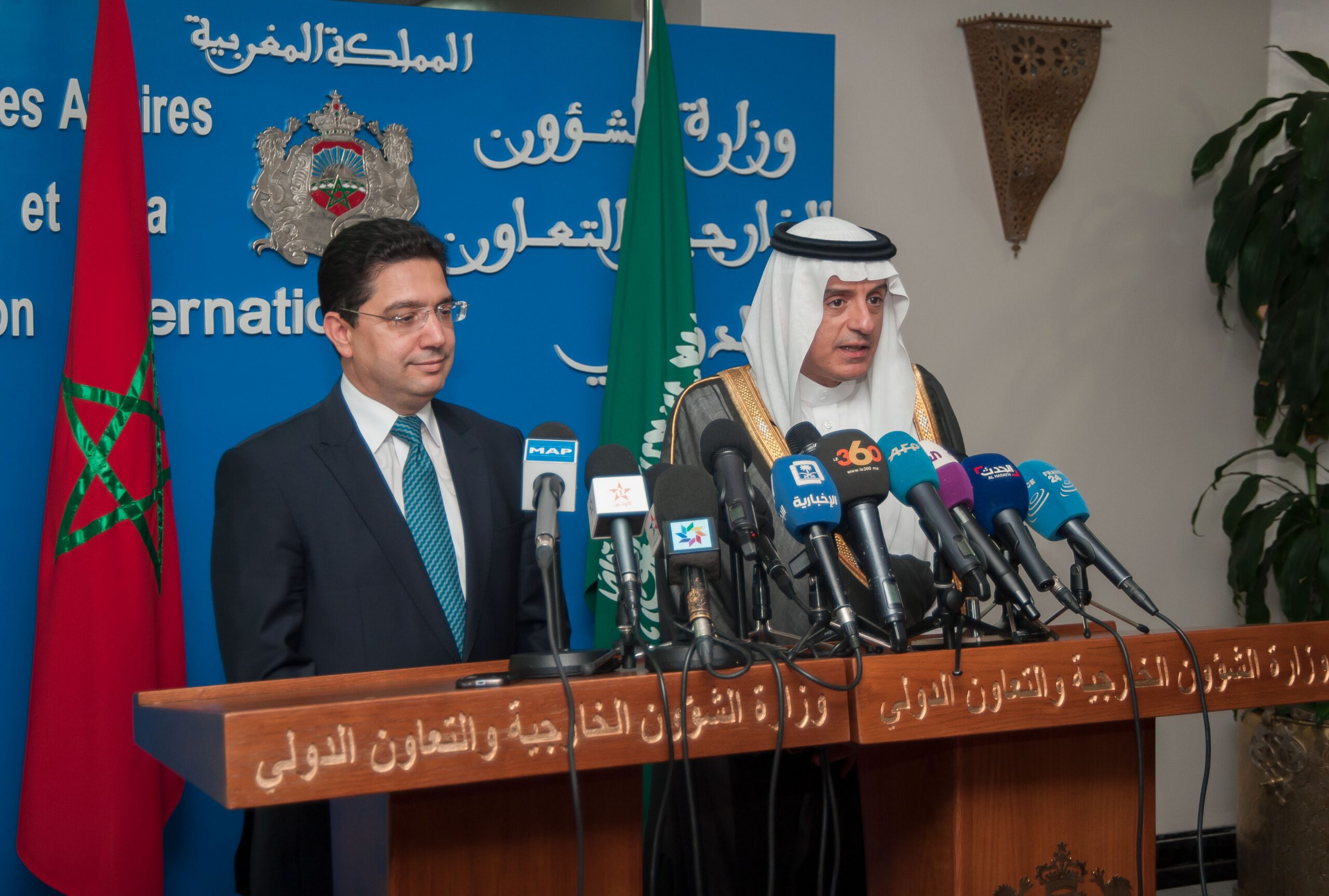
The alliance between Morocco and Saudi Arabia has historically been strong, bolstered by shared concerns about regional turmoil in the aftermath of the 2011 Arab Spring protests, but recent tensions have brought bilateral relations to an all-time low. Last month, frictions between Rabat and Riyadh came to the fore when Morocco recalled its ambassador from Saudi Arabia.
Monday Briefing: Egypt hosts first EU-Arab League summit
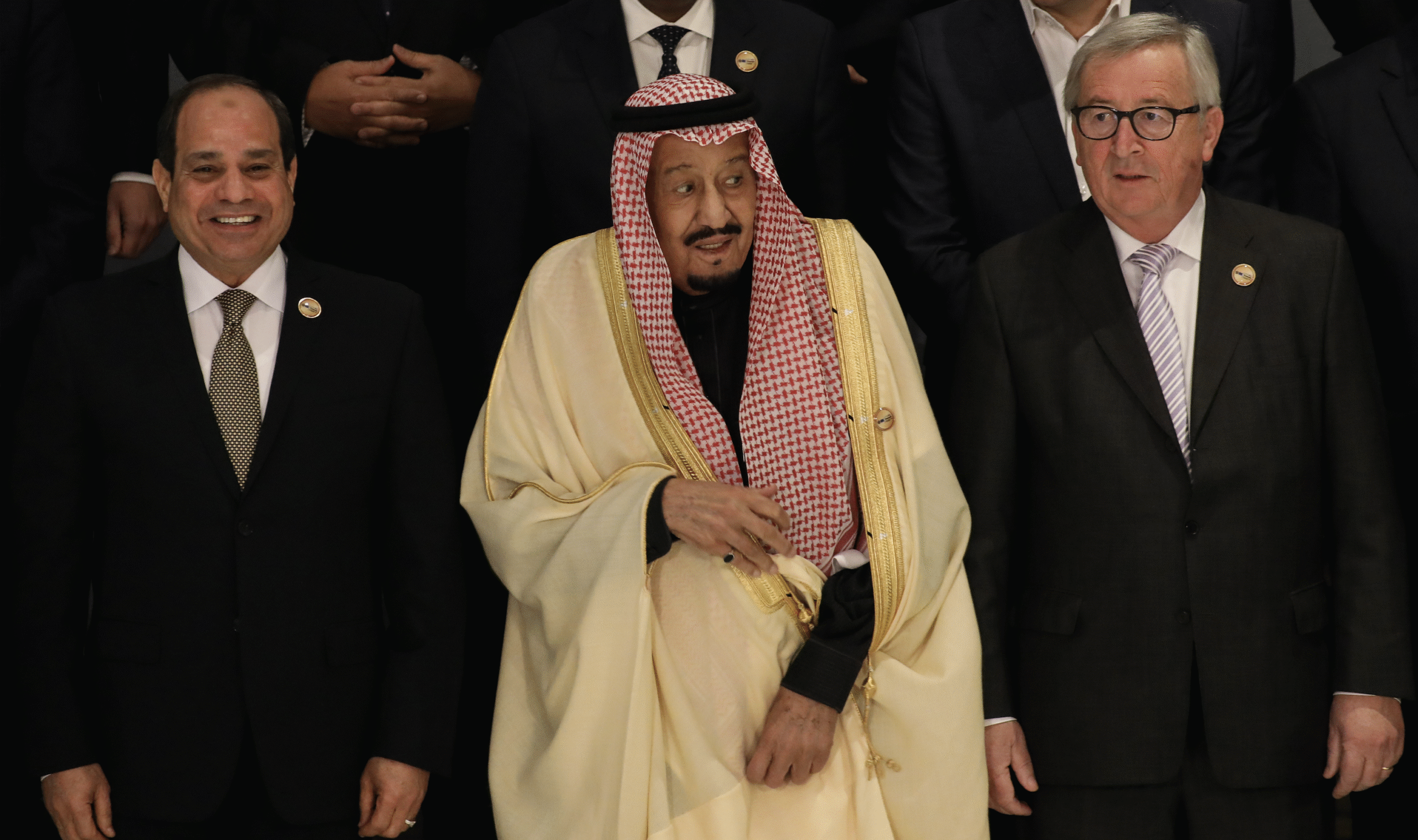
In this week’s Monday Briefing, contributors Mirette F. Mabrouk, Gerald Feierstein, Marvin G. Weinbaum, Przemysław Osiewicz, Grace Wermenbol, and W. Robert Pearson provide analysis on recent and upcoming events including the EU-Arab League summit, the progress in US-Taliban talks, challenges to Israeli Prime Minister Benjamin Netanyahu’s power, consequences of the Kashmir attack, and Turkey’s next steps in Syria.
Weekly Briefing: MBS South Asia swing aims to shore up relations
In this week’s briefing, MEI experts Gerald Feierstein, Charles Lister, Marvin G. Weinbaum, and W. Robert Pearson provide analysis on Saudi-Pakistan relations, Turkish politics in the lead-up to March municipal elections, and the question of what to do with ISIS prisoners after the group’s territorial collapse.
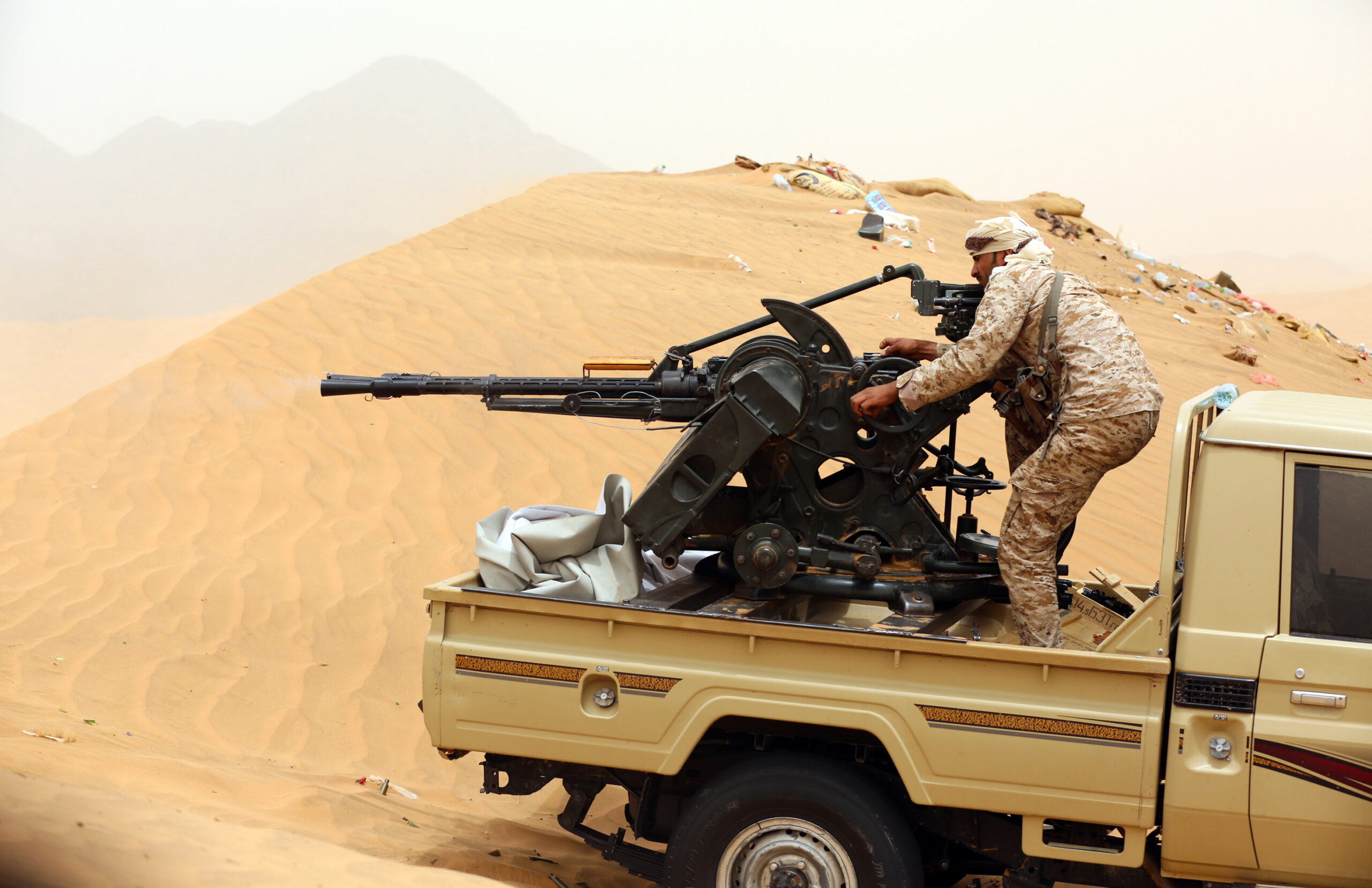
The ongoing civil conflict in Yemen is a continuation of a cycle of violence, political upheaval, and institutional collapse, caused by the failure of Yemeni society to address and resolve the popular anger and frustration arising from political marginalization, economic disenfranchisement, and the effects of an extractive, corrupt, rentier state.
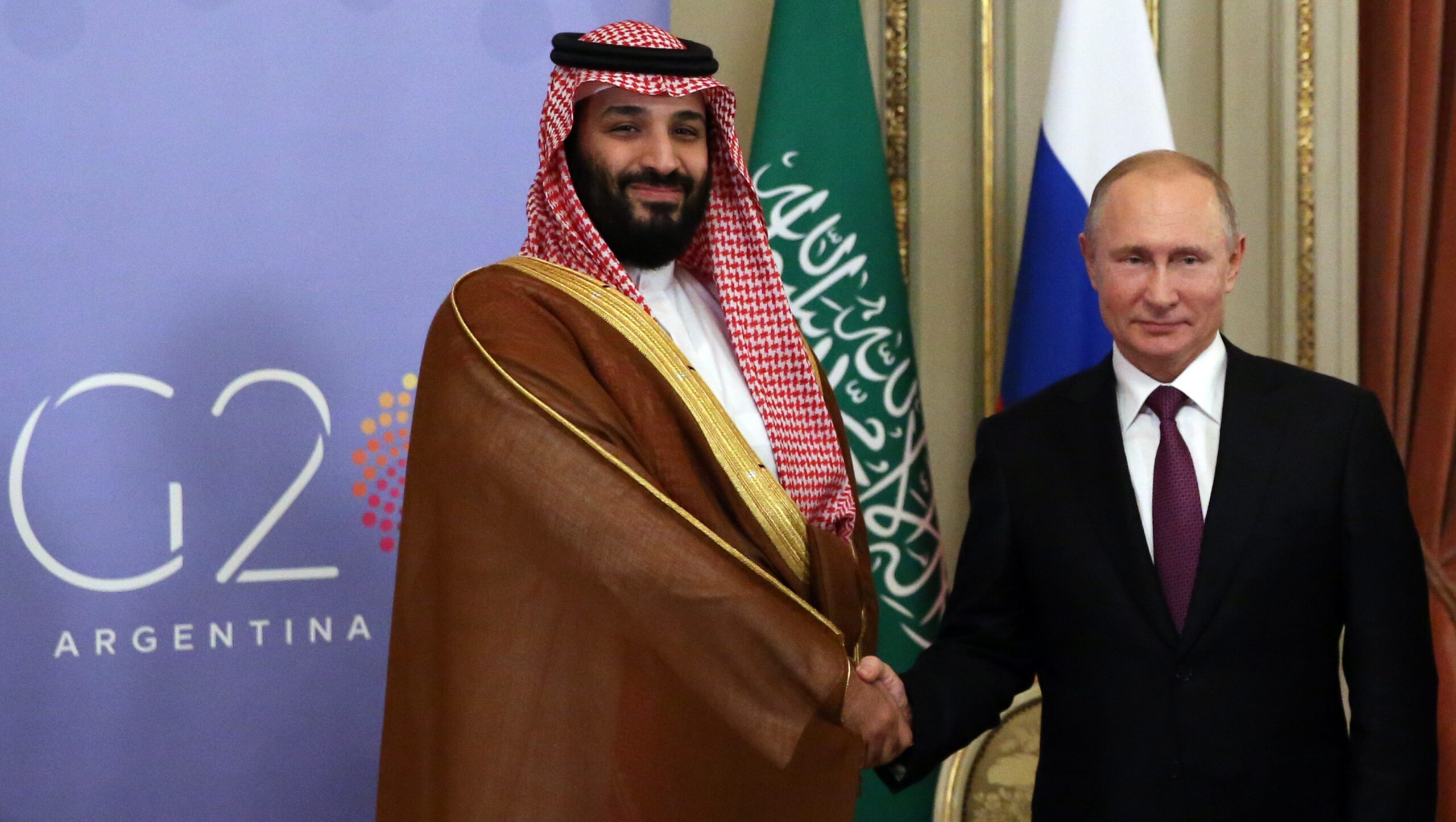
Growing ties with Russia could strain Saudi-US relations
With more of their geopolitical goals aligning, ties between Riyadh and Moscow are growing closer, and the kingdom plans to invest billions of additional dollars in Russian petroleum and other projects.
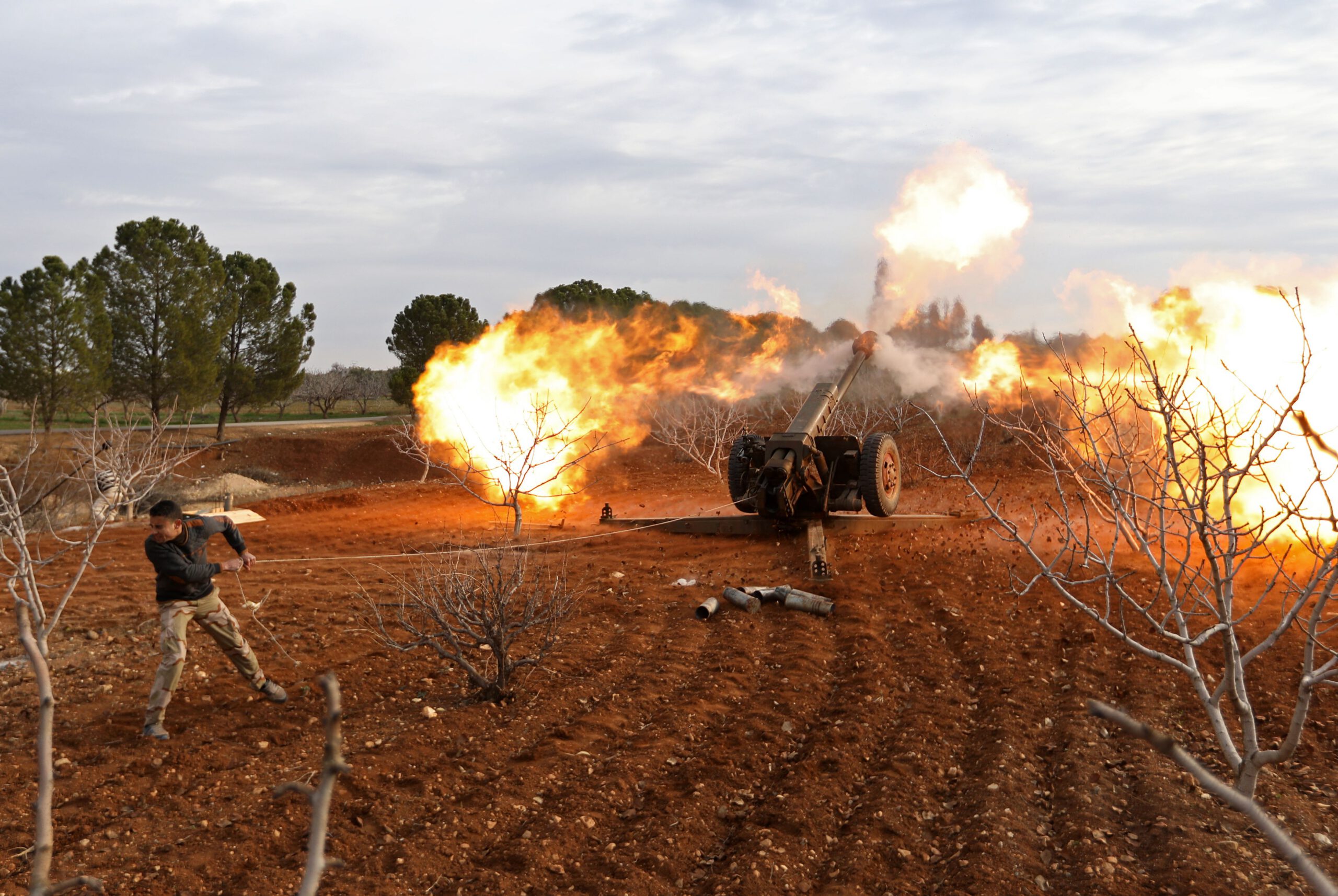
The Global and Regional Geopolitics of Civil War in the Middle East
Power dynamics between the major global and regional powers have indirectly influenced the civil wars currently plaguing the Middle East. The distribution of power caused by end of the Cold War facilitated the creation of two opposing camps that later competed for regional primacy in the civil wars of Iraq, Syria, and Yemen.
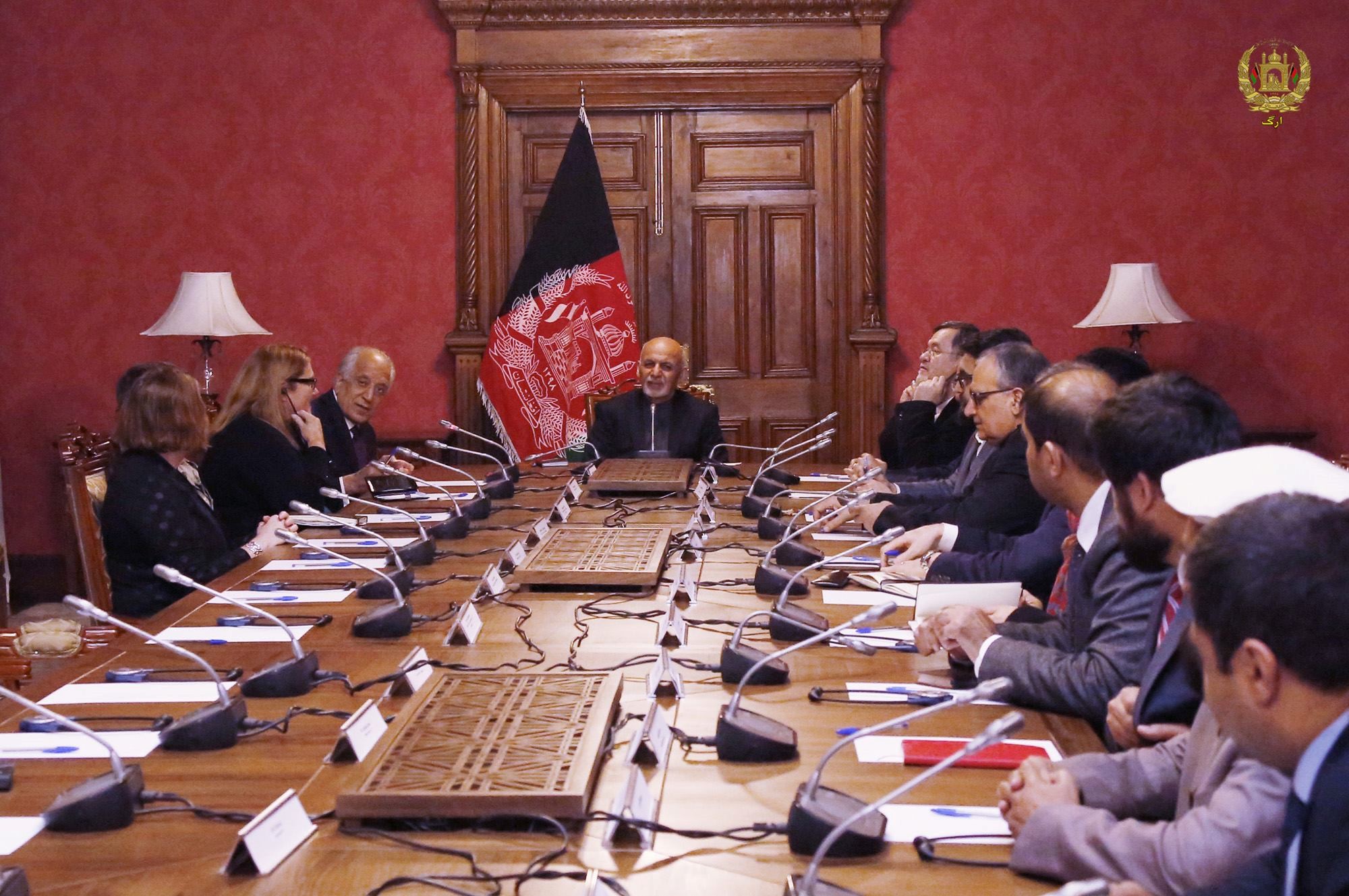
Monday Briefing: US-Taliban talks progress, but major obstacles remain
In this week’s Monday Briefing, MEI experts Ahmad Majidyar, Marvin G. Weinbaum, Randa Slim, Paul Salem, and Guney Yildiz provide analysis on recent and upcoming events including U.S. negotiations with the Taliban in Afghanistan, a warning sent to Israel by Hezbollah leader Hassan Nasrallah, the Sudanese president’s appeal for external support, Turkish-Syrian diplomacy, and Pakistan’s acceptance of Gulf aid.