From rivalry to partnership: Managing climate risks through regional collaboration
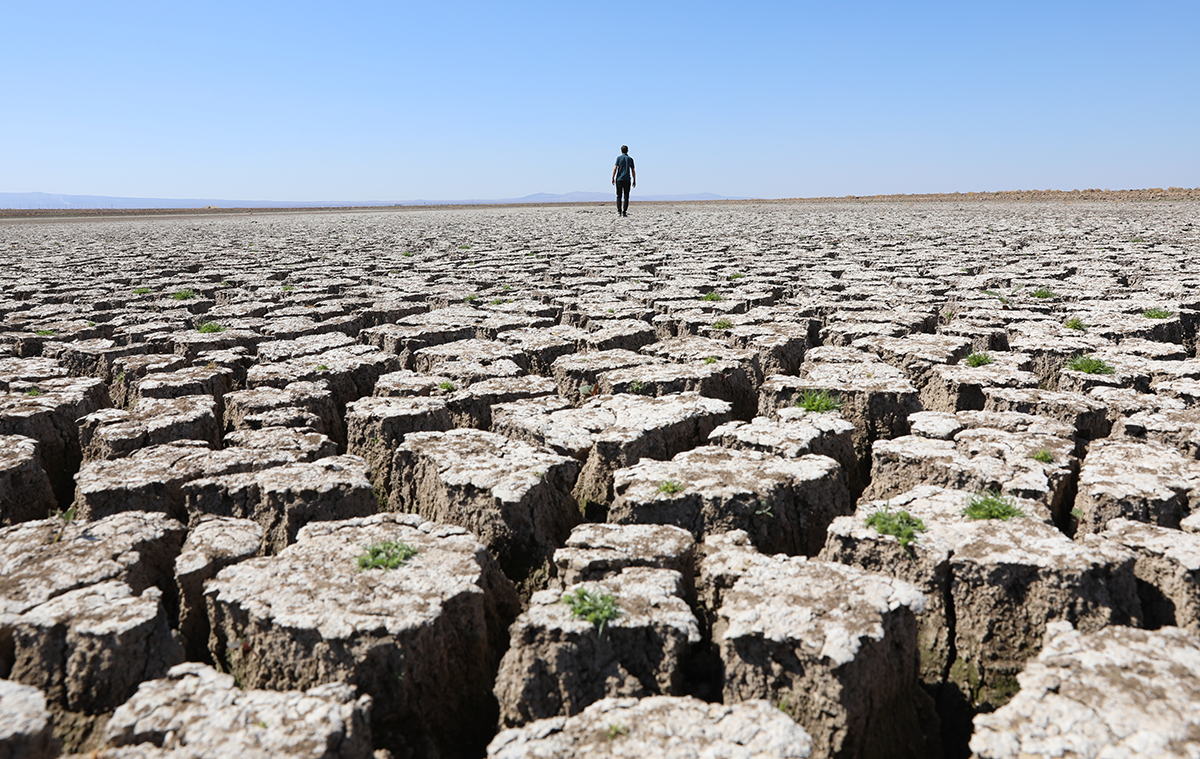
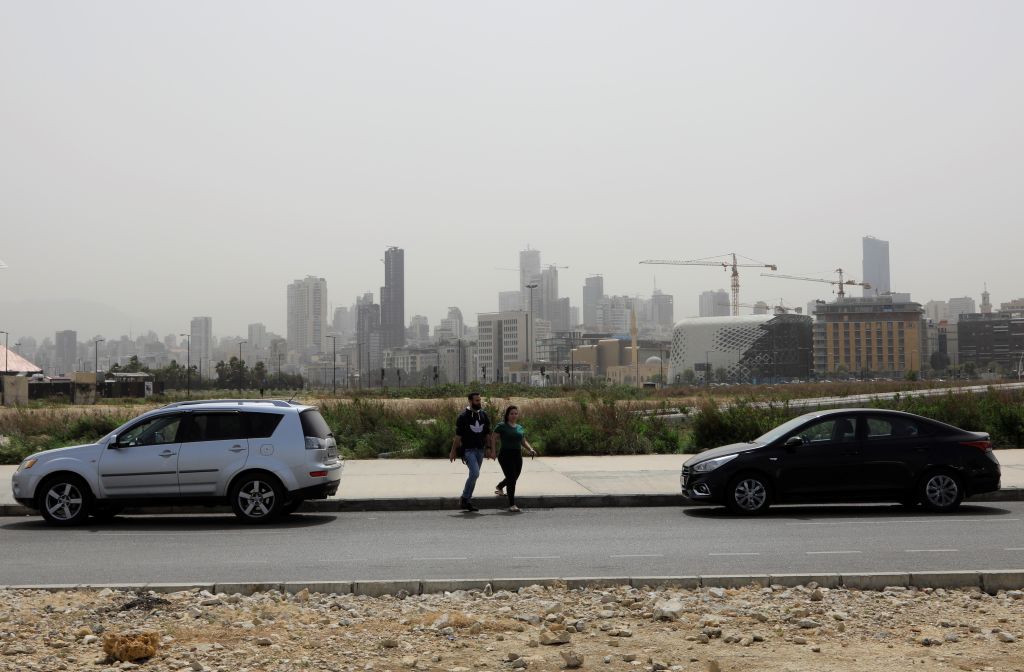
Countries across the region face similar climate risks and impacts, but tensions and socio-economic challenges have hampered regional collaboration and collective efforts to tackle climate change. One way to address this problem and to circumvent poor policy coordination is through technical research and knowledge-sharing.
Five things the United States knew about the Nakba as it unfolded
An estimated 750,000 Palestinians were either driven from their homes or fled during the Nakba in 1948. To counter attempts at Nakba denial and “memoricide” by U.S. politicians and others, it is instructive to review the archives of U.S. diplomats stationed in Palestine and surrounding Arab countries who witnessed the Nakba unfold and reported back on the magnitude and gravity of Israel’s dispossession of Palestine’s indigenous inhabitants.
Israel’s fight to define the right matters for US security
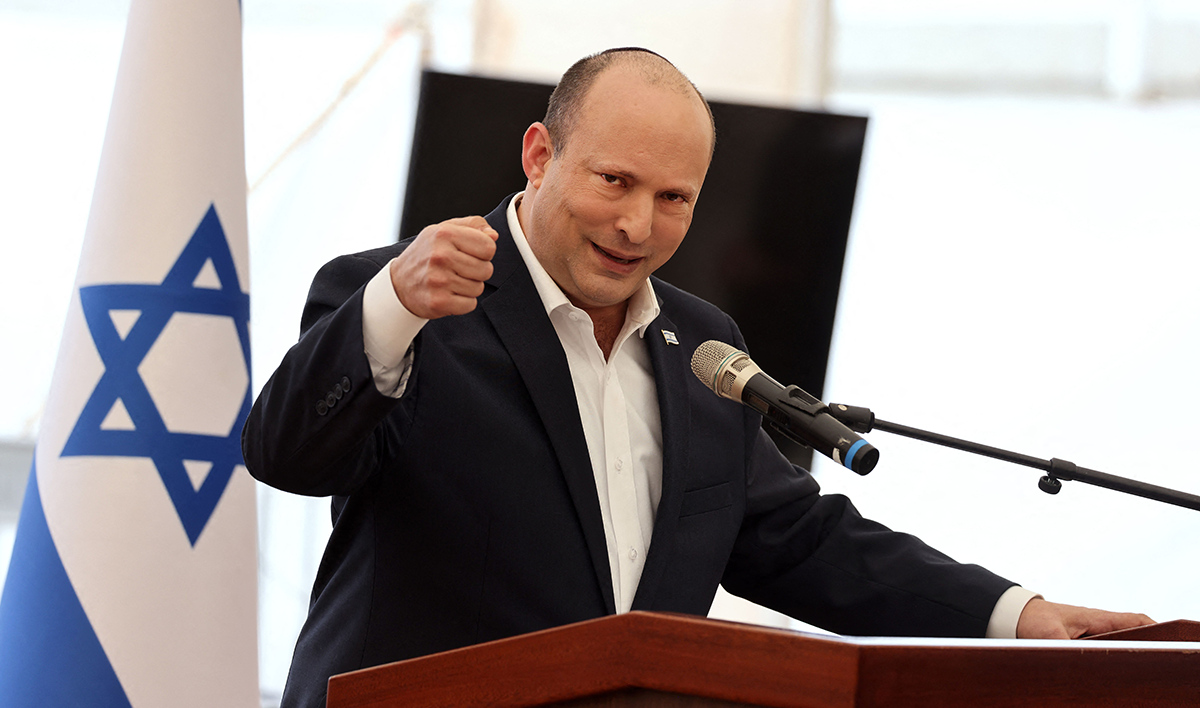
The Israeli government is in the midst of a fight to define what it means to be on the “right” politically in Israel, and this has important implications for U.S. security policy in the Middle East. The United States’ support for Israel is a defining pillar in its Middle East policy, and the decisions made by this fragile Israeli government could have ramifications that affect the security landscape of the entire region. There are small policy shifts the U.S. can make now to lessen the security impacts of those changes.
The CMF-153: Rebuilding US-GCC confidence through maritime security
Efforts to restore confidence between the U.S. and the Arab Gulf states took a first step with the recent formation of a new naval task force, known as the Combined Maritime Forces-153 (CMF-153), to improve maritime security in the Red Sea, Bab el-Mandeb, and the Gulf of Aden, including the hotspot of Yemen. Established in mid-April, the new task force intends to target weapons smuggling for Ansar Allah, as the Houthi militias are officially known, as well as human trafficking and the drug trade.
هزینه سنگین حمایت حزب الله برای اقتصاد و امنیت ایران
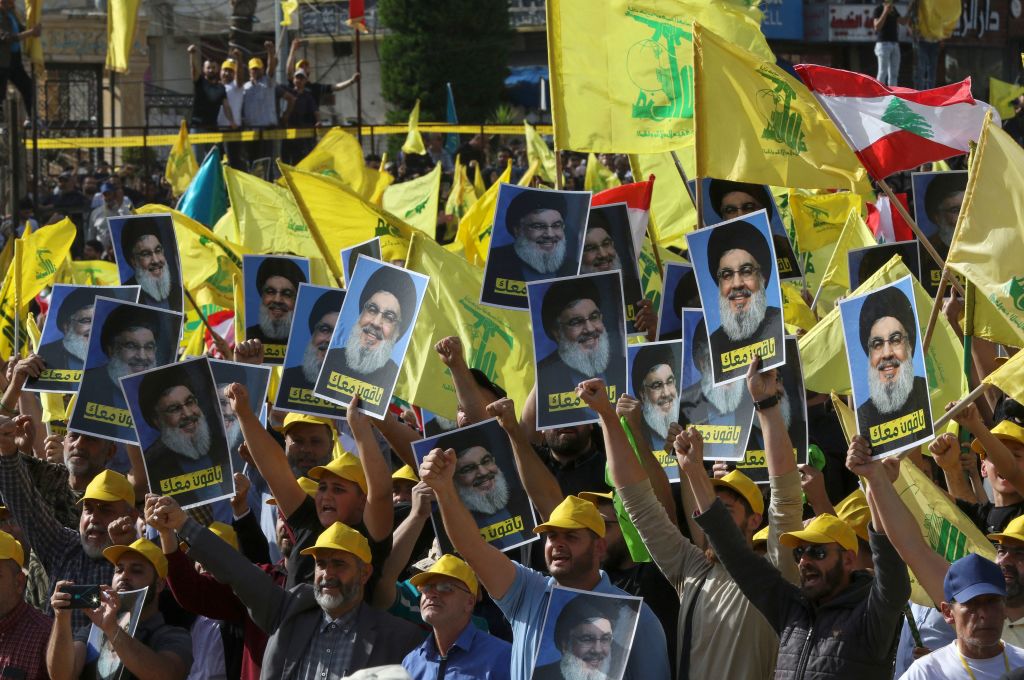
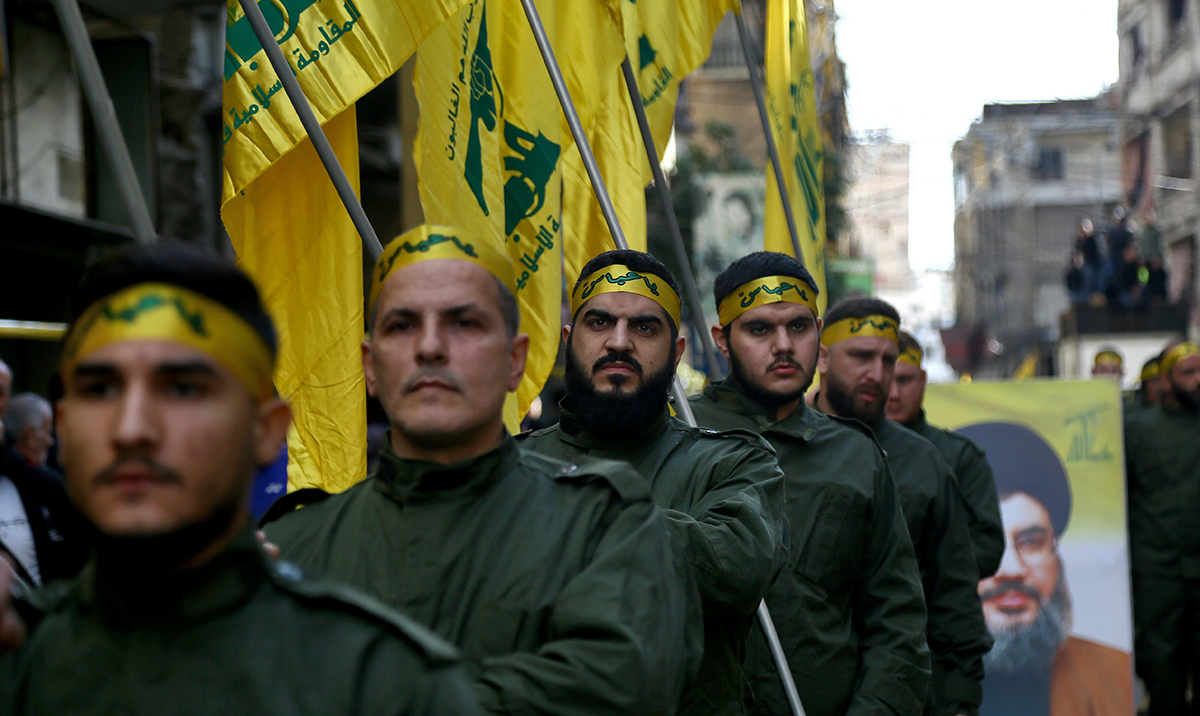
در جمهوری اسلامی ایران, این فرضیه وجود دارد که حمایت از سازمان حزب الله در لبنان, امنیت و قدرت بازدارندگی ایران را افزایش داده است. در عین حال, شواهد و قرائنی وجود دارند که نتایج انان برعکس این فرضیه را نشان می دهند.
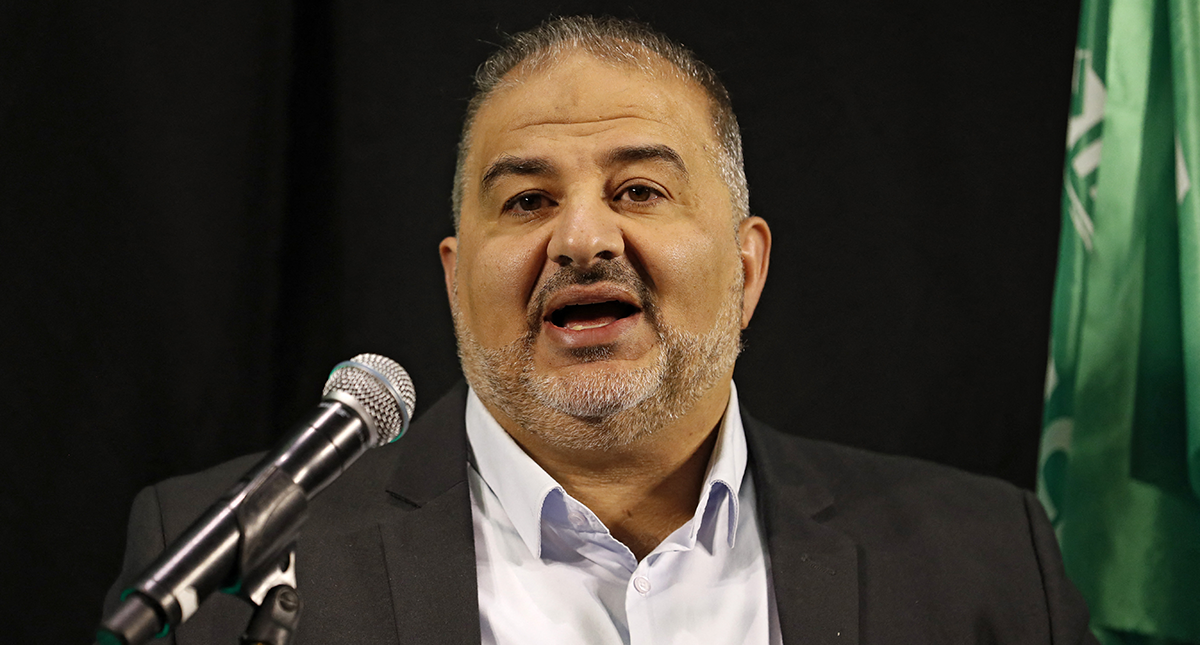
What’s driving Mansour Abbas and Ra’am’s strategy?
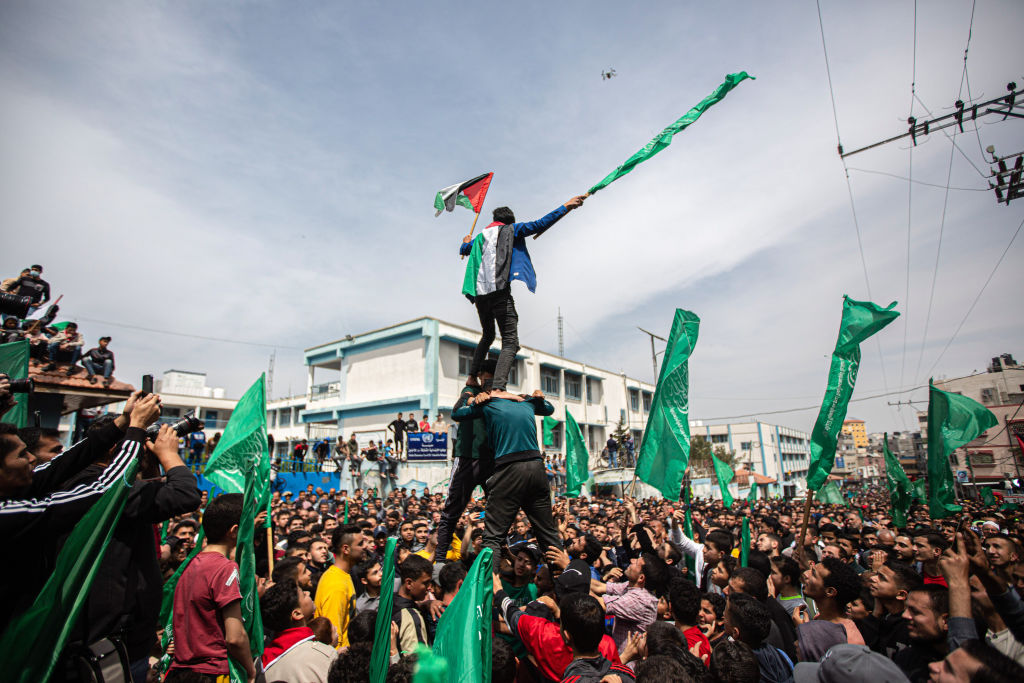
The United Arab List (Ra’am) political party and its chairperson, Knesset Member Mansour Abbas, have come under fire recently from Hamas Gaza head Yahya Sinwar and other Palestinian leaders for supporting Israel’s governing coalition, particularly in light of the violence at al-Aqsa Mosque over the past month. What accounts for the party’s position and what is it hoping to achieve?
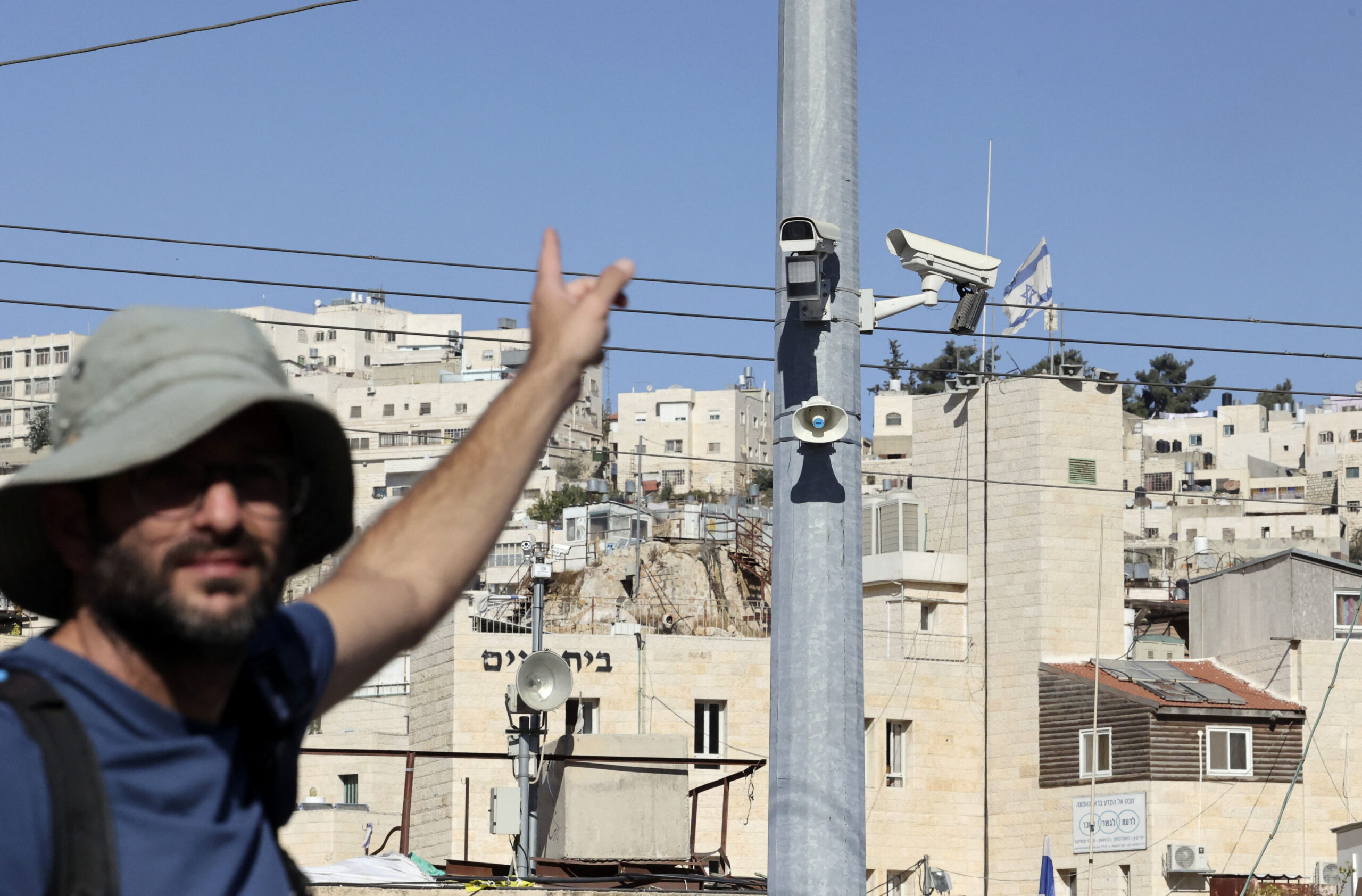
Nowhere to hide: The impact of Israel's digital surveillance regime on the Palestinians
Over the course of 2020 and 2021, groundbreaking investigations revealed in stark detail Israeli authorities’ intensifying use of surveillance and predictive technologies to police and control Palestinians. Subjecting Palestinians to such scrutiny from security and military apparatuses narrows their expressive spaces and plunges them into a state of constant anxiety. This practice also carries out a commercial purpose: Occupied Palestine effectively functions as an open-air laboratory for Israel to test techniques of espionage and surveillance before selling them to repressive regimes around the world.
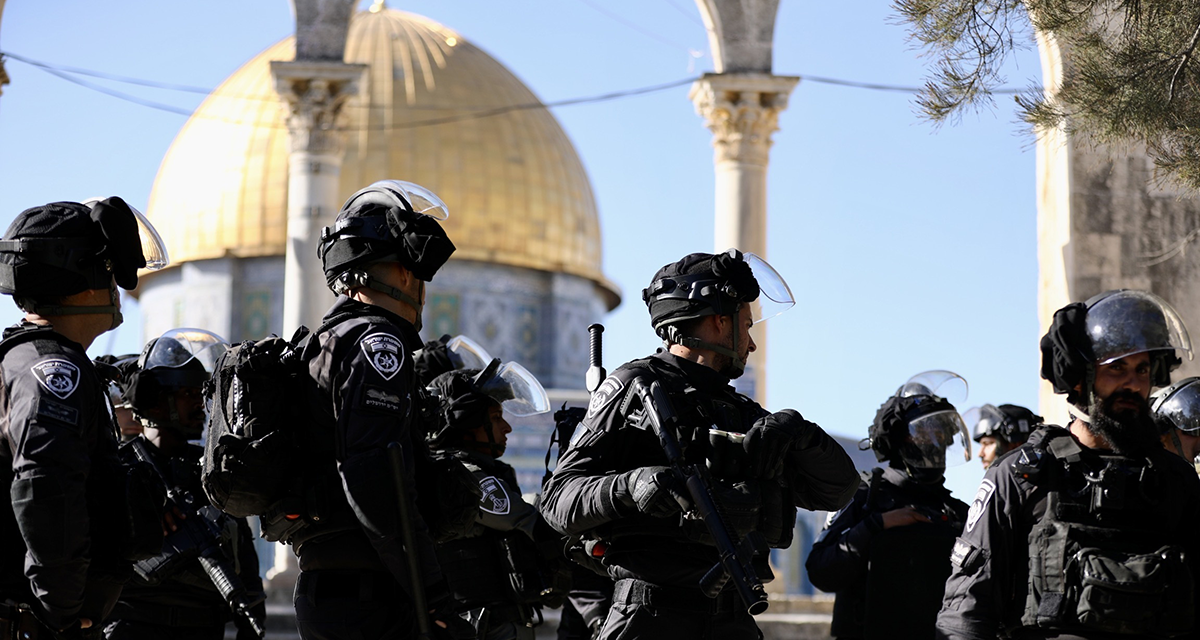
Why the latest escalation in the West Bank and East Jerusalem is unlikely to lead to a repeat of last year’s Gaza war
While the events now taking place in Jerusalem and the West Bank are very similar to those of May 2021, the political contexts are different on all sides. Although Israel carried out an airstrike on April 18 following rocket fire from the Gaza Strip, the situation is unlikely to lead to a repeat of last year’s Gaza war.
What would an Arab-Israeli military alliance mean for Iran?
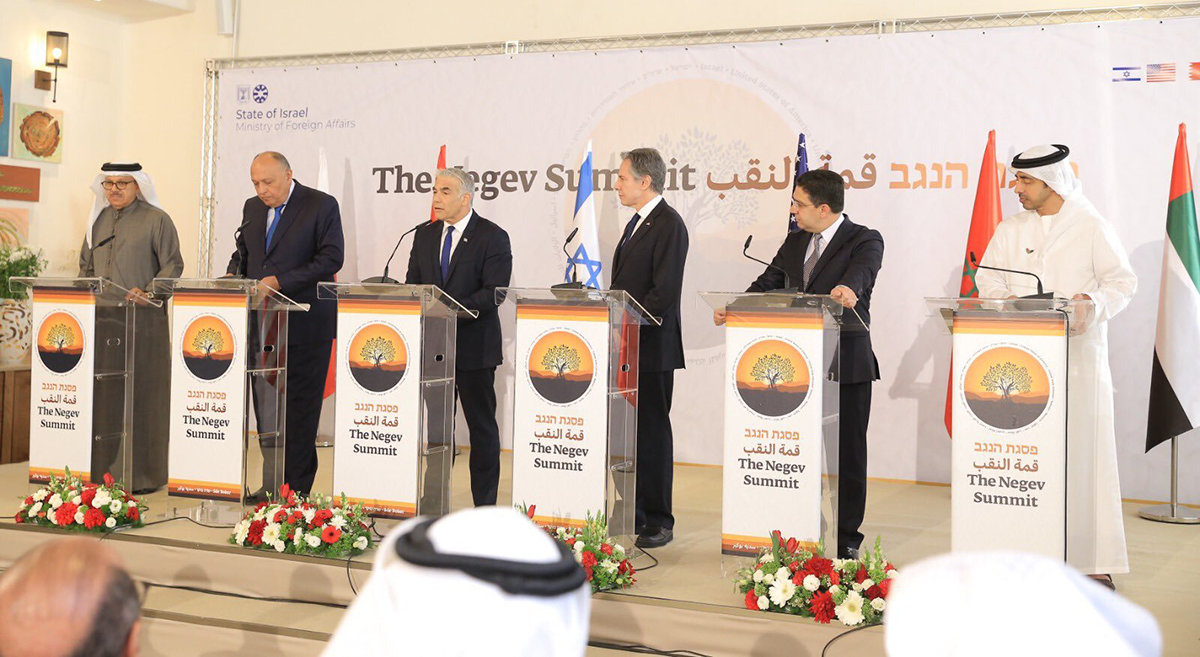
In recent remarks, the Israel Defense Forces’ (IDF) Chief of Staff Aviv Kochavi announced preparations for a potential upcoming military operation, foreshadowing a possible move against Iran. Kochavi’s announcement came shortly after Israel and the foreign ministers of four Arab nations — Morocco, Egypt, the UAE, and Bahrain — along with U.S. Secretary of State Antony Blinken, met at the Negev Summit in the Israeli desert to lay the foundation for a strategic military alliance to deter “Iran and its associated militias,” as Israeli Foreign Minister Yair Lapid put it.
Host Alistair Taylor speaks with Khaled Elgindy and Lara Friedman about the release of their recently completed 2022 congressional briefing series on Israel and Palestine: Hot topics in Congress. The eight-part webinar series features an array of Palestinian and Israeli voices, weighing in on some of the most pressing and timely Israel/Palestine-related topics in Congress.
How will the war in Ukraine affect EU-MENA relations?
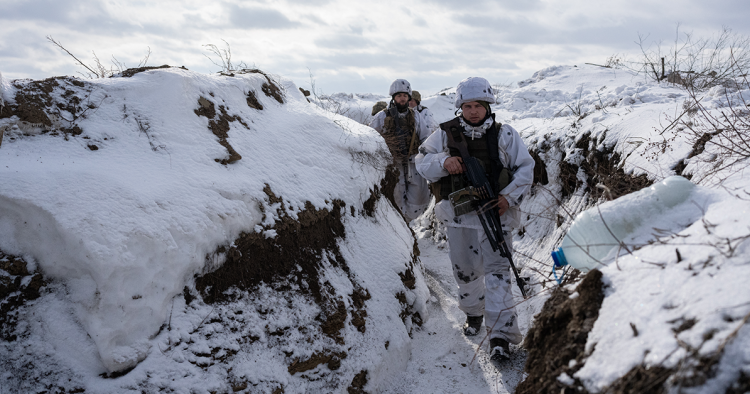
While most analyses of the war in Ukraine have tended to focus on the intra-European dimension, it is worth exploring the potential consequences of this conflict for the EU’s relations with countries further afield, especially those in the Middle East and North Africa.