Are Turkey and Russia bracing for conflict in the South Caucasus?
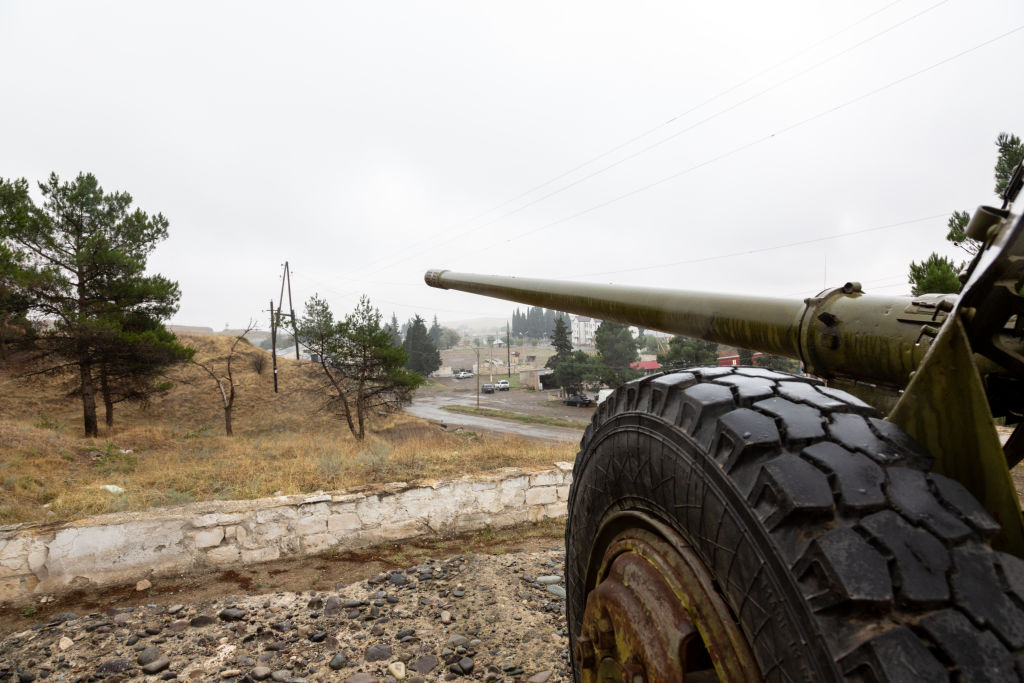
On July 12, the Armenian and the Azerbaijani armed forces started a border skirmish. Fighting went on for several days, leaving at least 16 dead in its wake. Remarkably enough, the two sides are facing off outside the disputed region of Nagorno-Karabakh, the usual flashpoint. This time around the flare-up took place well to the north, where Armenia’s Tavush region meets Azerbaijan’s Tovuz district. It is little wonder then that the crisis caught Turkey’s attention.
Azerbaijan-Armenia clashes put an end to cautious optimism
On July 12, military clashes broke out between Armenia and Azerbaijan, quickly escalating into the single deadliest incident since the “four-day war” of April 2016. While violent outbreaks between the two sides are common, they usually occur on the Line of Contact around Nagorno-Karabakh and its surrounding territories. This time, however, fighting erupted along the internationally recognized Armenia-Azerbaijan border, far away from the actual conflict zone. With heavy use of artillery, drones, cyberattacks and disinformation – causing at least 17 combined casualties, including a well-known Azerbaijani army general – the violence risked spiraling into a major war.
While the US is not a Black Sea country, it needs to be a Black Sea power
For many policymakers the Black Sea is a secondary consideration when it comes to transatlantic security. A lack of resources by NATO members meant that initiatives taken to bolster territorial defense were limited geographically after Russia’s invasion of Ukraine. At the time, Baltics were seen as the most pressing priority. Instead of bolstering NATO’s frontline from the Baltic to the Black Sea, the alliance instead focused most of its energy and resources on northeastern Europe.
New old dynamics at play in the Armenia-Azerbaijan conflict
There are two countries in Europe which have been at war with one other for three decades. Last week Armenia and Azerbaijan were fighting again. At least fifteen soldiers, including an Azerbaijani general and one civilian, were killed in clashes across their northern border between the towns of Tavush and Tovuz. After a brief lull, firing from heavy weapons resumed on July 16.
HTS and al-Qaeda in Syria: Reconciling the irreconcilable
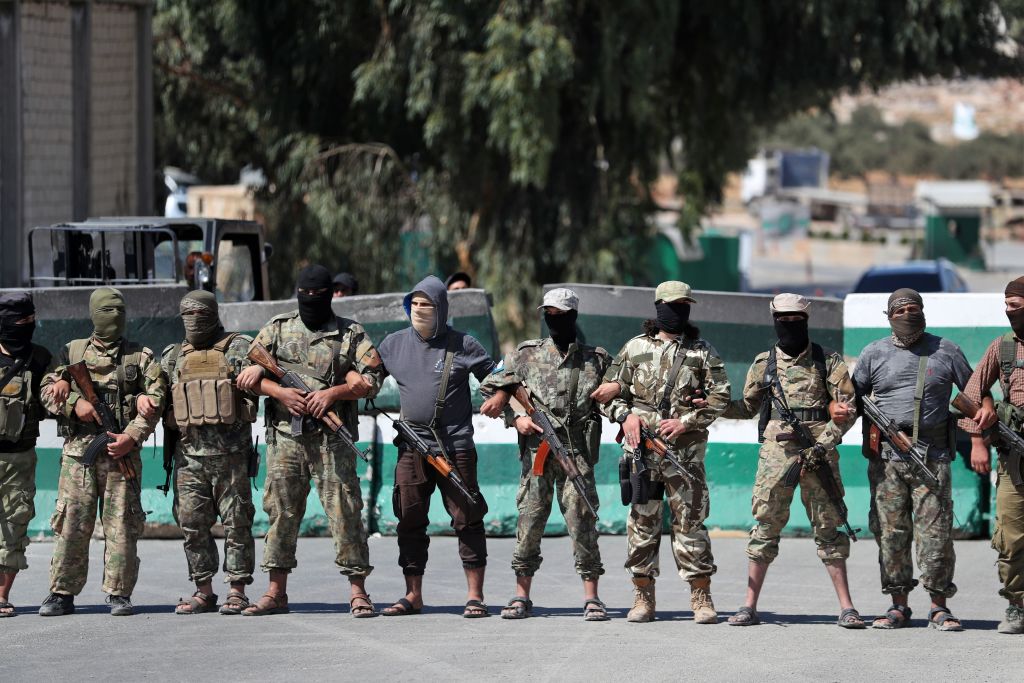
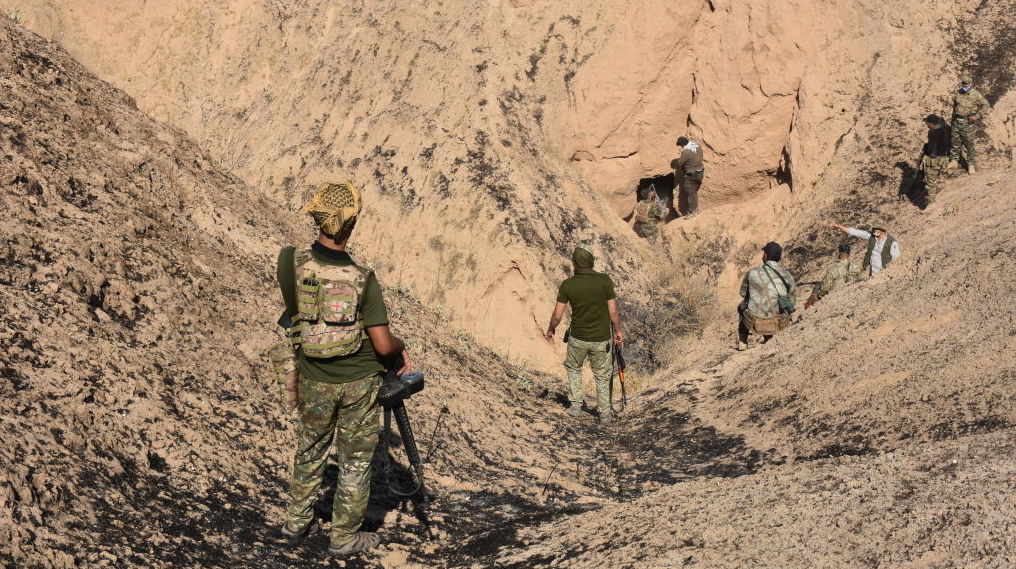
HTS launched multiple raids on SBS, forcing its factions to close their military bases and banning the formation of any new factions or operations rooms. In doing so, it has killed two birds with one stone: demarcating new redlines for its rivals and demonstrating its usefulness to its Turkish “partner” and the international community in their war on terrorism.
Russia’s approach to Responsibility to Protect in the Black Sea and Syria
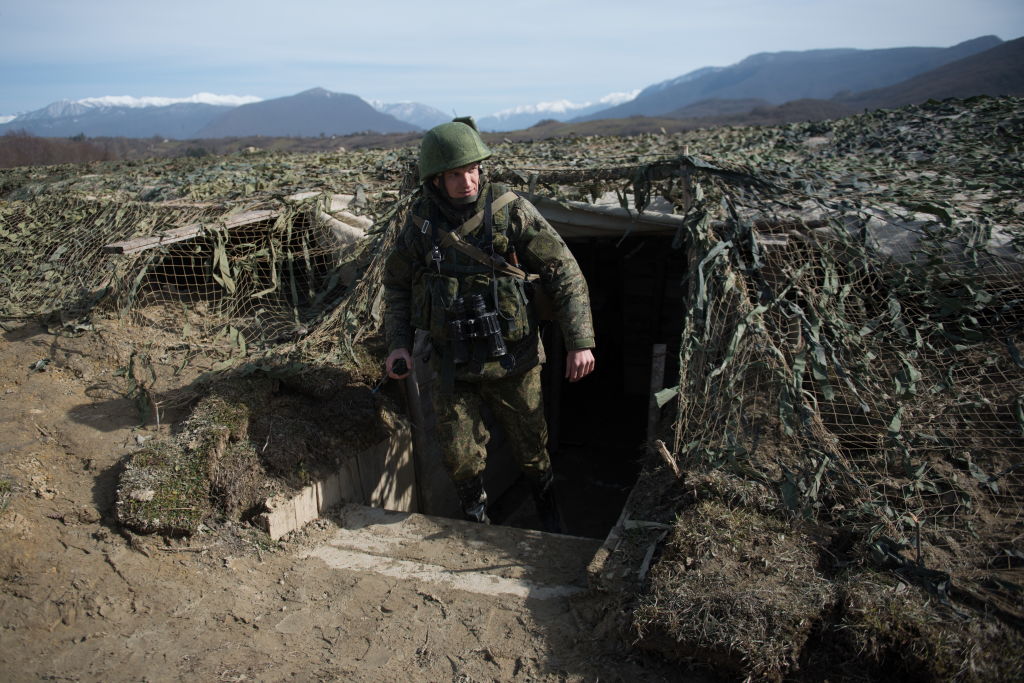
Where most of the international community sees R2P as a mechanism for protecting human rights when a state cannot or will not ensure them, Russia’s take on the same concept focuses on the protection of national sovereignty at any cost. However, Moscow’s commitment to the notion of sovereignty has been selectively applied to the states of the Middle East and the Black Sea.
US-Russia rift exacerbates Afghanistan’s crisis of confidence
Multiple signs point to a crisis of confidence in Afghanistan. Ever since the publication of a sensational report alleging that a Russian military intelligence unit secretly offered bounties to the Taliban to kill American soldiers, there has been an intense debate about the possibility of peace in Afghanistan following the U.S. exit.
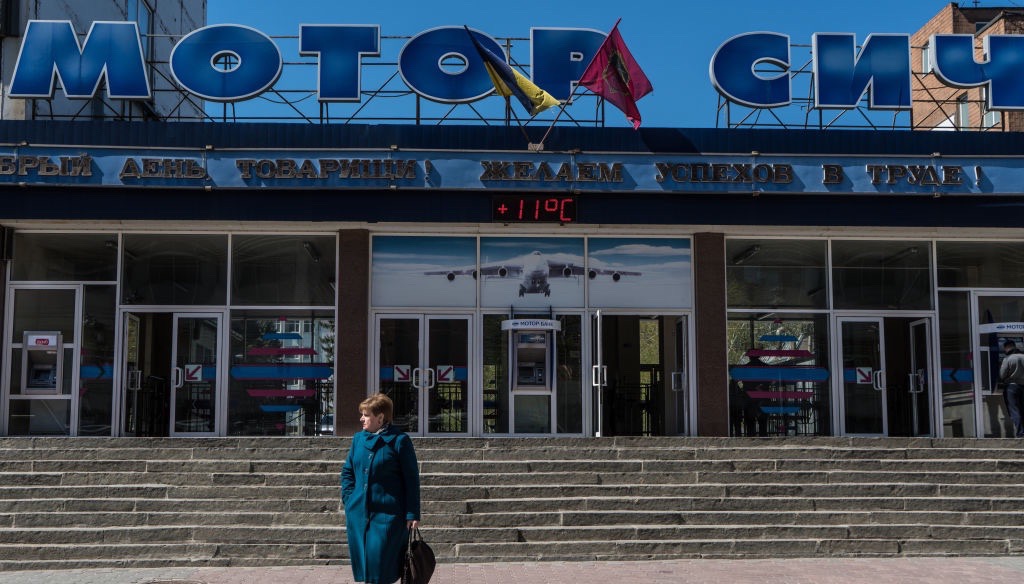
Why Ukraine is a secret weapon for China’s airpower
Name any category of weapons system and then check which countries are working on a design of that kind of weapon and one will make an interesting discovery: the armed forces of the People’s Republic of China (PRC) have more different types and designs of that weapon in development than the rest of the world’s arms producers combined.
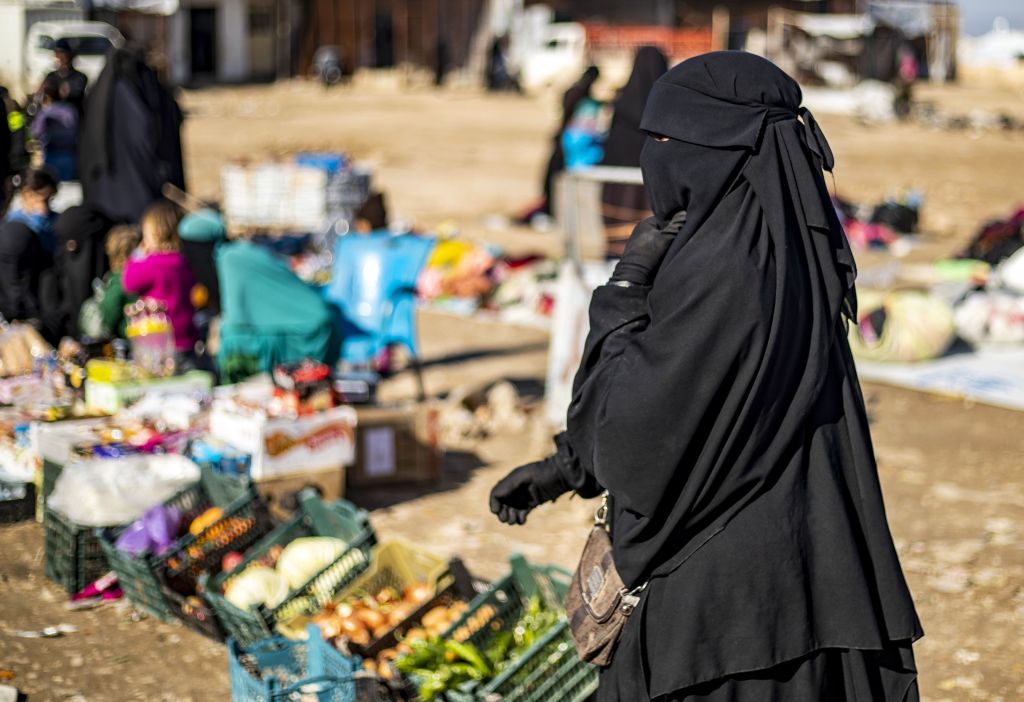
After the fall of ISIS in 2019, many relatives of fighters who were detained or killed, including 10,000 families of foreign fighters, were housed in camps like Roj and al-Hol in territory controlled by the Syrian Democratic Forces. Like any closed society, the foreigners’ annex in al-Hol has its own dynamic and life there is much more complicated than is often portrayed.
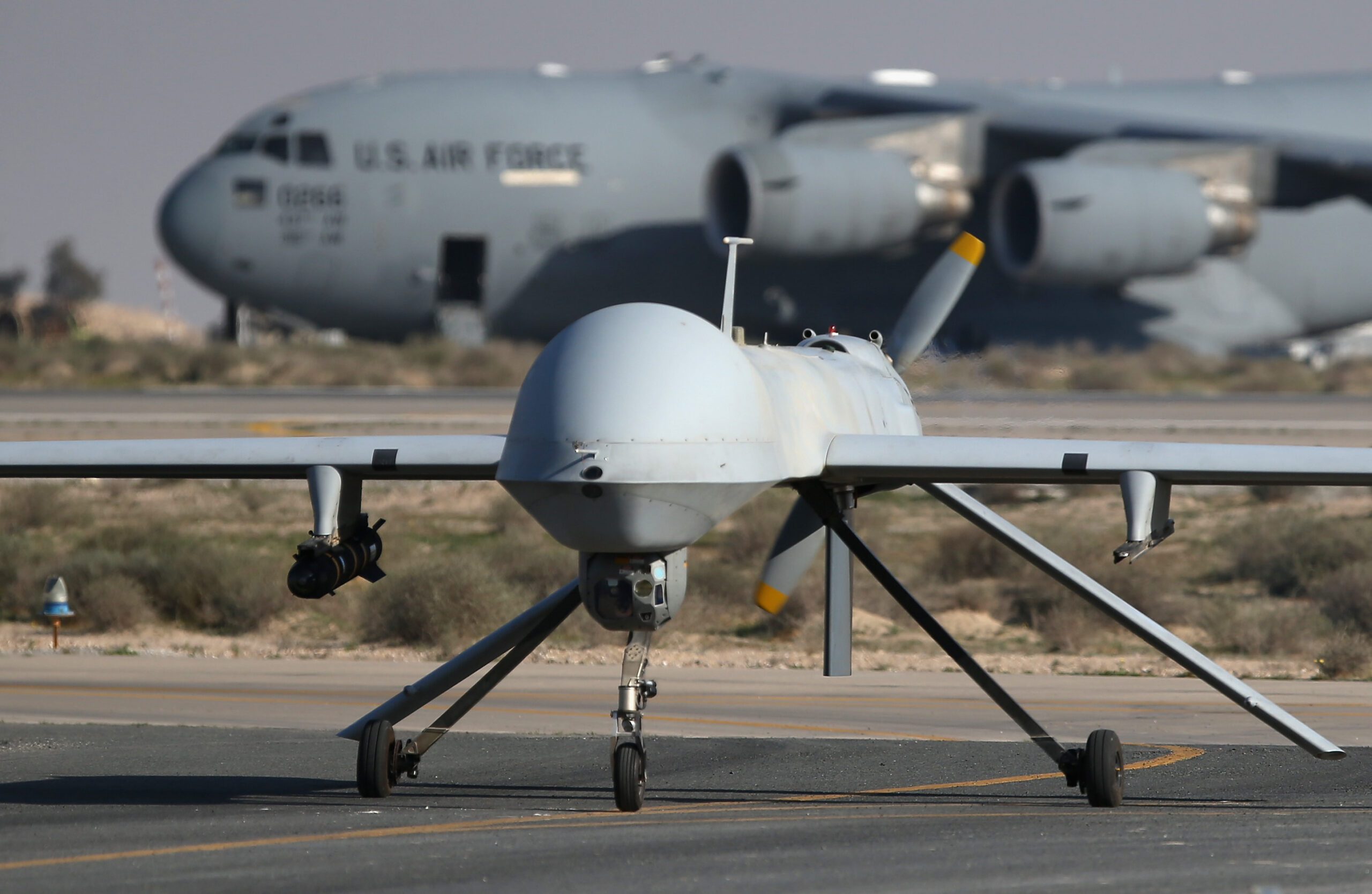
Today’s landscape is dramatically different from that to which we awoke on Sept. 11, 2001. It’s a complex mix of foreign and domestic forces influenced by economic and social conditions that breed extremism which ebbs and flows across physical and cyber space often defined by great power competition. While terrorist groups like al-Qaeda and ISIS have innovated and adapted, U.S. counterterrorism strategy has remained unchanged, fighting yesterday’s war while neglecting present day threats as well as those over the near horizon. America is long overdue to update its counterterrorism strategy and, perhaps more importantly, how we measure success.
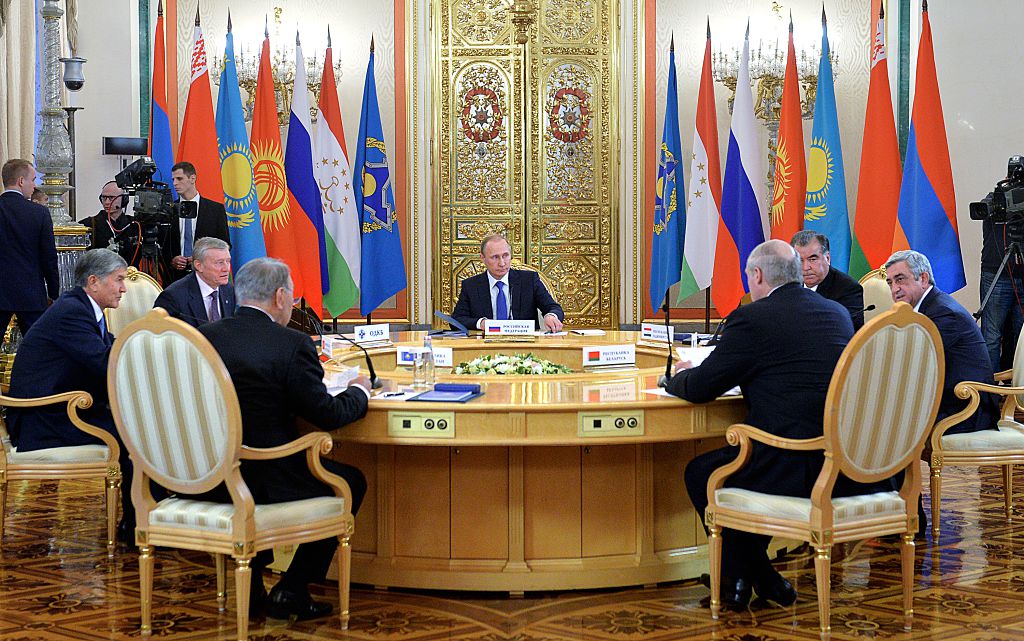
Despite the collapse of the Soviet Union, the newly independent states of the Caspian and Russia are still deeply intertwined in each other’s economies, security, and cultures. Moscow has continued to wield considerable military, political, and economic influence in the region.
Deradicalization Programs for SOSMA, POTA, and POCA Detainees in Malaysia
Counterterrorism strategies can be made more effective by incorporating deradicalization and rehabilitation measures. Deradicalization is a key element of Malaysia’s counterterrorism and violent extremism strategy. This article discusses the Malaysian Government’s multi-stage deradicalization process.
The Black Sea sits at an important economic and civilizational crossroads on the Eurasian landmass. The region contains oil and gas resources, key energy pipelines, shipping lanes, and fiber-optic cables. For Russia, the Black Sea is of particular importance for economic and geostrategic reasons.
Strategic competitors in search of China: The story of Romania and Bulgaria
Romanian and Bulgarian interests have diverged on many occasions throughout history, but their outlooks have recently become more aligned. For one thing, both countries have fostered a competitive dynamic to exploit their advantageous position near the Black Sea, or to join the EU and the Schengen Area. Their narratives regarding China are also similar.