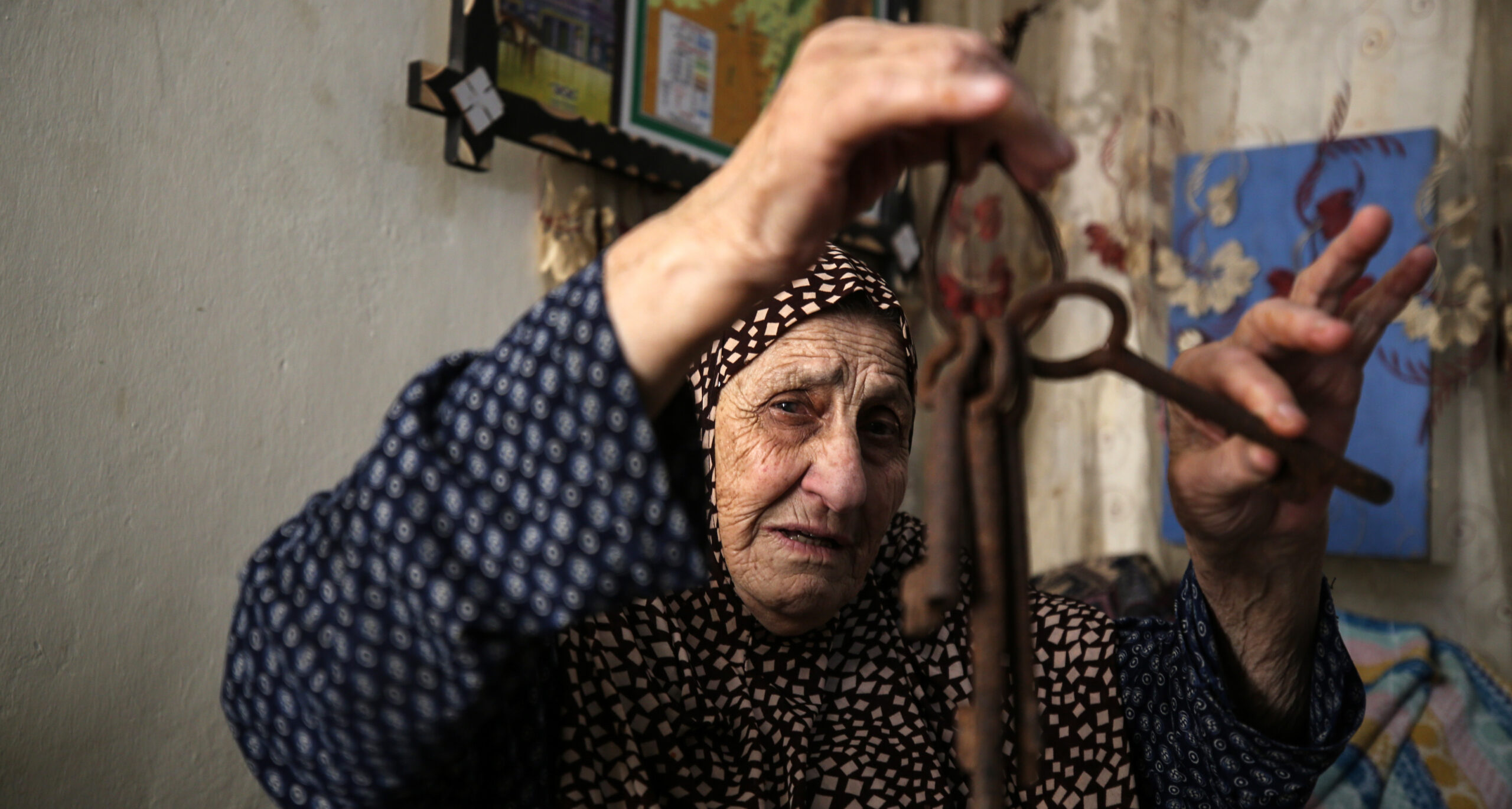
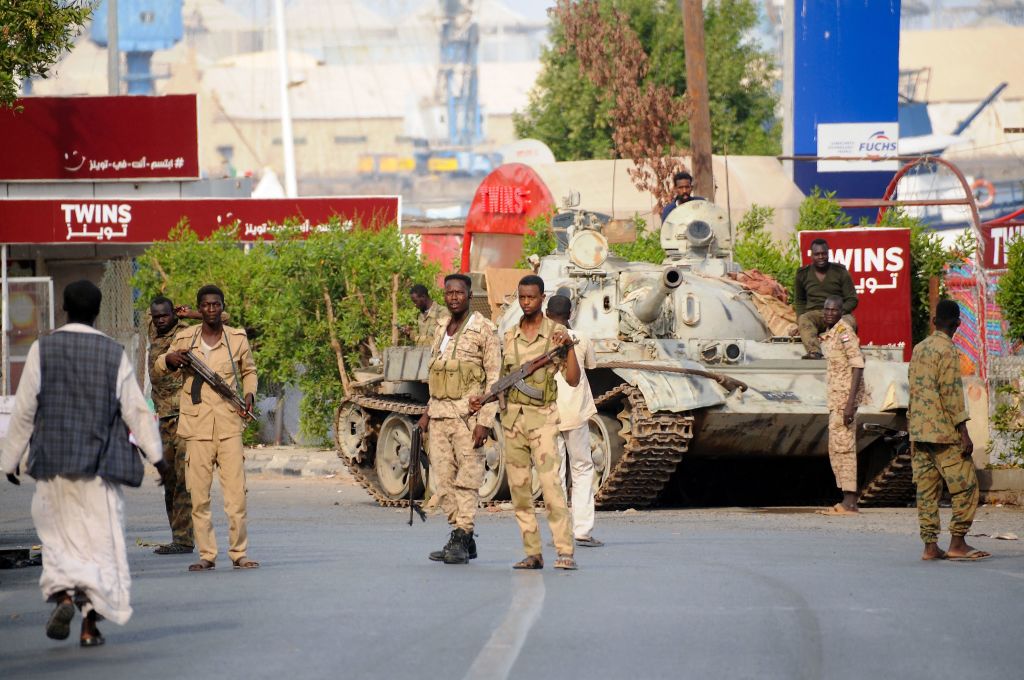
For Palestinians, the Nakba (Catastrophe) is a somber occasion that represents the loss of their homeland and the forced displacement that followed. To truly understand the tragedy of the Nakba and the ongoing trauma experienced by Palestinians, it is important to humanize their experiences. By listening to and amplifying these voices, we can begin to truly understand the complexity and depth of the Palestinian experience.
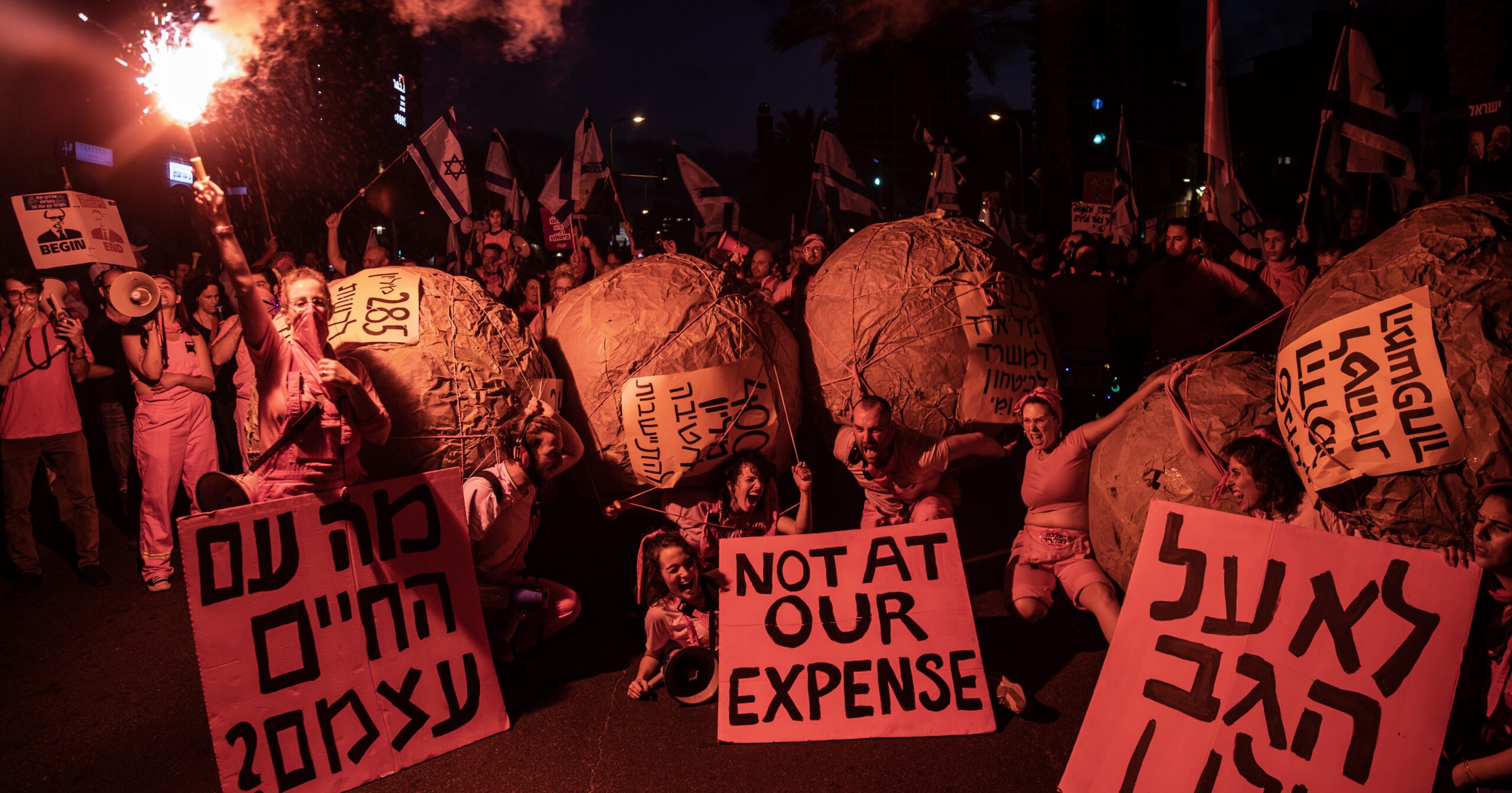
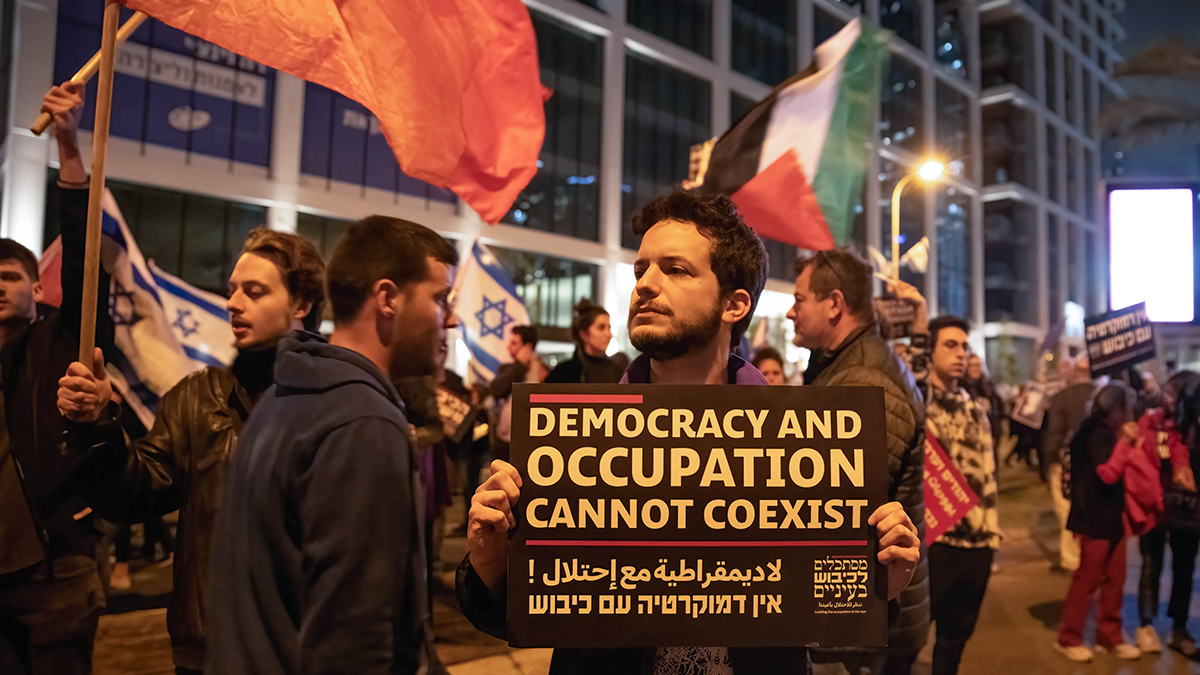
Even with all eyes on Gaza, the struggle for Israel’s democracy continues
The costs that Israeli Prime Minister Benjamin Netanyahu and the State of Israel have been paying following the government’s first months in office have become more and more significant in recent weeks, and are they are not forgotten even as Israelis focus on coping with a cycle of warfare with Palestinian Islamic Jihad in Gaza.
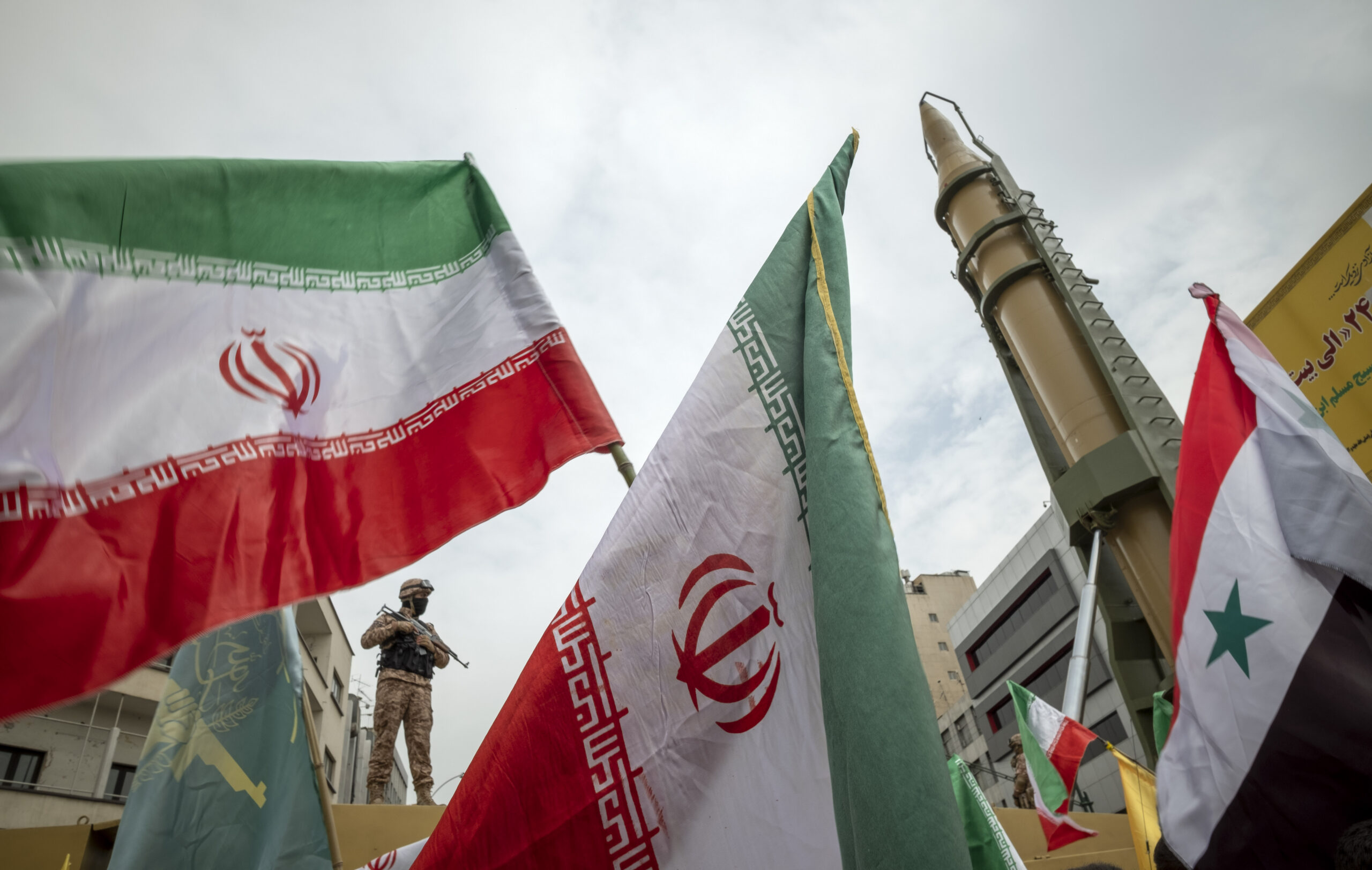
The IRGC’s enmity toward Israel is an aberration in Iranian history
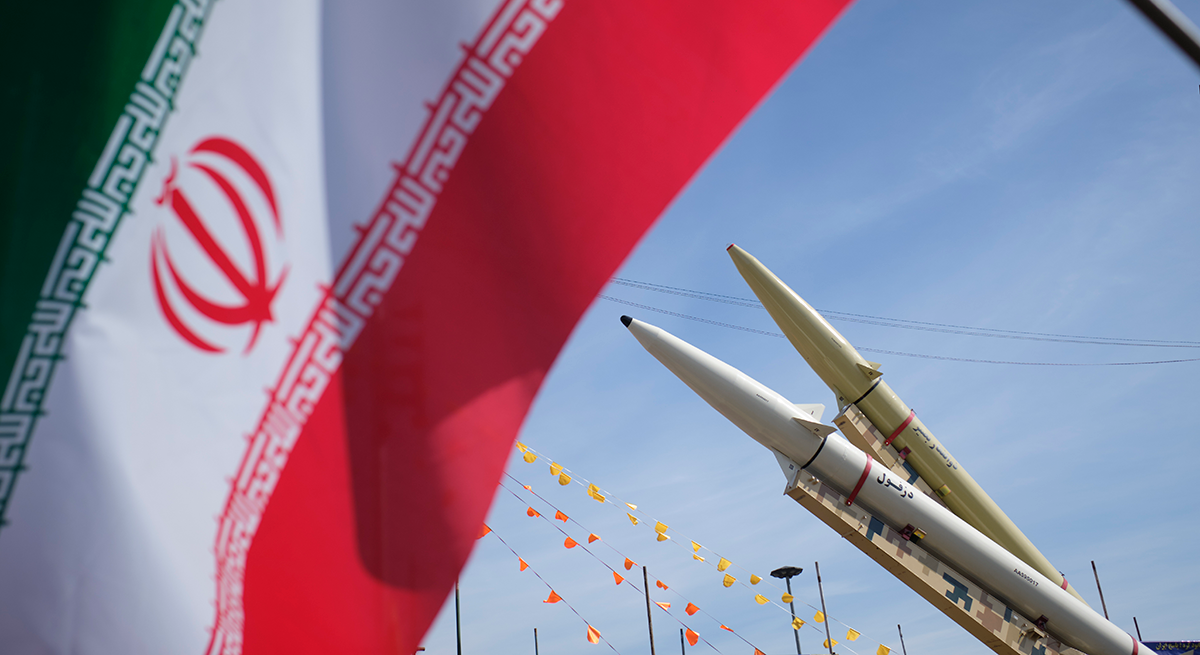
Iran’s Islamic Revolutionary Guard Corps (IRGC) is at its core an ideological army, not a national one, and its notorious enmity toward Israel is an aberration in Iranian history. But many Israelis to this day think Iran could be a natural partner as long as the country gave up its pursuit of ideologically driven regional dominance, disavow calls for the destruction of Israel, and were instead to again allow the regular army, the Artesh, to pursue Iranian national interests.
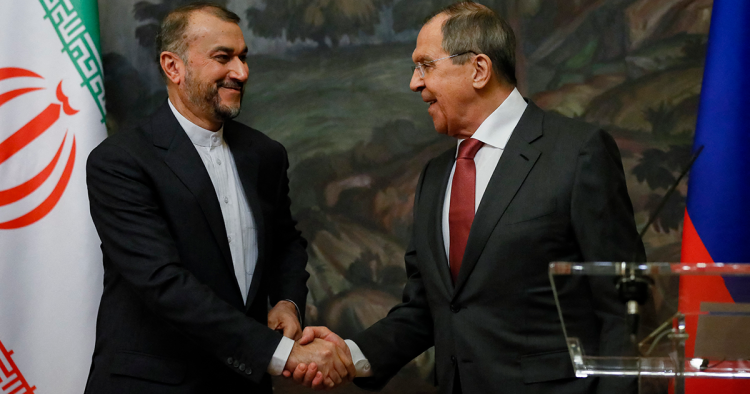
One of Russian President Vladimir Putin’s special envoys keeps visiting Iran. Igor Levitin, Putin’s advisor, has visited Tehran twice in 2023, totaling five visits in the last six months. During his latest visit, Levitin met with top Iranian figures, including Mohammad Mokhber, first vice president and top economic coordinator, and Ali Shamkhani, secretary of the Supreme National Security Council.
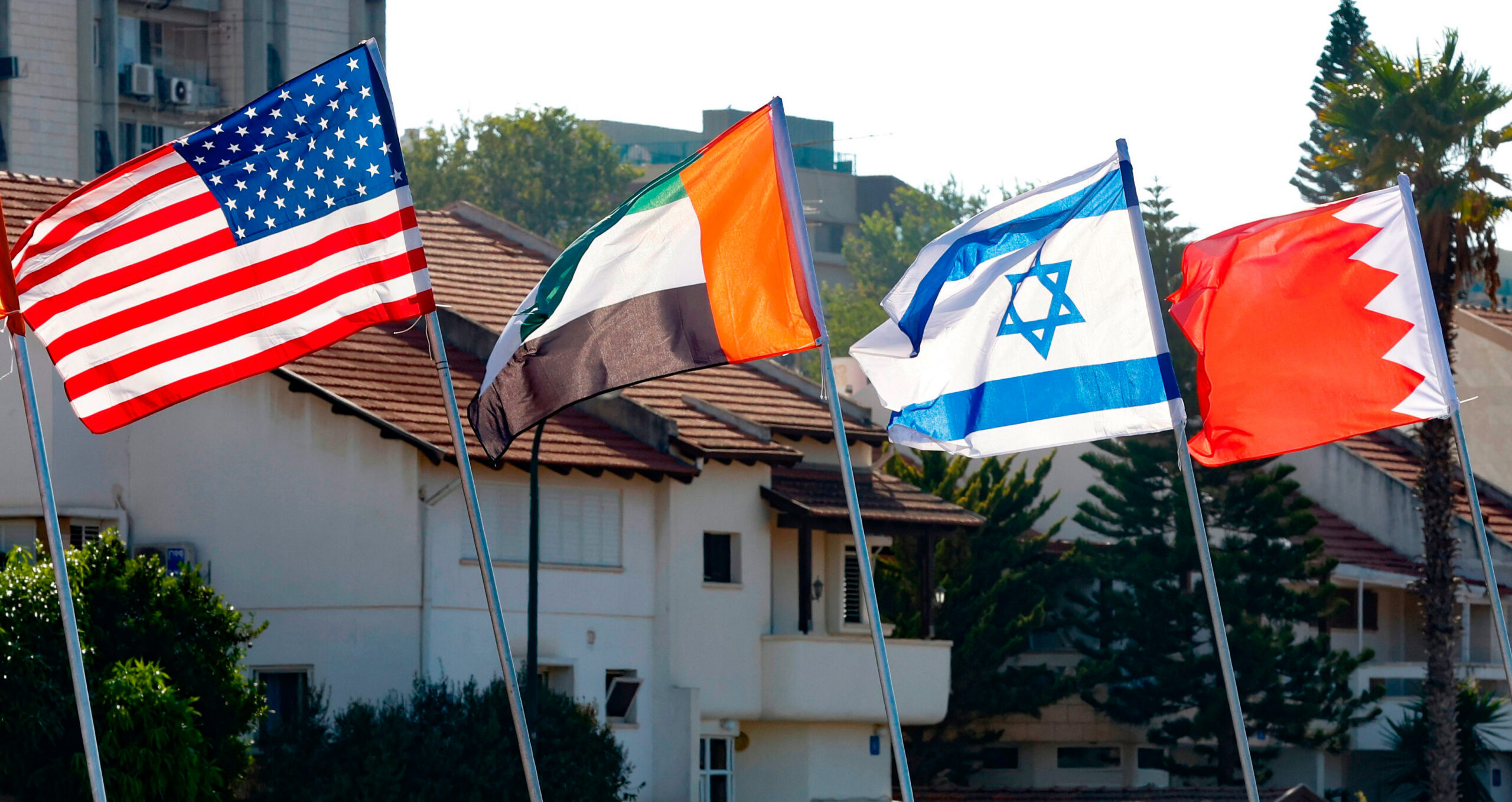
Both historical and modern-day conflicts in the Middle East have all been centered around classical territorial considerations of the loss or recovery of land. Escaping that cycle required a shift away from one of the main root causes of conflict: geography. The current changes in the region, characterized by a significant drive toward de-escalation and a growing willingness to periodically part ways with traditional allies, may be telling symptoms of a profound tectonic shift toward “quantum politics.”
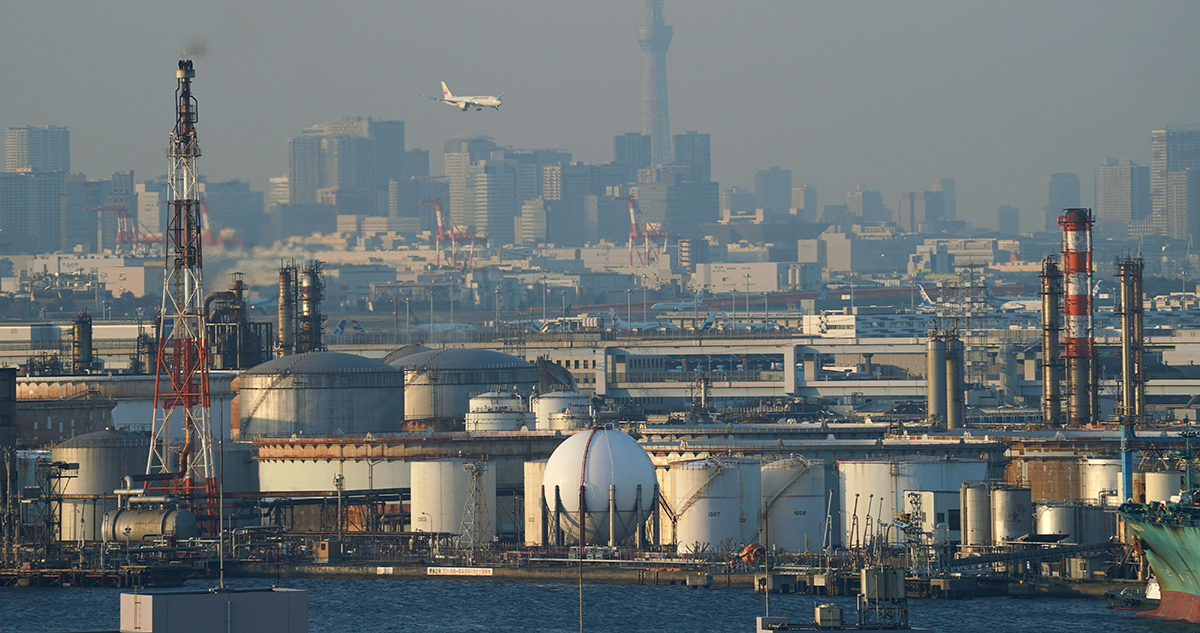
When Saudi Arabia suddenly announced in early April that it would reduce its oil production by 500,000 bpd, followed shortly thereafter by several other OPEC+ members, bringing the total cut to 1.1 million bpd, Japan was greatly concerned. In spite of Japan’s serious efforts to work toward a carbon-neutral society, the country is still heavily dependent on oil, the overwhelming majority of which comes from the Persian Gulf.
The judicial “reform” will make things worse, but Israel’s Supreme Court has long failed Palestinian citizens
Over the past several months, the eyes of the world have been on the massive demonstrations in Israel against the Netanyahu government’s proposed judicial “reform.” Even though Palestinian citizens of Israel are likely to be the group most affected by the proposed changes, they have been notable for their absence, for the most part, from the protests. While Jewish citizens are worried about what the proposed changes might mean for Israel’s judiciary and the future of its democracy, the Supreme Court and the legal system more broadly have long failed to protect the rights of the country’s Palestinian citizens.
President Theodore Roosevelt said, “Speak softly and carry a big stick; you will go far.”1 Roosevelt used the image of the big stick to popularize his philosophy, but he offered a subtler interpretation in other venues. It represented a quiet threat that would only rarely need to be used if accompanied by steady diplomacy.
Iran-Iraq competition in regional maritime and overland transit corridors
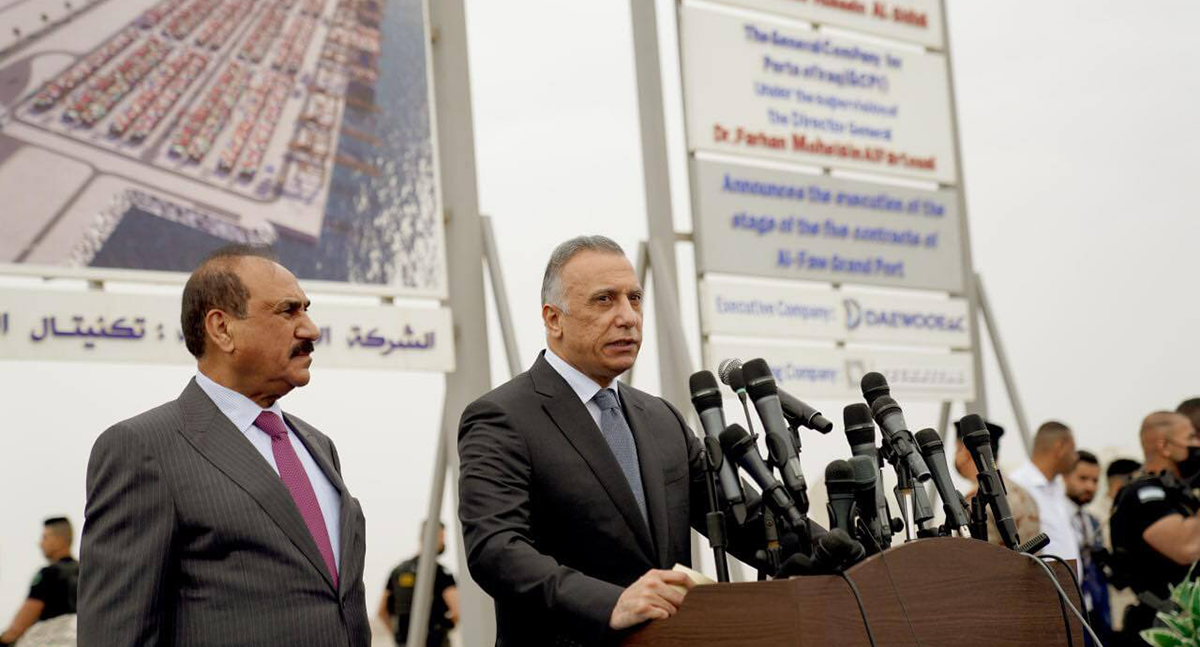
In recent years, Iraq has become one of the leading destinations for Chinese investments in the Middle East and a crucial link in Beijing’s Belt and Road Initiative. To capitalize on its geostrategic location and central position within the Chinese BRI, Iraq is seeking to develop a sprawling new 54-square-kilometer port project, known as al-Faw Grand Port, which will reduce the country’s reliance on Arab Gulf ports and overland transit from Iran and Turkey. The project also underscores Iraq’s growing economic rivalry with neighboring Iran, as both countries seek to carve out a similar niche in handling regional transit traffic.
Iranian-Saudi detente and "Asianization" of the Persian Gulf: China fills the gap
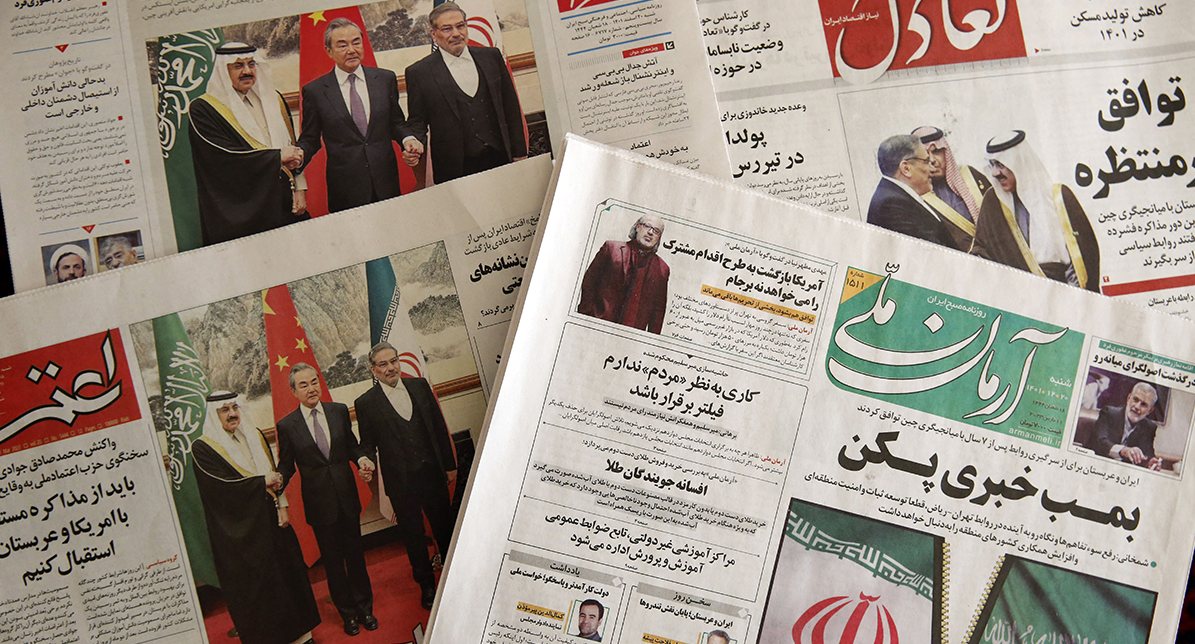
After an intense round of secret negotiations between Iranian and Saudi representatives, facilitated by Chinese mediation, Tehran and Riyadh announced in mid-March that they would resume diplomatic relations. It is unclear if the Saudi-Iranian détente will last, but at least for now, China’s role in resolving this diplomatic stalemate seems to indicate the beginning of a multi-faceted de-Westernization process in the region.