Extra: Turkey’s domestic and foreign challenges in 2019
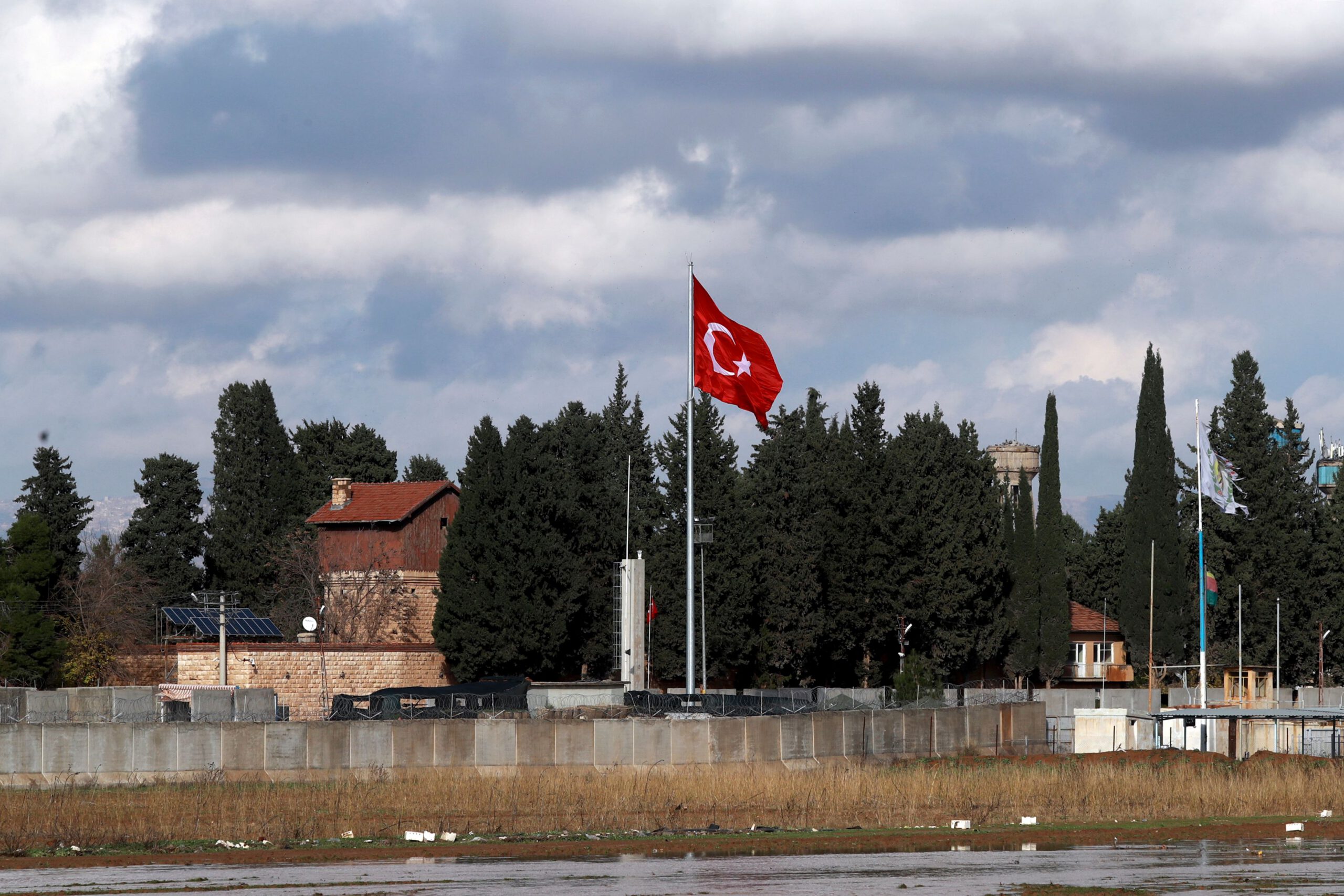
MEI’s Gonul Tol and Robert Pearson join host Alistair Taylor for a deeper dive into Turkey’s upcoming local elections in late March, the country’s economic slowdown, and its foreign policy challenges in Syria.
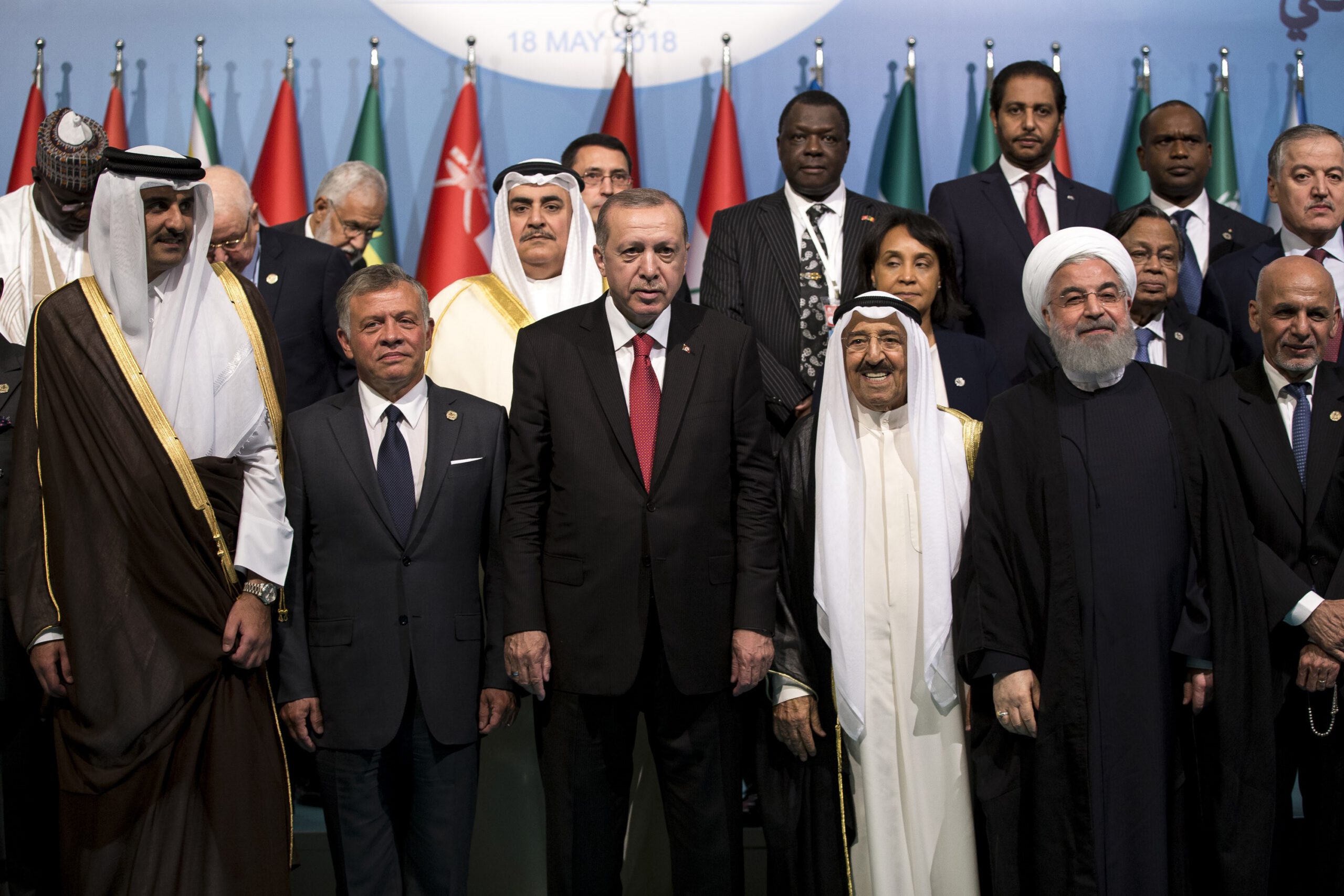
Under the leadership of Turkish President Recep Tayyip Erdogan, whose Justice and Development Party (AKP) has Islamist roots, religion has become a critical instrument of Turkish foreign policy.
In our first episode of 2019, MEI experts Paul Salem, Charles Lister, Ahmad Majidyar, Randa Slim, Gonul Tol, Robert Pearson, and Gerald Feierstein discuss the significant policy developments and announcements of the past few weeks and outline the major issues to watch in the year ahead.
A new crisis is brewing between Saudi Arabia and Turkey, and this one is going to be much more severe and damaging than the dispute over the murder of Saudi journalist Jamal Khashoggi.
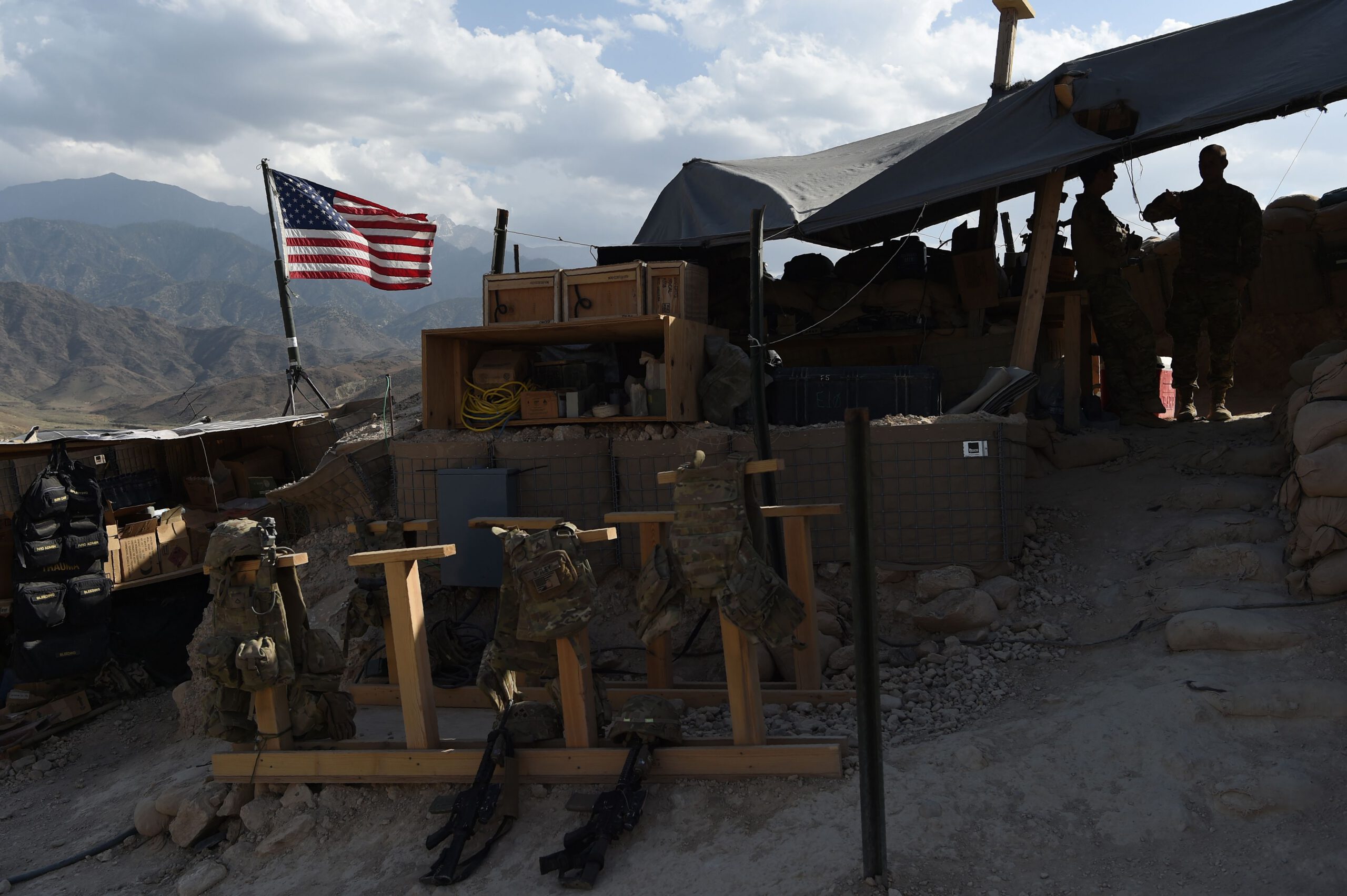
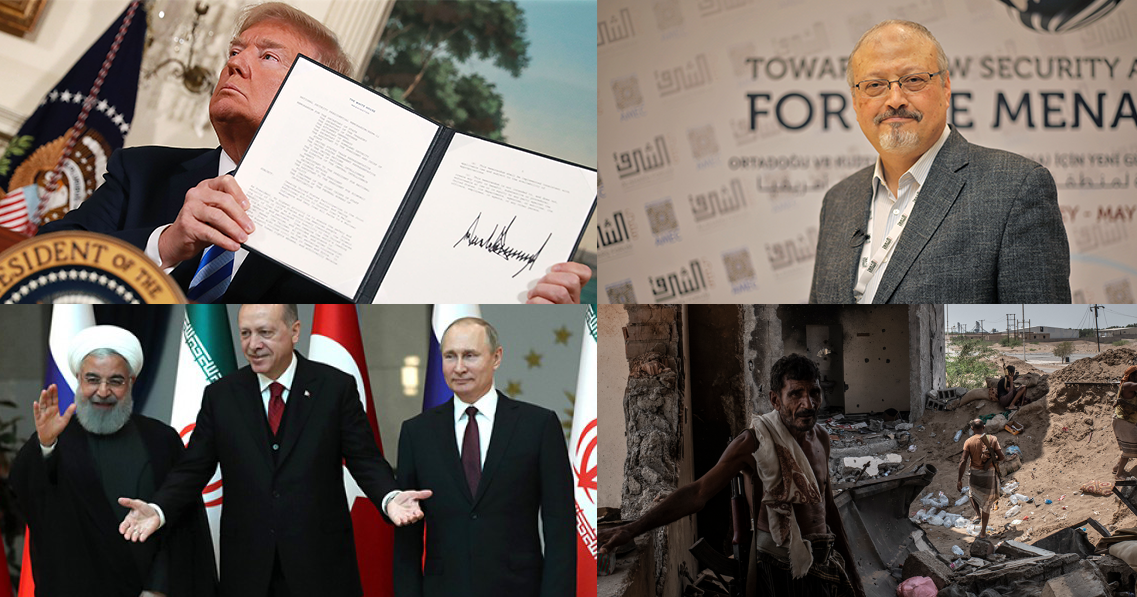
In our final episode of the year, host Alistair Taylor interviews several MEI scholars on the key events that transpired across the Middle East in 2018 including in the Gulf, Iran, Turkey, and Afghanistan. Guests include Paul Salem, Gerald Feierstein, Alex Vatanka, Gonul Tol, and Ahmad Majidyar.
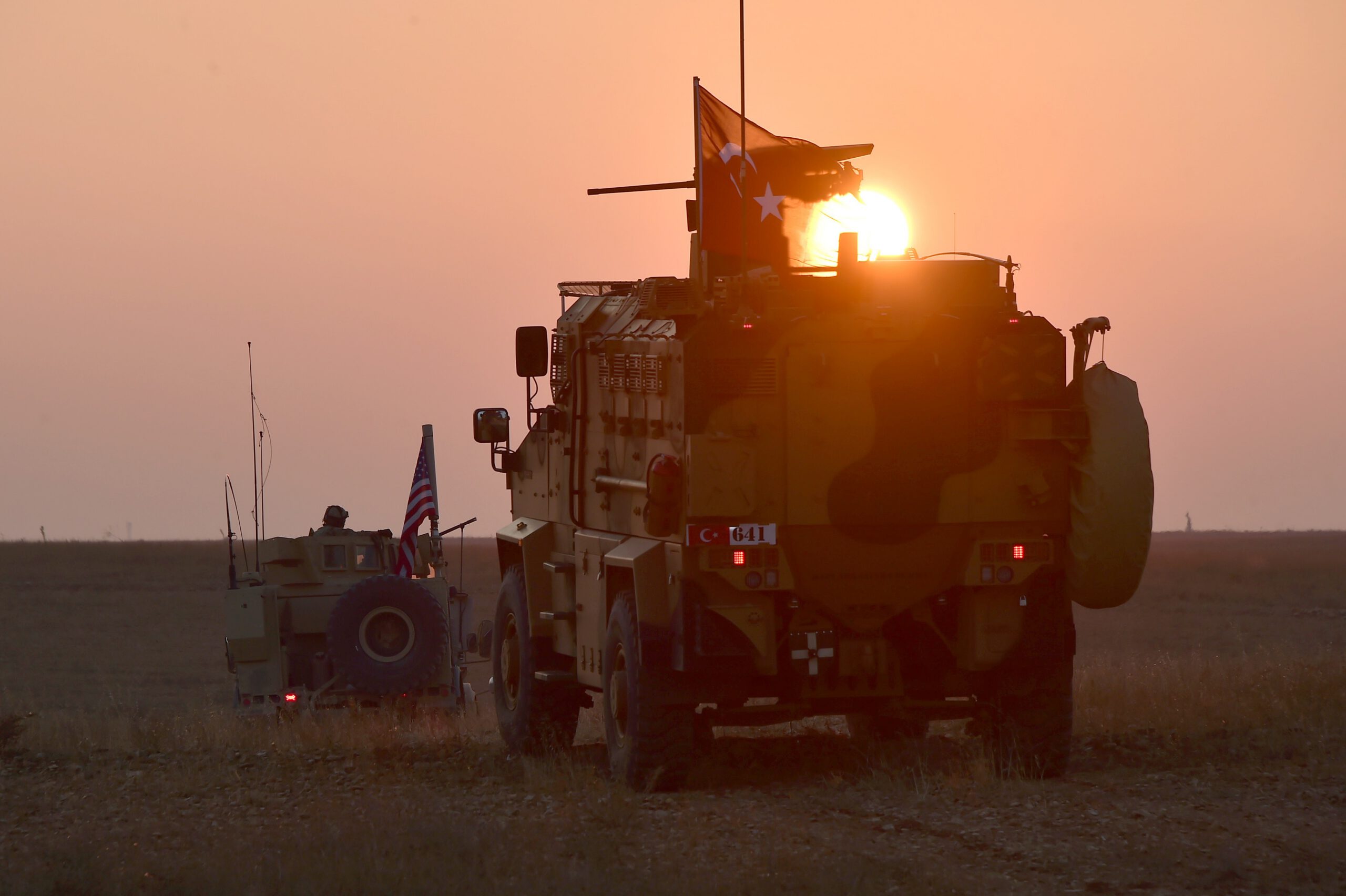
Will Turkey attack the US-backed YPG in the eastern Euphrates?
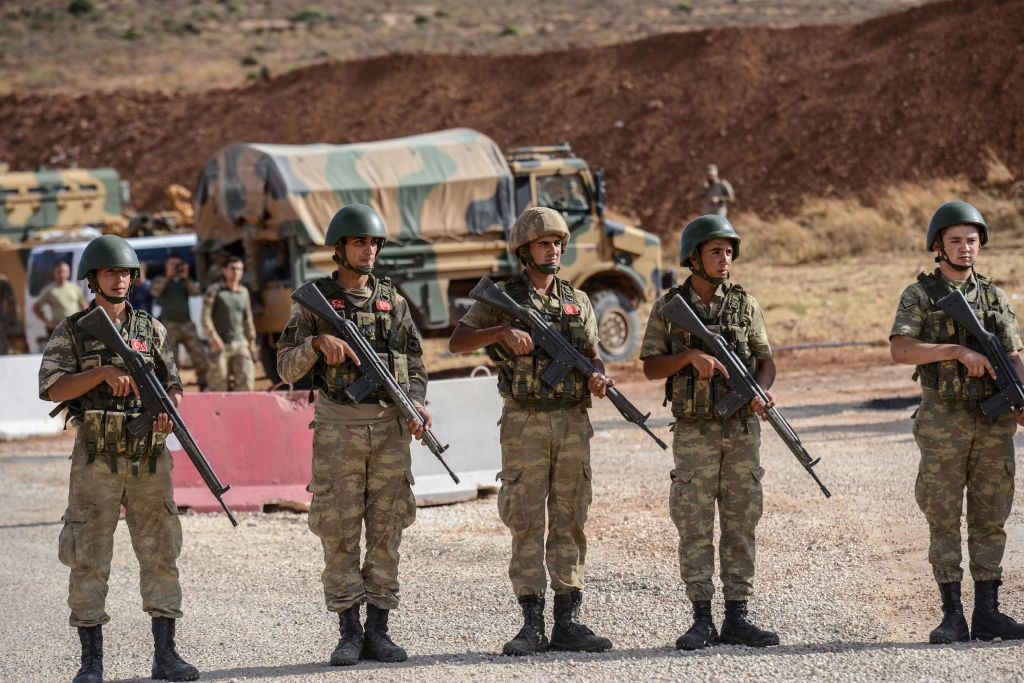
Whether Erdogan will follow through on his threat of military incursion against the YPG in U.S.-protected areas of Syria depends on the reaction of the international community, the Turkish military, and nationalist voters at home.
Would Turkey benefit if the US withdraws from Syria?
For Turkey, the best solution to its “U.S. problem” might seem like an American withdrawal from Syria, but such a move could create new and potentially more complicated problems for Ankara.
Max Hoffman, associate director of national security and international policy at the Center for American Progress, and MEI’s Gonul Tol join host Alistair Taylor to discuss the social, political, and foreign policy issues Turkey has been grappling with in recent years.
From “hard power” to “soft power” and back again: Turkish foreign policy in the Middle East
Turkey’s foreign policy has come full circle in the last few years, from a “soft power” and regional exemplar to a “hard power” pursuing a muscular stance sustained by military engagements.
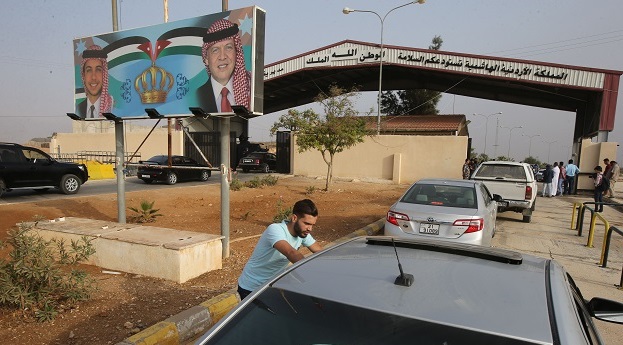
Border opportunities: Reviving the Jordan-Syria free trade zone
The reopening of the Naseeb-Jaber border crossing offers an opportunity to address the pressing political, economic, and humanitarian challenges confronting Jordan.
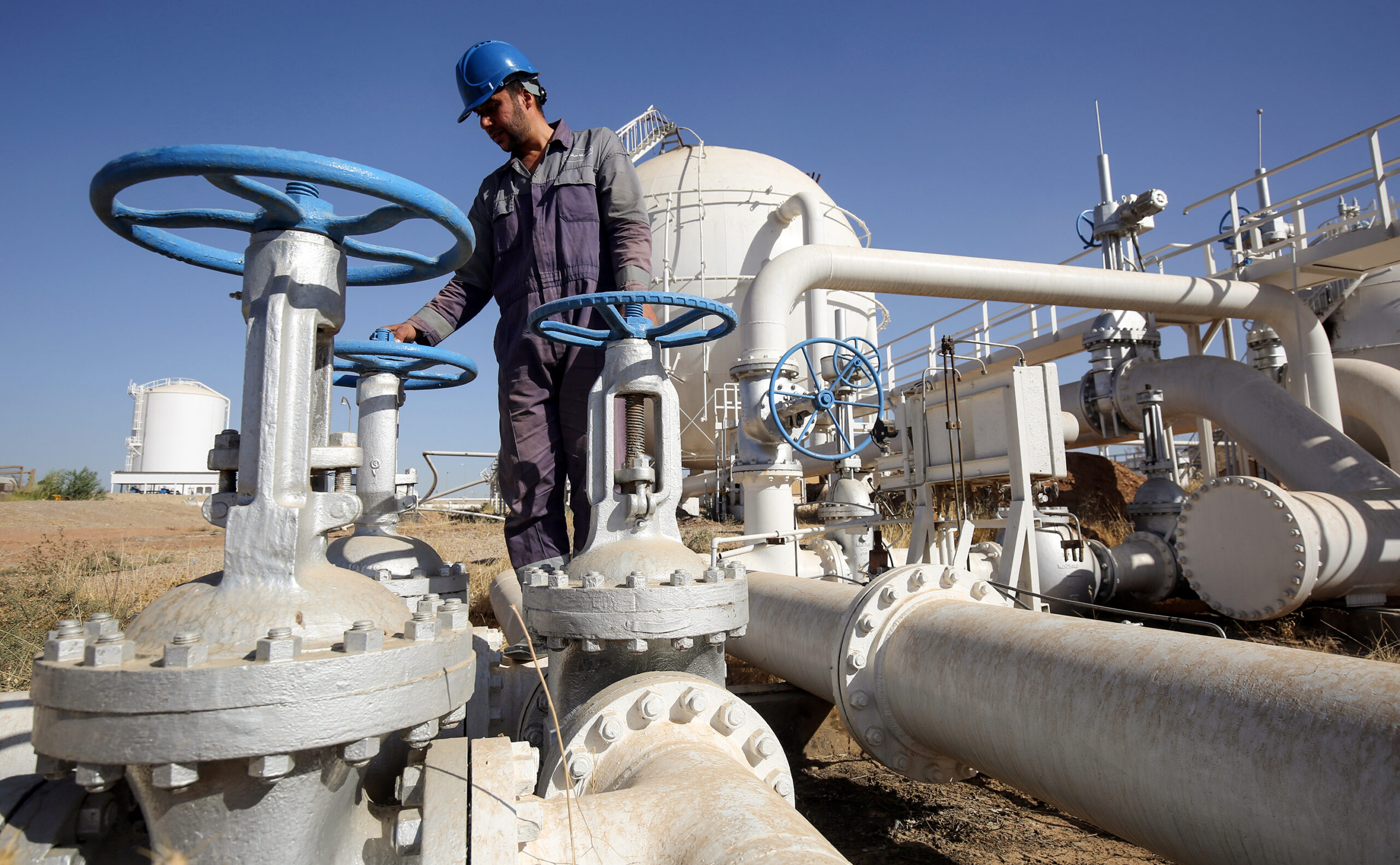
In this week’s Monday Briefing, MEI experts discuss recent and upcoming events including the Iraq-Kurdistan pipeline deal, how the YPG partnership affects US-Turkey ties, and the new Russia-Turkey gas pipeline.
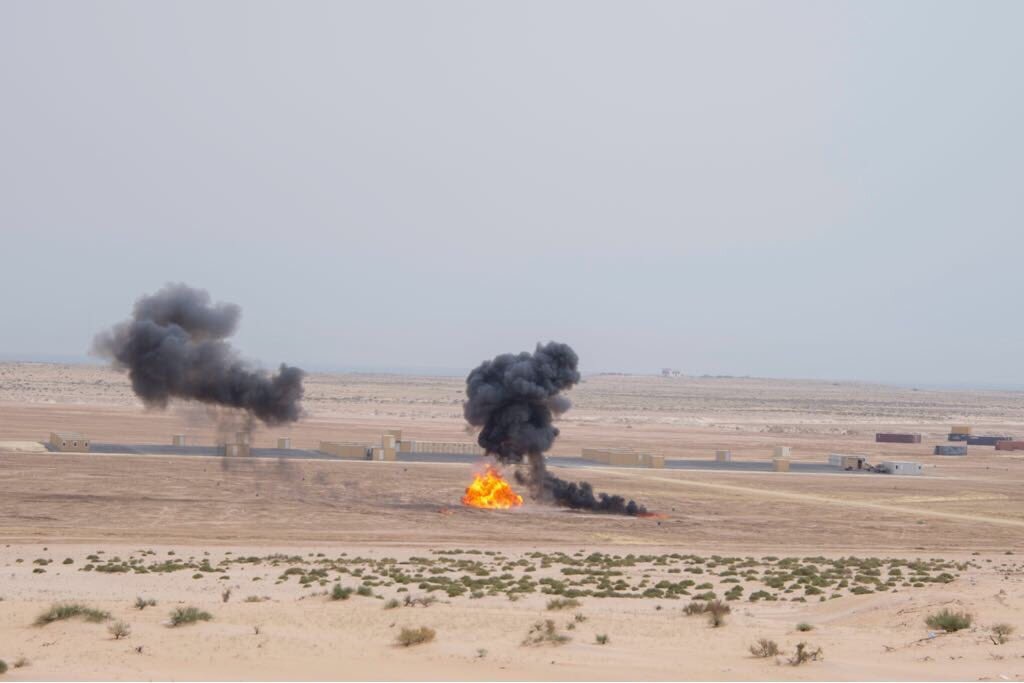
As naval, air, and ground units from Bahrain, Egypt, Jordan, Kuwait, Saudi Arabia, and the UAE conduct war games in western Egypt this month, many speculate that this could represent the birth of the so-called “Arab NATO.”
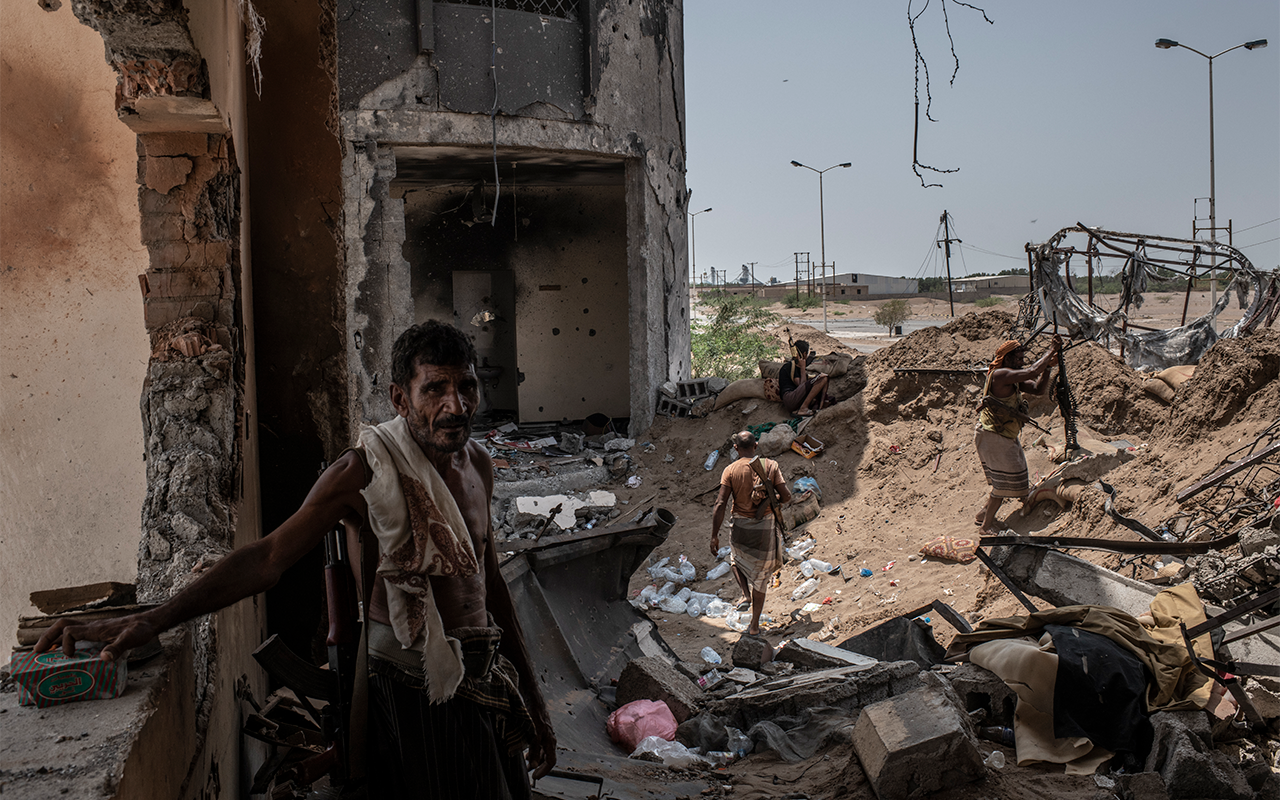
In this week’s Monday Briefing, MEI experts discuss recent and upcoming events including the ongoing conflict in Yemen, the potential impact of the midterm elections on US Middle East policy, U.S.-Turkey rapprochement, escalating tensions in northern Syria, the upcoming Palermo conference on Libya, and the potential for political fallout in Pakistan and peace talks in Afghanistan.