The biggest losers from President Trump’s arbitrary decision to allow Turkish forces to enter Syria may end up being pro-revolution Syrians and civilians living in Idlib.
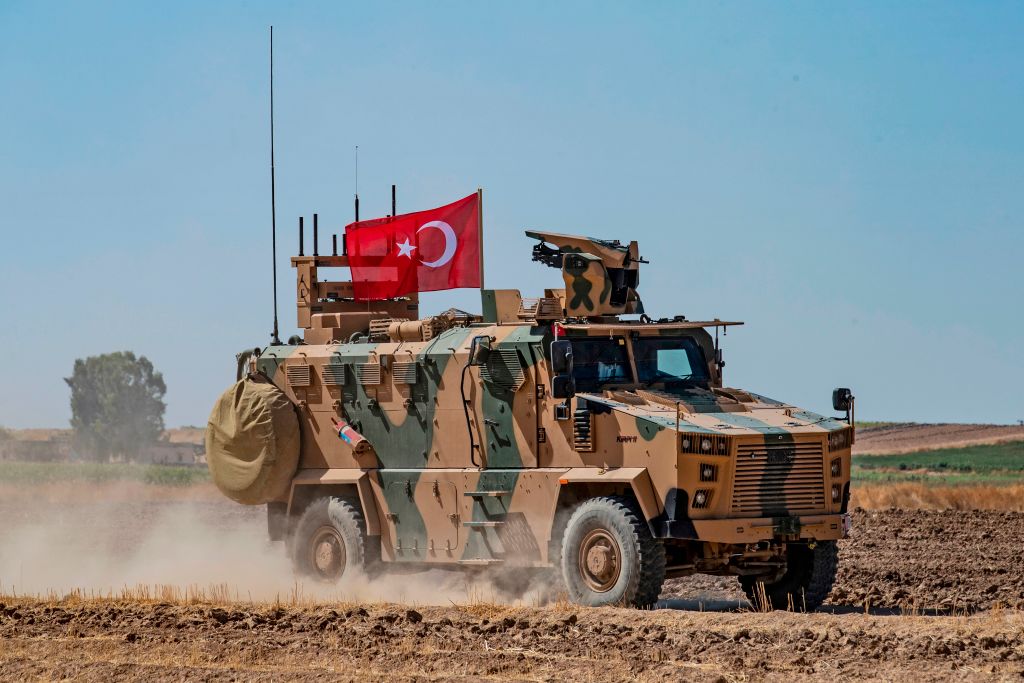
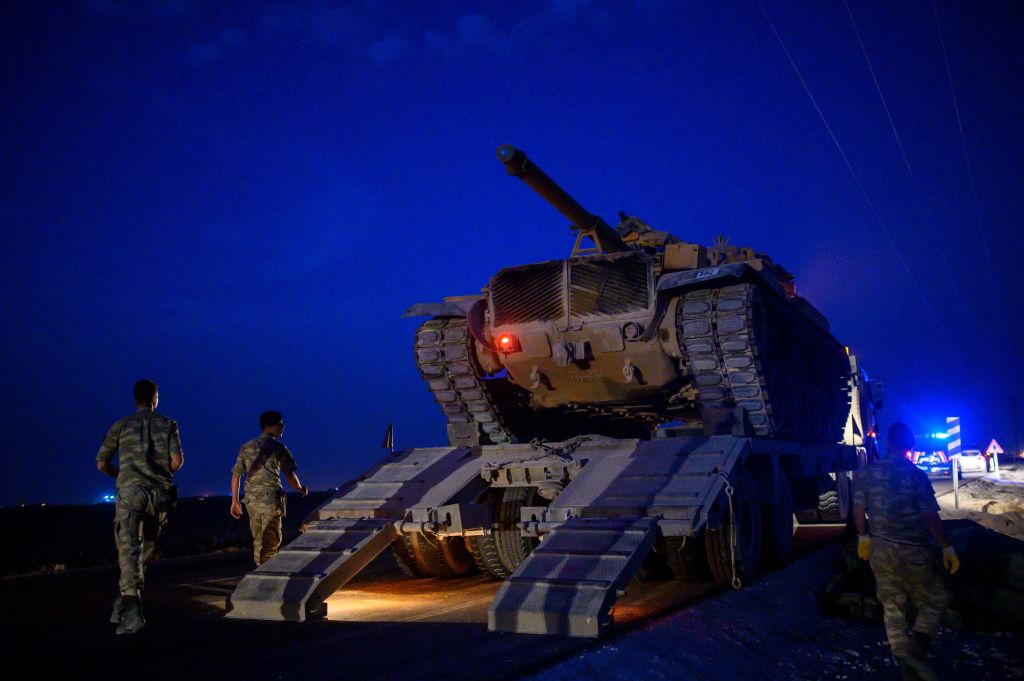
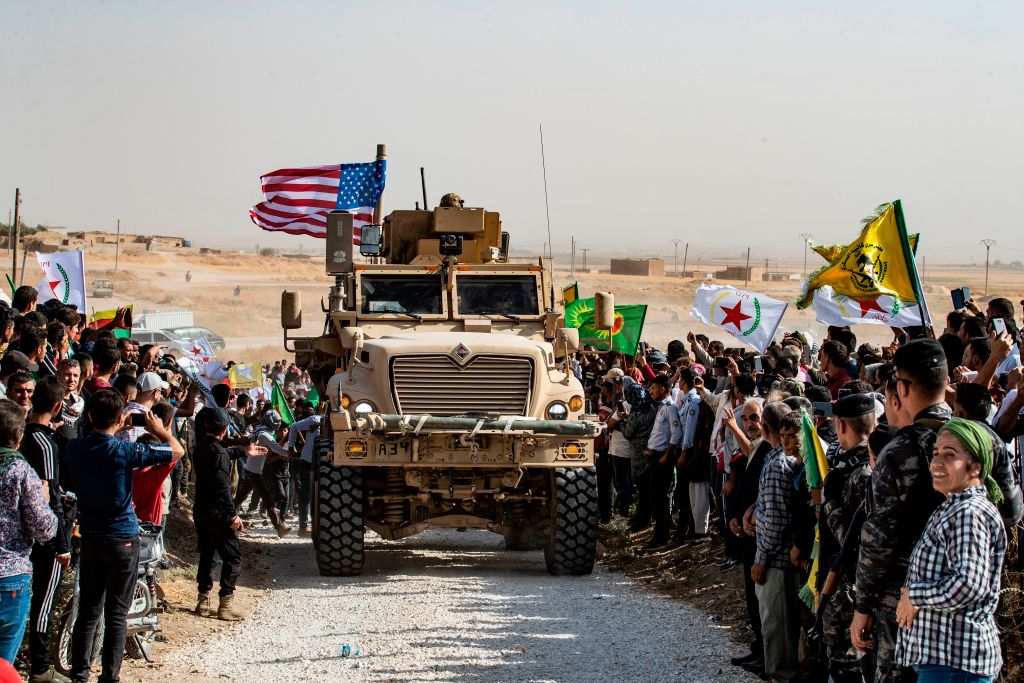
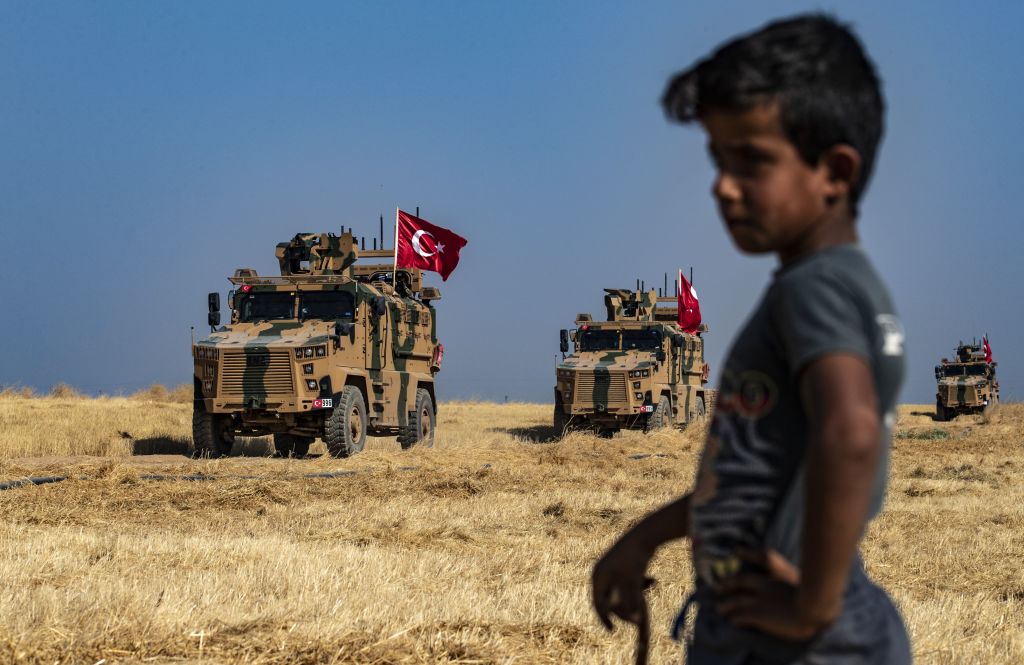
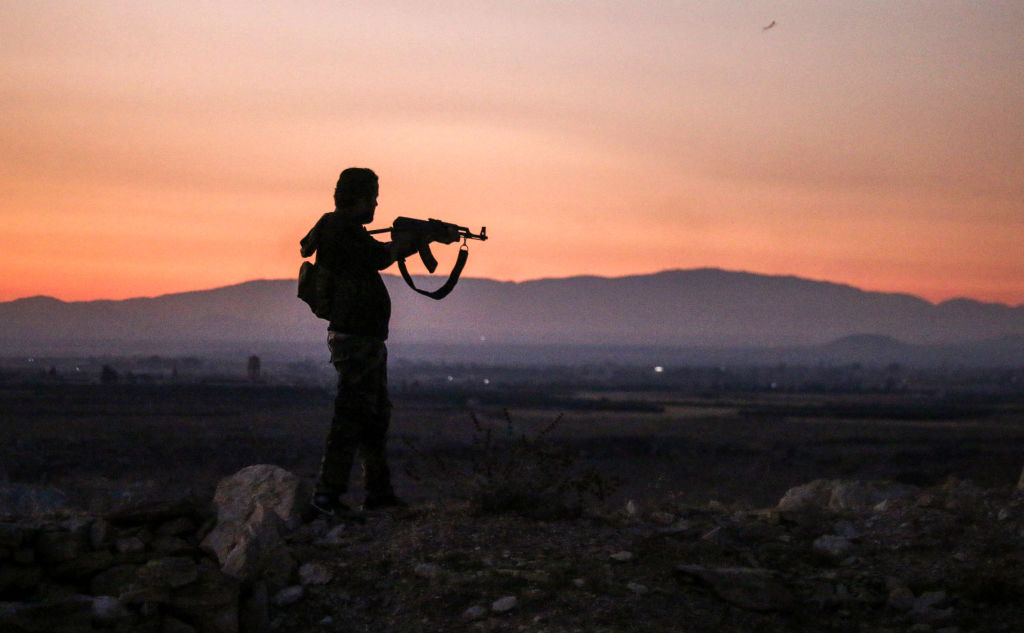
In a stunning announcement on Sunday, the Trump administration gave the nod to a Turkish military incursion into northeastern Syria, an operation that would entail clashes with Washington’s Kurdish allies in the area. The U.S. military, which has around 1,000 troops in Syria, would not “support or be involved in the operation.” But the White House said it would pull back U.S. forces stationed near the Syrian-Turkish border to clear the way for Ankara’s troops.
The Turkish offensive in northern Syria: The view from Europe
The Turkish offensive against Syrian Kurdish forces could result in a military success, but it will also seriously damage Turkey’s image in Europe and elsewhere.
Washington has a hard long-term choice when it comes to Syria. The best chance for an optimal solution through a negotiated political deal was lost years ago. The U.S. now must choose a policy which will yield only a “least-bad” result.
Operation Peace Spring: The Situation in Northeastern Syria
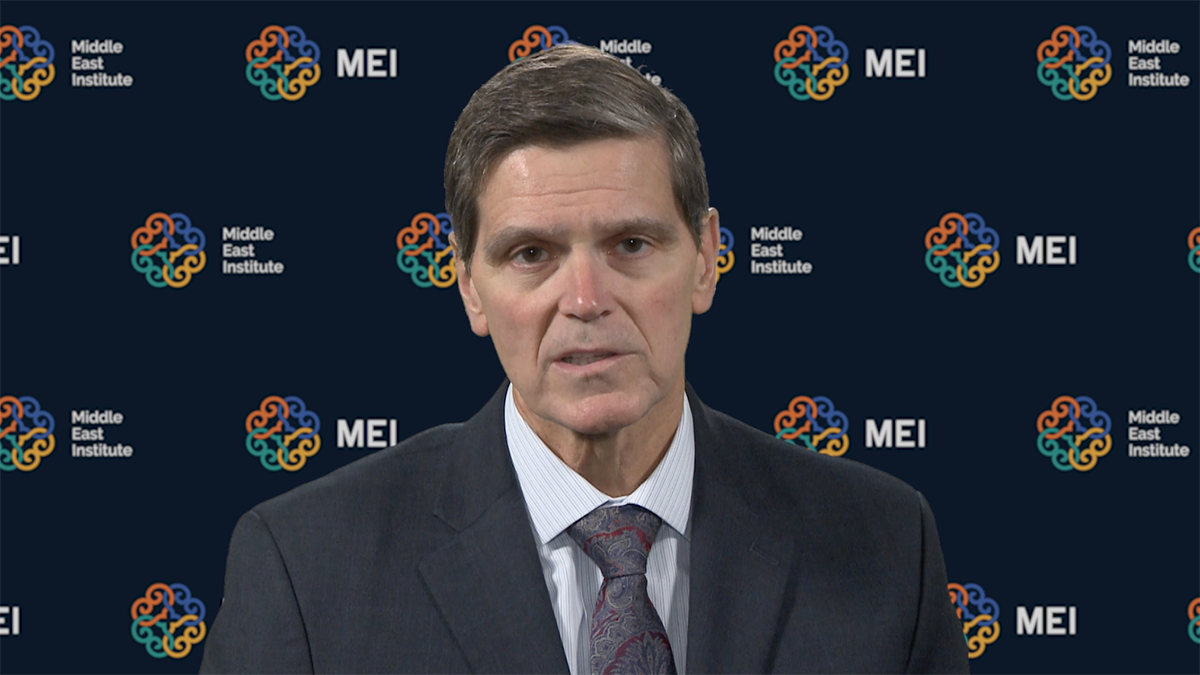
MEI Senior Fellow W. Robert Pearson and Non-resident Scholar Elizabeth Dent join host Alistair Taylor to discuss the Turkish incursion into northeastern Syria following the sudden withdrawal of US troops from the Turkish-Syrian border earlier this week.
Russia’s efforts to expand the Astana process in Syria
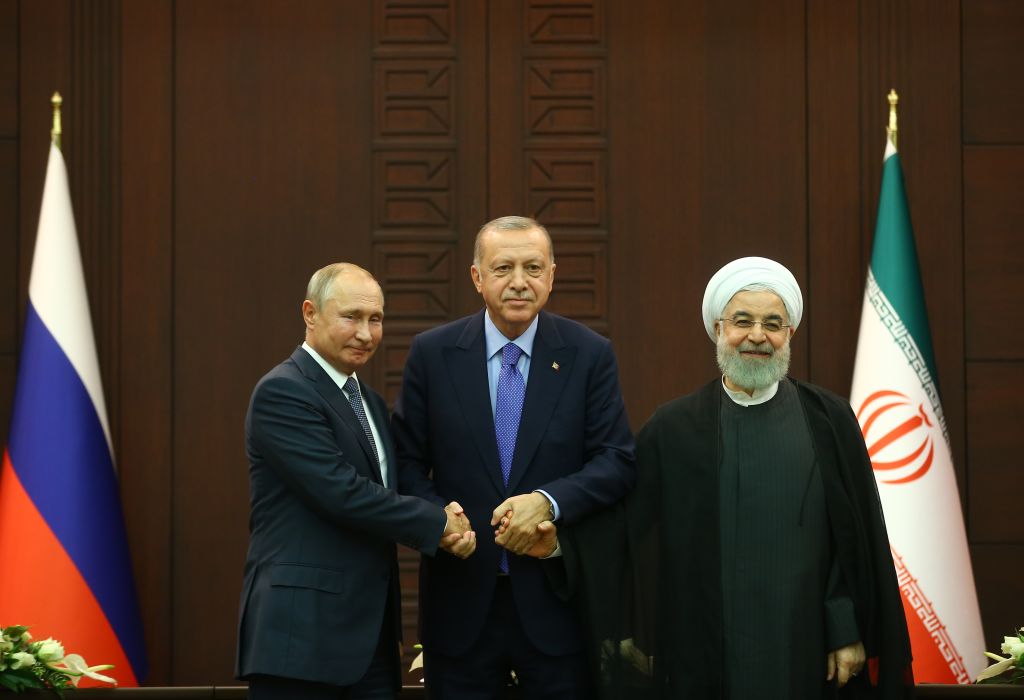
On Sept. 16, the presidents of Russia, Iran, and Turkey met in Ankara to discuss the resolution of the Syrian civil war. In all three countries, the Ankara summit was hailed as a major success, as negotiations on the formation of a Syrian constitutional committee concluded and progress was made toward resolving other outstanding challenges, such as the future of northeastern Syria and the ongoing struggle for Idlib.
Trump paves the way for a US withdrawal from Syria — and all that will follow
While President Trump might think he’s protecting American interests by leaving Syria, he’s actually granting ISIS the gift of rebirth. What looks set to follow from this is a dream scenario for the group.
Trump greenlights Turkish incursion into northeastern Syria
A unilateral Turkish military operation will worsen the already toxic mood vis-à-vis Erdogan on the Hill and might prompt a new round of sanctions at a time when Trump was trying to convince the Congress to hold off on punishing Turkey.
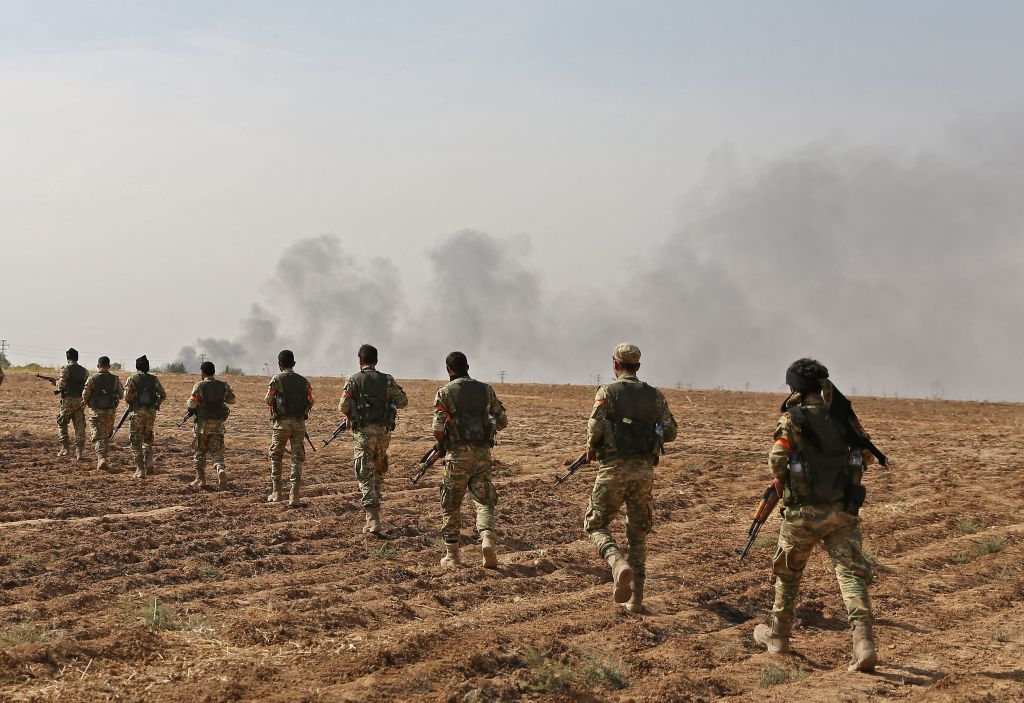
Turkish-backed Syrian armed opposition groups to unite under one banner
After a long-drawn-out series of negotiations, Turkey has successfully convinced more than 40 armed opposition groups in northern Syria to unite under a single umbrella, directly under the command of the Syrian Interim Government’s Ministry of Defense.
The war in Syria is far from over, but its nature is changing
As ISIS’s territorial “state” was simultaneously rolled back and then defeated, an international consensus increasingly emerged that claimed Syria’s war was “winding down.” There is no doubt that the geographic scope and intensity of conflict is not what it was at the height of hostilities in 2014 and 2015, but it is certainly not finished either.
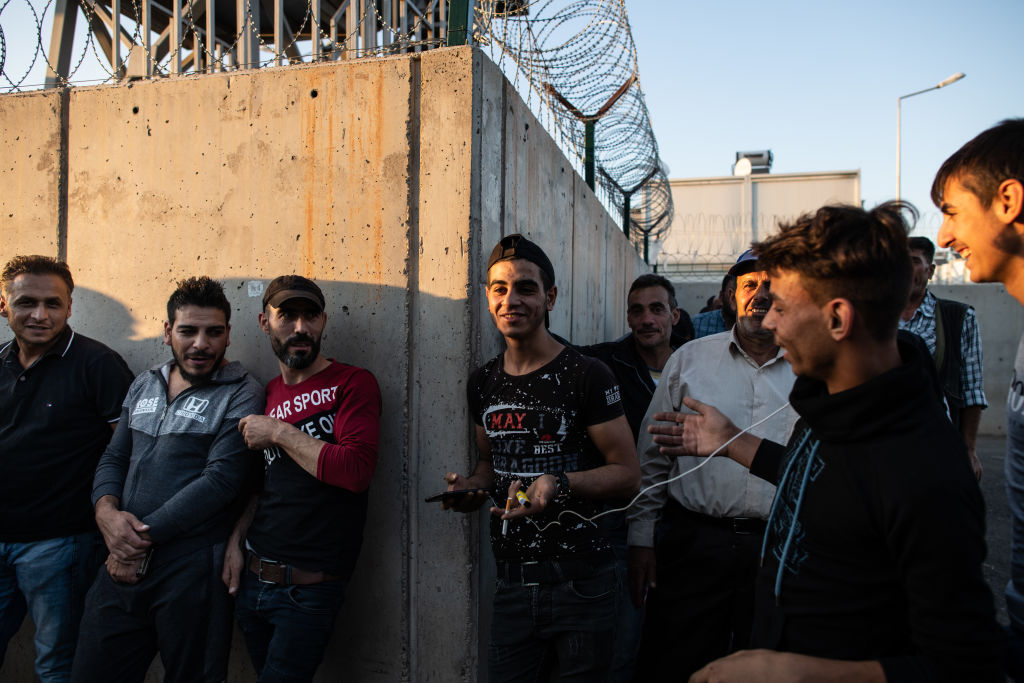
Turkish President Recep Tayyip Erdogan used his speech at the UN General Assembly to advocate for a plan that would see the return of over one million Syrian refugees from Turkey to a strip along the Turkish border in northeastern Syria. While Turkey should not have to indefinitely host its 3.6 million Syrian refugees, the plan proposed by Erdogan would entail large-scale deportations of refugees, demographic re-engineering, and the destabilization of northeastern Syria. A better path forward would be to facilitate the return of refugees from northeastern and eastern Syria to their homes by investing in reconstruction of the area and encouraging political reforms.
Tunisia heads to the polls for parliamentary elections
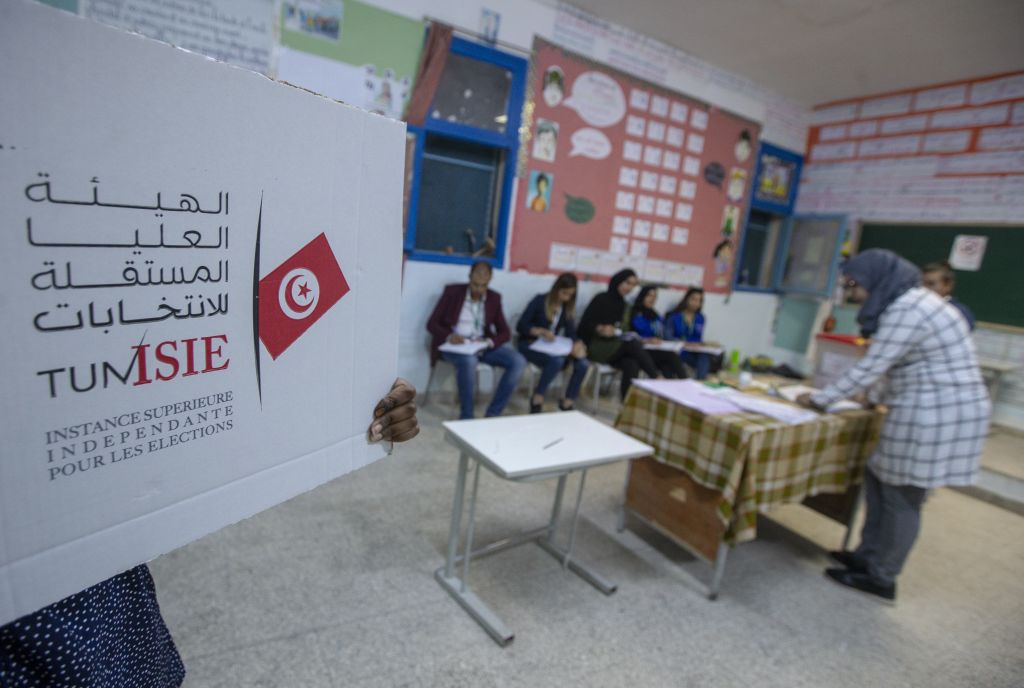
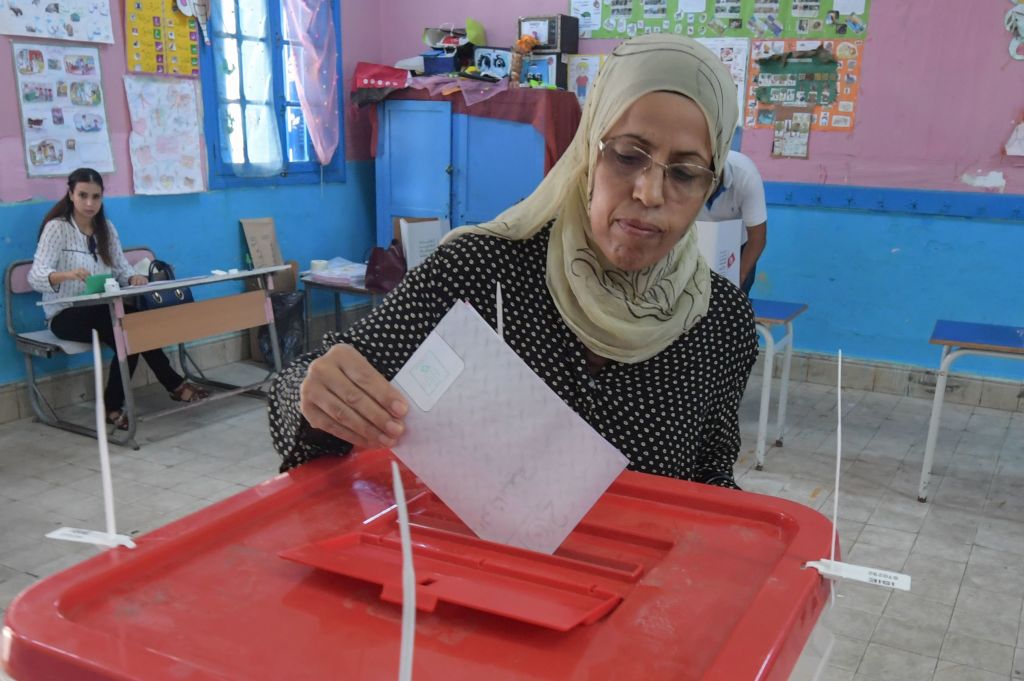
Tonight will be the first of three nights of televised debates among election lists for next Sunday’s parliamentary elections in Tunisia. The first round of presidential elections on Sept. 15 garnered greater international media attention, but the constitution gives the prime minister, who must gain backing from a parliamentary majority, control over domestic policies. Thus, the Oct. 6 election is crucial to Tunisia’s future.
Are the Kremlin’s gains in the Middle East sustainable?
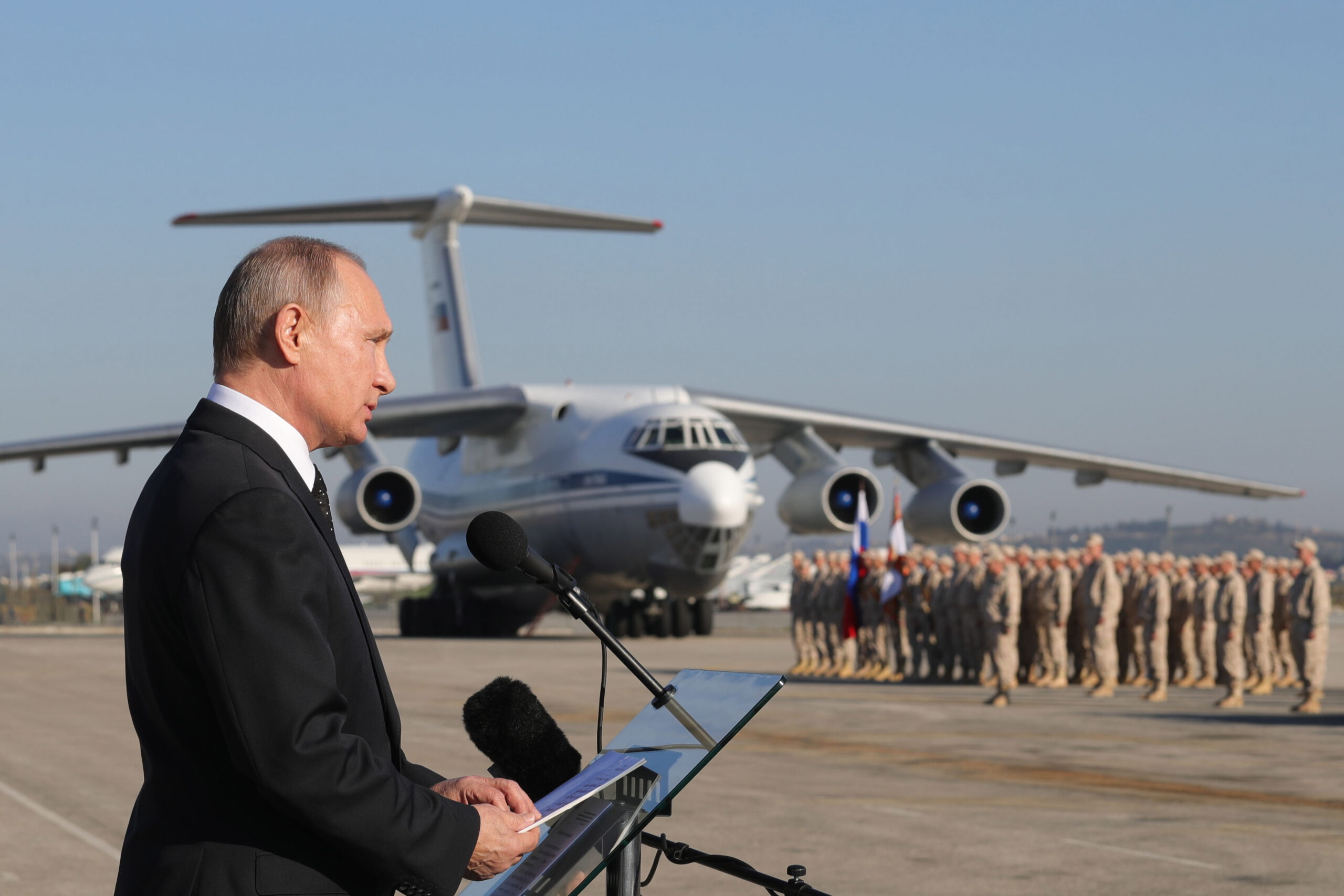
The military campaign in Syria marked a turning point for Russia’s reemergence as a power in the Middle East. Taking advantage of the opportunities presented by Western failures, the Kremlin’s tactical approach has seen it make gains across the region, although these may be more limited and reversible — and Moscow more vulnerable — than is often thought.