Saudi Arabia’s quick fix of Yemen’s southern conflict will face a durability problem
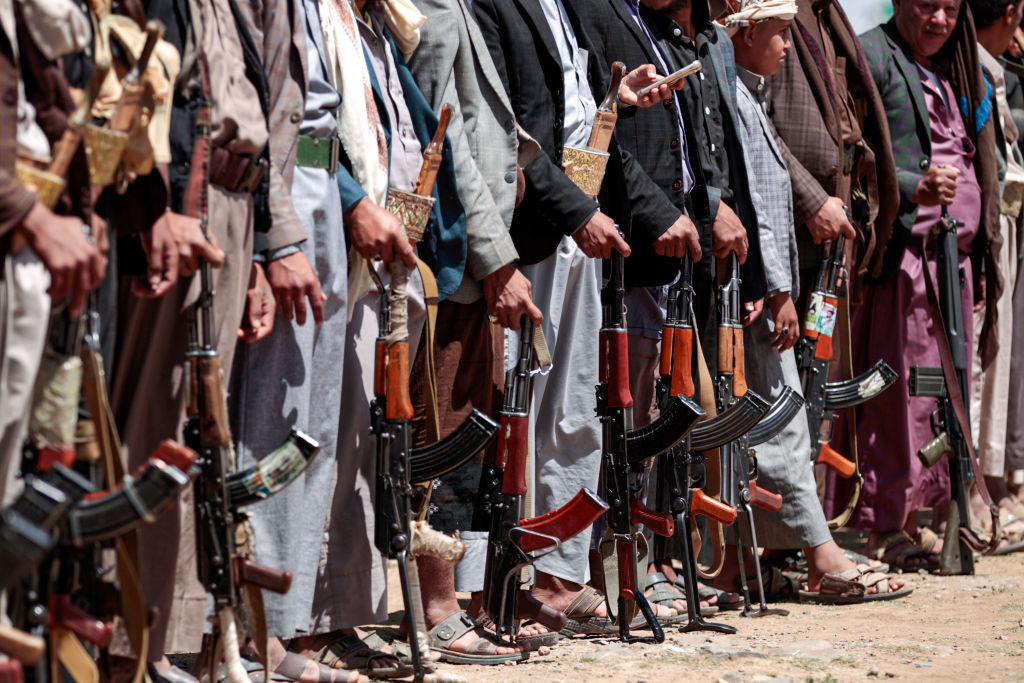
After violent confrontations with the government of Yemen and repeated struggles for autonomy, members of the Southern Transitional Council (STC), which represents a political movement that calls for secession, appeared satisfied with the terms of a deal that will be signed with the government of Yemen in Riyadh on Oct. 31. The Saudi-brokered agreement united the conflicting parties in their fight against the Iran-backed Houthis, with a strong vision aimed at stopping any side-show that could endanger this effort.
A crisis of confidence as Iraq’s protests continue amid violence
Only one leader has the moral standing and mass appeal to be able to move Iraq out of the deadly stalemate in which it now finds itself and which may degenerate into more violence and chaos if the status quo is not upended: Grand Ayatollah Ali al-Sistani.
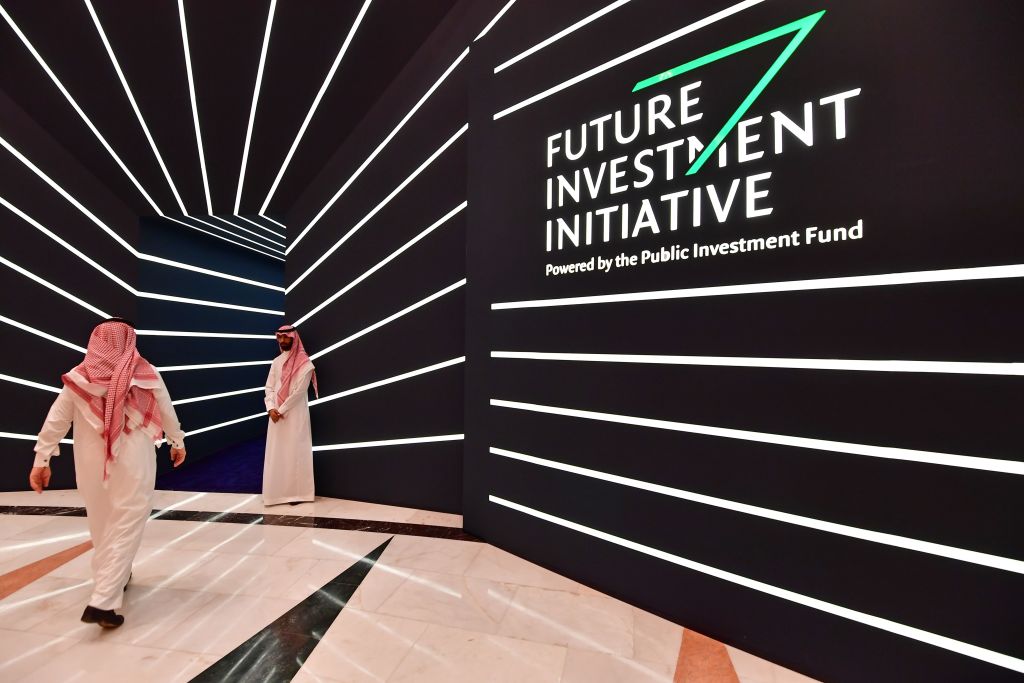
The Future Investment Initiative: A window on the kingdom’s future or a PR stunt?
The FII’s public relations bash is important in that it shows the world that the leadership of the kingdom has an ambitious and real vision to move the country forward.
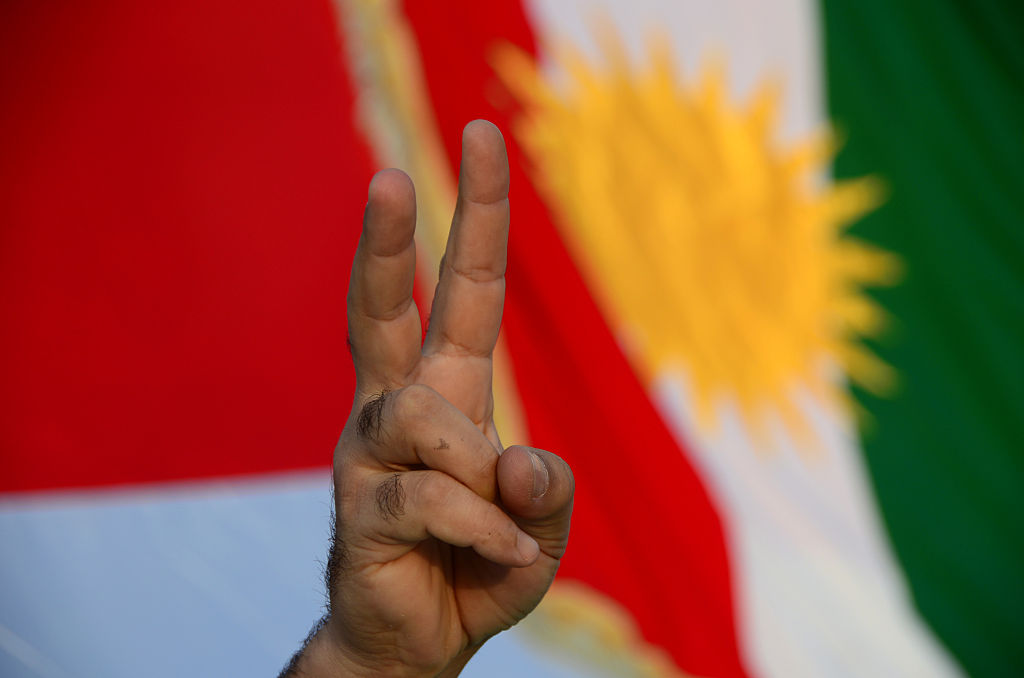
Borders Beyond Borders: The Many (Many) Kurdish Political Parties of Syria
The launch of Turkey’s military incursion into northern Syria on Oct. 9 represents an existential threat for the Autonomous Administration in Northeast Syria (AANES) and Kurdish parties in Syria as a whole, prompting Kurdish political factions, both within Syria and abroad, to reevaluate their survival strategies and alliances. This report explores the various political factions within the Kurdish coalitions in Syria as they functioned under the AANES and the major rifts between them. Even under these dire circumstances Kurdish political factions in Syria have responded to the Turkish invasion independently.
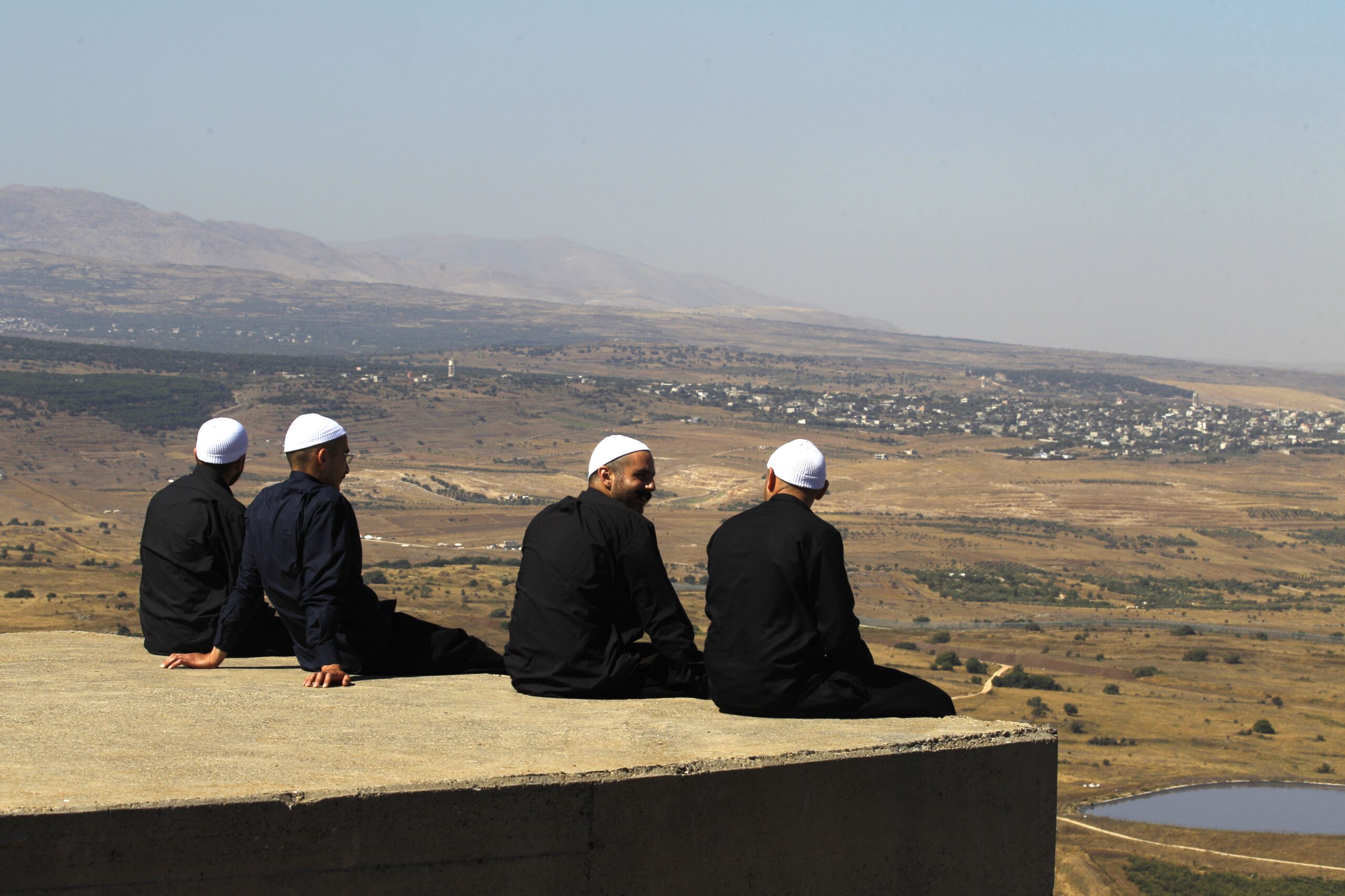
Divide and Conquer: The Growing Hezbollah Threat to the Druze
Deep political, familial, and religious ties have allowed Druze communities across the Levant to remain largely unified against external threats, but eight years of violence in Syria and a coordinated campaign by the regime and its allies now threaten to destabilize regional Druze politics and erode the sect’s political and military power. An Iranian-backed campaign by Hezbollah to incite inter-Druze violence in Lebanon has curtailed this unity, laying the groundwork for Hezbollah to expand into Syria’s Suwayda province with impunity.
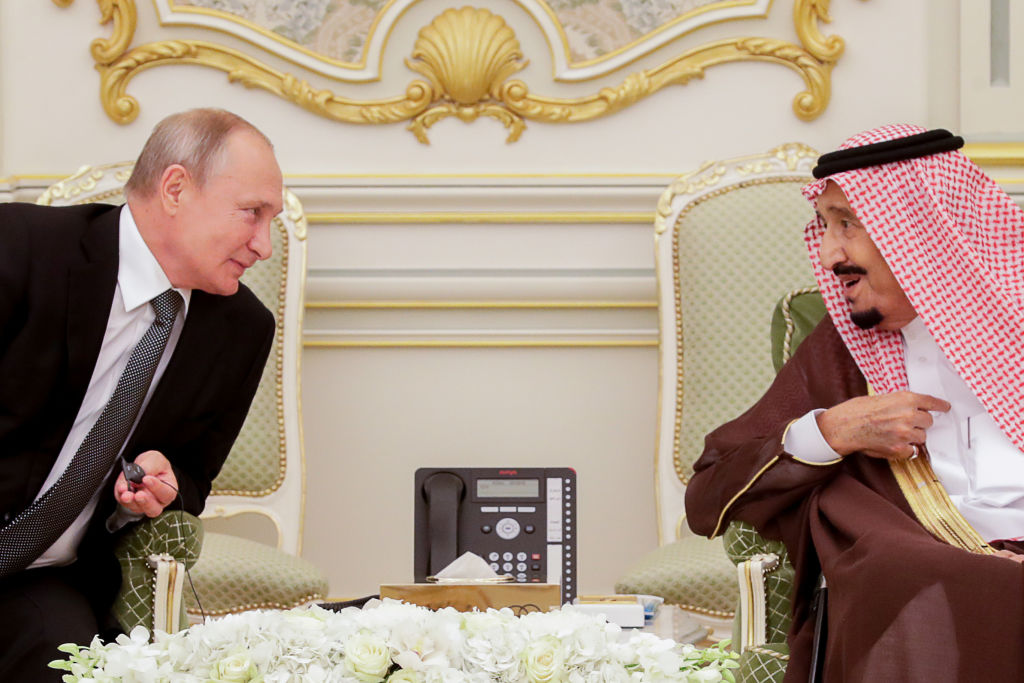
Putin reaps benefits of Trump’s Middle East policy collapse
Putin’s visit to Saudi Arabia and the UAE takes place as the U.S. position in the Middle East collapses in the face of a series of misjudgments and “own-goals” by the Trump administration.
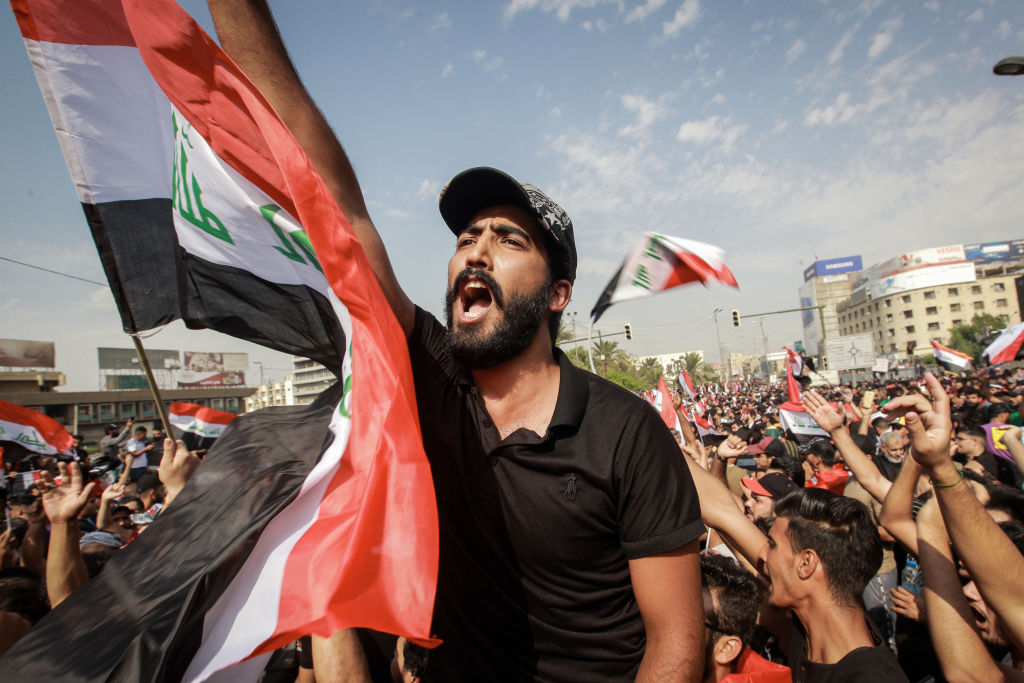
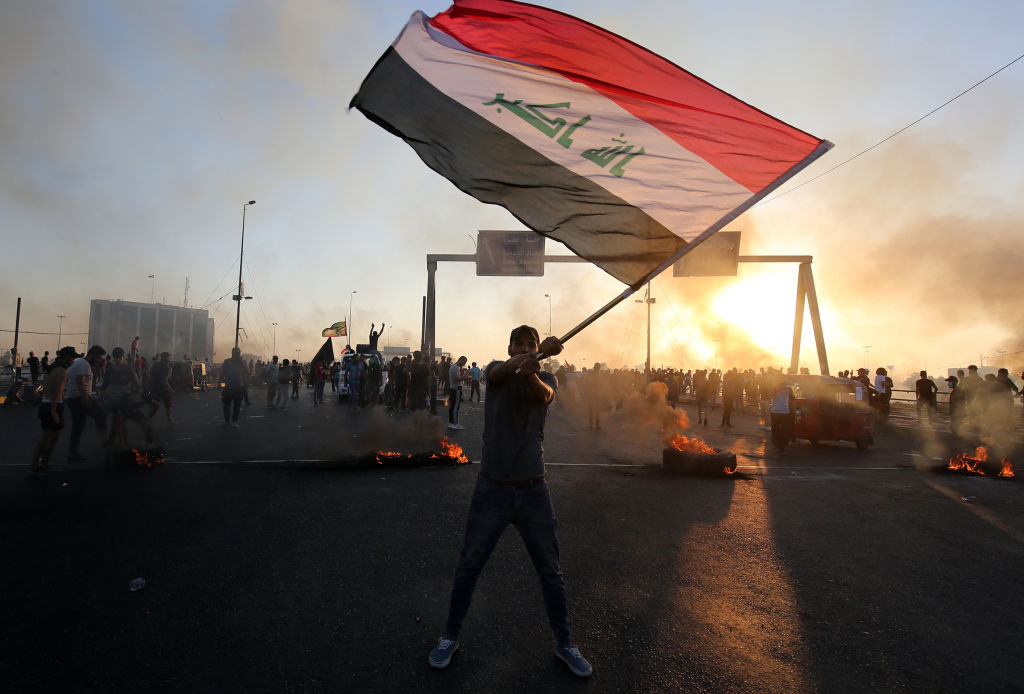
Iraqi youth protesters: Who they are, what they want, and what’s next
“We reached a level of injustice we could no longer take. For every action, there is a reaction,” explained one civil society activist following the Oct. 1 outbreak of protests in Baghdad and central and southern Iraq.
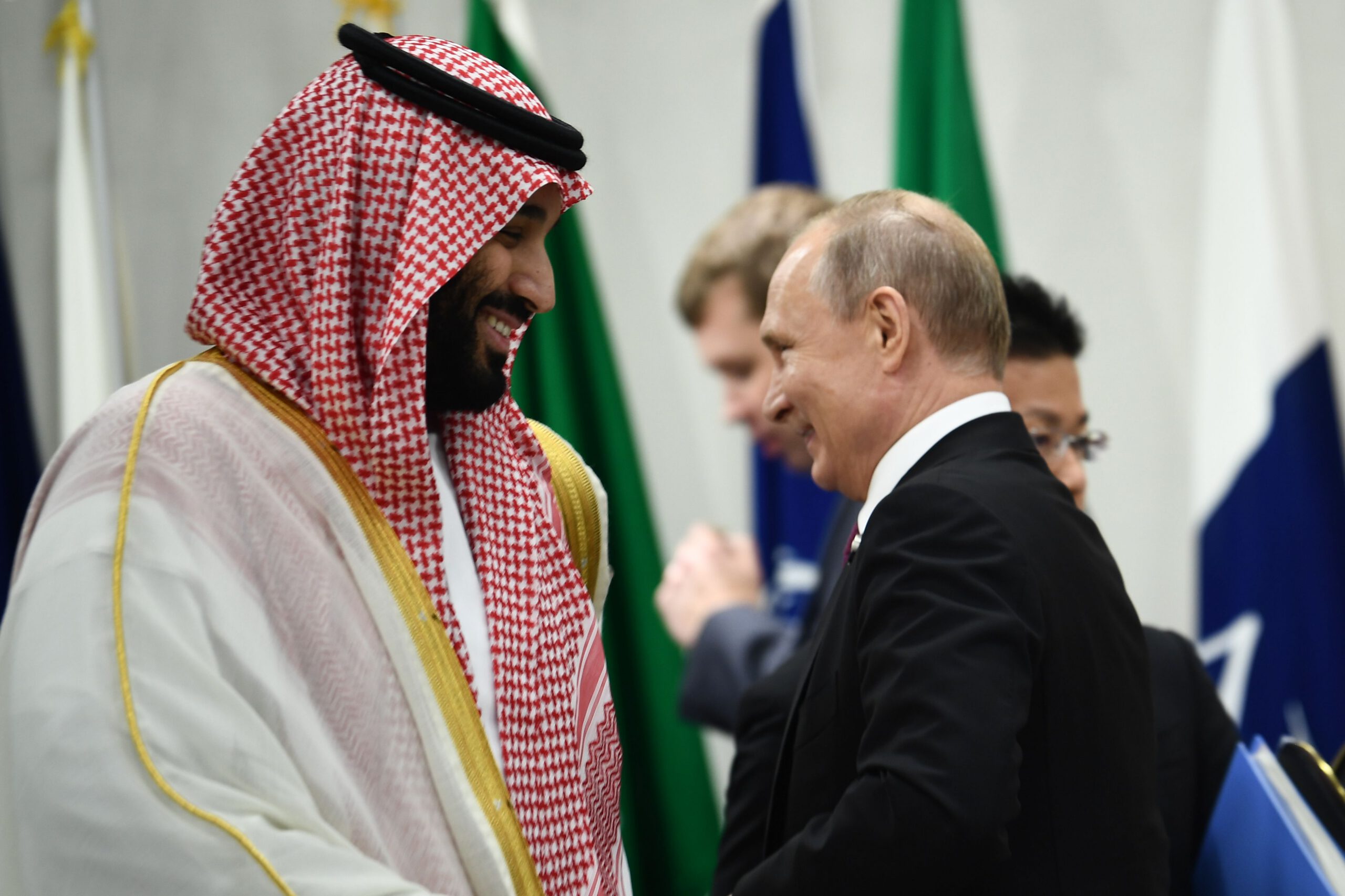
Putin’s visit to Riyadh could help shape the next chapter of Russia-Saudi relations
President Vladimir Putin heads to Riyadh to try to pry loose multi-billion-dollar investments that Saudi Arabia has pledged to Russia but failed to deliver on. Putin also hopes to persuade the kingdom to increase two-way trade.
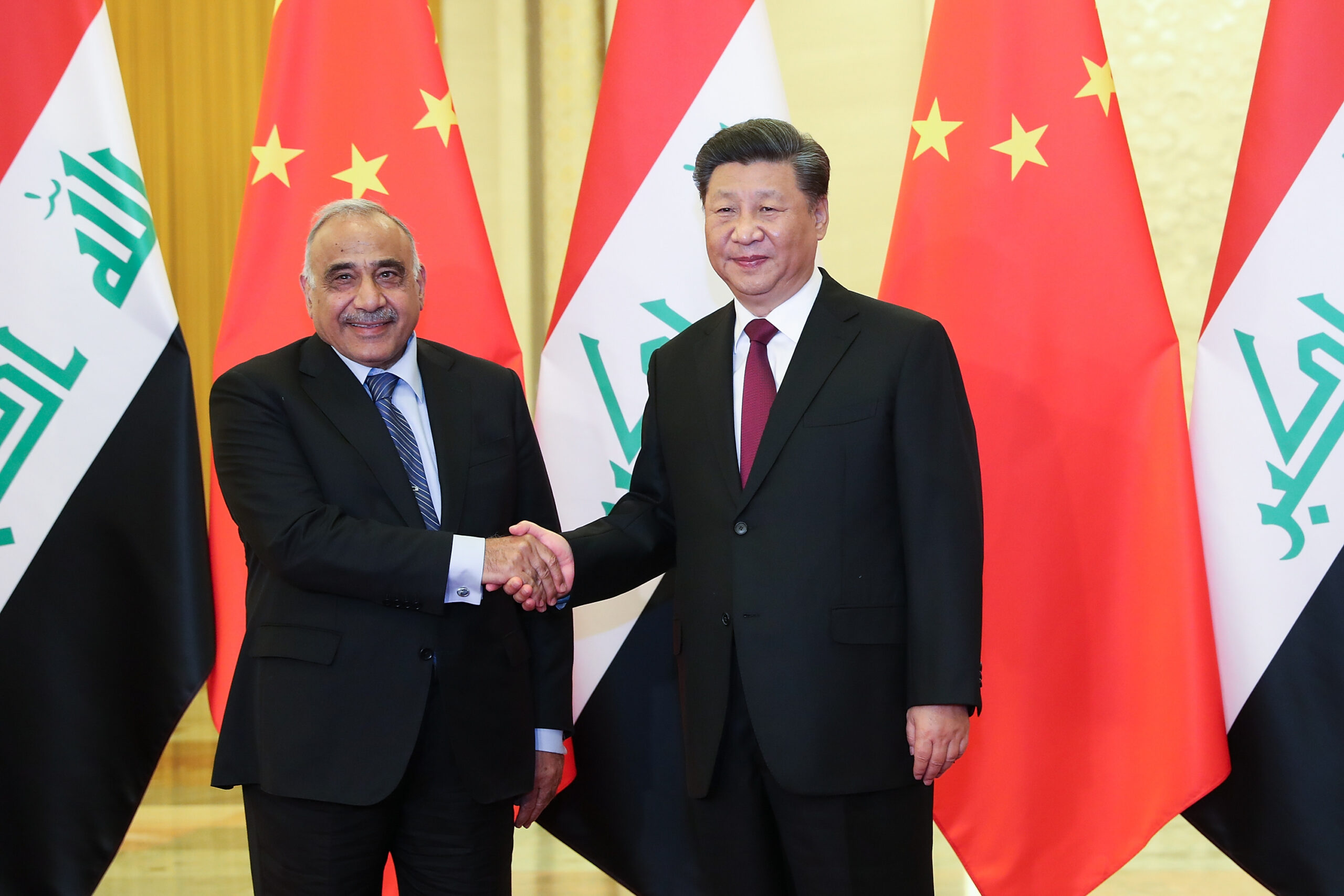
China-Iraq Relations: Poised for a “Quantum Leap”?
Upon arriving in Beijing on September 19 at the head of a 55-member delegation, Iraq Prime Minister Adel Abdul-Mahdi described the visit to China as heralding a “quantum leap” in bilateral relations. The five-day visit culminated in the signing of eight wide-ranging memoranda of understanding (MoUs), a framework credit agreement, and the announcement of plans for Iraq to join China’s Belt and Road Initiative (BRI). Since then, however, a wave of angry anti-government protests have swept across much of Iraq, leaving more than 100 dead and thousands wounded — a vivid reminder of the country’s ongoing struggle for stability and of the obstacles to the further consolidation of China-Iraq relations.
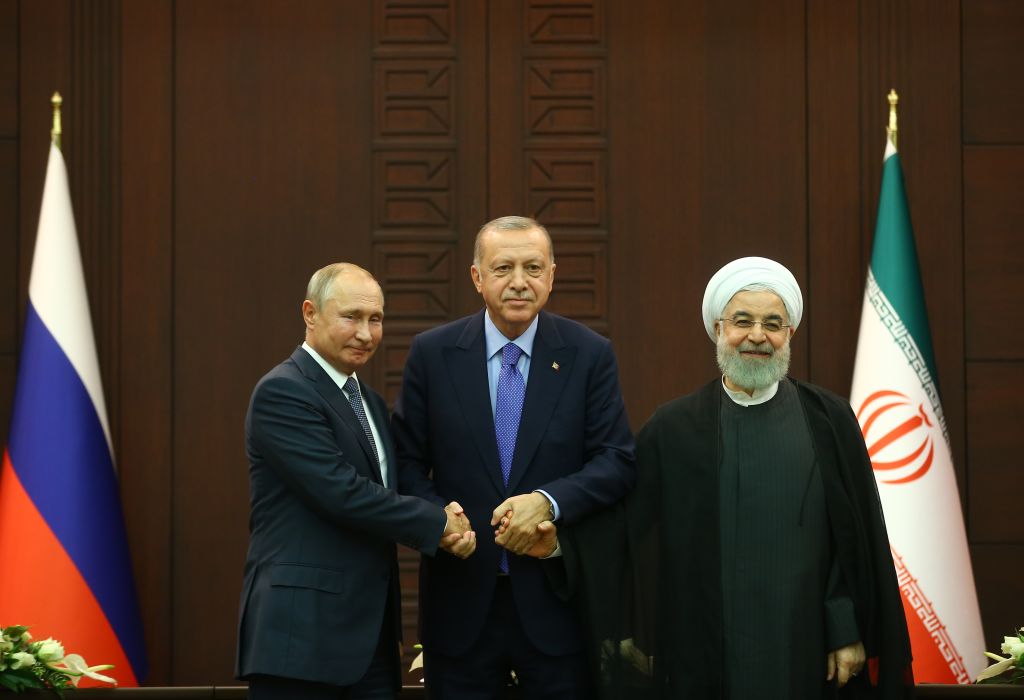
Russia’s efforts to expand the Astana process in Syria
On Sept. 16, the presidents of Russia, Iran, and Turkey met in Ankara to discuss the resolution of the Syrian civil war. In all three countries, the Ankara summit was hailed as a major success, as negotiations on the formation of a Syrian constitutional committee concluded and progress was made toward resolving other outstanding challenges, such as the future of northeastern Syria and the ongoing struggle for Idlib.
Saudi Arabia’s archeological treasures have long been hidden in plain sight, known mainly to the people living in their proximity and a handful of scholars. But five recent UNESCO World Heritage Site designations have highlighted the universal value of the country’s material legacy.
Iran’s attack on Saudi Arabia was ill-timed and premature
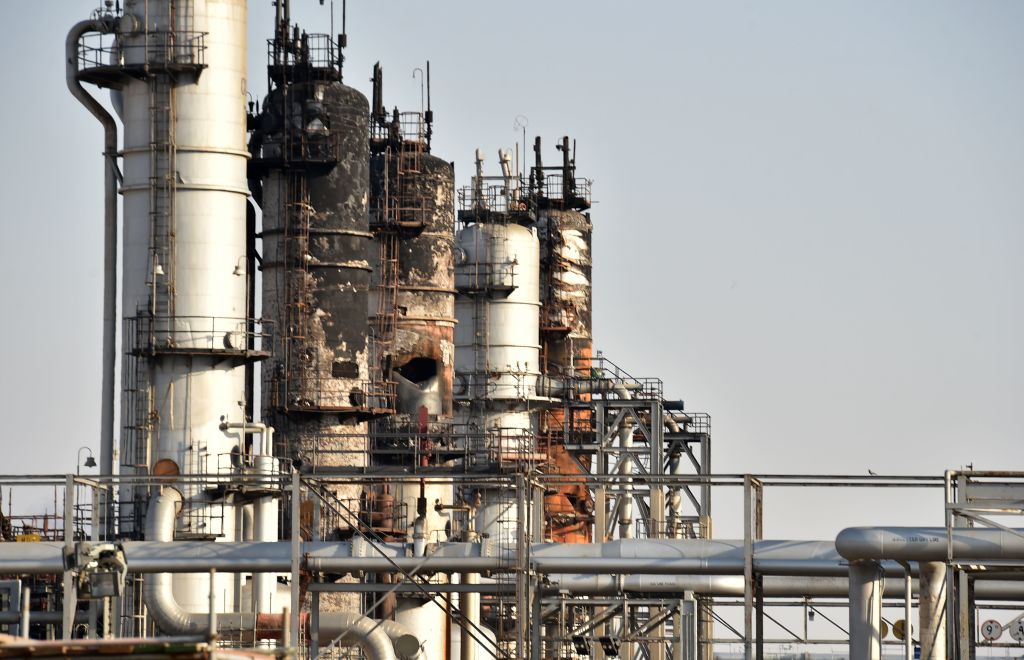
On Sept. 14, the news that Saudi Arabia’s oil facilities had been attacked and damaged came as a shock. And yet, in the not too distant future, this attack will likely be regarded as a tactical mistake. Tehran has miscalculated the timing of such a spectacular attack and it’s unclear whether Iran will get another opportunity to strike such a surprise blow again.
After Aramco: Will halting Houthi attacks on Saudi Arabia end Yemen’s war?
After five years of indecisive war, there is a clear desire on the part of the international community to bring the conflict in Yemen to an end, and the recent UN-endorsed Houthi initiative seems predicated on the assumption that ending the fighting between Riyadh and the Houthis would achieve this. A closer look at the situation, however, suggests this assumption is flawed.
Twitter suspends government-linked accounts, citing manipulation and raising wider concerns
The microblogging and social media service Twitter recently announced the suspension of 271 accounts linked to several Middle East governments a year after the company first released public information about the existence of state-run manipulation using its tools. The company cited violation of its policies on platform manipulation as the reason for the suspensions.