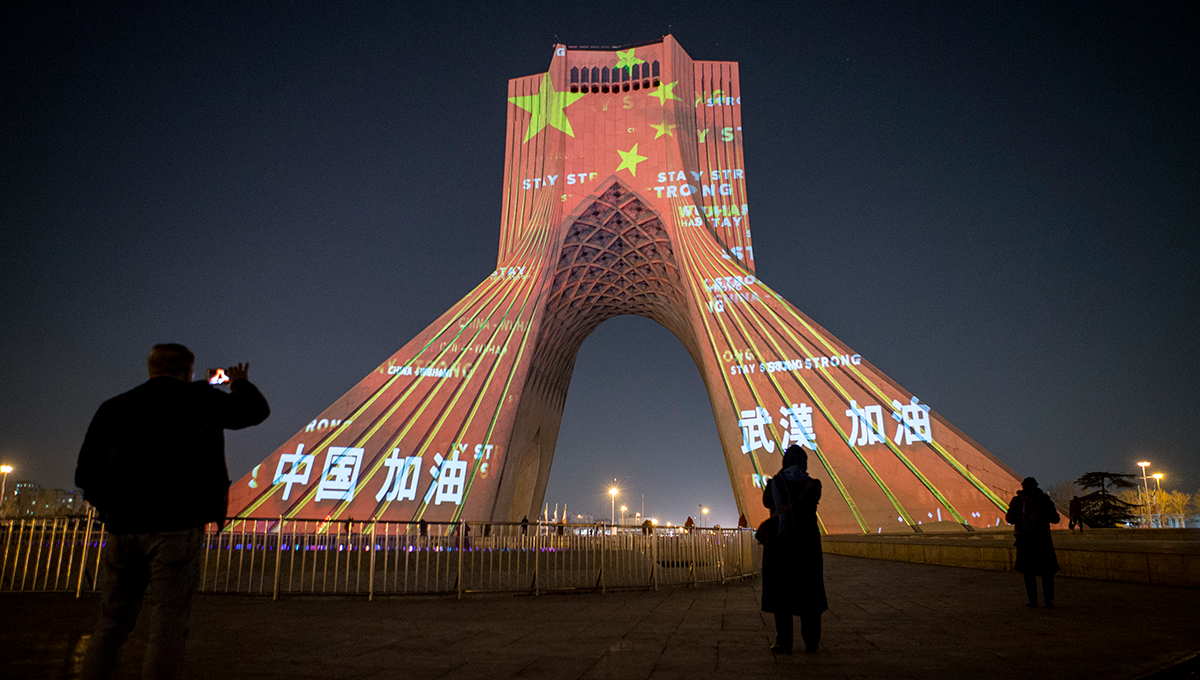
The 25-year Iran-China agreement, endangering 2,500 years of heritage
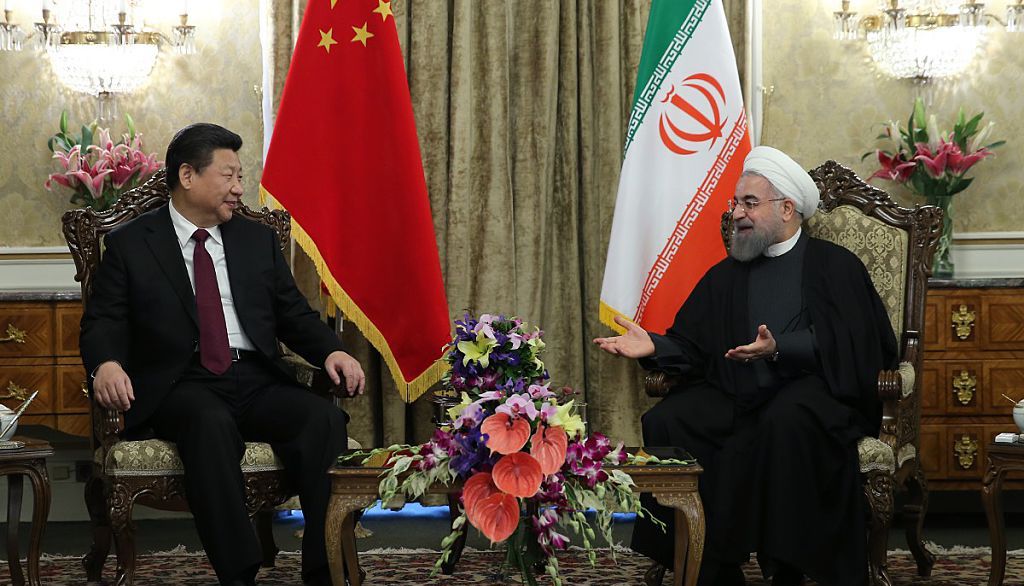
The 25-year strategic cooperation agreement between Iran and China, signed in March 2021, is coming to fruition, sparking debate among Iranians about the potential effects of deepening ties with Beijing.
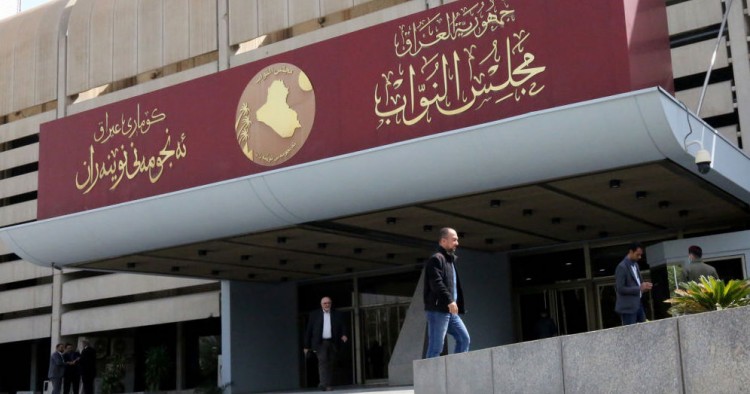
رائحة الثورة: آفاق الإصلاح في ظل الحكومة العراقية المقبلة
وستجد الحكومة الجديدة في جلستها الأولى على مكتبها عددًا من الملفات الشائكة ، تتفاوت في درجة أهميتها وخطورتها وإلحاحها. ستكون المهمة الأولى للحكومة هي ترتيب أولوياتها.
The smell of the revolution: The prospects for reform under the next Iraqi government
In its first session the new Iraqi government will find on its desk a number of thorny files, which vary in their degree of importance, danger, and urgency. Its first task will be to prioritize them. How it chooses to do so will be shaped by several sets of factors, including intrinsic internal ones, as well as regional and international developments. Its priorities when it comes to the security, economic, and service files will play an important role in determining if the government will be able to remain in office and complete its constitutional term.
Revolutionary narratives: The Islamic Republic’s greatest strength
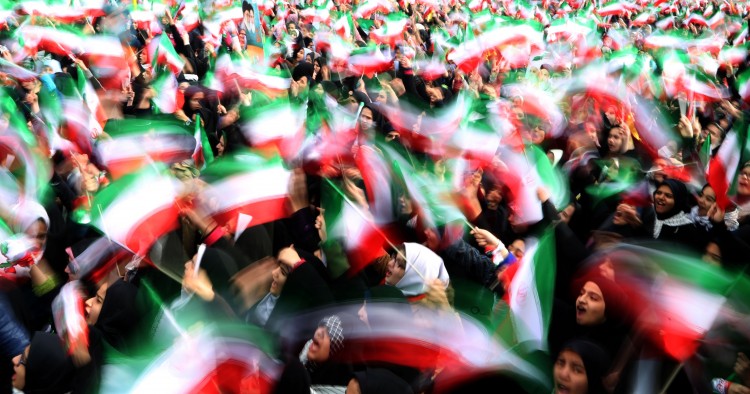
On Feb. 11, Iran celebrated the 43rd anniversary of its 1979 revolution. The current government in Tehran takes good care to refer to this as the “Islamic Revolution,” implying that what happened then was an organized and intentional effort, on the part of the entire country, to pivot toward an Islamic society. But any student of modern Iranian history will tell you that this is a vast oversimplification that puts the cart before the horse.
مخاوف طهران المتزايدة بشأن الاعتماد المفرط على بكين
مع استمرار المحادثات النووية في فيينا، ثمة حقيقة واحدة لا يمكن إنكارها وهي أن قدرة إيران الاقتصادية على تحمل العقوبات الأمريكية حتى الآن ترجع في الغالب إلى الصين. ففي نهاية الأمر، حصلت شركات صينية كافية على مباركة السلطات في بكين لمواصلة استيراد النفط الإيراني وتجاهل المطالب الأمريكية منذ أن أعاد دونالد ترامب فرض العقوبات على إيران في عام 2018. البيانات التجارية غامضة، ولكن كميات الخام الإيرانية المصدرة إلى الصين، يقال أنها لم تقل سوى قليلًا عما كانت عليه في سنوات ما قبل العقوبات.
Thanks to Iran, Israel emerges stronger as the US shifts its focus away from the Middle East
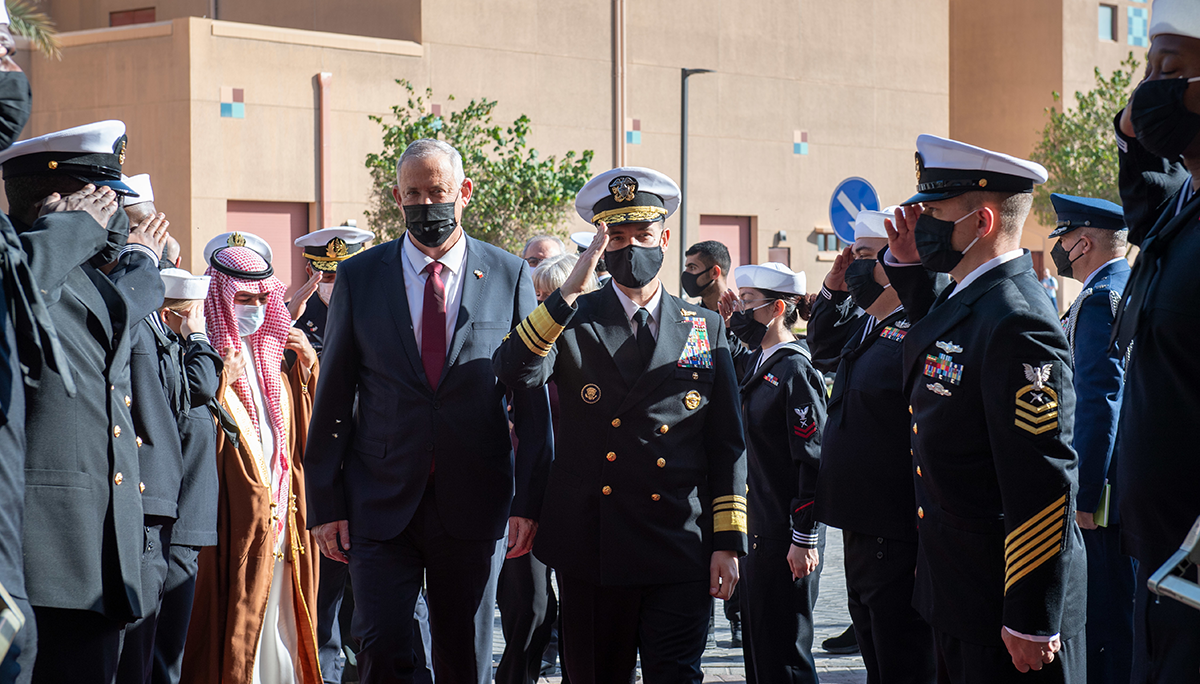
The U.S. is disengaging from the Middle East as it shifts its focus elsewhere, a move widely perceived within the region as a sign of a coming American departure. Many in Israel were concerned that this would strengthen Iran and its influence in the region. Instead, it is Israel that has emerged stronger.
Charles Lister and Mick Mulroy discuss the dramatic Feb. 3rd U.S. special operations raid that killed ISIS leader Abu Ibrahim al-Hashimi al-Qurayshi, the group’s late January attack on the al-Sina prison, and ISIS’s broader trajectory in both Syria and Iraq.
Iran to remain a key partner for Ethiopia in the Tigray conflict
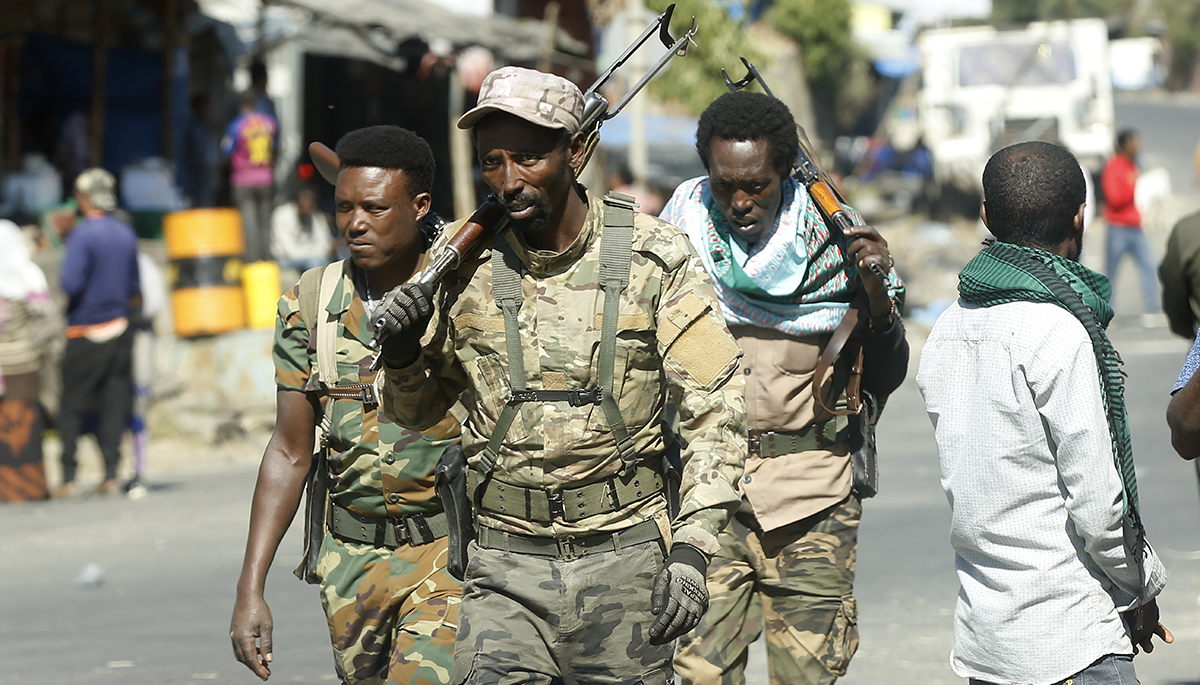
Ethiopia is Iran’s gateway to the Horn of Africa and the broader East Africa region. By helping Ethiopia in its ongoing conflict with the rebel Tigray Defense Forces, which represent the Tigray ethnic minority, Iran is preserving its so-called strategic depth in the region to bolster its influence.
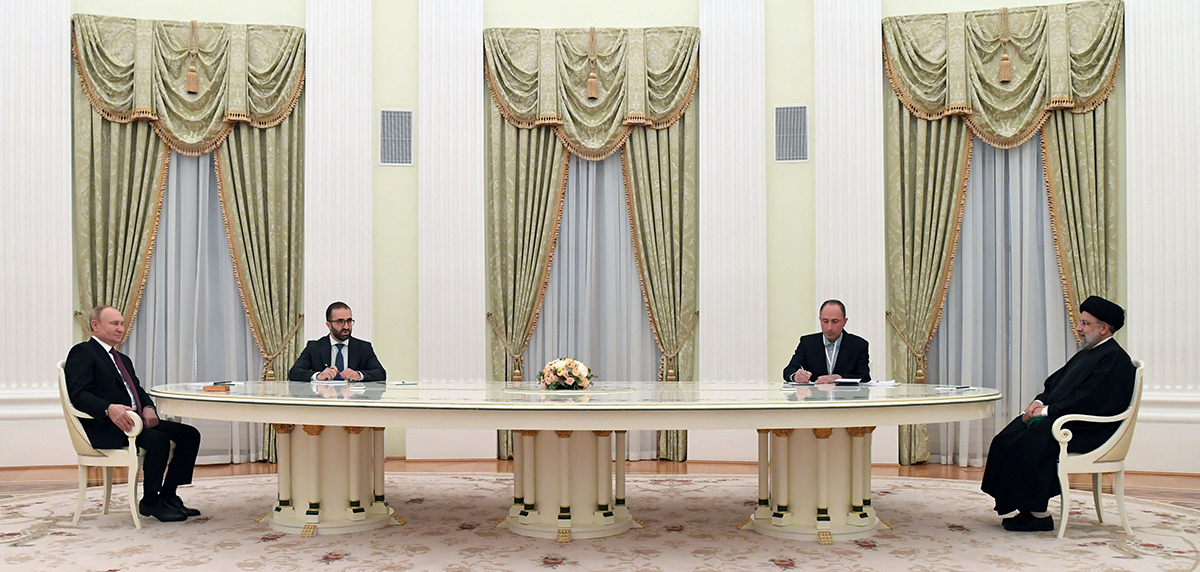
Since the fall of the Soviet Union and the rise of Vladimir Putin in the 1990s, military and economic relations between Iran and Russia have improved, as their tensions with the West have intensified. One aspect of the relationship that has received little attention is their growing economic and trade cooperation involving the production, export, and import of halal meat and other products since 2015.
What these attacks and many others in the region have in common is Iran’s irrefutable involvement. They may have different local contexts and their perpetrators, all loyal to Iran, may have different motivations, but every single one of those attacks was possible only because Iran provided either the weapons or the know-how to assemble and use them.
The attack on al-Sina Prison points to a broader ISIS resurgence
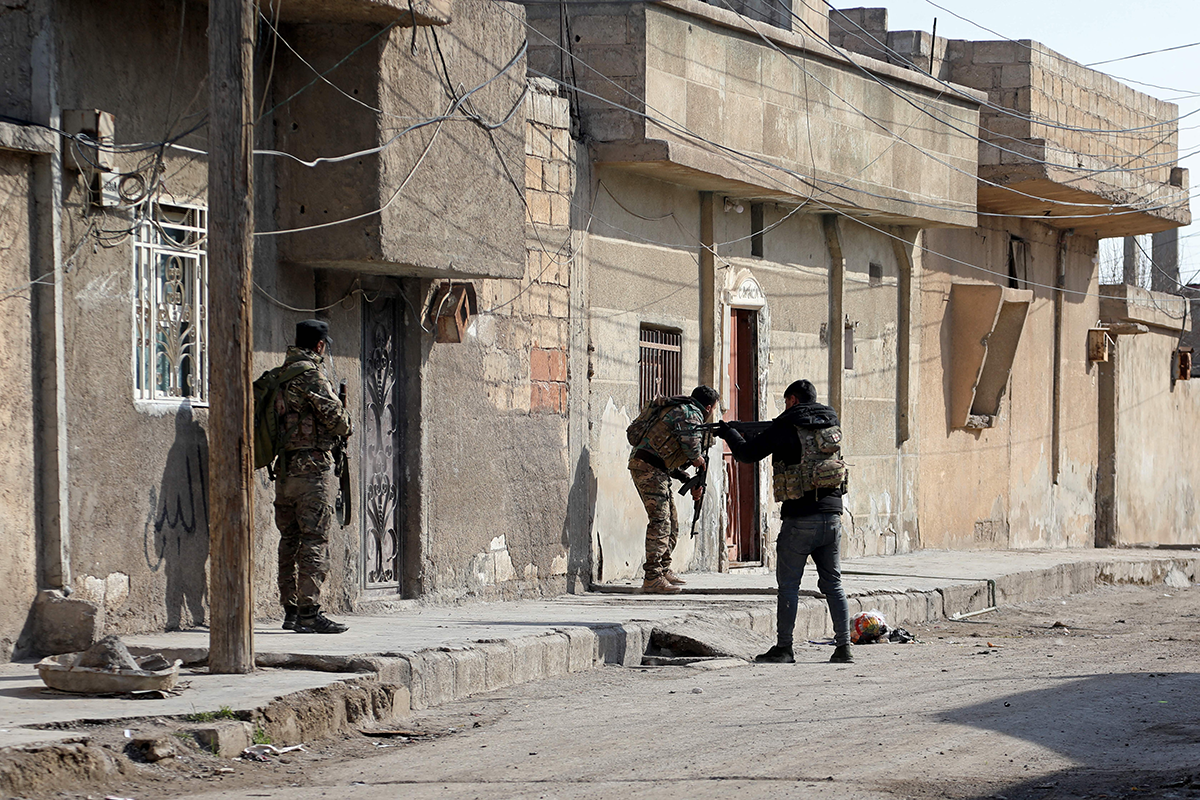
Intense fighting between the SDF and ISIS continued for the fifth day in Syria’s northeastern city of al-Hasakeh on Monday, following ISIS’s biggest attack in Syria and Iraq in three years. In the evening of Jan. 20, as many as 200 ISIS militants, many wearing suicide belts, launched a coordinated multi-axis assault on al-Sina Prison, shortly after detonating two car bombs parked along the exterior walls of its northern wing. In the chaos that ensued, SDF vehicles were seized and used to break through secure walls, clearing the way for hundreds of ISIS detainees to escape.