الضربات الجوية الأمريكية على الميليشيات العراقية وخطر دوامة التصعيد
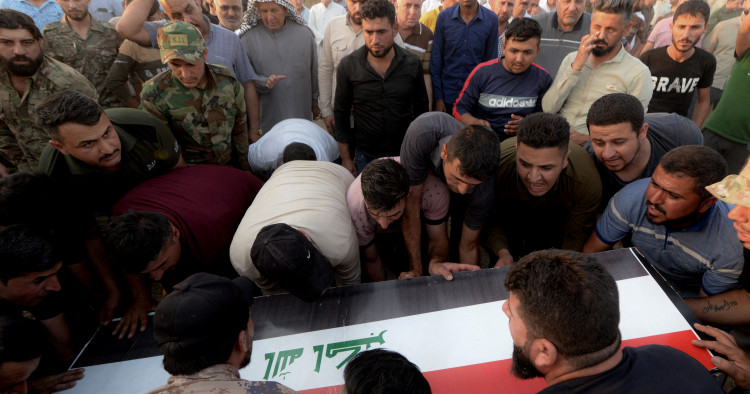
مهما كانت شدة محاولات الحكومة العراقية لتوجيه البلاد بعيدًا عن الصراع الإيراني الأمريكي، فإن الميليشيات العراقية المدعومة من إيران ستظل تسحبها مجددًا لهذا الصراع
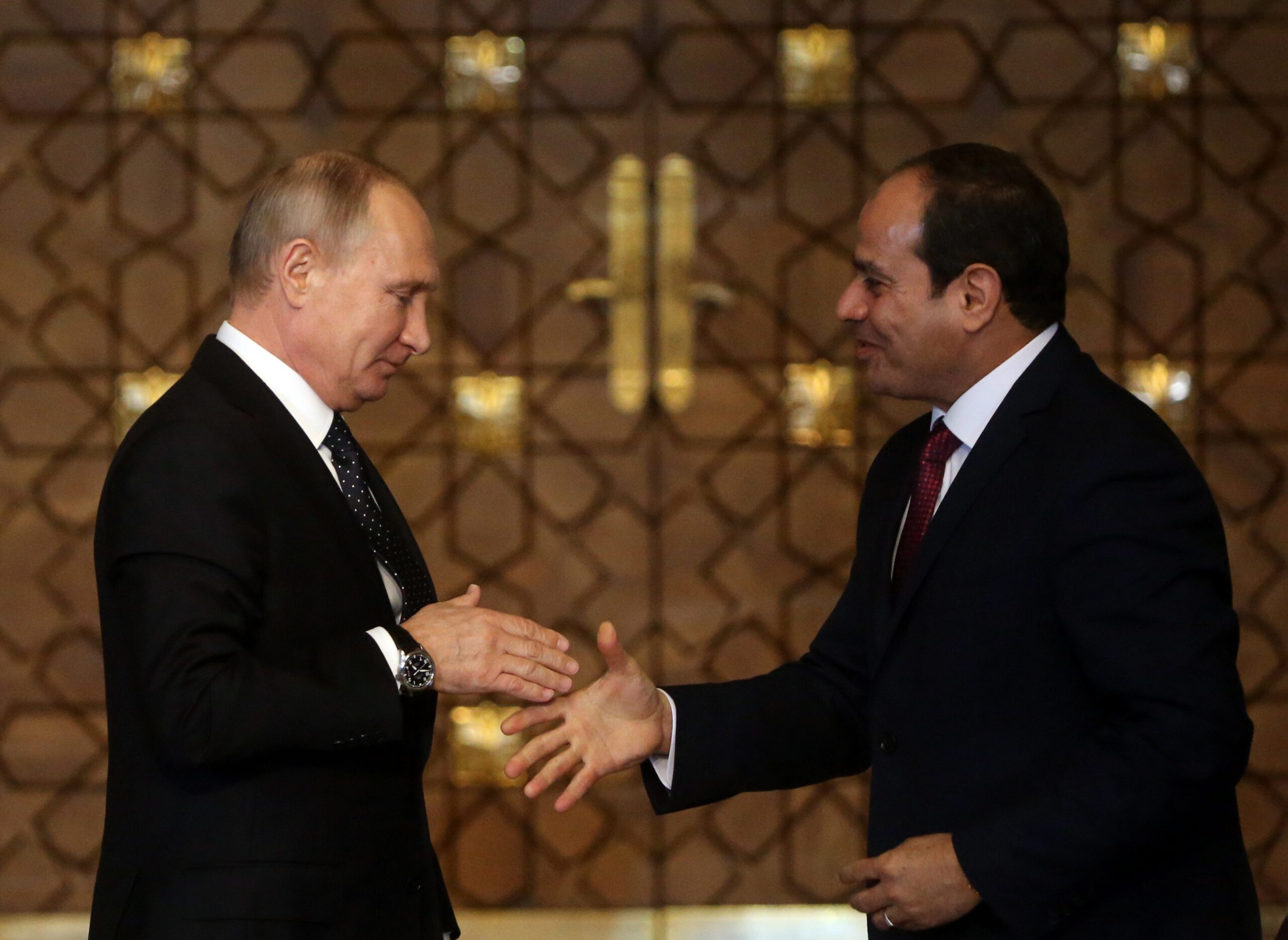
Russia’s careful calculus in supplying Iran with a high-tech satellite
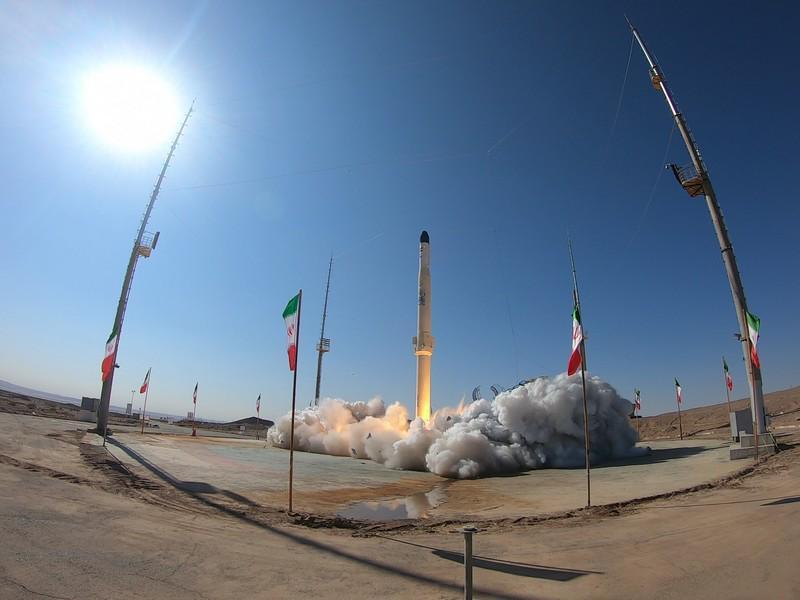
According to reporting from The Washington Post, Russia is set to provide Iran with a high-tech satellite called Kanopus-V. Russia will launch the satellite from its territory and then hand over control to an Iranian crew that received essential training in Russia. Iran will control the satellite from a newly built facility in Alborz Province, near Tehran.
Israel's counter-Iran strategy: Significant accomplishments, but a negative trend
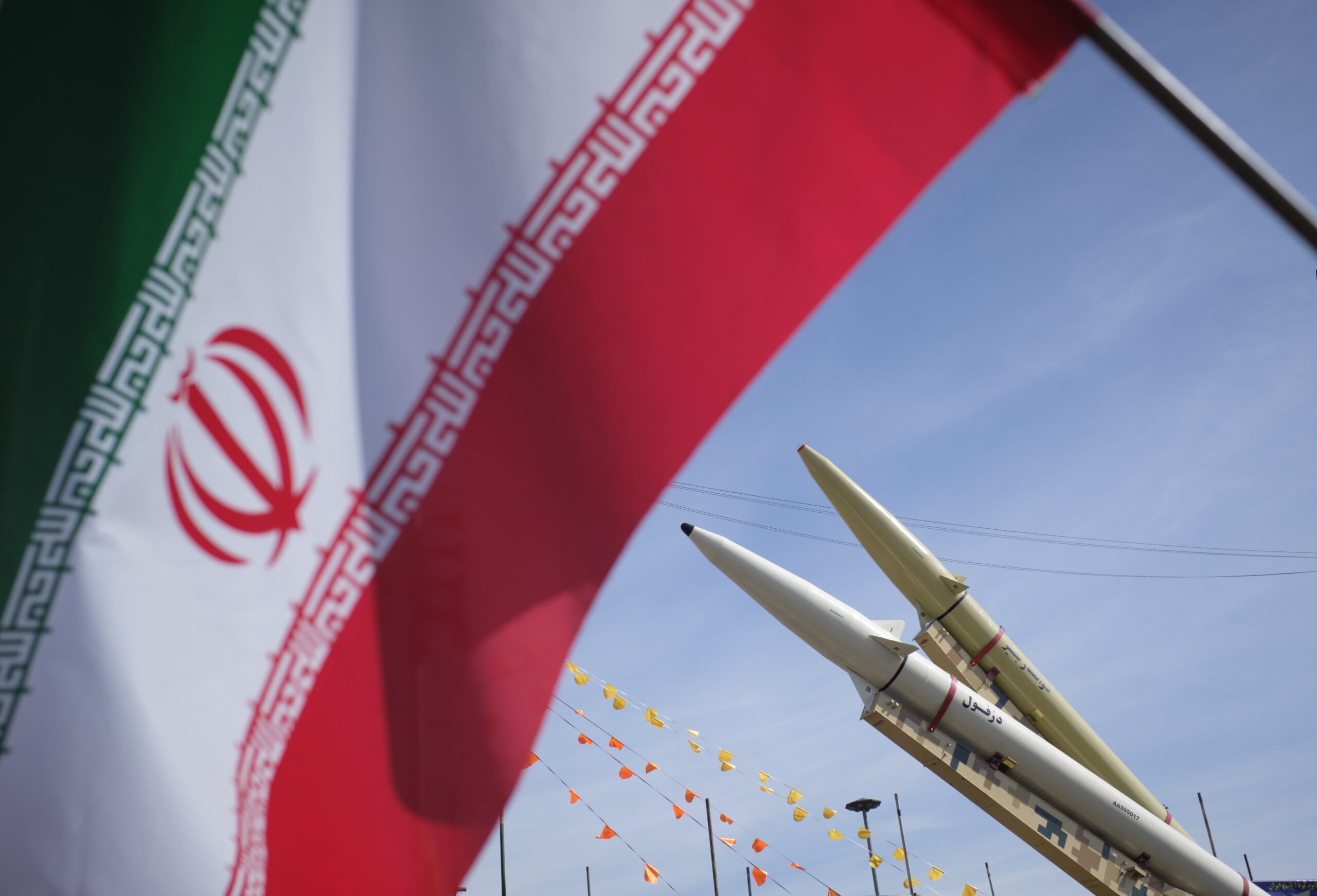
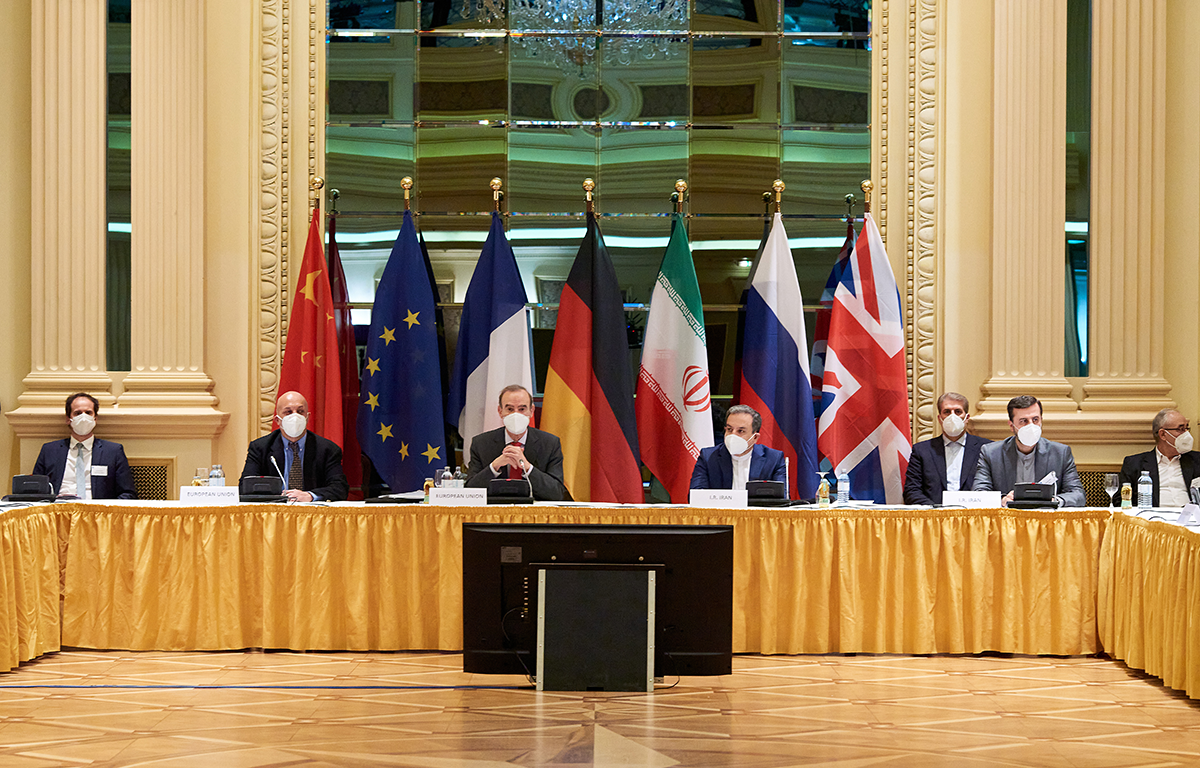
One of the first foreign policy decisions facing Israel’s new government will be if it wants to maintain or modify the policy spearheaded by Netanyahu to counter the United States’ determined effort to return to the 2015 nuclear deal with Tehran. Moreover, the new government needs to assess how successful the maximalist approach Israel has embraced since the negotiations between Iran and the great powers began about two decades ago has been, and to what extent it has pushed the international community to refrain from making concessions and compromises vis à vis Iran.
It's Now or Never: Lebanon Policy Conference Key Takeaways
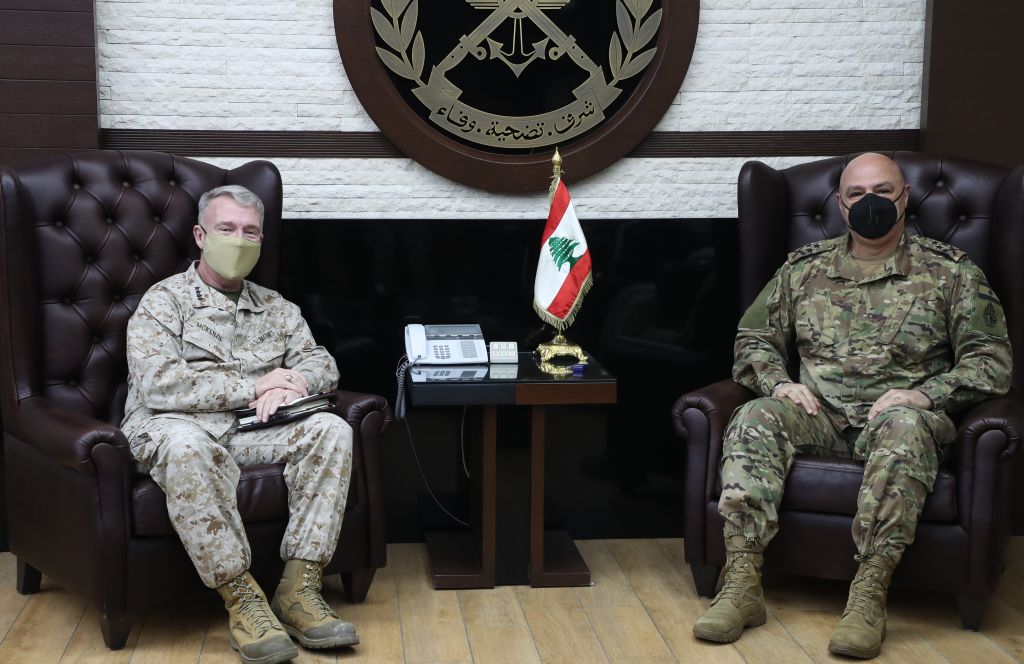
Over the course of two weeks in May and June, the Middle East Institute hosted its inaugural Lebanon policy conference in collaboration with the American Task Force on Lebanon (ATFL) and LIFE. This series of events brought together leading diplomats, policymakers, economists, development practitioners, and think tank professionals from the U.S., Europe, the Middle East, and Lebanon to discuss the urgency and viable paths forward for the country’s political, financial, and humanitarian crises.
Defense Rapid Reaction: The threat of armed drones
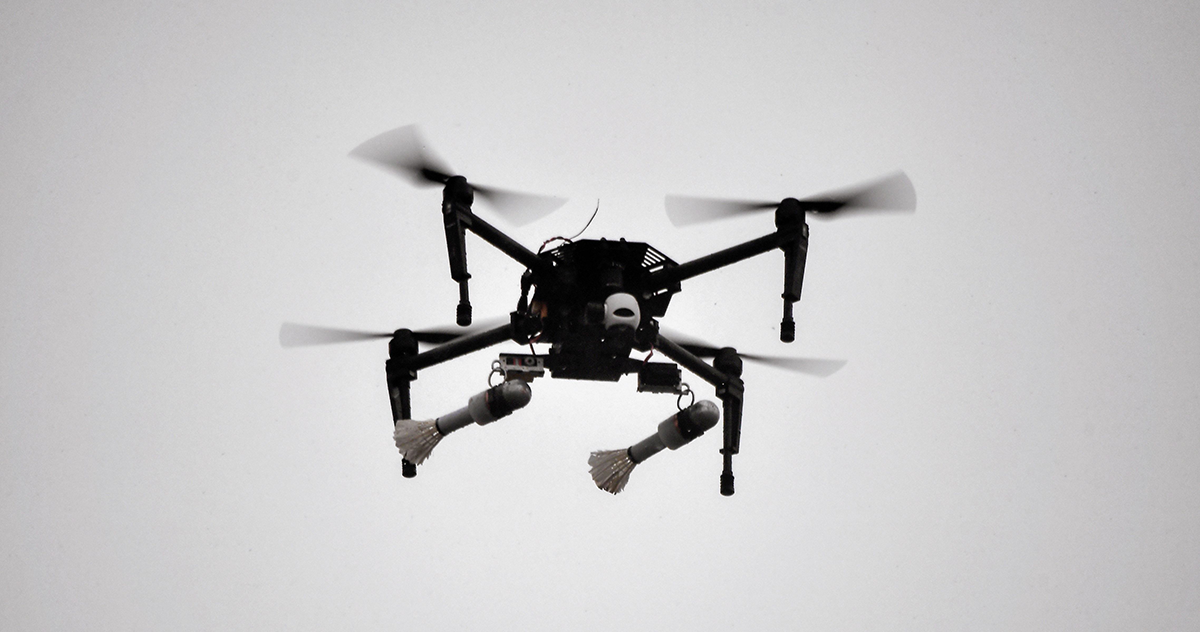
As unmanned aerial vehicle (UAV) technology becomes ever cheaper and more accessible, the threat of armed and GPS-guided drones is becoming a serious problem for U.S. forces in theater. In the past few months, Iranian-backed Iraqi militias have used small drones armed with explosives to attack Iraqi military bases housing U.S. forces several times, and the threat posed by such UAVs is only likely to grow in the months and years to come. Experts from MEI’s Defense & Security Program weigh in with their thoughts on how the U.S. should respond to this emerging threat, as part of the new Defense Rapid Reaction series.
Is Russia prepared for an open-ended conflict in Syria?
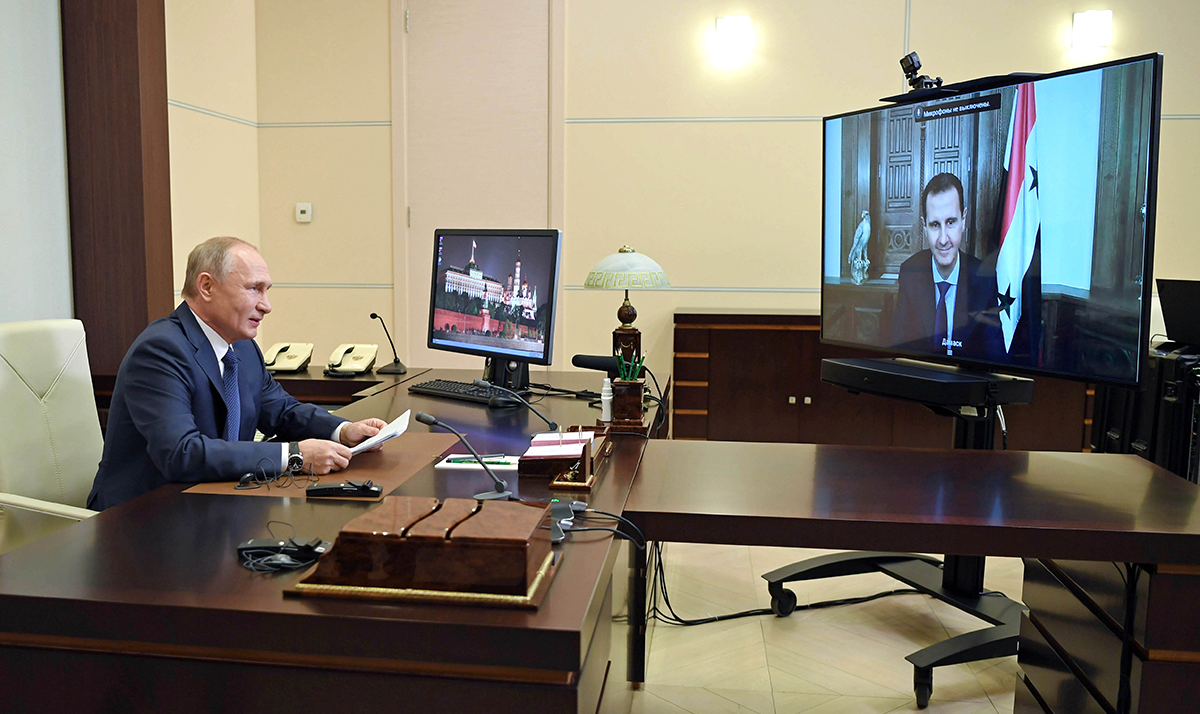
Russia’s key foreign policy dilemma is the tension between its aspirations of retaining its Soviet-era geopolitical clout and its lack of ideological and economic tools to achieve that goal. From a strategic standpoint, Russia’s campaign in Syria seems like an open-ended story that bears some resemblance to the situation in Ukraine. These similarities in Russia’s methods are not accidental. The Kremlin lacks the ability to impose its foreign policy blueprint on the West and can only leverage its power to stir up trouble in unstable regions.
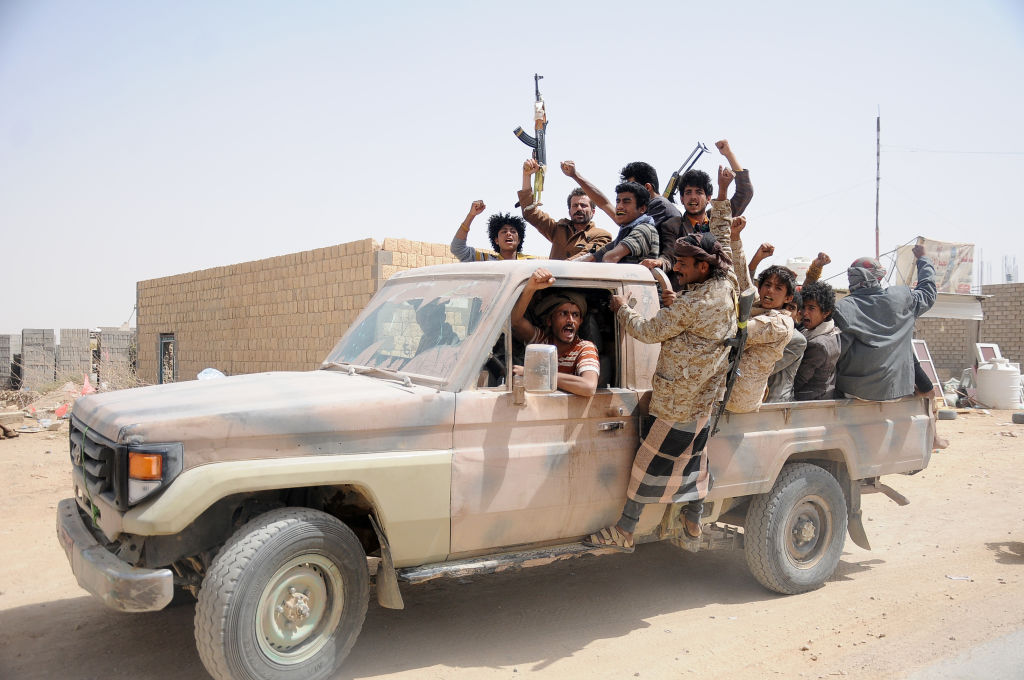
President Joe Biden’s commitment to “stepping up” diplomacy to end the war in Yemen generated hope among peace practitioners and policy shapers. In February, the president appointed Tim Lenderking, a seasoned diplomat with solid experience in the region, as the U.S. special envoy to Yemen.
CAATSA sanctions are hurting Turkey’s military readiness at a time when NATO can’t afford it
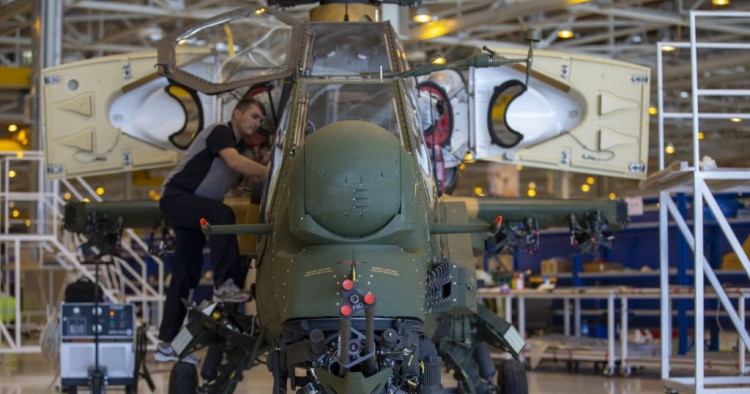
On Dec. 14, 2020, the Trump administration sanctioned Turkey’s Presidency of Defense Industries (SSB), along with key individuals involved in the purchase of the Russian–made S-400 surface-to-air missile system. The sanctions were issued under the 2017 Countering America’s Adversaries Through Sanctions Act (CAATSA), a law intended to punish Russia for a wide range of malign activities.
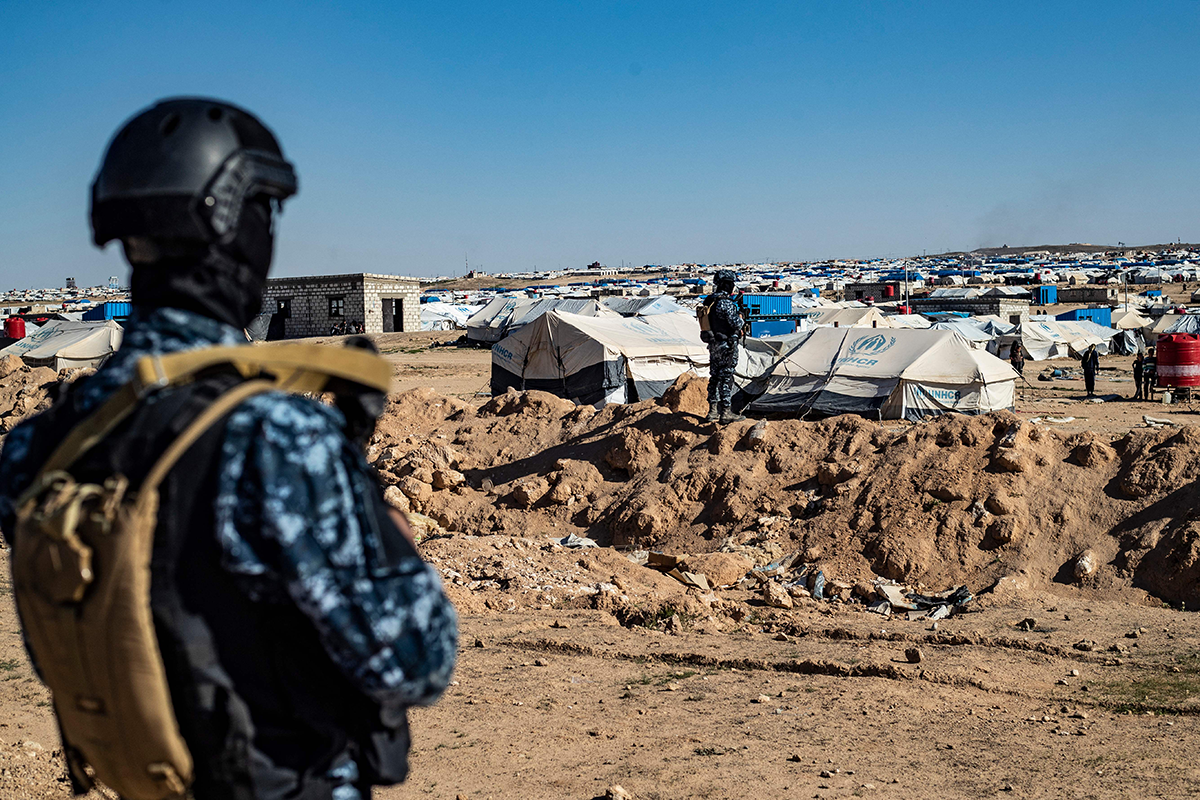
كيف ساهمت سياسات الإدارة الذاتية في عودة نشاط "داعش"؟
الرغم من مرور أكثر من عامين على تحرير مخيم الباغوز في محافظة ديرالزور، والذي كان آخر معاقل تنظيم “داعش” في سورية، ومحاولات التحالف الدولي وحليفته الإدارة الذاتية ارساء الاستقرار في مناطق شرق الفرات ومنع عودة التنظيم إلى واجهة الأحداث، إلا أن التنظيم لازال يمارس نشاطه وعملياته الأمنية في المنطقة، والتي تشهد تزايداً ملحوظاً مع مرور الزمن خاصة في العامين الأخيرين.
Expert Views: The Biden administration and the Middle East: Reflecting on the first 100 days
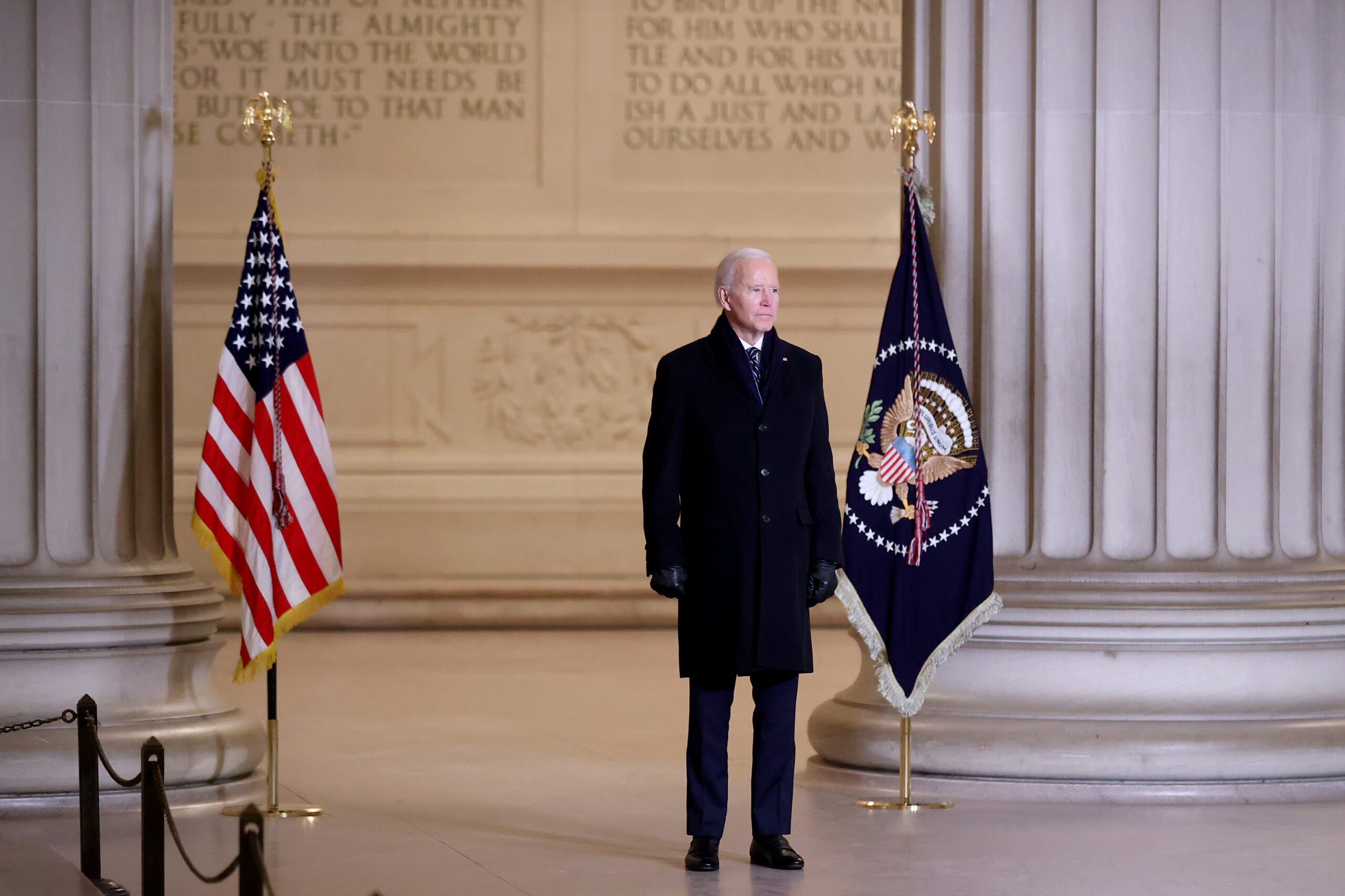
At the end of Joe Biden’s first 100 days as president of the United States, where do things stand when it comes to U.S. policy toward the Middle East and North Africa? We asked experts and scholars from across MEI to weigh in with their thoughts on the changes we’ve seen so far, the new challenges that have emerged, and what we know about the administration’s key priorities for the region.
The Roadblocks to a Regional Security Dialogue in the Middle East
It’s easy to see why there’s an enduring attraction for a regional security dialogue in the Middle East. Countries in the region face shared and borderless challenges — including terrorism, insurgency, environmental safety, arms races, cybersecurity, maritime piracy, and the proliferation of weapons of mass destruction — that can be dealt with more effectively through multilateral measures.
How have Russia’s policies in the Middle East changed since the Arab uprisings?
The response of the Russian government to the Arab uprisings that began in January 2011 has aimed primarily at protecting its interests in the Middle East, including security and economic objectives.[1] Nonetheless, it has pursued different approaches over time: an initial period of observation and political pressure between 2011 and 2015, followed by more active policies thereafter. This essay explains the reasons for this shift and argues that Russia’s policies since 2015 are likely to continue, despite domestic and external challenges.
Preventing a miscalculation between the US and Israel on Iran
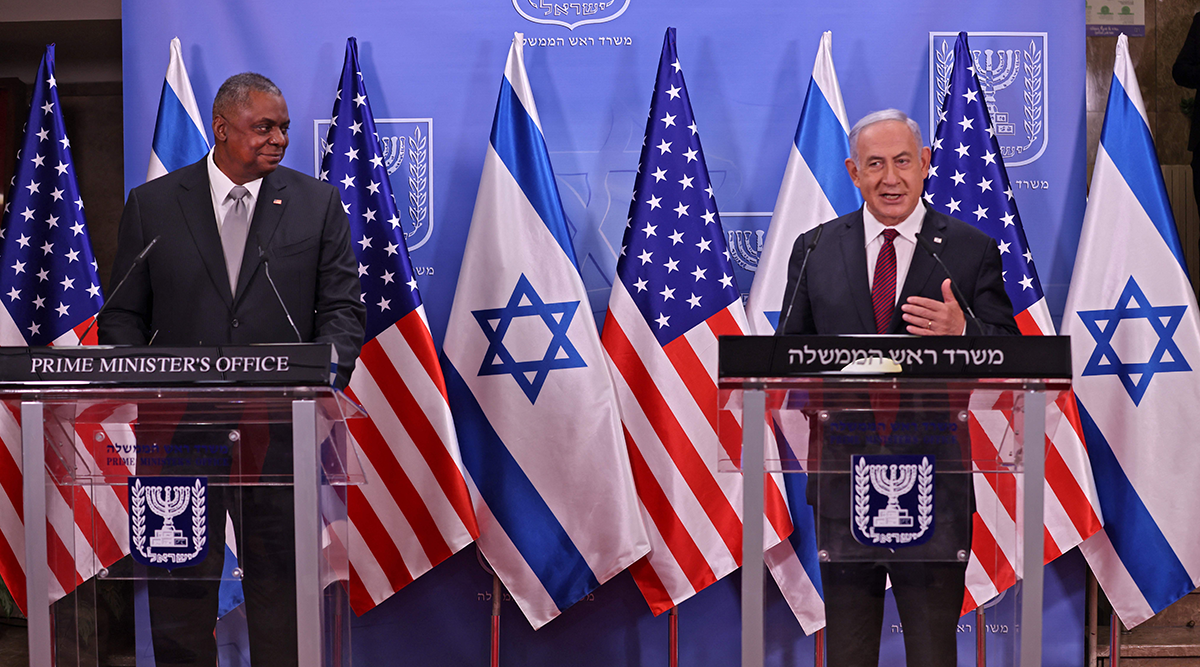
The U.S.-Israel relationship is a close partnership founded on shared national security interests as well as democratic values. Washington’s commitment to the security and wellbeing of the state of Israel is exceptional, and bilateral ties remain strong despite the erosion of support for Israel among progressive and isolationist circles in the U.S. In spite of all this, the Iran issue presents many pitfalls for miscalculation that could derail even the most well-intended efforts at formulating a coordinated U.S.-Israel strategy.