Georgian Defense Forces: The role of military partnerships
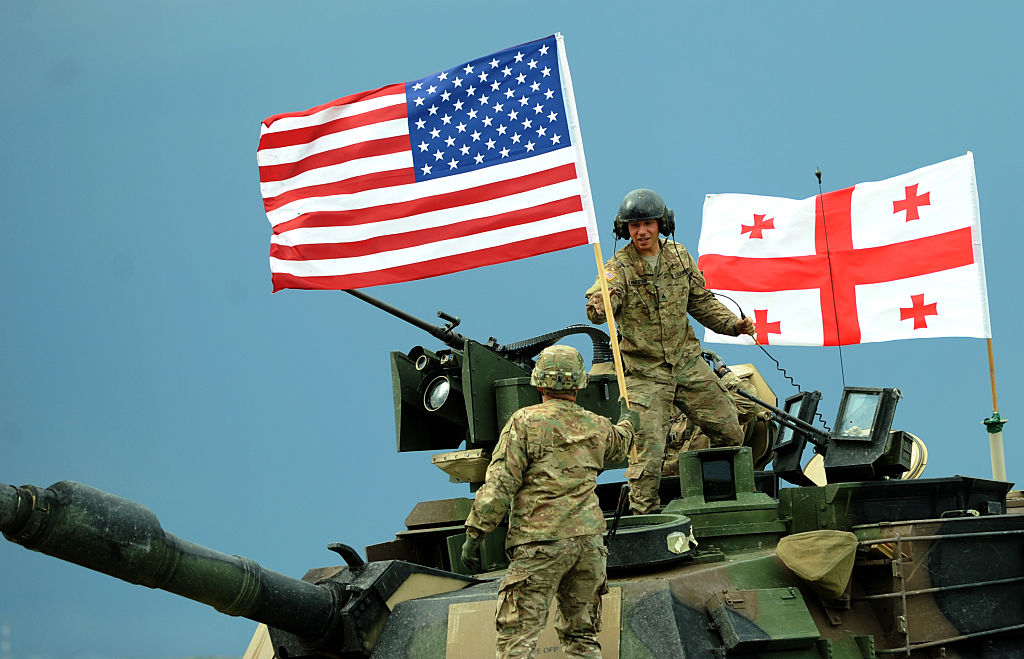
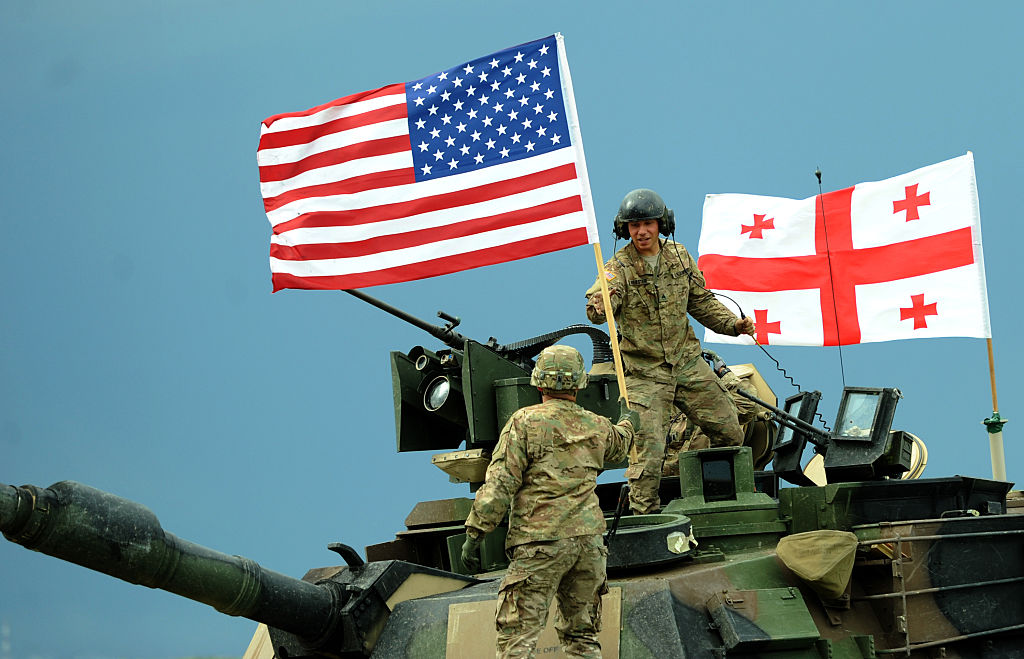
Following the dissolution of the Soviet Union, an independent Georgia found itself challenged by the separatist movements backed by the Russian Federation in the Abkhazia and Tskhinvali regions, leading to civil war in the early 1990s.
Erdogan pulls a rabbit out of his hat with Black Sea gas find, but is it all it seems?
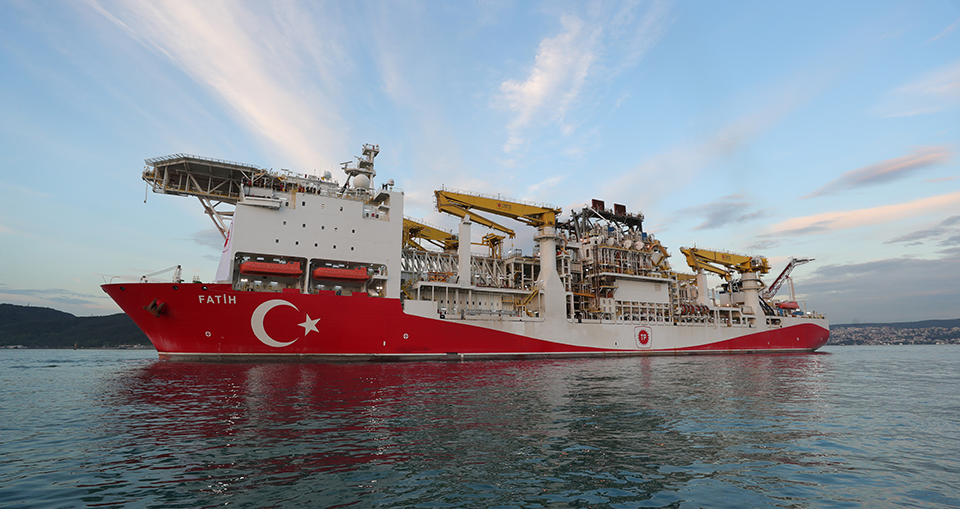
“God has opened the door to unprecedented wealth for us,” said an enthusiastic Recep Tayyip Erdogan as he announced that Turkey had made its biggest-ever discovery of natural gas on Aug. 21. He promised that gas from the 320-billion-cubic-meter deep-sea find would reach consumers in 2023, but industry experts are skeptical and have raised questions about the feasibility of the discovery.
In one of the interesting turnarounds in recent years, travel flows between the Black Sea region and the Middle East have undergone a silent change. During the past decade, this southward flow of shuttle migrants was replaced by Middle Easterners heading northwards in search of promising business opportunities and alternative holiday destinations.
Tom de Waal, Nicole Grajewski, and Theodore Karasik join host Alistair Taylor to discuss the recent border hostilities between Azerbaijan and Armenia and the role that Russia, Turkey, and Iran are playing in the geostrategically important South Caucasus.
Jordan’s apparent neutrality conceals deeper discomfort with UAE-Israel deal
The leaders of the Hashemite Kingdom of Jordan have traditionally been known as masters at staying as neutral as possible, especially when it comes to inter-Arab relations. This was on clear display in Amman’s response to the recent UAE-Israel rapprochement.
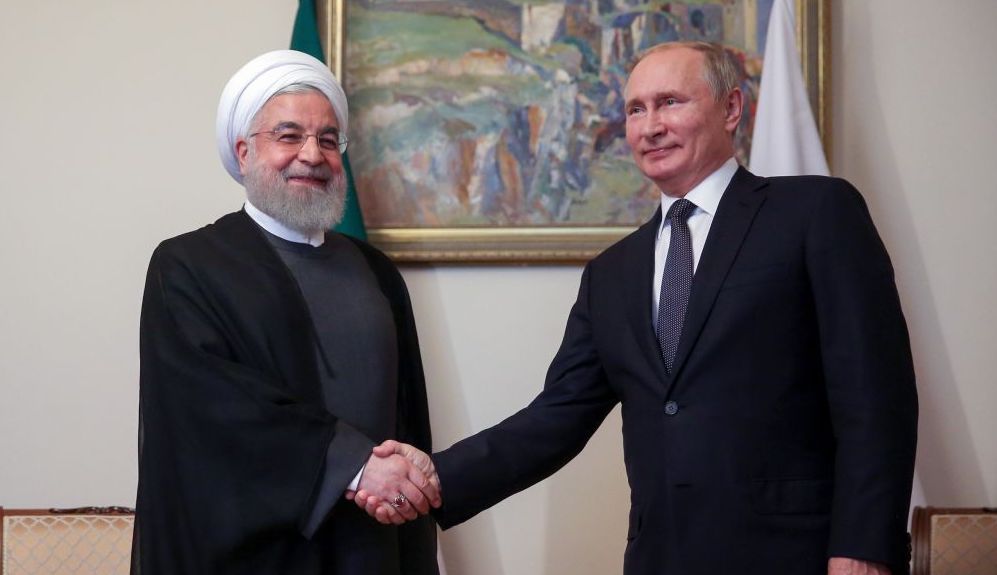
Russia, Iran, and economic integration on the Caspian
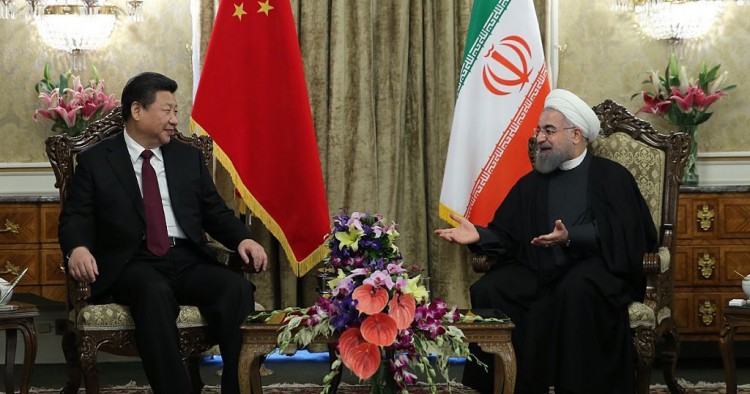
In recent weeks, reports of a potential 25-year, $400-billion deal between Iran and China have dominated the conversation about Tehran’s options for freeing itself from the punishing U.S.-imposed sanctions regime on the country. But China is not alone in seeing an embattled Iran as a major geopolitical and commercial opportunity — Russia too has ambitions of strengthening ties with Iran.
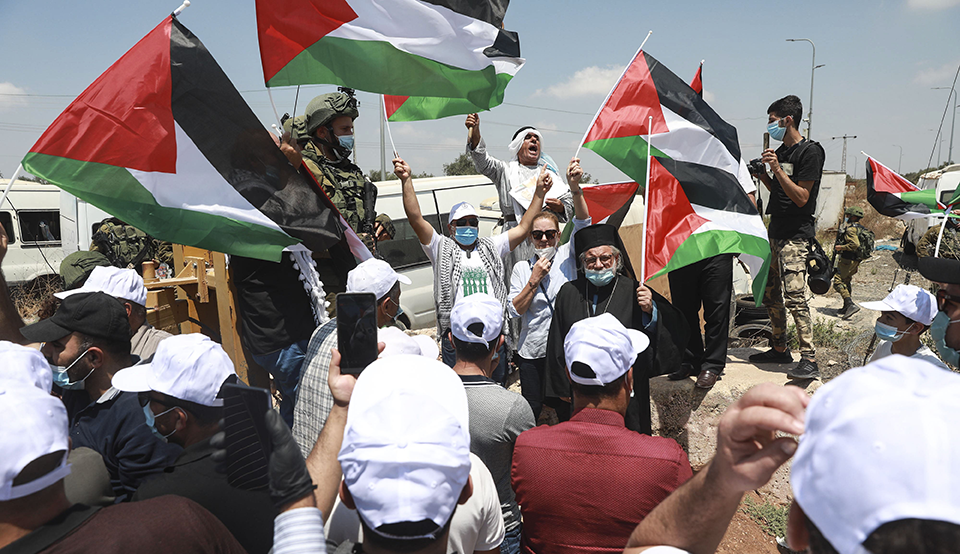
The agreement signed yesterday by Israel and the United Arab Emirates (UAE), in which the two countries agreed to a “full normalization of relations” in return for Israel suspending moves to formally annex parts of the West Bank, has reminded the Palestinians that they cannot count on the Arab states to deliver their freedom or safeguard their rights.
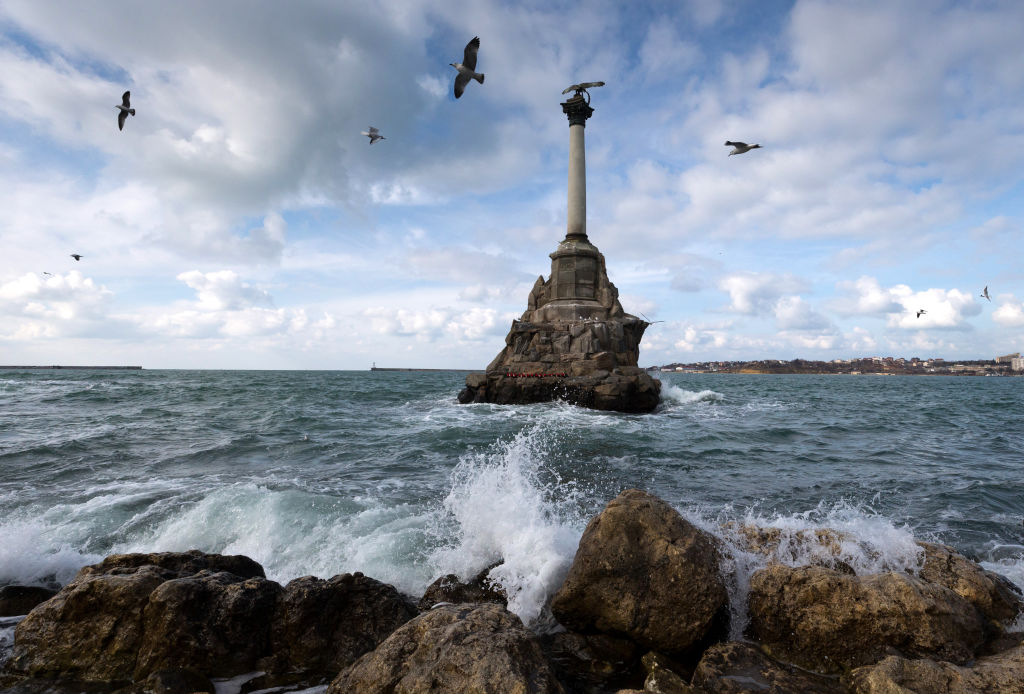
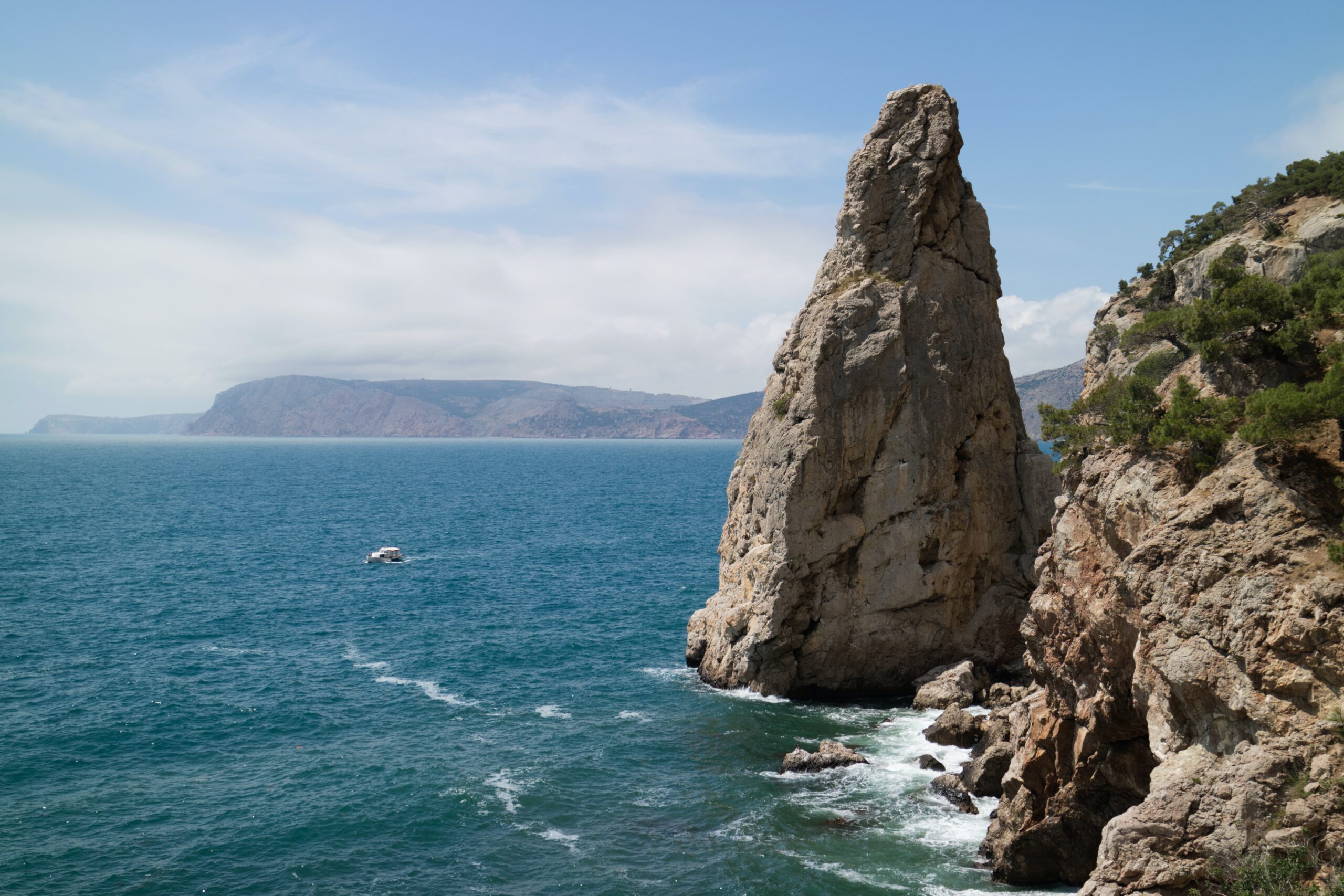
For those who study the countries and regions that surround it, the Black Sea is many things — a global trade thoroughfare, a zone of contestation, a cradle of civilizations, and a dying ecosystem. But, curiously, one of the more opaque factors is whether the Black Sea region — the states and polities on its littoral and immediate hinterland — is a region at all.
America must stay focused on Georgia's de-occupation and transatlantic path
This week marks the 12th anniversary of Russia’s wonton invasion of Georgia. While the world was fixated on the Summer Olympics in Beijing, an invasion force comprised of hundreds of Russian tanks and armored vehicles passed through the Roki tunnel on the Russian–Georgian border.
The annual Conference of the Parties (COP) was initiated by the United Nations Framework Convention on Climate Change (UNFCCC) in 1995 to assess progress made by UN members in dealing with climate change. Some meetings have had practical and measurable outcomes, such as the Kyoto Protocol of 1997. But arguably the most well-known meeting is the 2015 COP21 in Paris, also known as the Paris Agreement.
Moscow and Ankara will continue uneasy cooperation
As Russia partially reopens international travel amidst the ongoing pandemic, Turkey is in the top three countries for resumed Russian flights. Moscow also touts possible space cooperation with Turkey amidst tensions with the US on this issue. Despite disagreements between Moscow and Ankara over Syria, Libya, and the broader Black Sea region, Russia and Turkey remain determined to cooperate. But the relationship remains unequal.
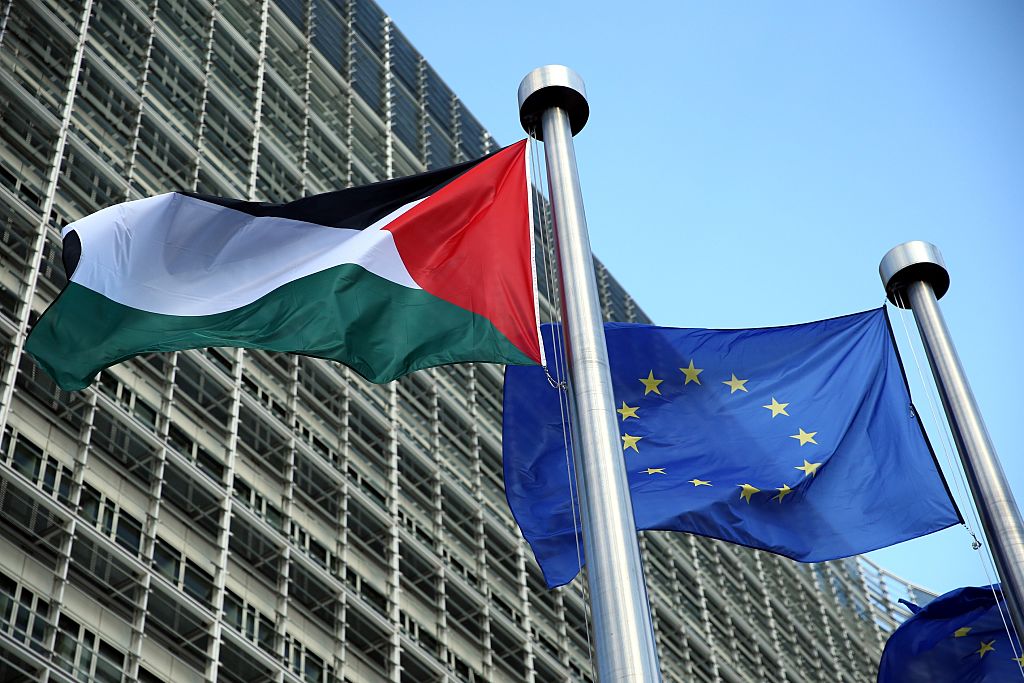
To recognize or not to recognize: EU recognition of Palestine
Recognition of a Palestinian state is one of the potential responses European Union states are mulling in response to an Israeli annexation of territory in the West Bank, with the foreign minister of Luxembourg, for example, declaring such a move “inevitable” in the event of annexation.
The Dangers Presented by Russian and PRC Weapons Sales to Iran
In October, the United Nations embargo on arms sales to Iran is scheduled to expire. This was a deadline specified in the 2015 Iran nuclear deal concluded by the Obama Administration. The Trump administration stridently opposes the lifting of this restriction and is lobbying within the UN Security Council to have the embargo extended indefinitely.
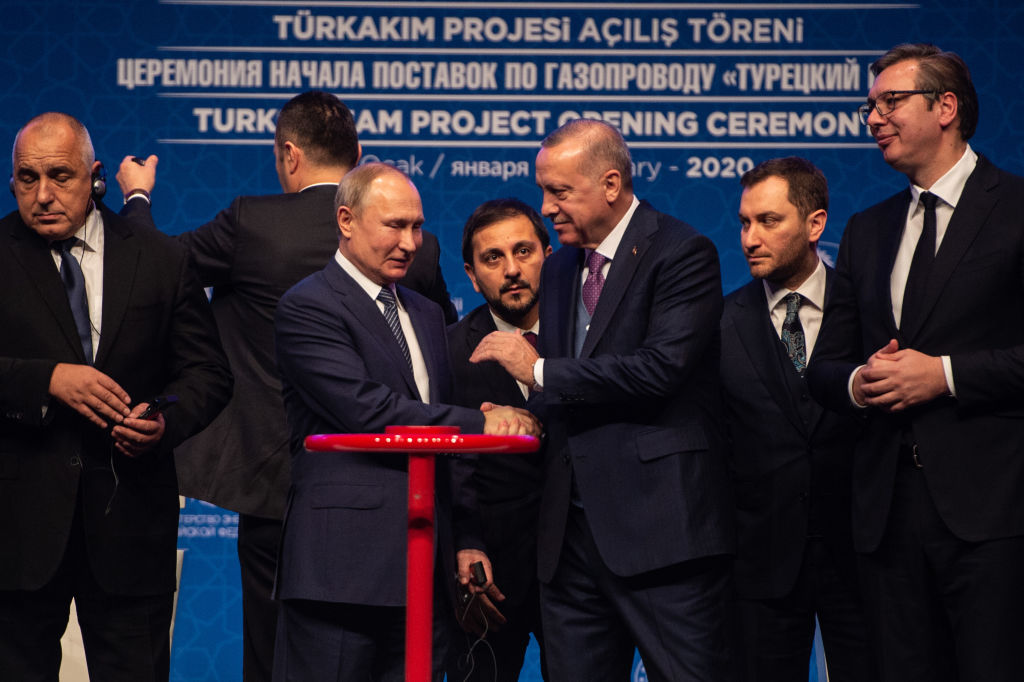
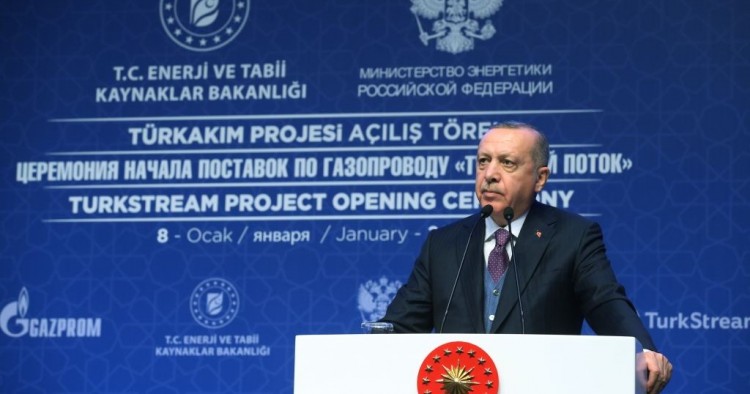
Until recently, Russia’s dominance in the natural gas markets southwest of its borders appeared unassailable. These days, that is less and less the case. Largely unnoticed yet dramatic changes are taking place in Turkey – Moscow’s top gas customer outside of Germany.
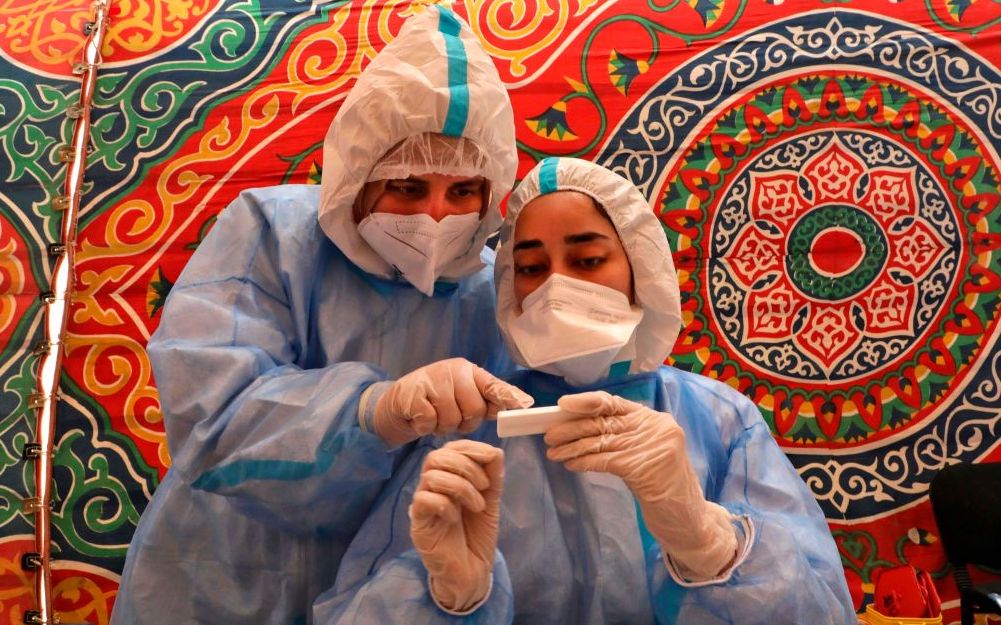
COVID-19 in the West Bank and Gaza: A second wave under military occupation and siege
In the Palestinian West Bank, a brutal second wave began over a month ago with a more than 20-fold increase in COVID-19 infections, putting an immense strain on the health care system. This strain, however, needs to be understood in the context of the ongoing violence of the Israeli settler colonial regime.