Skip to Content

Research & Commentary Results

Filter by
1476 Results
Israeli elections and the Joint List
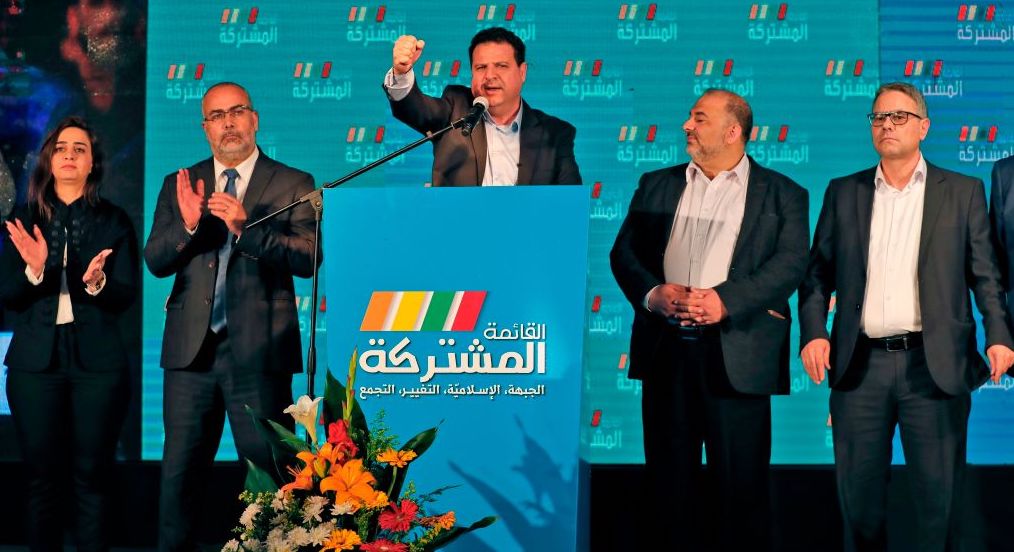
Ayman Odeh (C), leader of the Hadash party that is part of the Joint List alliance, gives an address with other alliance leaders at their electoral headquarters in Israel's northern city of Shefa-Amr on March 2, 2020, after polls officially closed.
  • Commentary
  • Israeli elections and the Joint List

    Whether or not Gantz succeeds in forming a government, the Joint List has cemented its role as “king makers” in Israeli politics.

    March 16, 2020

    Missing the long game: Washington’s high-risk energy diplomacy in Iraq
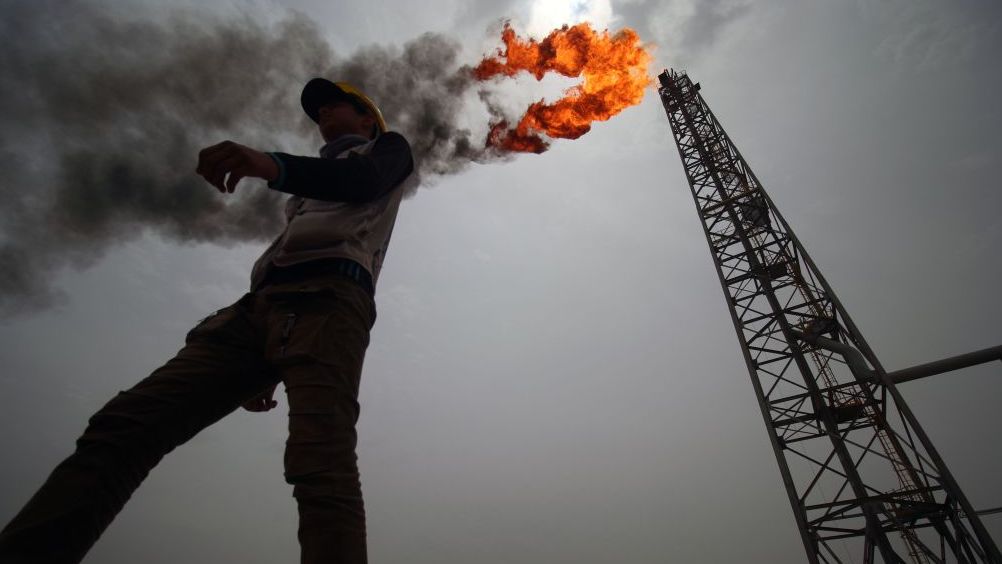
    An employee walks at the Hammar Mushrif new Degassing Station Facilities site inside the Zubair oil and gas field, north of the southern Iraqi province of Basra on May 9, 2018. (Photo by HAIDAR MOHAMMED ALI / AFP) (Photo credit should read HAIDAR MOHAMMED ALI/AFP via Getty Images)
  • Analysis
  • Missing the long game: Washington’s high-risk energy diplomacy in Iraq

    Washington’s foreign relations in the Middle East are often characterized by ebb and flow, tracking the region’s dynamic politics. But when it comes to Iraq, this ebb and flow is especially turbulent, and the country’s energy sector has been thrown under the spotlight as Washington presses Baghdad to take swift action to ensure its “energy independence” from Iran.

    March 13, 2020

    Shifting US strategy in Iraq
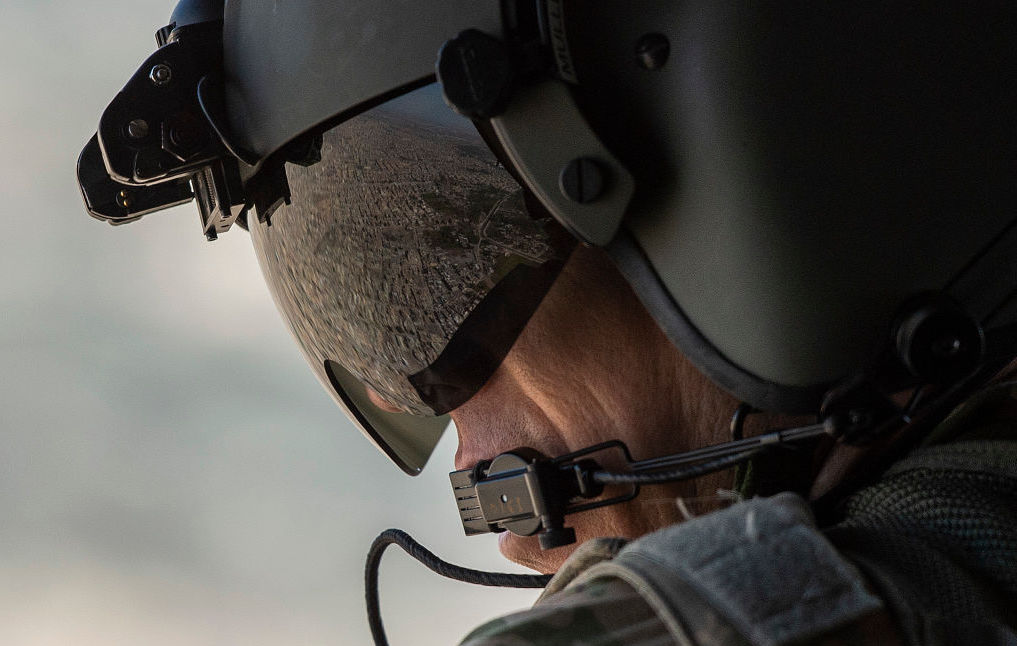
    A partial view of the Iraqi capital Baghdad is reflected in the visor of a US Army helicopter crew member as he looks out of a Chinook helicopter flying from the US Embassy to Baghdad International airport, following the helicopter of US secretary of State Mike Pompeo, on January 9, 2019.
  • Analysis
  • Shifting US strategy in Iraq

    The United States has missed a valuable opportunity to use its influence in Iraq to encourage the government to implement the reforms Iraqi protesters have been demanding over the past six months and push back on Iran.

    March 12, 2020

    The difficult ordeal of forming a new Iraqi government
    Iraqis stand outside parliament building, or Council of Representatives, in Baghdad's Green Zone on February 27, 2020. (Photo by SABAH ARAR / AFP) (Photo by SABAH ARAR/AFP via Getty Images)
  • Analysis
  • The difficult ordeal of forming a new Iraqi government

    On March 1, Iraqi PM designate Mohammed Tawfiq Allawi announced that he had failed to form a new government to replace the current caretaker one headed by PM Adel Abdul-Mahdi. In the post-Saddam era, government formation in Iraq has always been a complicated process, but this is the first time since 2003 that a PM designate failed to form a government and the episode has revealed fundamental deficiencies in the Iraqi political process.

    March 12, 2020

    What’s next for coalition forces in Iraq?
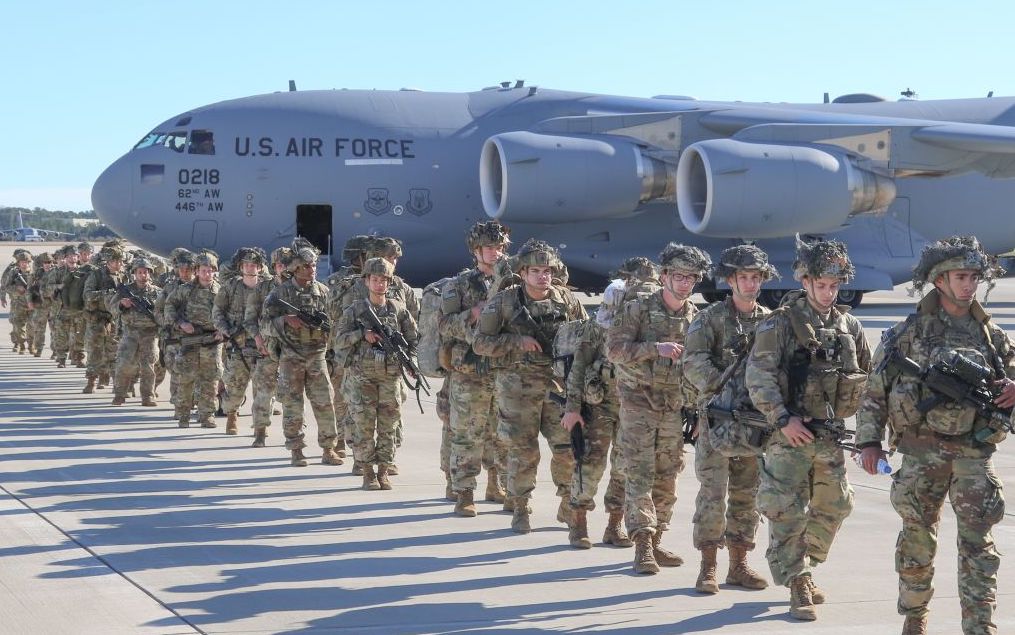
    U.S. Army Paratroopers assigned to the 2nd Battalion, 504th Parachute Infantry Regiment, 1st Brigade Combat Team, 82nd Airborne Division, deploy from Pope Army Airfield, North Carolina on January 1, 2020.
  • Analysis
  • What’s next for coalition forces in Iraq?

    The U.S. killing of Qassem Soleimani, the Islamic Revolutionary Guard Corps’ (IRGC) Quds Force commander, along with the deputy chair of the Iraqi Popular Mobilization Forces (PMF), Abu Mahdi al-Muhandis, altered the political balance in Iraq. But the killings took place against a wider backdrop of political unrest and protests that forced the resignation of Prime Minister Adel Abdul-Mahdi at the end of 2019. With Iraq potentially headed for early elections,the country is set for significant changes as political actors vie for a seat at the table. U.S. and coalition forces in the region will inevitably be affected, and the coming months will determine the future of both Iranian proxies and the coalition presence in Iraq.
    March 10, 2020

    Little hope for an end to Israel’s political turmoil
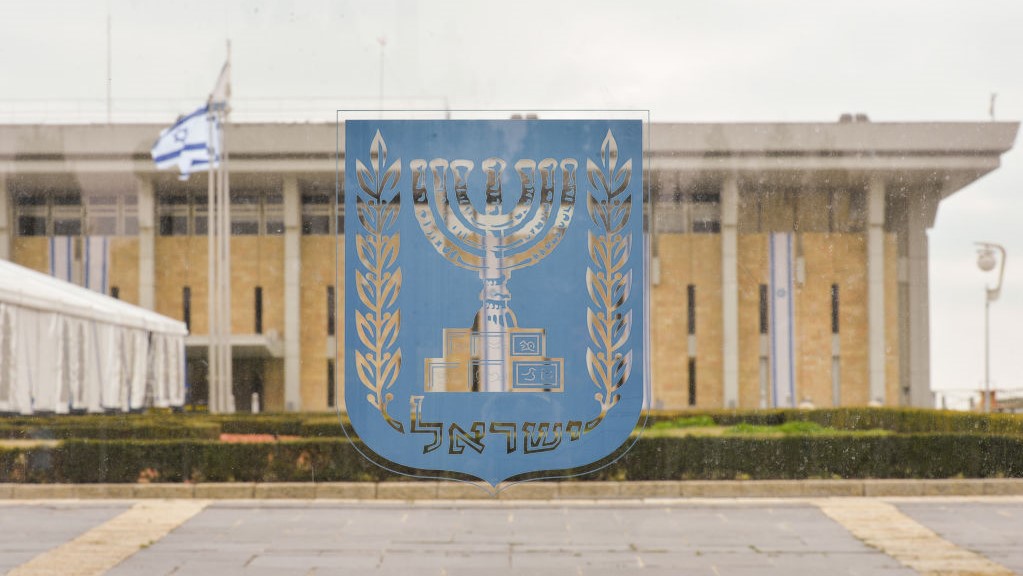
    An emblem of Israel with the Knesset in the background, seen on the day of Israeli Legislative Elections 2020, in Central Jerusalem.
  • Commentary
  • Little hope for an end to Israel’s political turmoil

    Neither Likud nor Kahol Lavan was able to break the political stalemate and clear the path to the immediate formation of a majority government.

    March 9, 2020

    Can Palestinian citizens of Israel teach other Arabs a lesson in democracy?
  • Analysis
  • Can Palestinian citizens of Israel teach other Arabs a lesson in democracy?

    While attention in the third Israeli general elections in a year has focused on the performance of the caretaker prime minister Binyamin Netanyahu, a powerful light must be shed as well on the successful performance of Israel’s Palestinian citizens, who again increased their representation in Israel’s parliament.

    March 6, 2020

    Iraqi politics continues to unravel as Allawi withdraws
     Iraqi Prime Minister Mohammed Tawfiq Allawi arrives at the parliament headquarters ahead of a special session for a confidence vote on the new cabinet members.
  • Commentary
  • Iraqi politics continues to unravel as Allawi withdraws

    The country’s political parties now move to a new stage of repeating the crisis of the last few months, to nominate a new PM-designate.

    March 2, 2020

    And now what? A realistic approach to the Israeli-Palestinian impasse
    Thousands of protesters gather at Al-Manara Square to protest against U.S. President Donald Trump's Middle East plan, in Ramallah, West Bank on February 11, 2020.
  • Analysis
  • And now what? A realistic approach to the Israeli-Palestinian impasse

    The announcement of Donald Trump’s “deal of the century” was a rude shock, roundly condemned by almost everyone concerned with peace and justice between Israelis and Palestinians. But it also presents an urgent challenge for all those who reject it because they realize the dire implications of what it portends for the future of any peaceful negotiated solution. If a genuine two-state solution is truly dead, and an equitable one-state solution is even harder to achieve, then where does that leave us? What is, or should be, the agenda for the foreseeable future for those concerned with the Israeli-Palestinian issue.

    March 2, 2020

    Why there’s little media coverage of the Lebanon and Iraq protests
    Lebanese protesters wave national flags during demonstrations to demand better living conditions and the ouster of a cast of politicians who have monopolised power and influence for decades, on October 21, 2019 in downtown Beirut. -
  • Analysis
  • Why there’s little media coverage of the Lebanon and Iraq protests

    Lebanese and Iraqi protesters have faced an uphill battle drawing global media attention since Arab Spring-like uprisings erupted in both countries last October. Coverage of the protests has been dwarfed by other major international news stories running concurrently with the uprisings, such as Brexit and the Hong Kong protests. The main implication of low coverage has been a lack of sustained international pressure on Lebanese or Iraqi political leaders to accommodate protester demands for wholesale systematic changes.

    February 24, 2020

    The 6,000-year saga of the Citadel of Erbil
    Main photo by Corbis News./Anthony Asael/Art In all of Us via Getty
  • Analysis
  • The 6,000-year saga of the Citadel of Erbil

    The history of Erbil’s citadel reads like a cinematic epic worthy of Cecil B. DeMille

    Possibly one of the world’s oldest continuously inhabited human settlements, the citadel is built on a series of archaeological layers crowned by Ottoman-era houses. It may have been the site of a temple to Ishtar, was an important center of Nestorian Christianity, and survived both the 13th-century Mongol invasion and an 18th-century siege by Nader Shah. It was home to the Medians and the Assyrians (who called it Arbela), Muslims and Jews, and has housed Sufi shrines and displaced squatters. Its mound-like form has been shaped by successive generations of inhabitants and invaders who simply built on top of the rubble of their predecessors.

    February 18, 2020

    Truth is stranger than science fiction: Palestine +100
    Political and social mural paintings and graffiti on the Israeli West Bank barrier in Bethlehem.
  • Analysis
  • Truth is stranger than science fiction: Palestine +100

    As the world increasingly resembles a dystopian film from the 1970s and television news blurs ominously with scenes from Soylent Green, a recent collection of Palestinian science fiction proves both prescient and eerily contemporary.

    February 6, 2020

    Why Jordan was so quick to reject Trump’s peace plan
    Thousands of Jordanians protested on Friday against President Trump's Middle East Peace Plan on January 31, 2020 in Amman, Jordan.
  • Analysis
  • Why Jordan was so quick to reject Trump’s peace plan

    Jordan’s response to President Donald Trump’s so-called “deal of the century” has been quick and unequivocal. Less than an hour after the release of the peace plan at a White House ceremony on Jan. 28, Jordanian Foreign Minister Ayman Safadi issued a statement in which he reiterated Amman’s support for the two-state solution and the Arab Peace Initiative (API) as the only path to a just and lasting settlement to the Israeli-Palestinian conflict, without referring directly to the Trump proposal.

    February 3, 2020