The future of the UK’s relationship with the Maghreb
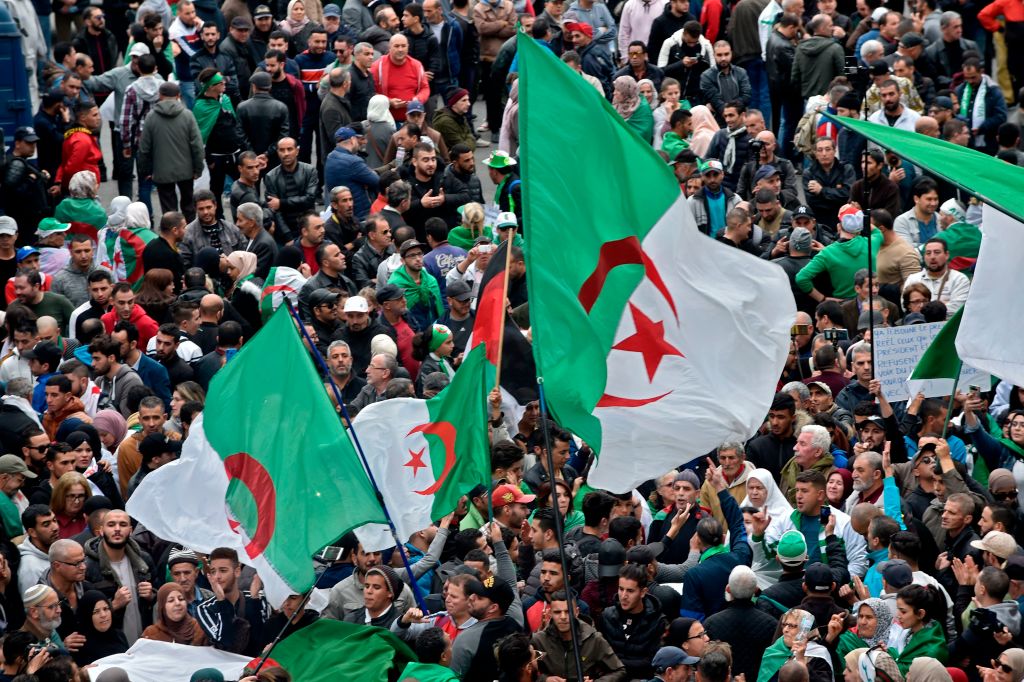
The UK’s impending exit from the EU will present a new chapter for British interests in and posture toward the region. If the UK is to find a trade-off for loss of diplomatic and economic heft, it will need to re-prioritize its engagement efforts. Policy continuity toward Morocco and Tunisia appears inevitable; Algeria, in contrast, promises great opportunity for an evolving relationship.
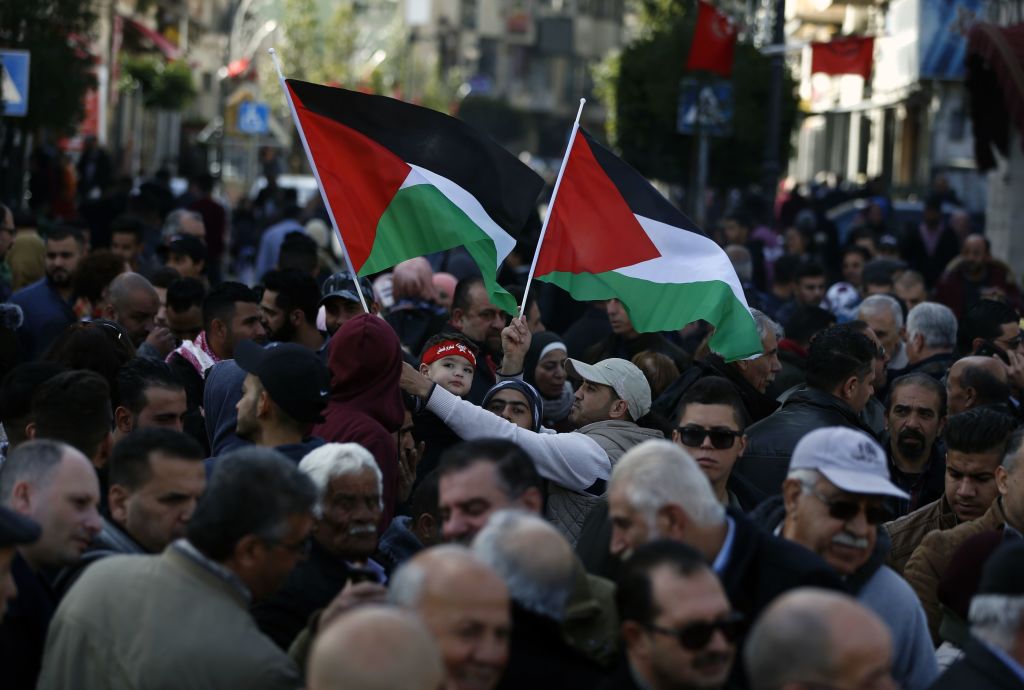
Holding long overdue elections for the Palestinian presidency and the legislative arm of the Palestinian Authority could be a step toward redressing the Fatah-Hamas conflict.
In our annual year in review episode, MEI experts Paul Salem, Gonul Tol, Charles Lister, Alex Vatanka, Marvin Weinbaum, and Mirette Mabrouk sit with host Alistair Taylor to discuss the key events across the region in 2019, what surprised them, and where things stand as we head into 2020.
The intra-GCC competition over the Palestinian heart
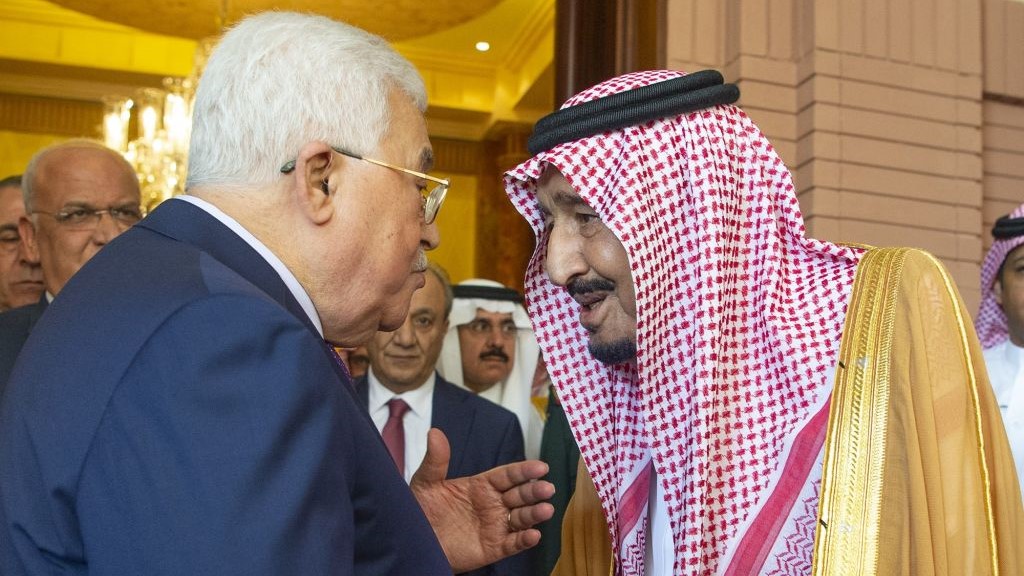
Since 2017 three separate blocs have emerged within the Gulf. Driven by the region’s divisions, rival power centers, and conflicting interests, the Gulf states are playing an ever-greater role in Palestinian affairs.
Aspiring Powers, Regional Rivals: Turkey, Egypt, Saudi Arabia, and the New Middle East
Aspiring Powers, Regional Rivals examines relations between Turkey, Egypt, and Saudi Arabia, three key aspiring regional powers that have sought to take on a growing role in the Middle East in recent years at a time of declining U.S. influence and involvement.
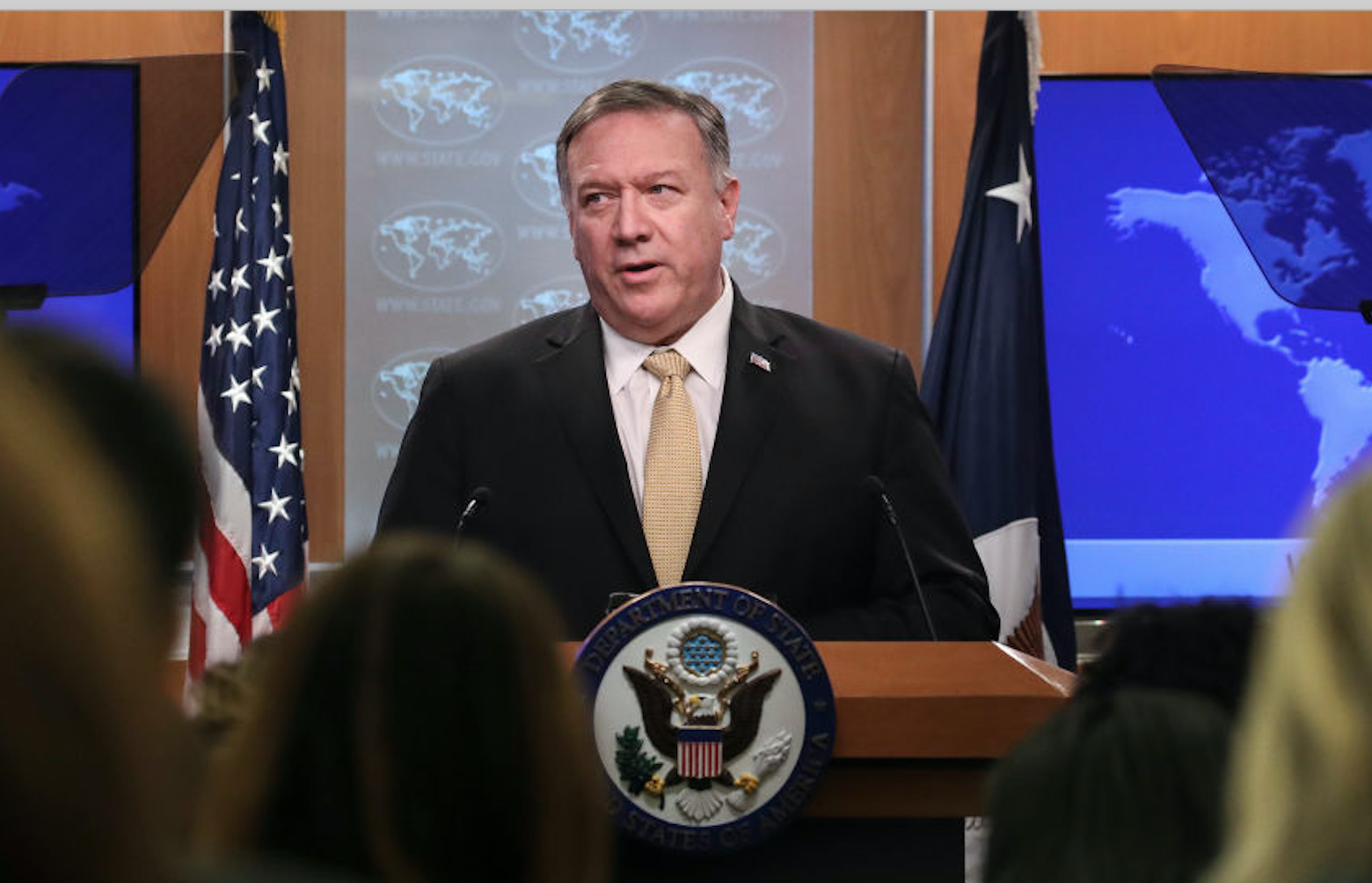
It is not always recognized that Secretary of State Mike Pompeo’s Nov. 18 declaration that Israeli “settlements are not inconsistent with international law” was primarily political, not diplomatic, designed for domestic American consumption as part of the president’s reelection campaign. Secondarily, it was intended to strengthen Israeli Prime Minister Benjamin Netanyahu’s hand in the current coalition negotiations and/or the likely upcoming Knesset election, if coalition negotiations fail. Third on the list, almost an afterthought, is the effect on the Palestinians, whose future state’s boundaries it purports to impact.
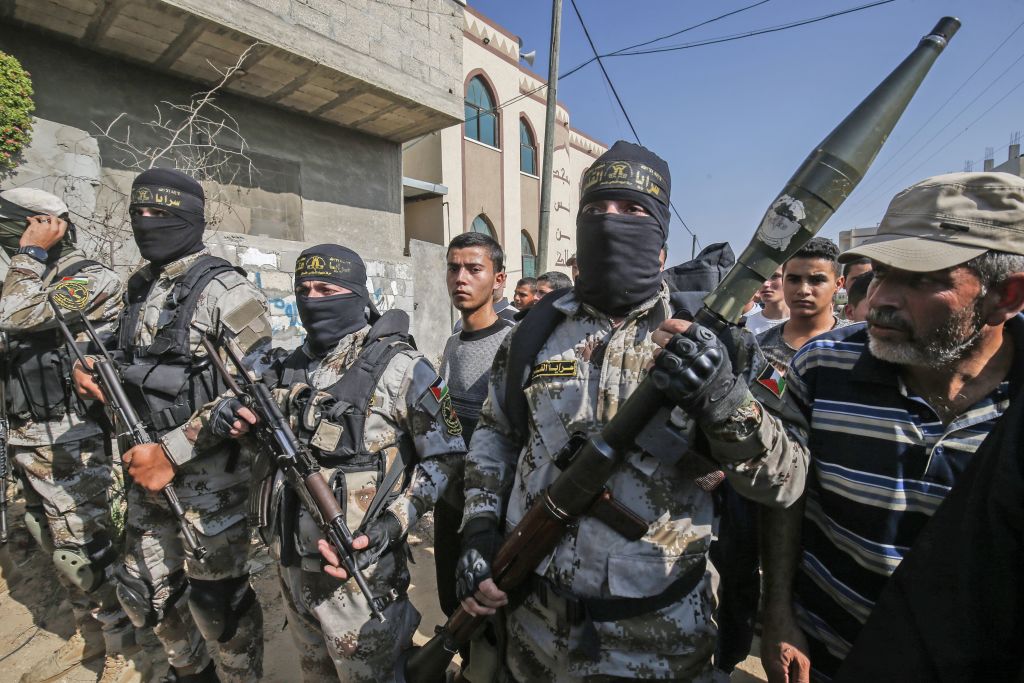
A Nov. 12 Israeli airstrike on the Gaza Strip killed Baha Abu al-Ata, a commander with the Palestinian Islamic Jihad (PIJ) militant group. Over the ensuring 48 hours, the PIJ launched some 450 rockets from Gaza into southern and central Israel. Hamas, the Palestinian political party/militant group that acts as the de facto government of Gaza, stayed out of the fighting — despite relatively high civilian casualties and the killing of one of its fighters.
US and World Bank host talks on long-running Egypt-Ethiopia-Sudan water dispute
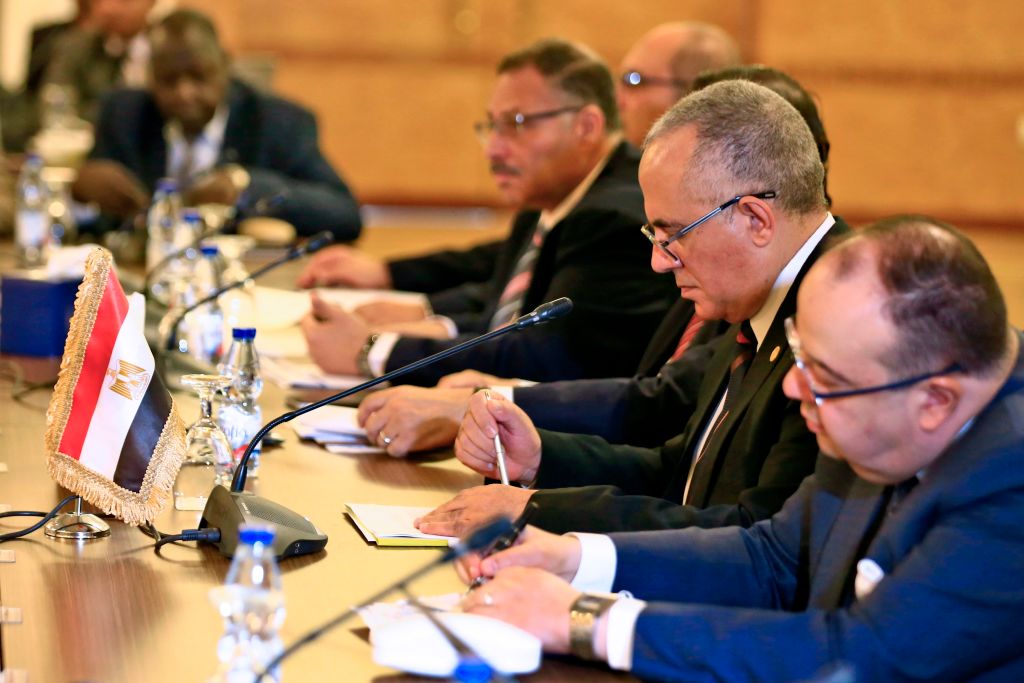
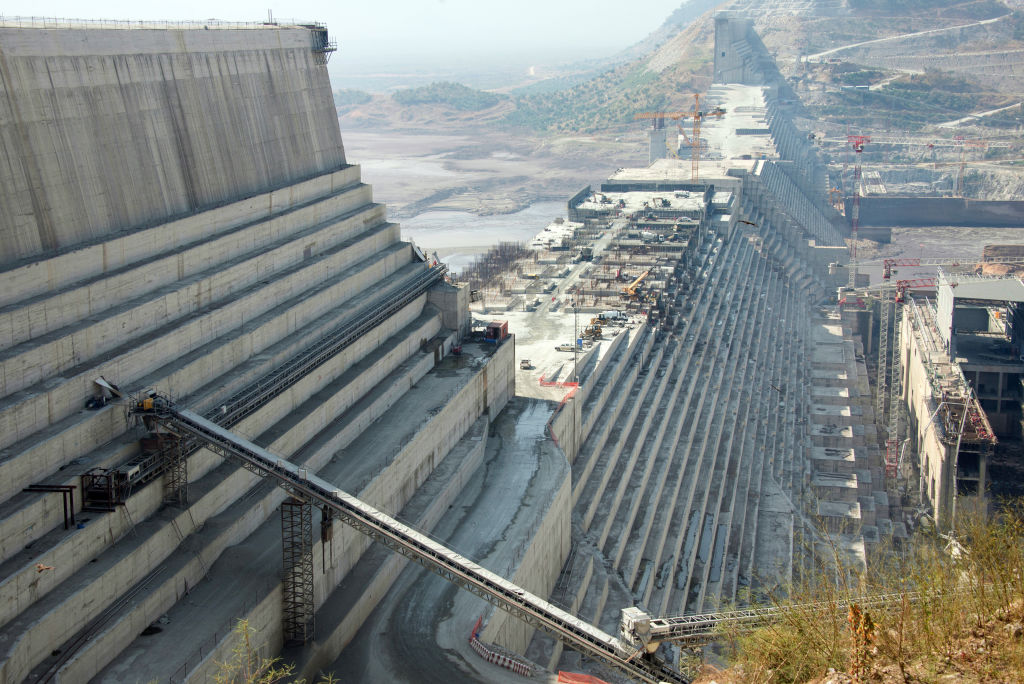
The U.S. and World Bank sponsored talks last week between Egypt, Ethiopia, and Sudan, over the Great Ethiopian Renaissance Dam – the latest developments in a regional soap opera that’s been running since 2010, when Ethiopia first announced the construction of the dam.
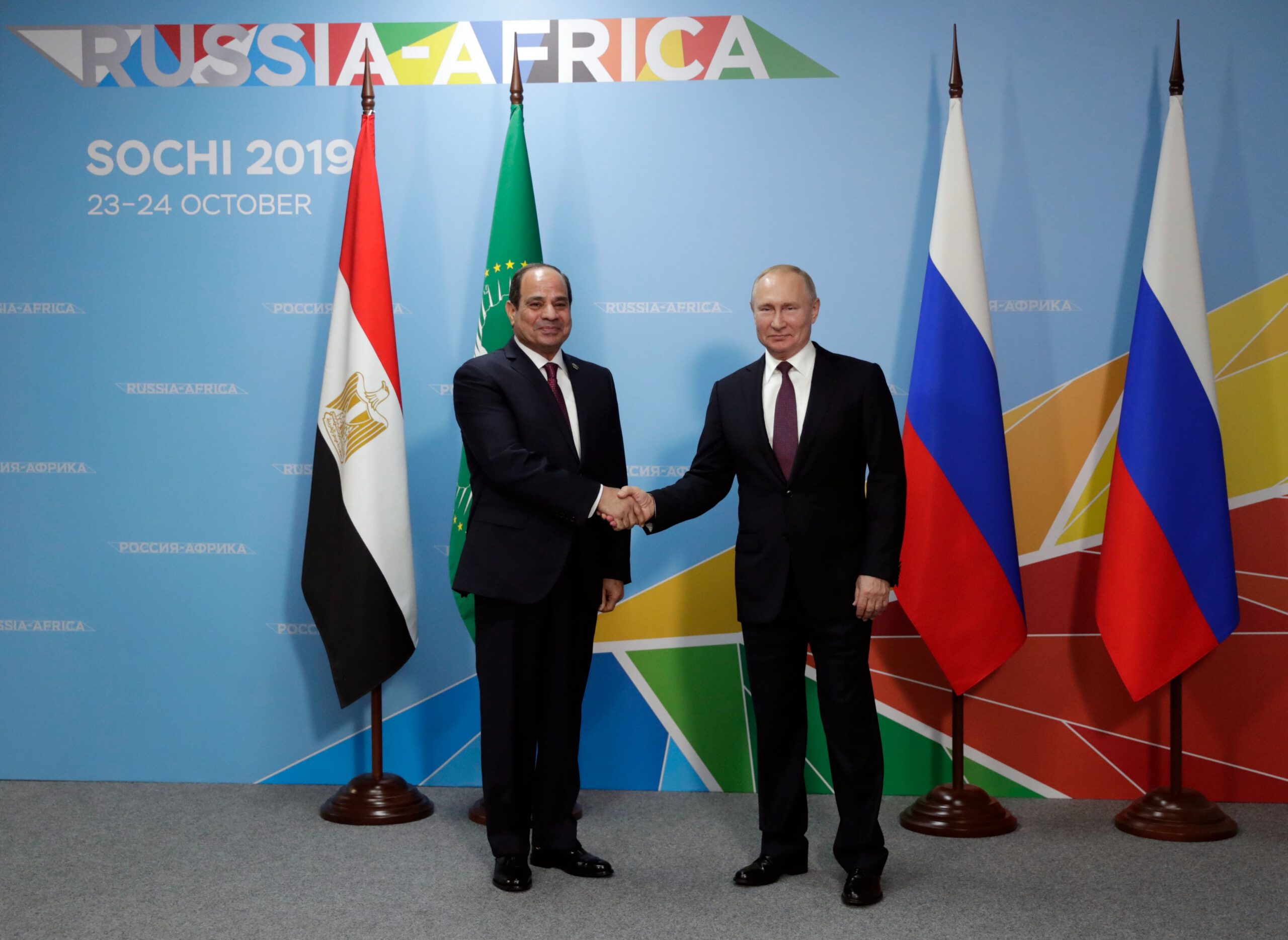
On Oct. 23-24, Russian President Vladimir Putin co-chaired the Russia-Africa Economic Forum in Sochi with his Egyptian counterpart Abdel-Fattah el-Sisi. At the conclusion of the summit, which brought 43 African heads of state to the Black Sea resort town, Sisi emphasized the importance of strengthening Egypt’s partnership with Russia, and Putin described Egypt as a “pillar for security and stability in the Middle East and Africa.”
Water dispute with Ethiopia is an existential issue for Egypt
Egypt and Ethiopia remain at odds over the Great Ethiopian Renaissance Dam. Currently almost 70 percent complete, the giant upstream dam, which can hold the entire annual rainfall of the Nile, has the capacity to essentially turn the taps off on Egypt, depriving the country of the river water that supplies a mind-numbing 90 percent of its fresh water.
Disrupting a delicate status quo: The Hamas crackdown on Salafi-jihadists
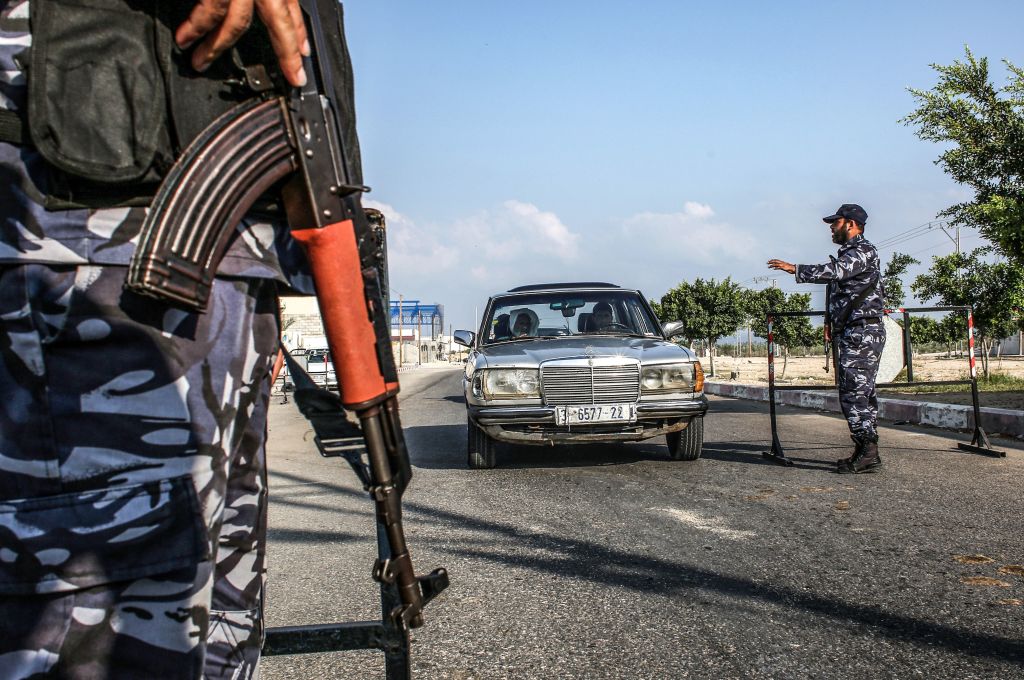
Reports of a secret war being waged by Hamas against Salafi-jihadist groups in the Gaza Strip are indicative of increasing challenges to the former’s security control within the enclave. Hamas’ current approach to violent Salafist cells in Gaza is equally demonstrative of an ongoing warming of relations between Cairo and Hamas, and one that has afforded Hamas international legitimacy and an ease in border restrictions.
Trade, Reform, and Revitalization: Toward a US-Egypt Free Trade Agreement
A question as to the value of a U.S.-Egypt Free Trade Agreement (FTA) misses the point. The question should not be whether an FTA would be in the interest of both parties since there is abundant evidence that it would. The question is what kind of FTA would best suit the needs, both short and long term, of the two parties: shallow integration or deep integration? This report argues that notwithstanding several hurdles, it is in the interest of both countries to move swiftly and decisively toward a deep FTA.
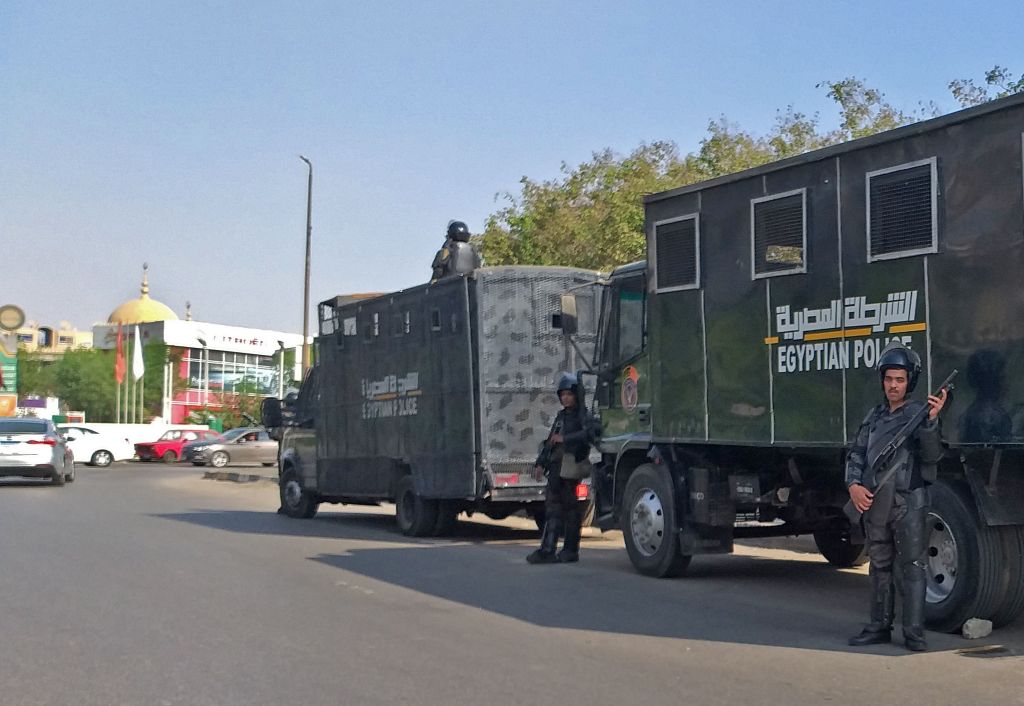
Minor protests in Egypt attract more international than domestic attention
The weekend of the 23rd saw small demonstrations in approximately five governorates that had the twitterverse in an uproar and rekindled mostly moribund international interest in democracy in Egypt.